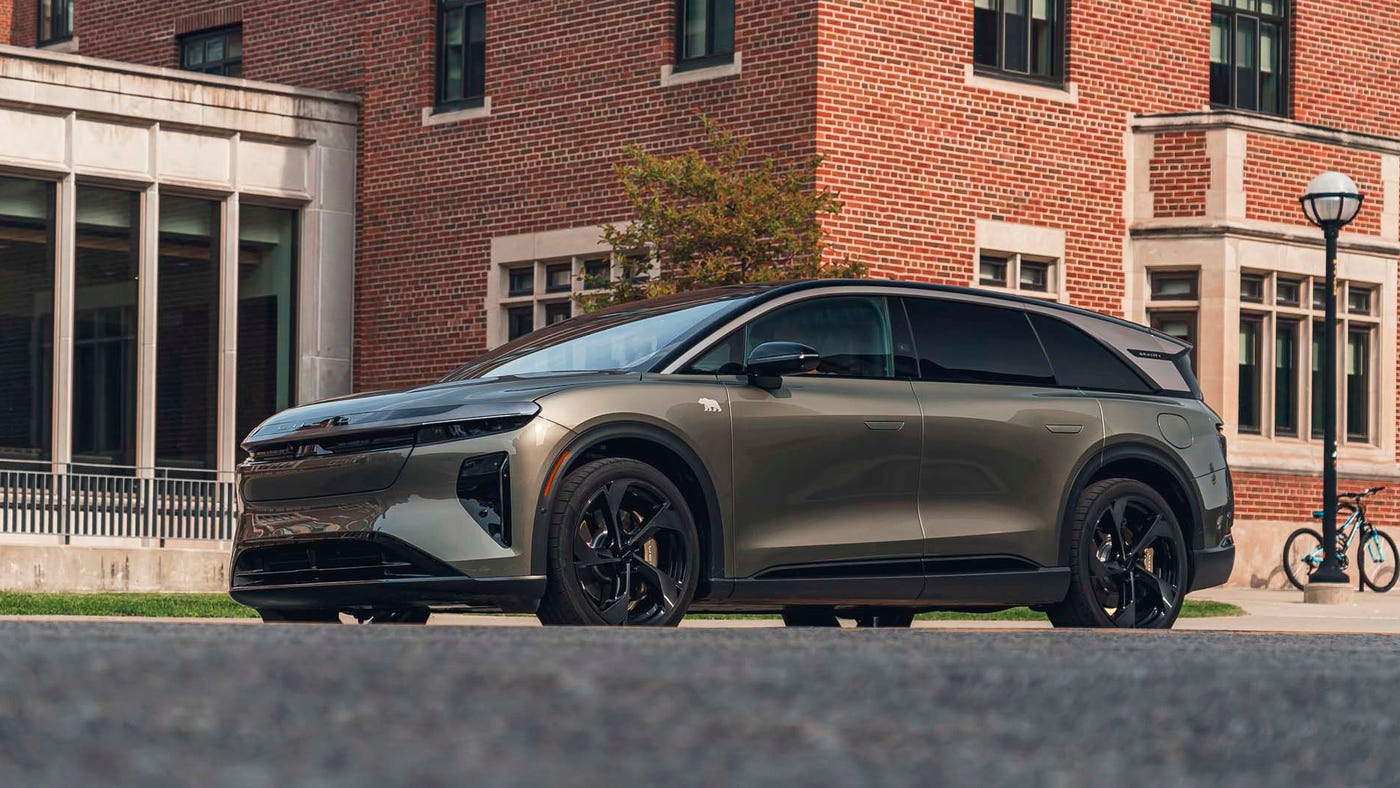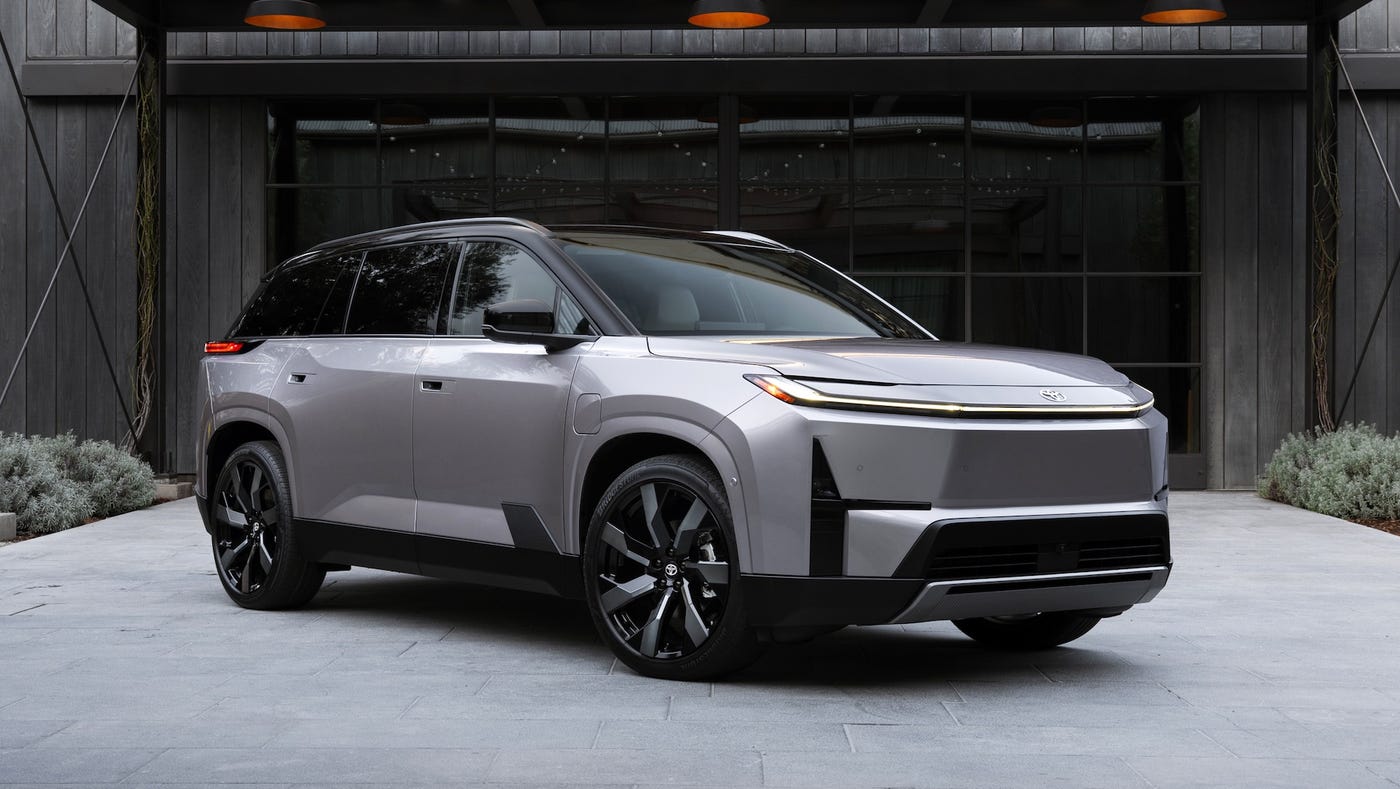


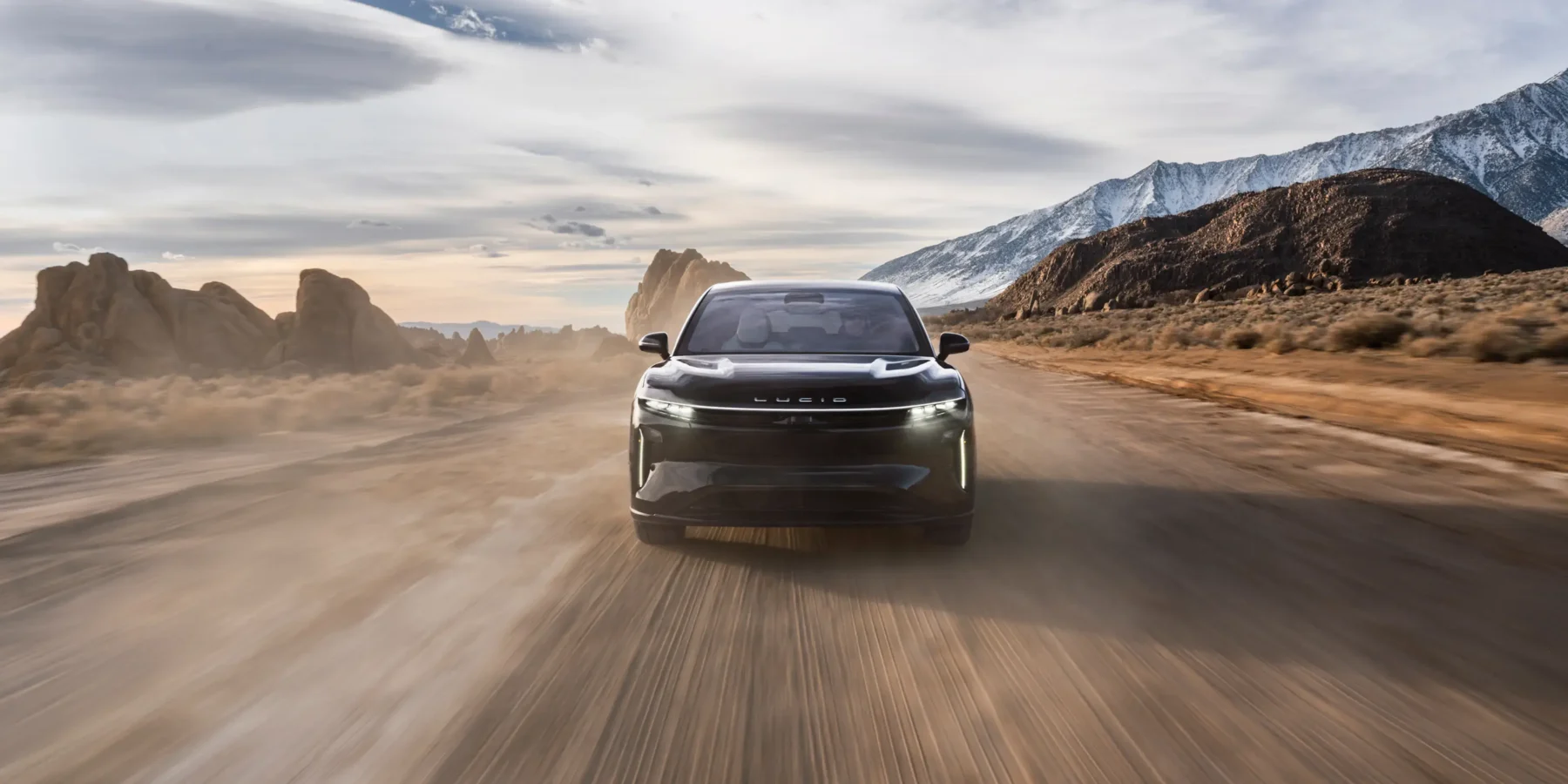
Safety recalls usually trickle in after years of road wear, but Lucid Motors just recalled 4,476 Gravity SUVs—nearly every vehicle they’ve built since the luxury three-row’s 2025 launch. The culprit? Improperly welded lap belt anchor brackets on second-row seats that could fail to restrain passengers during a crash.
This isn’t just a safety hiccup. It’s a manufacturing nightmare that exposes the brutal realities of scaling EV production when you’re burning Saudi money to chase Tesla’s throne.
Supply Chain Breakdown
A supplier’s unauthorized process change triggered the crisis.
The defect emerged from supplier Camaco Automotive altering its manufacturing process without Lucid’s notice or approval. During unrelated safety testing in January 2026, engineers discovered that second-row seat belt anchors weren’t meeting specifications.
The supplier has since reverted to the original design, sparing vehicles built after February 14, 2026. This supply chain failure highlights the oversight gaps that can emerge when luxury EV startups rely on third-party manufacturers for critical safety components.
Key Recall Details:
- Affected vehicles: 4,476 Gravity SUVs (model years 2025-2026)
- Safety risk: Lap belt anchors may detach during crashes
- Fix timeline: Free inspections starting May 22, 2026
- Remedy: Reinforcement brackets or complete seat replacement
- Injury reports: Zero (so far)
This marks the second physical recall for the Gravity, following earlier airbag issues alongside multiple software fixes. For a cash-strapped startup backed by Saudi Arabia’s Public Investment Fund, quality control stumbles like this carry existential weight.
Lucid sold 15,800 vehicles total in 2025—meaning this recall affects roughly 28% of their entire annual output. The recall timeline tells a concerning story about oversight gaps in luxury EV manufacturing. When suppliers can secretly modify critical safety components without automaker approval, it suggests supply chain controls that wouldn’t pass muster at established manufacturers.
Tesla had similar growing pains during Model 3 production hell, but they had deeper pockets and less competition breathing down their necks. Lucid’s engineering team deserves credit for catching the defect during testing rather than waiting for field failures. But for families considering an $80,000+ three-row SUV, this recall raises uncomfortable questions about production maturity at a company still learning how to build cars at scale.