A House Democrat wants to double the federal EV tax credit to $15,000 and make it permanent. That’s the headline. Here’s the subtext: the bill has zero cosponsors, sits in three committees, and the enacted tax benefit does not currently exist for household car-buying budgets.
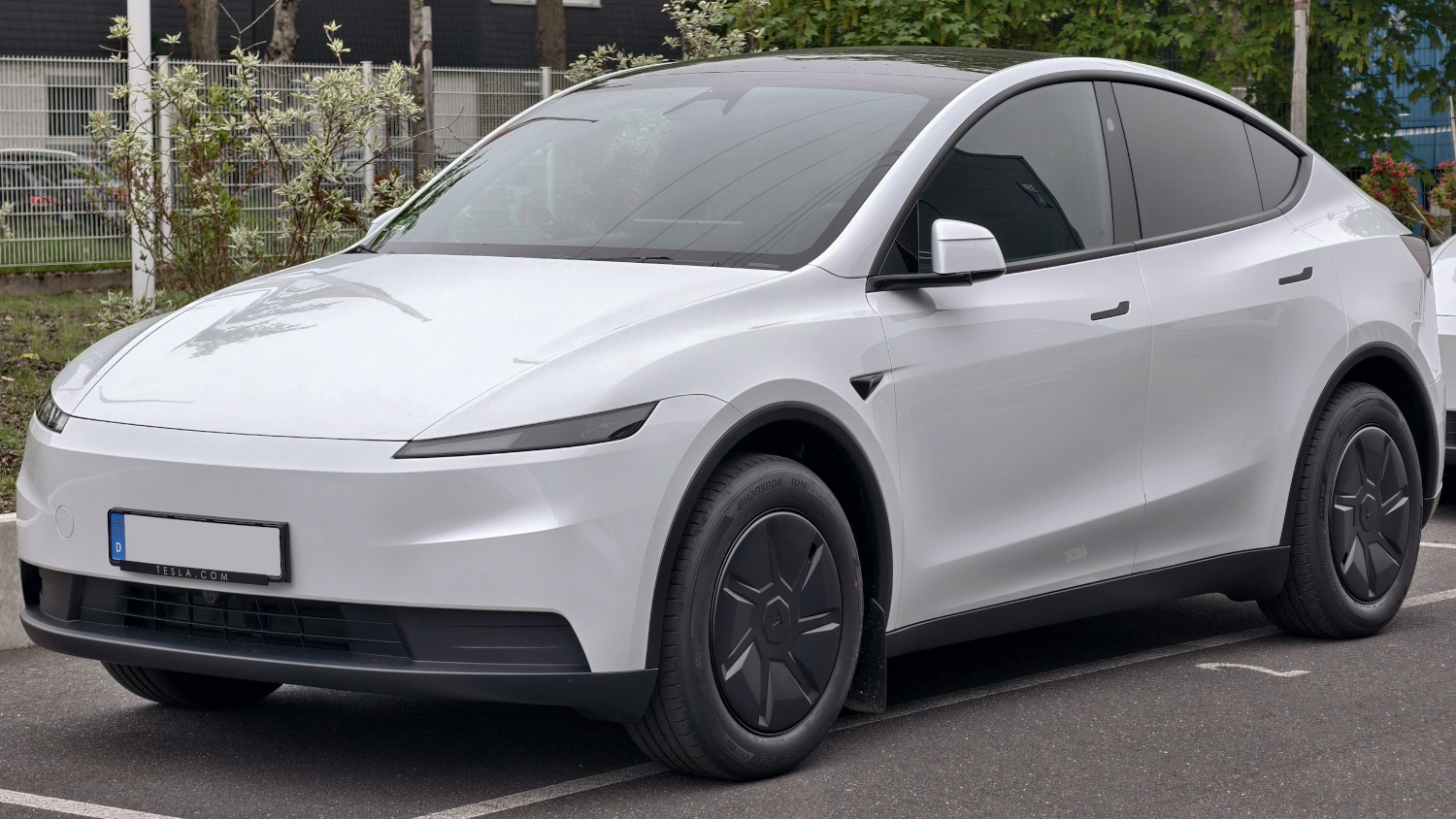
Rep. Greg Landsman (D-Ohio) introduced H.R. 10881 on October 22, 2026 — roughly three weeks after the previous federal EV credits expired for vehicles purchased after September 30. EV demand remains a live political issue, and Tesla’s Model 3 and Model Y occupy exactly the price ranges where a $15,000 subsidy could meaningfully shift affordability calculations for mainstream buyers.
What the Bill Actually Proposes
The 21st Century Vehicle Choice Act would double both the new- and used-vehicle credits, but sourcing requirements determine whether buyers receive the full amount.
The former credit topped out at $7,500. Landsman’s proposal doubles it — but not automatically.
- New-vehicle credit: up to $15,000 (two separate $7,500 components tied to battery and critical-mineral sourcing — both conditions must be satisfied for the full amount)
- Used-EV credit: doubles from $4,000 to $8,000
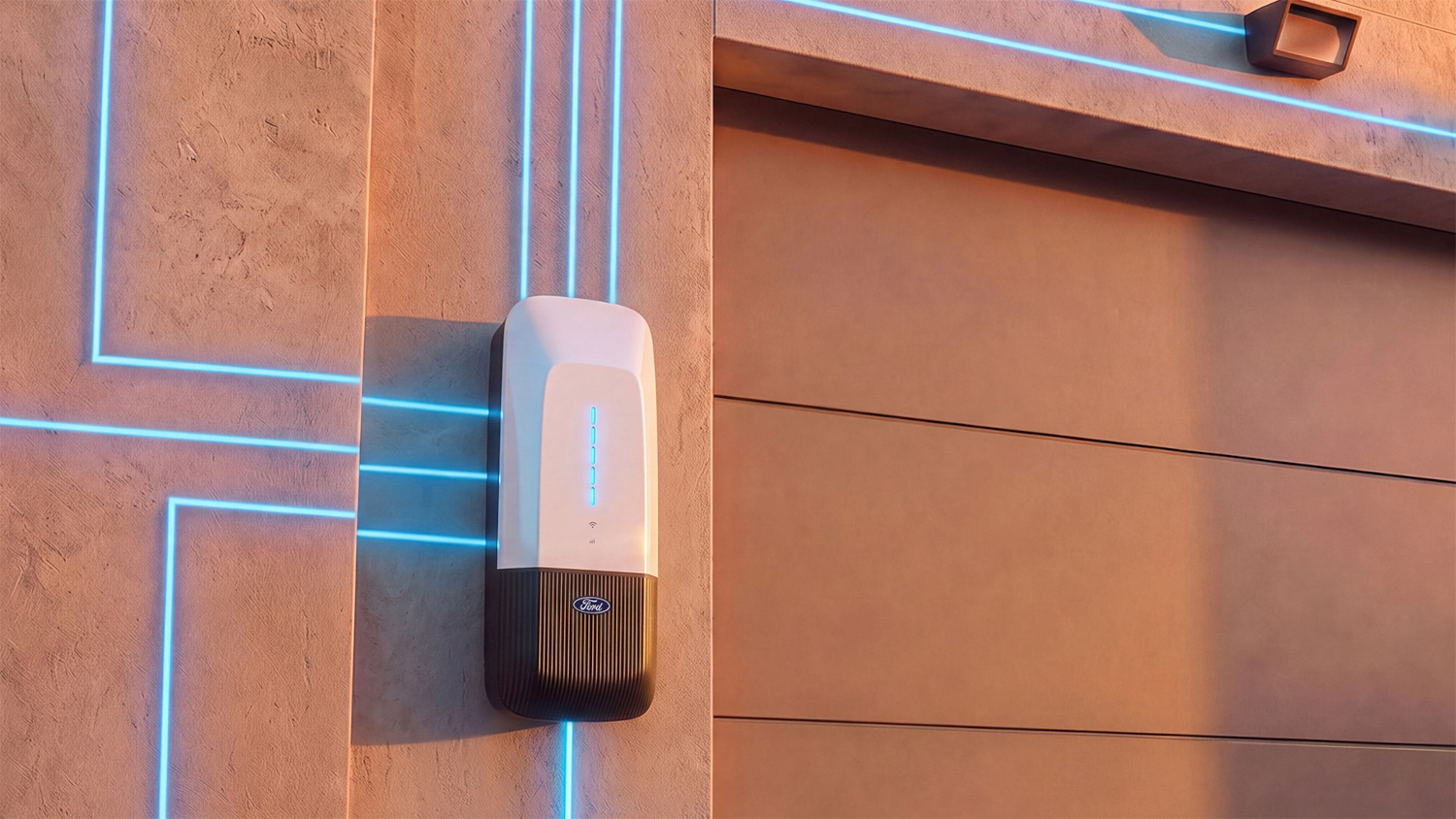
- Charging equipment credit: rises from 30% to 50% of cost
- Income caps: $225,000 for joint filers, $169,000 for heads of household, $112,500 for single filers — stricter than the former program
- Prior-claimant restriction: buyers who claimed the new-EV credit in a previous tax year would be ineligible for a subsequent claim
Tesla’s Conditional Maybe
A stronger incentive could reshape the math for fence-sitting buyers, but eligibility depends entirely on final statutory language — and that language isn’t law yet.
For households weighing a Model 3 or Model Y, a $15,000 credit could meaningfully reduce the effective purchase price. A larger used-EV credit could also support demand in the substantial Tesla secondhand market. But “if enacted” and “depending on sourcing compliance” carry significant weight in any such calculation, and no specific market effect has been established by primary sources.
A separate proposal commands broader Democratic support. According to Politico, more than 160 House Democrats reportedly back legislation from Reps. Sean Casten and Mike Levin that would restore the original $7,500 credit through 2032 — not double it. These are not the same bill. The proposal with meaningful cosponsor backing is the more modest ask.
Watch the Committee Calendar, Not the Sticker Price
The next milestones are committee consideration, cosponsor activity, and whether Democratic leadership folds EV incentives into a broader post-midterm energy or tax agenda.
H.R. 10881 requires cosponsor momentum, committee clearance across three separate House panels — Ways and Means, Energy and Commerce, and Natural Resources — full chamber passage, Senate agreement, and a presidential signature. That is a long road from an introduced bill with no cosponsors.
If a Tesla is on the shopping list, track the legislative calendar. Don’t restructure any finances around a credit that has not yet been enacted.