

When standard equipment runs out of capability, these machines take over. A single dragline excavator moves enough earth to fill 23 Olympic swimming pools in one shift. Dredging vessels clear 30 pools worth of material every 24 hours. The Shell Prelude FLNG stretches nearly half a kilometer and processes 3.6 million tons of natural gas annually. These are not upgraded versions of ordinary equipment — they are purpose-built answers to problems that conventional machinery cannot solve.
These 20 construction giants define the outer edge of what industrial engineering has managed to build.
20. Anchor Chain Bulldozer
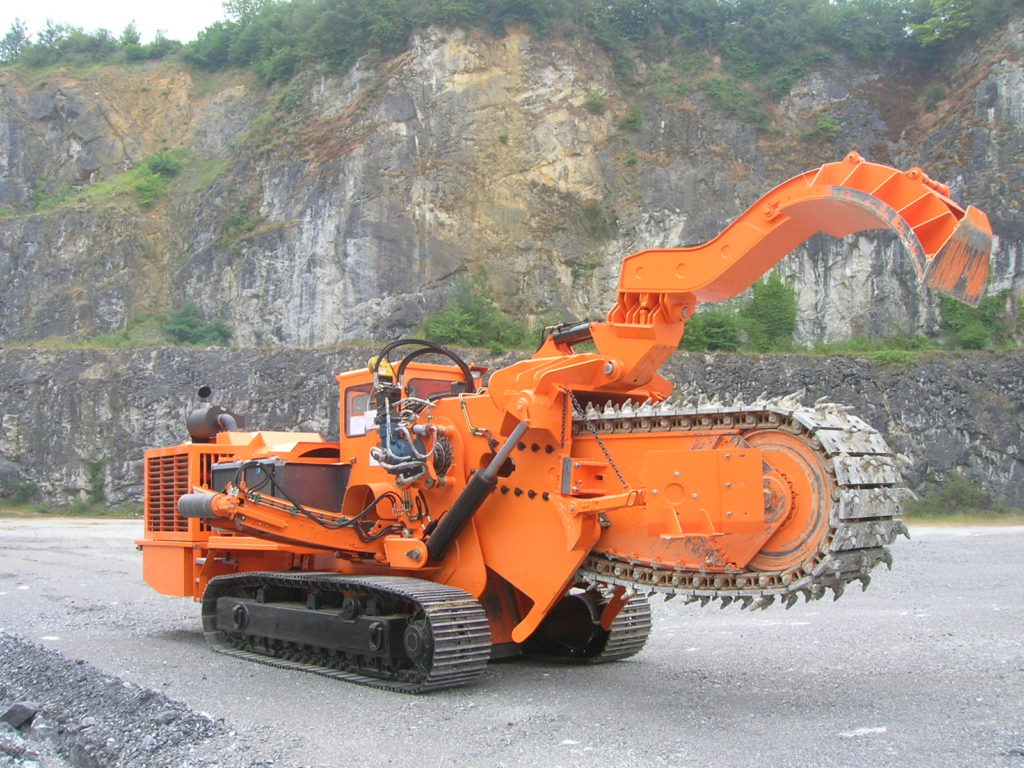
Two bulldozers connected by a chain stretching over 150 meters — each link weighing around 40 kg — can flatten trees and brush across 200 acres in a single day, which is 40 times faster than conventional clearing methods. Fire crews rely on this approach to create firebreaks when wildfire threatens communities, and large ranches use the same method to keep land manageable at scale. Significant environmental impact through soil disruption and habitat destruction has led to growing criticism, and limited precision combined with high fuel consumption is pushing the industry toward more sustainable clearing alternatives. The anchor chain bulldozer remains unmatched in raw clearing speed while that transition continues.
19. Massive Dredging Vessel
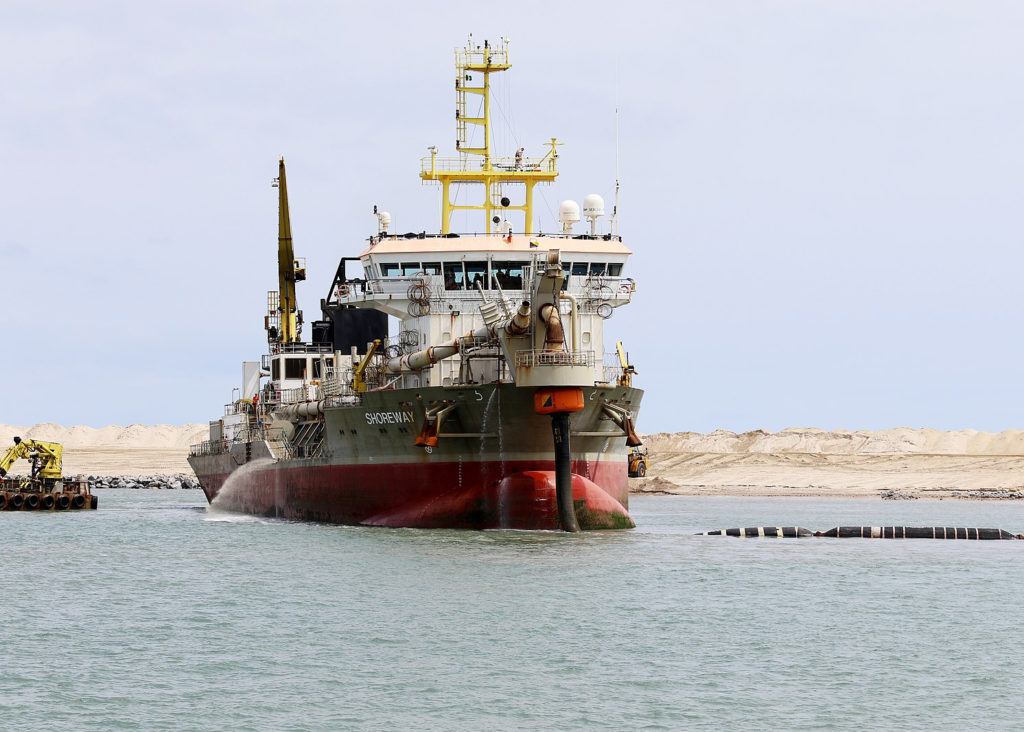
At 13,000 tons, these dredging vessels move over 76,400 cubic meters of material every 24 hours — enough to fill 30 Olympic swimming pools — using advanced positioning and depth control systems that operate across varied marine environments. Waterway maintenance, offshore mining, and land reclamation all depend on this capability, and when critical shipping lanes silt up after major storms, these vessels restore navigation within days rather than the weeks conventional equipment requires. Considerable impact on marine ecosystems has drawn increasing regulatory scrutiny, and substantial operational costs limit deployment to projects where the economic stakes justify the investment. No other technology currently matches this throughput for large-scale underwater excavation.
18. Dragline Excavator
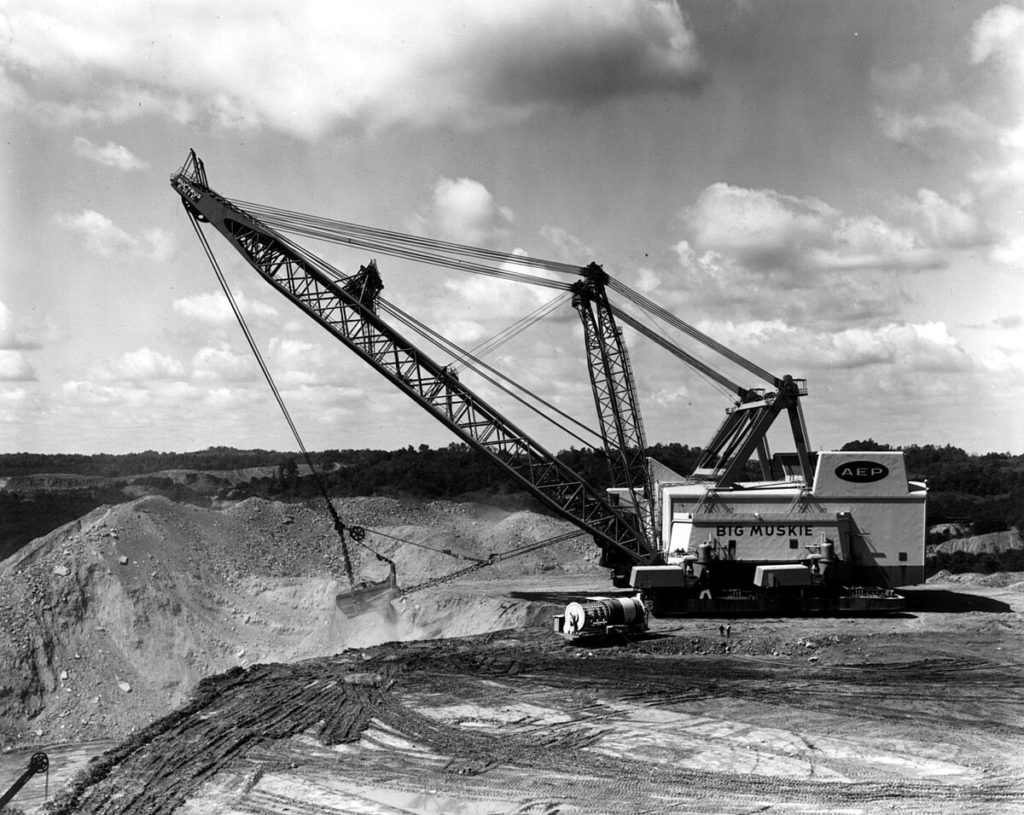
A dragline excavator shifts 170 cubic meters of earth in a single bite from an operating weight between 2,000 and 13,000 tons, with boom lengths reaching 70 to 130 meters that make entire hillsides disappear within days. Major mining operations depend on this capacity because nothing else delivers the excavation volume that keeps mineral extraction economically viable at scale. Steep initial costs, transportation difficulty, and notable energy consumption are real operational challenges, but for mining projects where sheer volume determines profitability, the dragline’s economies of scale justify every one of them. Standard excavators are not in the same category.
17. Sarens SGC Series Crane
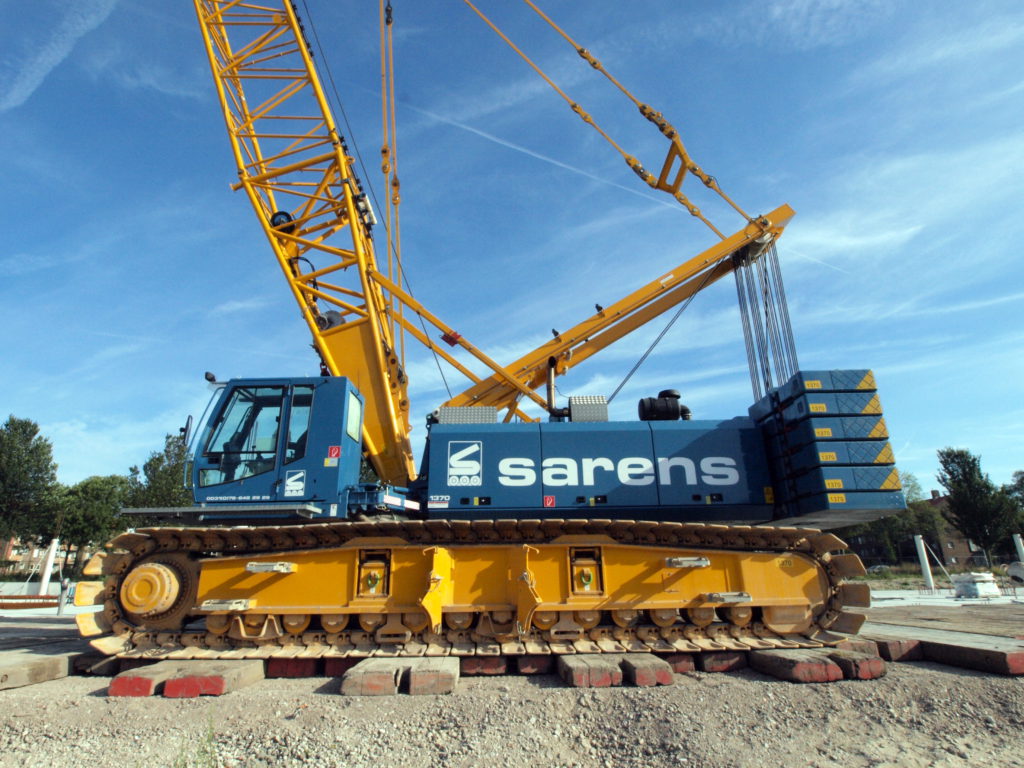
The Sarens SGC-250 carries a 4,000-ton lifting capacity in its standard configuration, and the modular design pushes one compact model to 990,000 tons — figures that redefine what the word crane means in an industrial context. Precision control systems allow millimeter-perfect placement of massive components, enabling construction projects that would otherwise require multiple conventional cranes operating in dangerous synchronization. Extremely high acquisition and operational costs limit accessibility to the largest industrial projects, and extensive site preparation before assembly combined with limited mobility once set up means deployment decisions require significant planning lead time. When those conditions are met, no other lifting solution achieves what the SGC Series delivers.
16. Liebherr R9800 Excavator
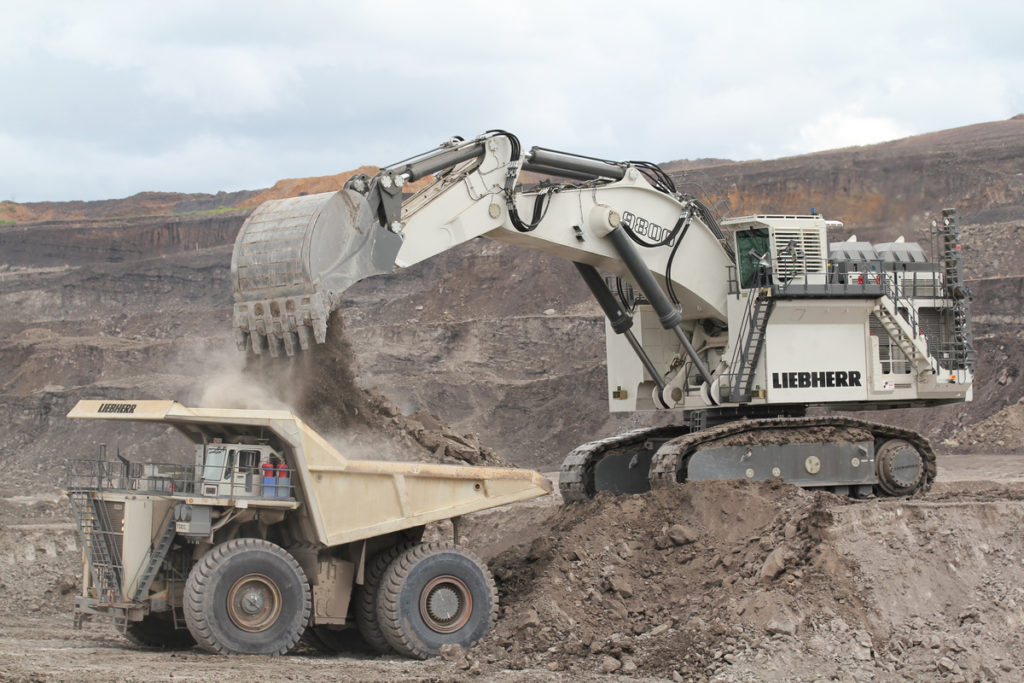
The 800-ton Liebherr R9800 runs a 4,000 horsepower engine — more than 20 family cars combined — and takes 47.5 cubic meters per bucket scoop without flinching in the harshest mining environments on earth. High maintenance expenses and considerable emissions are real costs that mining operations must manage, and the industry faces increasing pressure to develop electrification solutions that address the environmental footprint these machines carry. During the cyclical production shutdowns where every idle hour costs thousands in lost output, the R9800’s documented reliability keeps material flowing from pit to processor without interruption. That dependability is what justifies the operational investment at mine sites where downtime is never acceptable.
15. Sun Demolition Machine
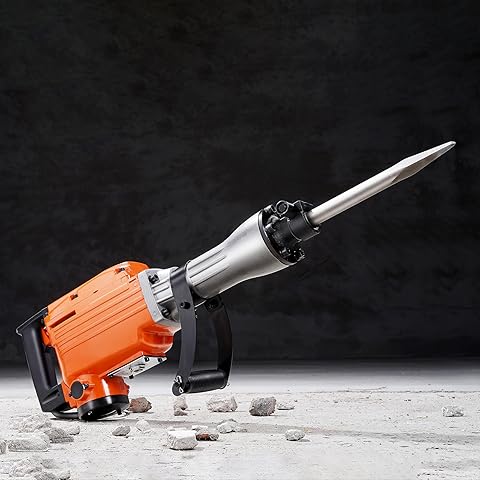
Built on the Kobelco SK 3500D platform, the 65-meter-tall Sun demolition machine weighs 350 tons and grabs up to 22 square meters of material per bite through a 1,530 horsepower engine with specialized attachments for high-rise work. Sophisticated hydraulic systems enable selective dismantling with the kind of surgical precision that preserves adjacent structures — a capability that traditional demolition methods would endanger rather than protect. Formidable acquisition costs and significant transportation challenges limit the market to large-scale urban demolition specialists with the project volume to justify the investment. For those operators, the Sun machine reduces a skyscraper to rubble on a timeline and safety profile that nothing else in the demolition category can match.
14. Caterpillar D11T Bulldozer
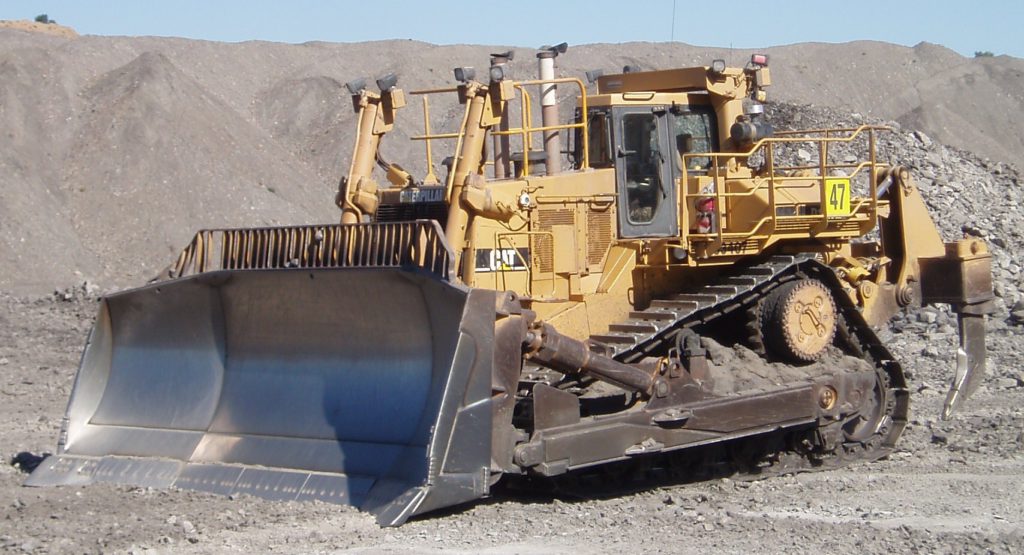
The Caterpillar D11T weighs 104,200 kg, pushes 850 horsepower through an advanced powertrain, and moves 57 cubic meters per blade pass — adding up to 57,000 cubic meters of material in a single shift, equivalent to filling 23 Olympic swimming pools with earth. For those interested in the broader range of extreme earth-moving capability, some of the most incredible trucks in the construction industry push the power envelope in different directions. Substantial initial costs, notable fuel consumption, and restricted maneuverability in confined spaces are genuine operational limitations, and the D11T works best in the open-pit mining, large construction, and land development projects where its size becomes an advantage rather than a constraint. It has become the industry benchmark for heavy-duty dozing because no competing machine consistently delivers this output volume at this reliability level.
13. Crane Ship
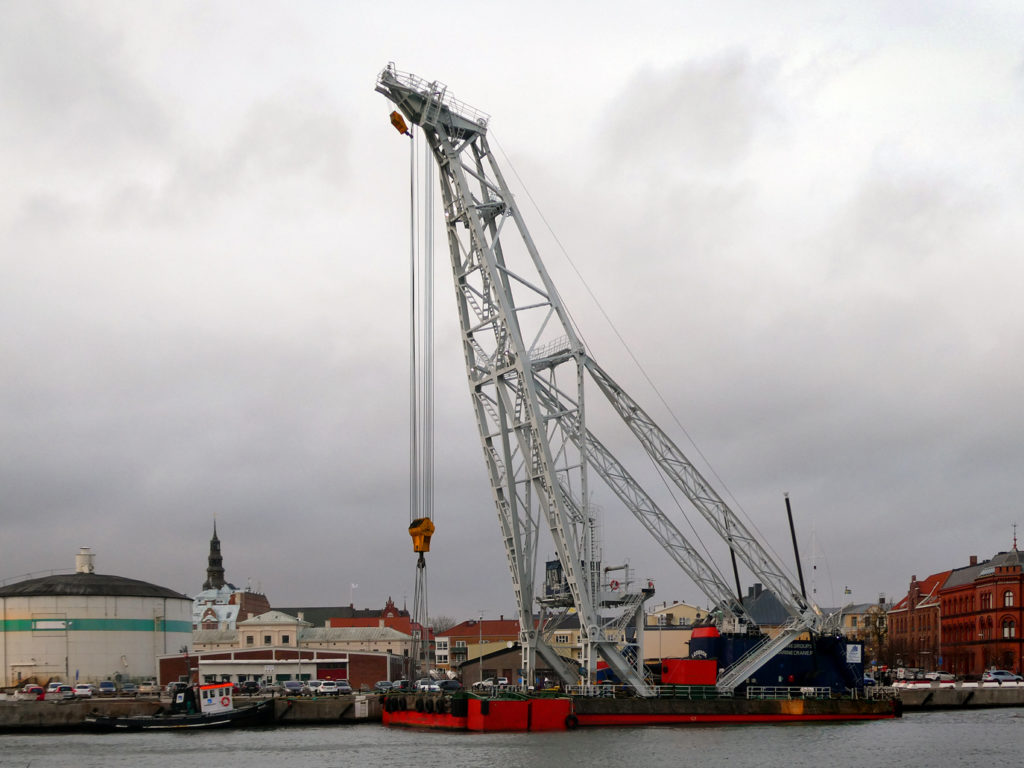
Hoisting 3,700-ton loads while floating in open seas requires a specialized hull design that maintains stability during lifts — a structural engineering challenge that these 110-meter-long, 50-meter-wide crane ships solve through precision that land-based cranes never have to achieve. Offshore oil and gas construction depends on this capability, and when weather windows are narrow, these vessels compress installation timelines from months to weeks. High operational costs, limited maneuverability in adverse weather, and complex project mobilization logistics are real constraints that project managers plan around rather than solve entirely. The offshore energy industry has no viable alternative for the scale of lift these vessels provide.
12. Slaypner Submarine Style Vessel
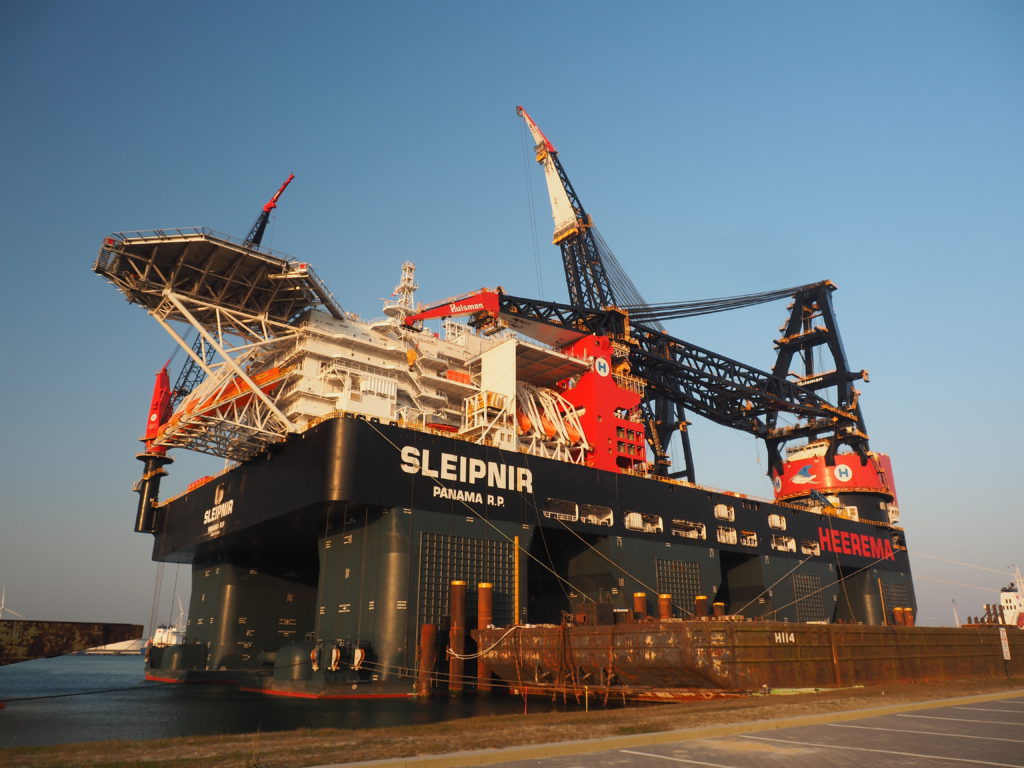
Twin cranes capable of 20,000-ton recovery operations make the Slaypner the only vessel that can retrieve massive sunken structures — damaged oil rigs, wind farm components, and subsea infrastructure — from the most demanding marine environments on record. That 20,000-ton figure is equivalent to lifting the entire Eiffel Tower from the seabed in a single operation, which gives a sense of what this vessel addresses that nothing else can. Ocean recovery projects of this scale have no alternative platform, and the Slaypner operates in harsh conditions that would force conventional salvage vessels to stand down entirely. Its combination of lifting capacity and environmental endurance defines a category it currently occupies alone.
11. Shell Prelude FLNG Facility
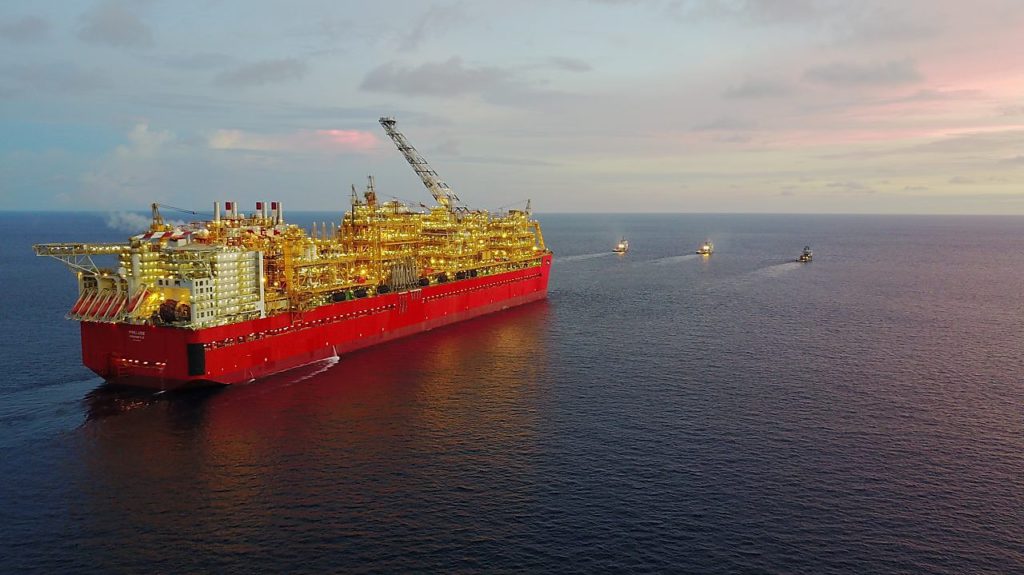
At 488 meters long and 74 meters wide, the Shell Prelude FLNG processes 3.6 million tons of natural gas annually from a floating platform secured by 16 anchor points and designed to withstand category 5 cyclones — conditions that force conventional vessels to evacuate while the Prelude continues operating. Storage capacity reaches 220,000 cubic meters of LNG, 90,000 cubic meters of LPG, and 126,000 cubic meters of condensate, with enough total volume to fill six aircraft carriers. Construction costs ran between $12 and $17 billion with early production delays and technical scaling issues that came with pioneering FLNG technology at this scale. With an expected operational life of 20 to 25 years, the Prelude established that offshore gas processing at this size is physically achievable — a proof of concept that cost significantly more than the industry anticipated.
10. Flotel Superior
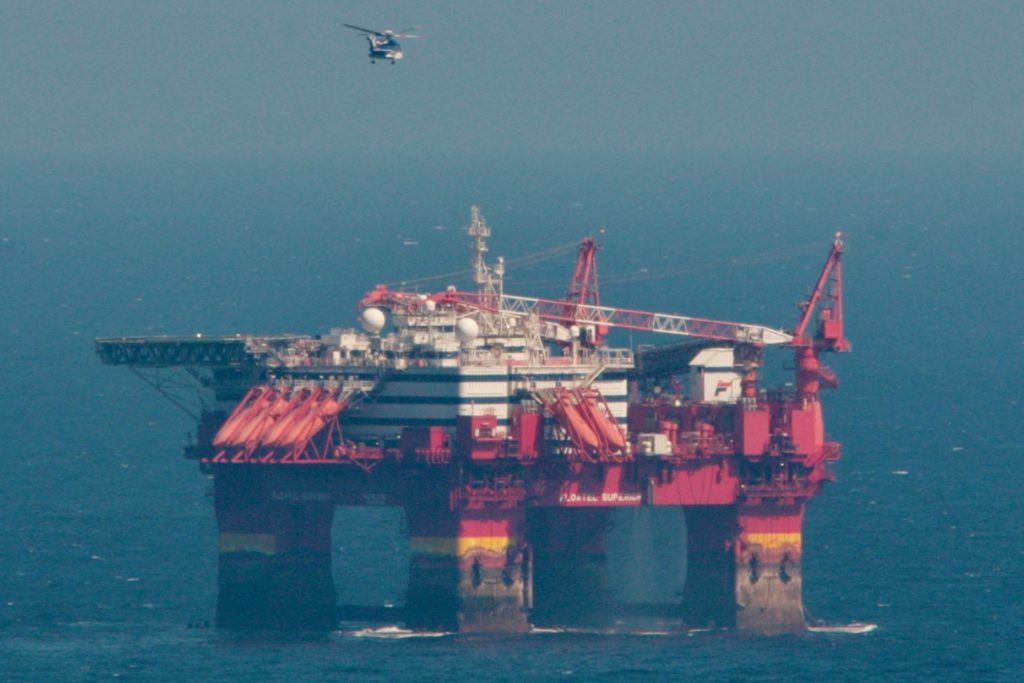
The Flotel Superior houses 440 offshore workers at 106.8 meters long and 70.4 meters wide, maintaining precise position next to offshore rigs through a DP3 dynamic positioning system in seas that would make conventional accommodation vessels unusable. A Sikorsky S-92 compatible helideck enables crew rotation and emergency evacuation, and the semi-submersible design adds the stability that workers on extended shifts require to rest, recover, and maintain the productivity that long offshore campaigns demand. North Sea oil and gas operations have relied on this platform extensively because crew comfort and safety translate directly into fewer project delays and lower incident rates. Extended offshore campaigns without adequate accommodation produce outcomes that cost far more than the daily rate of a vessel like this one.
9. Yantai Raffles Shipyard Crane
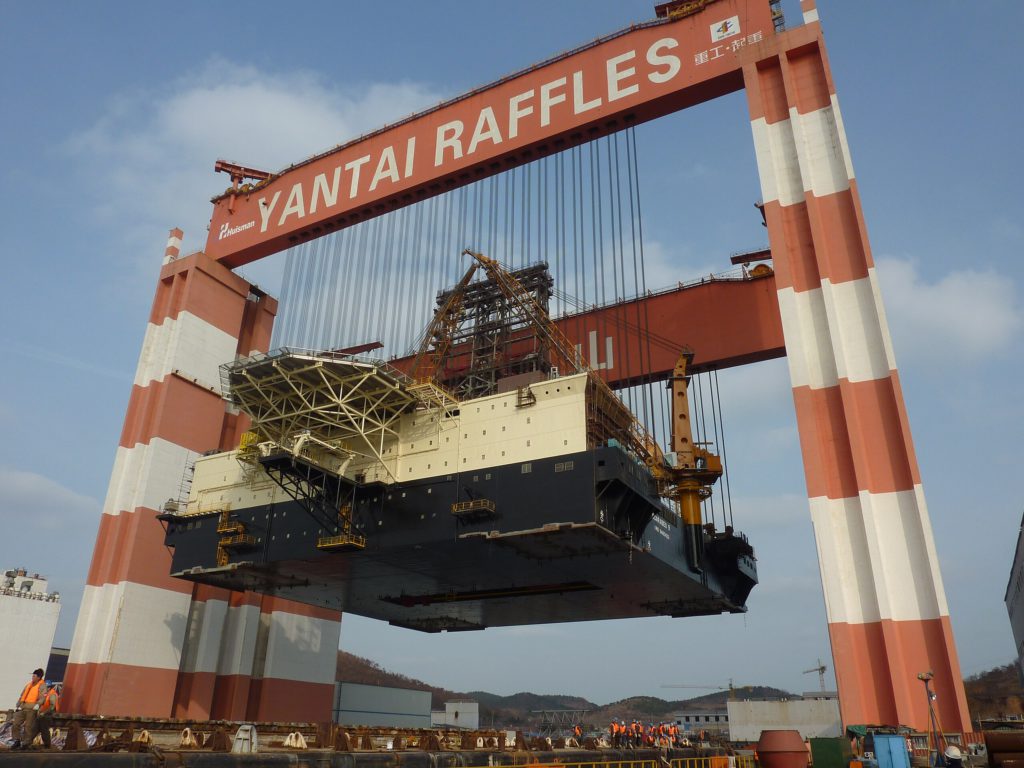
The Guinness World Record for heaviest lift belongs to this 133-meter gantry crane, which carries a 20,000-ton capacity across a 120-meter span with a 64-meter rail gauge through a dual-boom design that enhances stability when transporting entire offshore platforms. It revolutionized platform construction by enabling the assembly of larger, more complex offshore structures than any previous lifting system could accommodate. The latest generation of offshore platforms can weigh as much as a small skyscraper, and assembling them with multiple smaller lifting systems takes months — this crane completes the same work in days. Its value is tied directly to demand for mega-structures in marine industries, which makes it one of the most specialized assets in global heavy industry.
8. DBM Machine
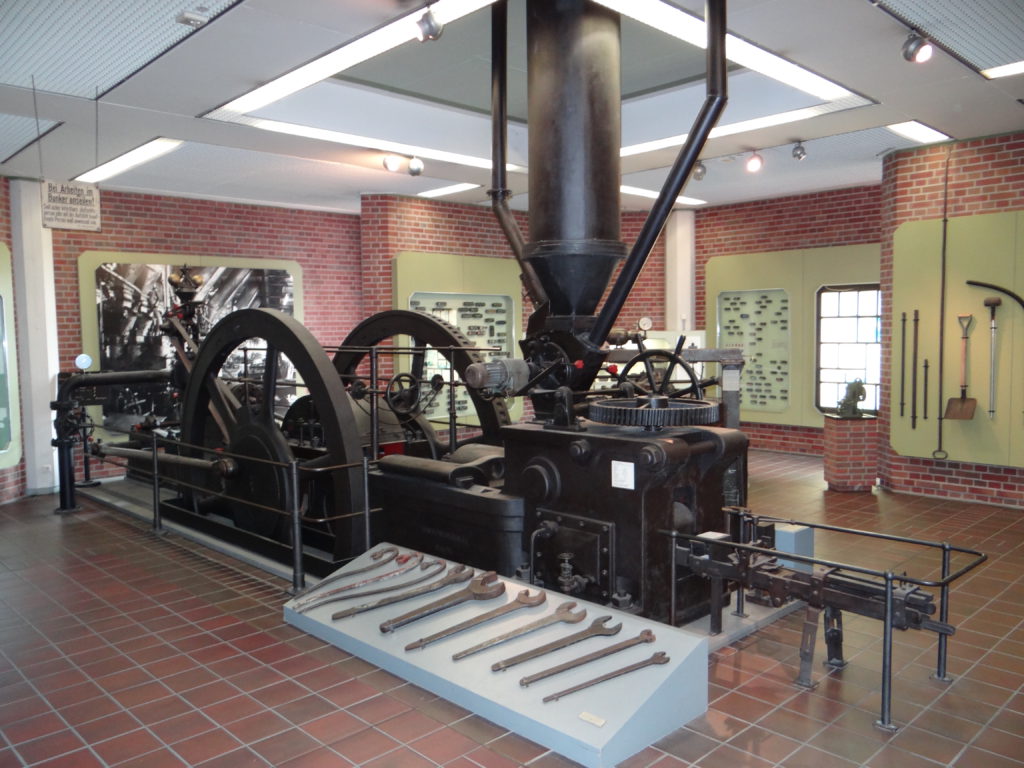
Moving a 1,500-ton building without demolishing it requires a 100-meter hydraulic lifting system where multiple synchronized units work in precise coordination — and the DBM machine delivers exactly that capability for historically significant structures that would otherwise face destruction. Demolition costs disappear when the building can be relocated instead, and preservation projects that seemed financially impossible become practical when the alternative is tearing down something irreplaceable. Demand ties to urbanization trends and preservation initiatives that are growing rather than shrinking as cities redevelop around existing architectural heritage. The DBM machine occupies a narrow market, but within that market it is the only solution that works.
7. Launch Complex 39B
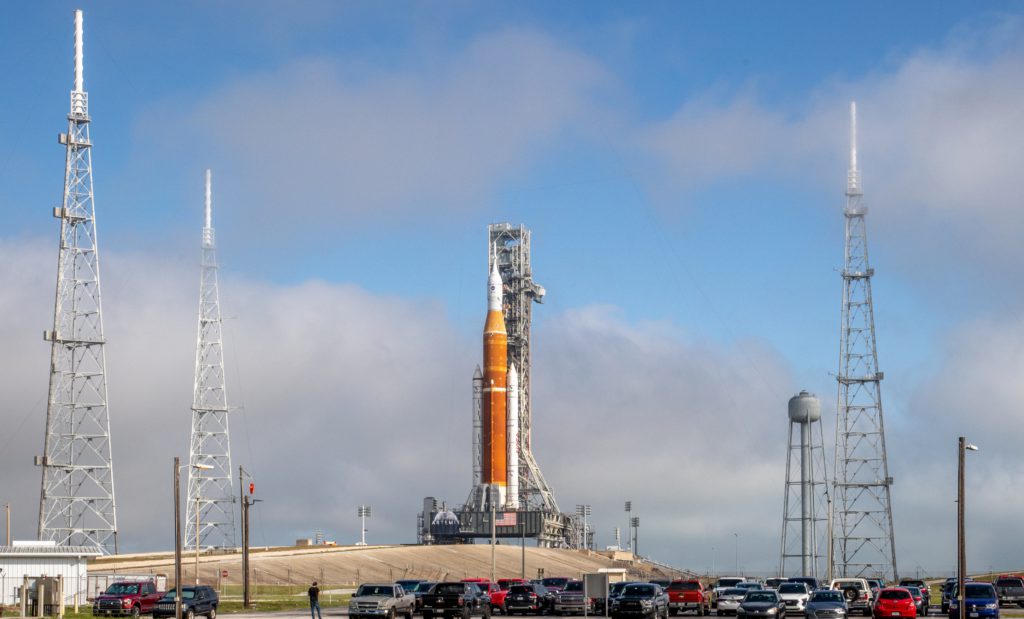
Launch Complex 39B dumps 1.5 million liters of water in 60 seconds to manage the heat load of a rocket launch, built across 0.65 square kilometers of pad area using 96,000 fire-resistant bricks with an advanced lightning protection system and mobile launcher concept that reduces pad turnaround time. This is the facility that supported Apollo and Space Shuttle missions and now serves NASA’s Artemis program as the agency returns to deep space exploration. The engineering challenge here is not just surviving the launch — it is doing so reliably enough to support repeated operations on a schedule that competes with commercial launch providers. LC-39B has adapted to that requirement while carrying the weight of more space history than any other active launch facility on earth.
6. Autonomous Komatsu AHS Dump Truck
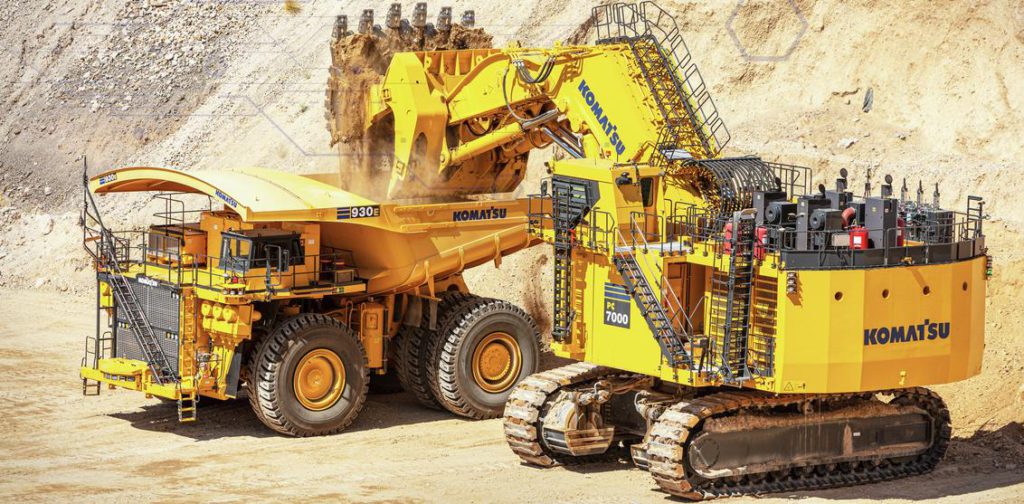
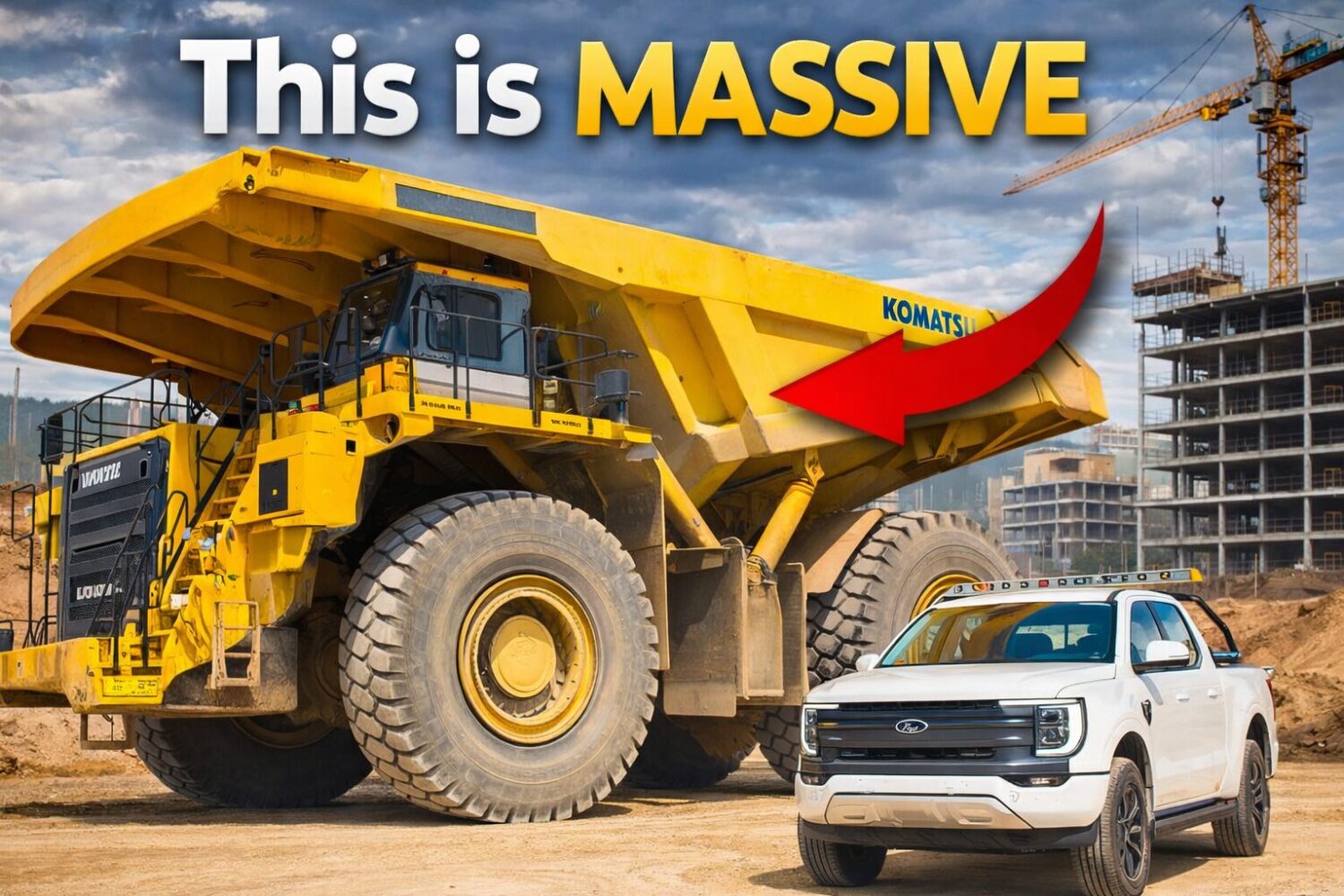
Komatsu’s AHS trucks run 24 hours a day without driver fatigue, moving 230 tons per load at up to 64 kmph through GPS navigation, obstacle detection, and AI-powered route optimization that removes human operators from some of the most hazardous environments in industrial work. Safety improves when people are no longer required in active mining zones, and productivity increases when haul cycles are not constrained by shift changes, rest requirements, or human error under fatigue. Job displacement concerns in mining communities are legitimate and ongoing, and the industry has not resolved that conversation. The autonomous hauler trend is accelerating regardless, driven by economics and safety data that are difficult to argue against from an operational standpoint.
5. Modulus System M150 Trackway
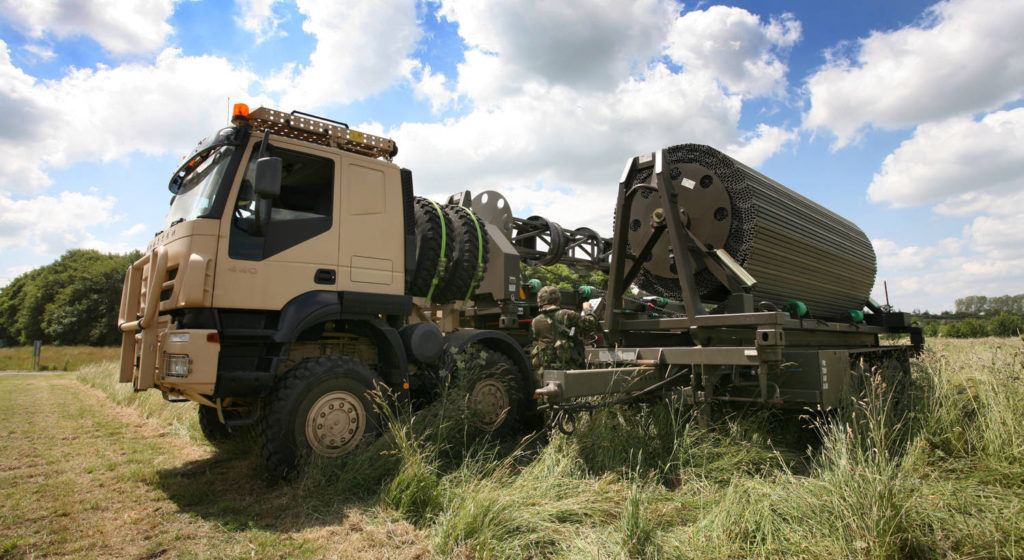
The M150 Trackway weighs about 70 tons and deploys as a temporary road system built from quick-connecting panels that support double the system’s own weight — creating solid vehicle routes in remote locations where conventional vehicles would be hopelessly stranded without requiring large crews or heavy equipment to assemble. Military operations, disaster relief, and large-scale event management all depend on rapid mobility access that permanent road infrastructure cannot provide on short notice, and the modular design allows flexible configurations that adapt to the specific terrain and load requirements of each deployment. Steady demand from military and emergency services keeps this market consistent regardless of broader construction cycles. Speed of access in the first hours of a disaster response directly determines outcomes, and the M150 exists to close that gap.
4. Tigercat 724G Feller Buncher
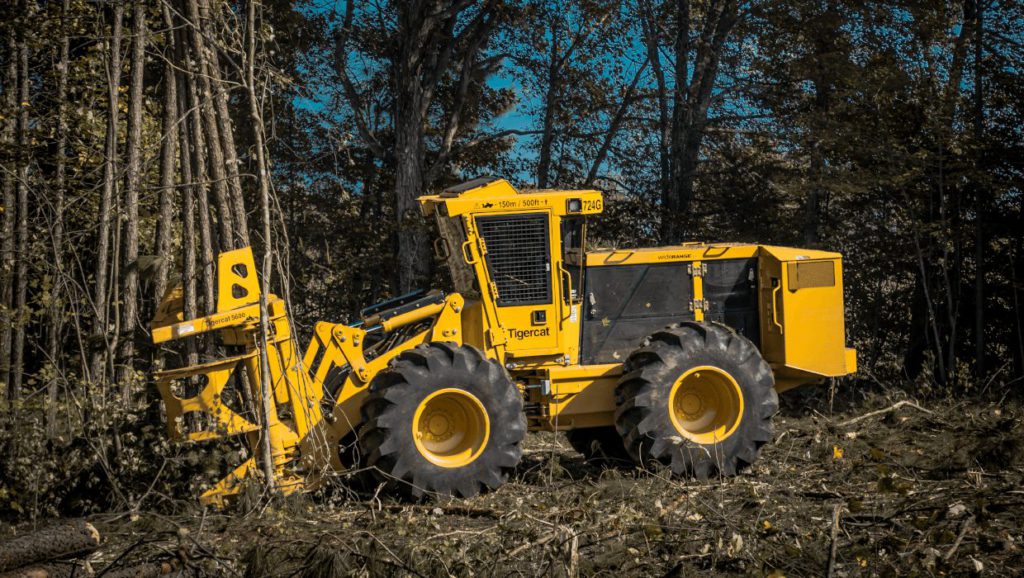
The Tigercat 724G cuts through trees up to 1,000mm thick using a 210 kW engine inside a 30,000 kg frame with a leveling system for steep terrain and a 360-degree continuous rotation saw head that maintains operational efficiency on slopes that would disable less capable equipment. Environmental concerns over large-scale forest harvesting are real and growing, and long-term demand is genuinely affected by tightening regulations in major logging regions. Steady demand persists in areas where timber production remains a primary industry, and the 724G’s combination of raw power and slope capability makes it the standard against which competing feller bunchers are measured. The regulatory environment will shape its market trajectory more than any competing machine will.
3. Hitachi EX5600-7 Excavator

The 560-ton Hitachi EX5600-7 runs a 2,130 kW engine and takes 40 cubic meters per scoop — the weight of approximately 140 elephants moving mountains of material on every working shift in mines where production volume determines economic viability. Advanced monitoring systems optimize performance across operating cycles, and improved fuel efficiency versus previous generations reduces operating costs without compromising throughput. Market demand ties directly to global commodity prices, and long-term value is shaped by the shift toward sustainable mining practices that the industry is navigating under growing environmental pressure. The EX5600-7 sets the mining excavator benchmark at this weight class regardless of what the broader market conversation looks like.
2. Liebherr LTM 11200 Crane
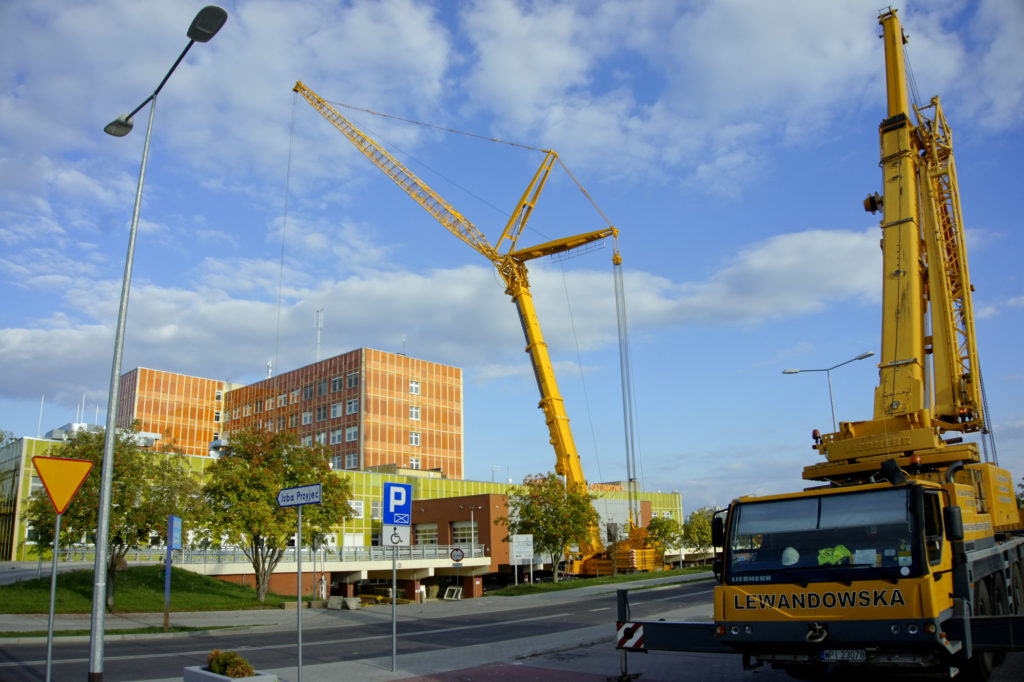
A 1,200-ton capacity crane that travels on public roads between job sites is a combination no fixed crane can offer — the Liebherr LTM 11200 extends its boom to 100 meters for high-rise construction work, then moves to the next project without requiring disassembly and transport on a specialized convoy. Fixed cranes deliver comparable lift capacity but stay where they are, which creates scheduling and logistics constraints that road-mobile cranes eliminate entirely. Fast-paced construction schedules in urban markets where site access windows are tight benefit most from this versatility. The LTM 11200 occupies a category that competing manufacturers have not matched at this combination of capacity and mobility.
1. John Deere X9 1100 Combine Harvester
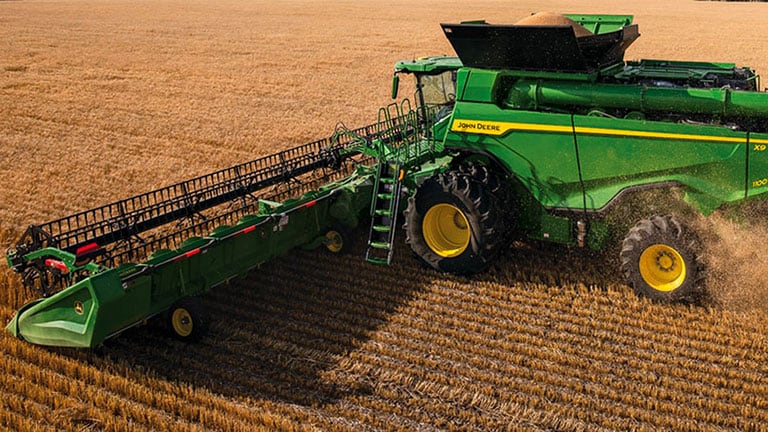
The John Deere X9 1100 harvests 195 tons of grain per hour from a 639 horsepower engine, processing 7.29 bushels per second with precision that reduces losses compared to every previous generation of harvesting equipment. What entire farming communities required days to complete in the 1920s now takes minutes. Raw power and smart efficiency work together here rather than trading off against each other — the X9 1100 increases throughput while maintaining grain quality, which matters as much to farmers as the volume numbers. Modern large-scale agriculture is simply not possible at current food production demands without machines at this capability level, which is what earns it the top position on this list.