

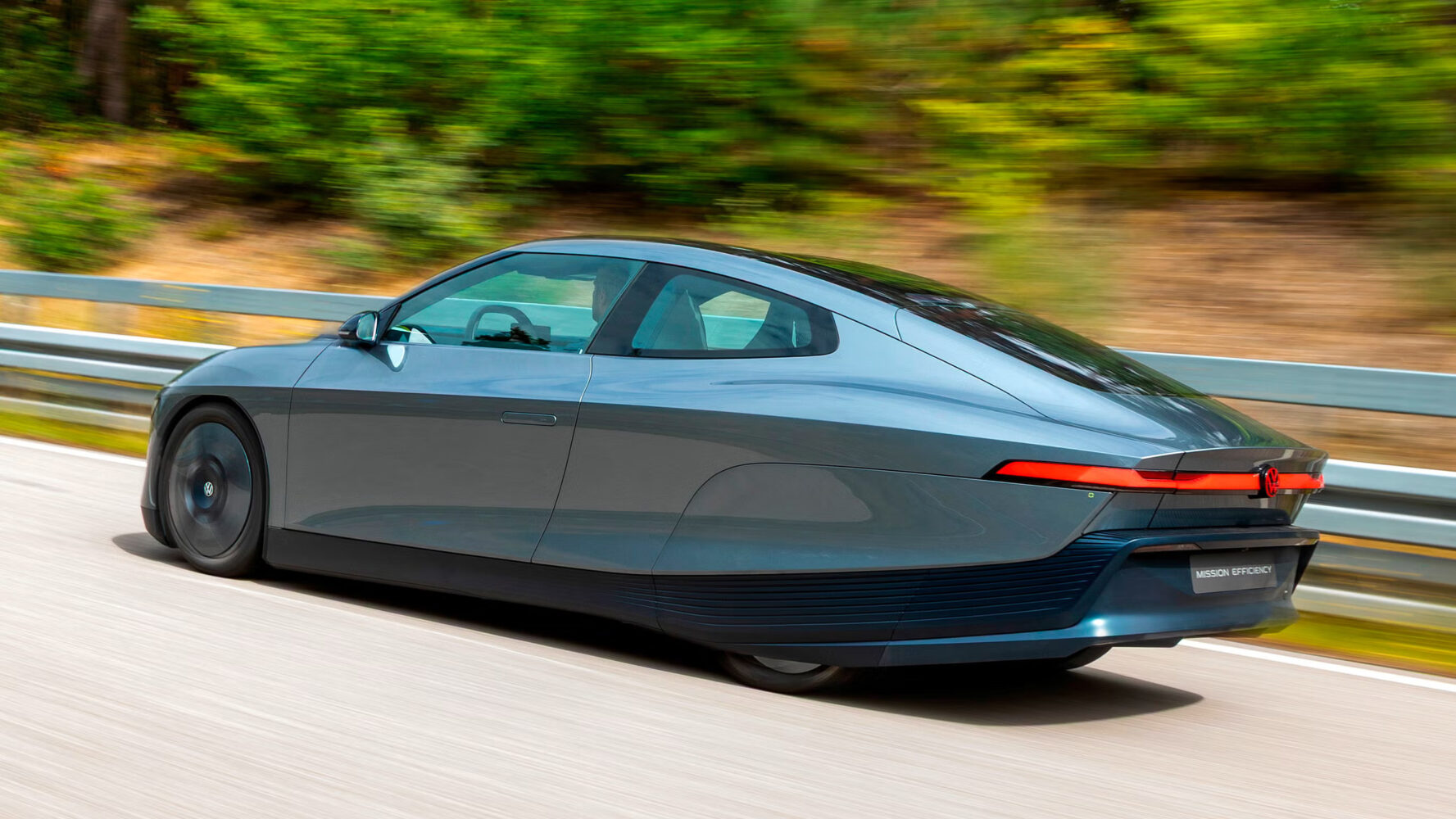
Volkswagen drove from Wolfsburg to Vienna — 1,278 kilometers — stopped to charge exactly once, and arrived with 164 kilometers still in the tank. The battery holding all that range: 54.9 kWh net, a pack smaller than those found in many mainstream long-range EVs. What made the difference wasn’t capacity. It was shape — and what that means for the future of efficient electric platforms is worth paying attention to.
Volkswagen’s Mission Efficiency prototype achieves a 0.158 drag coefficient on MEB+ hardware — the same platform underpinning the upcoming ID. Polo.
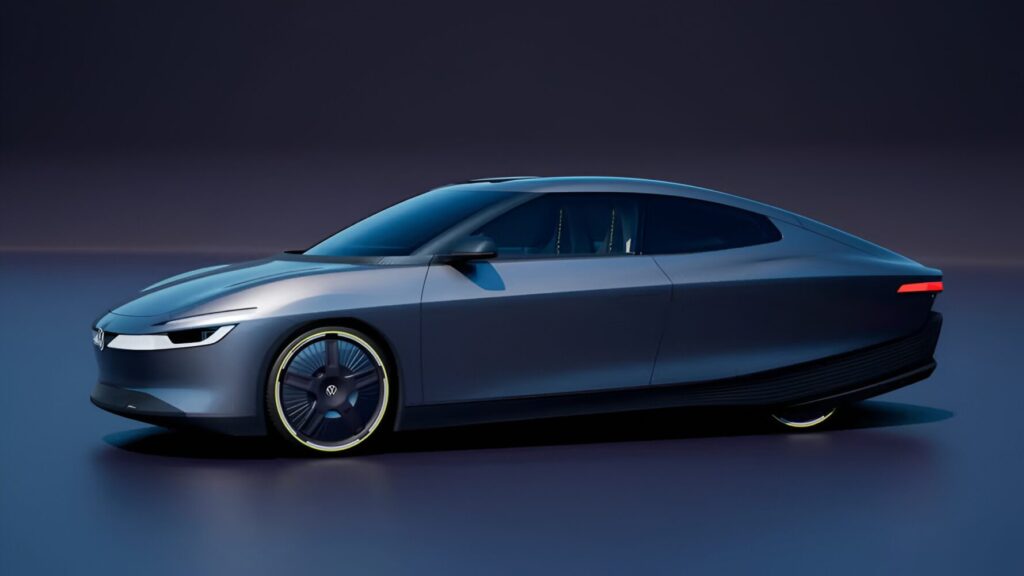
A 0.158 Drag Coefficient and Four Seats
VW’s prototype proves aerodynamics can do what bigger batteries usually get credit for.
That Wolfsburg-to-Vienna run wasn’t a lab simulation. It was a documented road drive, returning 7.51 kWh per 100 kilometers including charging losses — approximately 9.02 miles per kWh under real-world conditions, according to Volkswagen. The car behind those numbers sits on MEB+ front-wheel-drive architecture, uses the same 99 kW (135 PS) motor and battery technology associated with the upcoming ID. Polo, and reportedly claimed three world efficiency records in the process, according to Volkswagen’s own newsroom.
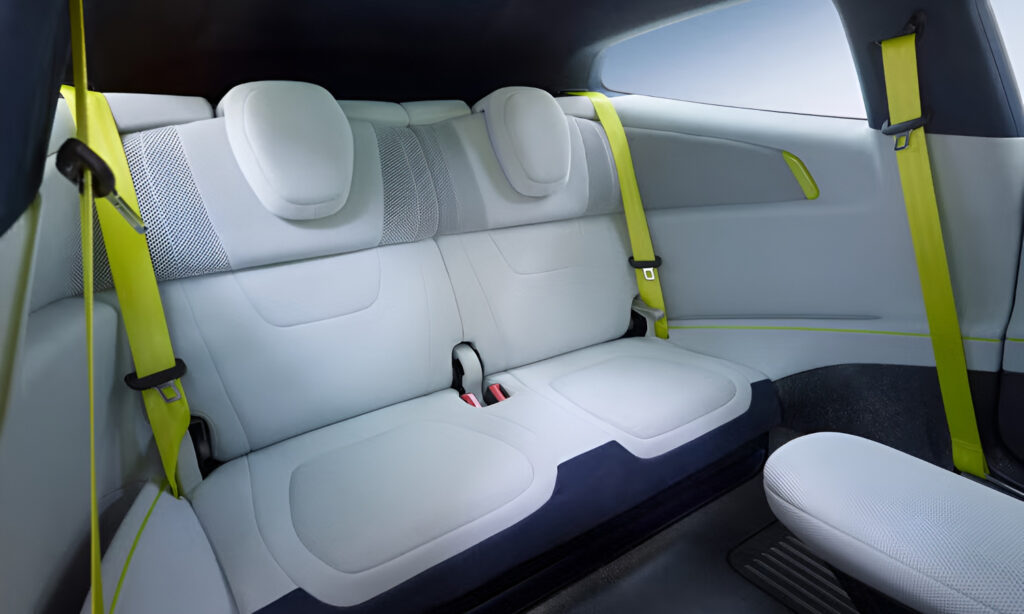
The aerodynamic body achieves a drag coefficient of 0.158. For context, most production family sedans run somewhere around 0.28 to 0.30. Mission Efficiency slips through air at a level that makes conventional road cars look, aerodynamically speaking, like moving furniture. It also seats four actual passengers — not the tandem two-seater compromise that made the XL1 a curiosity rather than a car people could genuinely use.

Key Numbers
- Battery: 54.9 kWh net / Motor: 99 kW (135 PS), MEB+ FWD platform
- Drag coefficient: 0.158 — Volkswagen claims three world records
- Wolfsburg–Vienna: 1,278.36 km, one charging stop, 164 km remaining
- Real-world efficiency: 7.51 kWh/100 km including charging losses (approximately 9.02 miles/kWh, converted)
- Seats four passengers; VW describes it as a near-production vehicle
The XL1’s Ghost, Electrified
Same obsessive efficiency philosophy, different powertrain era — and this time, the platform could actually scale.
The XL1 comparison earns its place here. That car was a diesel-hybrid oddity — tandem seating, roughly 261 mpg by European measure, built in numbers small enough to count by hand, and never officially sold in the US market. Brilliant engineering, wrapped in a package so shaped by its own ambitions that everyday usability was largely beside the point. Mission Efficiency runs the same obsessive efficiency logic through a platform that actually exists at scale.
Think of it as VW’s equivalent of a chef’s tasting menu: technically extraordinary, never appearing on the regular menu, but still quietly reshaping how the kitchen approaches everything else it cooks. What VW isn’t saying loudly is that this car will not be in showrooms. Mission Efficiency is a proof-of-concept. Its value is technological and symbolic — a benchmark showing how far MEB+ can stretch when engineers prioritize watts over production compromise.
That distinction matters for what comes next. Efficiency gains from prototypes historically tend to migrate downstream, in pieces, across model cycles — though VW has made no specific commitments about which technologies will carry forward into the ID. Polo lineup. The production ID. Polo won’t arrive with a 0.158 drag coefficient, but the engineering thinking behind this run is unlikely to stay entirely on the shelf.
Range anxiety is partly a battery problem. It is also a physics problem. Mission Efficiency just made that argument in the most concrete terms possible: approximately 794 miles, one charging stop, and math that doesn’t require a bigger pack — just a better shape.