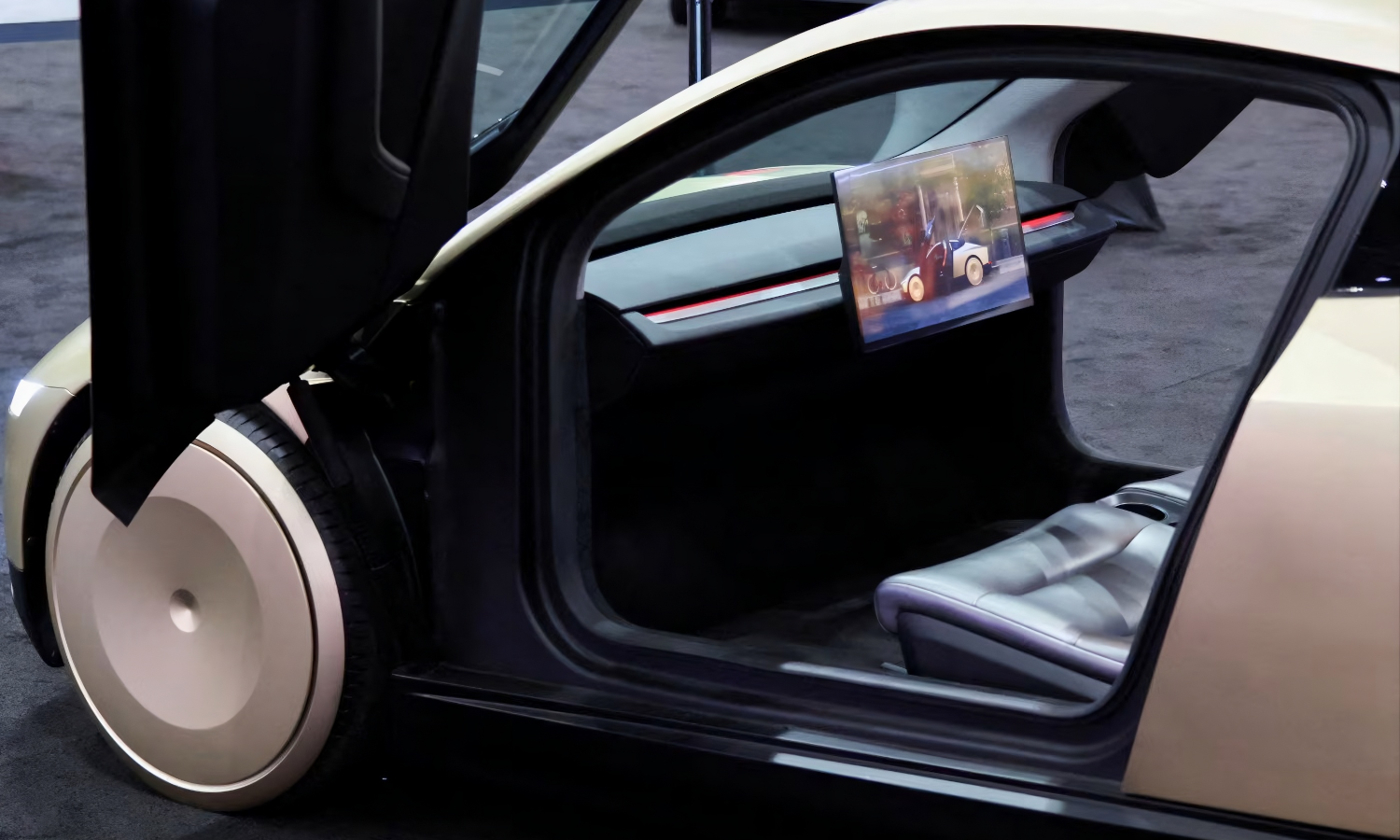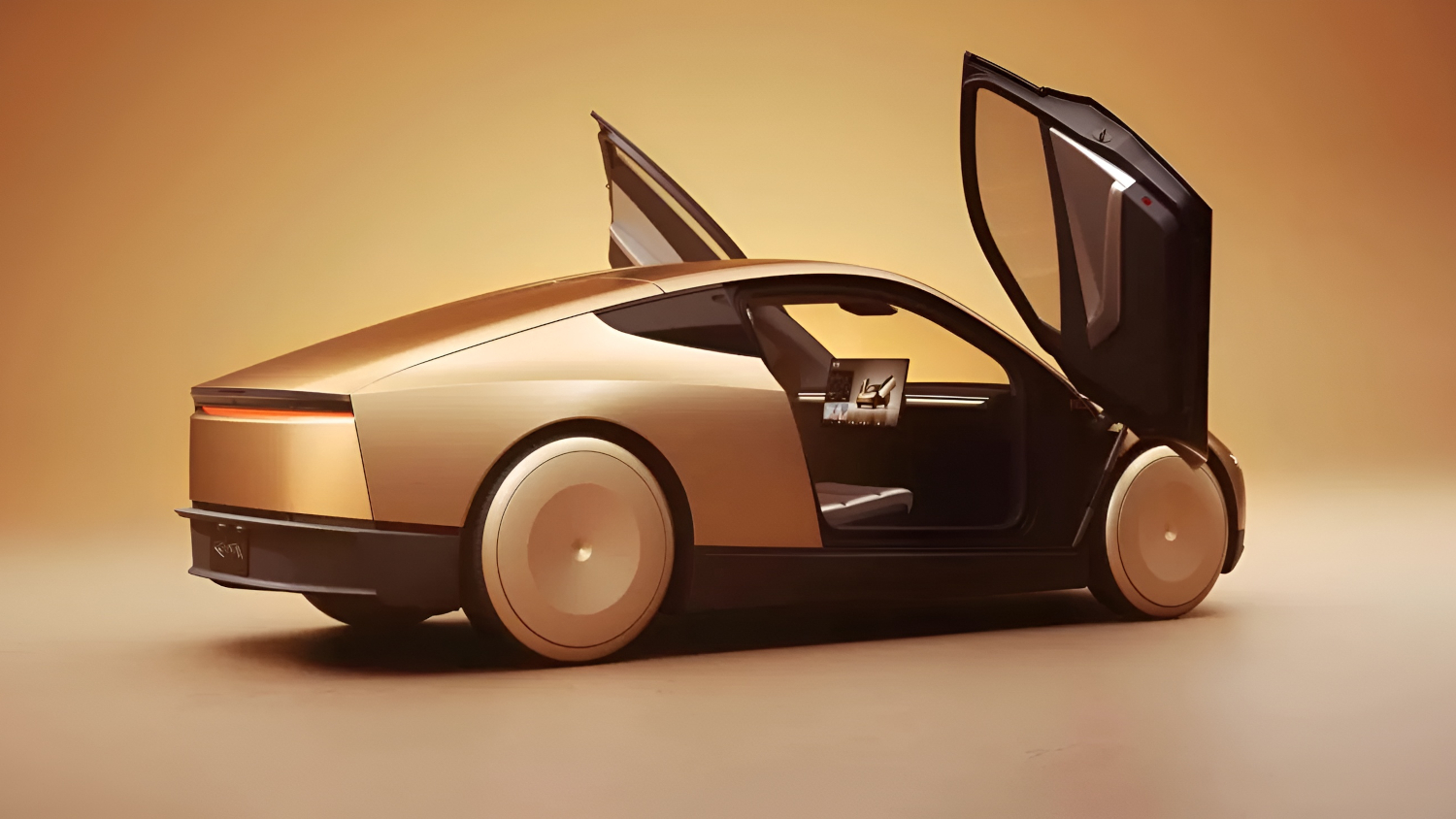


Focus 2030, announced in May 2026 and detailed further in September, formally commits Lotus to the Type 135: a mid-engine hybrid supercar targeting more than 1,000 PS (roughly 986-plus hp), a curb-weight target of around 1.5 tons (~3,300 lb), and a 2028 launch. For fans who spent years watching the brand release an SUV and a luxury sedan while bracing for a full EV pivot, this is the answer they were waiting for. Not a concept-show promise. A strategy document with a V-8 in it.
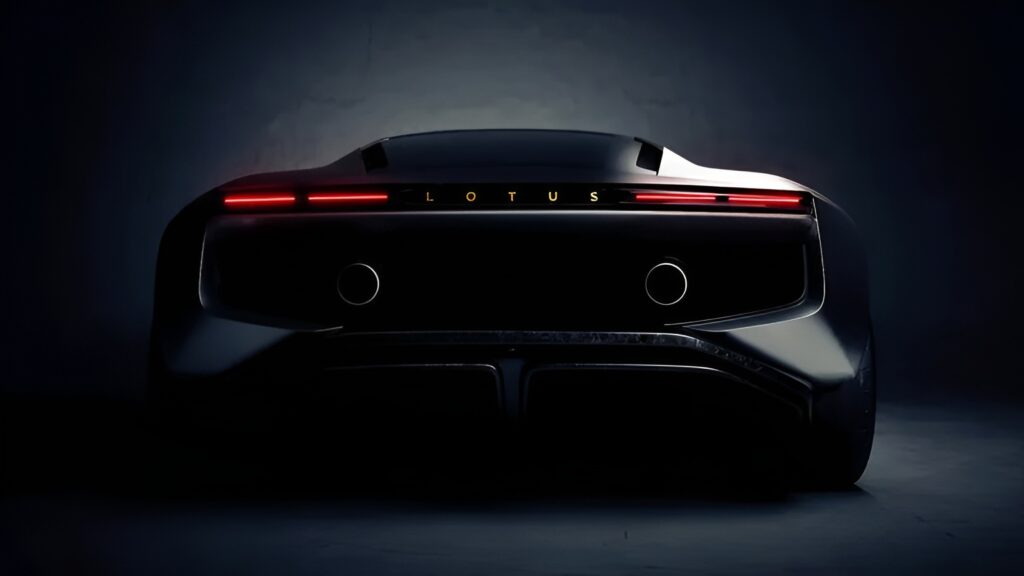
The Engineering Answer: How Do You Put a V-8 Hybrid in a Lotus Without Making It Fat?
Getting the weight equation right is the central challenge — and Lotus is doing the math seriously.
The Type 135 will offer both a hybrid V-8 and a hybrid V-6 variant. The V-8 — developed by Horse Powertrains (a joint venture between Geely and Renault) and scaled up from a twin-turbo 3.0-liter V-6 — carries the 1,000-plus hp target. Paired with an 800-volt architecture and F1-derived electric motors weighing roughly 20 kg each, the weight ambition starts to look achievable. A standard 150-kW traction motor runs 75–95 kg; Lotus claims its unit comes in at around 20 kg. An 8-speed dual-clutch transmission, co-developed with Horse, handles the torque load.
What Lotus Has Confirmed So Far:
- Power target: more than 1,000 PS (≈986-plus hp), hybrid V-8 variant
- Curb weight target: ~1.5 tons (~3,300 lb)
- Electric motor weight: ~20 kg vs. the industry-standard 75–95 kg
- Transmission: 8-speed DCT, co-developed with Horse Powertrains
- Launch: 2028, European manufacturing — Hethel the likely site
None of these are finalized production specs. But the engineering work behind them is credible. The Type 135 enters a class occupied by the Ferrari SF90 and Lamborghini Revuelto — cars that proved hybrid supercars can feel visceral rather than clinical. Lotus isn’t arriving from weakness. The brand invented the argument that a car should weigh nothing, and that argument now has a turbocharged V-8 behind it.
Previously, Lotus sourced engines from AMG and Toyota. CEO Qingfeng Feng called that a “significant handicap,” per MotorTrend. Horse Powertrains is the fix — Geely’s scale enabling the bespoke powertrain development Lotus never could afford alone. VP of Design Ben Payne was direct about the intent, telling MotorTrend that V-8s are “synonymous with a wonderful sports car driving experience.” The last Lotus V-8 road car was the Esprit. That lineage is being invoked deliberately.
Hethel Isn’t a Museum – It’s Where the Type 135 Gets Built
The manufacturing split reflects both brand identity and hard-nosed regulatory strategy.
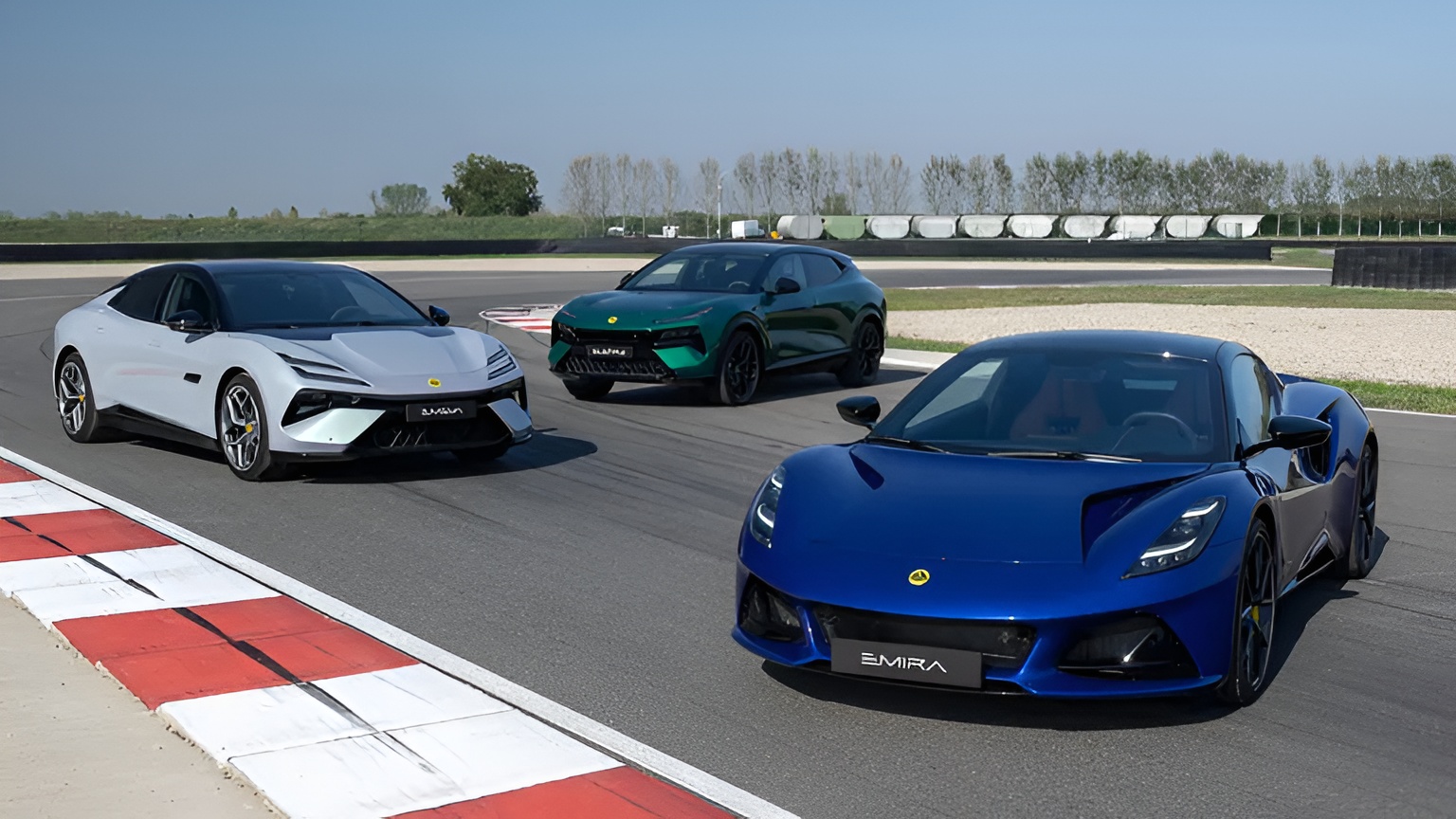
Under Focus 2030, Hethel focuses on ICE and PHEV British sports car production — the Type 135 and an updated hybrid Emira — while Wuhan handles higher-volume BEV and PHEV lifestyle vehicles. That division isn’t purely sentimental. China-built Lotus EVs like the Emeya and Eletre face potential U.S. market restrictions under the Connected Vehicle Rule, which limits vehicles with hardware or software ties to certain countries — the same regulation putting Polestar’s 2027 U.S. sales at risk. A U.K.-built Type 135 is one way Lotus hopes to mitigate those restrictions. Lotus Americas has also relocated its U.S. headquarters from Michigan to Austin, Texas, citing Circuit of the Americas proximity, a stronger talent pool, and better alignment with the brand’s performance positioning. Staff at Hethel, per MotorTrend reporting, broadly welcome Geely’s financial backing and the improved component quality it has delivered.
2028 isn’t far, and every spec here remains a target. But a 1,000-hp Lotus with F1-derived motors, built in Norfolk, sold from Austin — that’s either the most complete realization of the Esprit legacy in a generation, or automotive history’s most expensive work-in-progress. The details will follow.