


Automotive history is full of features that made perfect sense at the time and look baffling in retrospect — and features that look baffling in retrospect but actually solved real problems elegantly. Vinyl roofs trapped moisture and accelerated rust. Vent windows directed airflow with a precision that modern multi-zone climate systems only approximate through complexity. Push-button transmissions were genuinely dangerous. Pop-up headlights were genuinely theatrical. These 22 features tell the history of what cars were, what drivers wanted, and what engineers were willing to try before safety regulations, aerodynamic requirements, and focus group feedback narrowed the options down to what we have now.
22. Vinyl Roofs: The Original Automotive Combover

Vinyl roofs appeared in the 1920s when manufacturers wanted to mimic the prestigious appearance of convertible carriages without the structural engineering or cost that a real convertible required. They worked visually — at first. The fatal flaw became apparent quickly: vinyl trapped moisture against the metal underneath, creating ideal conditions for rust. By the 1980s, the maintenance requirements and corrosion problems had killed the trend, replaced by better paint finishes and sunroofs that provided the openness buyers actually wanted rather than a cosmetic suggestion of it.
21. Automatic Seat Belts: Safety With A Side Of Strangulation

Automatic seat belts attempted to solve non-compliance through engineering — motorized shoulder restraints that would glide across your torso when you entered the vehicle, removing the human decision from the equation entirely. The design flaw was structural: they secured the upper body while leaving the lap unprotected. Many drivers simply ducked under the shoulder portion, rendering the entire system useless while technically being “belted.” Airbags and better manual belt design made these automated contraptions unnecessary. They remain a clear example of engineering around a human behavior problem in a way that created a different and worse problem.
20. T-Tops: Convertibles For Commitment-Phobes
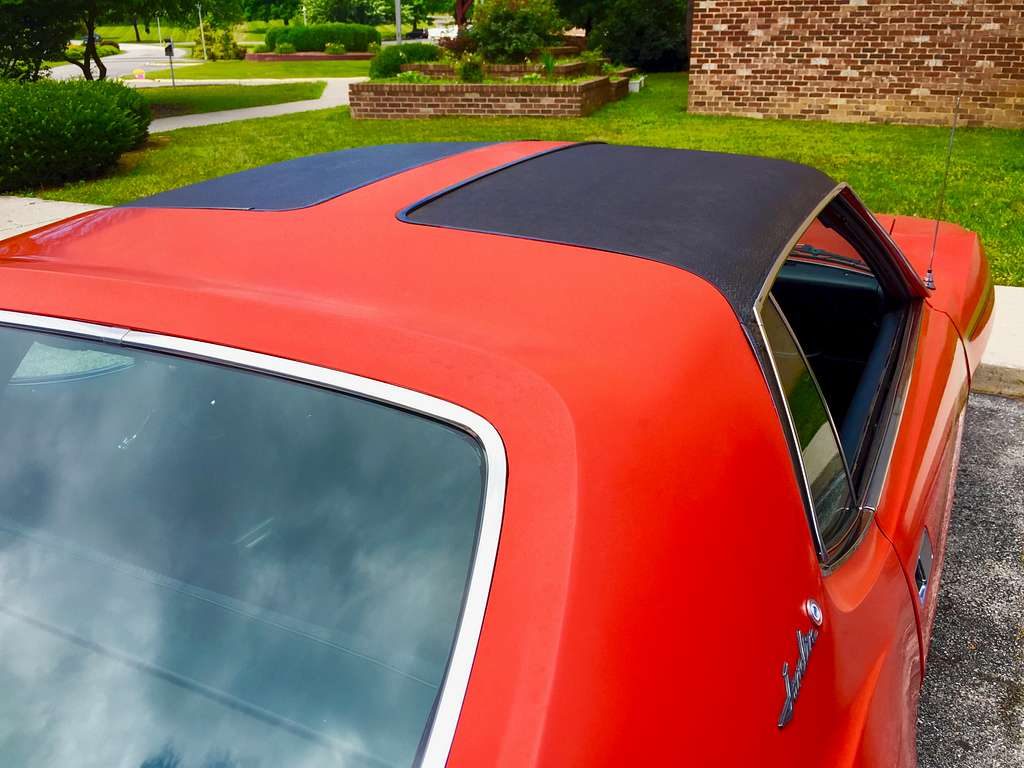
T-tops used removable roof panels separated by a central structural beam to offer open-air driving without sacrificing the structural integrity a full convertible requires. The 1968 Corvette popularized the feature, and it spread quickly to Camaros, Firebirds, and other sports models. The real-world problems accumulated just as quickly: constant water leaks, wind noise loud enough to make conversation impossible at highway speeds, and the ongoing inconvenience of storing bulky panels when removed. Fully retractable hardtops eventually provided everything T-tops promised without the compromises that followed them around.
19. Eight Track Tapes: Music By The Chunk

Introduced in 1964 by Bill Lear, eight-track tapes offered 80 minutes of music divided into four stereo programs — a genuine improvement over radio in an era when the DJ controlled what you heard and when. The format’s problems were also genuine: tapes jammed regularly, sound quality degraded faster than the hardware, and the inability to rewind meant finding a specific song required patience rather than precision. Cassettes replaced them quickly by offering smaller size, better audio, and the ability to locate tracks. The eight-track’s run was short and its limitations were real, but it established the idea that drivers should control their own listening experience — an idea that survived long after the format disappeared.
18. White Wall Tires: When Rubber Dressed For Dinner

White wall tires emerged in 1914 when manufacturers realized they could turn the zinc oxide already used in tire production into a visual feature by leaving portions of the sidewall exposed before applying carbon black for durability. The result was a distinctive look that required a maintenance regimen proportional to its visual impact. Automotive fashion eventually shifted toward all-black tires that performed the same function without the upkeep, and today’s sidewalls carry technical specifications rather than decorative elements — a shift that reflects how automotive priorities moved from appearance signaling to technical communication over the course of the century.
17. Curb Feelers: Whiskers For Your Wheels
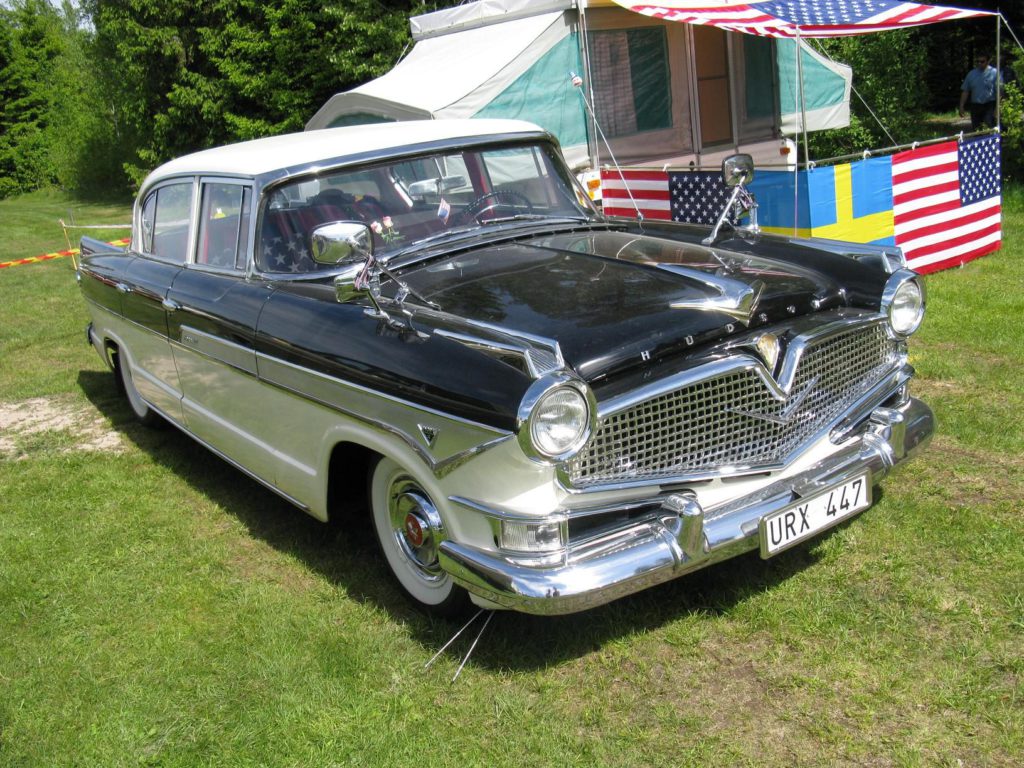
Curb feelers were spring-loaded metal rods attached to fenders near the wheels, extending outward to detect curb proximity during parallel parking. When they contacted the curb, they produced a scraping sound that alerted the driver before the wheel made contact. Simple, mechanical, and effective at the specific problem they solved. Modern parking sensors and cameras replaced them with distance information delivered without the scraping soundtrack, which is more informative and less alarming but represents a clear trade — the tactile, audible feedback of a mechanical system exchanged for digital precision.
16. Rear Hinge Doors: Elegance With A Side Of Danger
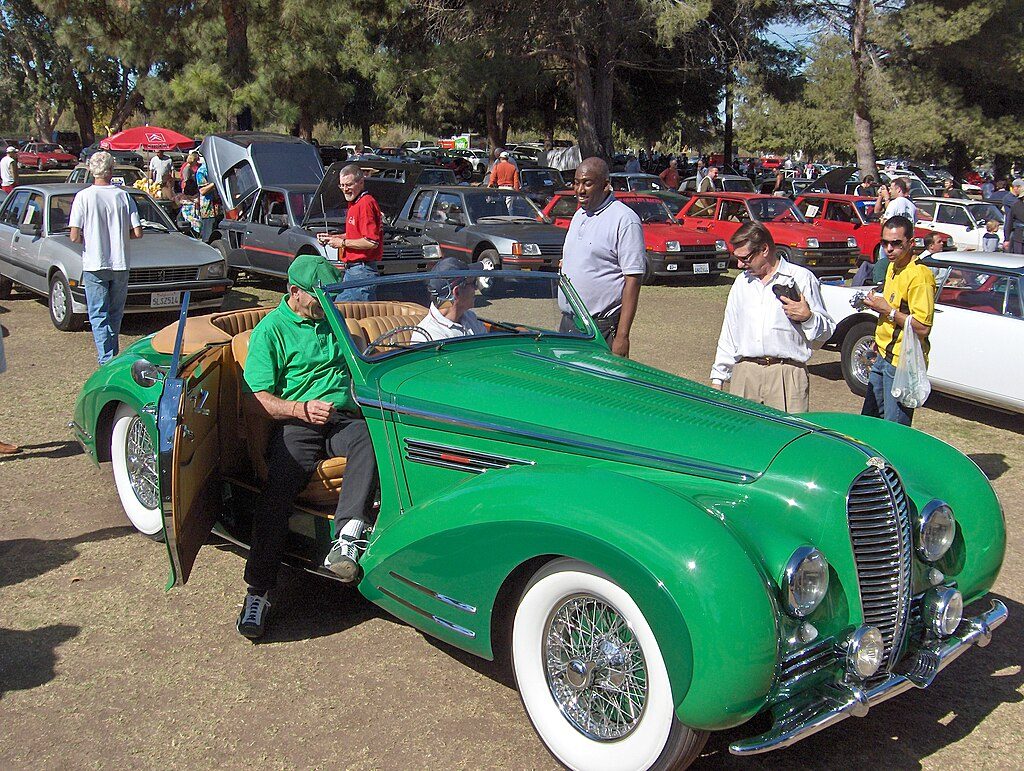
Rear-hinged doors, inspired by horse-drawn carriages, opened from the front edge to create graceful entry and exit — a meaningful consideration during an era when formal occasions required passengers to emerge from vehicles without compromising their composure. The safety problem emerged at speed: if a door opened while the vehicle was moving, passing air would catch it like a sail, forcing it wider and potentially ejecting passengers. Most manufacturers had abandoned rear-hinged doors by the mid-20th century. They occasionally reappear on luxury vehicles with reinforced safety latches — the engineering solution that took decades to develop properly.
15. Bench Seats: When Three’s Company, Not A Crowd
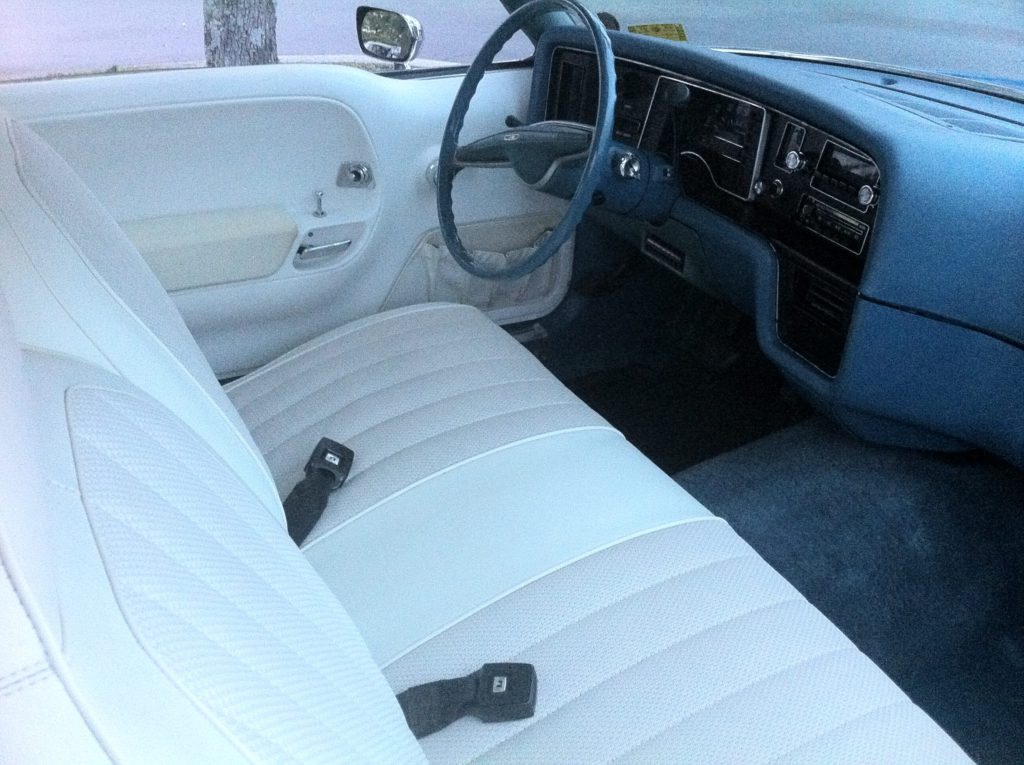
Bench seats accommodated entire families in a single front row, a practical and social solution in an era before safety standards examined what happened to unrestrained occupants during emergency maneuvers. The safety research told a clear story: sliding across vinyl during hard braking or sharp cornering is not compatible with occupant protection. Bucket seats with individual restraints replaced them, providing the lateral support that safety engineering required. The bench seat survives in some truck cabins today, a reminder of when interior design prioritized seating capacity over the containment that crash testing eventually demanded.
14. Vent Windows: The Original Climate Control
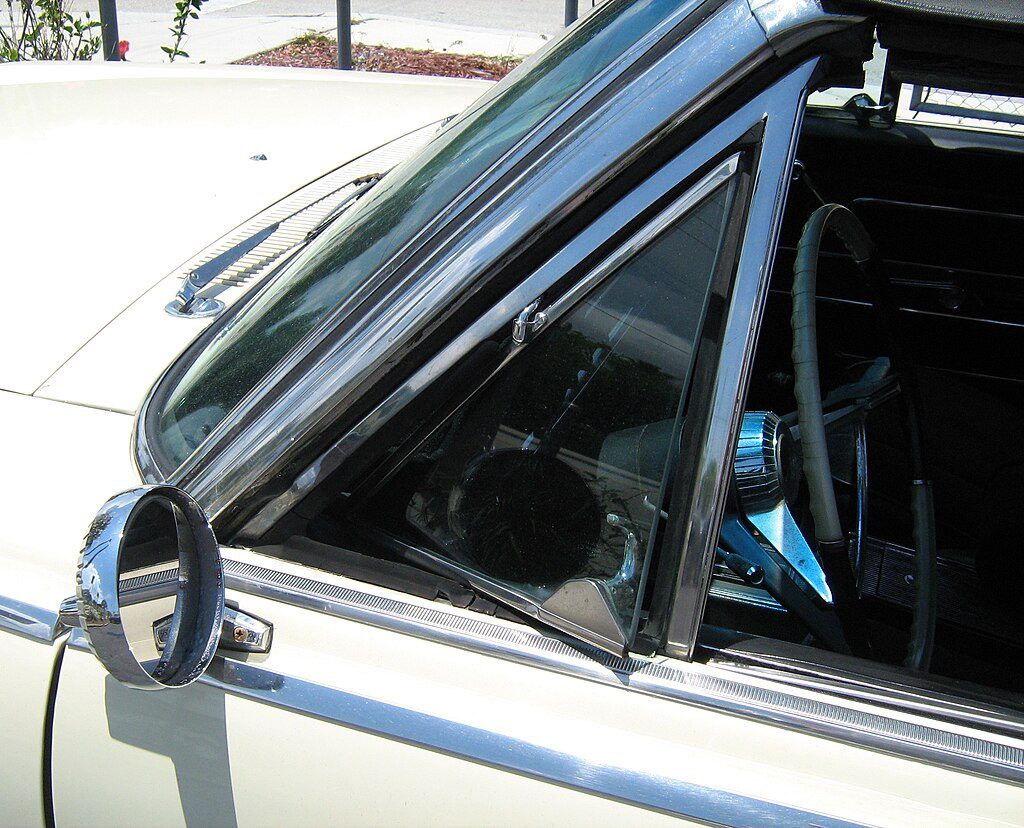
Triangular vent windows pivoted to direct airflow with a precision that required no electronics, no sensors, and no software — just a mechanical adjustment that put exactly the right amount of fresh air exactly where the driver wanted it. The solution was mechanical elegance applied to airflow management. They disappeared as air conditioning became standard, replaced by a system that is objectively more capable and subjectively less satisfying. Modern multi-zone climate control is more precise and more consistent, but the vent window’s directness — a physical adjustment producing an immediate, felt result — is something digital systems have not replicated despite surpassing them technically.
13. Ashtrays: When Cars Doubled As Mobile Smoking Lounges
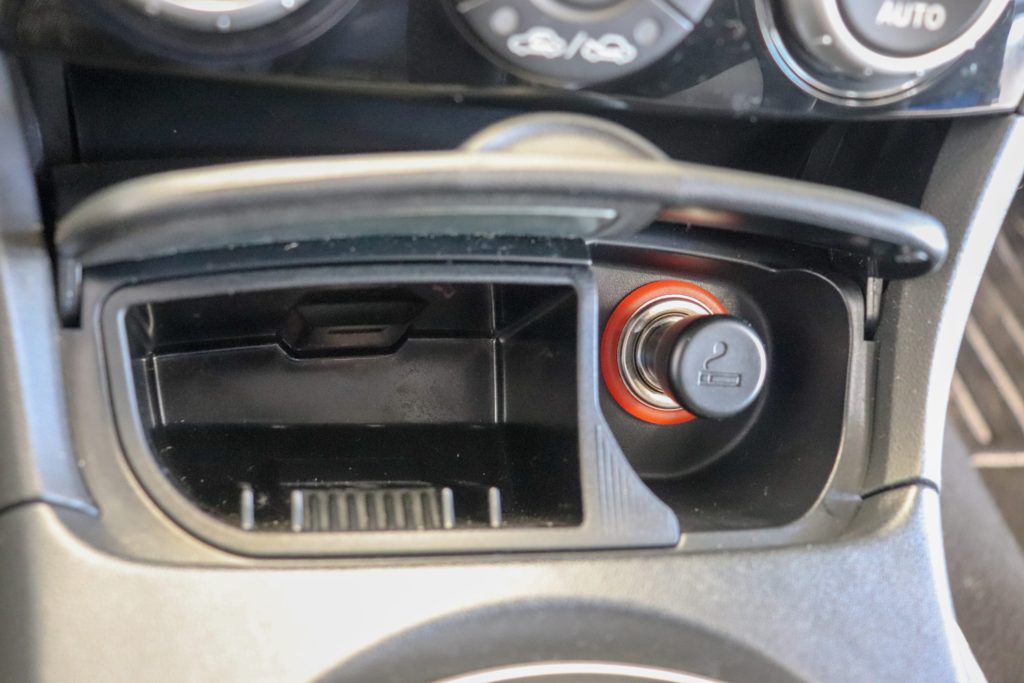
Automotive interiors once featured ashtrays in dashboards, door panels, and seat backs — a design that reflected tobacco’s social position rather than any engineering preference. These receptacles appeared everywhere because smoking during drives was standard behavior, not an exception the interior had to accommodate discreetly. As social attitudes toward smoking shifted, manufacturers removed the hardware and repurposed the space for storage cubbies and charging ports. The ashtray’s disappearance is one of the more straightforward examples of car interiors simply mirroring the behaviors drivers actually brought into them.
12. Car Record Players: The Original Driver Distraction
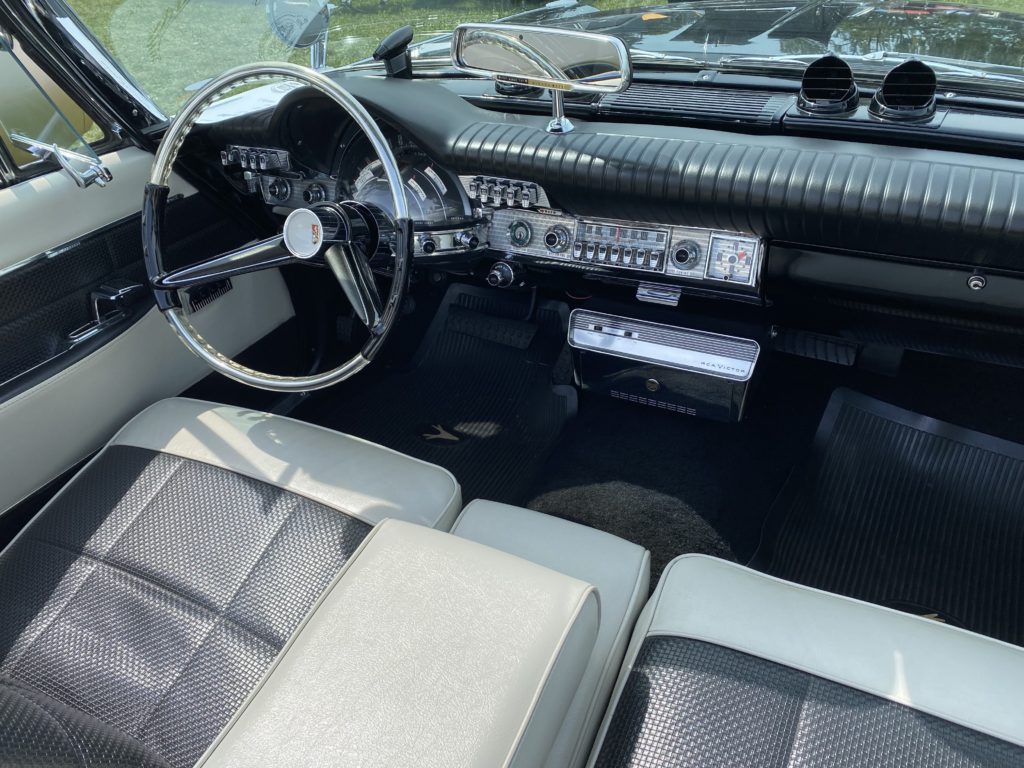
Dashboard-mounted turntables were the most optimistic possible technology mismatch: a device requiring absolute mechanical stability installed in something that vibrates, bounces, and corners. Every road imperfection translated directly into audio, transforming music into an unintended remix. Changing records while driving required dexterity that made the device genuinely dangerous in use. The eight-track made them obsolete almost immediately after they appeared, which was a mercifully quick end for a concept that prioritized the ambition of personal music selection over any practical consideration of how records actually work.
11. Landau Bars: Fake It Till You Make It
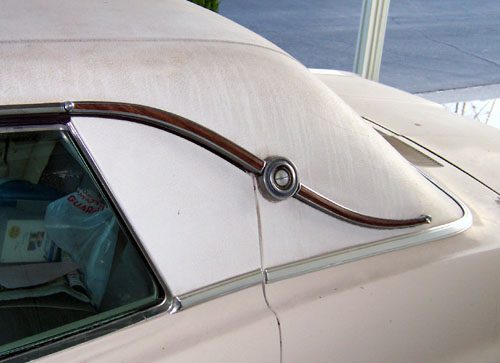
Landau bars were decorative S-shaped chrome strips that mimicked the functional supports of horse-drawn landau carriages — mechanisms that once actually held folding roof sections in place. On production cars they served no structural function whatsoever, adding weight, creating potential rust points around their mounting hardware, and communicating a carriage heritage to buyers who may not have known what a landau carriage was. Their disappearance was a quiet victory for honesty in automotive styling: the modern car has enough genuine engineering to display without borrowing visual language from vehicles that preceded the internal combustion engine.
10. Column Shifters: Changing Gears Without Changing Hands
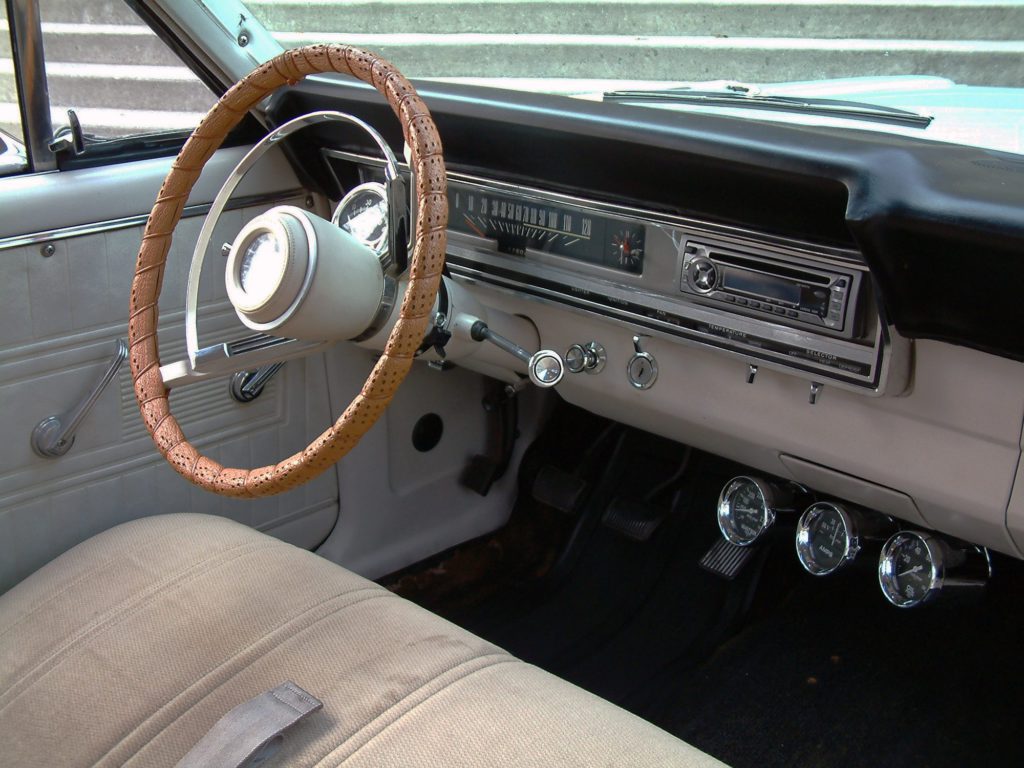
Column shifters solved a specific problem elegantly: they moved gear selection to the steering column and freed up the floor space that bench seats required for three-abreast seating. The trade-off was precision — long linkage systems connecting the column to the transmission grew sloppier over time and never offered the direct mechanical feel of a floor-mounted shifter. As performance priorities replaced bench seat practicality in the 1960s, the column shifter’s limitations became more apparent than its space-saving advantages. The floor shifter’s return reflected a shift in what buyers wanted from the driving experience rather than a technical failure of column-mounted design.
9. Luggage Racks: Roof-Top Real Estate

Roof-mounted luggage racks provided overflow storage when interior space ran out — a practical solution for family road trips before station wagons and SUVs absorbed the cargo problem entirely. The aerodynamic penalty was significant: open metal frames at highway speeds created drag that consumed fuel measurably. Aerodynamic roof carriers with shaped housings eventually replaced them, reducing the penalty while preserving the capacity. The modern rooftop cargo box is a more capable piece of equipment, but it lacks the honest simplicity of a chrome rack that made no pretense about what it was or what it cost the driver in fuel economy.
8. Car Phones: The Original Status Symbol

Car phones in the 1980s required equipment that occupied significant trunk space while delivering call quality that barely functioned reliably. They cost more than some complete vehicles and signaled status more effectively than they enabled communication. The technology compressed rapidly — briefcase-sized hardware became pocket-sized consumer products within a decade, and portable cellular phones made the fixed car phone irrelevant almost immediately. Today’s Bluetooth integration makes the 1980s car phone look like a prototype for a concept that was not yet technically achievable, which is essentially what it was.
7. Hood Ornaments: Automotive Hood Jewelry

Hood ornaments projected brand identity forward from the front of the vehicle in sculpted metal — automotive peacock feathers that celebrated craftsmanship with complete indifference to aerodynamics or pedestrian safety. Both concerns caught up with them simultaneously: protruding metal sculptures created hazards in pedestrian impacts and unnecessary drag at any speed. Manufacturers removed them from mainstream vehicles by the 1970s and replaced them with flush-mounted badges that maintain brand identity within safety and efficiency constraints. The hood ornament’s decline is one of the cleaner examples of design evolving to accommodate engineering reality rather than resisting it.
6. Pop-Up Headlights: Now You See Me
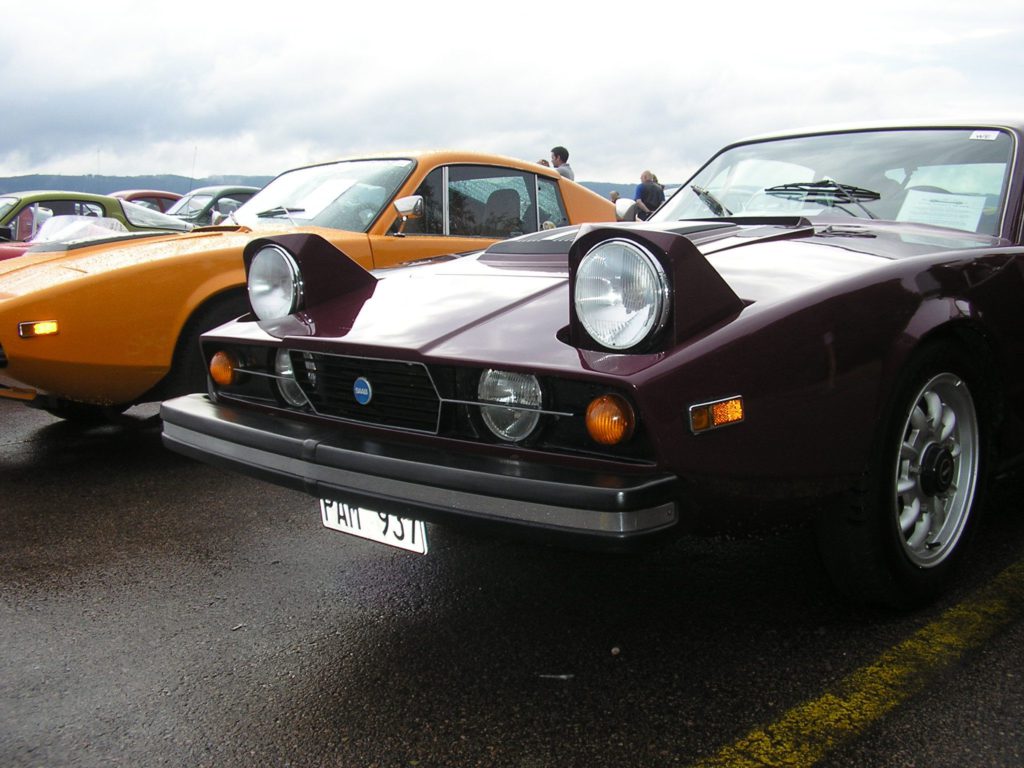
Pop-up headlights allowed sports cars to maintain clean, low nose profiles during daylight while still meeting lighting requirements at night — a genuine design solution that gave models like the Mazda Miata and Corvette a mechanical personality that fixed-headlight cars could not replicate. The mechanical complexity was real: motors, vacuum systems, and linkages that created maintenance demands proportional to the drama they delivered. Pedestrian safety regulations finalized around 2004 required headlight housings to have energy-absorbing properties that pop-up mechanisms could not provide, and the feature disappeared from production. Modern adaptive LED arrays are measurably superior in every technical respect. They are also considerably less interesting to watch.
5. Vents Under the Steering Wheel: The Original Targeted Cooling

From the 1950s through the 1990s, under-steering-wheel vents directed airflow to drivers’ legs and feet — a targeted approach that provided real relief from heat-absorbing vinyl seats before comprehensive air conditioning became standard. The solution was simple, direct, and effective for the specific problem it addressed. Modern HVAC systems use computer-controlled ducting to maintain consistent temperature and humidity throughout the cabin with precision these mechanical vents could not match. The under-wheel vent represents the pre-electronic era’s approach to comfort: identify the problem, point air at it, adjust manually.
4. Children’s Car Seats: From Afterthought To Engineering Priority

Early child safety seat concepts in the 1970s faced resistance from parents whose own childhood experience in vehicles without any restraints had not produced visible harm. Crash test data shifted attitudes as the research accumulated. Early designs used basic metal frames with minimal padding to keep children contained rather than protected — the distinction between those two outcomes being exactly what subsequent engineering addressed. Modern child seats carry energy-absorbing materials, five-point harnesses, and side-impact protection developed from decades of crash testing. Their path from optional accessory to mandatory equipment reflects how safety engineering responds to evidence rather than intuition about what adequate protection looks like.
3. Corinthian Leather: Marketing’s Greatest Leather-Adjacent Hit

Chrysler introduced “Corinthian leather” in 1974 for the Cordoba, creating a perception of Mediterranean exclusivity that had no geographic or material basis. The leather came from standard North American sources and was processed no differently from other automotive upholstery. The name did all the work. Its genius was its complete meaninglessness — there is no Corinthian leather tradition, no regional specification, no craft distinction. Transparent marketing practices and advances in synthetic materials eventually made the branding unnecessary. “Corinthian leather” remains the most efficient illustration in automotive history of how perception drives luxury purchasing decisions independently of any substantive product difference.
2. Tail Fins: Jet Age Styling Meets Road-Going Reality

Tail fins debuted on the 1948 Cadillac and reached their maximum proportions by 1959, borrowing visual language from aircraft design at a moment when jet aviation represented the clearest vision of American technological ambition. The aerodynamic contribution was negative — they created drag, accumulated snow and ice, and served no functional purpose beyond visual statement. Their disappearance by 1962 was as rapid as their rise, fashion cycling from maximum excess back to restraint in the span of roughly a decade. Tail fins are the most honest styling exercise in American automotive history: design features that existed purely to express the optimism of their era, making no claims about function they were not prepared to support.
1. Push Button Transmissions: The Original User Interface Disaster
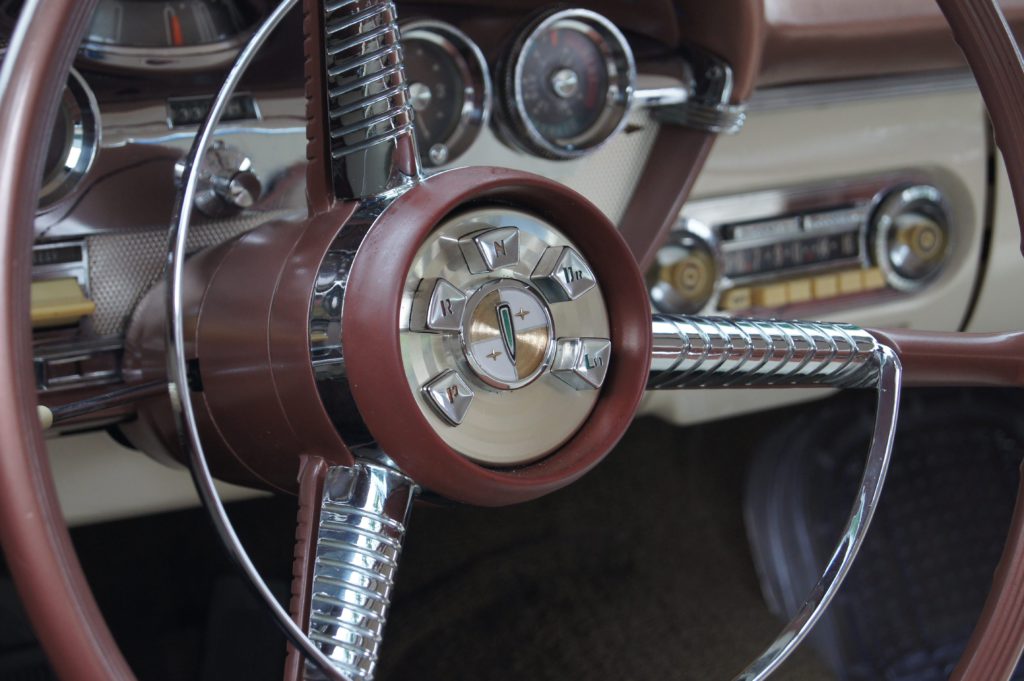
Chrysler’s push-button transmissions placed gear selection on the dashboard, promising single-finger simplicity for choosing drive ratios. The interface problem was immediate and consistent: drivers pressed incorrect buttons, creating mechanical outcomes ranging from embarrassing to dangerous. The systems also suffered from electrical reliability issues that compounded the interface failures. Within a decade the experiment was over. It’s one of many automotive innovations that failed the test of time by prioritizing novelty over usability. Today’s electronic shifters use similar underlying technology but learned the lessons push-button transmissions taught at driver expense — that intuitive interface design requires understanding how people actually behave under stress, not just how they behave when nothing is going wrong.