

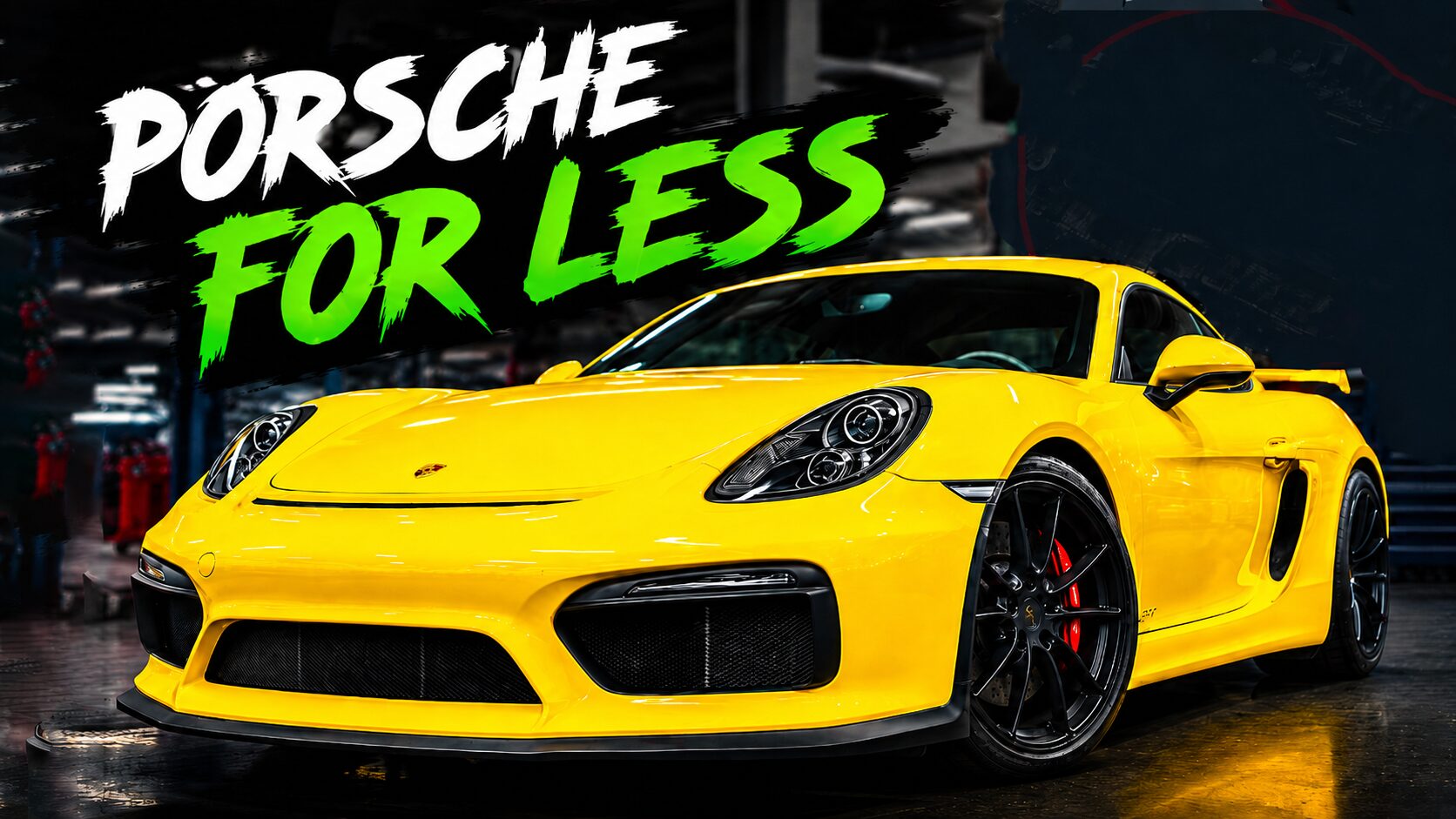
Porsche once welcomed enthusiasts with a $53,440 gateway: the 2013 Boxster. A mid-engine sports car powered by flat-six engines ranging from 2.7 to 3.4 liters, it delivered Stuttgart engineering without requiring a second mortgage. That accessible entry point has evaporated, leaving a market where six-figure price tags are the new normal and SUVs serve as the brand’s on-ramp. This shift reveals how margin pressure and strategic pivots reshaped Porsche’s lineup—and what it means for anyone still chasing that mid-engine thrill.
1. Entry-Level Porsche Mid-Engine Sports Car (2013 Boxster/Cayman)
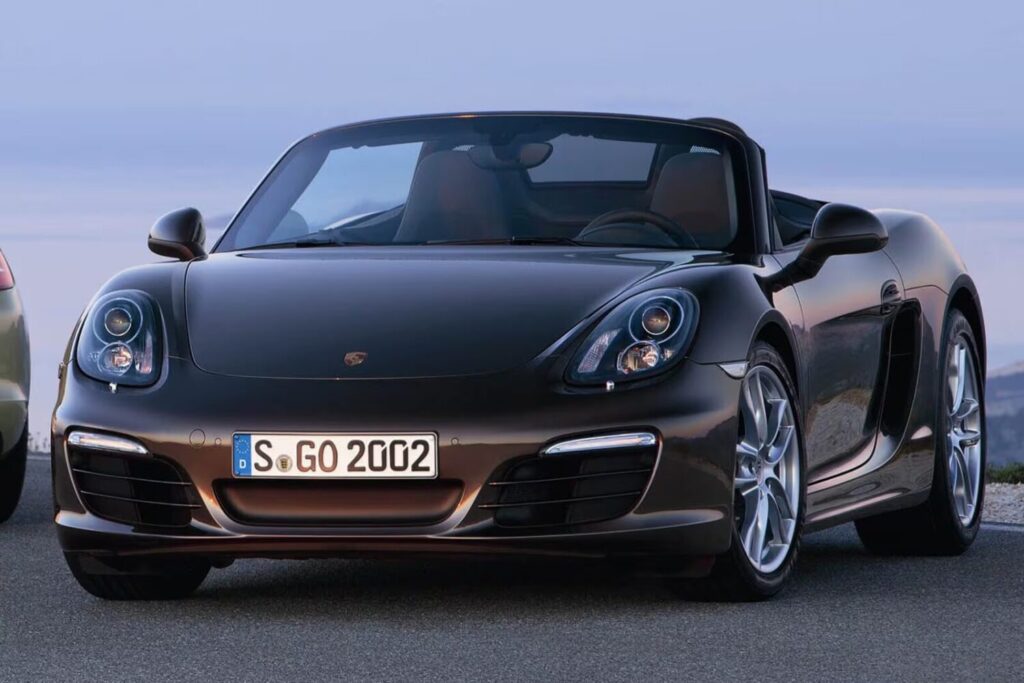
The original $50K gateway that built brand loyalty from the ground up.
The 2013 Boxster, with its $53,440 MSRP, served as Porsche’s crucial first rung. Mid-mounted flat-six engines (2.7–3.4L) delivered balanced handling and that signature exhaust note—accessible thrills without the 911’s sticker shock. These machines positioned below the flagship gave younger buyers a taste of Stuttgart’s engineering prowess.
Porsche built customer loyalty here: Boxster and Cayman owners eventually moved up to 911s, creating a pipeline of brand advocates. That ladder has been kicked away. The accessible sports car that once welcomed newcomers is gone, replaced by a lineup that assumes six-figure budgets from day one.
2. Porsche 718 Boxster and Cayman (982 Generation)
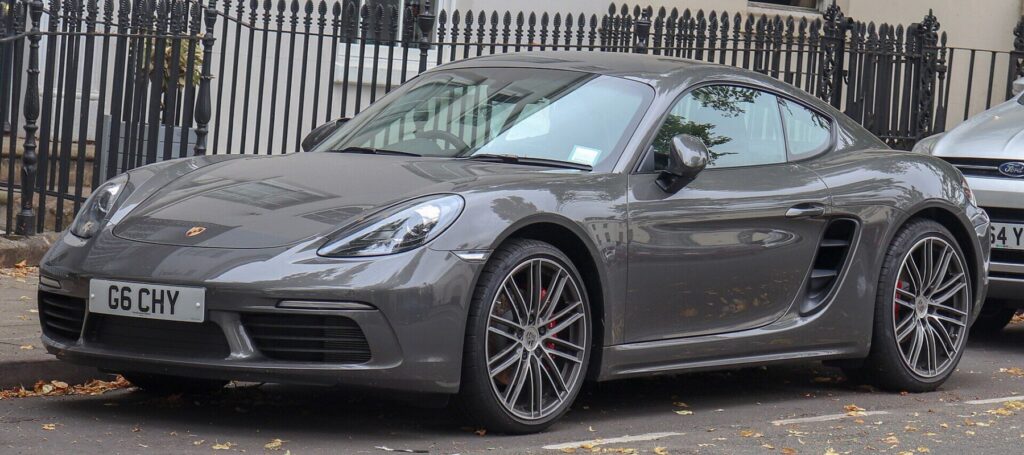
The mid-engine line that couldn’t justify its own existence on spreadsheets.
Introduced in 2016 with turbocharged flat-four engines (later expanded to flat-six variants), the 718 line initially promised volume. Reality proved harsher. U.S. sales collapsed to just 6,399 units in its final year—a single-digit percentage of Porsche’s total sales. Low margins and declining demand transformed the 718 from sports car staple to financial liability.
Production ended for key enthusiast variants by the mid-2020s. The mid-engine experience below the 911 simply vanished, sacrificed to corporate strategy that favors high-margin SUVs over low-profit sports cars. Anyone expecting a direct successor will be waiting indefinitely.
3. Porsche 911 (Current Base Carrera)
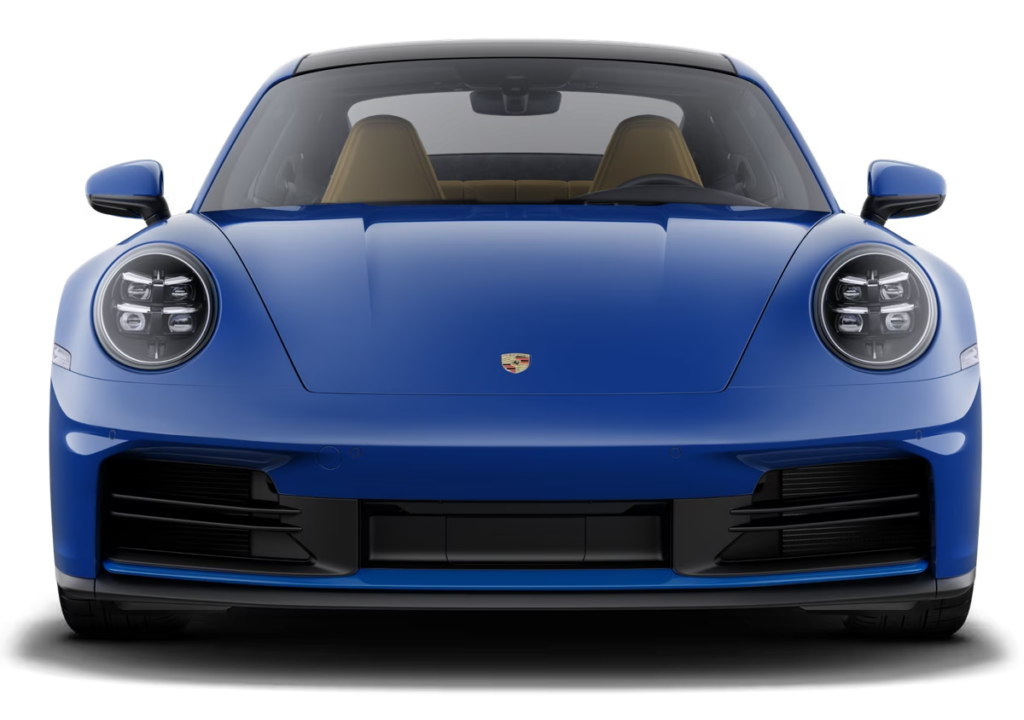
The flagship that left its entry-level roots in the rearview mirror.
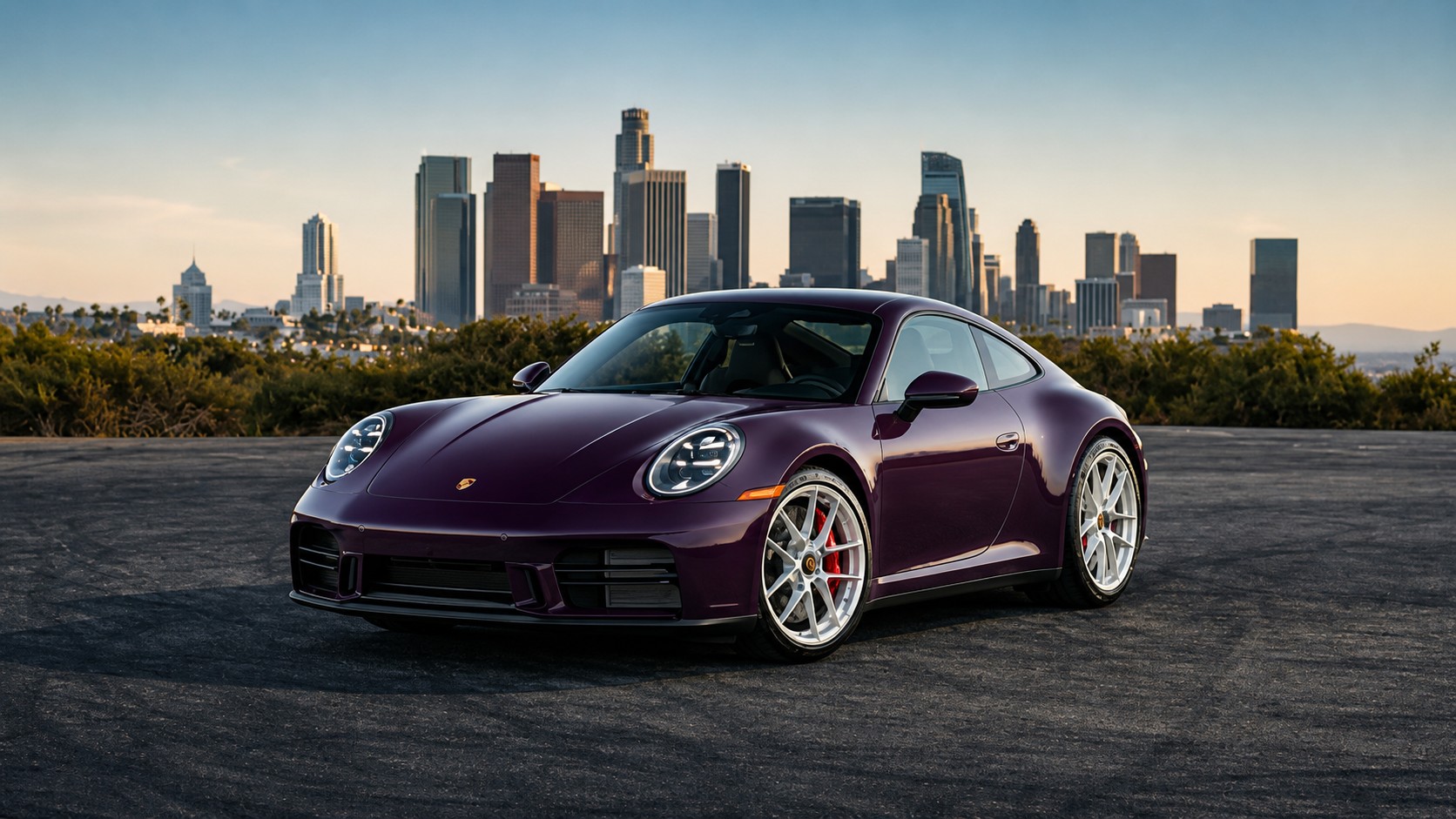
The 992-generation 911 Carrera remains Porsche’s technical showcase: a 3.0-liter twin-turbo flat-six (9A2 EVO) delivering 379 hp in a rear-engine package that balances daily usability with track capability. The problem isn’t performance—it’s price. U.S. MSRP now sits well into six figures, far above the entry point once occupied by Boxster and Cayman models.
This upward trajectory prices out traditional enthusiasts. The 911 has evolved from attainable dream car to luxury-sports product, leaving a vacuum below it that Porsche shows no interest in filling with another sports car.
4. Porsche Macan
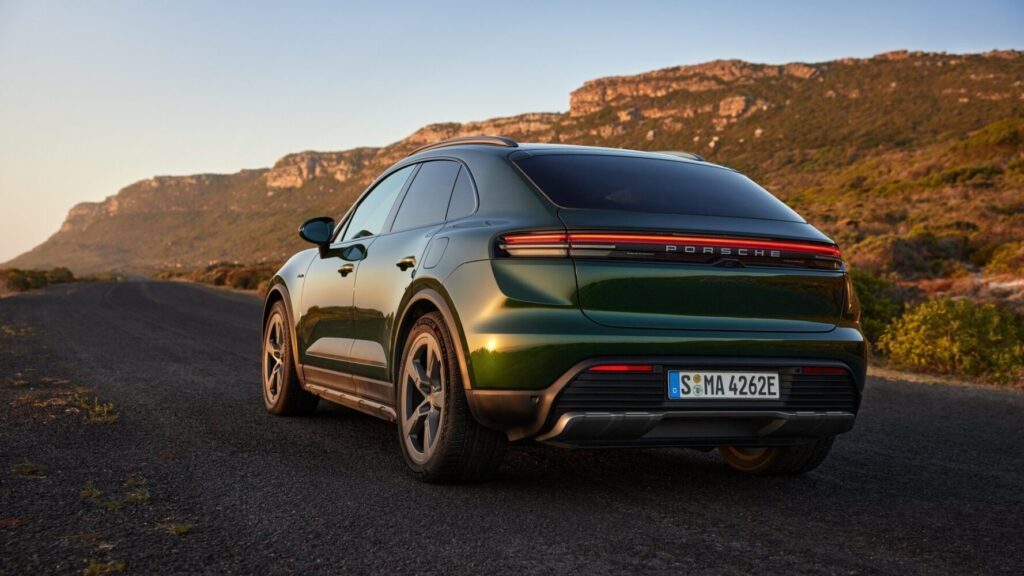
The SUV that became the brand’s true entry point—and profit engine.
Porsche’s most accessible new model isn’t a sports car. The Macan, introduced for the 2015 model year, starts around $63,000 in the U.S.—making a compact luxury crossover the primary on-ramp into the brand. Strong global demand and high margins made SUVs the strategic priority, sidelining less profitable sports car programs.
The Macan shoulders Porsche’s volume and profit targets, fundamentally shifting what it means to own a Porsche. The brand that built its reputation on sports cars now welcomes most customers via an SUV showroom floor.
5. Porsche 981 Cayman S (2014–2016)

The naturally aspirated bargain hiding expensive engine-failure risk.
The second-generation Cayman S offered mid-mounted 3.4-liter flat-six power (320–325 hp) and 4.7-second 0–60 runs with PDK. Built on the 981 platform with the robust 9A1 engine family, it delivered balanced handling and top speeds exceeding 170 mph—precision engineering at an accessible price point.
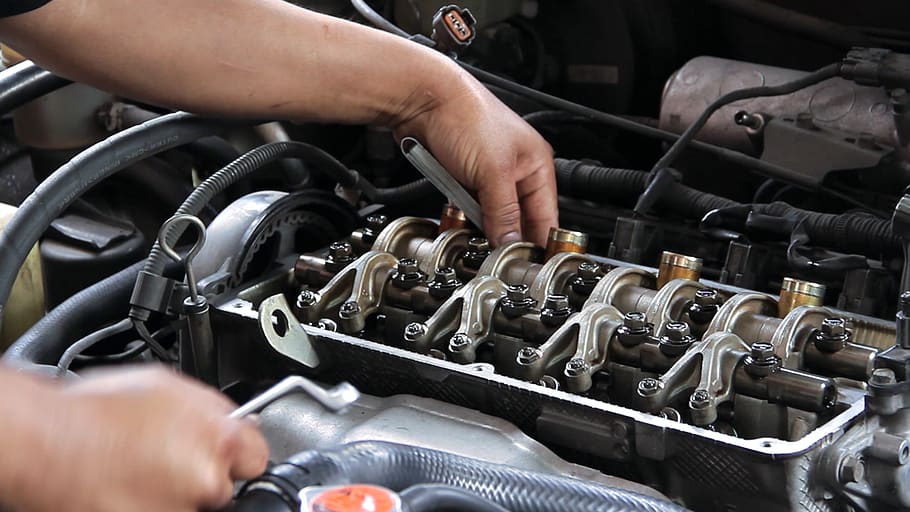
The catch: bore-scoring. The 3.4-liter engine carries known failure risk requiring expensive rebuilds. A borescope inspection isn’t optional; it’s financial self-defense. Skipping pre-purchase verification can transform a $42,000 acquisition into a landmine with $20,000 engine bills. Secure complete mechanical history verified by a Porsche specialist before signing anything.
6. Porsche 718 Cayman GTS 4.0

The naturally aspirated sweet spot now trading like blue-chip stock.
Introduced in 2020, the GTS 4.0 resurrects what modern sports cars rarely offer: a naturally aspirated engine. Its 4.0-liter flat-six delivers 394 hp and 309 lb-ft of torque, revving to 7,800 rpm. Paired with a six-speed manual, it hits 100 km/h in 4.5 seconds while maintaining daily usability.
This combination—raw engagement without GT-level harshness—makes it a market outlier. With no direct internal combustion successor confirmed, examples appreciate steadily. The GTS 4.0 occupies the middle ground between regular 718 models and hardcore GT variants, offering 90% of the thrill without the track-only compromises.
7. Porsche 718 Cayman GT4
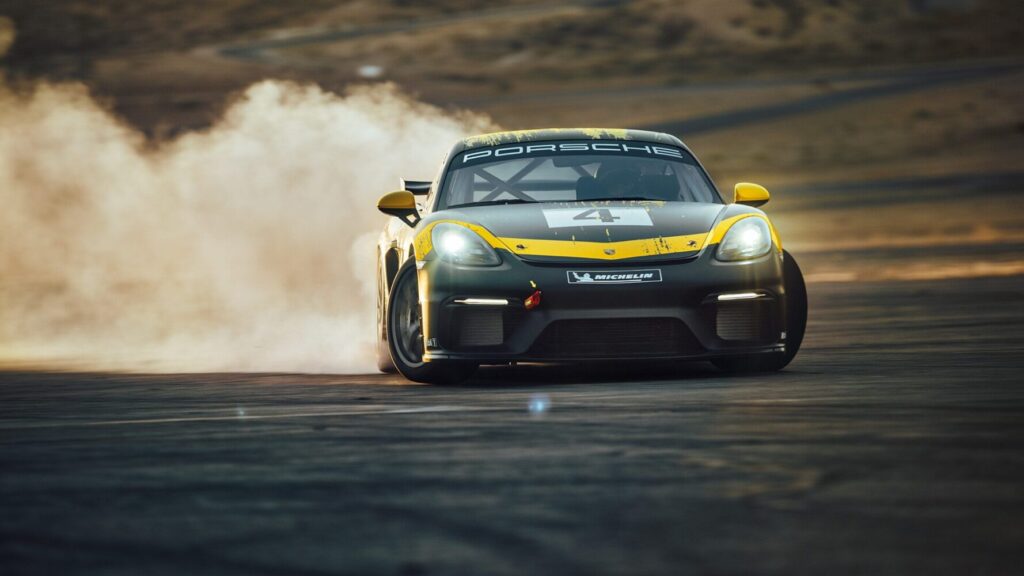
The track weapon that doesn’t require collector-piece money—yet.
Porsche’s GT division built the 718 Cayman GT4 (2019–2023) as a serious circuit tool. A 4.0-liter naturally aspirated flat-six produces 414 hp and revs to 8,000 rpm. At 3,131 lbs with a fixed rear wing and firm suspension, it sacrifices daily comfort for cornering precision.
Used examples trade around $120,000–$125,000, reflecting strong appreciation from original MSRPs near $100,000. The GT4 delivers about 95% of its more extreme sibling’s capability without the sky-high premium, making it the stealth move for buyers seeking genuine GT-division engineering without collector-market markups.
8. Porsche 718 Cayman GT4 RS
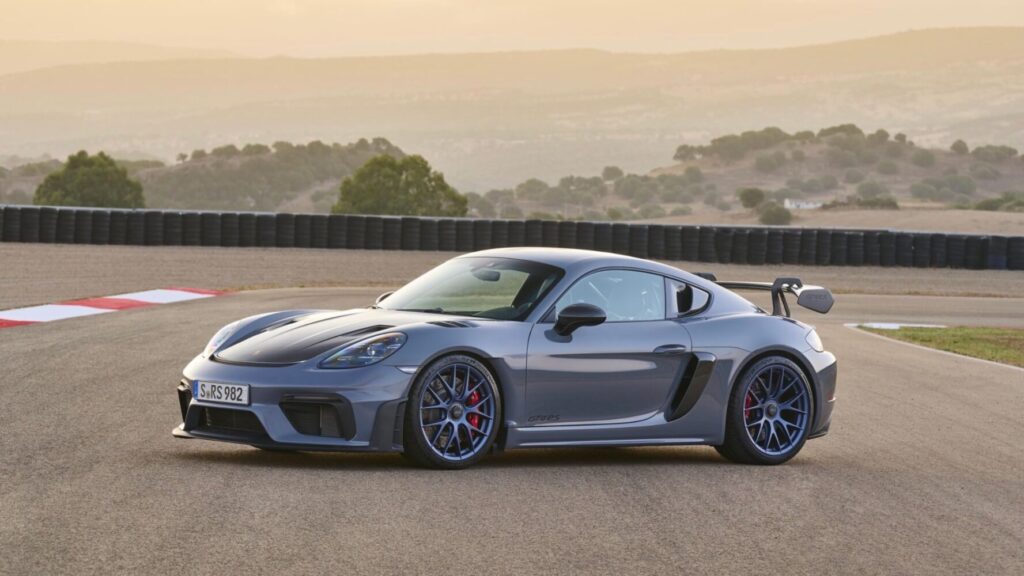
The ultimate mid-engine Cayman that trades for 50% over MSRP—when you can find one.
The 718 Cayman GT4 RS houses the 911 GT3’s 4.0-liter naturally aspirated flat-six, generating 500 PS (368 kW) and 450 Nm of torque. Power routes exclusively through a seven-speed PDK, launching the car to 100 km/h in 3.4 seconds and on to 315 km/h. Extensive weight reduction and aggressive aerodynamics—large wing, air intakes beside occupants’ heads—define its track pedigree.
Limited production and GT3-derived engine specification make this the definitive collector asset. Naturally aspirated mid-engine Porsches at this performance level won’t return, cementing the GT4 RS as a motorsport artifact with scarcity driving market premiums.