

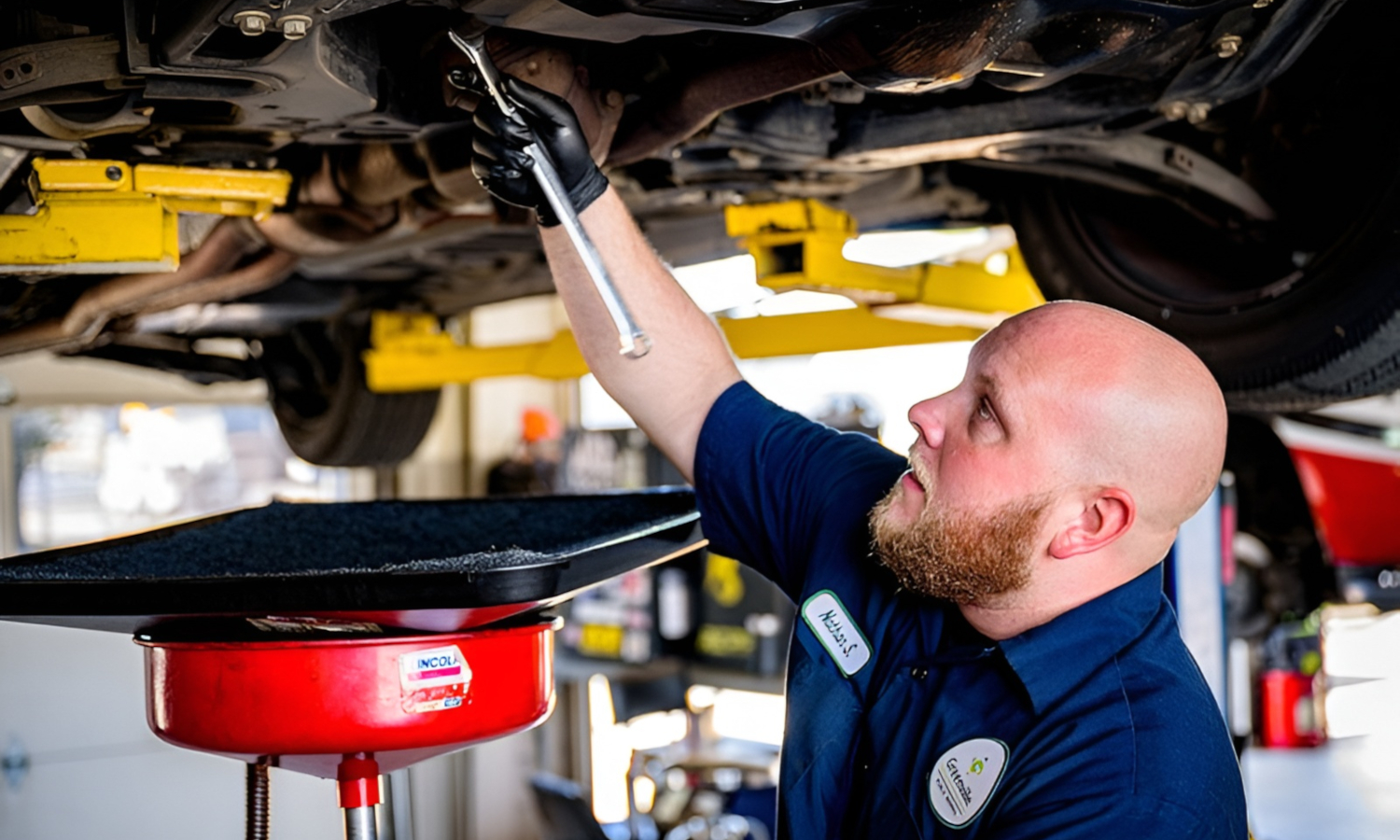
That’s exactly what’s happening on some luxury vehicles. Mechanic Ralph Czeisler told CNBC that resetting an oil-change indicator can add roughly $75 in software-access charges to an otherwise routine service. Multiply that dynamic across the sensors, cameras, and radar systems built into most new cars, and the cumulative cost picture gets difficult to dismiss. Vehicle repair and maintenance costs reportedly climbed approximately 60% from January 2019 through August 2026, according to Federal Reserve Bank of St. Louis data cited by CNBC — compared with roughly 32% for overall inflation over the same period. Those are cumulative figures across a defined timeframe, not annual rates. But the gap between them is significant, and technology complexity is among the contributing factors driving it. For broader context on vehicle cost trends, the disappearance of the affordable new car from the market offers important background.
Your Car Is a Computer. Fixing It Costs Like One.
Brand-specific diagnostic tools and recurring software subscriptions have quietly restructured what repair shops charge — and why.
Czeisler told CNBC his shop runs separate computers for domestic, Asian, and European vehicles, with manufacturers updating their systems on a regular basis, according to his account. Software subscriptions can reportedly be purchased by the hour, the day, or the year — costs that may be reflected in a shop’s labor or service charges. Think of it as the repair industry’s version of the streaming-bundle problem: customers end up paying for access, not just parts and labor. Drivers looking to sidestep escalating repair complexity may find value in researching reliable cars that are less dependent on proprietary software ecosystems.
Several factors contribute to higher modern repair bills:
- Diagnostic hardware and brand-specific software subscriptions, which may be reflected in labor or service charges
- ADAS-related parts, labor, and calibration, which represented 37.6% of averaged costs across four repair scenarios involving three vehicles, per AAA’s 2023 analysis — not a universal figure for all collision repairs
- Windshield replacement involving a mounted camera, where ADAS component work and calibration averaged $360, or roughly 25.4% of AAA’s average repair estimate of $1,439.78 in the tested scenario
- Minor front-collision ADAS component replacement, which averaged $1,540.92 according to AAA’s 2023 data
- Technician training and precision calibration labor, which can add hours most drivers never anticipate
Calibration equipment itself carries steep price tags. According to shop invoice information reported by CNBC, one calibration machine cost approximately $28,000, with the necessary computer adding another $12,000 — figures that should be confirmed against the original CNBC source prior to publication.
What to Ask Before You Authorize a Single Dollar
Knowing the right questions can prevent a vague estimate from becoming an unwelcome surprise.
Request a written breakdown that separates parts, labor, diagnostic fees, software access, and any required ADAS calibration before authorizing work. Ask whether calibration is required after the specific repair being performed, and confirm the shop has the certified equipment to complete it properly. A shop that cannot clearly address both points may not be equipped for the job.
Modern vehicles are sophisticated machines — and that sophistication now extends to the repair bill. The rise of the $1,000 car payment reflects how these compounding costs are reshaping total ownership for everyday drivers. Understanding what each charge covers, and asking for documentation when calibration is performed, is the most practical leverage available to any driver navigating this new reality.