

The shiny veneer of a new car launch often masks underlying mechanical issues or fundamental missteps, a truth many drivers discover too late. Every gearhead knows the frustration when a hotly anticipated model pulls up lame, like a trophy truck running on fumes after the first dune. Some vehicles, once heralded as future titans of the road, are now collecting dust on dealer lots, burdened by flaws ranging from questionable engineering to baffling design choices. The hype sold itself, but these machines are proving less a joyride and more a flat tire on a cross-country adventure. What makes a dream car turn into a roadside breakdown, and which models are failing to sell?
1. 2026 Buick Envision
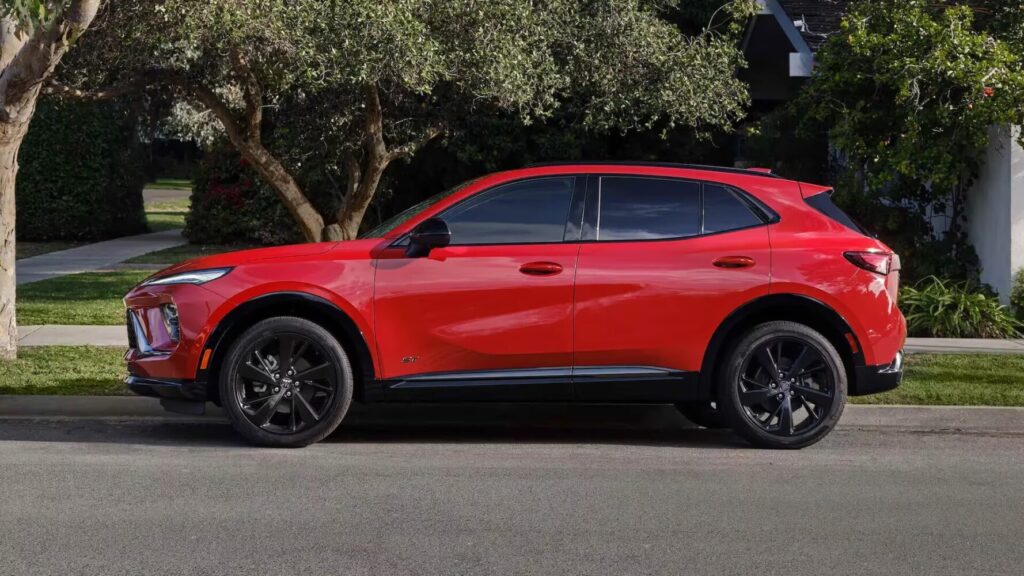
China-built crossover saddled with tariffs that push prices past near-luxury rivals.
Import tariffs shackle the 2026 Buick Envision, much like tying a boat anchor to a nimble race car. This economic policy inflates the sticker price, pushing its base cost upward significantly. For a vehicle aiming at “near-luxury,” the price point forces anyone shopping to question its value against rivals. The smooth jazz track on a winding road becomes out of tune when the cost climbs too high.
GM’s decision to shift Envision production to Kansas by 2028 offers no immediate relief for current inventory. This delayed response leaves the model in tariff purgatory, a limbo where potential buyers see more attractive options. Standing alone on the lot like a lone wolf without its pack, the Envision watches competitors fly off showroom floors. With substantial market supply, it’s clear the policy changes fundamentally undermined its viability, turning a decent China-built crossover into a hard sell.
2. 2026 Jeep Grand Cherokee L
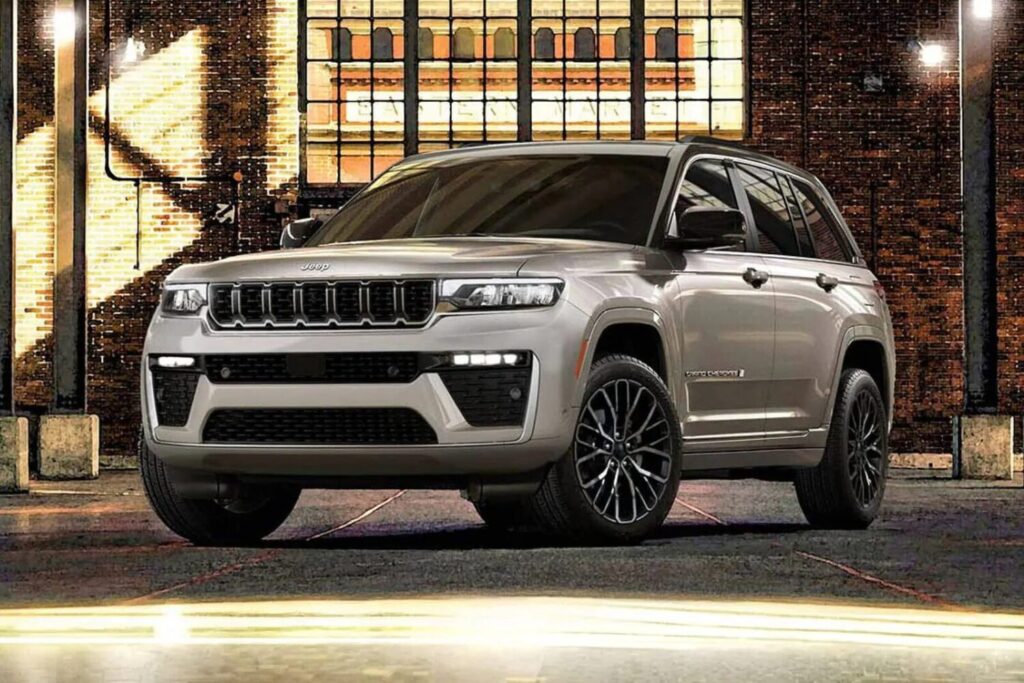
Three-row family hauler priced like luxury but delivers infotainment headaches and service delays.
The 2026 Jeep Grand Cherokee L struggles to justify its premium in the three-row SUV segment, despite offering 7-passenger seating. Anyone might expect its imposing size to equate to luxury and value, but the reality feels more like paying for a fancy paint job when the engine light stays on. Frequent owner reports of infotainment screen failures and notoriously long service wait times erode confidence, making rivals look more appealing.
Pricing that pushes past mid-five-figures places it directly against refined rivals such as the Kia Telluride or Hyundai Palisade, which often deliver a more consistent ownership experience. Brand loyalty wears thin when high cost doesn’t match perceived quality. That feeling when a new app constantly crashes? That’s the automotive equivalent here. Dealers are currently sitting on substantial supply, a clear signal consumers are choosing more reliable journeys.
3. 2026 Ford Bronco
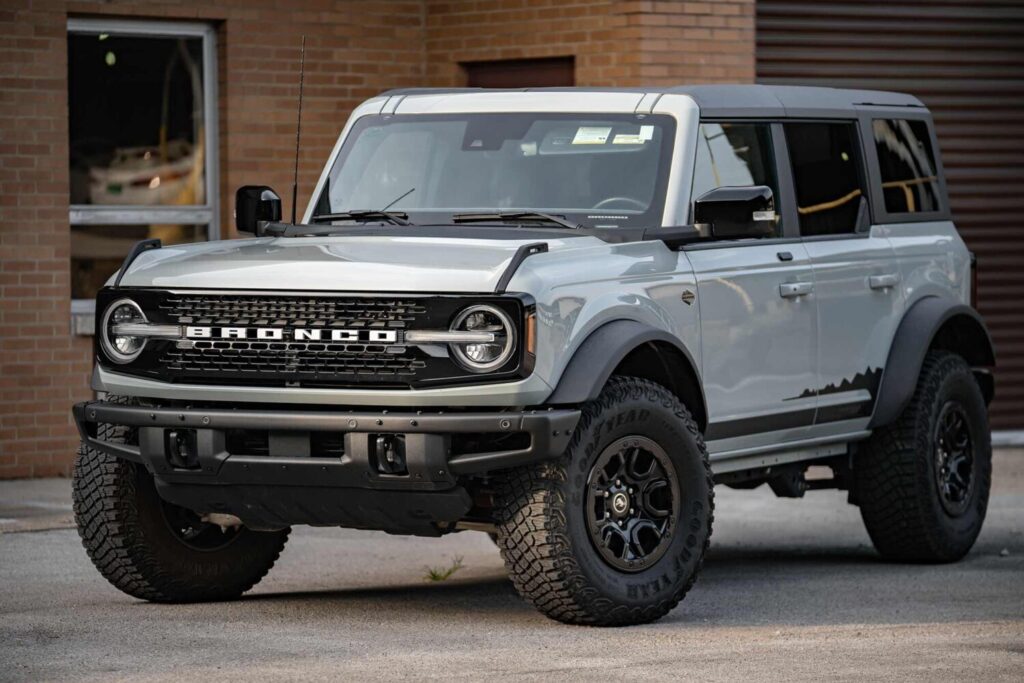
Off-road hero becomes daily-driver disaster with wind noise and water leaks turning commutes into endurance tests.
The Ford Bronco currently carries significant market supply, revealing how a specialized vehicle can struggle in urban traffic. While it dominates off-road trails, its open-air construction transforms the daily commute into an endurance test. Drivers report unbearable wind noise from removable roof panels and common water leaks, quickly diminishing the thrill.
A recall involving the APIM module, which can shut down the center touchscreen for up to 5 minutes, further compounds daily frustrations. For a truck commanding a price near fifty grand, such glitches feel like a luxury sedan missing its turn signal. The thousands of units still on dealer lots highlight a stark reality: adventure must complement daily liveability. Otherwise, the market makes its point clear, reflecting that average selling prices are insufficient for a compromised daily driver.
4. 2026 Dodge Charger
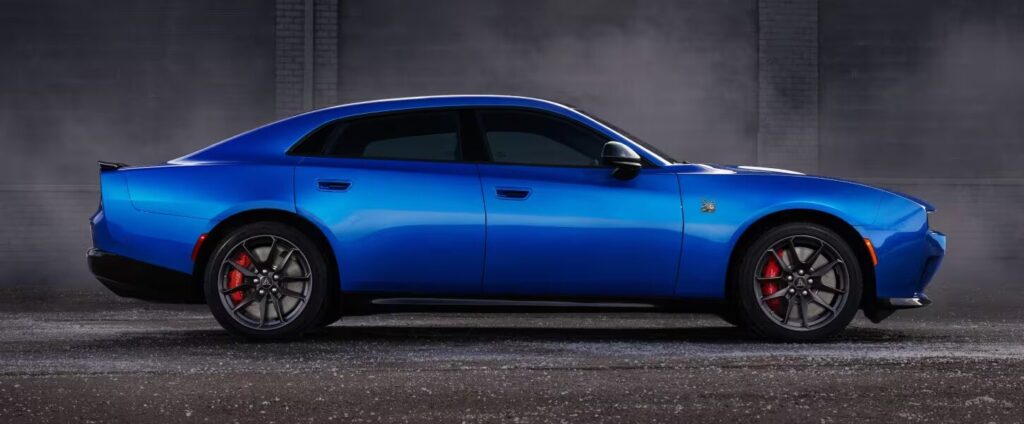
Hurricane inline-six replaces HEMI V8, sparking identity crisis for muscle car purists facing fifteen-thousand-dollar price hikes.
The 2026 Dodge Charger Scat Pack boasts 550 horsepower from its new 3.0-liter twin-turbo inline-six “Hurricane” engine. This controversial shift from the iconic HEMI V8 feels like swapping a grizzled, bare-knuckle brawler for a precision-trained MMA fighter. The raw, visceral V8 experience, the thunderclap of a classic, is gone. An efficient, less soul-stirring hum remains.
The new Charger also brings a significant price hike. The base gas model starts substantially higher than its predecessor, a jump that makes truly affordable muscle car ownership feel distant. Anyone who recalls when a classic Charger’s V8 rumble shook their fillings knows the new inline-six won’t replicate that feeling. This shift, even with substantial market supply, challenges the Charger’s identity.
5. 2026 Jeep Gladiator
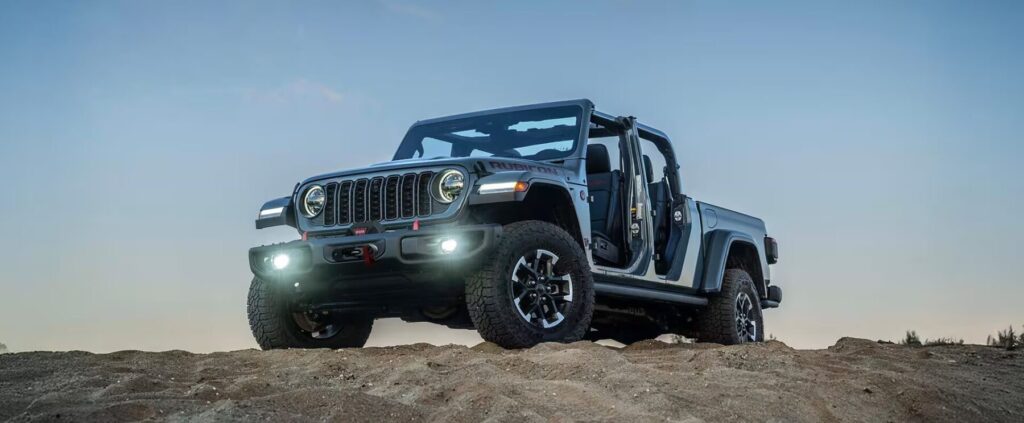
Wrangler-based pickup demands fifty-thousand-plus but delivers firm ride and mediocre fuel economy that wears thin fast.
Substantial supply for the Jeep Gladiator sits on dealer lots, a clear market disconnect. Buyers get a unique beast: a Wrangler with a 5-ft pickup bed. This setup excels on trails but delivers a firm ride on asphalt that quickly grows tiresome on the morning commute. Fuel economy is mediocre, a tough pill to swallow when the price often pushes past fifty grand.
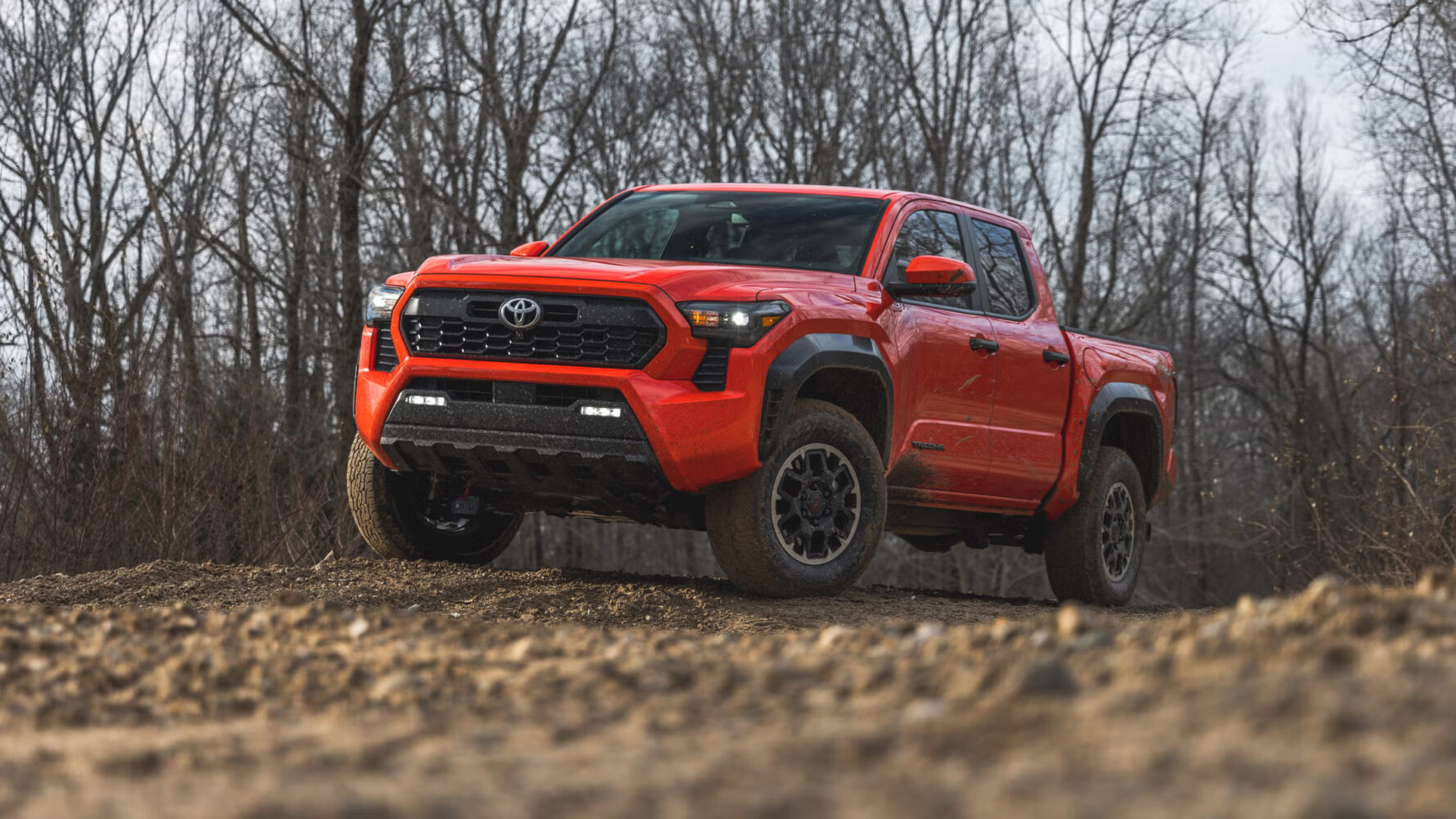
Even with its distinct personality, the Gladiator’s bed utility pales compared to conventional rivals like the refreshed Toyota Tacoma, limiting its appeal for practical work. Dealers are offering substantial discounts just to move inventory, signaling buyer hesitation. The market demands greater practicality and value for the average transaction price. If adventure involves more than just off-road trails, this truck feels like wearing ski boots to a wedding.
6. 2026 Chevrolet Blazer EV
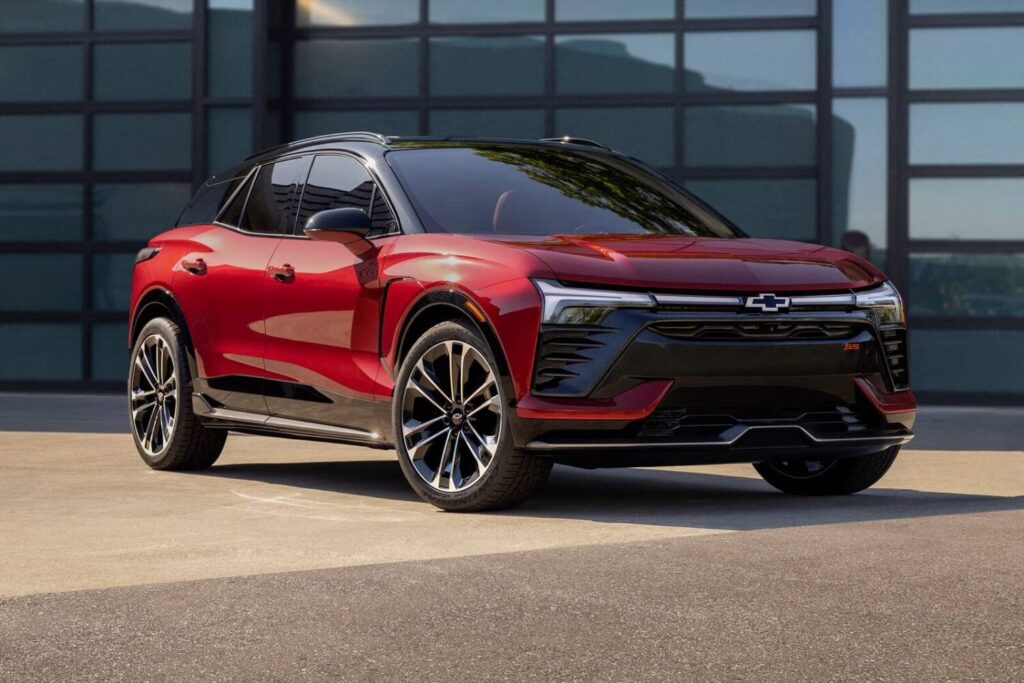
Software meltdowns forced GM stop-sale while Google-based infotainment earns “utter trash” reputation from owners.
A modern electric vehicle’s Achilles’ heel often hides in its software, not its powertrain. The Chevrolet Blazer EV, with a targeted 290 miles of range, has faced significant software issues since launch. Its native Google-based infotainment system, replacing Apple CarPlay and Android Auto, is described by owners as “utter trash,” featuring frozen screens and rear camera blue screen failures.
These persistent tech missteps forced GM to issue a stop-sale order. Pulling in after a long drive only to have the car refuse proper shutdown, its digital brain stuck, tests patience. An ongoing recall for parking brake wiring harnesses, which can unexpectedly activate or fail, adds mechanical insult. For an EV averaging nearly fifty grand, with substantial market supply, foundational technology must be flawless. The journey shouldn’t end with a debugging session.
7. 2026 Nissan Altima
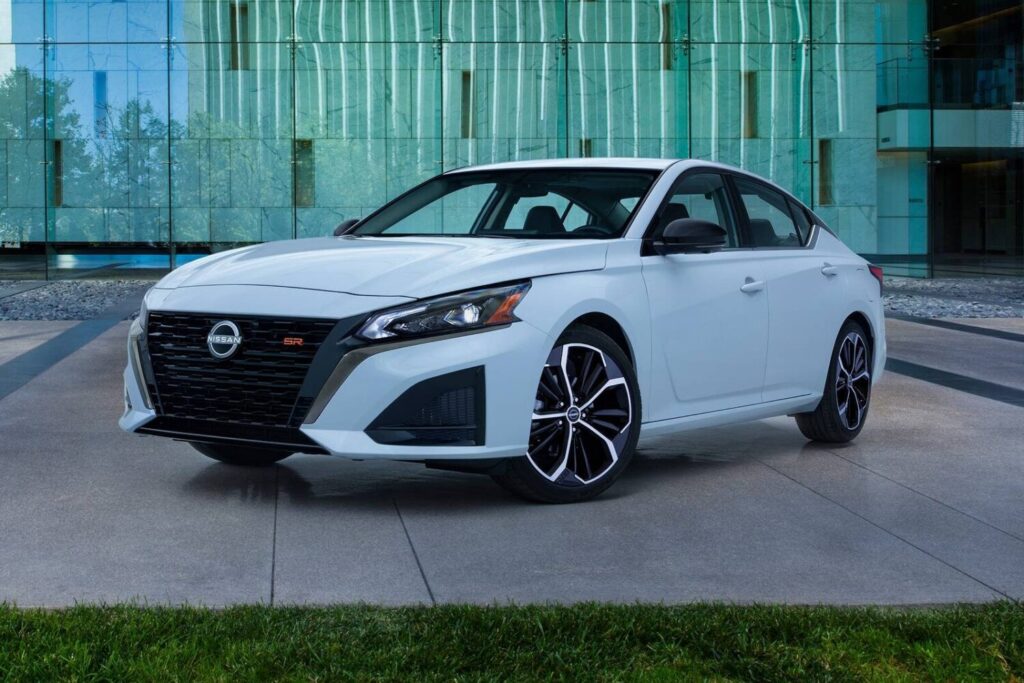
Final-generation sedan burdened by CVT repair bills up to fifty-five hundred dollars and notorious oil consumption woes.
A vehicle with substantial market supply reveals its fate as a final-generation model. The 2026 Nissan Altima, once a sedan mainstay, now resembles a reliable workhorse reaching its last stable in an SUV-dominated world. Its value proposition is undermined by persistent mechanical issues; the Xtronic CVT often requires expensive repair costs.
The 2.5-liter engine’s notorious oil consumption potentially adds monthly costs in top-offs, feeling like a pit stop for a minor leak that never ends. Seeing a modest average selling price only to face severe depreciation and future maintenance makes the Altima a risky long-term investment. This looming discontinuation, coupled with its historical reliability woes, frustrates anyone who’s spent more time arguing with a service advisor than cruising a backroad.
8. 2026 Jeep Grand Cherokee (two-row)
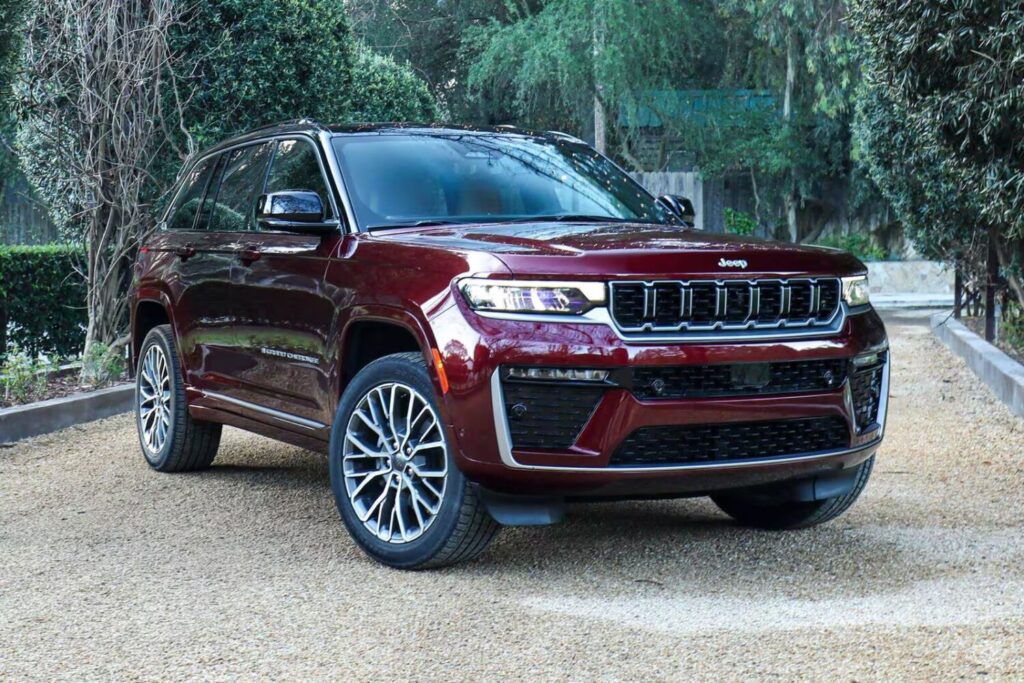
Full year of inventory piles up as infotainment failures and service delays erode brand loyalty.
A full year’s inventory now piles up, with substantial units of the 2026 Jeep Grand Cherokee (two-row) languishing unsold on dealer lots, indicating a serious disconnect. Its average price tag no longer justifies its place as a go-to mid-size crossover when more refined rivals offer better value. Like a once-reliable co-pilot, the Grand Cherokee has lost its way, its perceived value veering sharply off course.
The feeling when a streaming service buffers mid-climax, leaving viewers hanging? Imagine that, but it’s the car’s infotainment screen refusing to respond miles into a 500-mile road trip. Persistent screen issues, combined with long service wait times, are eroding brand loyalty. Dealerships further complicate matters, often adding thousands to the final cost. With a full year of market supply, the current situation is a stark reminder that consumer trust, much like a perfectly balanced wheel, is hard-won and easily thrown out of alignment, leaving buyers searching for a smoother journey elsewhere.
9. 2026 Mitsubishi Outlander

Compact three-row crossover’s underpowered engine and cramped third row earn “2 + 2 plus a tight squeeze” reputation.
The 2026 Mitsubishi Outlander shares its basic platform with the Nissan Rogue through the Renault-Nissan-Mitsubishi Alliance. The mainstream model uses a 2.5-liter 4-cylinder with a CVT, delivering modest power for a chassis weighing over 3,700 lb. This power-to-weight ratio makes highway merging feel like bringing a butter knife to a sword fight. The lethargic acceleration, vague steering, and soft brake pedal do not inspire confidence when hustling a full complement of passengers.
The third row is useless for anyone taller than a ten-year-old, earning it the moniker “2 + 2 plus a tight squeeze” among some in the industry. The Outlander’s average selling price, with dealer markups pushing higher, removes any value advantage compared to genuine three-row competitors. Its marketing claims for family utility crumble under real-world scrutiny. The market’s verdict is clear, with substantial units currently sitting on dealer lots and significant market supply, suggesting drivers are looking for true substance, not just a promise of it.
10. 2026 Jeep Wrangler two-door

Shorter wheelbase delivers mountain-goat agility off-road but powertrain failures under thousand miles gut buyer confidence.
The 2026 Jeep Wrangler two-door buys undeniable off-road prowess, as its shorter wheelbase makes it a mountain goat on the trails, allowing maneuvers other SUVs only dream of. However, shelling out that kind of cash demands more than just trail cred. Owner reports of powertrain failures and check engine lights appearing in under 1,000 miles are not a nuisance; they’re a gut punch.
Anyone buying into the promise of rugged simplicity doesn’t expect unexpected breakdowns. Planning a serious overland trip only to see the ‘check engine’ light flicker on as the highway approaches, a week after signing papers, isn’t just bad luck; it’s a fundamental flaw when paying a premium for capability. The market holds substantial units on lots, contributing to significant supply, suggesting that even die-hard fans are wary. Unfiltered adventure shouldn’t end with a phone call to a tow truck, because even the most capable off-roader is just an expensive lawn ornament when it won’t run.
11. 2026 Ford Mustang Mach-E
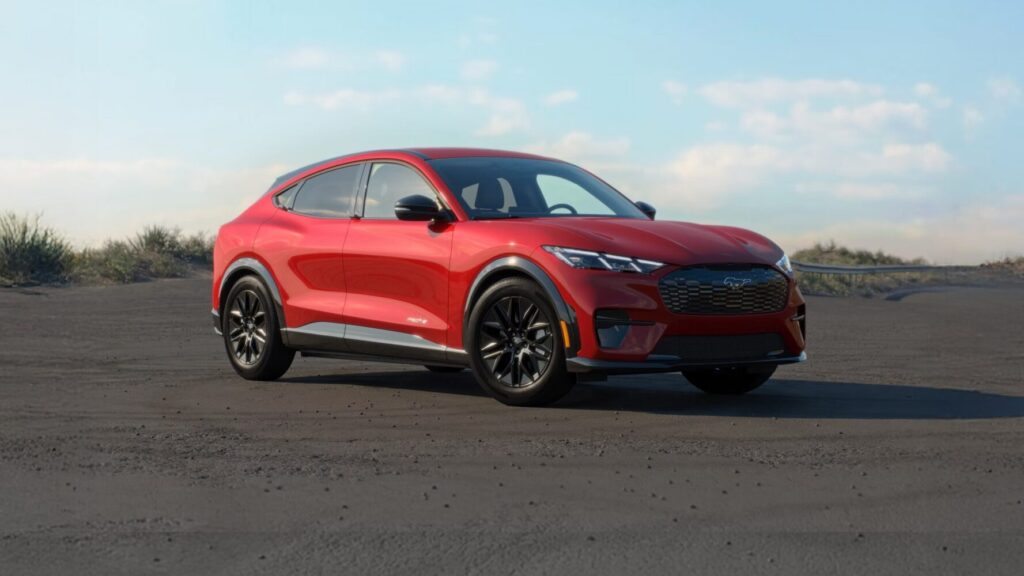
Federal tax credit loss and sixty-percent depreciation turn formerly hot EV into used-car-lot bargain with recall baggage.
The electric vehicle market can pivot faster than a drift car on a tight turn, and the 2026 Ford Mustang Mach-E has felt the sting. Substantial sales drops have been further impacted by losing federal tax credit eligibility. Depreciation averages steep percentages over five years. A new Mach-E averages around fifty grand, but used models now sit far lower.
Beyond pricing, active recalls for headlight failures and lingering Blue Cruise software concerns erode confidence. Expectations for a dependable EV with 224–320 miles of range shouldn’t include phantom electrical gremlins. The market reflects this: staggering supply numbers and thousands of units await buyers. Even a cool badge can’t outrun a market correction.
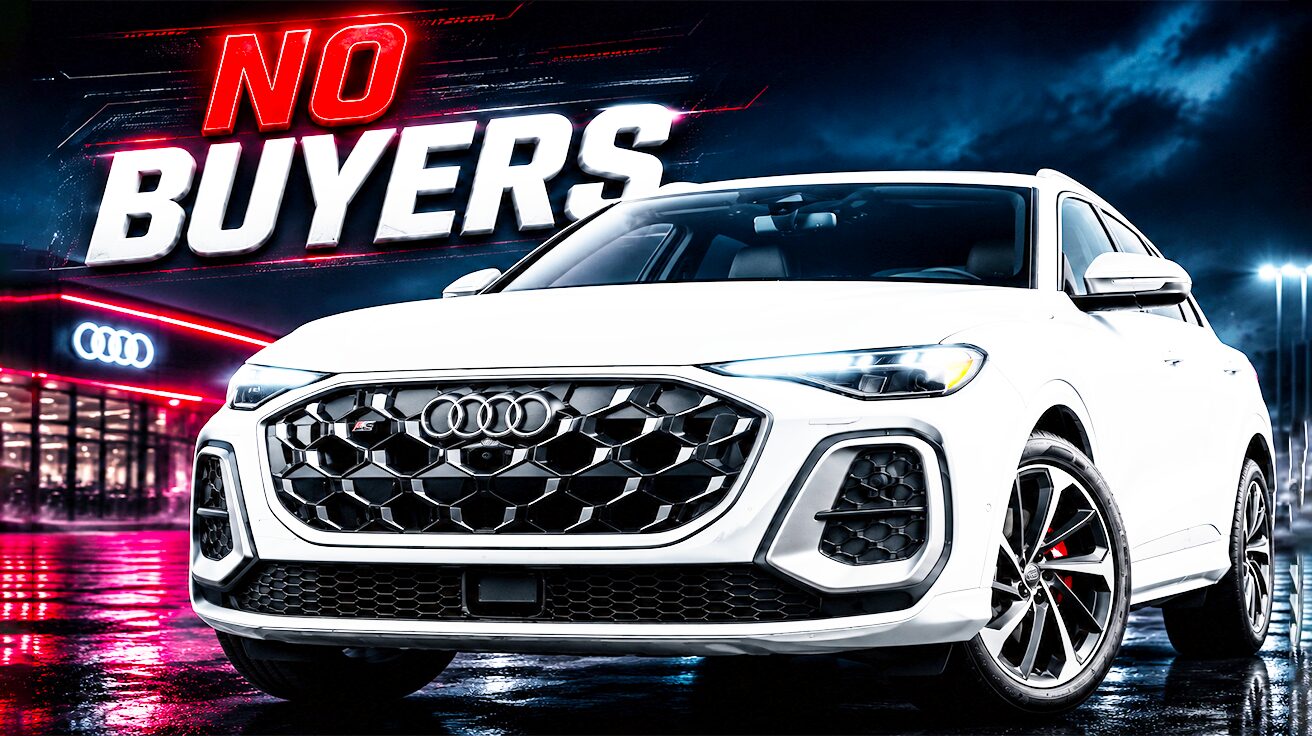
12. 2026 Audi SQ5
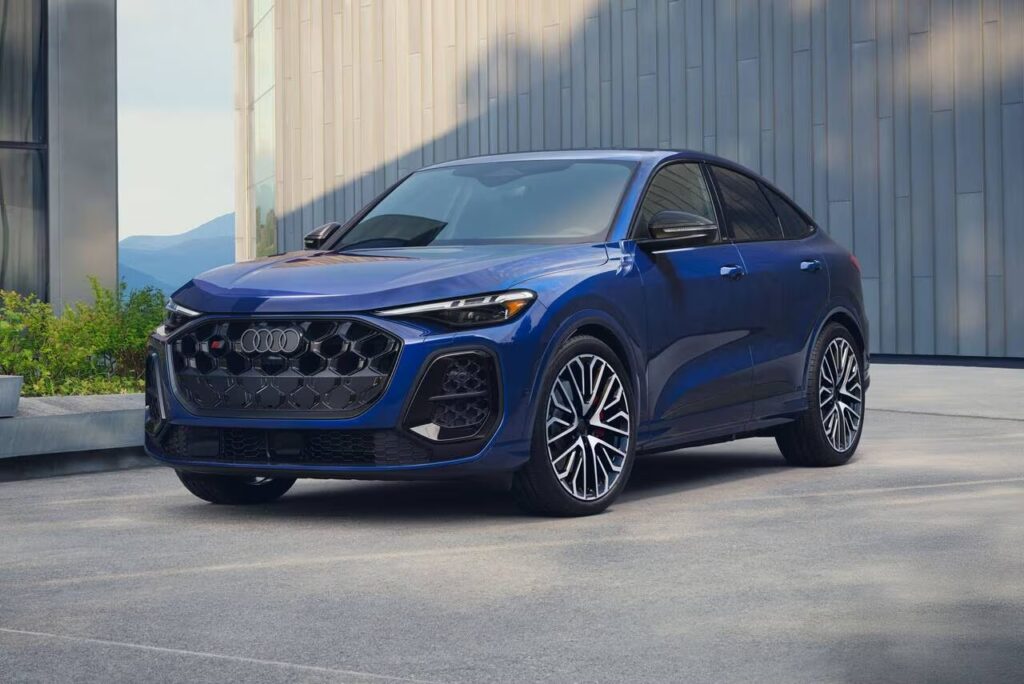
Turbocharged V6 performance undermined by cheap cabin plastics and infotainment that randomly mutes mid-trip.
An average selling price around seventy-six grand sets a high bar for the 2026 Audi SQ5, a standard it largely misses. While the turbocharged 3.0-liter V6 delivers performance, the interior betrays its luxury positioning. Owners and critics call the cabin “cheap,” pointing to excessive glossy piano black plastic that collects every fingerprint and scratch. Basic climate controls are now frustratingly buried within the central touchscreen, a genuine step backward for usability.
Discerning buyers find the MMI system randomly muting or navigation failing to announce crucial directions. Setting out on a road trip only for the infotainment to flake out like an old radio in a forgotten jalopy tests patience. Harsh gear changes further undermine the experience. Such fundamental flaws are unacceptable in a premium vehicle, resulting in a market supply of 626 days—nearly two years of inventory.
Anyone planning a road trip knows the difference between a vehicle that earns its place in the driveway and one that earns dust. These twelve prove market forces still reward substance over sizzle—because no amount of marketing can fix a check engine light at mile 1,000, and no tariff can justify paying luxury prices for economy execution.