

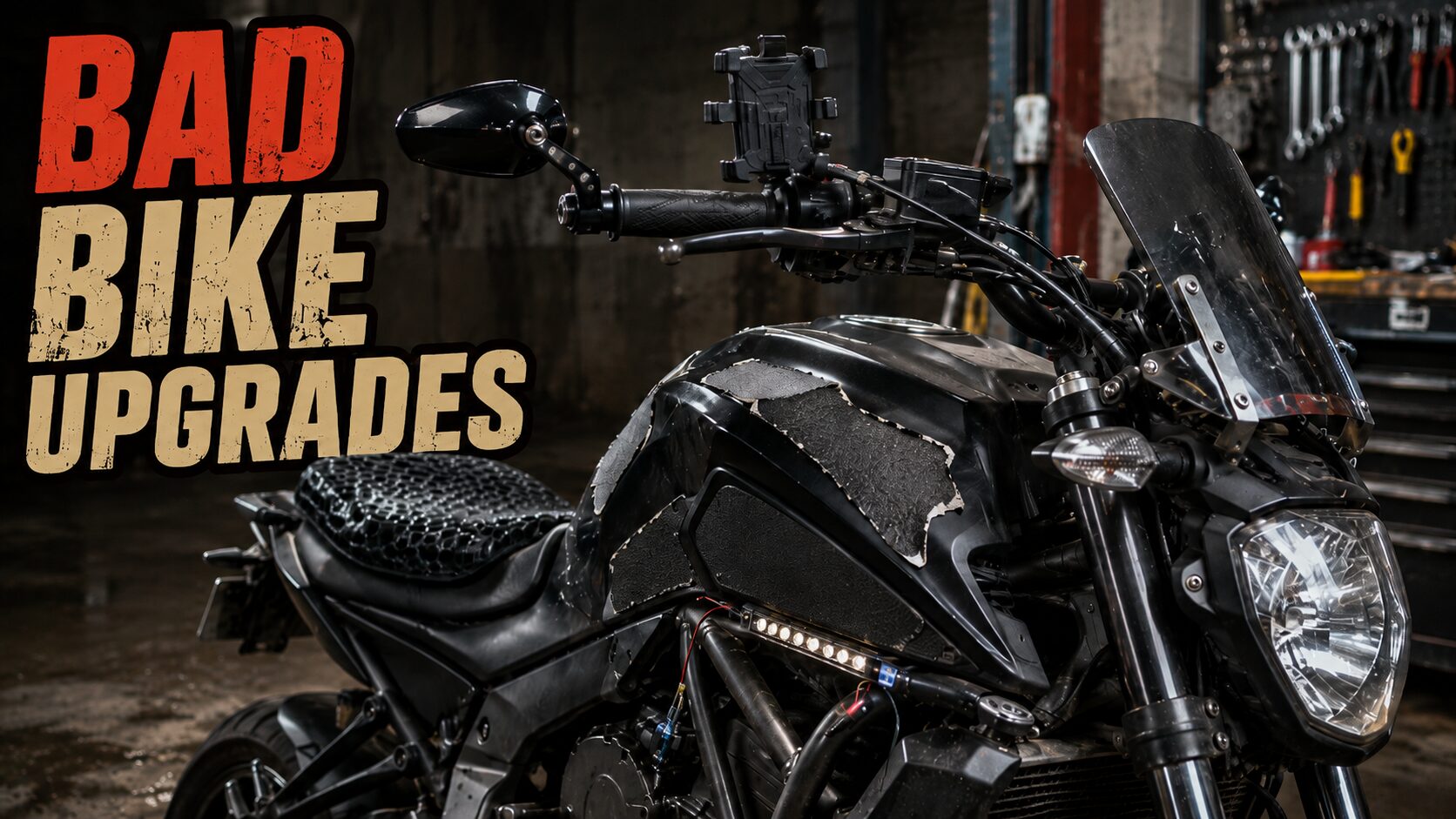
The motorcycle aftermarket generates billions in annual sales, and a meaningful portion of that goes toward accessories that fail within months, damage the bike, or create safety problems the buyer did not anticipate. Budget pricing is not the only issue — some of these products are designed without understanding how motorcycles actually operate in real conditions. Vibration levels, temperature ranges, and the precision required for safety-critical components like mirrors and throttle controls are different on motorcycles than on other vehicles. Seven accessories that consistently underperform, fail prematurely, or create hazards the product listing does not mention.
7. Stick-On Tank Grips with Fake Texture
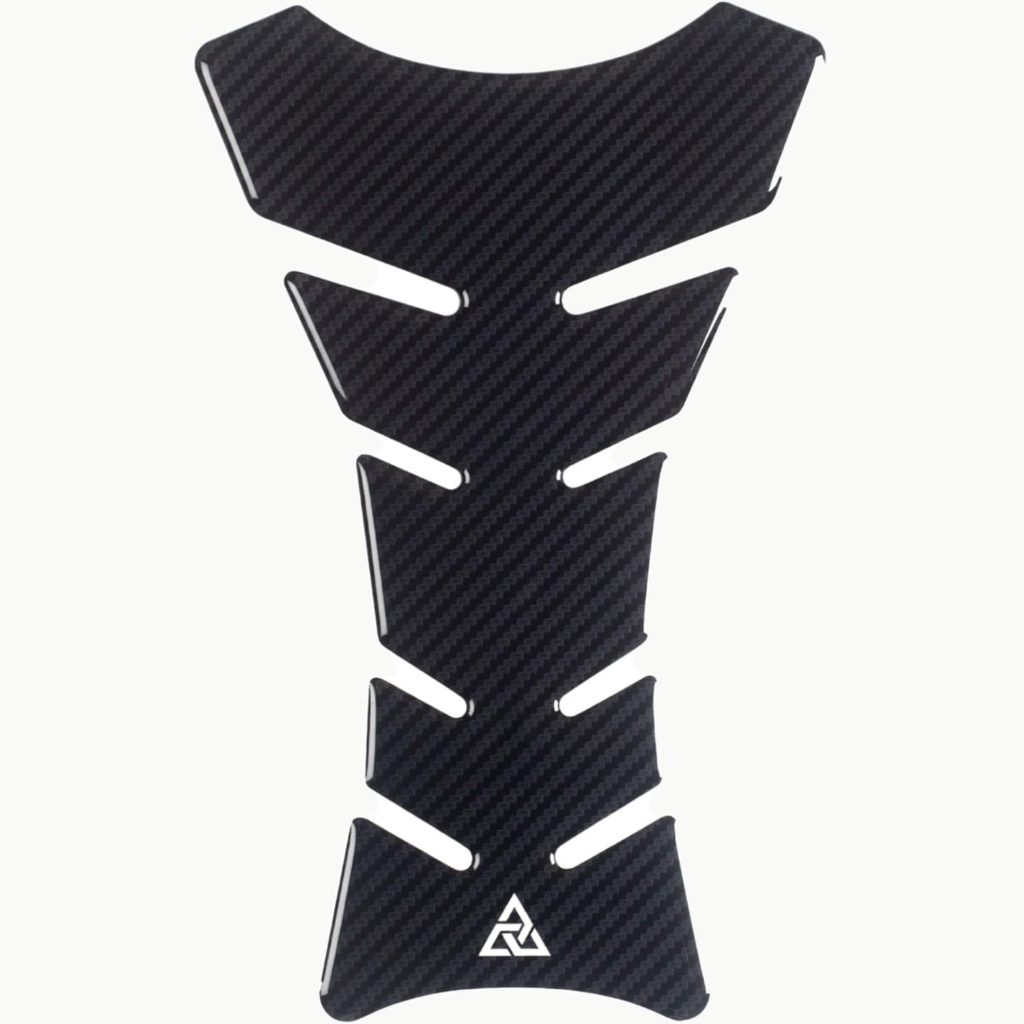
Texture that wears out in weeks, adhesive that never fully releases, and gaps that collect road grime.
Budget tank grip pads at approximately $20 are attractive for riders who want better knee contact without committing to a professional installation. The practical problems accumulate quickly. The textured surface wears smooth faster than advertised, particularly on bikes used regularly. The pads rarely conform precisely to tank curves, leaving gaps that trap dirt and moisture against the paint. Removal is the worst part — the adhesive bonds to tank paint in ways that require significant effort to clean without damaging the finish. Quality tank pads from manufacturers who produce them for specific bike models solve all three problems; the universal budget alternatives solve none of them reliably.
6. Universal LED Light Strips
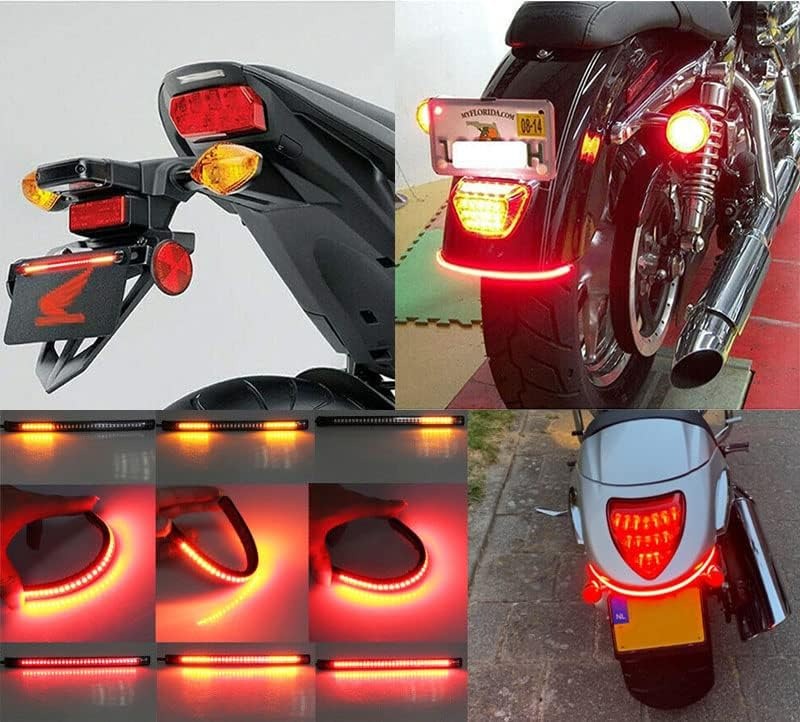
Adhesive that fails above 80°F, connectors that crack under vibration, and waterproofing that does not hold in rain.
Universal LED strip kits create wiring complexity that is disproportionate to the visual result. The brittle connectors are designed for static installations — not for the continuous vibration that motorcycles produce at all engine speeds. The double-sided tape adhesive that holds the strips to bodywork has a specific temperature threshold around 80°F at which the bond weakens, which is routine ambient temperature for summer riding. Rain exposure causes intermittent shorts and strobing behavior in strips that are rated as weather-resistant but not genuinely sealed to the standard that motorcycle riding requires. Properly engineered accent lighting solutions are available at higher price points and are built for the actual operating environment.
5. Cheap Aluminum Bar-End Mirrors
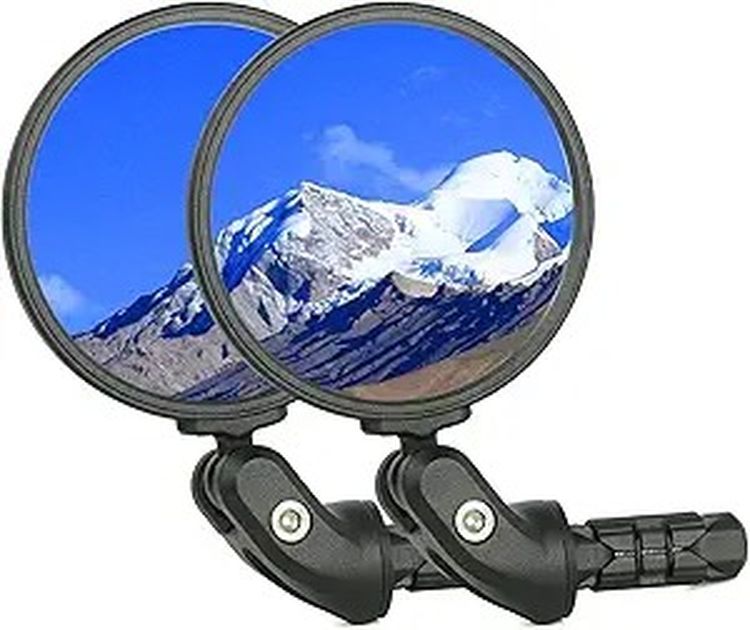
Vibration that blurs the view behind you, expanding wedges that lose grip over time, and mirror heads that droop after the first bump.
Mirrors are safety-critical components. A $12 bar-end mirror that vibrates at highway speeds does not provide a usable rear view — it provides a blurred image that requires interpretation rather than a clear picture of what is behind the rider. The expanding wedge mechanism that secures the mirror to the handlebar loses clamping force over time and with temperature changes, which causes the mirror head to rotate out of alignment with road vibration. The glass area on small bar-end mirrors is already limited compared to OEM mirrors; vibration and misalignment eliminate most of the remaining utility. Mirror quality directly affects the rider’s awareness of traffic behind them, which makes this the category where budget compromises have the most direct safety consequences.
4. Throttle Lock Cruise Controls
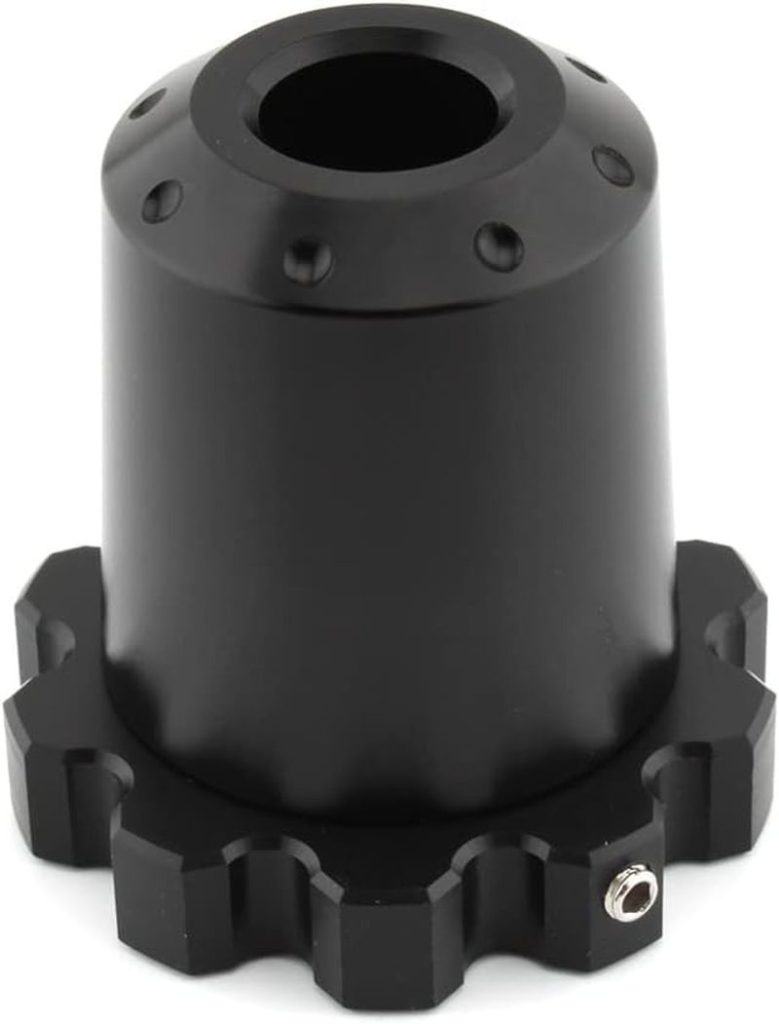
Locking mechanisms that stick under load, reduced throttle feedback during cornering, and no fail-safe if engagement is inconsistent.
3. Gel Seat Pads
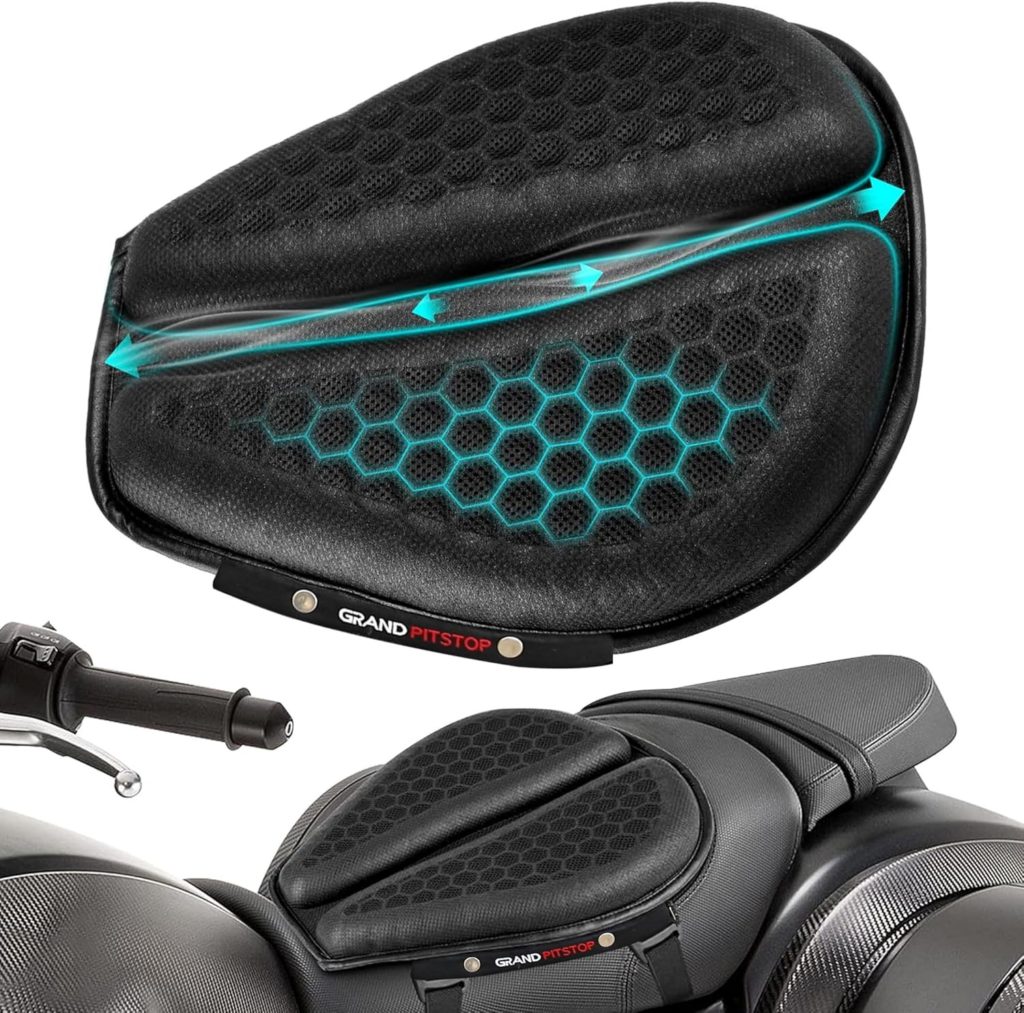
Gel that degrades into uneven lumps, straps that do not secure the pad through a full ride, and heat buildup that compounds discomfort rather than reducing it.
Gel seat pads at budget price points use gel compounds that break down with repeated compression and heat exposure, creating uneven distribution that is less comfortable than the original seat foam. The securing straps on universal fit pads are not designed for the movement a rider produces during normal riding — the pad shifts forward or to one side, requiring readjustment at stops. Gel also retains heat more than foam, which creates warmth buildup during summer riding that most users did not anticipate from a comfort product. A professionally reupholstered seat or a high-quality brand-specific gel pad solves the comfort problem without introducing the movement and material degradation issues that budget alternatives produce.
2. Phone Mounts Without Vibration Dampening
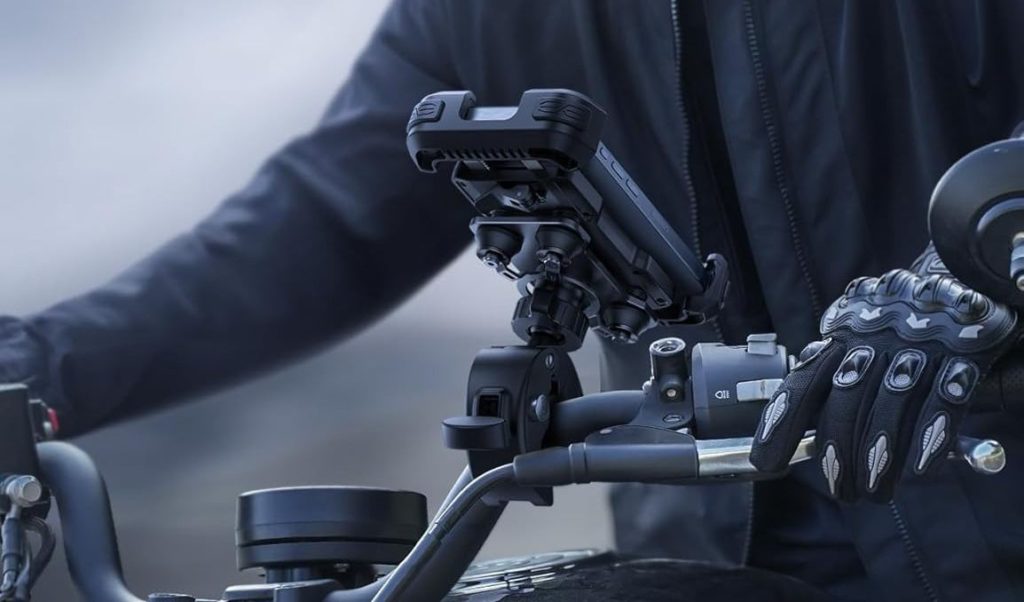
Apple and Samsung both warn that motorcycle vibration damages camera systems — optical image stabilization components are specifically at risk.
This is the entry on this list with the most direct financial consequence beyond the accessory’s purchase price. Apple and Samsung have both published documentation warning that motorcycle engine vibration transmitted through handlebar mounts damages the optical image stabilization gyroscopes in phone cameras — damage that is not covered under standard warranty because it is considered user-caused. Mounts without vibration dampening transmit the full vibration spectrum from the handlebar directly to the phone. The clamp mechanisms on budget mounts also fatigue with UV exposure and temperature cycling, which creates a secondary risk of the phone releasing at speed. Vibration-dampening mounts with secure locking mechanisms are specifically designed to address both problems and cost proportionally more because they solve the actual engineering challenge.
1. Clip-On Wind Deflectors That Don’t Match Your Windshield
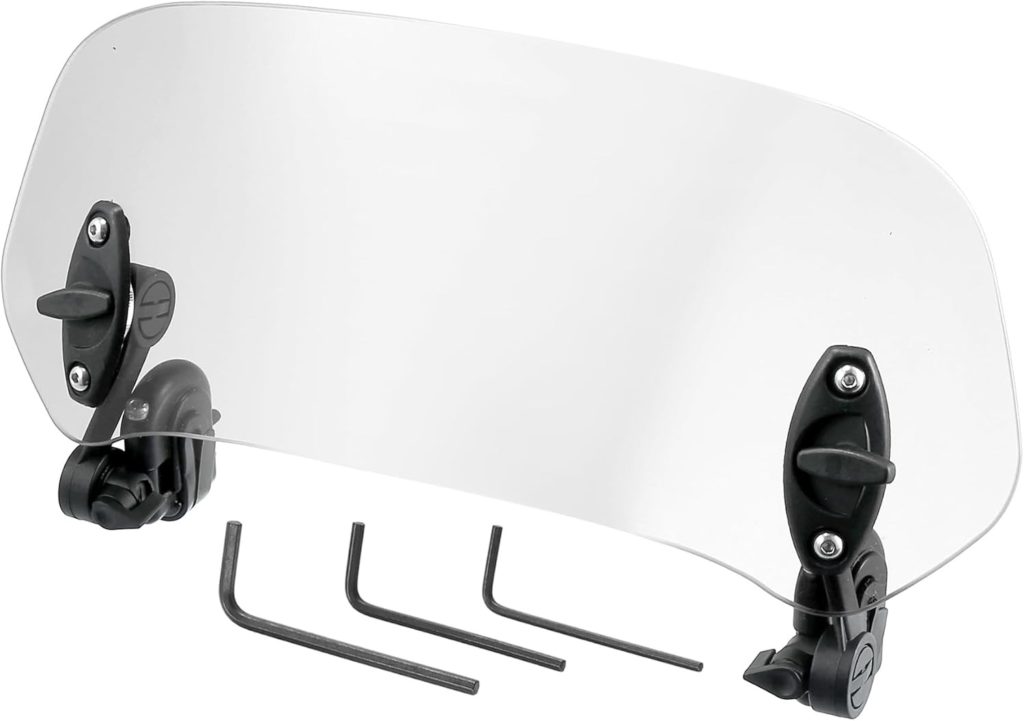
Turbulence that increases helmet buffeting rather than reducing it, rattles audible at highway speeds, and sightline obstruction from poor fitment.
Windshield aerodynamics are designed as a system for specific helmet heights and riding positions. Adding a clip-on deflector to a windshield it was not designed for changes the airflow pattern in unpredictable ways — frequently increasing turbulence and helmet buffeting rather than reducing it, because the deflector redirects air into the wake zone at the wrong angle for the rider’s position. The clamps that hold the deflector to the windshield create stress points on the windshield material and produce vibration-induced rattles at highway speeds. Poor fitment also positions the deflector in the lower portion of the rider’s forward sightline. The correct solution for inadequate windscreen protection is a replacement windscreen matched to the bike and rider — not a universal clip-on that may make the aerodynamic situation worse than the original screen produced.