

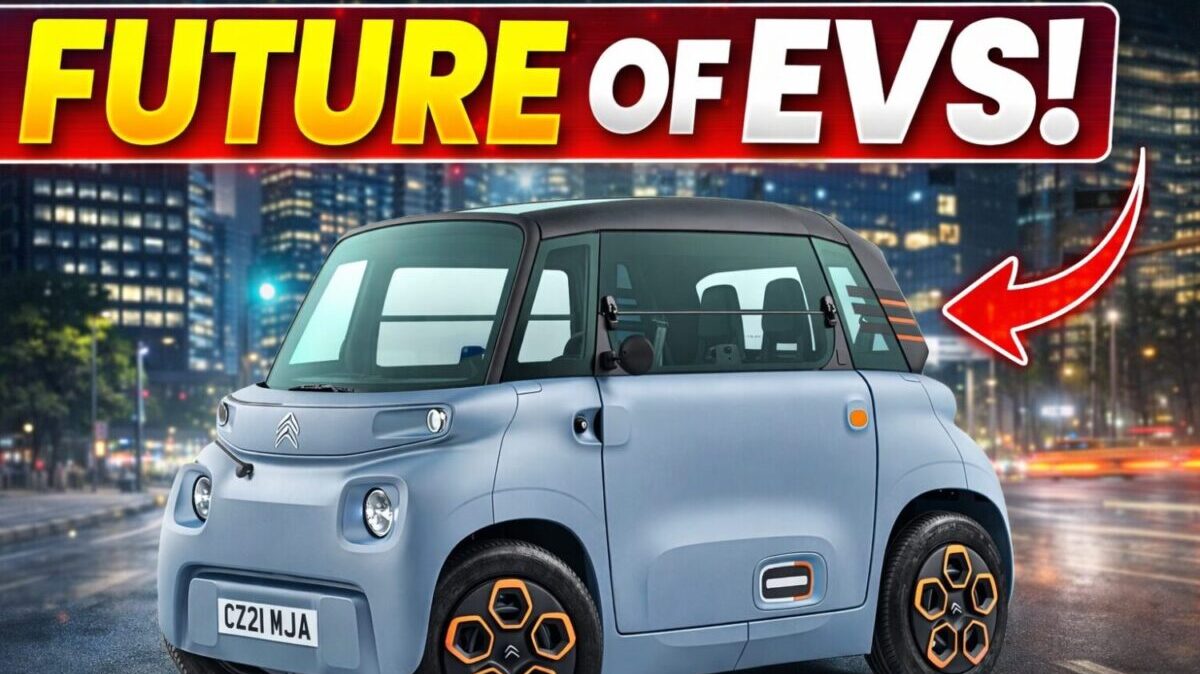
City parking has not gotten easier. Spots are smaller, traffic is worse, and the average car keeps growing. Mini EVs solve a specific problem that full-size vehicles make worse — they fit where standard cars cannot, cost almost nothing to charge, and handle urban stop-and-go driving better than any combustion engine manages. The technology has caught up to the concept. These ten vehicles prove it.
Here are 10 mini EVs worth knowing about if city driving is your daily reality.
10. Roewe Clever (Exterior)
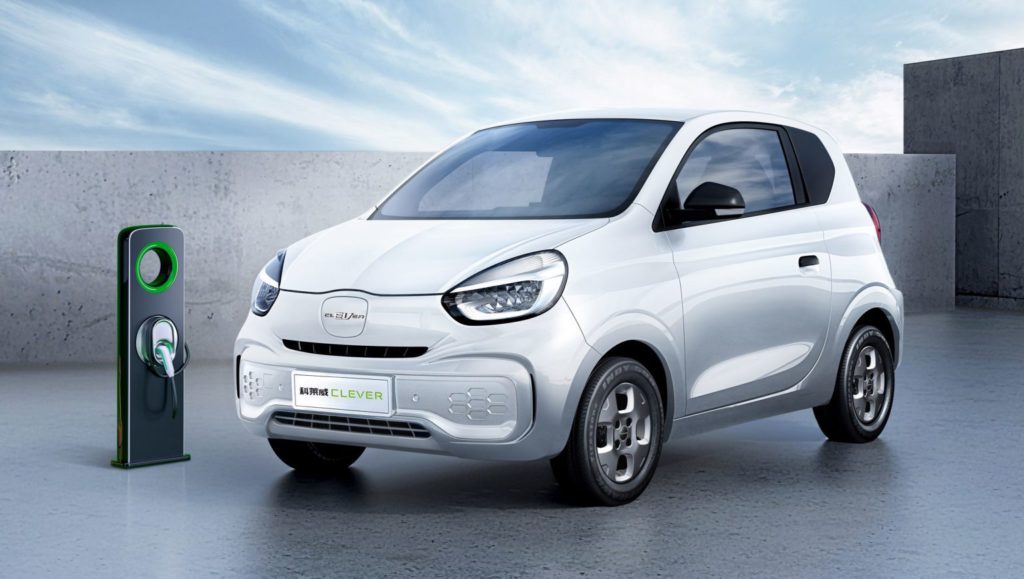
The Roewe Clever measures 3,140 mm long with a 2,000 mm wheelbase and 1,648 mm of width — compact enough to fit in spaces standard cars cannot use, wide enough to feel stable rather than nervous at urban speeds. The proportions are the point here. Most micro EVs sacrifice either stability or interior volume to hit a small footprint, and the Clever’s dimensions suggest SAIC Motor tried to avoid both trade-offs. The 2,000 mm wheelbase in particular is longer than it sounds for this class, which translates directly into a more planted feel on city streets.
Roewe Clever (Interior)
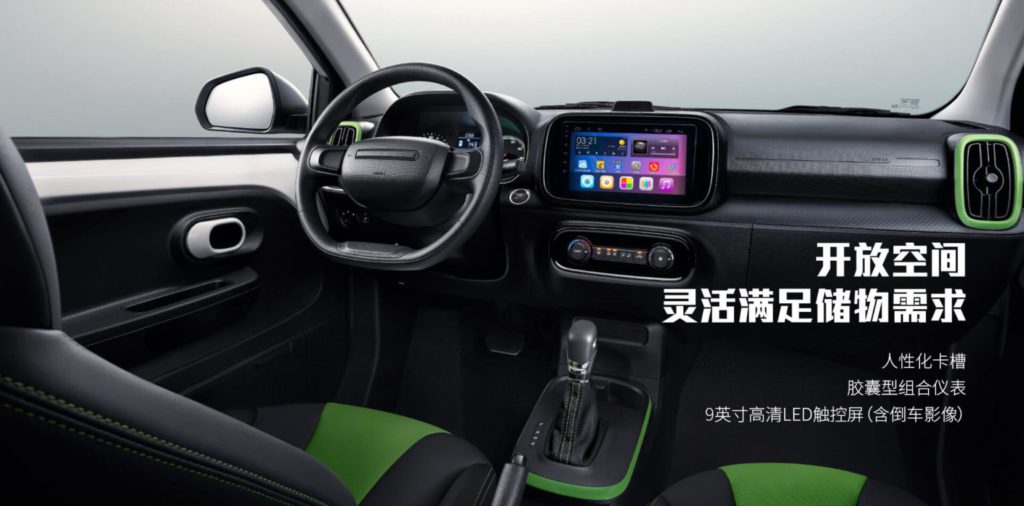
Four adults fit inside the Clever, which is a meaningful achievement at this body length and puts it in a different practical category from two-seat micro EVs. Storage solutions are organized around the reality of daily city use rather than optimized for a brochure photograph. The dashboard layout keeps controls accessible without requiring attention away from traffic. At this size class, cabin decisions that seem minor — how storage is shaped, where controls sit, how headroom is managed — determine whether a vehicle is genuinely usable or just technically impressive on paper.
9. Fiat 500 Electric (Exterior)
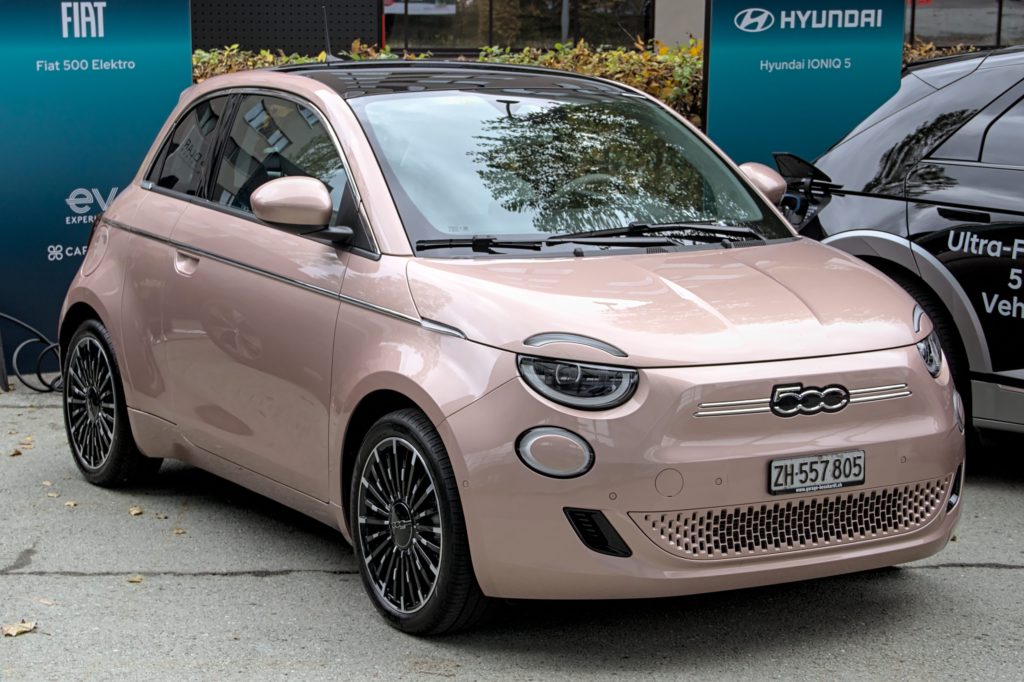
At 3.6 meters long, the Fiat 500 Electric is one of the few small EVs that arrived with an established design identity rather than starting from scratch. The original 500’s proportions — round headlights, curved roofline, compact stance — translate well to the electric platform, and Fiat kept the visual character intact rather than replacing it with generic EV styling. The result is a car that fits tight urban parking while looking like it was designed by someone who cared what it looked like. That combination is rarer in this segment than it should be.
Fiat 500 Electric (Interior)
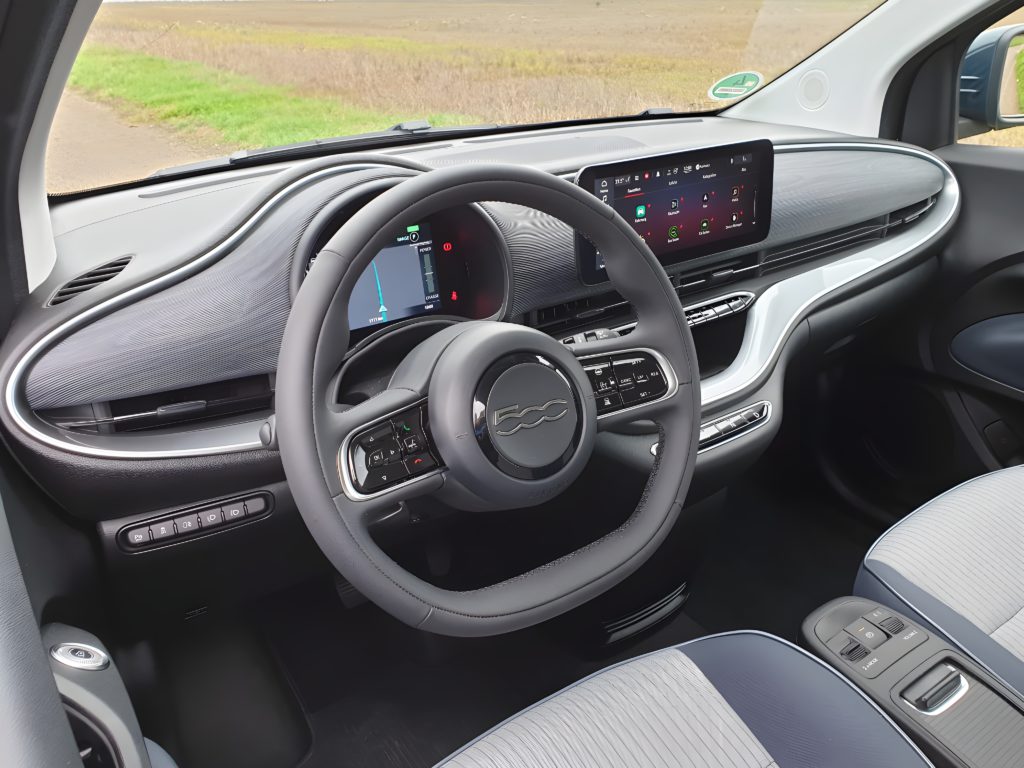
A 10.25-inch touchscreen handles infotainment and vehicle controls, wireless connectivity is standard, and the materials feel premium relative to the price point — Fiat brought the interior quality expectations of the original 500 into the electric version rather than cutting costs to hit a lower sticker. The seating is well-shaped for the space available, and the overall cabin finish is noticeably above what most budget city EVs deliver. Compact interiors tend to expose cheap material decisions immediately, and the 500 Electric does not have that problem.
8. Fox e-mobility Mia 2.0 (Exterior)
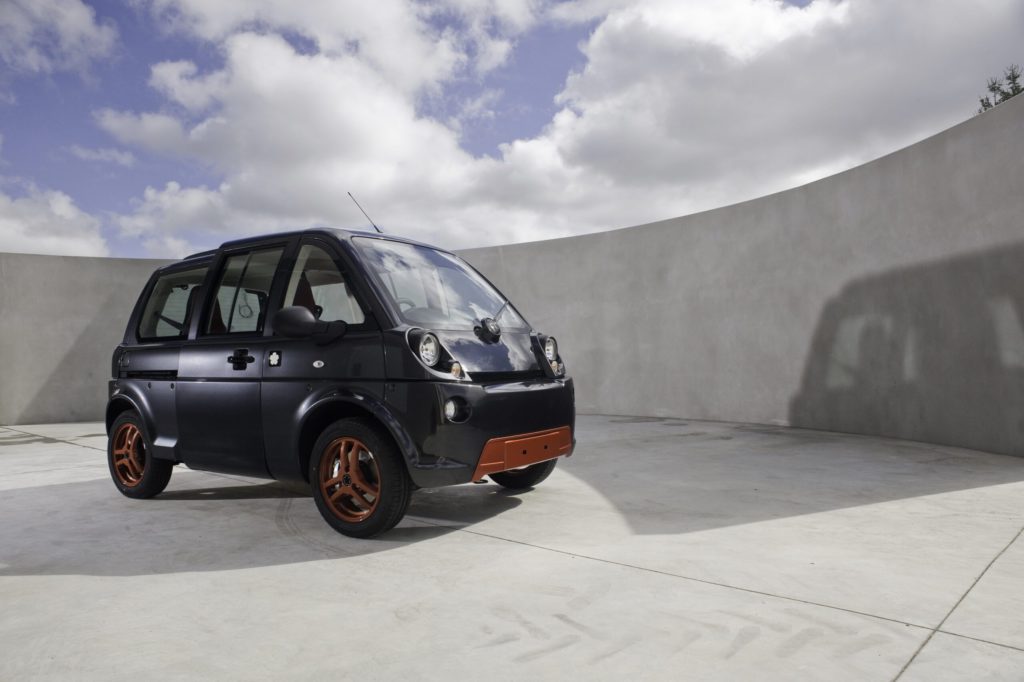
The Fox e-mobility Mia 2.0 sits on a flexible skateboard platform and uses sliding doors rather than conventional hinged panels — two design decisions that reflect a genuine rethinking of what a city vehicle needs to do rather than a standard car shrunk down. Sliding doors matter more in tight urban parking than most people consider until they have tried to open a conventional door in a narrow space. The platform architecture also allows interior configurations that fixed-floor designs cannot accommodate. These are not styling choices; they are functional responses to how city vehicles actually get used.
Fox e-mobility Mia 2.0 (Interior)
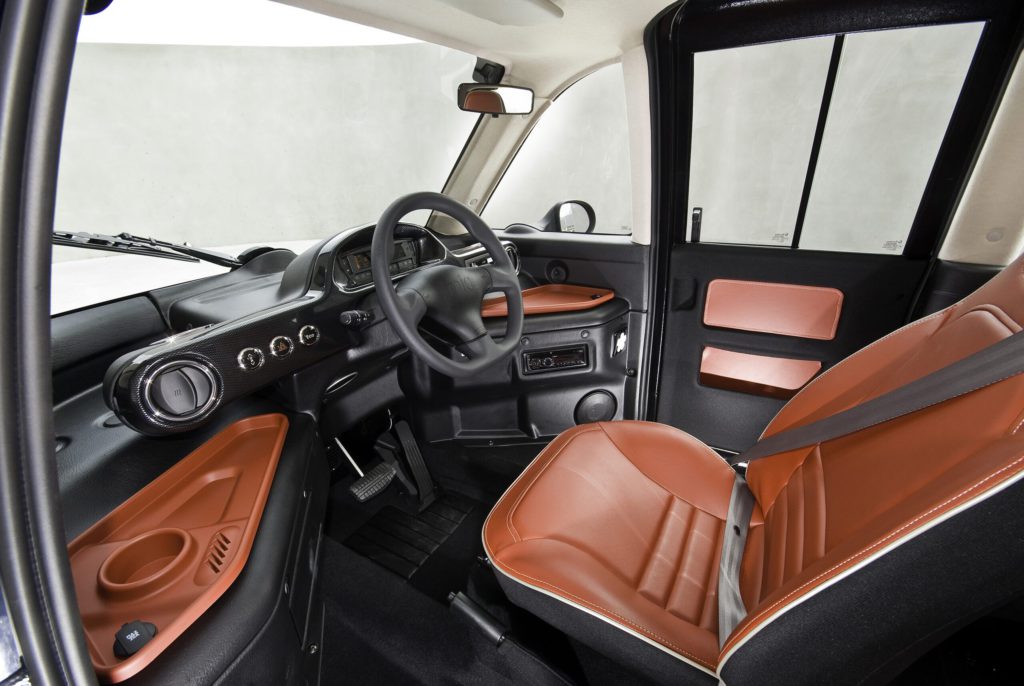
Modular design allows the Mia 2.0 to reconfigure between passenger and cargo use without tools, which addresses one of the core practical limitations of dedicated city cars — they tend to be optimized for one use case and awkward for everything else. The sliding door entry makes loading and unloading in tight spots genuinely easier rather than theoretically easier. Storage is organized around usable shapes rather than maximum quoted volume. For a vehicle that is going to spend most of its life parked on narrow streets and loaded with groceries or deliveries, these interior decisions matter more than power output.
7. Microlino 2.0 (Exterior)
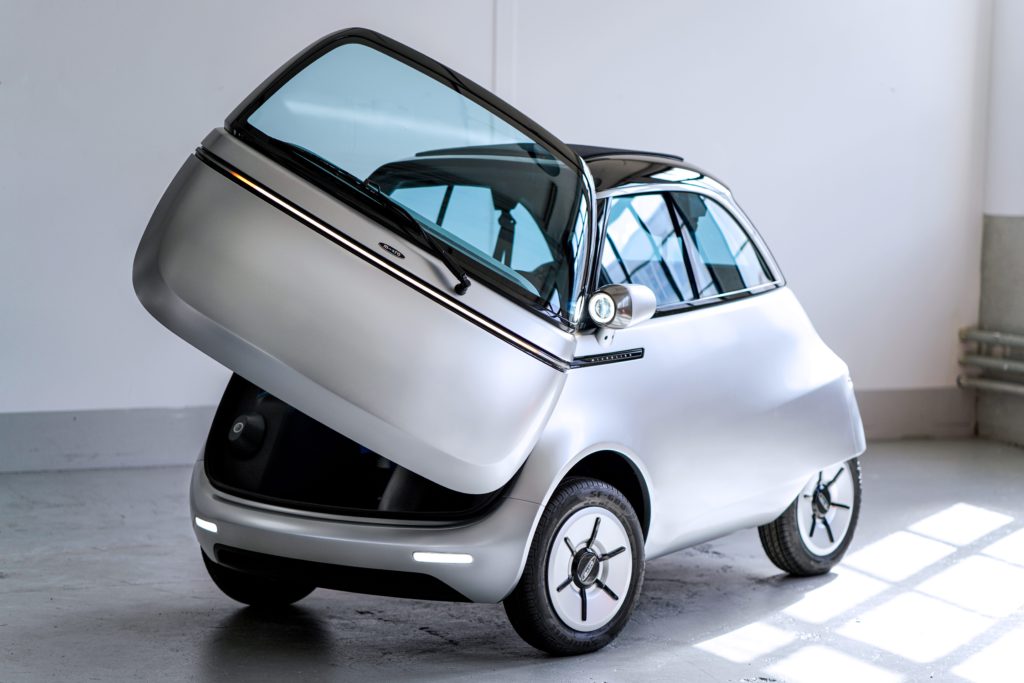
At 2,519 mm long and 1,473 mm wide, the Microlino 2.0 is one of the smallest production EVs available, with a front-opening door that solves the parking ingress problem by letting the driver enter and exit forward rather than sideways. The design references the original Isetta bubble car, which is an honest lineage for what the Microlino is trying to accomplish — single-occupant urban transport in the smallest possible package. Like the small cars that deliver big on comfort and efficiency, it demonstrates that intelligent packaging at this scale is a legitimate engineering challenge rather than a compromise. The proportions work because the concept is clear.
Microlino 2.0 (Interior)
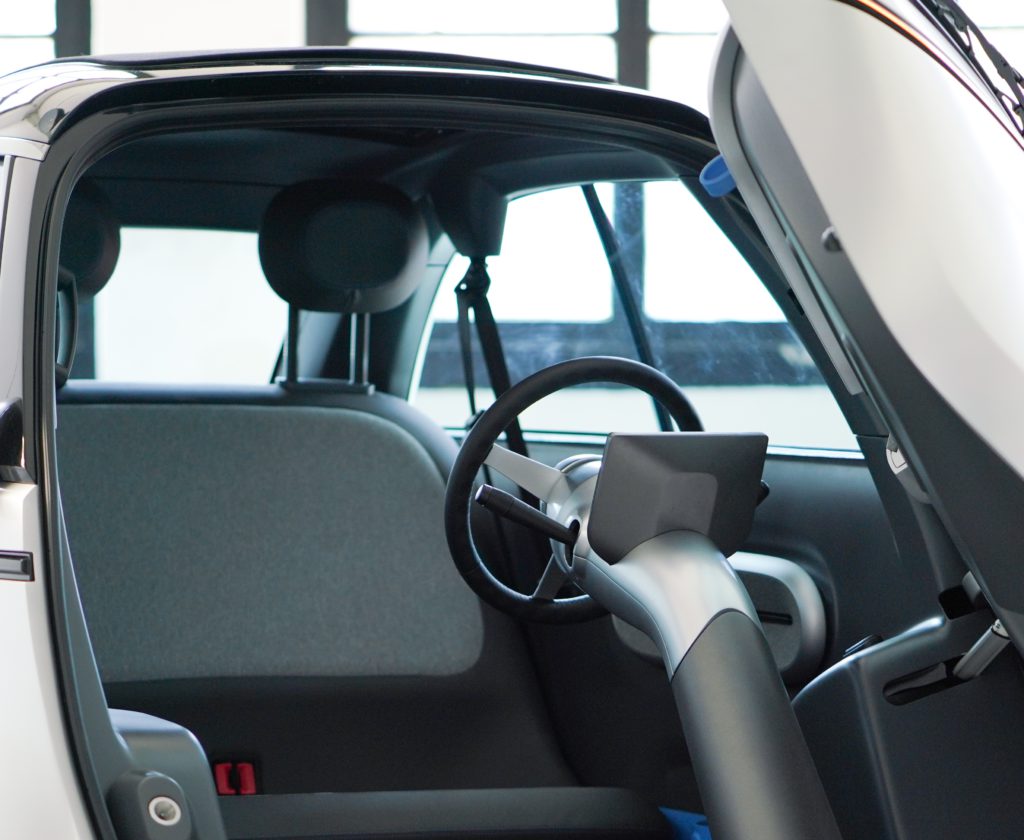
Two passengers fit inside the Microlino 2.0 with enough space to feel deliberate rather than squeezed — Micro Mobility Systems designed the interior around what two people actually need for a city trip rather than trying to replicate a full-size cabin at reduced scale. Storage is limited but organized, controls are minimal and accessible, and the overall ergonomics reflect a clear understanding of the use case. Short urban trips in a vehicle this size do not require the same interior feature set as a family crossover, and the Microlino does not pretend otherwise.
6. Tazzari Zero Max (Exterior)

The Tazzari Zero Max is classified as a quadricycle rather than a conventional car, which means different licensing requirements in several European markets and a regulatory framework that makes it accessible to younger drivers who cannot yet operate a full vehicle. At 212 cm long, it parks perpendicular to the curb where standard cars park parallel, a practical difference that changes the parking calculation entirely in dense urban environments. Italian manufacturer Tazzari built this around the quadricycle classification deliberately, targeting the specific European urban mobility gap between e-bikes and entry-level city cars.
Tazzari Zero Max (Interior)
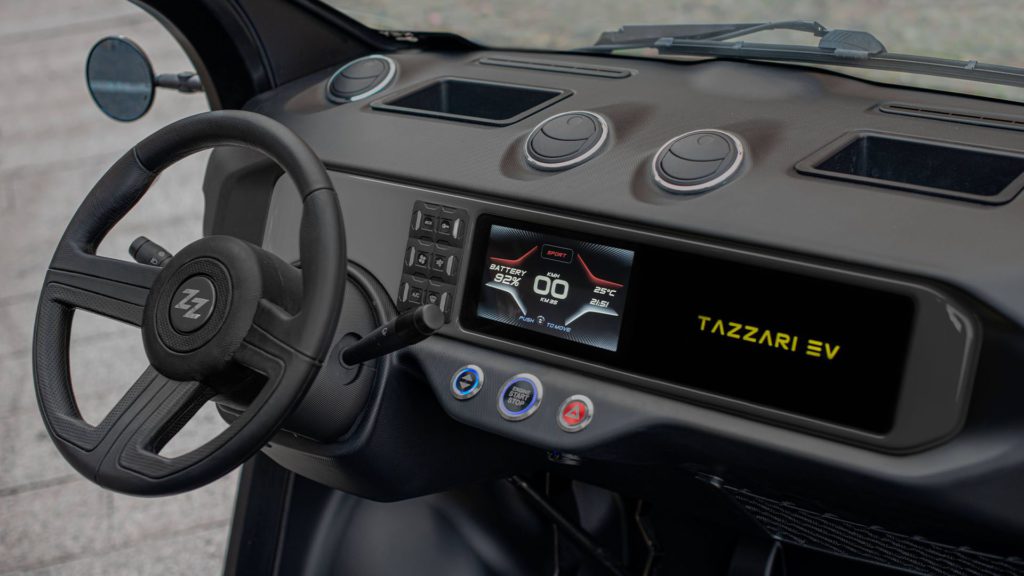
The Zero Max cabin strips the interior down to what city driving requires and removes what it does not — controls are accessible and intuitive, the layout prioritizes visibility, and the overall specification matches the vehicle’s actual mission rather than trying to compete with cars twice its size. Quadricycle interiors have historically felt unfinished, and Tazzari has put consistent effort into making the Zero Max feel like a considered product rather than a regulatory workaround. For urban trips under 15 miles, it covers the functional requirements without the complexity that full EVs carry for range and safety certification.
5. Honda N-Van e: (Exterior)
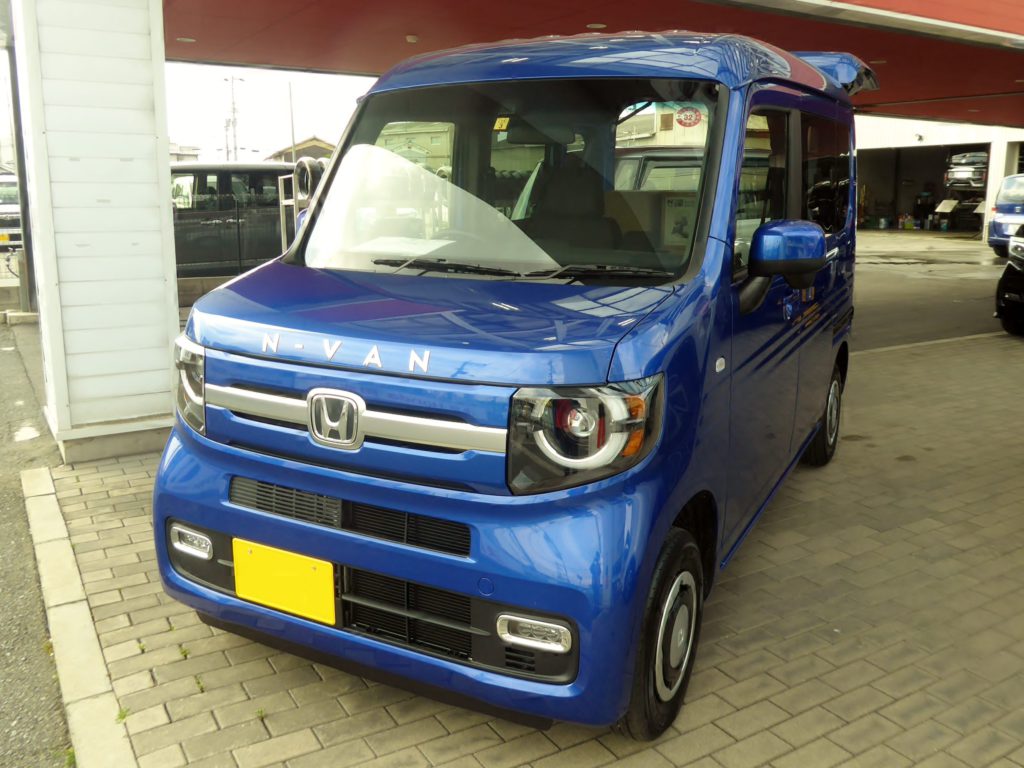
The Honda N-Van e: takes the kei van format — Japan’s purpose-built compact commercial vehicle class — and electrifies it with a powertrain designed for dense urban delivery and last-mile logistics rather than commuting. Japan’s kei regulations cap these vehicles at specific dimensions that make them useful in Tokyo’s narrowest streets, and the N-Van e: works within those limits to maximize load space within the smallest legal footprint. Honda built the N-Van’s reputation on the combustion version’s reliability in commercial fleets, and the electric variant brings the same platform to operators who need zero-emission credentials for urban zones.
Honda N-Van e: (Interior)
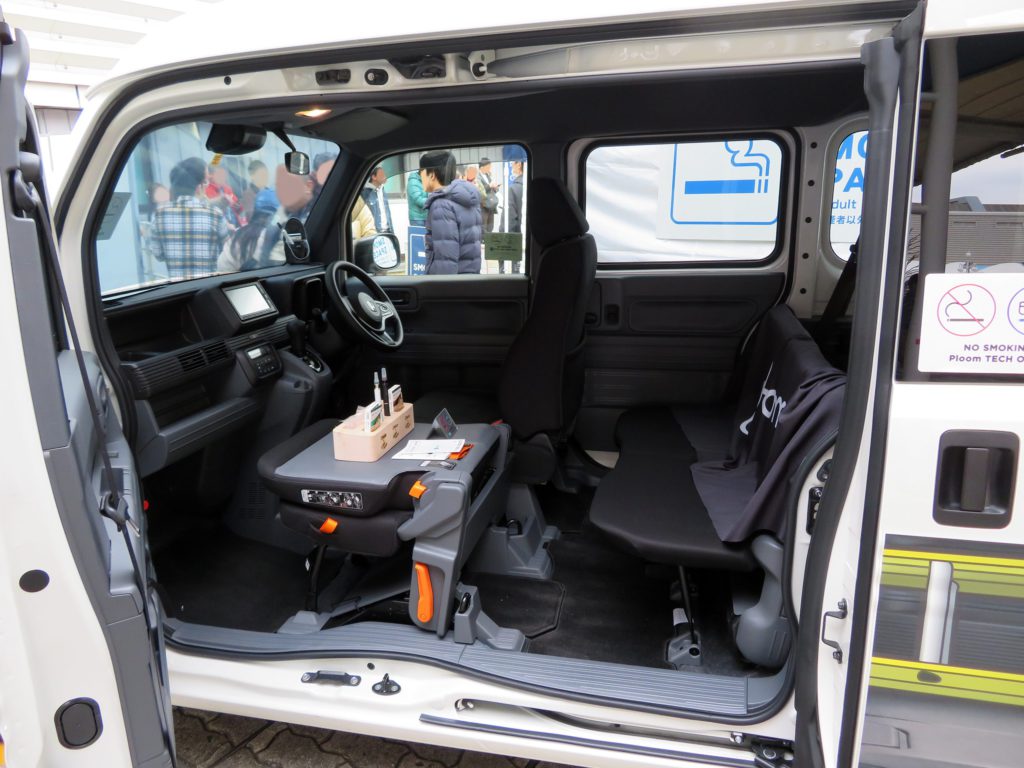
The N-Van e: interior is configured around cargo practicality first — the passenger seat folds flat to extend the load floor, the cabin layout prioritizes the driver’s daily workflow, and vehicle-to-grid capability allows the battery to supply power to external equipment or feed back to the grid when the van is parked. For small business owners running urban delivery routes, this is a more relevant feature set than most passenger-focused mini EVs offer. Honda has also built connected fleet management tools into the platform, which matters for operators managing multiple vehicles rather than individual owners commuting.
4. Squad Solar City Car (Exterior)
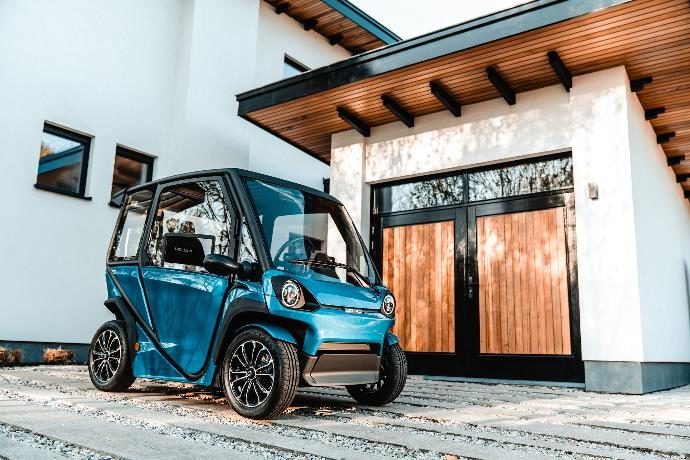
The Squad Solar City Car measures 2 meters long and 1.2 meters wide, carries a roof-integrated solar panel that adds incremental daily range without any charging infrastructure required, and sits in the same quadricycle regulatory category as the Tazzari Zero Max. The solar contribution is modest — enough to extend range meaningfully on sunny days rather than replace grid charging entirely — but it changes the daily ownership calculation for short urban trips where the solar input covers a meaningful percentage of actual usage. The Squad is also among the cutting-edge vehicles transforming transportation by questioning how much powertrain complexity a city vehicle actually needs.
Squad Solar City Car (Interior)
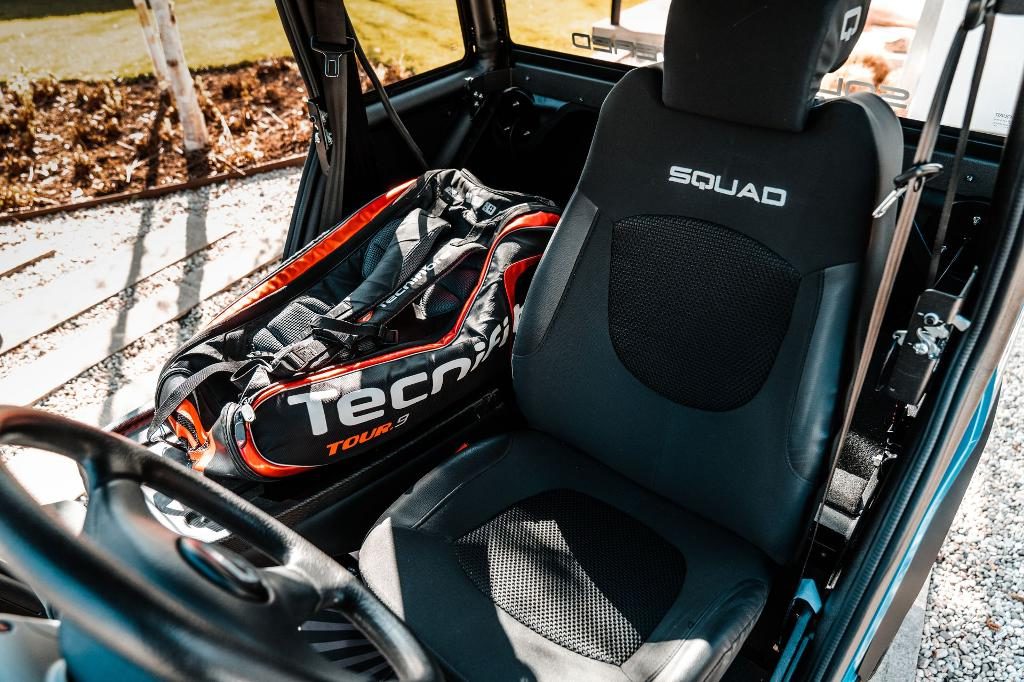
Two seats, minimal controls, and an interior built around the assumption that urban trips are short and the vehicle should not add complexity to them. The solar charging integration is the most notable functional feature — the panel charges the battery passively while the vehicle is parked, which suits the 96% of time city vehicles spend stationary better than any charging cable solution does. The minimalist cabin is a deliberate product decision rather than a cost-cutting one. Squad’s argument is that a vehicle covering 20 miles of city driving per day does not need the same feature set as a vehicle covering 200 highway miles, and the interior reflects that position consistently.
3. Tazzari 04 OpenSky (Exterior)
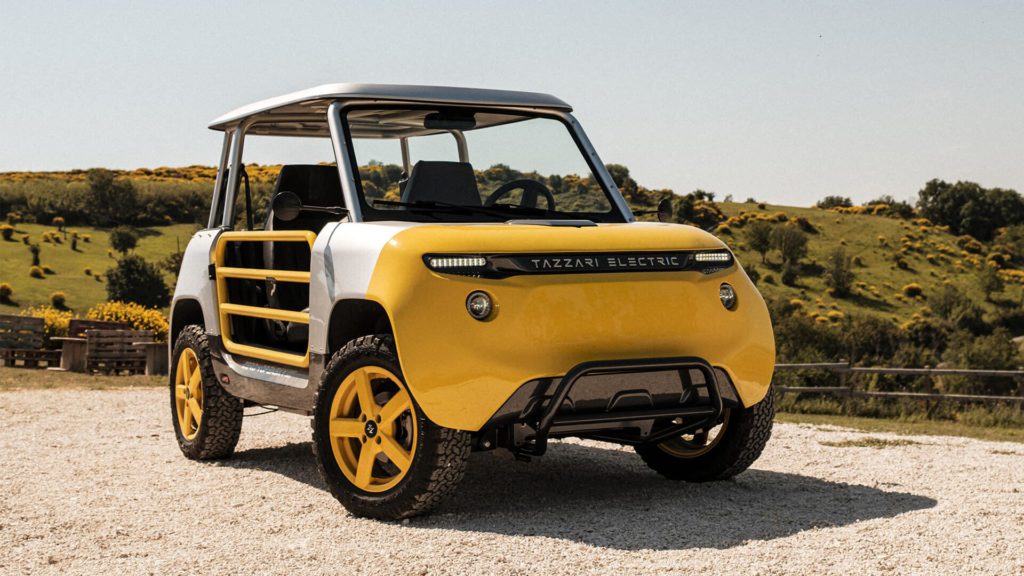
The Tazzari 04 OpenSky stretches 3.14 meters with an aluminum frame and an open-top configuration that makes it the most unusual vehicle in the Tazzari lineup — a compact EV designed specifically for warm-climate city driving where open-air operation is genuinely practical rather than occasional. The aluminum construction keeps weight down without the cost penalty of carbon fiber, and the open body contributes to that further. Tazzari built this for southern European and coastal urban markets where convertible city driving is a real use case for more than three months of the year, and the proportions reflect that intent rather than trying to be a general-purpose vehicle with a removable roof.
Tazzari 04 OpenSky (Interior)
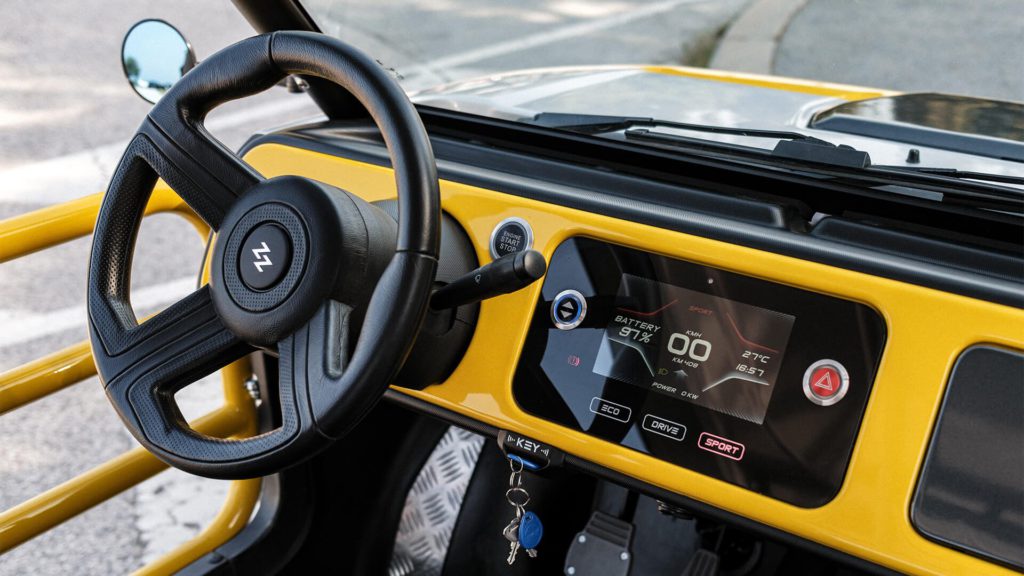
750 liters of cargo space is the interior headline for the OpenSky — a figure that puts it well above most micro EVs in practical load capacity and makes it genuinely useful for market runs, beach trips, and the kind of irregular urban errands that compact cars usually handle poorly. The open configuration means weather exposure is a real consideration for cargo, and the interior materials reflect that with surfaces selected for durability rather than soft-touch appeal. For a vehicle where the roof is optional by design, the cabin has been sensibly specified around what open-air use actually requires rather than what a closed car’s interior checklist demands.
2. Wink Motors Mark III (Exterior)
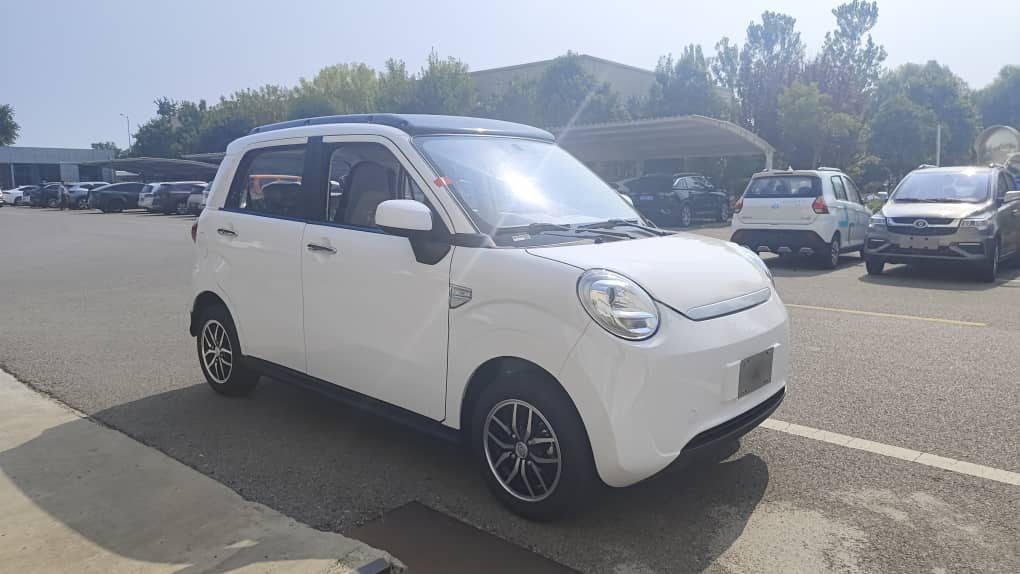
At 132 inches long, the Wink Motors Mark III sits in the compact utility category rather than the pure city runabout segment — longer than the Microlino and Squad, designed for drivers who need the vehicle to handle varied tasks rather than a single daily commute route. The exterior design reflects that utility focus, with a boxy profile that prioritizes interior volume and load access over aerodynamic efficiency or visual drama. American manufacturer Wink Motors built this for the practical end of the micro EV market where the buyer’s first question is what it can carry rather than how it looks parked outside a cafe.
Wink Motors Mark III (Interior)
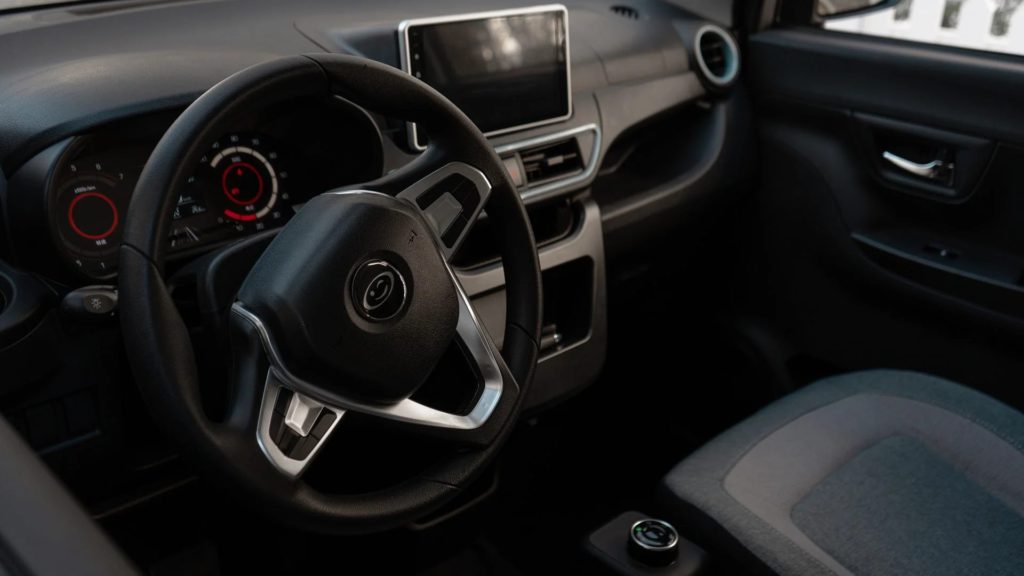
Air conditioning and power steering are standard in the Mark III, which sounds unremarkable until you note that several competitors in this size class treat both as optional additions that push the price toward less practical territory. Wink built the interior around driver comfort for daily use rather than showcasing how minimal the specification could be. Controls are functional and clearly labeled, the layout prioritizes the driver’s workday rather than the design team’s portfolio, and the overall specification treats comfort as a baseline rather than a premium tier. For a utility-focused vehicle covering real urban mileage, that approach produces a more usable result than clever minimalism does.
1. Changan Lumin (Exterior)
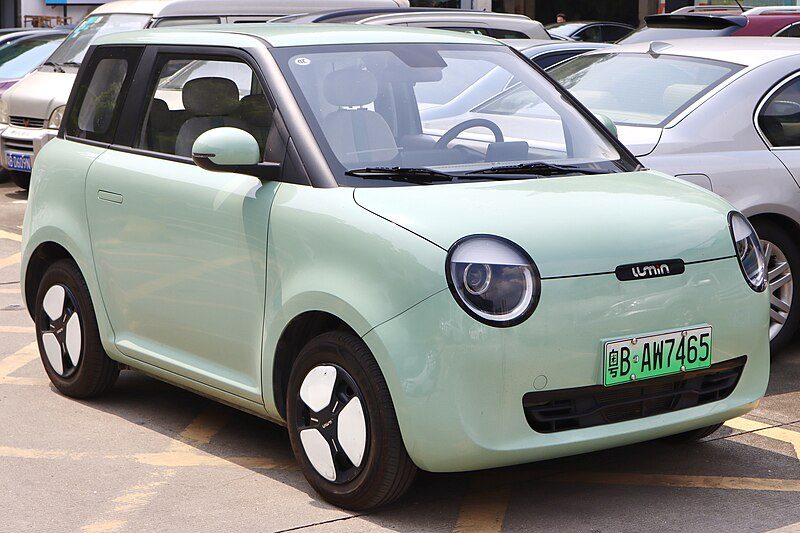
The Changan Lumin measures 3,270 mm long with a width that exceeds most competitors at this price point, producing a compact footprint with notably more interior stability than narrower micro EVs deliver. Changan priced it for the Chinese urban mass market rather than the European boutique EV buyer, which means the specification decisions were made against cost constraints that most of the other vehicles on this list never had to consider. The exterior does not signal premium positioning because it was not built for premium positioning. It was built to be the most accessible practical city EV on the market, and the dimensions support that goal without apology.
Changan Lumin (Interior)
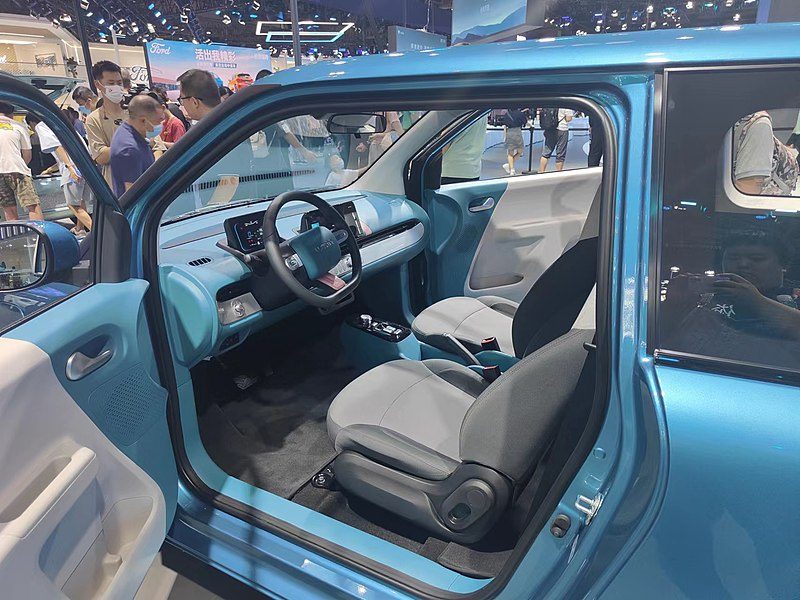
Four seats in a 3,270 mm body is the Lumin’s most practical claim — it fits more passengers than most micro EVs manage while staying compact enough for urban parking. Materials are durable rather than premium, which is the correct trade-off at this price point for a vehicle that will cover daily urban mileage in real-world conditions rather than sitting in a showroom. The dashboard presents vehicle information clearly without the touchscreen complexity that adds cost and ages poorly. Changan built the Lumin for buyers who need a city vehicle that works reliably and costs little to own, and the interior delivers that without trying to be something it is not.