

Early “horseless carriages” were nothing more than horse-drawn buggies with engines bolted on, but they kicked off a revolution that reshaped civilization. From steam-powered contraptions that took forever to warm up to electric city cruisers with pathetic range, early cars were hilariously impractical. Then came the Benz Patent Motorwagen in 1886—the first real gasoline car that actually worked—and everything changed. These 14 milestones trace the wild ride from mechanical curiosities to the digital, electric machines redefining how we move today.
14. Horseless Carriage
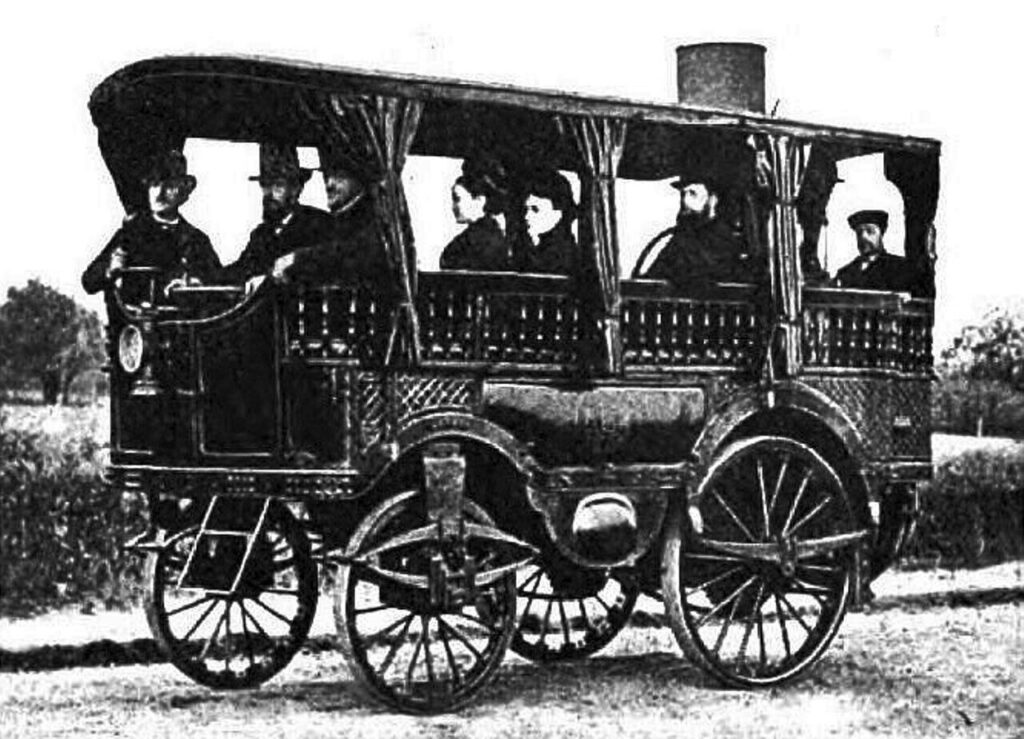
These early automobiles looked exactly like horse-drawn buggies, minus the horse.
The Horseless Carriage Club of America defines these transitional machines as vehicles built before 1916, when cars still resembled their equine predecessors. Richard Trevithick demonstrated one of the first steam-powered examples in London back in 1803, proving mechanical propulsion could work. Sure, they were clunky and weird, but these contraptions represented humanity’s first serious attempt to ditch animal power for something faster and more reliable.
13. Steam Cars
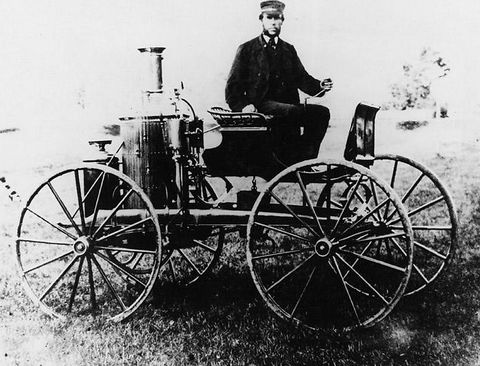
Steam power launched the automotive age, even if it meant waiting around for your boiler to heat up.
The very first automobiles ran on steam, relying on coal-fired boilers to generate motion. According to the Toyota Automobile Museum, the earliest car was actually a steam-powered machine built in France during the 18th century. These things were powerful but impossibly complicated—you’d fire up the boiler, wait for steam pressure to build, then pray nothing exploded. Still, they proved cars could move without horses pulling them.
12. Electric Cars (Early Popularity)
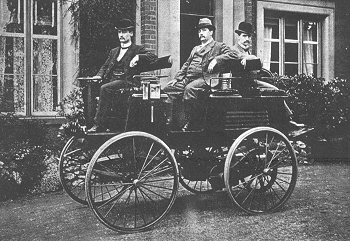
Around 1900, electric vehicles ruled city streets with their silent operation and clean performance.
Electric cars dominated urban transportation around 1900 because they were quiet, produced zero smelly exhaust, and didn’t require the bone-jarring hand-cranking needed to start gasoline engines. The Toyota Automobile Museum notes these early EVs appeared in the mid-19th century, decades before gas cars became mainstream. Their Achilles’ heel? Heavy lead-acid batteries delivered pathetic range and took forever to recharge, making them useless for anything beyond short city trips.
11. Internal Combustion Engine Cars
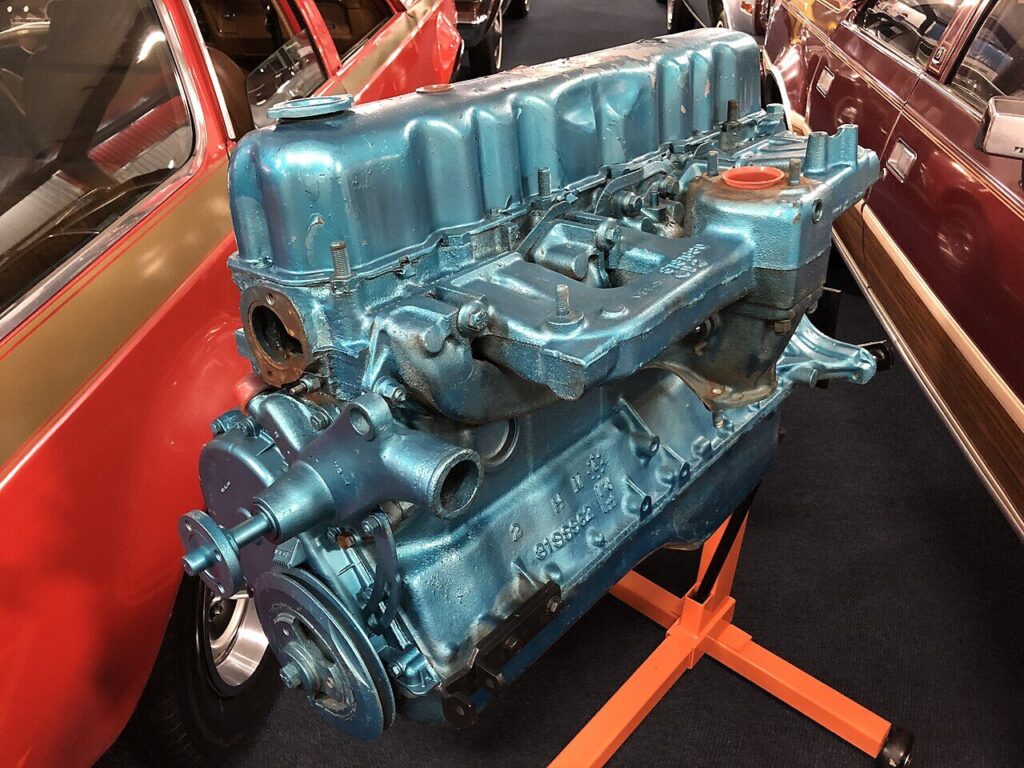
Gasoline’s superior energy density made internal combustion engines the dominant automotive technology.
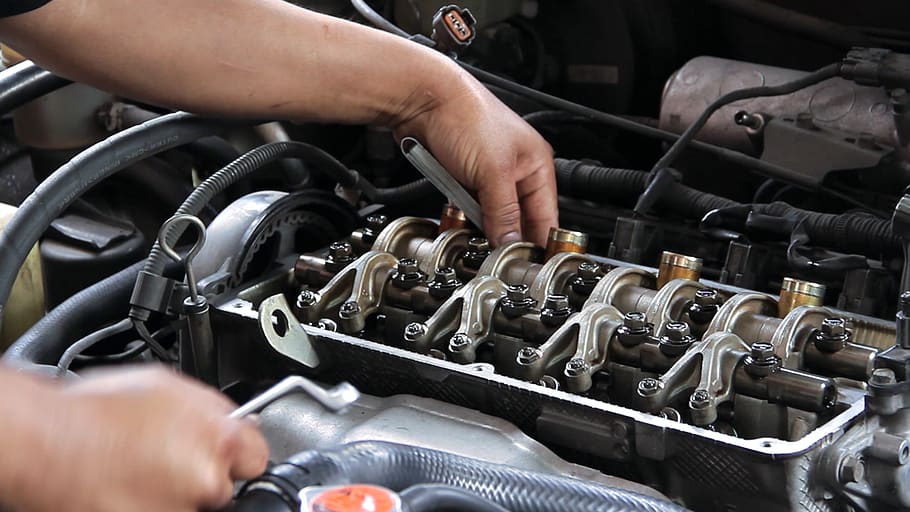
Carl Benz and Gottlieb Daimler pioneered gasoline-powered automobiles that could finally deliver real range and quick refueling. Early gas cars were noisy, hard to start, and vibrated like paint mixers, but they kept getting better. Petrol’s massive energy advantage over steam and early electric systems meant you could actually drive somewhere without elaborate preparation or range anxiety—a game-changer for real-world transportation.
10. Benz Patent Motorwagen
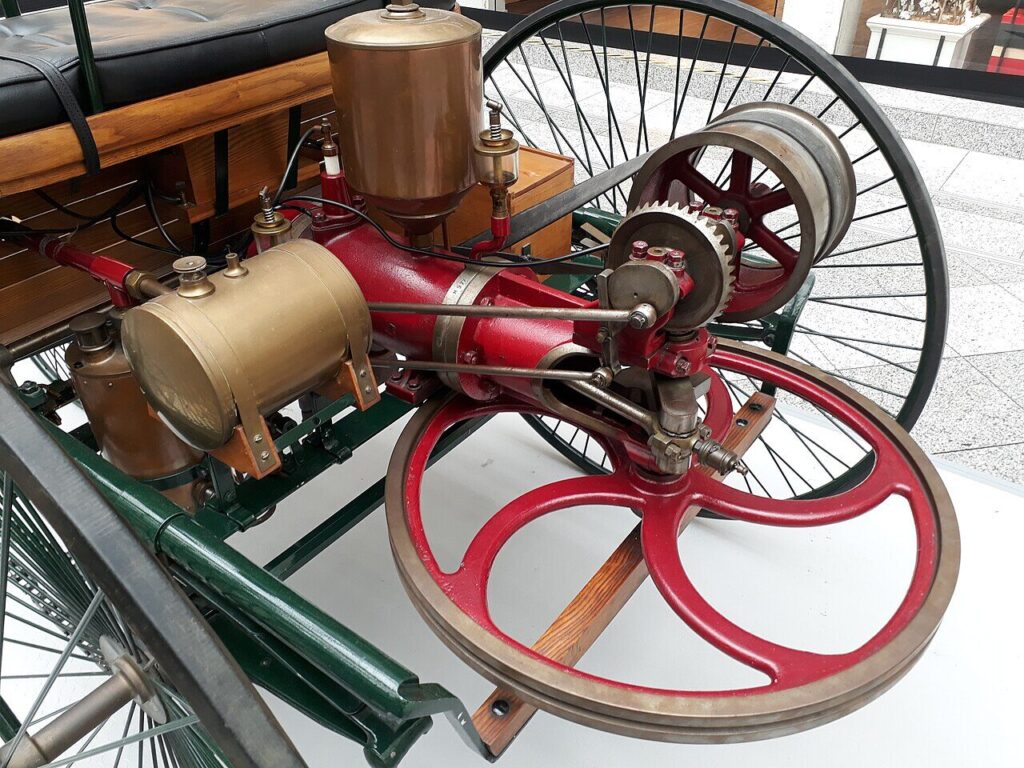
The 1886 Benz Patent Motorwagen was the first practical gasoline automobile that actually worked as advertised.
This three-wheeled machine marked the crucial transition from experimental curiosities to workable road cars. The Toyota Automobile Museum identifies it as the foundational milestone that launched worldwide automotive development. While other inventors were still tinkering with steam or electric power, Benz built something practical that regular people could actually drive and maintain—the blueprint for every car that followed.
9. Ford Model T
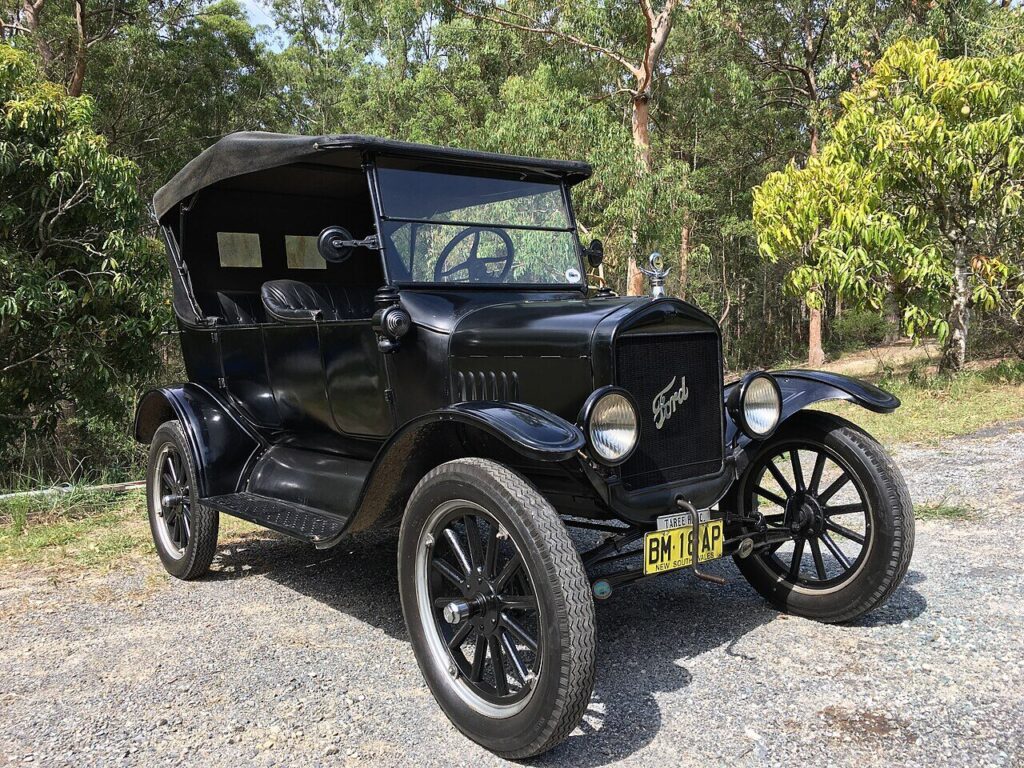
Henry Ford’s 1908 Model T transformed automobiles from rich men’s toys into transportation for ordinary Americans.
Ford’s vision was brilliantly simple: build a durable, affordable car that could handle terrible rural roads and be easily repaired by local mechanics. The Model T delivered exactly that, turning the automobile from luxury plaything into genuine mass transportation. Ford’s obsession with practicality and reliability created the first car designed for real people doing real work—not just weekend drives through the countryside.
8. Ford’s Moving Assembly Line
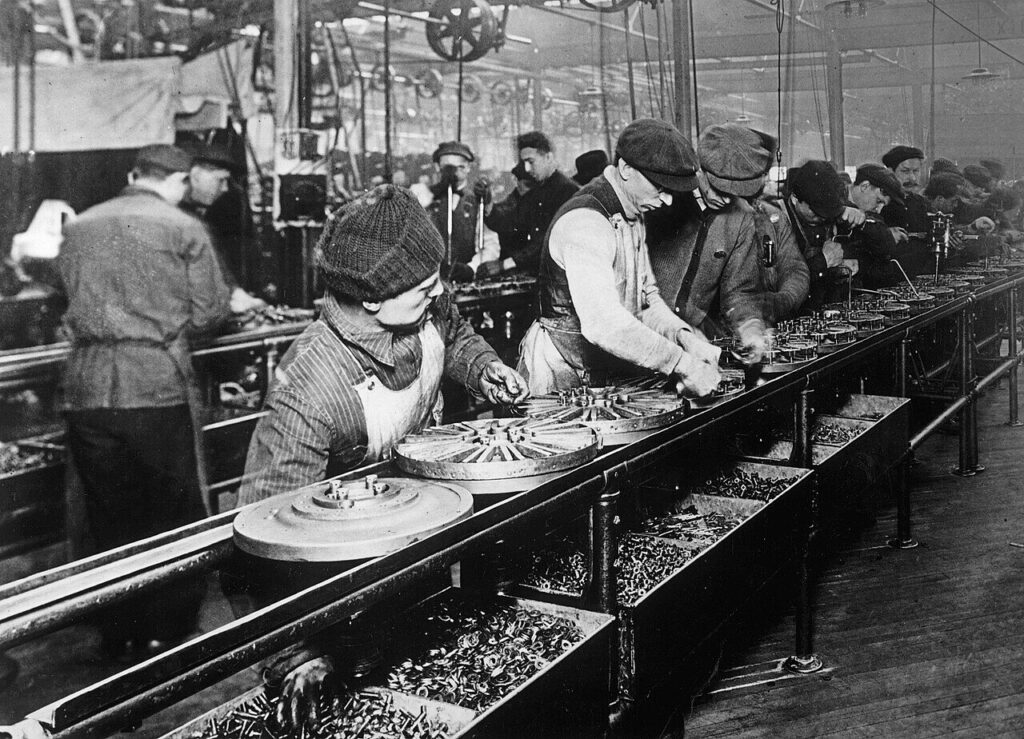
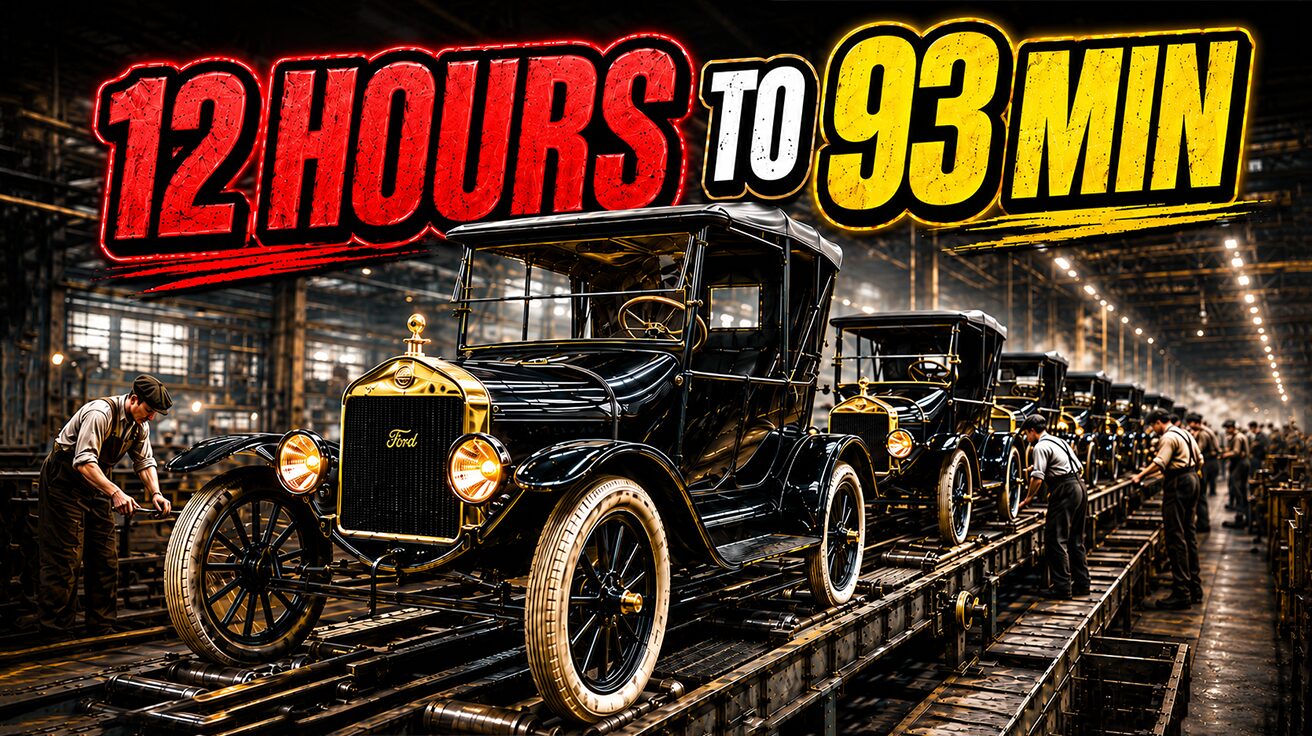
The Highland Park assembly line slashed production time from 12 hours to 93 minutes, creating America’s automotive middle class.
Ford’s 1913 assembly line innovation was pure genius wrapped in industrial efficiency. Mass production crashed car prices while Ford’s famous $5-a-day wage meant his own workers could afford the cars they were building. This virtuous cycle didn’t just manufacture automobiles—it manufactured a new American middle class with money to spend and wheels to get around.
7. Road Infrastructure Development
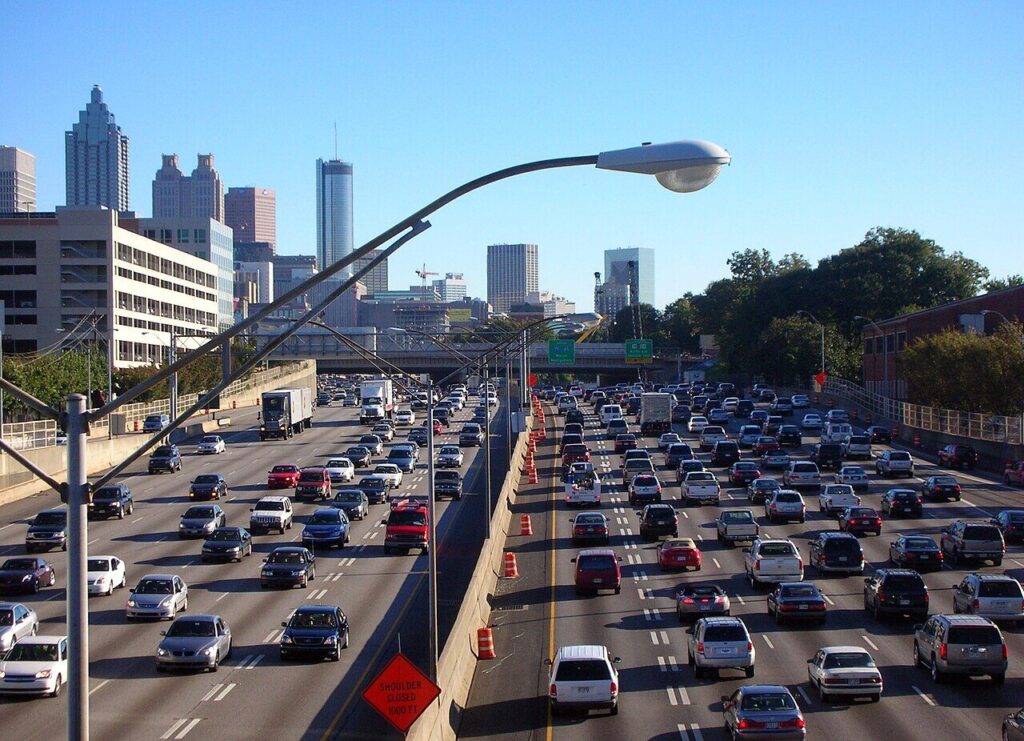
By 1930, American cities were frantically rebuilding themselves around the automobile.
Affordable cars demanded modern roads, triggering massive public works projects involving grading, widening, and paving with asphalt and concrete. Cities implemented traffic rules, speed limits, lane markings, and traffic cops to manage the automotive invasion. This infrastructure revolution reshaped urban and rural landscapes, prioritizing cars over everything else and laying the foundation for today’s sprawling suburban development.
6. Suburban Expansion
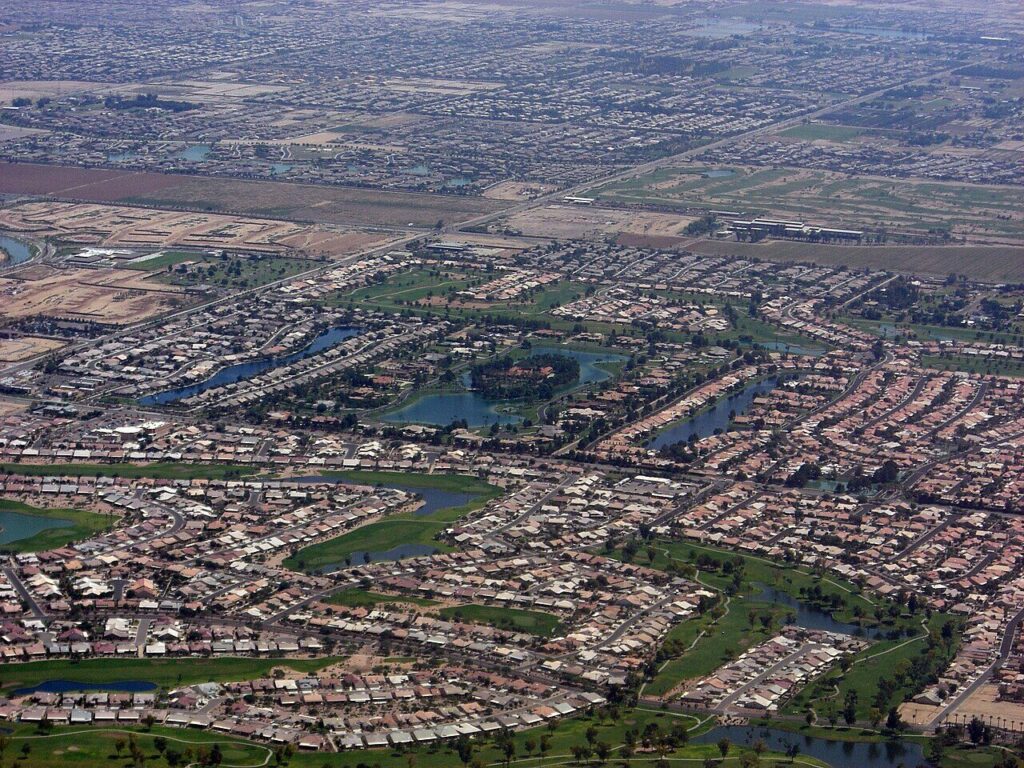
Automobiles allowed people to live miles from work, fundamentally changing where and how Americans lived.
Cars liberated workers from living within walking distance of factories and offices, enabling suburban sprawl on an unprecedented scale. This car-centric development spawned drive-in theaters, strip malls, shopping centers, driveways, and garages—all designed around automotive convenience. Cities began architecting themselves around drivers’ needs rather than pedestrians’, a transformation that continues defining American urban planning today.
5. Cultural Symbolism and Motorsport

Cars became symbols of freedom and personal expression, amplified by racing’s technological innovations.
Throughout the 20th century, automobiles evolved into cultural icons representing independence, mobility, and individual identity. Motorsports like Formula 1, Le Mans, and NASCAR served as high-speed laboratories, developing innovations like disc brakes and aerodynamic improvements that eventually reached everyday cars. Racing reinforced the automobile’s performance mystique while pushing technical boundaries that benefited regular drivers.
4. Automotive Safety Advancements
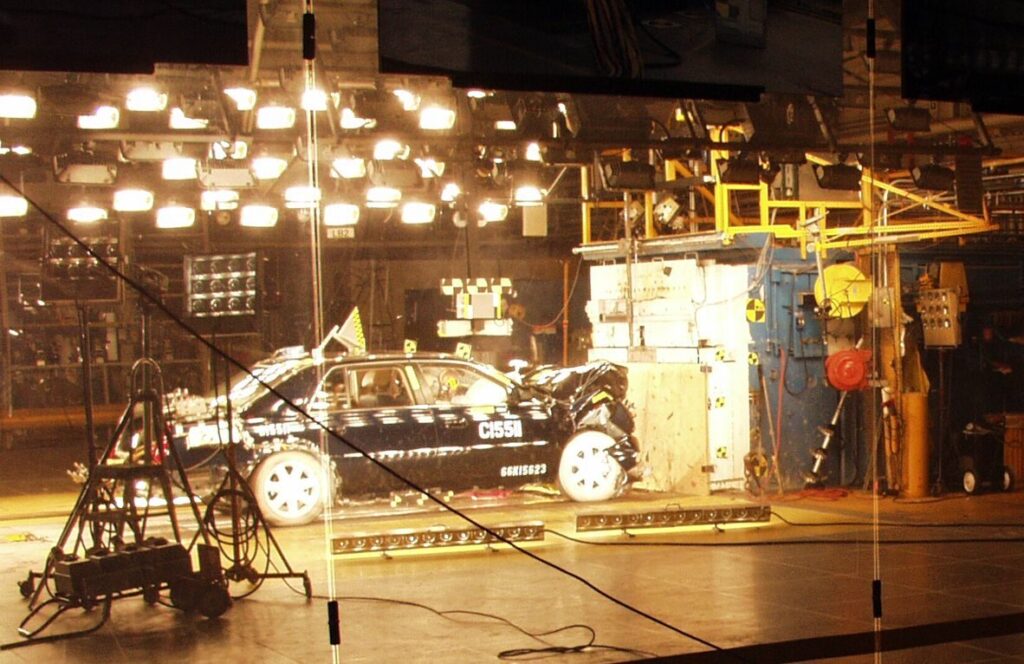
Ralph Nader’s 1960s crusade transformed automobiles from rolling death traps into protective machines.
Early cars were legitimately dangerous—no seat belts, primitive brakes, steering columns that impaled drivers, and glass that shattered into deadly fragments. Nader’s Unsafe at Any Speed exposed these hazards and triggered public demand for better protection. The resulting safety revolution brought seat belts, crumple zones, padded interiors, shatter-resistant glass, stronger roofs, ABS, stability control, and automatic braking systems.
3. Environmental Impact and Pollution

Cheap gasoline and vast fuel infrastructure powered internal combustion dominance while creating massive pollution problems.
For decades, abundant cheap fuel made gasoline engines unbeatable, but their environmental costs kept mounting. Car exhaust produced smog, nitrogen oxides, carbon monoxide, and unburned hydrocarbons that choked cities. Catalytic converters cleaned up local pollutants, but carbon dioxide from fuel combustion became a major climate change driver—forcing society to confront the true cost of automotive freedom.
2. Modern Electric Vehicles (EVs)
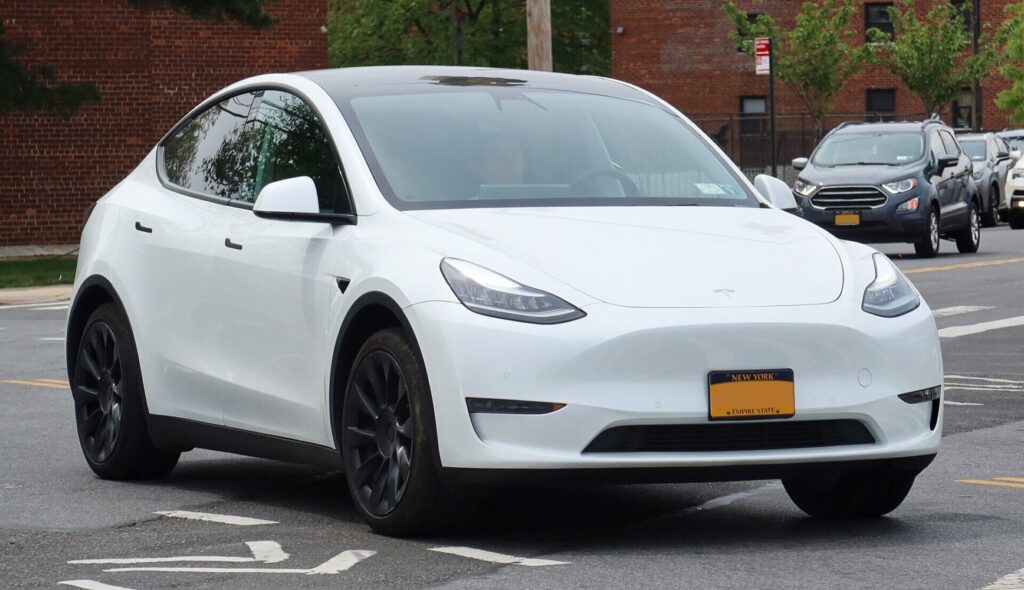
Advanced lithium-ion batteries finally gave electric cars the range and performance to challenge gasoline dominance.
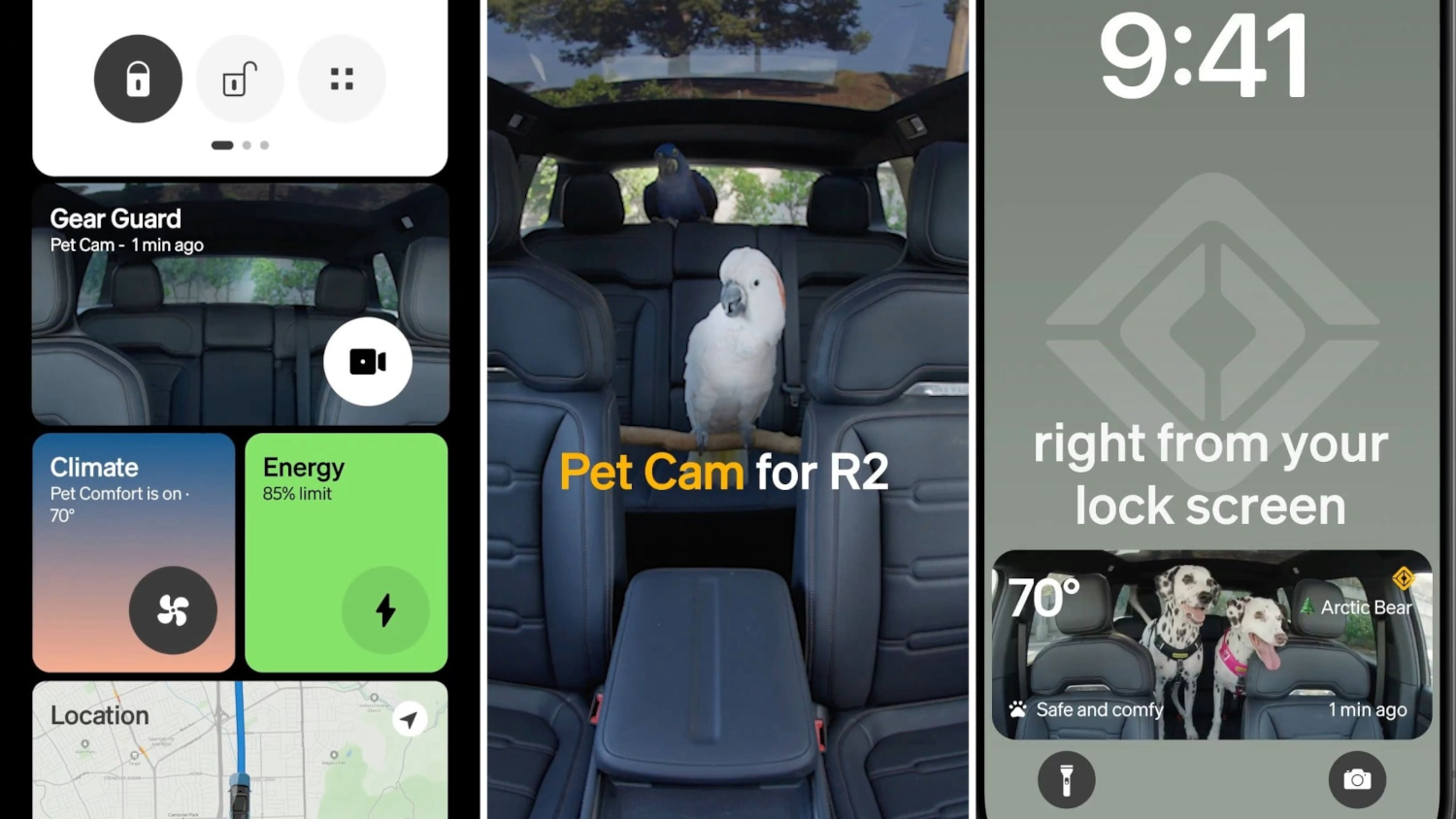
Modern EVs deliver that addictive silent acceleration from zero RPM while producing zero tailpipe emissions. Legacy automakers are pouring billions into electrification, adding fast-charging networks and digital features that eliminate the old limitations. Today’s electric cars offer real-world range and performance that makes gasoline engines look increasingly antiquated—plus you never have to smell exhaust fumes again.
1. Digitalization and Autonomous Driving
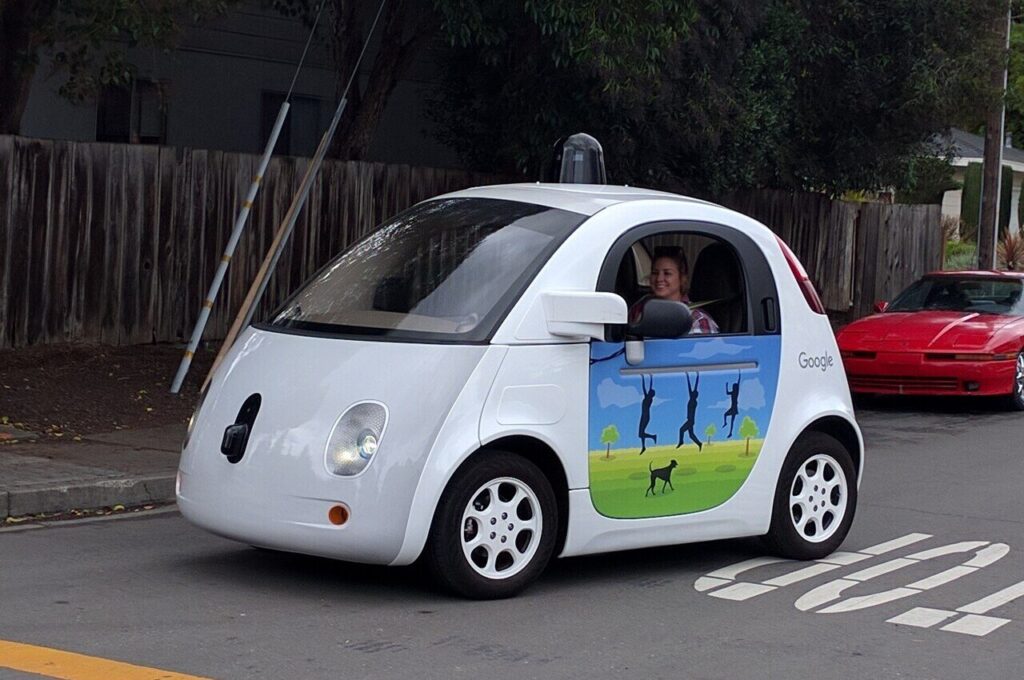
Digital cockpits and advanced sensors are converging with electrification toward fully self-driving cars.
Modern vehicles feature large touchscreens, over-the-air software updates, and sensor arrays that would make a 1910 Model T driver’s head spin. This digitalization trend, combined with electric powertrains, is pushing toward autonomous vehicles that could reduce crashes and improve mobility for elderly and disabled users. The technology is advancing rapidly, but legal, security, and ethical challenges still need solving before robots take the wheel.