

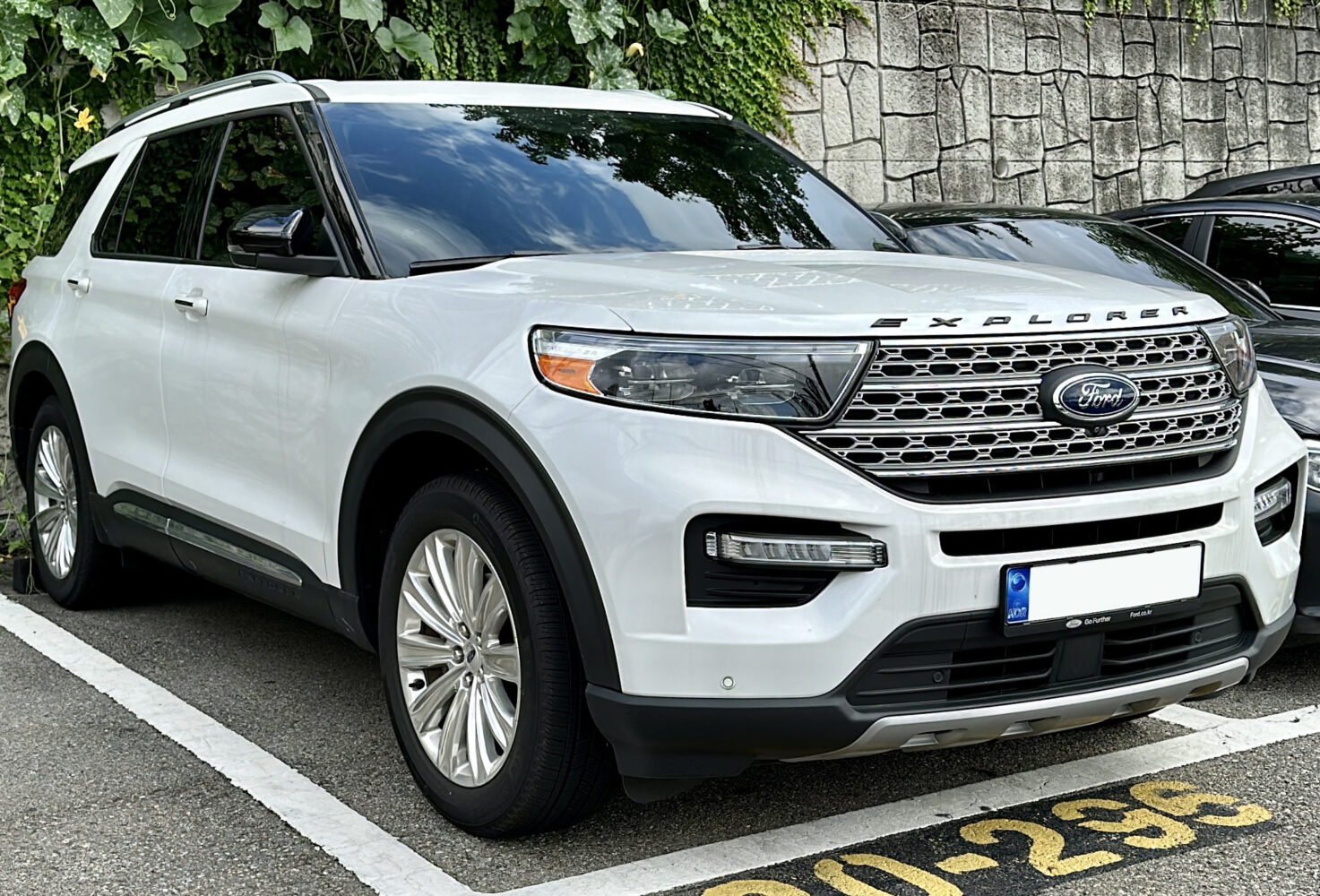
Picture this: you’re circling a packed lot near your favorite downtown restaurant, finally spot a space that’s tighter than your jeans after Thanksgiving dinner. You swing open your door, and bam – there goes your paint job against the neighboring SUV. Ford’s new patent for mechanically braking car doors might just save your wallet and your sanity.
Sensors Meet Old-School Mechanics
The system uses accelerometers and proximity sensors to trigger physical brakes when doors swing too fast or detect obstacles.
Ford’s smart door technology combines digital sensing with analog stopping power. An accelerometer tracks how quickly you’re opening the door, while proximity sensors scan for nearby obstacles. When the system detects trouble – whether that’s a fast swing toward a concrete pillar or a slow creep toward another car – mechanical brakes engage using levers, springs, and brake pads to halt the door’s momentum.
The beauty lies in its restraint. Unlike constantly buzzing electronic systems that treat every door opening like a crisis, this setup only activates when actually needed. Normal door operations remain unaffected, preserving that satisfying thunk of a well-built car door.
- The accelerometer monitors door opening speed beyond normal thresholds
- Proximity sensors operate independently to detect nearby objects
- Dual-layer protection against different types of collisions
Real Stakes Behind the Innovation
Recent recalls and safety incidents highlight why mechanical door solutions matter more than ever.
Ford isn’t solving a theoretical problem. Kia recalled 51,000 Carnival minivans in 2023 after power-sliding doors injured nine people by closing on obstacles – including one broken arm. Meanwhile, China banned concealed door handles on EVs starting in 2027 after 15+ deaths, requiring mechanical releases when electronic systems failed.
This mechanical approach sidesteps the electronic vulnerabilities that plague modern vehicles. Where software can glitch or sensors can malfunction, springs and levers provide analog reliability. The patent, filed February 2024 and published this August, represents Ford’s bet on hybrid solutions – smart enough to prevent accidents, simple enough to work when it matters.
Ford emphasizes that patents explore possibilities rather than guarantee production. But given the company’s recent focus on practical safety innovations, including magnetic door assemblies for vibration reduction, this technology addresses genuine consumer pain points and helps avoid costly repair bills.
The next time you navigate cramped urban parking near bustling food markets or tourist destinations, doors that actually look out for themselves – and your bank account – could transform those white-knuckle moments into confident exits.