

Formula 1 bans its best ideas. The most effective designs get outlawed the moment they start winning races, and teams spend countless hours building breakthrough technology only to watch it get banned. The sport advances precisely because officials keep removing its most effective tools.
These nine banned technologies reveal the real engineering genius behind modern Formula 1.
9. Shark Fins
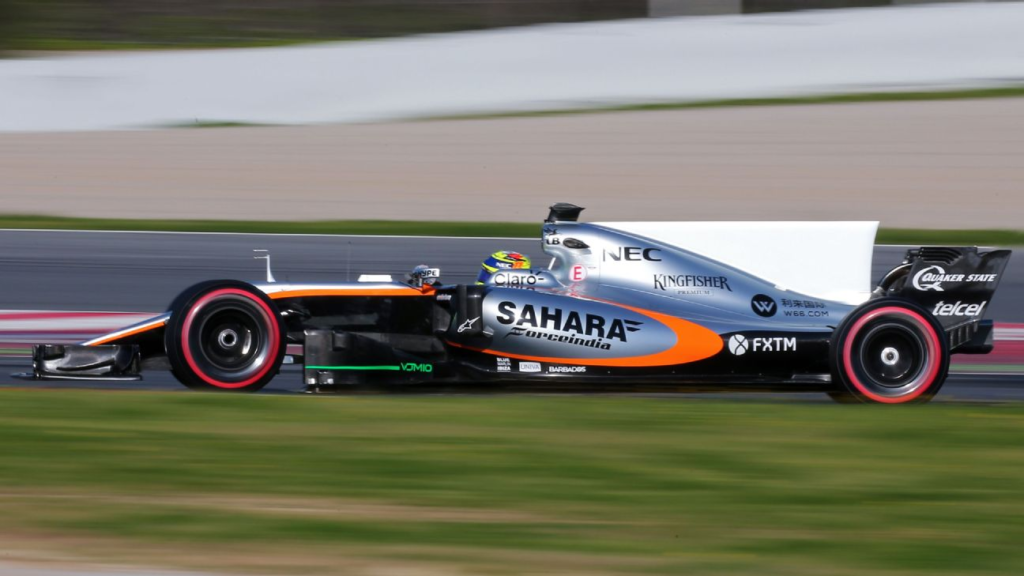
Renault’s engineers found free aerodynamic grip in 2006 by stretching the engine cover upward into a vertical stabilizing surface. The shark fin improved airflow to the rear wing and made cars more stable in crosswinds without adding meaningful drag. Rival teams copied it fast after seeing the performance data from testing and early races. McLaren publicly objected to widespread adoption, arguing the fins turned competitive machinery into rolling billboards. The debate between aerodynamic efficiency and visual appeal never fully resolved, and fans still argue about which one should drive the rulebook.
8. McLaren’s Dual Brake System
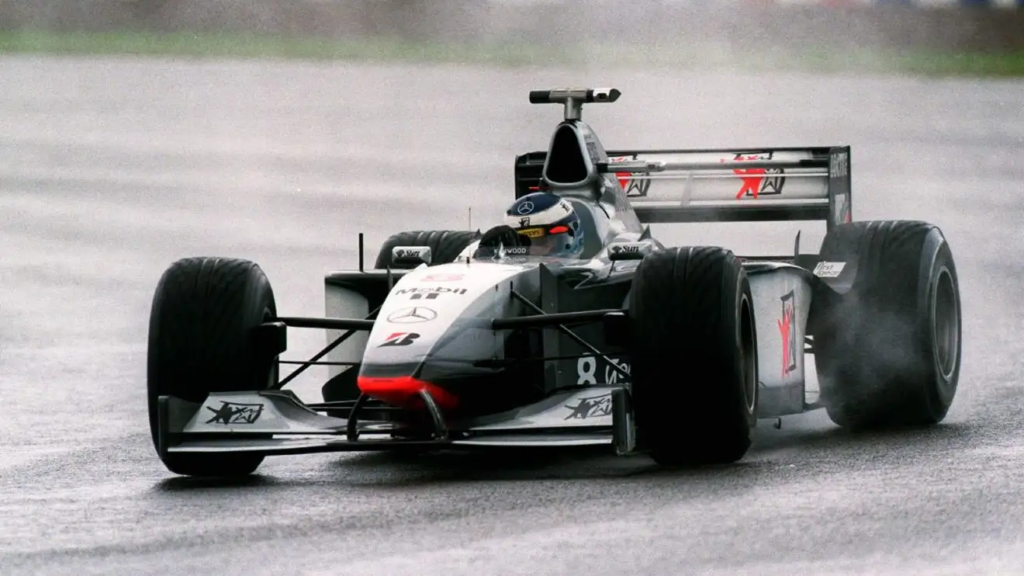
McLaren found a backdoor to four-wheel steering in 1997 by engineering a system that let drivers brake each rear wheel independently through corners. Selectively slowing one rear wheel sharpened turn-in, eliminated understeer, and kept weight balanced mid-corner in ways a standard brake pedal simply could not. Lap times dropped as drivers learned to exploit it across different track layouts, and the performance gap over rivals grew race by race. Competing teams cried foul almost immediately, arguing McLaren had effectively created active rear steering through brake manipulation. The FIA agreed and banned it before the advantage could compound further.
7. Tyrrell’s Six-Wheeled P34
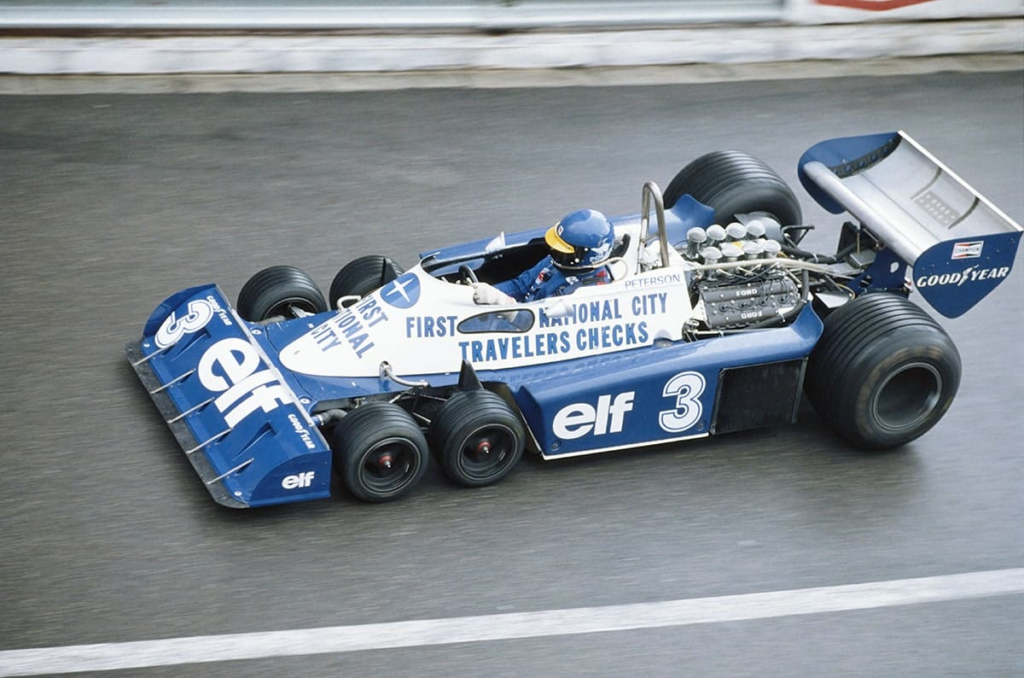
Tyrrell Racing shocked the paddock in 1976 with four front wheels on a single chassis, and the P34 was not a stunt. The configuration reduced frontal aerodynamic drag and spread braking forces across four wheels instead of two, giving drivers more front-end bite and shorter stopping distances. Jody Scheckter proved it worked by winning the 1976 Swedish Grand Prix outright. Problems accumulated as the season wore on, mostly around tire supply and overheating on the smaller front wheels. The P34 remains the clearest example in F1 history of a creative solution that was too complex to survive its own success.
6. X-Wing Cars
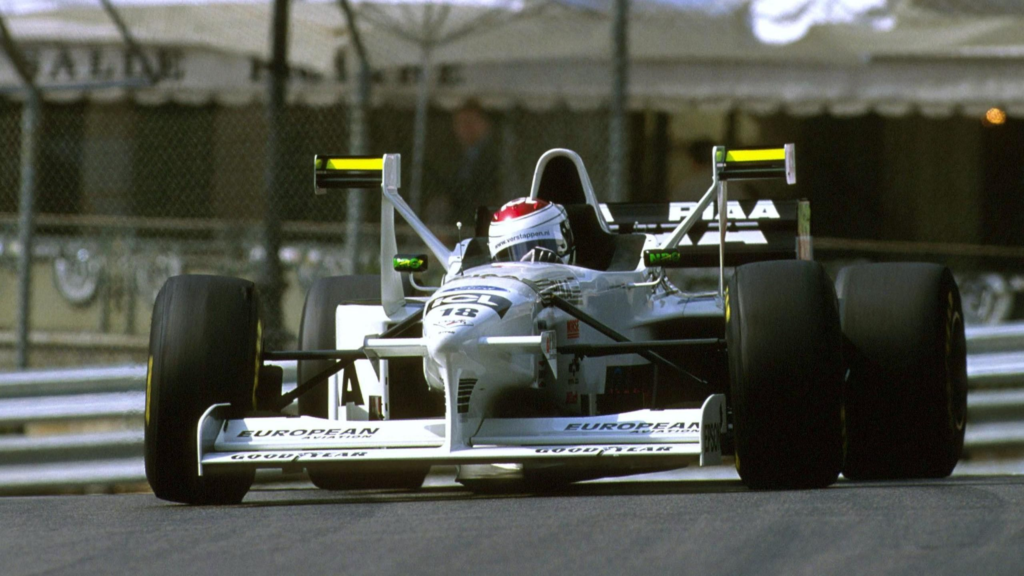
Tyrrell bolted elevated wings onto tall sidepod stalks in 1997 and produced serious downforce without the drag penalties that standard rear wings carry. Wind tunnel data showed meaningful gains through slower corners where cars typically bleed time, and Ferrari and Sauber copied the configuration during the 1998 season after watching Tyrrell’s pace improve. Drivers started raising safety concerns quickly, citing blind spots and the risk of those tall, exposed wings snapping off during contact. The FIA banned X-wings before the 1999 season, deciding the structural risk outweighed the aerodynamic benefit. It remains one of the stranger chapters in the sport’s visual history.
5. The Fan Car
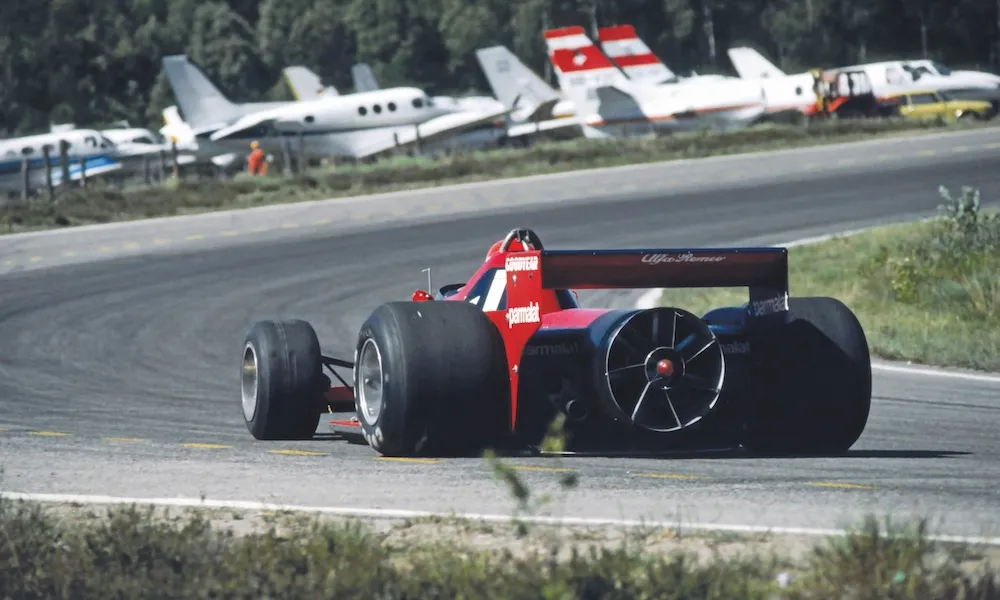
Gordon Murray built a vacuum cleaner in 1978 and called it a racing car. The Brabham BT46B ran a massive rear fan that sucked air from beneath the floor, generating ground-effect downforce that scaled with speed in ways no wing could match. Brabham registered it with the FIA as an “engine cooling device” — a technicality rivals found unconvincing. Niki Lauda won the 1978 Swedish Grand Prix by a comfortable margin in the car’s one and only race. Competing teams protested immediately, the FIA agreed, and the BT46B never raced again. Murray’s concept reshaped how engineers thought about underbody aerodynamics for decades afterward.
4. Active Suspension
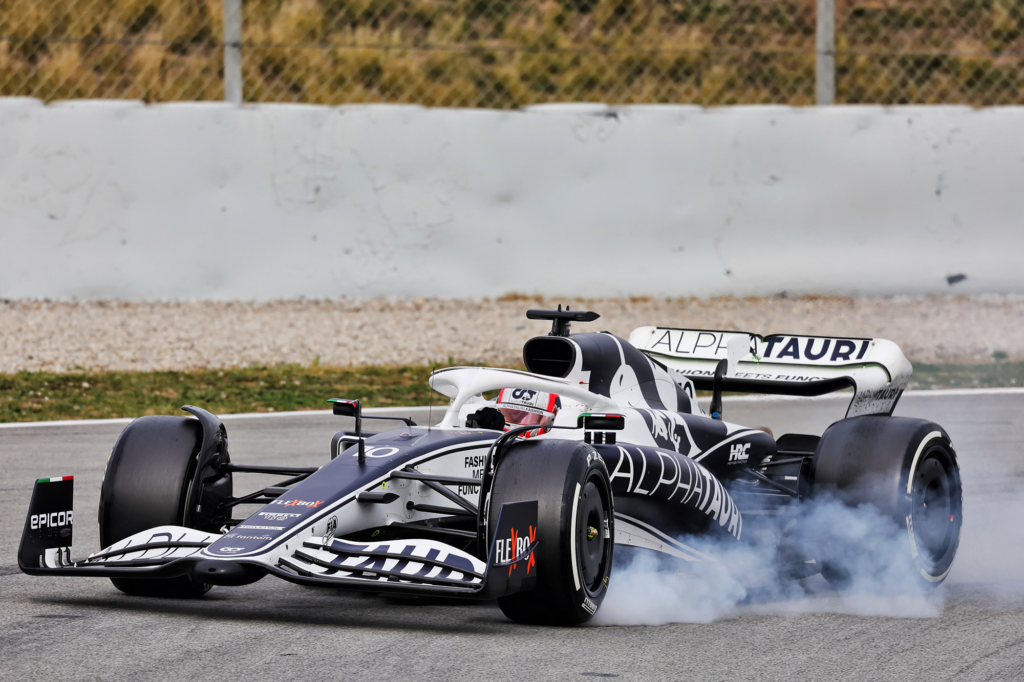
Williams built a suspension system in the early 1990s that read track conditions in real time and adjusted ride height and geometry automatically through every corner, braking zone, and acceleration point. The car stayed in its aerodynamic window regardless of what the driver did or what the track threw at it. Williams won back-to-back championships in 1992 and 1993 on the strength of that technical edge. The FIA banned active suspension ahead of the 1994 season as part of a broader push to reduce electronic driver aids and put more weight on raw driving ability. Every time a modern F1 car bottoms out over a kerb, that 1993 regulatory decision is the direct reason why.
3. Traction Control
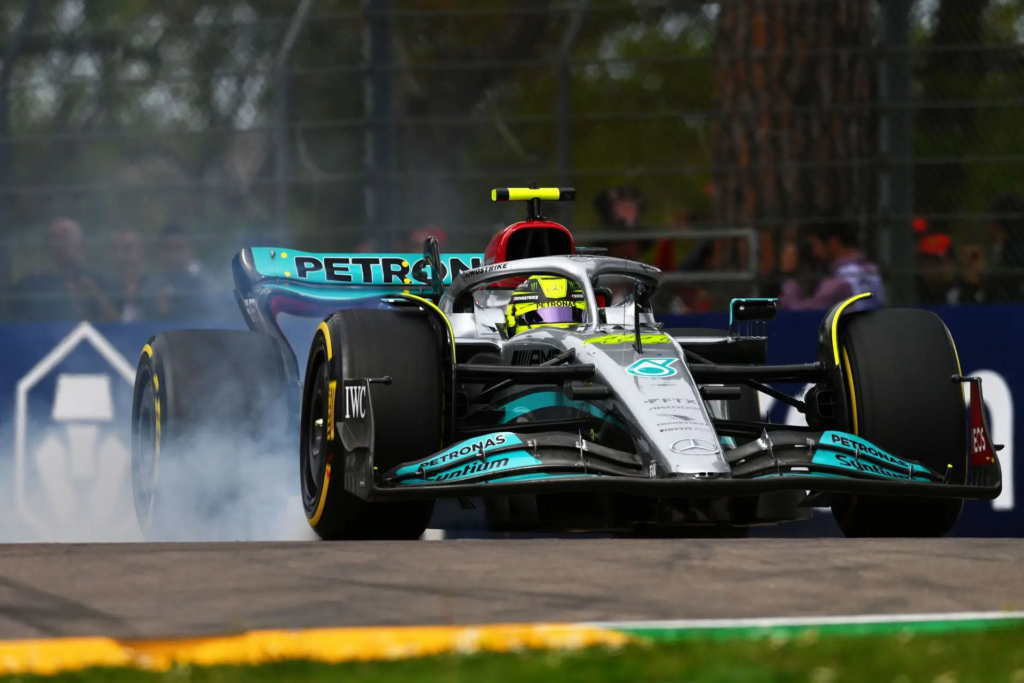
Managing 800-plus horsepower out of a slow corner is one of the hardest skills in motorsport, and traction control made it automatic. Wheel sensors detected the moment tires started to break loose and engine management software cut power before the slide could develop, letting drivers get back to full throttle earlier than any human reaction time could manage. The performance advantage was measurable and consistent, especially in wet conditions where the gap between assisted and unassisted cars grew dramatically. The FIA banned traction control multiple times throughout F1 history, most recently from 2008 onward. Every lurid power slide seen in a modern race is a driver actually earning it.
2. Standardized Electronic Control Unit

Teams were hiding banned driver aids inside millions of lines of proprietary code, and the FIA had no practical way to audit it. The solution in 2008 was to mandate a single standard ECU supplied by McLaren, giving technical inspectors full visibility into what was actually running inside every car on the grid. The standardized unit also eliminated the expensive custom electronics development that teams had been pouring budget into, cutting costs across the field. It shifted the competition away from software engineering and back toward aerodynamics, mechanical grip, and driver skill. That rebalancing is precisely what the rule was designed to accomplish.
1. Exotic Fuels
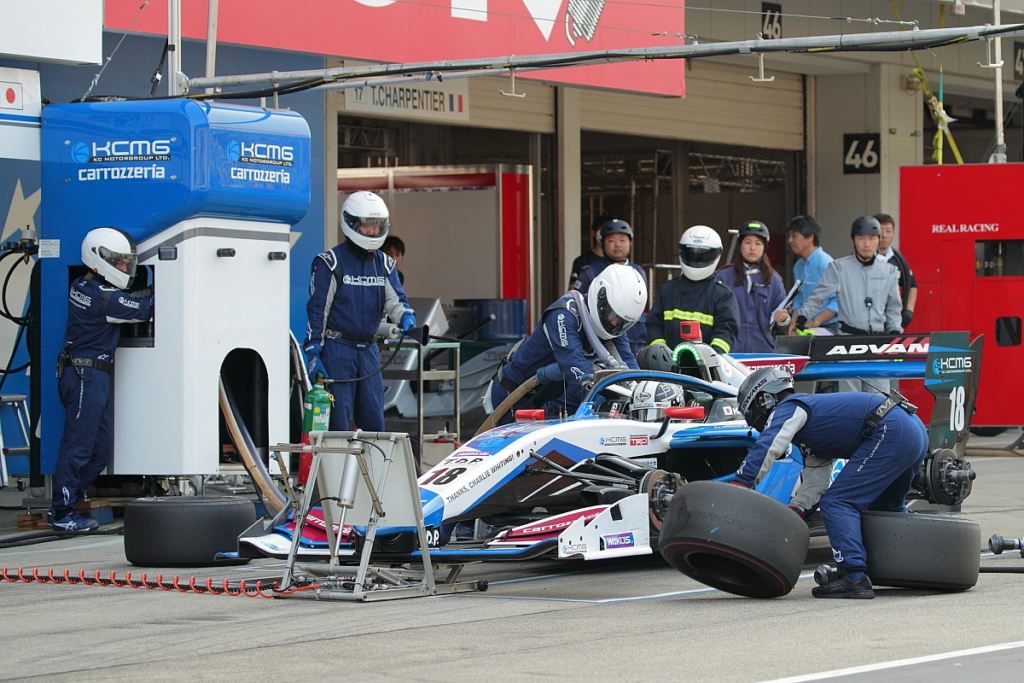
During the turbo era, F1 fuel had more in common with industrial solvents than pump gas. Teams ran toxic cocktails containing toluene, benzene, and other compounds that produced power outputs dyno engineers struggled to believe, especially in short-burst qualifying trim where engines only needed to survive a few laps. Chemical engineering became a serious competitive discipline, with teams hiring fuel specialists to brew track-specific mixtures optimized for temperature, altitude, and engine configuration. The mechanical monsters those fuels fed were literally tearing themselves apart at the power levels involved. The FIA clamped down with strict fuel composition rules, and today’s F1 fuel is closer to what goes into a road car than anything those turbo-era chemists were concocting.