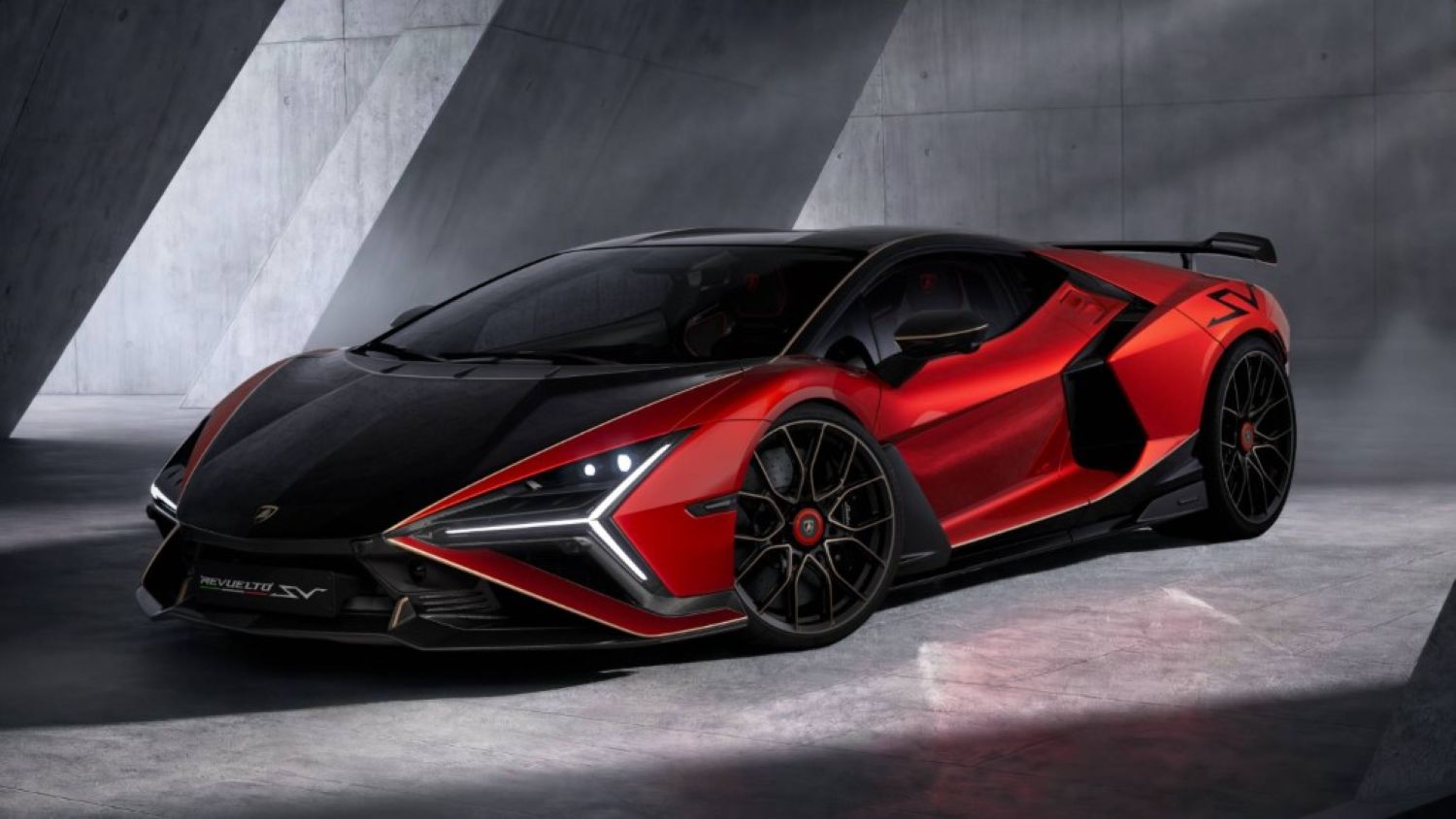


Legacy brands once dominated driveways and dictated trends, but tariff pressure, strategic blunders, and public scandals now push many toward the edge of extinction. The automotive landscape is undergoing a seismic shift claiming even household names with century-old legacies and loyal followings. Mismanagement, failed electrification bets, and crumbling dealer networks have turned former powerhouses into cautionary tales—brands that were icons when parents bought their first car now struggle to survive in a market demanding rapid adaptation. Some faces in this list will surprise, others will confirm what enthusiasts have whispered for years, but all share a common thread: the road ahead narrows fast, and one wrong turn could be the last.
1. Alfa Romeo
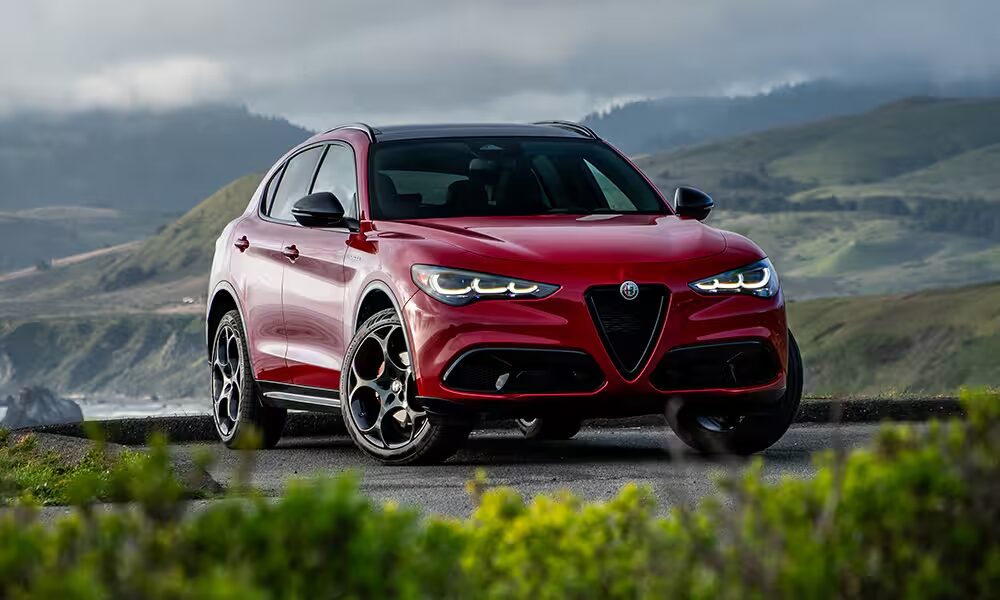
Stellantis CEO Carlos Tavares insisted in 2024 the company wasn’t planning on selling Alfa Romeo—a statement that rang with the same confidence as a check-engine light promising everything’s fine.
The Italian marque’s U.S. sales collapsed below 1,000 units in some months during early 2026, while worldwide deliveries barely scraped 60,000 cars annually—numbers that would embarrass a niche supercar maker, let alone a brand with premium aspirations. Dealers watch inventory age like wine nobody wants to buy, stuck with an uncompetitive lineup that includes a handful of crossovers and sedans fighting German rivals with one hand tied behind their backs.
The real story hides in service bays, where electrical gremlins, oil leaks, and warning lights have become Alfa Romeo’s true signature features—a reputation that’s kryptonite in the reliability-obsessed premium segment. Within Stellantis’ 14-brand portfolio, Alfa Romeo occupies the precarious position of a brand too small to matter financially but too storied to kill without controversy. Sometimes, the loudest denials simply confirm what everyone already suspects: the patient’s vital signs aren’t improving, and the life-support machine keeps beeping louder.
2. Chrysler

Founded in 1925, Chrysler once stood among America’s Big Three automakers, but today the brand limps along with just the Pacifica and Voyager minivans plus the aging 300 sedan—hardly the lineup of a storied century-old nameplate.
Stellantis has fumbled spectacularly: sharp price hikes, poor inventory management, and complete neglect of affordable models have tanked U.S. sales and left dealers drowning in unsold metal. The missteps read like a masterclass in alienating loyal customers—prioritizing short-term margins over long-term brand health, the automotive equivalent of selling tools to pay rent. Chrysler is now slated for reinvention as an EV-focused marque under the Dare Forward 2030 strategy, but execution remains the question mark keeping dealer principals awake at night.
Even a brand with 101 years of history can become a footnote when parent companies treat it like a budget line item instead of an asset worth protecting. Stellantis’ broader strategic failures—pricing everyday models like luxury vehicles, ignoring the affordable segments that built these brands, and failing to adjust when demand softened—have left Chrysler gasping for relevance in a market that’s moved on. The irony? Chrysler helped define American automotive culture, yet now depends entirely on whether Stellantis can translate electrification promises into actual showroom metal before the brand fades into the same irrelevance that claimed Plymouth and Mercury. Nostalgia and a few concept sketches won’t reverse decades of underinvestment—only real product and smarter management will.
3. Jaguar
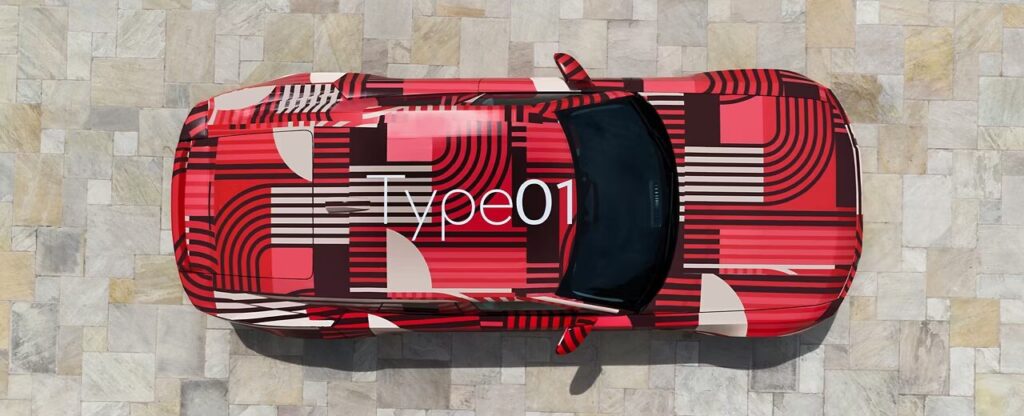
Spotting a new Jaguar on the road now feels rarer than a manual transmission in a luxury sedan—because the brand discontinued most of its lineup, including the XE, XF, and F-Type, to chase an all-electric future aimed at buyers shopping Bentley territory.
Sales in some markets dropped sharply in 2025, leaving dealers with empty showrooms and JLR scrambling to keep the lights on with Land Rover profits while waiting for EVs delayed until late 2026 or 2027. This isn’t a refresh or a mild pivot; Jaguar Land Rover’s Reimagine strategy announced in 2021 repositions the marque upmarket with pure-electric models priced well above current offerings. The gamble resembles a high-speed corner on a damp track: nail the apex and emerge a hero, miss it by inches and spin into the gravel trap with no restart button.
JLR suffered a significant cyberattack in 2025 that disrupted global operations and production for weeks, forcing factory shutdowns and causing substantial financial losses during an already precarious transition. Jaguar’s financial survival remains closely tied to the stronger performance of Land Rover and Range Rover SUVs, which generate much of JLR’s profit while Jaguar volumes stay low. The margin for error is microscopic, and survival depends entirely on nailing that apex on the first try—while recovering from a cybersecurity crisis that couldn’t have come at a worse time.
4. Jeep
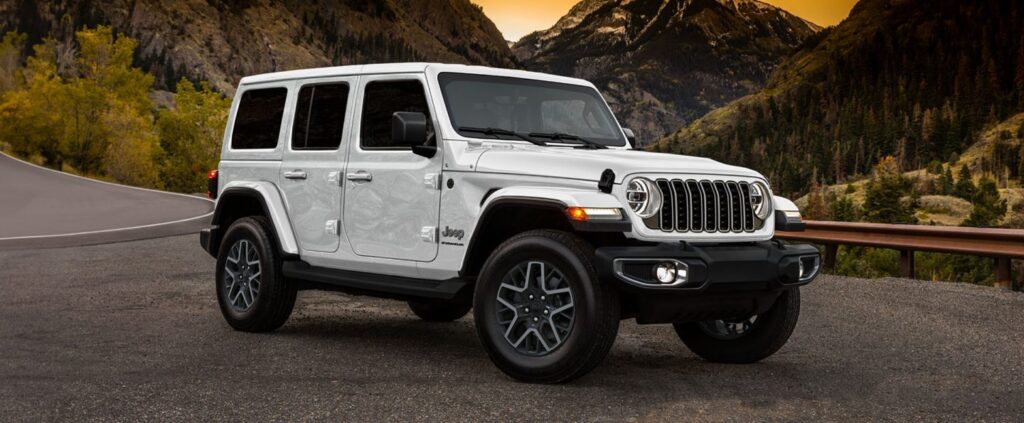
Does the brand once synonymous with American grit and go-anywhere capability still deliver on that promise?
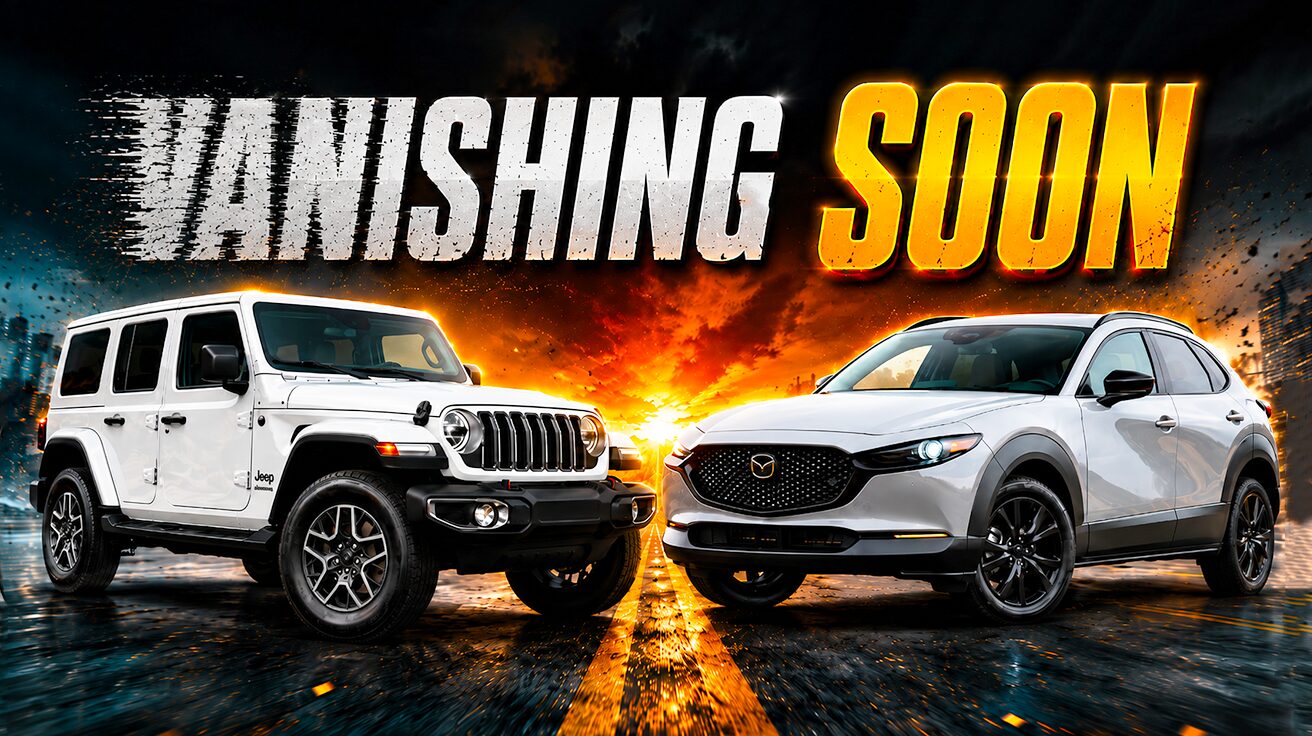
Jeep’s U.S. sales peaked around 973,000 units in 2018, then tumbled for six straight years as dealer lots swelled to 100 days of inventory—far above the industry norm of 60 days. The Gladiator dropped about 24% in 2024, while Grand Cherokee fell roughly 12%, signaling that even heritage nameplates can’t escape the fallout. Wrangler prices rocketed from the mid-$20,000s to commonly hit $40,000–$50,000, pushing what used to be an accessible off-roader into near-luxury territory.
Quality issues such as the notorious “death wobble,” oil consumption, stalling, and water leaks have sparked recalls and class-action suits, turning the rugged reputation into a cautionary tale. Plug-in hybrid 4xe variants—like the Wrangler 4xe and Grand Cherokee 4xe—faced battery-related recalls and slower-than-expected demand, leaving dealers with unsold stock. Customers paying premium prices expect legendary capability, not a familiar badge plastered on a vehicle plagued by chronic defects. Jeep’s challenge now is proving it can rebuild trust faster than competitors like the Ford Bronco steal market share—because paying extra for nostalgia only works if the product backs it up.
5. Lincoln
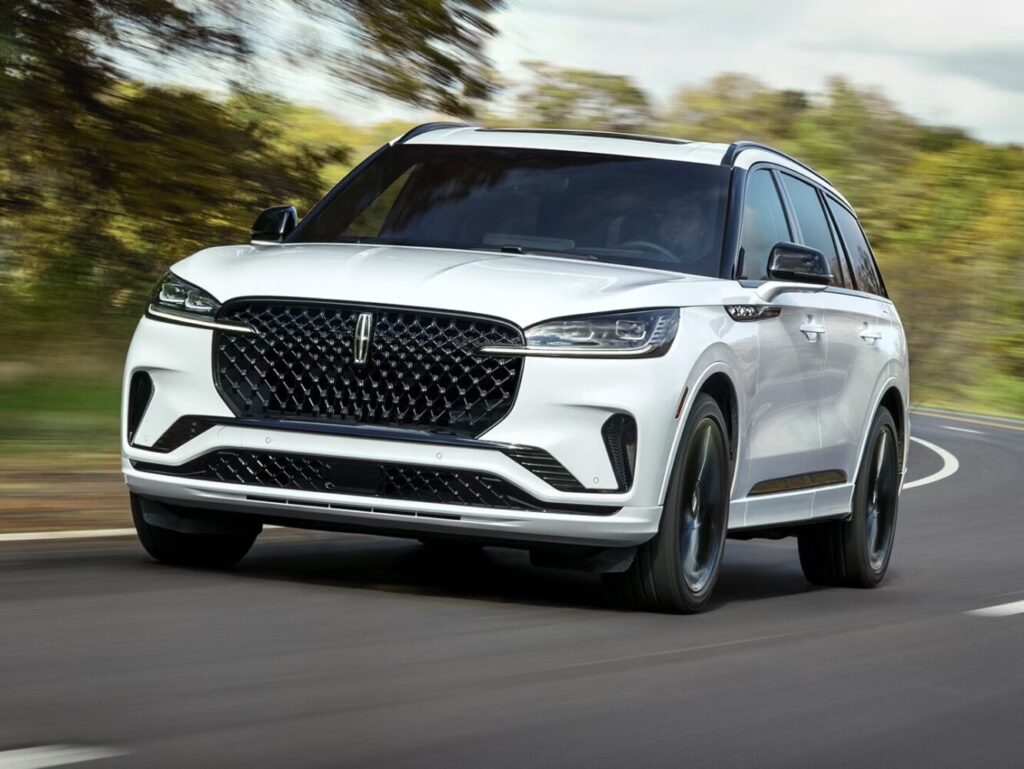
A century ago, Lincoln teetered on bankruptcy’s edge because the Model L’s intricate assembly and weak sales drained coffers faster than a leaky radiator.
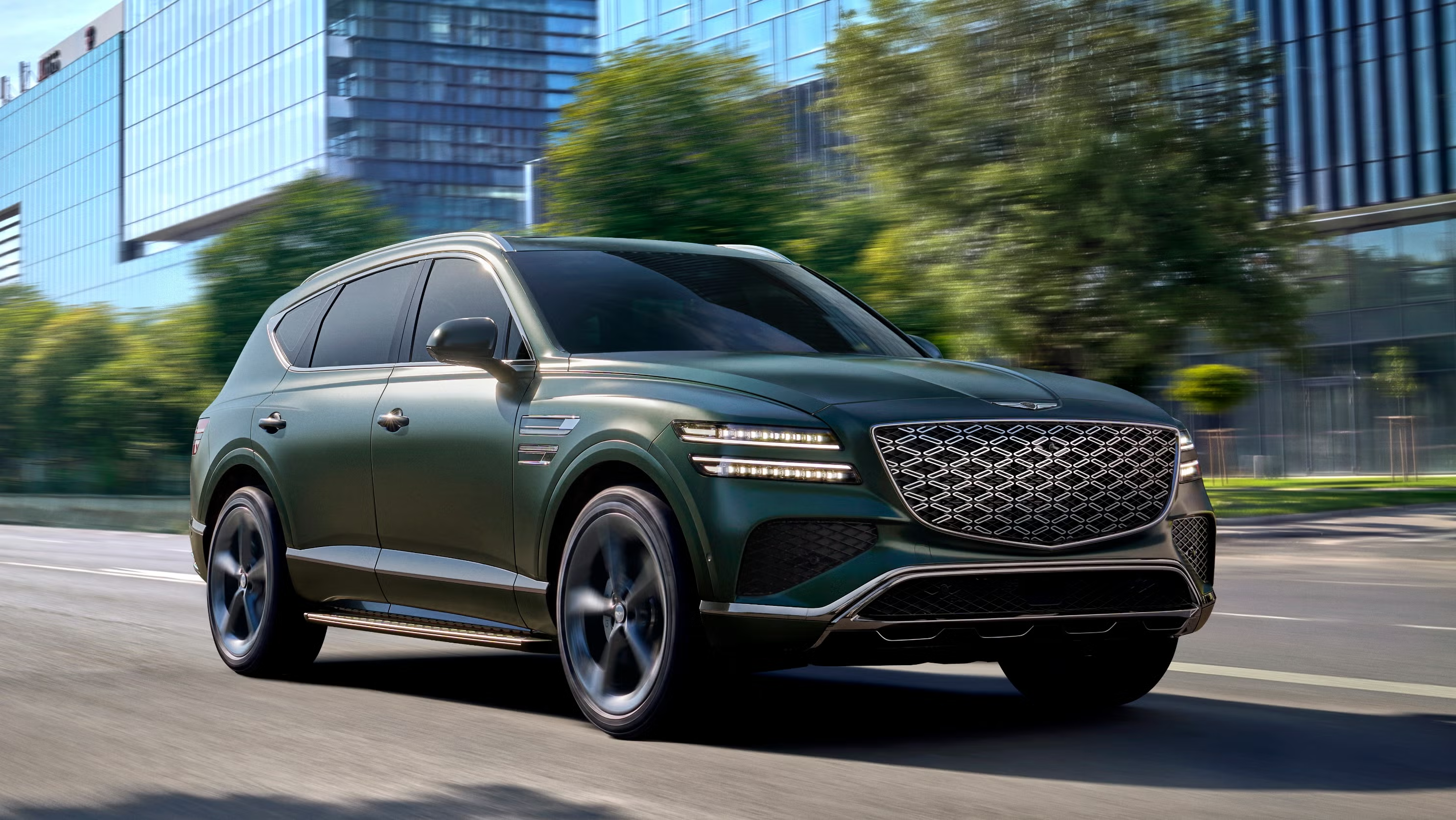
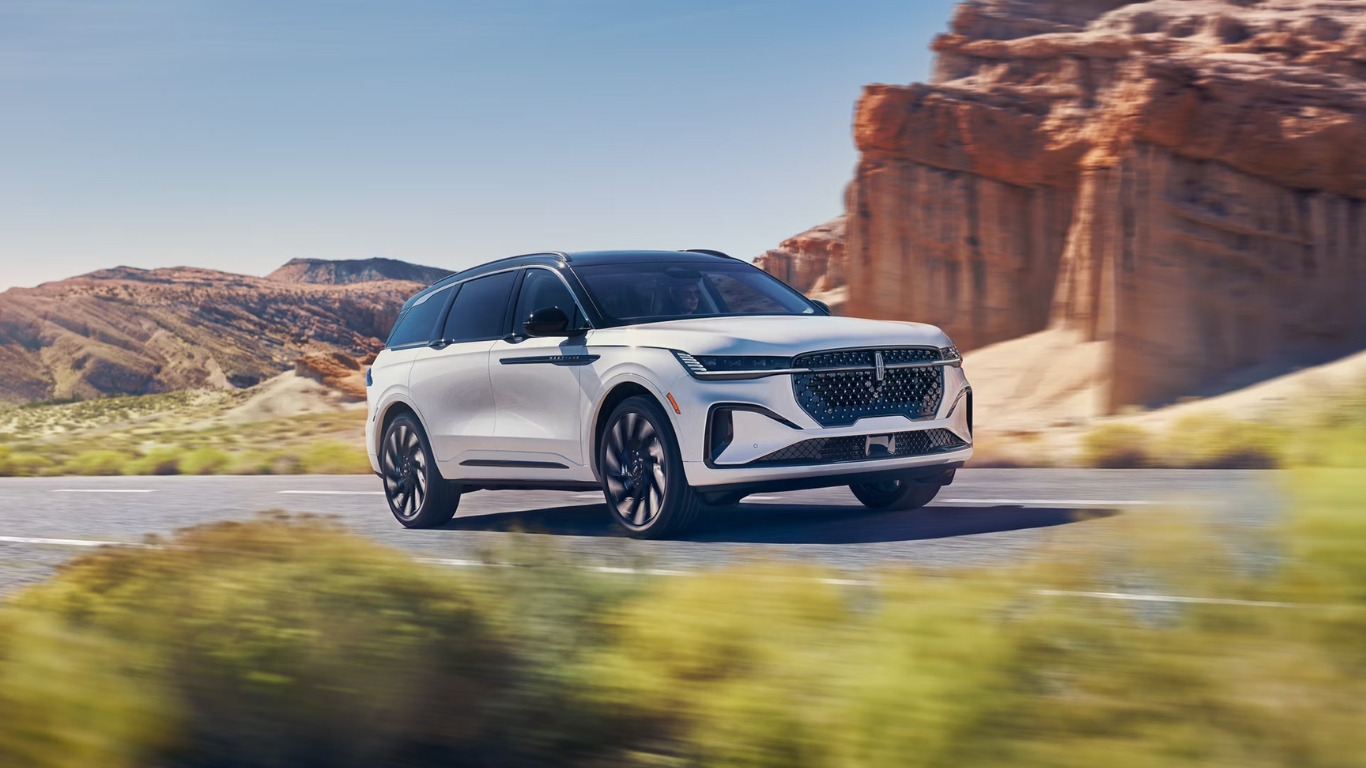
Fast-forward to 2026, and history echoes: dealers sit on elevated inventory while demand fizzles, proving that even more than 100 years of existence can’t guarantee relevance. The brand ditched every sedan in its lineup, betting the farm on a handful of SUVs—Navigator, Aviator, Nautilus, Corsair—that struggle to justify their premium over similarly equipped Fords. Recent recalls affecting thousands of vehicles add another wound to consumer confidence, while shoppers who could afford a Lincoln badge increasingly wonder why they shouldn’t just grab a Genesis, Lexus, or BMW instead.
Lincoln’s identity crisis isn’t new; it’s chronic. The brand floats somewhere between mainstream Ford luxury and genuine prestige, never quite nailing the swagger of German rivals or the refined reliability of Lexus. When the entire pitch hinges on slightly plusher materials and a different grille, differentiation becomes as elusive as finding a winding backroad in Kansas. Competent and comfortable vehicles don’t inspire loyalty or command the premiums Lincoln needs to survive. A luxury badge means nothing if the soul underneath feels borrowed and the road ahead looks this uncertain.
6. Maserati
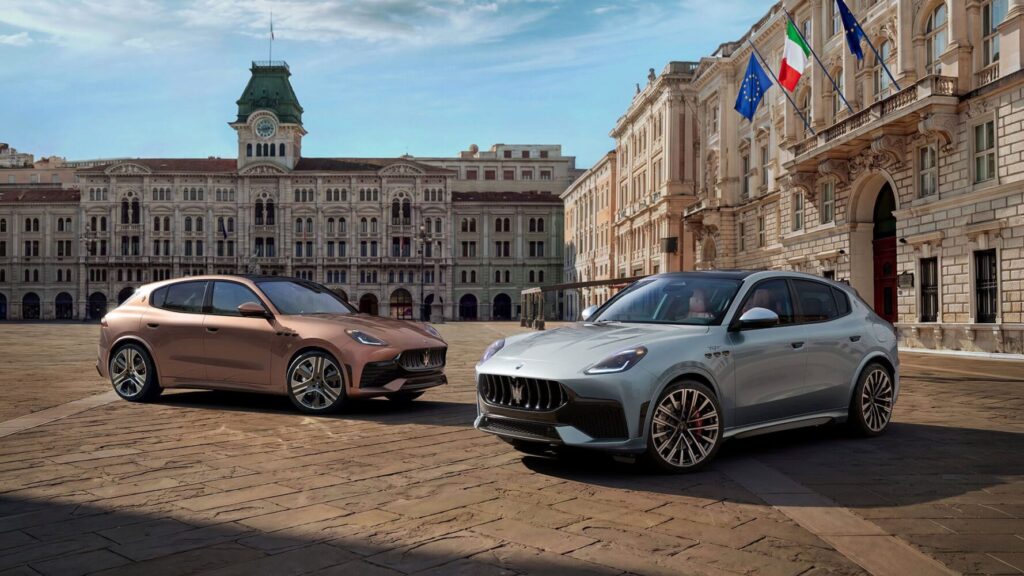
Sales at Maserati have cratered from roughly 50,000 units in 2017 to approximately 11,000 in recent years—a collapse so severe it makes other luxury struggles look like minor dips.
The brand has faced substantial financial losses, forcing production cuts exceeding 50% at some facilities and leaving dealers scrambling to explain why inventory sat unsold. Part of the problem stems from cost-cutting moves like the Ghibli, which shared too many components with cheaper Stellantis cousins and felt more rental-lot than Mediterranean boulevard. Reliability rankings confirm the damage: Maserati lands near the bottom in long-term dependability and quality surveys. Shoppers at this price point expect effortless prestige and bulletproof engineering, not a gamble on whether the infotainment system will boot properly.
The brand now occupies an unenviable middle ground—too expensive for buyers seeking genuine value, yet not exclusive or dependable enough to attract the ultra-wealthy who’d rather write a check for a Bentley or Porsche. The attempt to chase volume by diluting its image backfired spectacularly, turning the trident badge into a cautionary tale about losing identity in pursuit of quarterly targets. Maserati is investing in electrification with models like the GranTurismo Folgore, but high development costs and limited demand create financial pressure. Without a dramatic turnaround in quality and a coherent strategy to rebuild exclusivity, the marque risks becoming automotive wallpaper: noticed only when something breaks.
7. Mazda
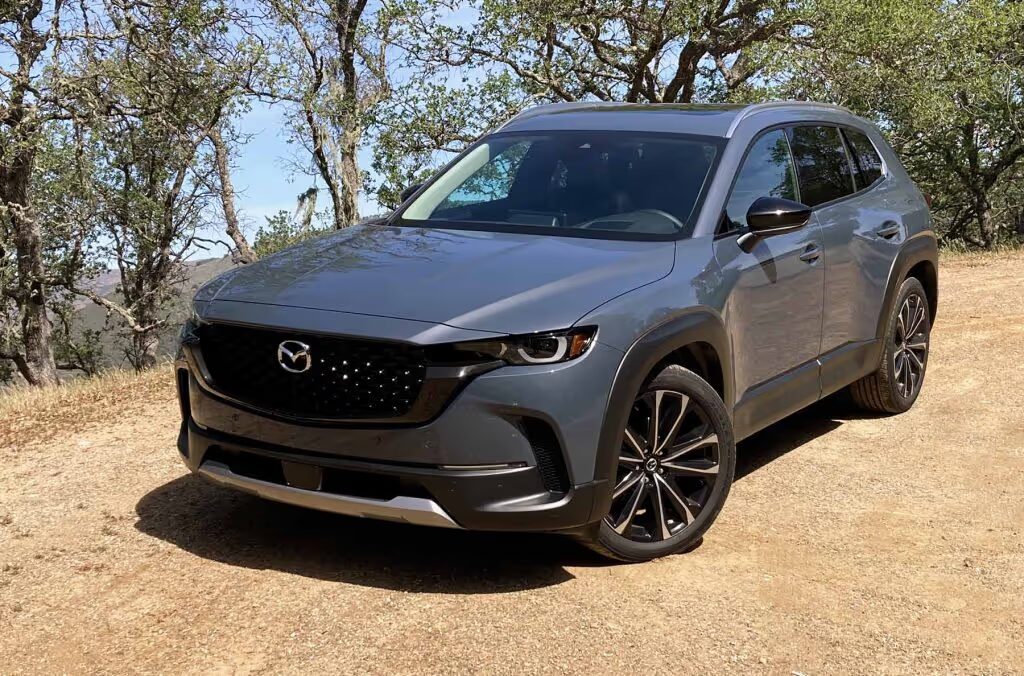
Mazda once ranked highly in Consumer Reports reliability surveys—a position that felt bulletproof for years.
That reputation has slipped in more recent surveys, with the brand falling in reliability rankings. The culprit? A misguided push upmarket that hiked prices without the badge cachet to justify them. Some models now cross $50,000, putting them in premium territory where buyers expect German polish and Japanese dependability—yet Mazda delivers neither convincingly. In China, local EV competitors have steamrolled the brand, exposing how thin its lineup looks when shoppers want electric options. Mazda’s EV roster remains limited, a glaring gap when rivals flood showrooms with plug-in choices.
Paying a premium for a Mazda once meant securing near-Toyota durability with sharper handling; now it raises questions about value. The brand’s soul lives in the Miata’s chassis feedback and driver-focused dynamics, but that magic doesn’t translate when the company chases luxury buyers it can’t quite capture. The question lingers: does shelling out near-German money for a Mazda badge still deliver the reliability and value that made the marque beloved, or has the upmarket gamble left enthusiasts and practical shoppers equally empty-handed?
8. Mitsubishi Motors
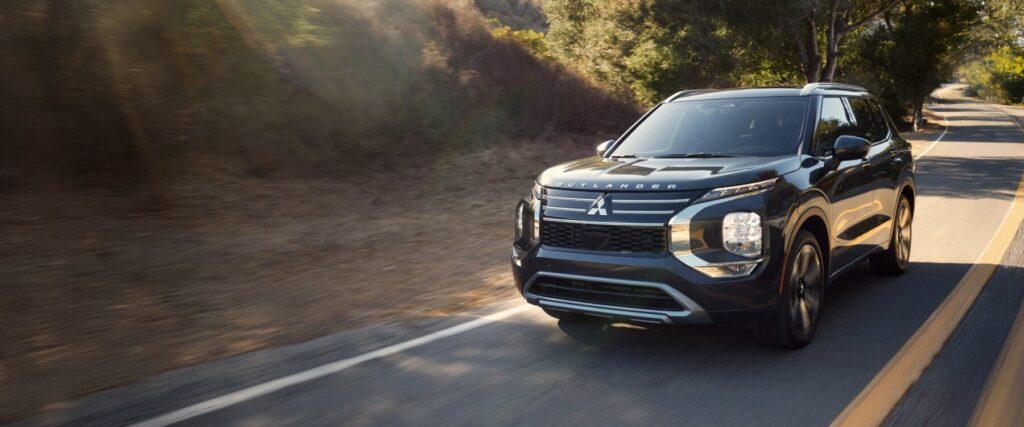
Mitsubishi Motors admitted in 2000 to concealing vehicle defects for over 20 years, including problems such as failing wheels and other safety issues that put countless drivers at risk.
That scandal unraveled trust built across decades, forcing the company into a near-bankruptcy requiring a bailout from the broader Mitsubishi conglomerate. The damage ran deeper than balance sheets—buyers walked away in droves, and the brand became synonymous with corporate dishonesty rather than the reliable machines that once carried families across continents. Recovery from that kind of breach demands more than apologies; it requires years of flawless execution and products worth believing in again.
The early 2000s saw Mitsubishi attempt a desperate Hail Mary with a “0-0-0” finance deal—zero down, zero interest, no payments for a year. Predictably, it backfired, as large numbers of customers defaulted and 1-year-old cars had to be repossessed and dumped at steep discounts, flooding the market and tanking resale values. U.S. sales collapsed from over 300,000 units annually around 1999–2003 to below 54,000 in 2009, a freefall that forced closure of the only American factory in Normal, Illinois, in 2015. A 2016 fuel-economy data falsification scandal involving over 600,000 vehicles delivered another blow, ultimately leading to Nissan taking a controlling stake.
Mitsubishi recently slashed its net profit forecast by about 76%, now expecting roughly 35 billion yen instead of 144 billion, due to sluggish wholesale sales, higher supplier costs, and rising marketing expenses. Operating profit fell about 79%, with net income swinging to a loss of approximately $66.6 million. The company has cut around 56 U.S. dealerships since 2019—about 16–17% of its network—with roughly 60% of recent U.S. sales going to fleet buyers, contributing to low residual values for 1-year-old vehicles. Mitsubishi announced a mid- to long-term growth strategy from fiscal 2026, planning to focus on off-road vehicles, launch 13 new models over six years, and target approximately $999 million in operating profit by fiscal 2029. Rebuilding trust once shattered is a winding, uphill battle, and the road ahead remains steep, uncertain, and littered with the wreckage of past mistakes.
9. Nissan
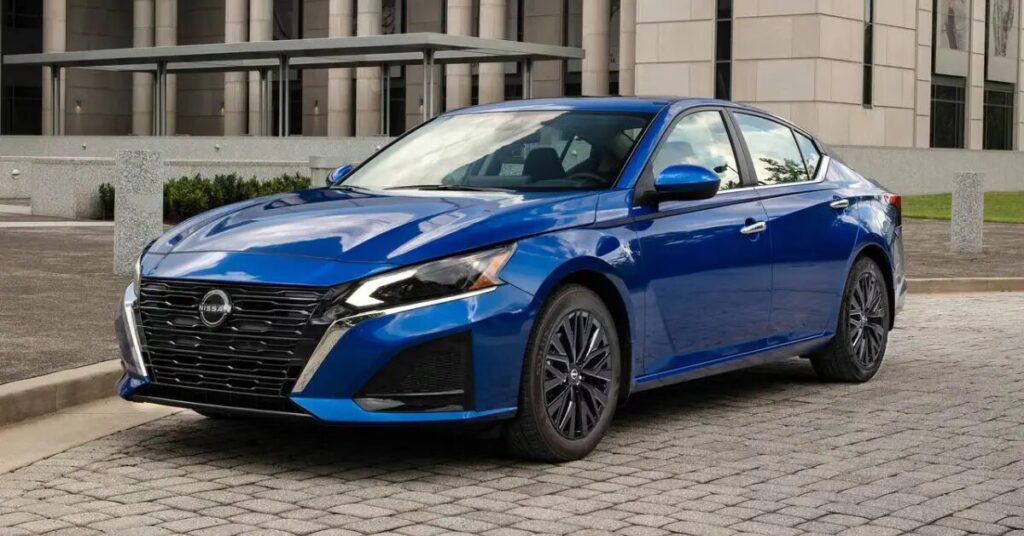
Analysts and automotive watchers expected Nissan to land squarely on this list, and the numbers tell a sobering story.
Global sales plummeted from roughly 5.8 million units in 2017 to around 3.3 million by 2024—a nearly 50% collapse that few major automakers have survived intact. The company has reported substantial annual losses and massive declines in operating profit, the kind of red ink that makes even hardened CFOs wince. This wasn’t a sudden pothole; it was a slow-motion pileup caused by strategic missteps, leadership chaos, and products that disappointed the very customers Nissan once courted so successfully.
The crisis deepened from multiple directions simultaneously. Carlos Ghosn’s 2018 arrest on charges of financial misconduct, including under-reported compensation and misuse of corporate assets, left a leadership vacuum just as the brand needed steady hands on the wheel. Nissan had bet heavily on continuously variable transmissions across its lineup, only to watch failure rates climb and customer trust evaporate. Meanwhile, the early push into pure EVs with the Leaf looked visionary until Toyota and Honda dominated the hybrid segment Nissan largely ignored.
The response was brutal: undertaking major restructuring, cutting thousands of jobs, and closing or consolidating plants—moves that resemble triage more than strategy. Nissan sold assets including real estate and parts of its Mitsubishi stake to stabilize finances, but debt and obligations remain high, often cited in the tens of billions of dollars. Even massive restructuring may not be enough when a company loses its compass on the open road, leaving dealers with stale inventory and buyers wondering if the badge still means anything at all.
10. Polestar
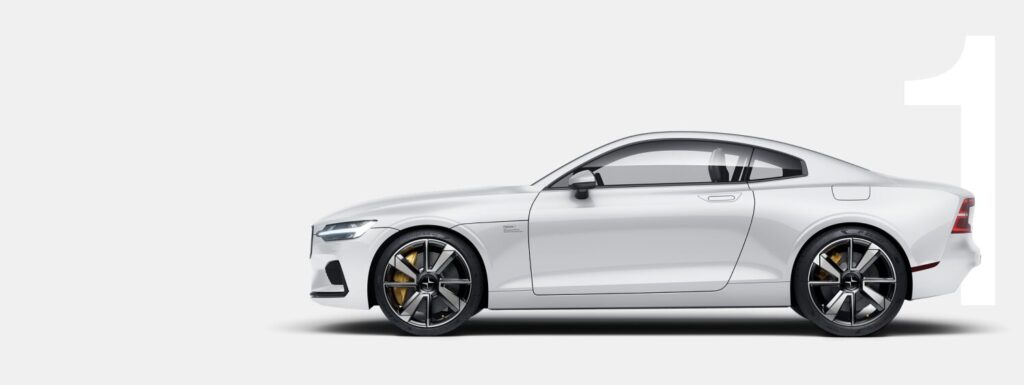
Polestar has not yet achieved profitability since spinning off from Volvo—unusual for a brand trying to compete with established electric luxury players.
The Swedish automaker burned through more than $1 billion in losses during 2023 alone, while cash reserves dropped to concerning levels by year-end. The company went public via a SPAC merger in 2022 and remains in growth mode, but financial filings show continuous reliance on external funding and shareholder support to continue operations. Volvo has refocused on its own EV lineup and reduced some direct support to Polestar, increasing the marque’s dependence on Geely and capital markets.
Early cars faced software glitches and connectivity headaches that required repeated over-the-air patches, adding friction to an already uncertain ownership proposition. The product line includes the Polestar 2 electric sedan/hatchback and the Polestar 3 and 4 SUVs, with future models planned to expand the range. Polestar’s brand awareness remains lower than major EV competitors like Tesla, which poses a marketing challenge despite strong design and safety credentials inherited from Volvo. The challenge is straightforward—deliver a compelling EV lineup before the money runs out, because sleek Scandinavian design can’t fix empty bank accounts. Without that robust financial engine, this promising marque risks becoming another cautionary tale in the graveyard of over-ambitious EV startups.
11. Volkswagen
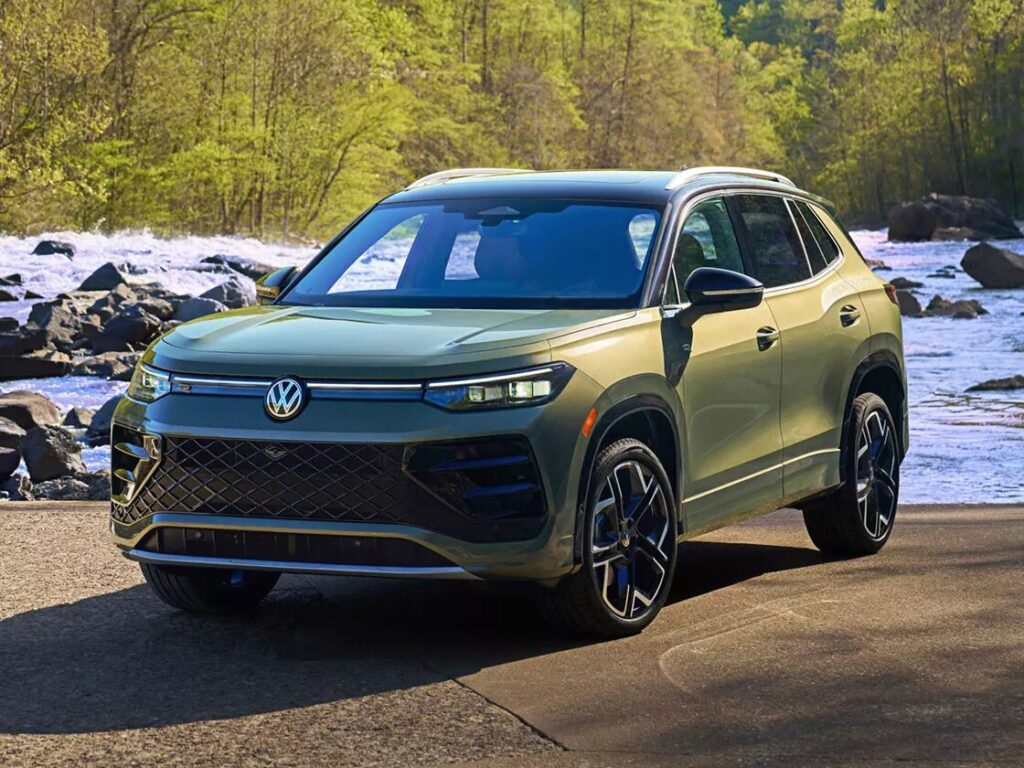
Volkswagen Group leadership has warned that massive restructuring is needed for survival, and the numbers back up the alarm.
The VW brand’s operating margin reportedly fell toward 1% or lower in some recent quarters, a margin thin enough to make budget airlines jealous. The group’s total debt load, including financing and lease obligations tied to its large global operations and EV investments, has been cited in the hundreds of billions of dollars. The lingering tab from the “Dieselgate” scandal, which involved emissions-cheating software on diesel vehicles since 2015, has exceeded $30 billion in total costs from fines, buybacks, and settlements.
The ID series EVs, meant to be Volkswagen’s electric salvation, have faced demand falling short of expectations in Europe and China, leading to underutilized plants and thin margins. In some recent quarters, operating margin challenges have emerged alongside discussions of major restructuring and cost cuts to restore profitability amid high labor and energy costs in Germany. High labor costs and underutilized plants compound the pressure, leaving the group in a perfect storm of legacy liabilities and execution missteps. The group continues to face recalls on various models, including Atlas SUVs and certain EVs, alongside ongoing legal actions stemming from past emissions issues. Even a global giant can get lost on a complex road, and Volkswagen now faces a critical crossroads where survival depends on surgical cuts, smarter product strategy, and a willingness to confront uncomfortable truths about what went wrong.