

The vehicles worth paying attention to rarely announce themselves. A 2005 Subaru Legacy GT is indistinguishable from a fleet rental until it is not. A Volvo 240 looks like a refrigerator on wheels until you read its crash test history and notice the odometer. A Ford Taurus SHO has a Yamaha engine screaming to 7,300 RPM inside bodywork that reads as a mid-management commuter from every angle. These ten vehicles solved real engineering problems while the automotive press was photographing things with better marketing budgets — and most of them are more interesting to drive than the cars that made the bedroom posters.
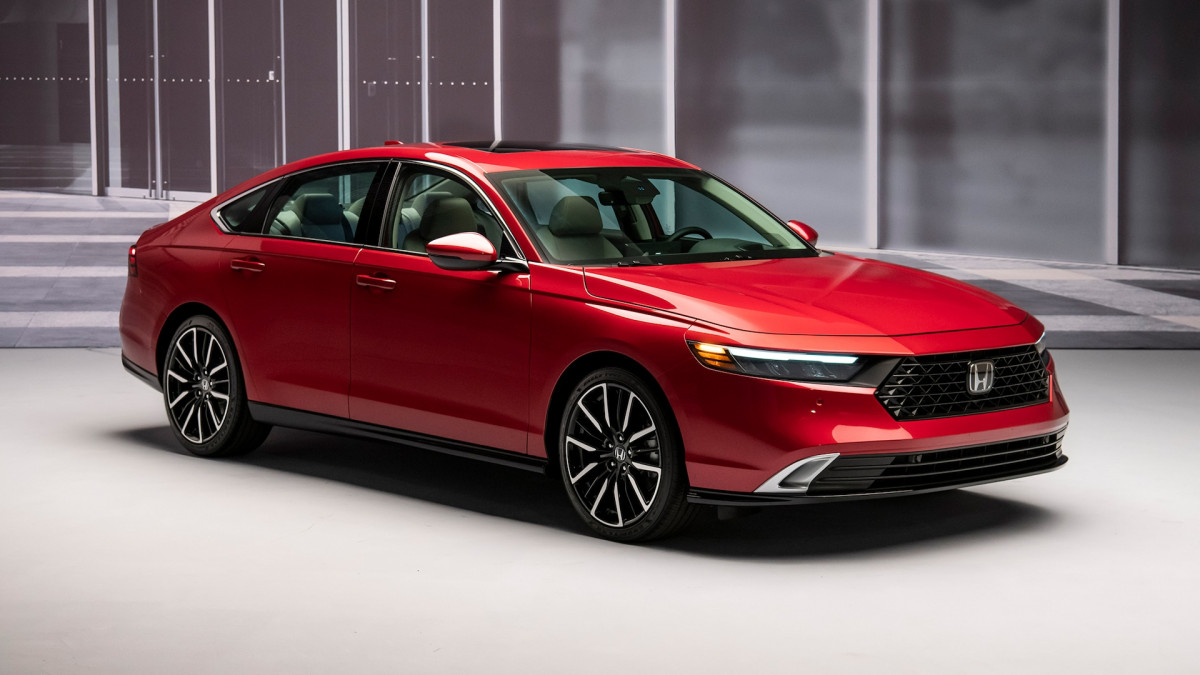
10. Honda Accord: Continuous Excellence (Exterior)
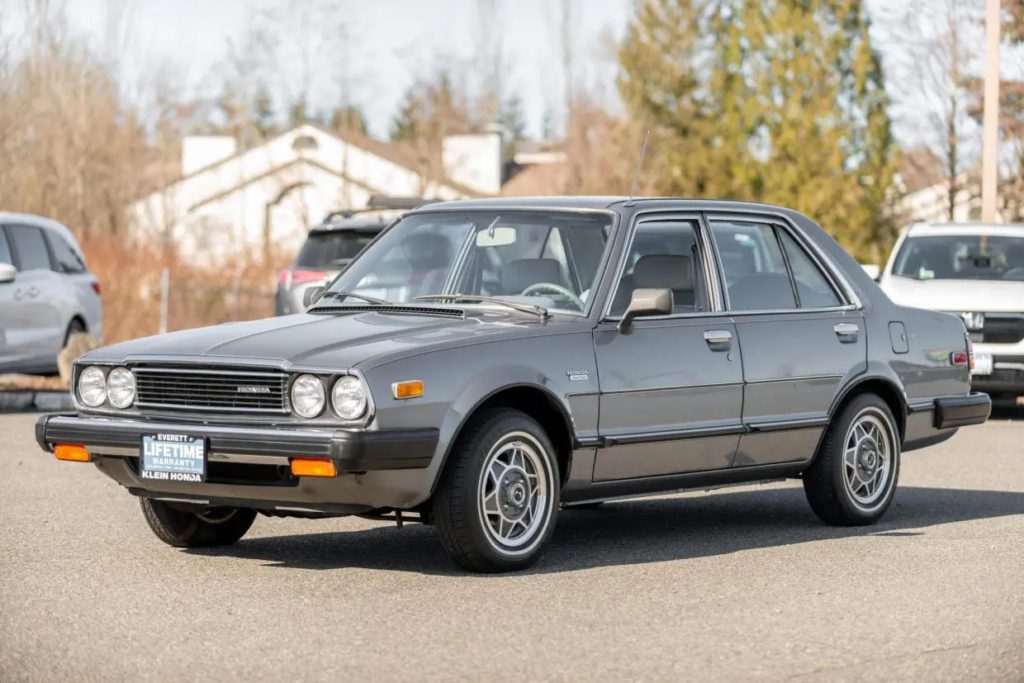
Car and Driver’s 10 Best list, 38 times. The Accord earned that record through incremental engineering improvements applied consistently across generations rather than through a single dramatic breakthrough. Early 1990s VTEC technology delivered performance and efficiency in a package that competitors were not offering at the same price point. Short-throw shifters that communicated mechanical precision. High-strength steel reducing mass before “lightweighting” became an industry marketing term. Each generation addressed the previous one’s limitations with enough discipline to compound across decades.
Honda Accord: Continuous Excellence (Interior)

Double wishbone suspension and aluminum subframes produced handling dynamics that exceeded the Accord’s segment expectations — a car that drove better than its price tag and nameplate suggested it should. The engineering philosophy was consistent: get the fundamentals right, improve them every generation, and let the cumulative result speak. The Accord’s invisibility on roads is not evidence of mediocrity — it is the specific outcome of a car that does everything it is supposed to do so reliably that owners stop noticing it and start depending on it.
9. Volkswagen TDI: Efficiency Magic (While It Lasted) (Exterior)
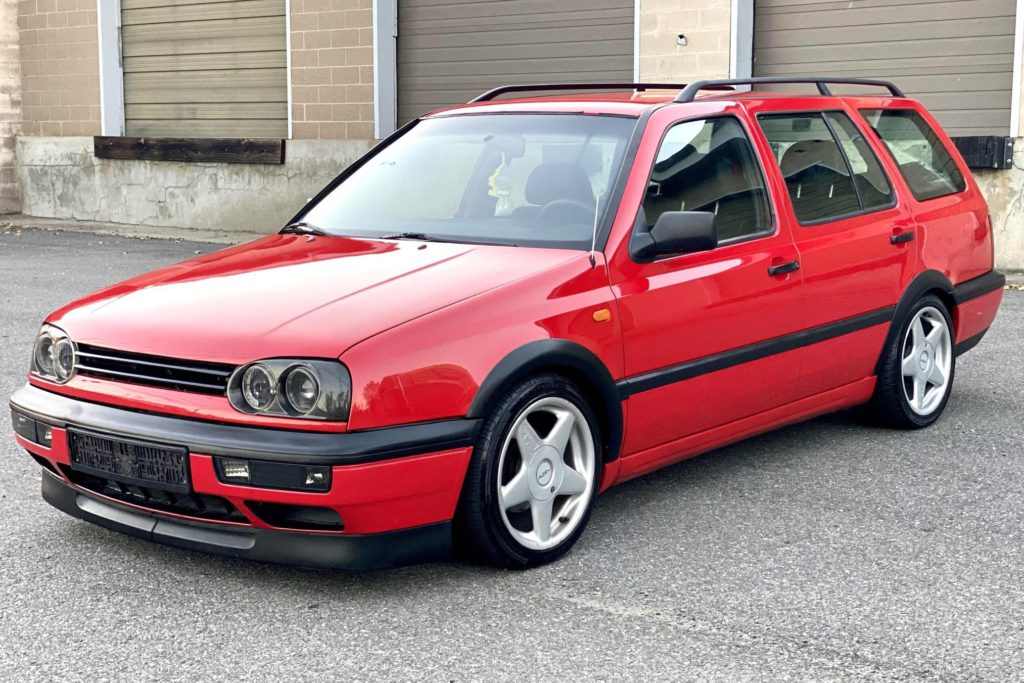
The Mark V Jetta TDI exceeded 50 mpg while delivering 155 lb-ft of torque at 1,900 RPM — low-end torque that made highway merging feel effortless rather than optimistic. The exteriors were as anonymous as any Golf-platform vehicle, which was the point: the efficiency argument lived entirely inside the engine bay rather than on the bodywork. VW’s diesel program made the case that fuel economy did not require sacrificing driving character, and it made that case convincingly for years before the emissions scandal ended it.
Volkswagen TDI: Efficiency Magic (While It Lasted) (Interior)

Direct injection at 23,000 PSI, forged steel bottom end, variable geometry turbo eliminating lag across the rev range. The TDI engines routinely crossed 300,000 miles with standard maintenance — a longevity record that reflected genuine engineering quality rather than marketing claims. The emissions defeat device that ended the program did not change what the hardware was actually capable of. The TDI demonstrated that diesel passenger cars could be genuinely desirable in the American market, a case that Volkswagen made through the engine’s merits and then undermined through the corporation’s ethics.
8. Chevrolet Astro Van: Functional Ugly (Exterior)

Body-on-frame construction and a 5,500-pound towing capacity in a package that also seated eight people — a combination that modern crossovers, for all their sophistication, still cannot fully replicate. The Astro’s exterior communicated nothing about its capabilities, which was accurate in both directions: it was not attractive and it was not limited. The truck-based underpinnings gave it versatility that purpose-built vans and purpose-built trucks both lacked, making it the vehicle you reached for when the job description included “and also carry the whole family.”
Chevrolet Astro Van: Functional Ugly (Interior)

The 4.3L V6 — essentially a small-block V8 with two cylinders removed — delivered truck-like durability in an eight-passenger configuration, producing a powertrain whose reliability record accumulated across years of commercial and family use. Barn door rear openings handled loading and unloading without the geometric challenges that sliding doors create with wider cargo. The Astro was not designed to be admired in parking lots. It was designed to work without complaint across a long service life, and it accomplished that specific objective more completely than most vehicles that were also trying to look good while doing it.
7. Ford Taurus SHO: Beige Subversion (Exterior)

The Yamaha-designed 3.0L V6 revved to 7,300 RPM — an engine character that had no business living inside Taurus bodywork and exactly the right amount of business doing so. 220 horsepower through a Mazda-sourced 5-speed manual, in a package that read as anonymous fleet transportation from every external angle. The stealth was not accidental — it was the specific appeal of a vehicle whose performance arrived as a surprise to everyone except its driver, which included the drivers of dedicated sports cars who did not see it coming.
Ford Taurus SHO: Beige Subversion (Interior)

Stiffer suspension components and larger anti-roll bars helped the SHO pull 0.88g on the skid pad — sports car lateral grip numbers in early-1990s context. The subtle exterior differences maintained the sleeper identity while the handling envelope exceeded what most dedicated sports cars of the era offered at significantly higher prices. The SHO was proof that American manufacturers could build world-class performance when they committed to the engineering rather than the badge positioning — a proof of concept that was not applied widely enough to change the underlying manufacturing culture.
6. Saturn S-Series: America’s Startup Dream (Exterior)
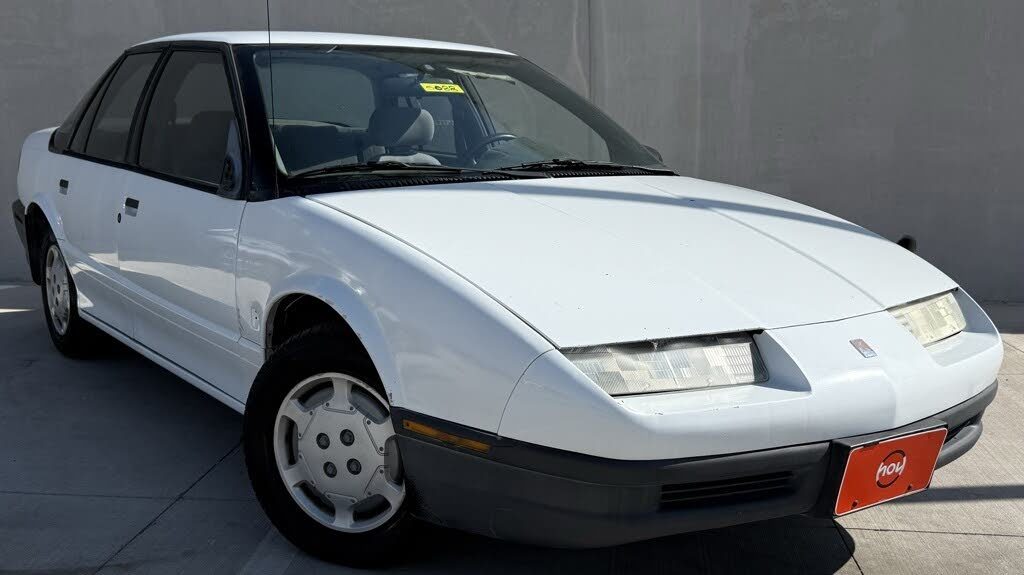
Saturn’s dent-resistant polymer body panels were a genuine engineering innovation — a practical solution to the parking lot damage that conventional steel panels accumulated over years of urban ownership. No rust, no dents from shopping cart impacts, no traditional dealership negotiation process. The Spring Hill, Tennessee facility operated under a different labor agreement and manufacturing philosophy than the rest of GM, producing a buying and ownership experience that its customers responded to with unusual loyalty for an economy car brand.
Saturn S-Series: America’s Startup Dream (Interior)

The 1.9L twin-cam was not a performance engine, but Saturn’s contribution was organizational rather than mechanical — no-haggle pricing that removed the psychological cost from car buying, lost foam casting that demonstrated American manufacturing innovation was still possible, and a customer relationship model that generated genuine brand loyalty. The experiment ended when GM’s priorities redirected the resources that sustained it. The specific lesson it offered — that the buying experience is part of the product — has been adopted selectively by the industry in the decades since.
5. Mazda 626: Economy Car Rebellion (Exterior)

Four-wheel steering in a family sedan — rear wheels angling up to 5 degrees to improve low-speed agility and high-speed stability simultaneously. The same technology that supercar manufacturers would adopt later and price as a premium feature arrived in an economy car because Mazda’s engineers were solving a handling problem rather than creating a marketing differentiator. The 626’s exterior read as a conventional Japanese family sedan of its era, with no indication that the chassis underneath it was more sophisticated than vehicles costing twice as much.
Mazda 626: Economy Car Rebellion (Interior)

The 2.5L V6 with variable intake timing produced 164 horsepower in 1993 — meaningful output at a time when most segment competitors were delivering considerably less with considerably less refinement. Multi-link rear suspension completed a chassis package that made daily driving genuinely engaging rather than merely adequate. The 626 platform later underpinned the Ford Probe, which confirms how capable the underlying engineering was — Ford recognized and reused it rather than developing an alternative. The 626 proved that affordable and engaging were compatible goals when the engineering was the priority.
4. Volvo 240: Swedish Safety Engineering (Exterior)

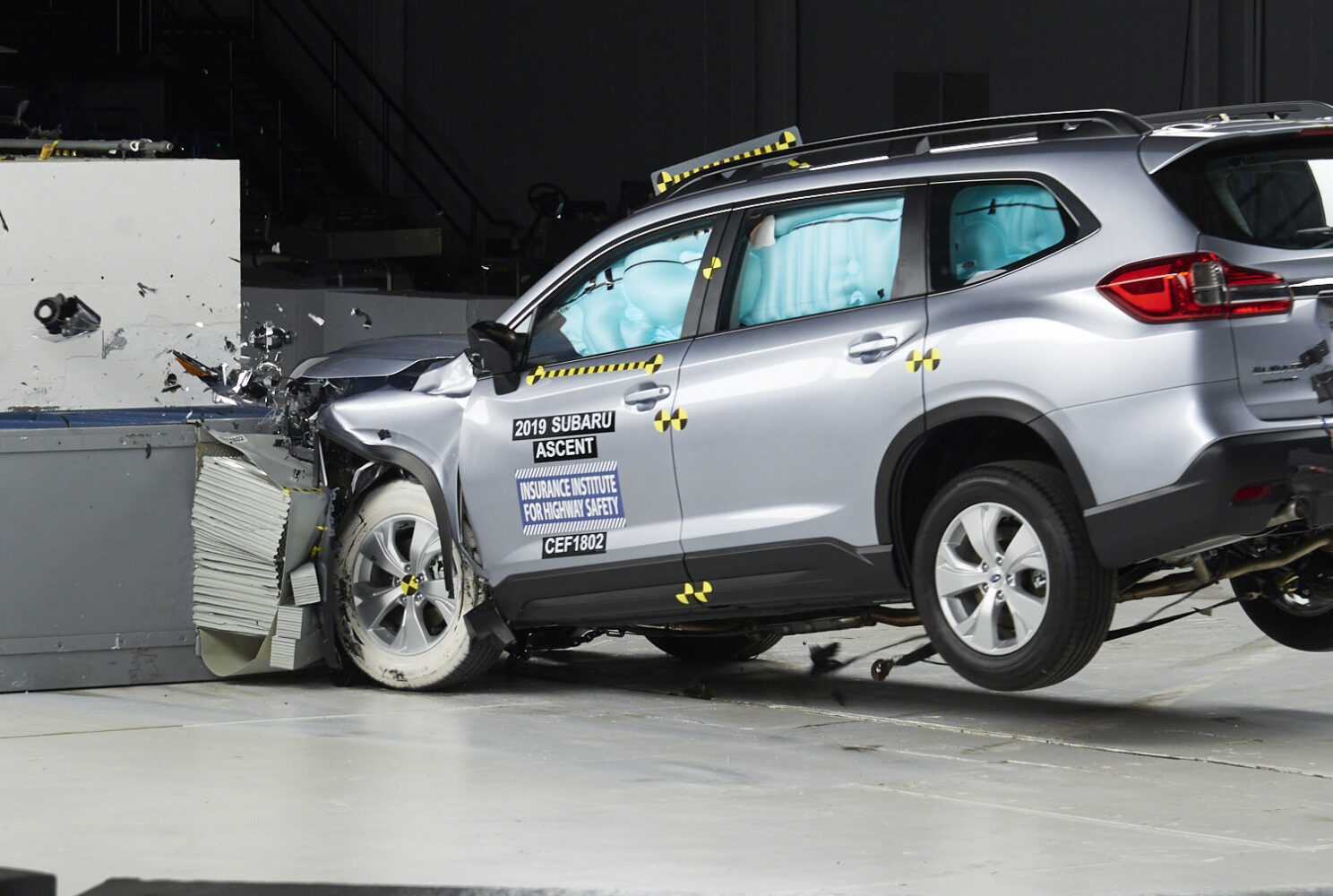
The 240’s door closes with the specific authority of a vehicle whose structural integrity was engineered rather than assumed. High-strength Swedish steel with advanced crumple zones — designed to absorb collision energy through controlled deformation rather than rigid resistance — arrived when competitors were still treating crash protection as a regulatory compliance issue rather than a primary engineering objective. The exterior proportions communicated durability accurately: upright, substantial, and completely uninterested in styling trends that would date it.
Volvo 240: Swedish Safety Engineering (Interior)

The B23 4-cylinder with forged internals and a gear-driven cam produced a powertrain that many 240s drove past half a million miles without major work. Seats designed with orthopedic input supported long drives without accumulated fatigue. Heating systems functioned in Scandinavian winters — a baseline that sounds modest until you have experienced a vehicle that does not meet it. The 240’s interior prioritized occupant wellbeing across a long service life, which produced a car that owners kept for decades not out of nostalgia but because it continued working correctly and comfortably.
3. Toyota Camry: Reliability Redefined (Exterior)

The Camry achieved the specific kind of invisibility that results from building a car so fundamentally sound that it stops generating complaints and therefore stops generating coverage. Tight panel gaps during a period when American competitors were still resolving fit and finish issues during warranty periods. The exterior communicated neither excitement nor dysfunction — it communicated nothing, which was exactly the correct outcome for a vehicle whose value proposition was consistent function over time rather than initial impression.
Toyota Camry: Reliability Redefined (Interior)

Later V6 models reached 60 mph in 7.2 seconds while being engineered for service lives that outlasted the financing. The Camry’s actual competitive achievement was raising the baseline expectation for what a family sedan should cost to own over time — a standard that forced every manufacturer to improve or accept declining market share. The Camry never made an argument for itself through excitement. It made it through accumulated evidence across millions of ownership years, which is the more durable form of persuasion.
2. Pontiac G8: Australian Muscle Immigration (Exterior)

Pontiac imported the Holden Commodore from Australia — a rear-wheel-drive platform with a 6.0L V8 producing 361 horsepower, capable of reaching 60 mph in 5.2 seconds while carrying five adults. The G8 addressed the specific gap in American performance car offerings: a vehicle with genuine rear-wheel-drive dynamics, a proper V8, adult passenger capacity, and a price point well below European competitors offering similar specifications. The exterior was restrained rather than anonymous — identifiably sporty without the visual aggression that made comparable American muscle cars impractical for daily use.
Pontiac G8: Australian Muscle Immigration (Interior)

The GXP variant used the Corvette’s 6.2L LS3 V8 — 415 horsepower in a sedan that accommodated a family and their cargo without requiring any aesthetic or practical compromise. Independent rear suspension and clean interior design distinguished it from the GM plastic-heavy interiors of the same era. The G8 is now a collector car specifically because it delivered a combination of performance, practicality, and price that the market did not replace when Pontiac ended production — a gap that proves how specifically useful the vehicle was rather than how sentimental buyers are about it.
1. Subaru Legacy GT: The Sleeper That Never Sleeps (Exterior)

The exterior is visually identical to every other Legacy in the parking lot. The 2.5L turbocharged flat-four producing 243 horsepower channeled through Subaru’s symmetrical all-wheel drive is not visible from the outside, which is precisely the point — the Legacy GT’s performance is entirely invisible until the vehicle is in motion, at which point it becomes the specific kind of surprise that performance cars with obvious visual cues cannot produce regardless of how fast they are.
Subaru Legacy GT: The Sleeper That Never Sleeps (Interior)
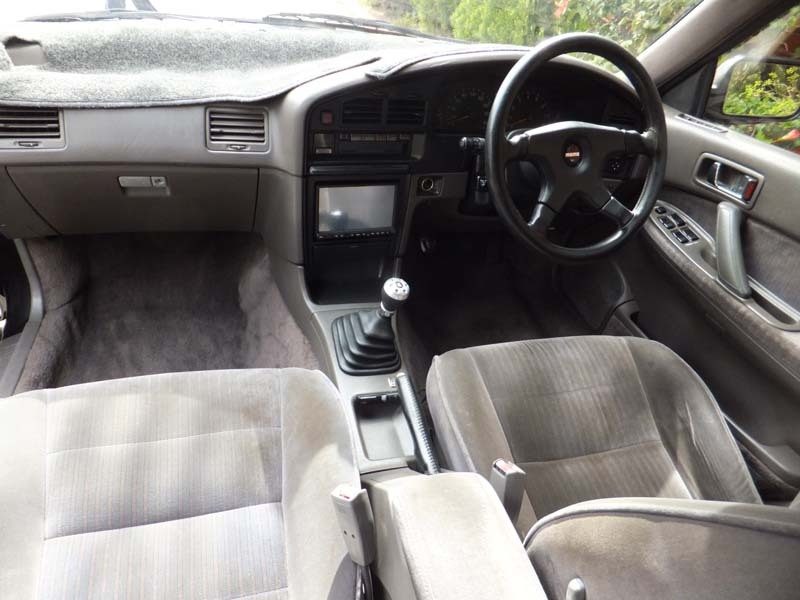
Zero to 60 in 5.7 seconds from a vehicle that costs considerably less than the cars it dispatches. MacPherson struts up front and multi-link rear suspension producing a balance between performance driving and daily comfort that most dedicated performance cars sacrifice in one direction or the other. The Legacy GT’s specific engineering achievement is not the power output or the all-wheel drive system in isolation — it is combining both with a chassis tuned for genuine driver engagement in a package that reads as a practical family sedan. Most performance cars require choosing between driving pleasure and daily usability. The Legacy GT declined to make that choice, which is the most interesting thing about it.