

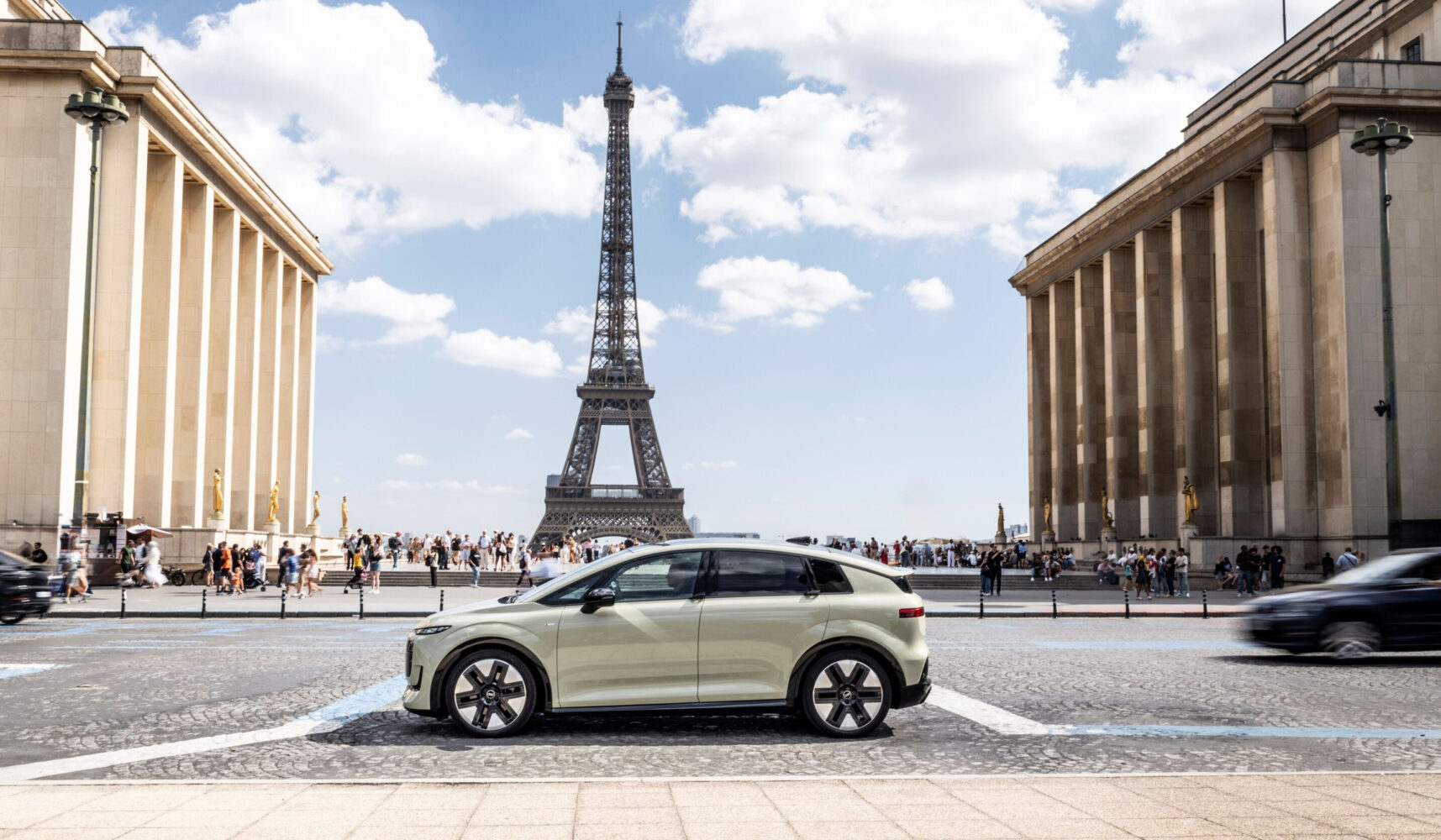
Range anxiety didn’t kill European EV adoption. Charging anxiety did — that creeping dread of a 45-minute pitstop on a motorway in February. Audi unveiled the A2 e-tron in Paris on September 8, 2026, with CEO Gernot Döllner framing it plainly: make electric mobility “easier, more efficient and more convincing for everyday life.” The nameplate matters here. The original A2 was a lightweight efficiency obsessive, discontinued before buyers caught up to the idea. The e-tron revival inherits that philosophy and drops it into a market that’s finally paying attention — among the cars coming in this launch window worth serious consideration.
What the Numbers Actually Mean
Strong efficiency figures deserve honest context — and the A2 e-tron earns scrutiny and credit in equal measure.
Audi claims 12.8 kWh per 100 km on the WLTP cycle — its lowest consumption figure for any series-production vehicle, according to the company. The 401-mile (646 km) WLTP range belongs to the 84 kWh variant specifically. Those two figures are not the same trim. Conflating them produces a misleading composite picture. A drag coefficient of 0.24 does the structural work behind both numbers — compact body, clean airflow, fewer kilowatts wasted fighting physics. As many testing experts note, WLTP figures tend to flatter real-world results, but the efficiency baseline here is genuinely notable for this class of car.
Key specs across the three battery options:
- Battery and power: Three sizes — 52 kWh, 61 kWh, and 84 kWh — with four power outputs from 125 kW to 240 kW
- Charging speeds: The 52 kWh hits 10–80% in roughly 24 minutes at 100 kW; the 61 kWh takes about 25 minutes at 105 kW; the 84 kWh manages the same window in about 29 minutes at up to 183 kW DC
- Smart charging: Bidirectional charging and vehicle-to-load (V2L) support, meaning the battery can power external devices
- Availability: German pricing from €38,200; European orders open September 10; deliveries expected from December 2026; production in Ingolstadt
The Charging Window Is the Real Argument
Twenty-nine minutes from 10% to 80% is the number that rewrites the road-trip calculation.
European buyers haven’t been shy about stating what stops them — not range on paper, but confidence that charging won’t wreck a Saturday. That 29-minute fast-charge window on the 84 kWh version is Audi’s direct answer. It’s roughly a coffee and a bathroom break — the kind of math that holds up outside a press release.
“The A2 e-tron makes e-mobility easier, more efficient and more convincing for everyday life.” — Gernot Döllner, Audi CEO, per Audi

The original A2 was ahead of its time and paid for it commercially. The e-tron version arrives when infrastructure, buyer appetite, and technology have finally aligned. That alignment shouldn’t be romanticized, though — the real verdict comes in December 2026, when cars reach owners and WLTP figures meet the A8 motorway in January.
The Price of Practicality
At €38,200, Audi isn’t selling thrills — it’s making the case that compromise is no longer the cost of going electric.
That base price drops the A2 e-tron into fiercely competitive compact EV territory. Audi’s bet is that efficiency, charging speed, and a familiar nameplate outweigh the spec-sheet arms race. Whether enough buyers agree becomes clear by Christmas — though data on the affordable new car market suggests the pricing challenge runs deeper than any single model launch.