

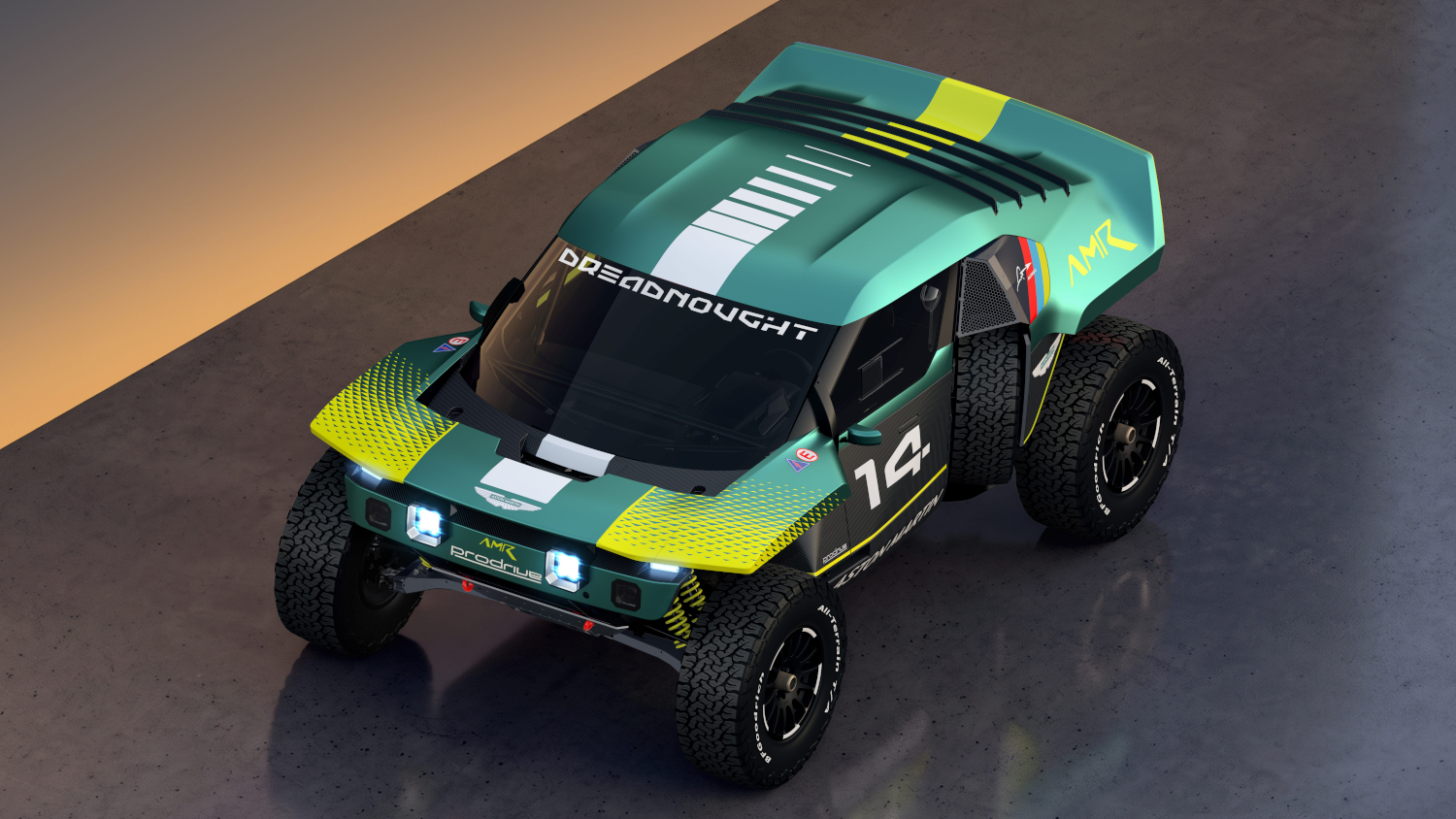
British luxury marques don’t typically show up at one of motorsport’s most punishing endurance events. Fernando Alonso does. The two-time Formula 1 World Champion will lead Aston Martin Racing’s debut Dakar Rally programme in January 2027, joined by Sébastien Loeb and Lucas Moraes across three Prodrive-built Dreadnought rally-raid cars. The race returns to Africa for the first time in 20 years, running from Loulé, Portugal to Marrakech across 12 stages.
Three Drivers, Zero Excuses
The 2027 lineup combines Formula 1, World Rally, and World Rally-Raid championship pedigree in a single programme — a depth of credentials rarely assembled for any Dakar debut.
Alonso contested the 2020 Dakar for Toyota, finishing 13th on his first attempt. Loeb brings nine FIA World Rally Championship titles and 28 Dakar stage victories. Moraes is the reigning FIA World Rally-Raid Champion who finished third on his Dakar debut in 2023. Put those three in the same garage and the word “vanity project” loses all traction — this is genuine competitive intent.
Prodrive builds and runs all three Dreadnoughts across a route totalling 7,824 kilometres — 4,341 kilometres of it competitive — opening January 9 with a prologue in Loulé and finishing in Marrakech on January 23. That makes 2027 Dakar’s first return to African soil in roughly 20 years, with recent editions having been held in Saudi Arabia. Full powertrain, suspension, and competition weight specifications remain unconfirmed by Aston Martin or Prodrive.
A Car Born in Pixels
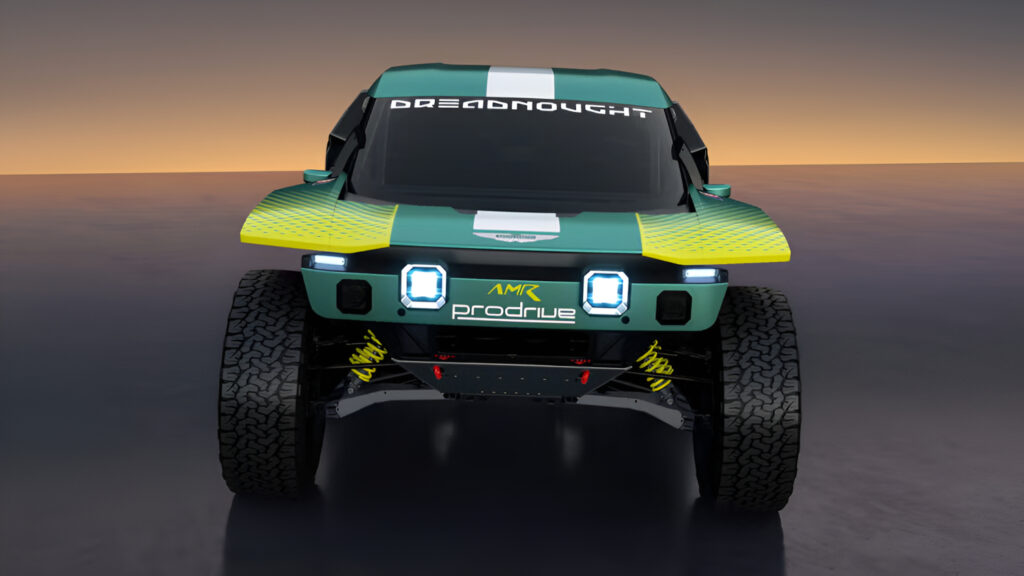
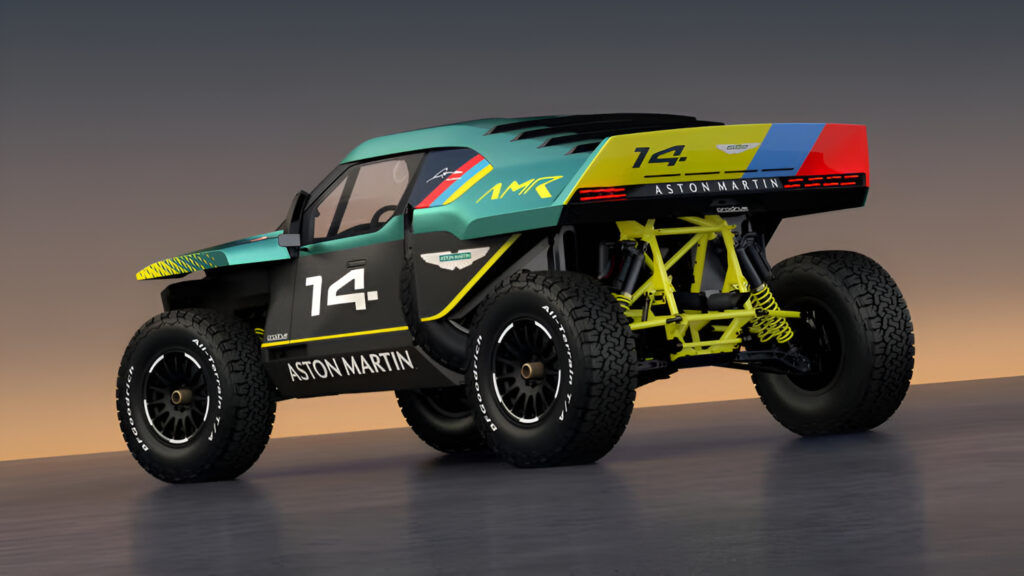
The Dreadnought name traces back to a digital-only military SUV Aston Martin designed for Call of Duty: Modern Warfare 4 — and now Prodrive is turning that aesthetic into something that must survive desert heat and dune fields.
The competition car carries over the concept’s aggressive proportions and design language. What remains absent — because neither Aston Martin nor Prodrive has said — is any confirmed powertrain or chassis detail. Prodrive’s rally-raid experience is substantial; the organisation built and ran the BRX Hunter and contributed to the Dacia Sandrider programme. That operational depth is what separates this entry from a badge-engineering exercise. The mechanical reality of the Dreadnought stays unconfirmed until an official announcement arrives.
Africa Sorts Out What’s Real
Dakar’s return to Morocco after two decades brings desert heat, genuine dunes, and terrain that exposes every mechanical and human weakness across 4,341 competitive kilometres.
The 2027 route stages through Bouarfa, Zagora, Agadir, and Smara before the rally concludes in Marrakech on January 23. Africa is where the original Dakar mythology was forged, and returning there after two decades raises the competitive stakes considerably — because the landscape doesn’t negotiate with reputation.
Full technical specifications, the testing schedule, and competitive targets are still unannounced. The first real benchmark arrives January 9 in Loulé, when the prologue clock starts and three accomplished drivers discover exactly what a video-game concept is genuinely made of.