

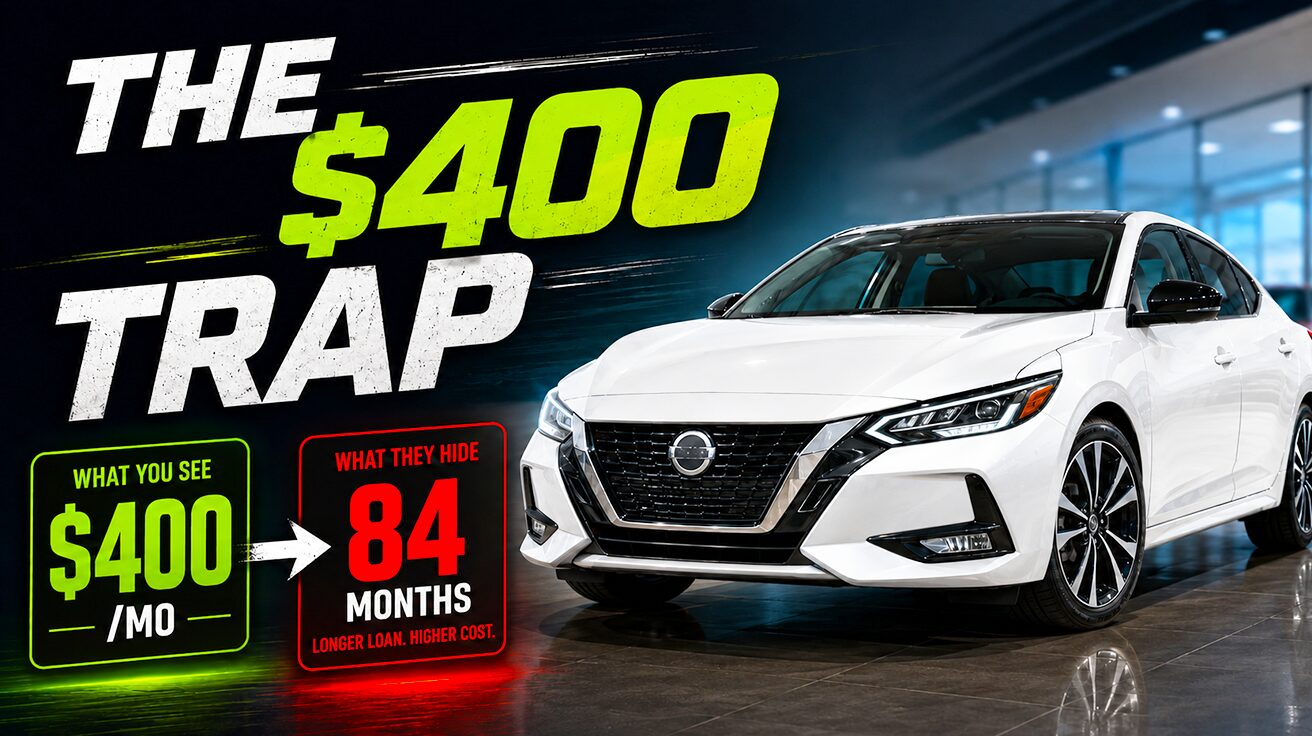
Revealing your exact down payment amount up front hands a dealer a significant bargaining chip. Many car buyers, eager to hit the road in a new machine, unwittingly use phrases that weaken their negotiating position. These seemingly innocent statements often broadcast your vulnerabilities to sales staff. Understanding what not to say (and what to always say!) is as crucial as knowing what to look for under the hood.
1. Disclosing Your Down Payment

Announcing your down payment upfront hands dealers the keys to manipulate your entire deal.
Revealing your exact down payment upfront is a strategic misstep during car negotiations. When you declare, “I have $2,500 to put down,” you hand the dealer a critical bargaining chip. They gain undue leverage, able to manipulate the loan term, interest rate, and fees to hit your desired monthly payment while inflating the total cost of the car.
Negotiation experts advise focusing on the “out-the-door price” first—the vehicle price, taxes, and fees bundled together. Keeping your down payment details private preserves leverage. By withholding that $2,500 figure, you ensure the dealer presents their best price for the car itself, preventing them from using your financing as a flexible target to obscure the real cost.
2. Focusing on Monthly Payments

Monthly payment negotiation lets dealers stretch your loan to 84 months while you think you’re getting a deal.
Negotiating a car purchase based on the monthly payment figure is widely considered one of the biggest car-buying mistakes, according to Consumer Reports. Dealers can easily adjust loan terms to 84 months or hike interest rates to hit your requested monthly payment. This approach extends the loan duration, transforming a seemingly affordable $400 monthly cost into a financial marathon you never intended.
This common dealership maneuver effectively hides the true total cost of the vehicle. While knowing your own monthly budget is crucial for planning, experts stress you should never disclose that number to sales staff during negotiations. Consumer guidance, including that from CarEdge and independent consumer platforms, consistently recommends focusing on the single, non-negotiable out-the-door price. Only by fixing that bottom line first can you avoid overpaying when the paperwork is signed.
3. Anchoring Your Trade-In Value
Naming a specific trade-in number too early can anchor your vehicle’s worth thousands below its true value.
Stating a specific trade-in value, like “$15,000,” too early in a negotiation can anchor your vehicle’s worth significantly below its true market value. Dealers might readily agree to your lowball figure, even if tools like Kelley Blue Book suggest your car is worth much more. You hand them a gift, letting them effectively hide discounts on the new vehicle by lowballing your trade-in and blending the two numbers into one opaque deal.
To avoid this pitfall, research your trade-in value independently beforehand using pricing tools. Major car-buying guides advise researching your trade-in value in advance and separating trade-in negotiation from the new-car price discussion. Lock down the new car’s price first, then address your trade-in. This separation ensures you understand the true value of both transactions, preventing dealers from obscuring margins.
4. Strategic Deferral of Trade-In Discussion

Postponing trade-in talk keeps dealers from blending numbers to hide where you’re actually losing money.
Many car-buying guides advise holding off on discussing your trade-in until the new vehicle’s purchase price is written down. By deliberately postponing the trade-in discussion, you keep the focus squarely on securing the best price for the new vehicle first. Handling trade-in and purchase as two separate negotiations makes it easier to see whether you’re getting a fair deal on each, instead of a blended offer that hides margins.
Negotiation guides advise responding to trade-in questions with a neutral statement—that you’ll discuss it later—until the purchase price is written down. Always know your independent trade-in estimates before you negotiate; this research gives you a benchmark when you eventually discuss your trade, helping you avoid significant under-valuation.
5. Revealing Urgency

Signaling you’ll buy today kills your strongest negotiating tool: the ability to walk away.
Statements that signal you need or plan to buy today convey urgency and reduce your leverage, encouraging higher-pressure tactics and weaker offers. The moment you blurt, “I could buy this car today if the price is right,” you tell the dealer you are less likely to walk away. That ability to exit the conversation is your strongest weapon.
Negotiation experts advise maintaining the ability to say ‘no’ and walk away, and avoiding language that sounds desperate or time-constrained. It is more effective to ask for the dealer’s best out-the-door price and then calmly decide, rather than indicating upfront that you’ll buy today if they “get to the right price.” The sharpest deals appear when you keep your options open, giving you freedom to choose your path.
6. Empowering Your Negotiation

Letting dealers present their figure first reveals how low they’ll actually go before you commit to anything.
Letting the dealer present their figure first is a common negotiation principle; it helps reveal how low they are initially willing to go and prevents you from low-anchoring yourself. Asking directly for the best price or out-the-door price forces the dealer to consolidate all fees, add-ons, and discounts into one clear number.
When you frame your response as “I’ll decide if it’s acceptable,” you preserve your leverage by not committing and by keeping the option to walk away. Written or clearly stated best-price quotes also make it easier to compare offers across multiple dealerships and invite counter-offers. You are not committed to buying today; you are strategically evaluating.
7. The Peril of Playing Uninformed

Pretending you don’t understand the numbers makes it easier for sales staff to introduce unfavorable terms.
Experienced advisors emphasize that buyers should do your homework: research vehicle value, typical transaction prices, and their own budget before visiting a dealer. Pretending not to understand pricing or financing can make it easier for sales staff to introduce unfavorable terms, add-ons, or fees without challenge.
Knowing and demonstrating awareness of your budget, the car’s fair market value, and alternative options typically leads to more competitive offers and less pressure. Resources like pricing guides, dealer websites, and online quotes help buyers arrive informed and reduce the risk of overpaying. If you know a car’s fair market value is $32,000, you are equipped to counter an inflated initial price.
8. Avoiding Desperation

Revealing your current vehicle is failing signals desperation and shifts negotiating power to the dealer.
Statements that your current vehicle is failing or on its last leg signal desperation, which can shift negotiating power to the dealer. Guides on what not to say when buying a car consistently warn against revealing that you urgently need a vehicle, as it encourages harder sales tactics and weaker discounts.
Maintaining a calm, non-desperate posture helps you preserve the ability to walk away and shop elsewhere, which usually results in better pricing. Negotiation professionals suggest minimizing personal hardship details because they are not relevant to pricing and can unintentionally weaken your position. For any serious driver, emotional neutrality is the ultimate performance upgrade, securing the best out-the-door price.
9. Distinguishing Wants from Needs

High-end features can add thousands to MSRP; flexibility on non-essentials expands your options and saves cash.
Features such as a hands-free liftgate (power liftgate that opens via foot-sensor or keyfob) are convenience upgrades that typically appear on mid- and high-trim levels and can increase the vehicle’s purchase price noticeably. “High-end upgrades” often include premium audio systems, leather upholstery, advanced infotainment, and appearance packages, which can add thousands of dollars to MSRP.
Consumer advice frequently encourages buyers to distinguish “wants” from “needs”, building their configuration around safety, reliability, and core functionality before adding luxury or convenience options. Being flexible about non-essential features can expand the pool of acceptable vehicles and help keep the purchase within a realistic budget. Focusing on necessities first, rather than chasing every shiny option, ensures you can hit the open road without breaking the bank.