


The 2025-2026 model period produces a genuinely varied field. A hybrid flagship SUV with 457 horsepower and 33-inch all-terrain tires. A subcompact crossover with standard all-wheel drive and an estimated 45 mpg city. An eighth-generation sport sedan with both gas and electric M3 variants. A retro-bodied body-on-frame Toyota priced below the full Land Cruiser. These are vehicles with specific engineering arguments rather than incremental updates, and that distinction matters when the alternative is a market full of models that changed only their grille treatment.
11. 2025 Toyota Crown (Exterior)
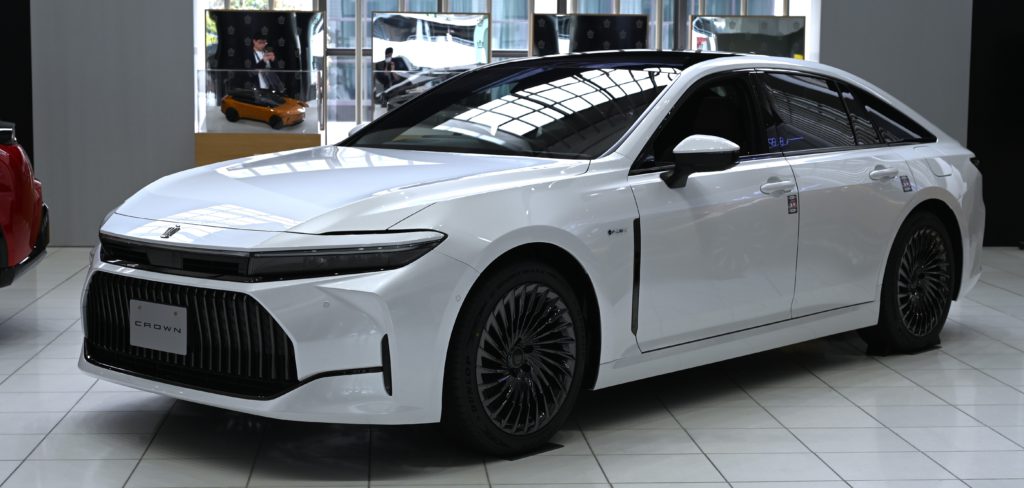
The Crown uses an elevated ride height and fastback roofline to sit between sedan and crossover — a deliberate positioning rather than an indecisive one. The base hybrid produces 236 horsepower with 42 mpg highway efficiency. The Platinum trim adds a turbocharged hybrid system producing 340 horsepower and reaching 60 mph in approximately 5.6 seconds — performance figures that exceed what the Crown’s restrained exterior suggests.
2025 Toyota Crown (Interior)
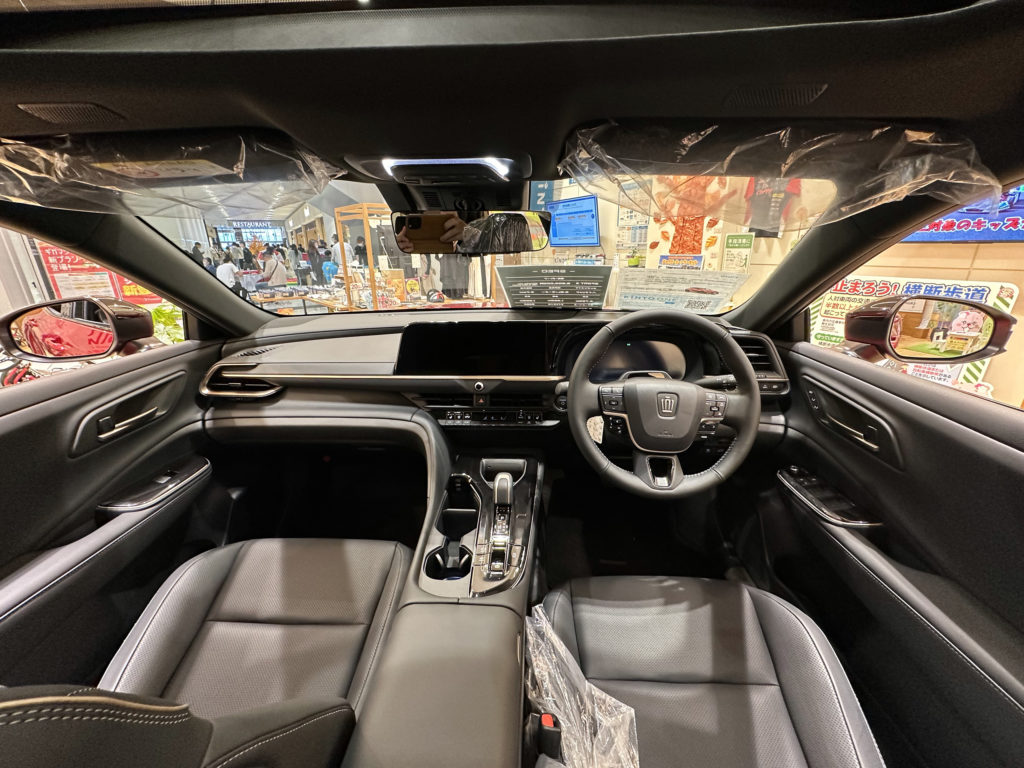
The 12.3-inch display responds reliably to touch input — a basic expectation that a surprising number of current touchscreen systems fail to meet consistently. Premium materials and thoughtful design produce a cabin that reads above its price point. Heated and ventilated seats, a panoramic roof, and wireless charging complete the package. For more from Toyota’s current lineup, the 2026 Toyota lineup covers what comes next.
10. 2025 Mercedes AMG GLE-Class (Exterior)
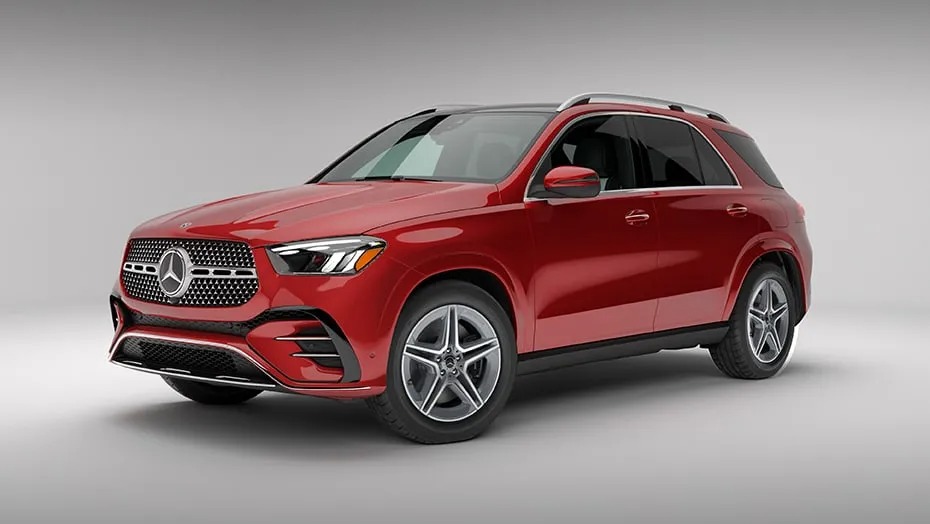
The GLE 63 produces 429 horsepower with a 4.4-second 0-60 mph time while maintaining genuine family hauling capability. The GLE 63 S escalates to 603 horsepower and 3.7 seconds to 60 mph. Both configurations pair mild hybrid technology with a 9-speed automatic transmission and all-wheel drive — the performance case for a three-row SUV platform, made without any obvious tradeoff in practical capability.
2025 Mercedes AMG GLE-Class (Interior)
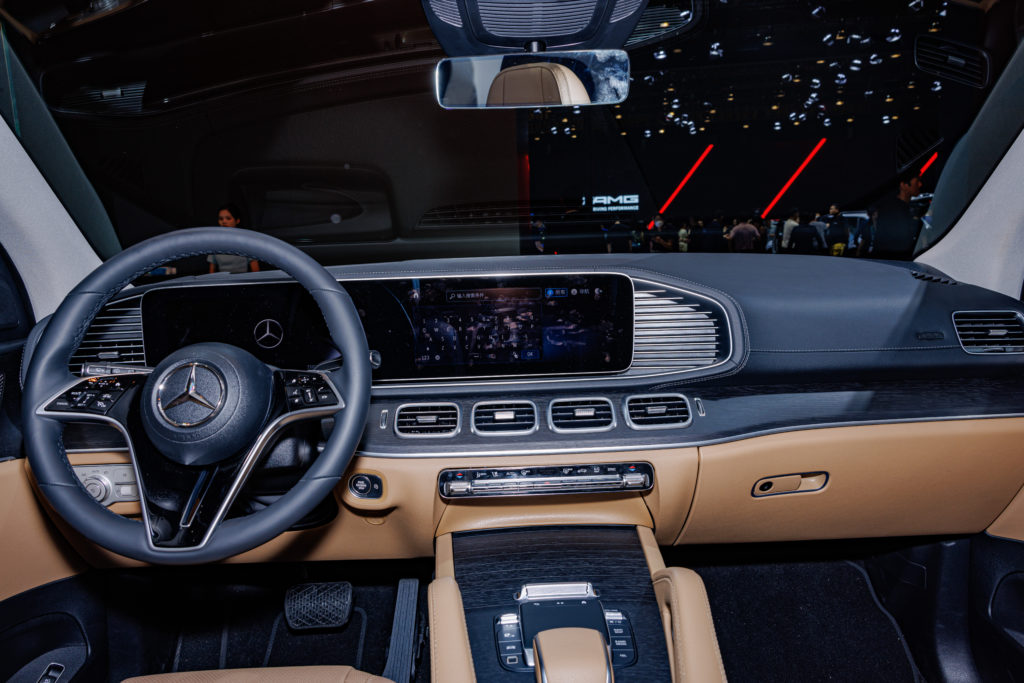
The MBUX infotainment system responds to voice commands on first attempt — a reliability standard that makes the system genuinely useful rather than a feature to demo and then avoid. New Napa leather options advance the interior beyond standard premium SUV specification. Multiple display screens provide driving information without fragmenting the driver’s attention, and advanced driver assistance operates in the background without constant notification intrusions.
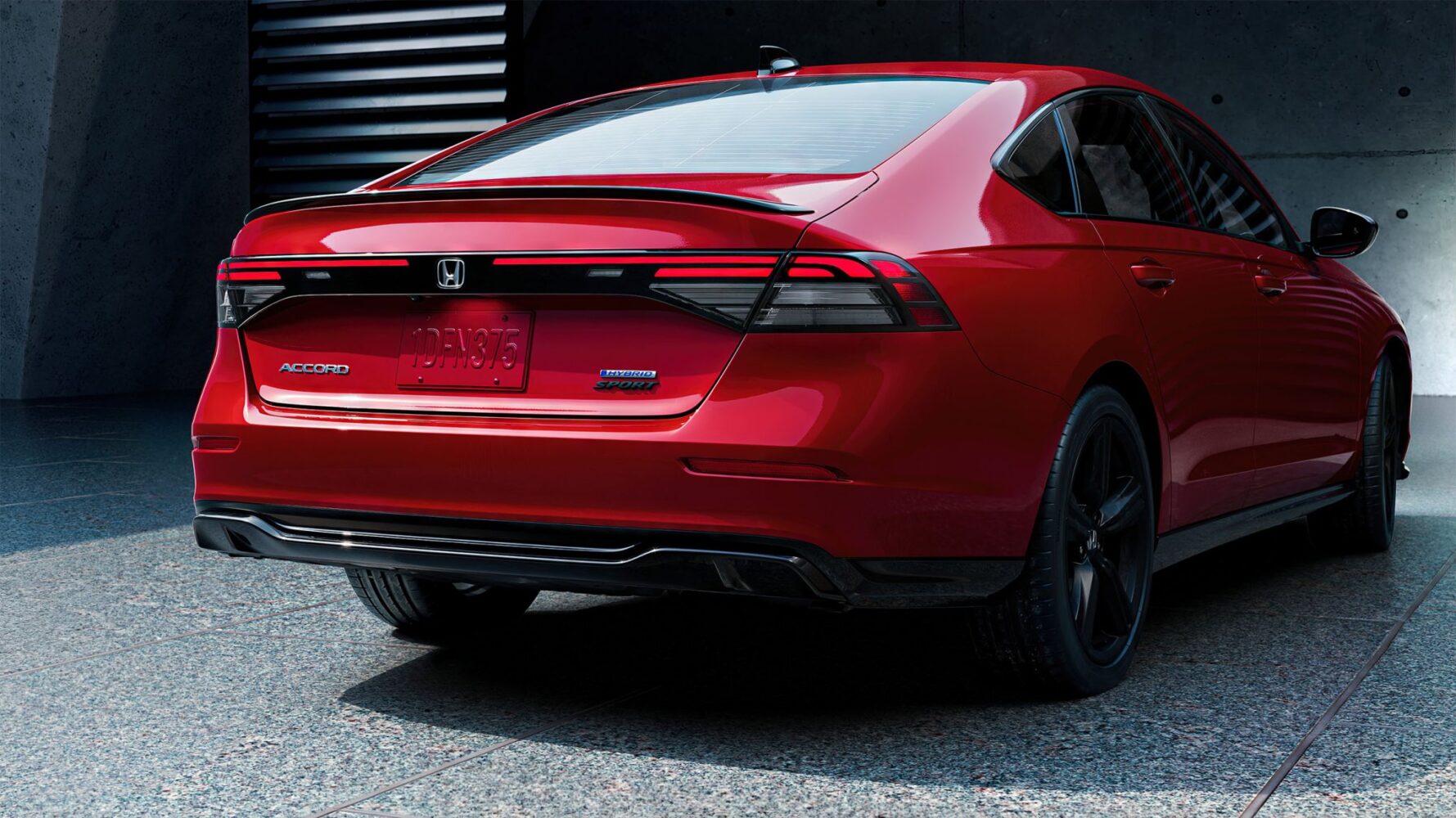
9. 2025 Honda Accord (Exterior)
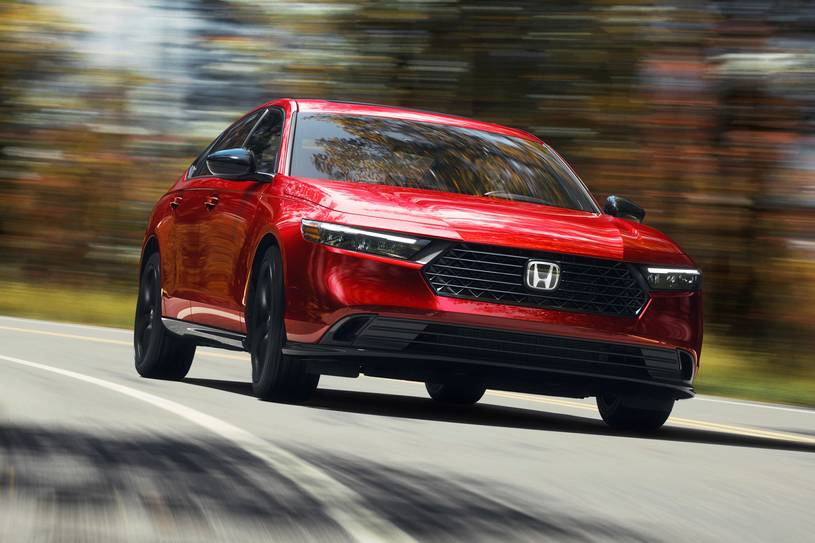
The 1.5L turbo produces 192 horsepower in standard configuration. The hybrid delivers 204 horsepower with 46 mpg city and 41 mpg highway, reaching 60 mph in 6.7 seconds — efficiency and acceleration figures that exceed most crossovers at significantly higher price points. The Accord’s value argument is straightforward: more performance and better fuel economy than vehicles that cost more, in a package that does not require any aesthetic or practical compromise to justify the choice.
2025 Honda Accord (Interior)
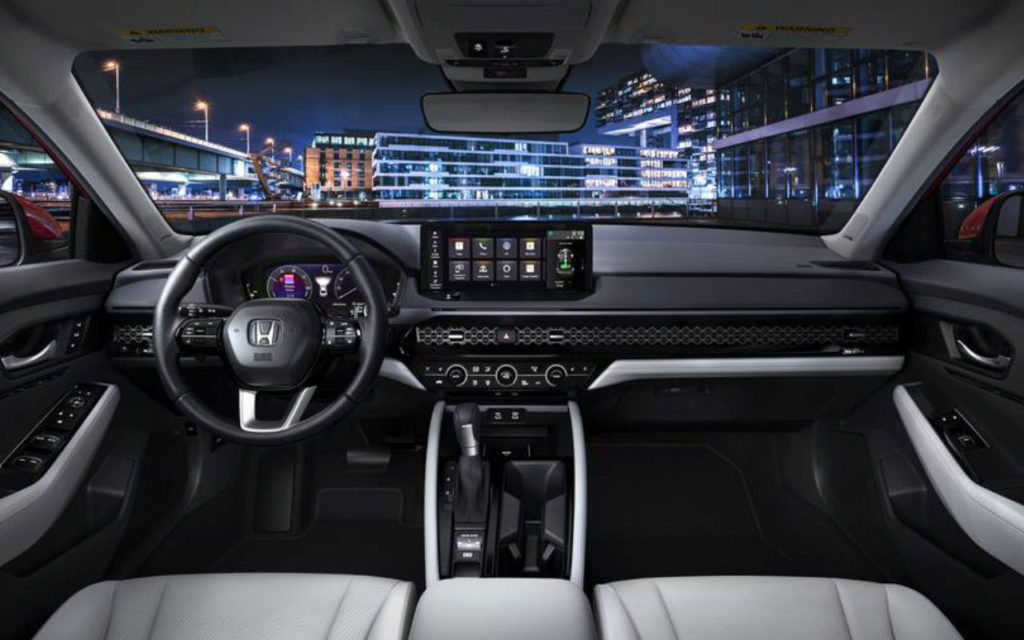
Honda Sensing operates in the background without constant alerts — a calibration choice that reflects Honda’s understanding that intrusive safety systems train drivers to disable them. The optional 12.3-inch screen keeps interface complexity proportional to the vehicle’s positioning. The Special Edition trim adds black styling accents that read as intentional rather than cosmetic. Rear seat space accommodates adults rather than simply providing technical compliance with rear passenger requirements.
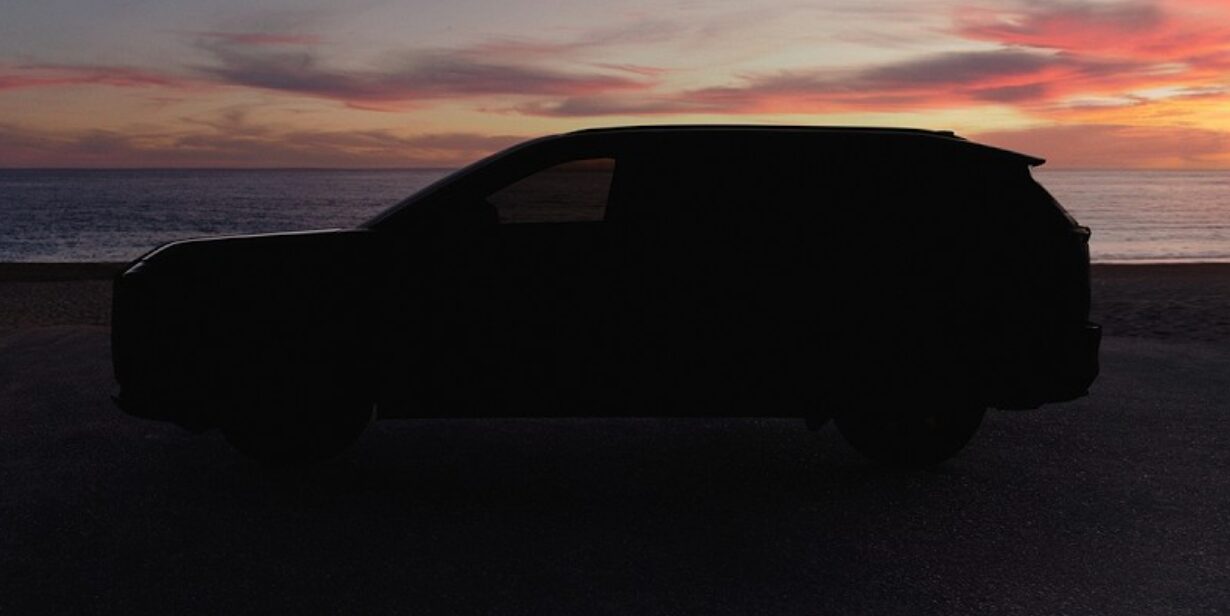
8. 2026 Toyota RAV4 (Exterior)
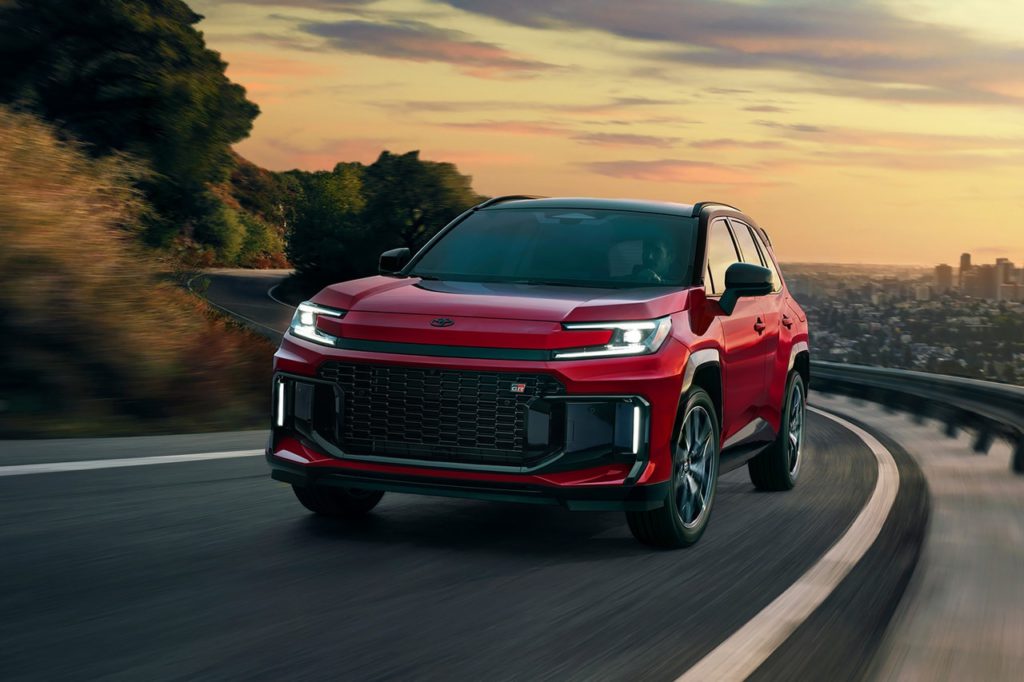
The 2026 RAV4 goes hybrid-only — the clearest signal of Toyota’s electrification direction in its highest-volume segment. The standard hybrid produces 226 horsepower with front-wheel drive or 236 with all-wheel. The PHEV variant is expected to deliver 320 horsepower with approximately 50 miles of electric range and DC fast charging support — specifications that await official EPA confirmation before the on-sale date.
2026 Toyota RAV4 (Interior)
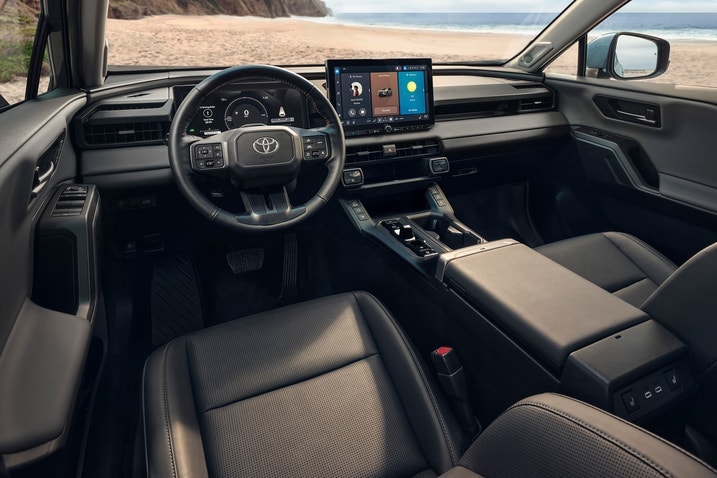
The redesigned RAV4 addresses the interior material complaints that current owners have consistently raised — improved fit, finish, and surface quality relative to the outgoing model. Toyota Safety Sense 3.0 brings updated driver assistance technology. More interior space and cargo capacity are expected alongside the material improvements, though final production specifications will be confirmed closer to the launch date.
7. 2026 Subaru Outback (Exterior)
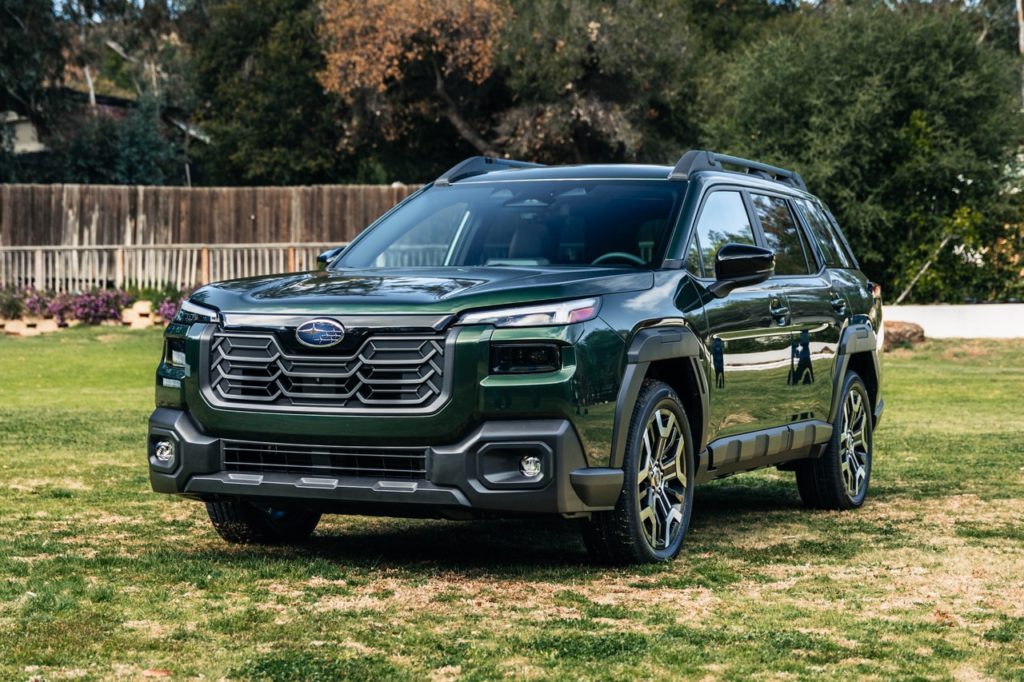
The 2026 redesign moves the Outback toward a more overtly rugged profile — taller, more muscular, with exterior design language that communicates capability more directly than the current generation. The base 2.5L engine produces 182 horsepower, while the turbocharged 2.4L produces 260 horsepower for buyers who need the additional output. Subaru’s all-wheel drive system continues as standard across the lineup. More context on the direction of this redesign is available at Business Insider’s coverage of the platform shift.
2026 Subaru Outback (Interior)
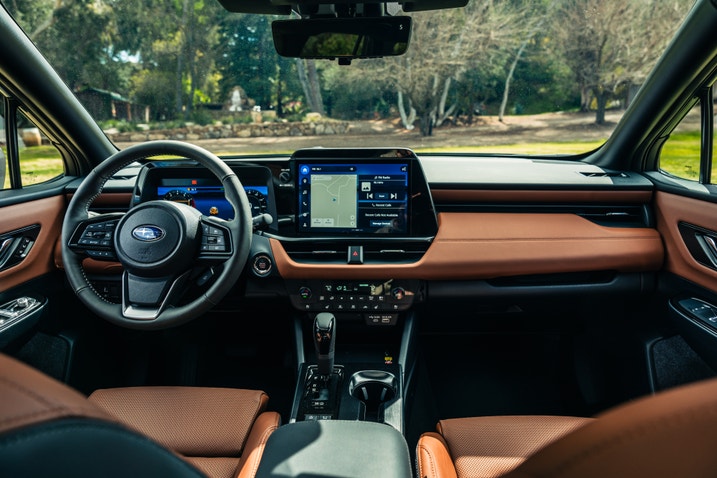
Enhanced sound deadening is expected to address road noise — a consistent complaint from current Outback owners on highway miles. More durable interior materials and improved ergonomics are anticipated alongside the exterior’s design language shift. Enhanced EyeSight safety features and improved infotainment are expected; final interior specifications will be confirmed at official reveal. The 2026 Outback’s interior improvements are framed around the specific feedback patterns of current owners rather than aspirational comparisons to other segments.
6. 2025 Lexus LX 700h (Exterior)
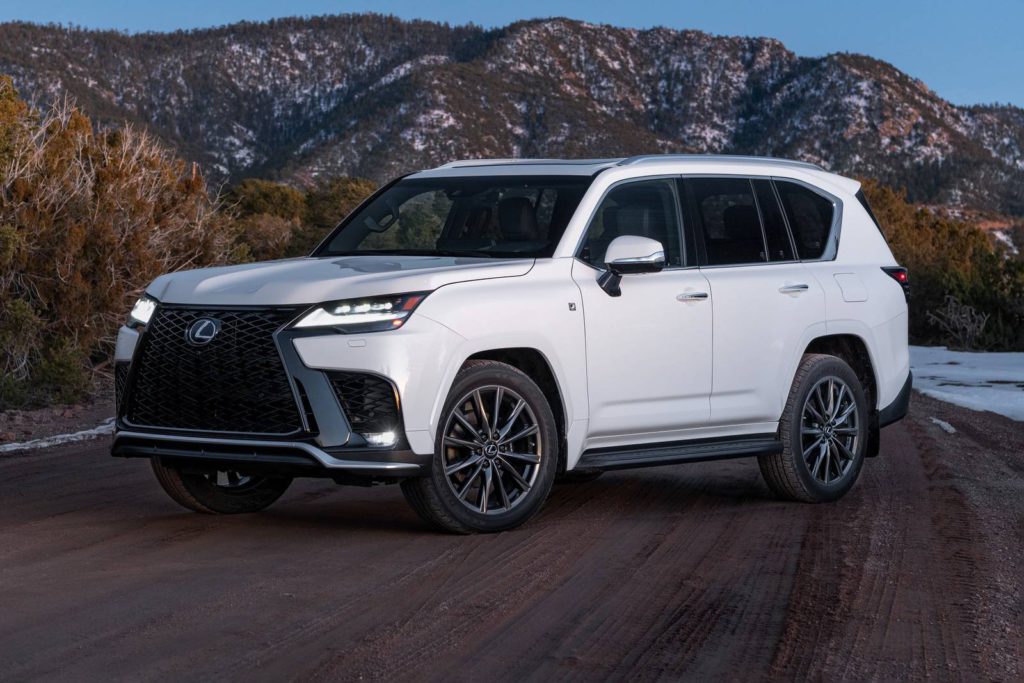
The LX 700h pairs a 3.4L twin-turbo V6 with an electric motor to produce 457 horsepower and 583 lb-ft of torque — output that makes the hybrid system’s presence an engineering argument rather than a fuel economy compromise. The Overtrail trim adds 33-inch all-terrain tires on an 18-inch wheel setup for buyers whose use case extends beyond the pavement where most luxury SUVs spend their entire service lives.
2025 Lexus LX 700h (Interior)
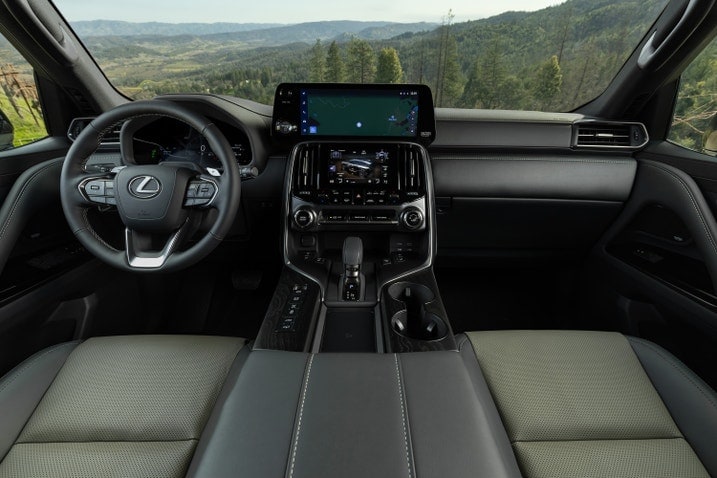
The LX 700h delivers the execution quality that six-figure SUV pricing requires. Lexus Safety System+ 3.0 provides comprehensive driver assistance without intrusive calibration. The largest touchscreen Lexus offers manages infotainment and vehicle settings with improved responsiveness. Premium materials and craftsmanship throughout the cabin meet the standard the LX nameplate has maintained across generations. For buyers looking at the luxury segment with a significantly tighter budget, these high-end cars now selling below Corolla prices cover the other end of the range.
5. 2026 BMW 3 Series (Exterior)
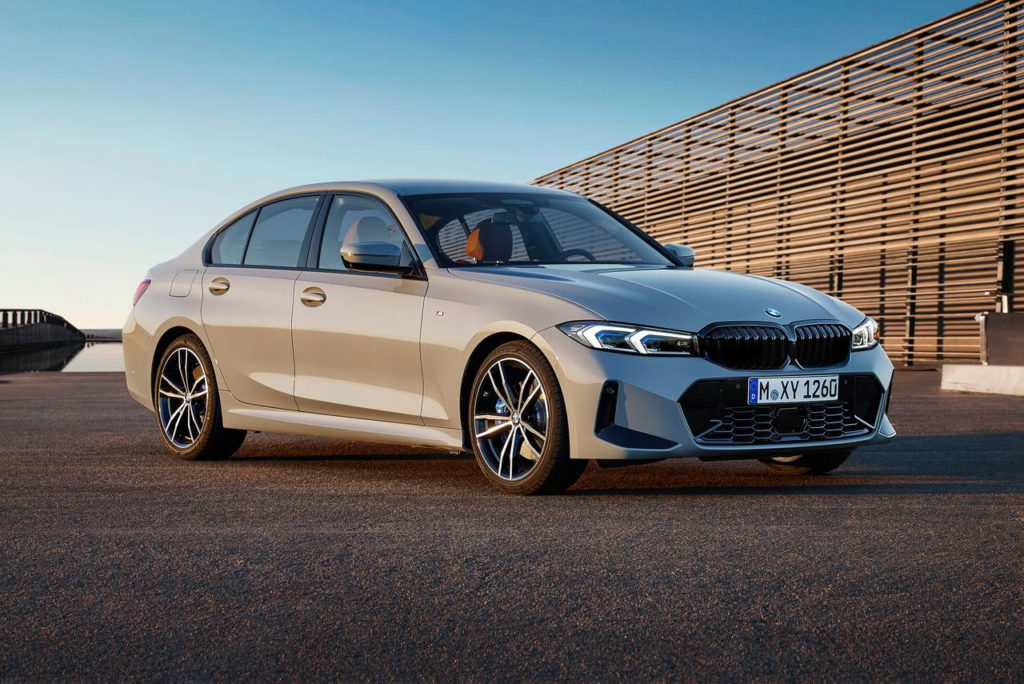
The eighth-generation 3 Series adopts styling influenced by the Neye concept, with turbocharged four and six-cylinder engines returning across the lineup. The M3 arrives in both conventional and electric variants — a significant development for a nameplate that has defined the performance sedan segment across seven previous generations. Refined driving dynamics and daily usability are the consistent priorities across 3 Series generations; the eighth continues that engineering priority rather than redefining what the car is.
2026 BMW 3 Series (Interior)
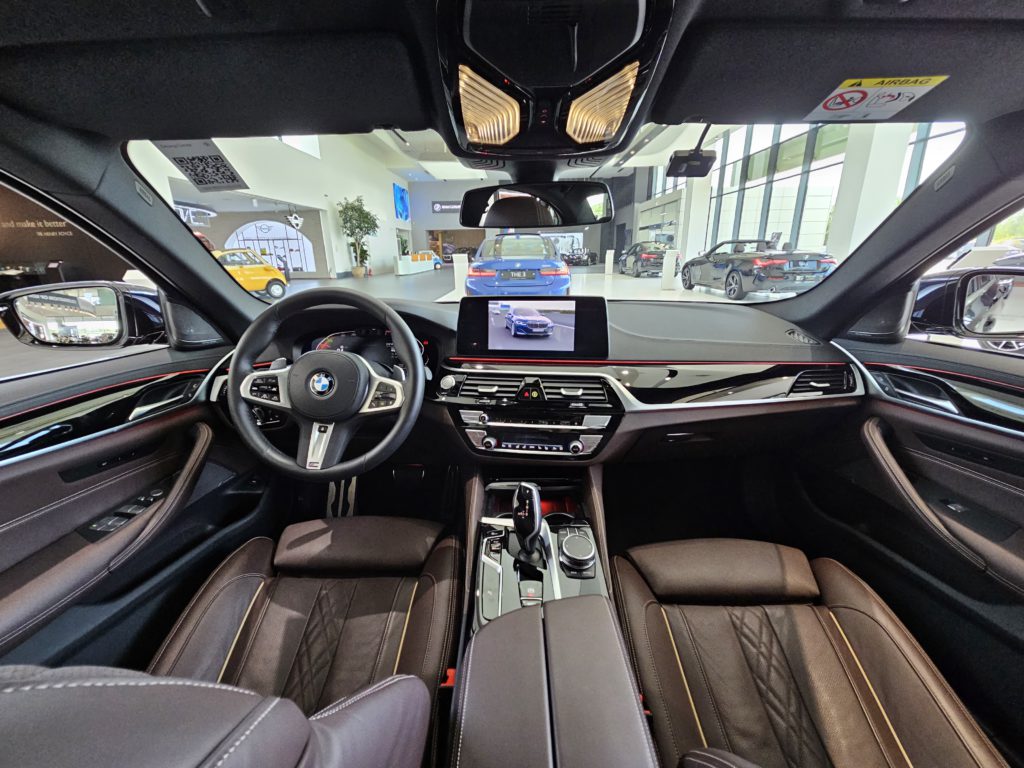
A wide dashboard display integrates instrument and infotainment functions into a cohesive interface — the kind of display architecture that the current generation handles less elegantly. Advanced safety technology operates without constant alert intrusions. Premium materials and improved build quality are expected to address complaints from current 3 Series owners. The electric M3 variant will carry interior elements that distinguish it from the combustion models, though full specification details await official confirmation.
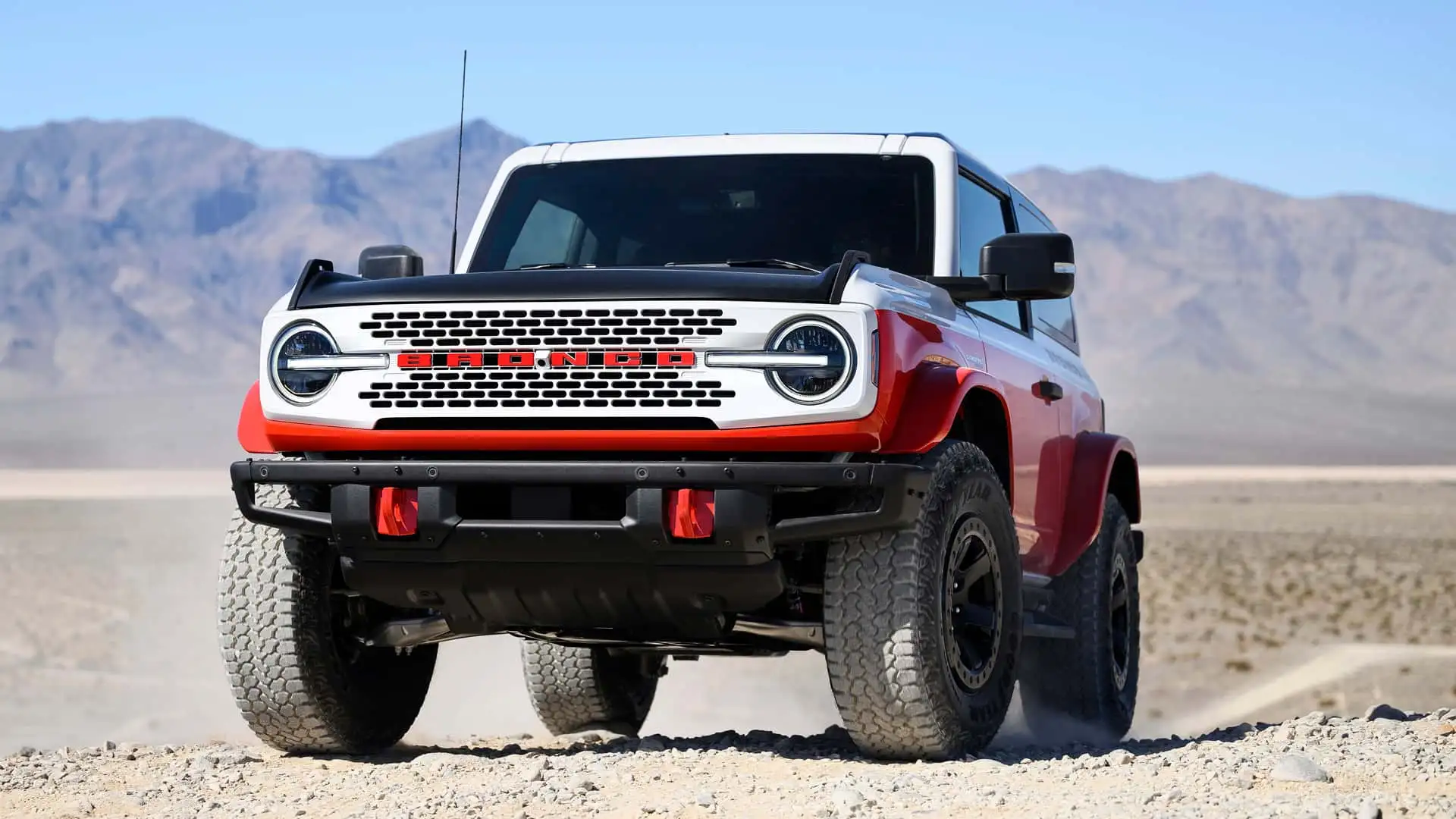
4. 2026 Toyota Land Cruiser FJ (Exterior)
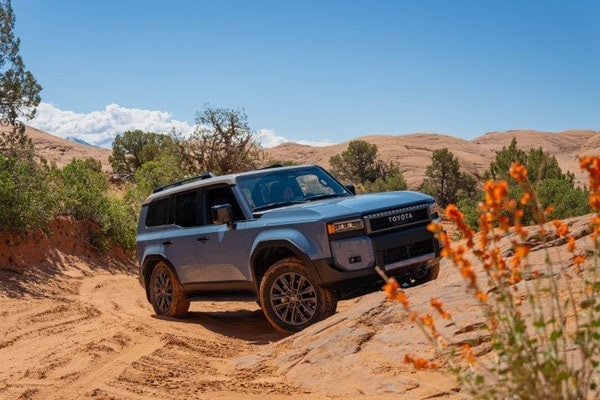
The Land Cruiser FJ uses retro boxy proportions and body-on-frame construction — the structural approach that separates vehicles designed for sustained off-road use from crossovers designed to look like they could handle it. The Torsen limited-slip differential provides traction control through mechanical means rather than electronic compensation. Engine options are expected to prioritize off-road capability and low-end torque over peak power figures, though confirmed powertrain details have not been officially released.
2026 Toyota Land Cruiser FJ (Interior)
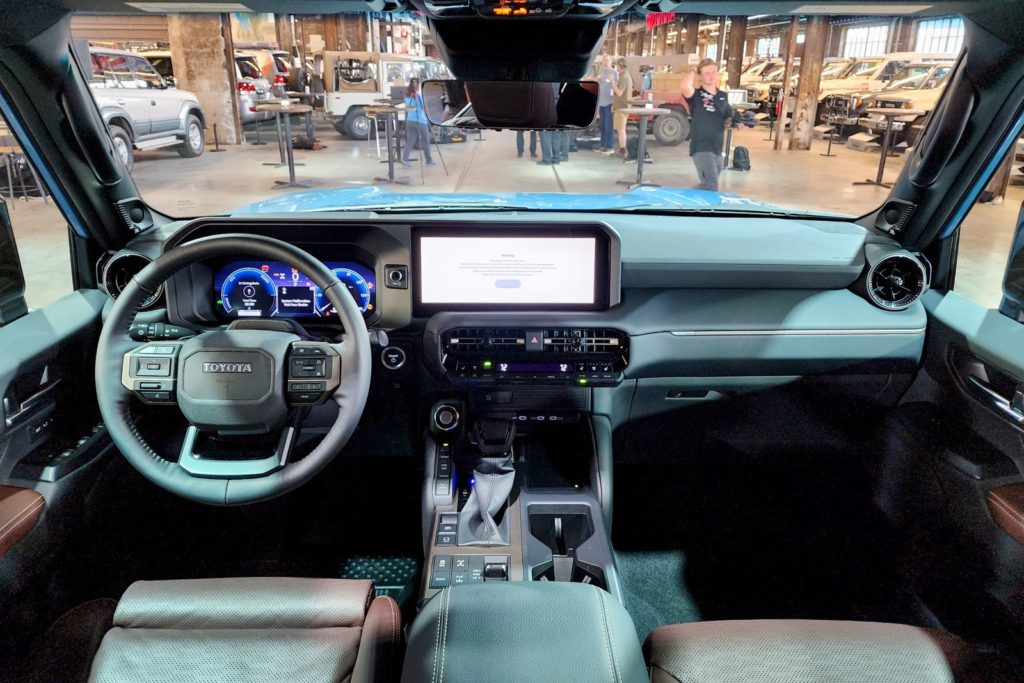
Physical controls are prioritized over touch-sensitive surfaces — a functional decision for a vehicle whose buyers will use it in conditions where gloves are standard and touch screens become unreliable. The 4-wheel drive system and terrain management features are designed for field use rather than demonstration. Interior materials are expected to be durable and practical rather than premium in the luxury sense — the correct specification hierarchy for a purpose-built off-road platform entering a market that has largely abandoned body-on-frame construction at accessible price points.
3. 2025 BMW X2 (Exterior)
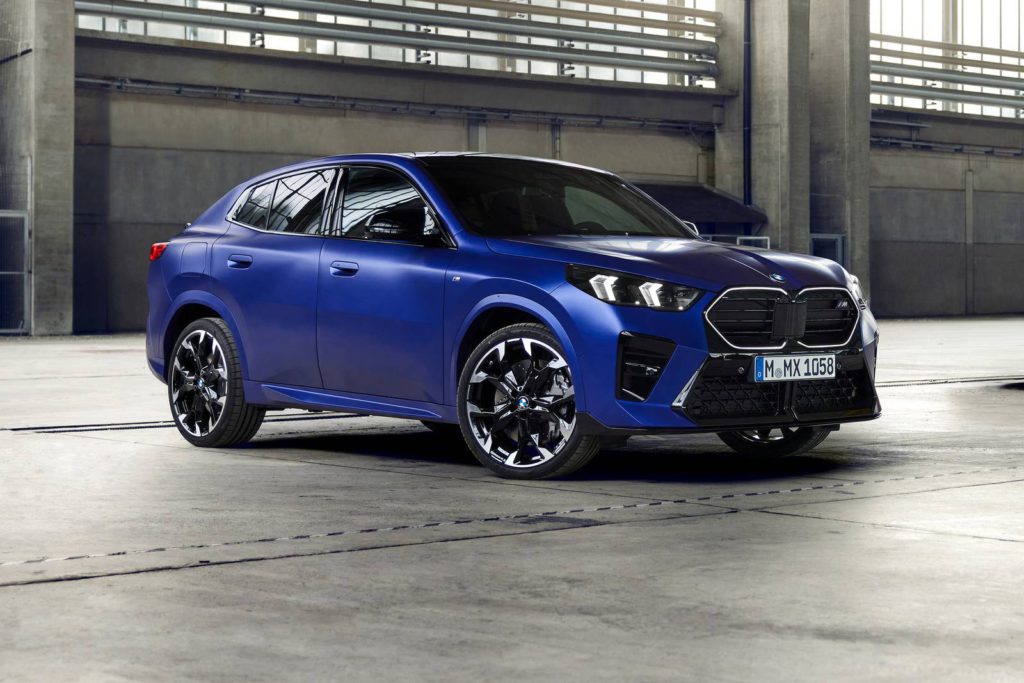
The X2 maintains a coupe-like silhouette in the compact crossover segment — a visual priority that produces real tradeoffs in rear headroom and cargo volume rather than purely cosmetic consequences. The xDrive 28i produces 241 horsepower with standard all-wheel drive and reaches 60 mph in 5.7 seconds. The M35i escalates to 312 horsepower for buyers who want the performance argument alongside the styling one.
2025 BMW X2 (Interior)
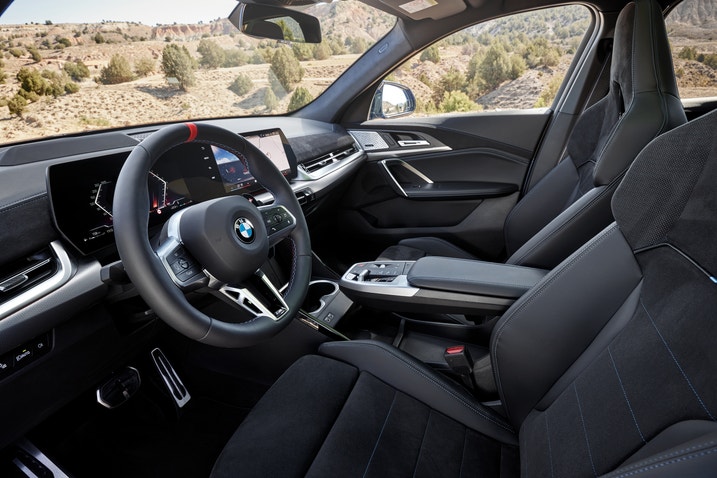
The sloping roofline reduces rear headroom — a genuine consequence of the coupe silhouette that buyers need to account for rather than a specification to overlook. The seven-speed dual-clutch transmission delivers shift response that improves the driving experience in practice rather than only on a spec sheet. Interior space is maximized within the constraints the design imposes, and premium materials and build quality match the vehicle’s premium segment positioning.
2. 2026 Toyota Highlander (Exterior)
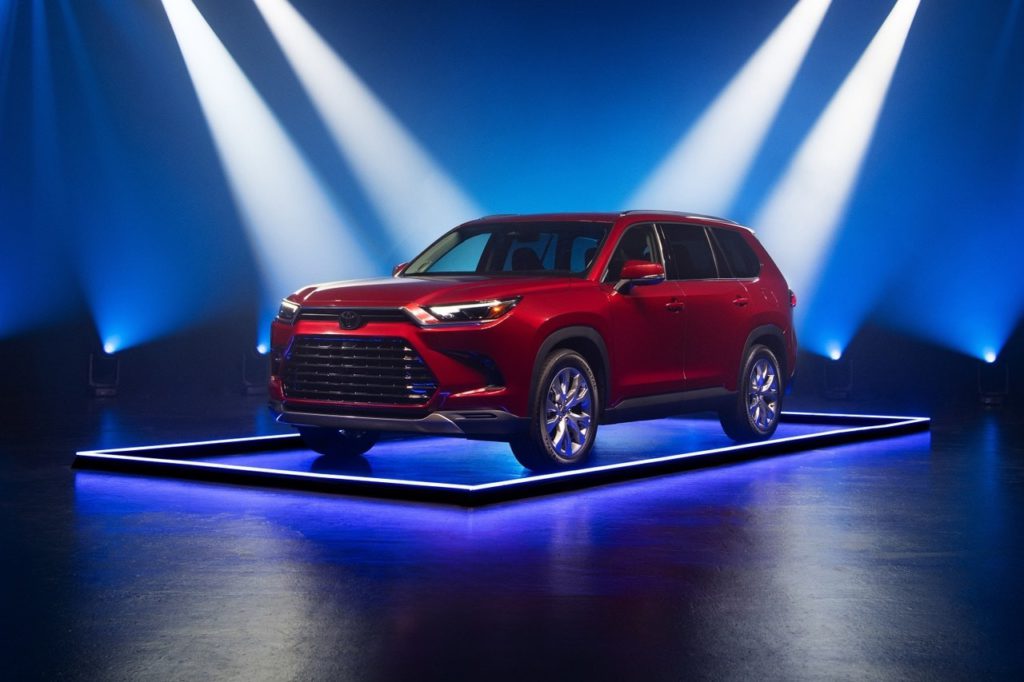
The redesigned Highlander goes hybrid-only with a 2.5L engine paired with dual electric motors producing 243 horsepower in standard configuration. The Hybrid Max variant is expected to reach 362 horsepower — confirmed for the Highlander platform. A plug-in hybrid variant is anticipated with over 40 miles of electric range, though this specification has not been officially confirmed at time of writing and is subject to change before the on-sale date.
2026 Toyota Highlander (Interior)
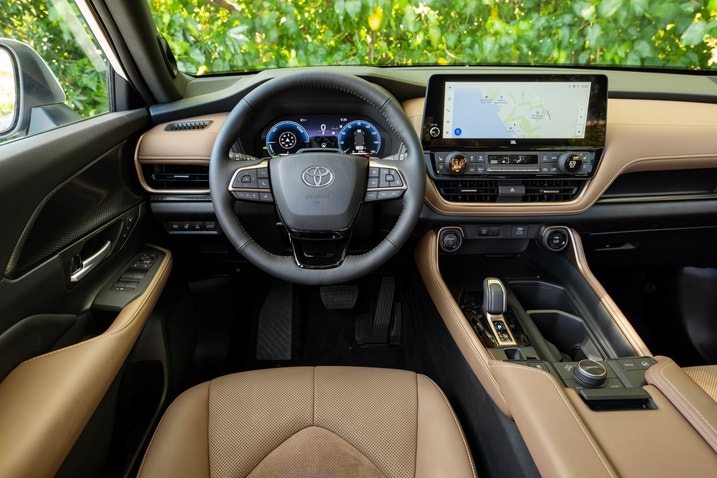
A 14-inch digital display handles infotainment and vehicle information without the complexity that makes larger screens in competing vehicles require learning time rather than enabling intuitive use. Toyota Safety Sense 3.0 operates without the false alarm frequency that makes current-generation systems frustrating in daily use. The three-row configuration provides adult-usable space in all rows — the specific capability that three-row buyers are paying for and that most three-row midsize SUVs only nominally provide in the third position.
1. 2026 Toyota Corolla Cross Hybrid (Exterior)
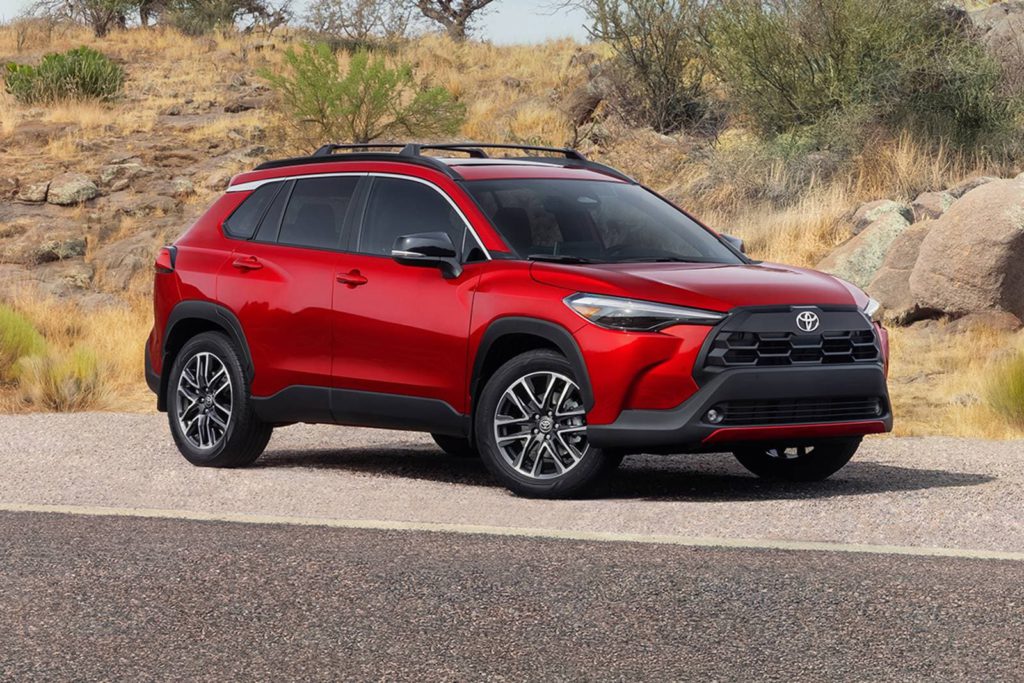
The 2026 Corolla Cross Hybrid combines standard all-wheel drive — unusual at this price point — with a 2.0L hybrid system producing an estimated 196 horsepower. Expected fuel economy of approximately 45 mpg city and 38 mpg highway with a 445-mile total range makes this the most efficient all-wheel-drive crossover in its segment. These figures await EPA confirmation but are consistent with Toyota’s hybrid efficiency across comparable platforms.
2026 Toyota Corolla Cross Hybrid (Interior)
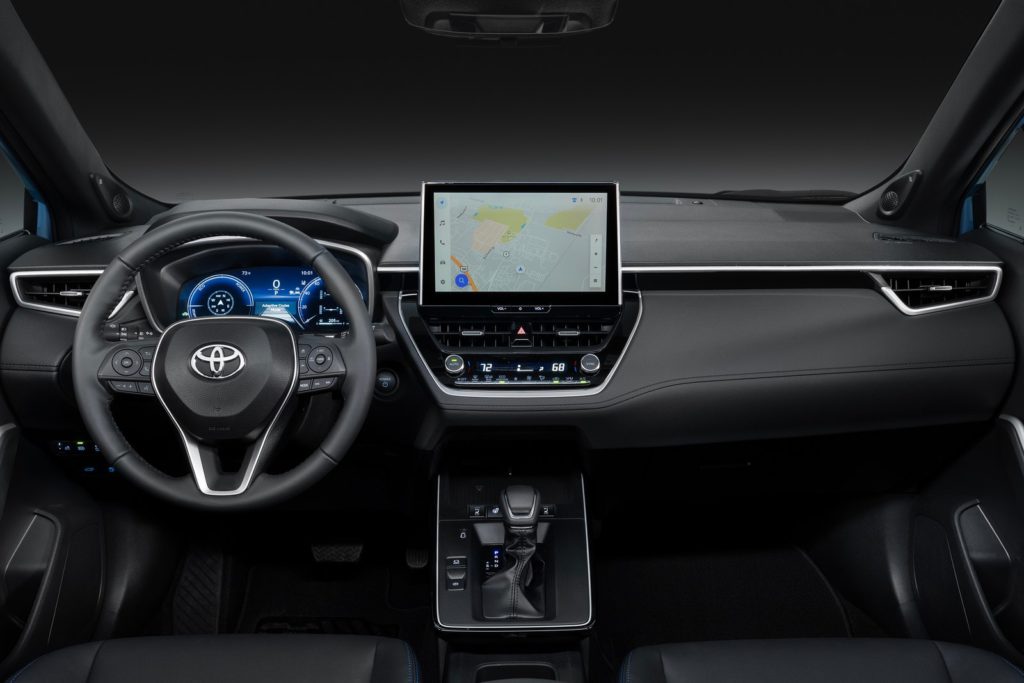
Toyota Safety Sense 3.0 includes full-speed radar cruise control and lane-keeping assistance calibrated to operate without constant driver override — the difference between a system that improves long-distance driving and one that trains drivers to turn it off. Enhanced connectivity features keep pace with current smartphone integration expectations. A fully independent suspension improves ride quality over the previous generation — a meaningful refinement for a platform whose buyers use it as primary daily transportation rather than as a secondary vehicle.