

The Tesla Model 3 reshaped the EV market. It proved battery-electric cars could have real range, real performance, and a design that didn’t look like a science project. Those contributions matter. At the same time, growing numbers of owners are raising legitimate complaints about build quality, repair costs, charging practicality, and what it actually costs to live with one of these cars long-term. Range drops 17% to over 30% in freezing temperatures. Autopilot requires constant supervision. Panel gaps and material choices have generated sustained criticism. These are the 16 reasons a prospective buyer should think twice.
16. Design Similarities and Unintuitive Door Handles

The Model 3’s exterior styling is clean but generic — it reads as a competent sedan rather than a distinctive one, and several reviewers have noted the family resemblance to mainstream Japanese and European competitors. The door handles are the more immediate practical problem. Flush-mounted handles that require pressing rather than pulling confuse first-time passengers reliably, and the learning curve does not improve the experience of getting into someone else’s car. This is a design decision that prioritized aesthetics over intuition, and owners notice it every time they have a new passenger.
15. Interior Space and Flimsy Design

Rear legroom is adequate for most adults but tighter than the car’s exterior dimensions suggest it should be, and taller passengers feel it. The minimalist interior philosophy pushed Tesla to route glove box access through the touchscreen — a choice that creates a real inconvenience during any stop requiring documentation. Certain interior materials feel less premium than what comparably priced competitors from Audi or BMW provide at similar price points. The cabin’s design makes strong aesthetic statements that occasionally come at the expense of straightforward usability.
14. Jolty Acceleration and Rigid Suspension

Performance Model 3s hit 0-60 mph in 3.1 seconds, which is genuinely fast and genuinely startling if a passenger is not expecting it. The suspension tuning prioritizes handling over ride quality, which is a legitimate engineering trade-off that works well on smooth pavement and produces a firm, sometimes punishing ride on rougher surfaces. Urban and suburban roads in most American markets are not smooth pavement. Buyers who prioritize daily comfort over handling response should test-drive the car on local roads specifically before committing.
13. Annoying Screen Sounds and Autopilot Concerns

Some owners report the infotainment system generates more frequent alerts and notification sounds than competing vehicles, which becomes fatiguing over longer drives. The more significant concern is Autopilot. Tesla’s marketing of this feature created expectations that the system’s actual behavior does not consistently meet — it requires active driver supervision, has been involved in documented incidents, and has drawn regulatory scrutiny over how its capabilities are represented to buyers. This is a system that requires more attentiveness than its name implies.
12. Value Proposition and Alternatives
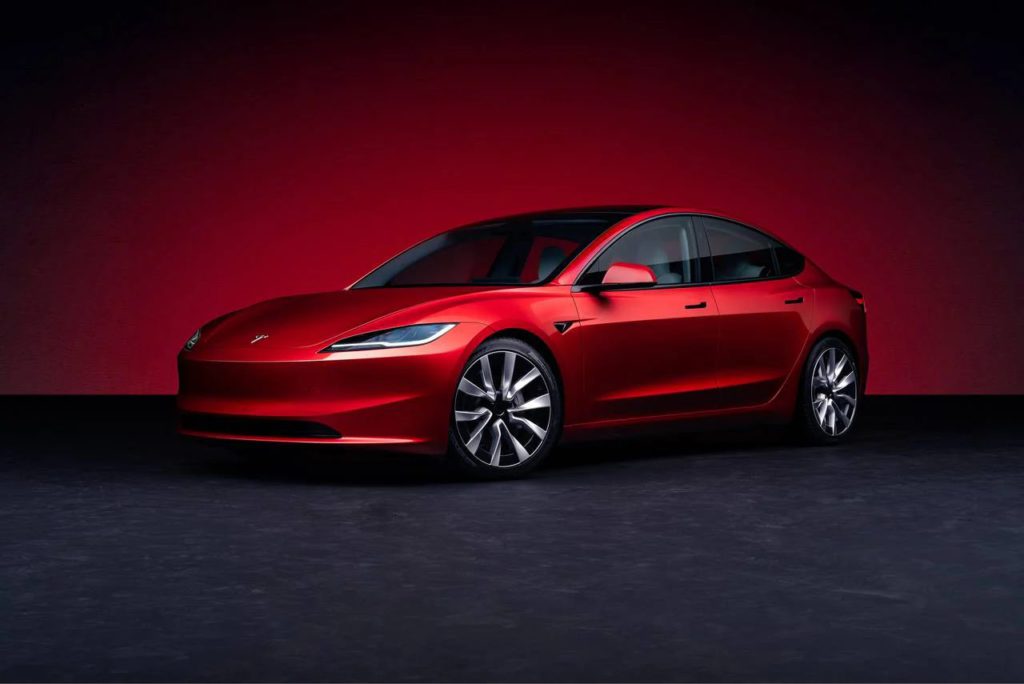
At around $50,000, the Model 3 competes directly with the Audi Q4 e-tron, BMW i4, and Polestar 2 — all of which offer comparable range, different technology approaches, and interiors that reviewers consistently rate higher for material quality. The competitive EV landscape has changed substantially since Tesla dominated it by default. Buyers who approach the purchase as a straightforward evaluation of what $50,000 buys will find the comparison shopping more productive than it would have been three years ago.
11. Political Associations

Elon Musk’s public statements and political associations have become a documented factor in Tesla purchase decisions. Surveys indicate approximately 30% of potential buyers report CEO associations as a concern influencing their decision. This is a real market development — not a fringe position — and it has contributed to increased used Tesla listings and softened demand in some segments. Whether this matters to any individual buyer is a personal decision, but it is worth knowing that it matters to a meaningful share of the potential buyer pool.
10. Charging Inconvenience

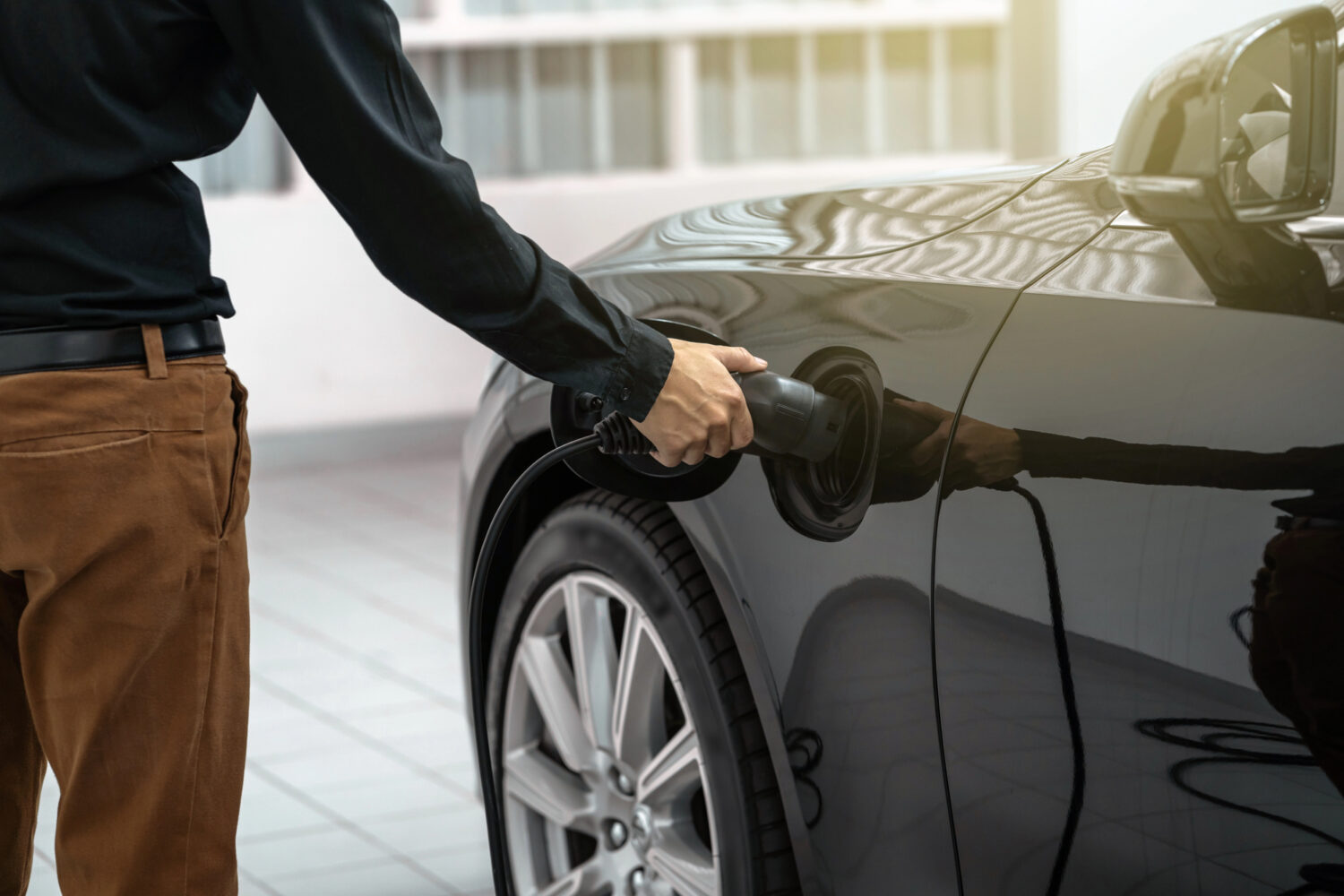
Tesla’s Supercharger network is the strongest fast-charging infrastructure available to any EV brand, and 200 miles added in 15 minutes is a genuine achievement. Home charging on a standard outlet is slow enough to be impractical as a primary charging method for most owners. Long trips require route planning around Supercharger locations, and even the fastest charging adds a stop that gasoline refueling does not. For urban apartment dwellers without dedicated home charging access, the charging situation is a more serious ownership obstacle than Tesla’s marketing typically acknowledges.
9. Overrated and Uncomfortable Experience

The Model 3’s suspension calibration produces a car that handles well and rides firmly — a combination that works if handling is a priority and becomes a daily inconvenience if it is not. The Lexus ES 300h represents the opposite end of this spectrum: traditional luxury priorities, softer suspension, and a cabin experience calibrated for comfort over performance. Buyers for whom daily ride quality and interior refinement matter more than acceleration and handling response will find the ES 300h or comparable alternatives more consistently satisfying to live with.
8. Cameras and Screen as a Selling Point

Sentry Mode and dashcam functionality are genuinely useful — the recorded footage has served owners well in insurance disputes and parking incident documentation. The 15.4-inch central touchscreen is a different conversation. Consolidating nearly all vehicle controls into a single screen creates a cleaner dashboard and a more demanding cognitive task while driving. Functions that most vehicles handle with physical buttons — climate control, mirror adjustment, wiper speed — require navigating a touchscreen interface. This is a deliberate design philosophy that some owners embrace and others find frustrating on a daily basis.
7. Driving Experience vs. Self-Driving Features

Tesla’s driver assistance systems intervene frequently — adjusting speed, centering in lanes, and responding to hazards — in ways that some owners find helpful and others find intrusive. The technology requires driver attention and manual correction when it misreads a situation, which happens with enough frequency that owners report developing a specific kind of alert fatigue. Buyers who want a car that stays out of their way will find the system’s constant presence more noticeable than they expect from the initial test drive.
6. Inappropriate Screen Size

A 15.4-inch central display dominates the Model 3’s dashboard in a way that few competing vehicles replicate. The screen handles navigation, entertainment, climate, vehicle settings, and most secondary controls — which concentrates a significant amount of driving-related interaction in one place. Regulators in several markets have raised questions about whether touchscreen-only controls for basic functions like windshield wipers create unnecessary driver distraction. This is not a hypothetical concern — it reflects a genuine ongoing debate about interface design and road safety that Tesla has been more willing than most manufacturers to push the boundaries of.
5. Alternatives and Design Comparisons

The BYD Seal delivers competitive range and performance at a lower price point in markets where it is available. The BMW i3 maintains a distinctive personality the Model 3 deliberately avoids. The Audi e-tron offers comparable range with interior quality that most reviewers rate above Tesla’s. These are not theoretical alternatives — they are cars that exist, can be purchased, and in several cases deliver a better answer to specific buyer priorities than the Model 3 does. The strongest argument for the Model 3 has always been the Supercharger network, and that advantage has narrowed as more EVs gain access to it.
4. Fast Acceleration in Urban Settings

A 3.1-second 0-60 mph time is a meaningful performance specification on an open road. In urban traffic — which is where most Model 3 owners spend most of their driving time — that capability is largely inaccessible. The instant torque delivery that makes the Model 3 feel quick in brief bursts does not translate into a meaningfully faster commute when traffic lights, pedestrians, and other vehicles set the actual pace. Buyers paying the Performance premium primarily for use in city environments are paying for a capability they will rarely be able to use.
3. Resale Issues and Customer Dissatisfaction

Used Tesla listings have increased substantially, driven by a combination of price cuts on new vehicles that reduced used car values, market saturation in some segments, and a measurable increase in owner dissatisfaction. Tesla has faced sustained criticism over panel gaps, inconsistent paint quality, and interior material choices that fall below what the price point would suggest. These are not isolated owner complaints — they appear consistently in owner satisfaction surveys, third-party quality assessments, and in the volume of used inventory currently available at reduced prices relative to what those owners originally paid.
1. Technology Saturation

Tesla includes novelty features — “Emissions Testing Mode” simulates fart sounds, among other Easter eggs — that reflect a specific product philosophy: the car as entertainment platform as much as transportation. The 15.4-inch screen, the constant driver assistance interventions, the alerts, the software update dependency, and the app-mediated access to basic vehicle functions all add up to a car that demands more digital engagement than most vehicles require. For buyers who want driving to provide a break from screen interaction rather than more of it, the Model 3’s approach to the driving experience is the fundamental mismatch — and no amount of range or performance compensates for a daily experience that does not suit the owner’s actual preferences.