

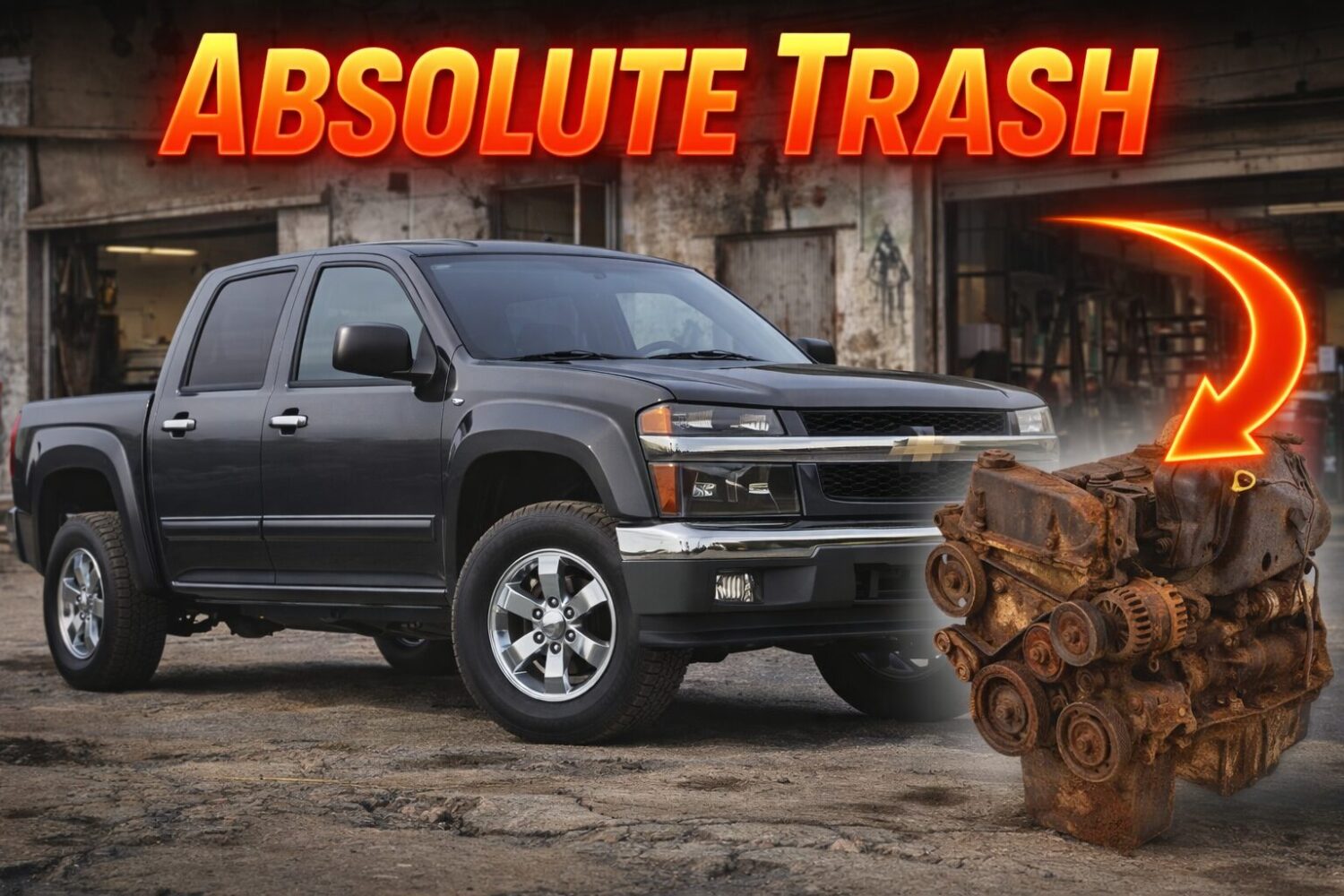
Not every engine earns its reputation through excellence. Some earn it through the cost they impose on owners — through design flaws that create predictable failures, through repair bills that arrive before high mileage, and through maintenance demands that exceed what competing engines require. This list covers 17 truck engines that established that kind of reputation, based on data from Engine Builder, GM Authority, and The Drive. Each one has a documented pattern of issues that frustrated owners and, in several cases, resulted in substantial warranty claims or early production discontinuation.
17. Chevrolet 350 Diesel

General Motors produced the Chevrolet 5.7L diesel V8 from 1978 to 1985 as a response to the fuel crisis — converting an existing gasoline engine to diesel operation rather than engineering a purpose-built diesel from scratch. The consequences of that decision were well-documented: frequent head gasket failures, cracked heads, broken bolts, and fuel system vulnerabilities caused by the absence of a water separator. Output reached a modest 120 horsepower, which created problems when the engine also faced compression ratio demands it was not originally designed to handle. This engine’s reputation among mechanics earned it a place among the worst truck engines ever built, and many owners found that fuel savings were quickly offset by the first major repair.
16. Dodge 2.2L Diesel

Mitsubishi’s 2.2L diesel appeared in Dodge’s light-duty trucks from 1981 to 1995, producing just 84 horsepower — a figure that made demanding work tasks genuinely difficult, particularly on grades. Owners reported frequent head gasket issues as a recurring expense during ownership, and the engine developed a reputation for consuming oil at rates that required supplemental top-offs between scheduled changes. The combination of inadequate output and reliability problems meant this engine created more costs than it justified for most of the trucks it powered.
15. Cummins ISX

The Cummins ISX — an 11.9L to 15L inline-six produced from 2001 to 2016 — arrived with Cummins’ established reputation for heavy-duty durability, then underperformed against it in a number of documented failure modes. Many early adopters encountered major repairs before 200,000 miles, a threshold this class of engine should clear without significant intervention. EGR system failures triggered overheating episodes and cylinder head cracks, fuel injector problems added substantial bills, and turbocharger failures created additional costs for a meaningful share of owners. Fleet operators reported maintenance expenses running higher than competing engines, creating downtime during delivery schedules that compounded the financial damage.
14. Caterpillar C7

Caterpillar’s C7, a 7.2L inline-six manufactured from 2003 to 2009, was undermined primarily by its Hydraulic Electronic Unit Injector system, which became notorious for failures that extracted thousands per repair event. EGR valve failures caused overheating episodes that demanded immediate attention, and cracked cylinder heads affected a significant number of these engines with repair bills that staggered owners. Fleet records from some operations showed C7-equipped trucks spending disproportionate time in service bays compared to competitors — a particularly damaging outcome for an engine carrying Caterpillar’s heavy equipment reputation into the truck market.
13. GMC 5.7L Diesel V8

GM’s 5.7L Diesel V8, produced from 1978 to 1985, shares the same fundamental problem as the Chevrolet 350 Diesel — it began life as a gasoline engine and was converted to diesel operation in a process that removed many of the qualities that made the original dependable. Cylinder heads frequently cracked before 100,000 miles, many units suffered injection pump leaks, and output was limited to 120 horsepower despite the diesel displacement. GM faced substantial warranty claims across the multiple brands where this engine appeared, and the repair costs owners encountered in 1980s dollars were significant by the standards of the time.
12. Ford 2.7L EcoBoost V6

Ford’s 2.7L EcoBoost V6, introduced in 2015 and still in production, has developed documented issues in a concerning number of engines before owners reach payoff. Some owners report timing chain stretch before 100,000 miles, which produces a rattle that indicates an expensive repair is approaching. The plastic oil pan has been known to leak in various models, and turbocharger failures have affected a portion of these engines with substantial repair costs. Prevention measures — premium fuel and oil changes every 5,000 miles — add hundreds annually in maintenance overhead. The broader category of innovations for pickup trucks demonstrates that modern engineering can solve real problems, but only when execution matches promise.
11. Dodge 4.7L V8

The Dodge 4.7L V8, manufactured from 1999 to 2013, developed a documented tendency toward overheating issues that in some cases progressed to head gasket failures. The engine accumulated oil sludge when maintenance intervals were extended, restricting oil passages and shortening engine lifespan in affected trucks. Towing capability fell short of what some owners expected for a V8 of this displacement, and the preventive maintenance demands — regular oil changes with premium lubricant — added meaningful costs over the engine’s life. Fleet maintenance records from some operators showed these engines requiring more consistent upkeep than competing powerplants across the same mileage range.
10. Nissan 5.0L Cummins V8

The 5.0L turbo-diesel V8 Cummins engine in the Nissan Titan XD ran from 2016 to 2019 before Nissan discontinued it — a three-year production window that reflects how the engine’s problems were received in the market. Numerous owners reported turbocharger failures with substantial repair costs, fuel system problems affected a significant share of engines, and cooling system design caused overheating in some trucks. Dealer service departments often struggled with the specialized diagnostic knowledge the engine required. The combination of first-generation diesel platform challenges and limited heavy-duty truck experience from the manufacturer created a difficult ownership experience for buyers who expected Cummins’ established reputation to carry through to this application.
9. 6.0L Power Stroke

Ford’s 6.0L Power Stroke, installed in Super Duty trucks from 2003 to 2007, generated one of the most documented failure patterns in modern diesel truck history. Head gasket failures were common before 150,000 miles, caused by torque-to-yield head bolts that stretched under the loads this engine produced. EGR system problems affected a considerable number of engines, and injector and turbocharger failures extracted thousands more from owners already managing the head gasket costs. Fleet data showed these engines running higher maintenance costs than competitors, and a robust aftermarket industry developed specifically to “bulletproof” them against the known failure points — essentially charging owners to address design problems the factory version had not resolved.
8. Ram 3.0L EcoDiesel V6
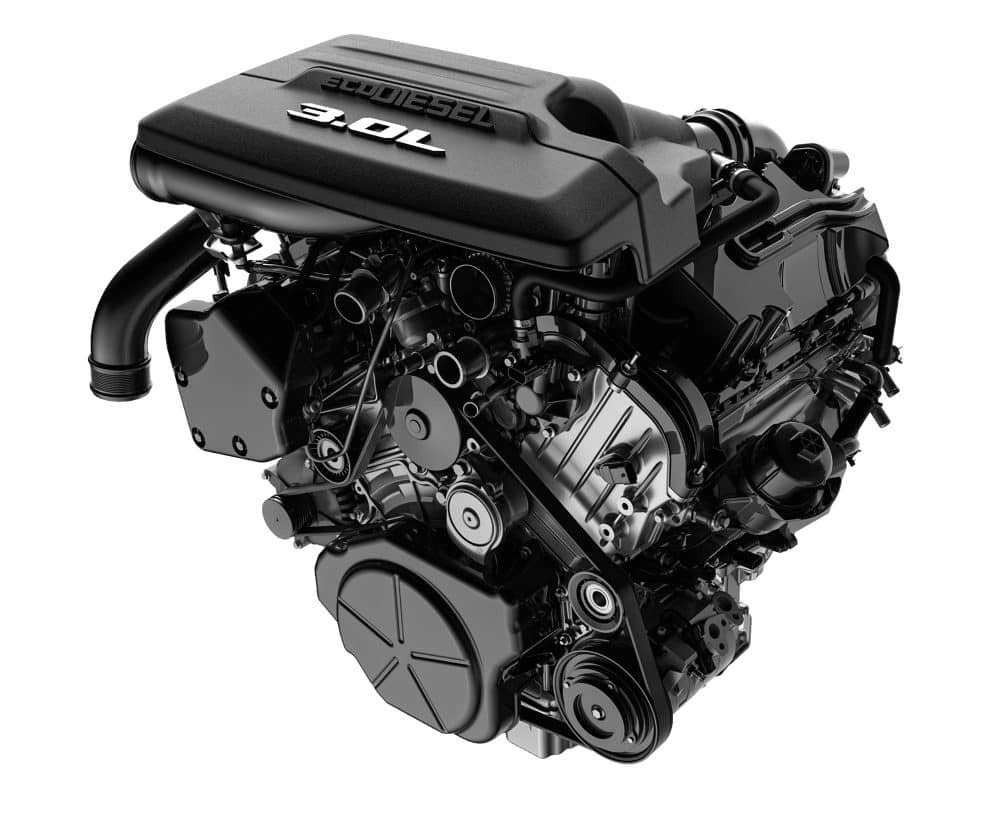
The Ram 3.0L EcoDiesel V6, manufactured from 2014 to 2023, attracted buyers with a genuine 29 MPG highway figure before revealing timing chain problems in numerous engines before 100,000 miles. EGR cooler failures struck a significant share of trucks, oil consumption affected many engines, and emissions software updates subsequently impacted the fuel economy figures that had been a primary purchase justification for most buyers. The combination of mechanical failures and emissions-related software changes eroded the diesel efficiency argument that the EcoDiesel was specifically marketed to deliver. Fleet operators found these engines could cost more to maintain than gasoline alternatives, undermining the financial case for choosing diesel in light-duty applications.
7. First Generation 3.5L EcoBoost

The first-generation 3.5L EcoBoost twin-turbo V6, launched in 2011, delivered genuine V8 performance from a smaller displacement but accumulated carbon deposits on intake valves at rates that required expensive cleaning procedures in many engines by 100,000 miles. This is an inherent characteristic of direct-injection engines where intake valves are not washed by fuel, and the first-generation EcoBoost did not address it adequately. Some owners also experienced premature turbocharger failures with substantial repair costs. Prevention — premium fuel, regular oil changes, and periodic throttle body cleaning — added meaningful annual maintenance overhead. The carbon buildup required dismantling intake components to address properly, making the cleaning procedure labor-intensive and expensive.
6. Ford Power Stroke 6.4L Diesel Engine

The 6.4L Power Stroke, produced from 2008 to 2010, replaced the notorious 6.0L and managed to develop its own documented failure pattern. Fuel dilution contaminated engine oil in many units, diesel particulate filters clogged in a significant share of trucks requiring expensive service, and the dual turbo system failed prematurely in numerous engines before 150,000 miles. Fuel economy consistently fell short of advertised figures. Fleet records indicated many of these trucks required multiple major repairs before 100,000 miles — a failure rate that created predictable financial damage for operators who had planned maintenance budgets around more reasonable expectations.
5. Ford 5.4L 3v Triton V8

The Ford 5.4L 3-valve Triton V8, made from 2004 to 2010, earned a specific reputation for a problem that was both expensive and physically difficult to resolve: spark plugs that seized in the aluminum cylinder heads and broke during removal in a significant number of engines. Mechanics developed specialized extraction tools specifically for this failure. Beyond the spark plug issue, timing chain rattles plagued many of these engines, and cam phaser problems created irregular idle patterns in numerous trucks — all of which demanded costly repairs. Ford generated substantial warranty claims across this production run, and the combination of issues created a reliable stream of repair work for service departments throughout the engine’s service life.
4. Ford Triton Series

The broader Ford Triton V8 family, spanning configurations producing 195 to 550 horsepower depending on application, developed a reputation for oil sludge accumulation when maintenance was not kept current — a pattern that restricted oil passages and caused damage across affected engines. Exhaust manifold stud failures were a common complaint across owners, adding hundreds in repair costs. Spark plug issues plagued many engines before 100,000 miles, and extended warranty claims data showed these engines requiring major repairs more frequently than some competitors. Fleet records from certain operations reflected higher lifetime maintenance costs than rival powerplants, creating financial exposure for operators who ran high mileage on these engines.
3. EcoDiesel

The VM Motori EcoDiesel, developed for FCA vehicles, saw timing chain failures emerge as a notable issue in some engines before 100,000 miles. A small percentage of engines reportedly left factories with internal contamination from manufacturing inconsistencies — a quality control problem that created unpredictable early failures for certain owners. Oil cooler and EGR failures affected a portion of trucks, and emissions software modifications subsequently reduced fuel economy in many vehicles, directly undermining the efficiency advantage that justified the diesel purchase for most buyers. Fleet operators reported these engines sometimes costing more to maintain than gasoline alternatives, weakening the financial case for diesel in light-duty applications where the advantages are already narrower than in heavy-duty use.
2. GM’s V8 Engines

GM’s otherwise reliable V8 family was compromised by the Active Fuel Management cylinder deactivation system introduced in the mid-2000s. When the system functions correctly it saves fuel; when it malfunctions, control valve failures damage lifters and transform a smooth V8 into an engine producing concerning mechanical noise that indicates expensive internal damage. Fixing affected engines often requires significant disassembly including cylinder head removal in severe cases. The aftermarket responded by offering kits to disable the AFM system entirely — a situation where owners paid to remove a factory feature GM had marketed as a fuel-saving innovation, because the failure risk outweighed the efficiency benefit for a meaningful share of owners.
1. Nissan Titan

The Nissan Titan XD with the 5.0L Cummins diesel, offered from 2016 to 2019, combined two established names — Nissan trucks and Cummins diesels — in an application that struggled to deliver on either brand’s reputation. Turbocharger issues emerged in a number of diesel models before high mileage, DPF and DEF system problems affected several trucks, and fuel pump failures plagued others. Regeneration cycles reduced real-world fuel economy below advertised figures. Maintenance records from some fleets showed these diesels requiring more upkeep than American competitors. The engine’s three-year production run reflects how these problems were received — Nissan discontinued it rather than invest in the fixes needed to make it competitive. The broader lesson is that first-generation diesel platforms in unfamiliar competitive segments carry real risk for early adopters.