

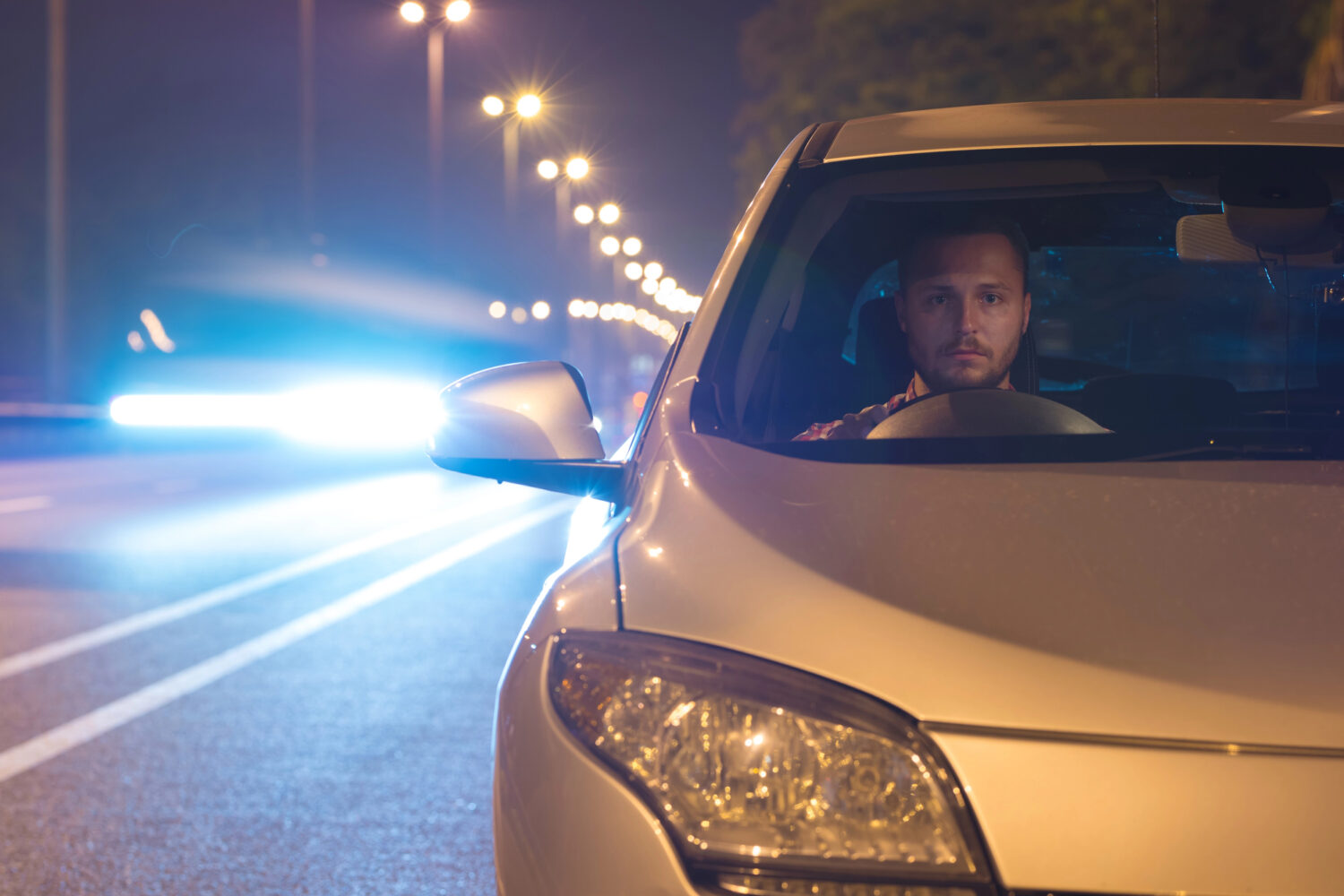
Racing home after dark, you squint against oncoming traffic that feels like staring into stadium floodlights. That blinding frustration plaguing your commute isn’t imaginary—it’s affecting millions of drivers nationwide.
A new AAA survey confirms what you already suspected: six in ten drivers struggle with headlight glare after dark.
The Numbers Don’t Lie
The American Automobile Association polled 1,092 adults nationwide between February 5-8, 2026, uncovering stark patterns in who experiences the worst glare. Among affected drivers, 92% blame oncoming headlights as the primary culprit. Nearly three-quarters believe the problem has intensified over the past decade.
Certain groups face disproportionate impact:
- Drivers wearing prescription glasses report glare at 70%, compared to 56% without glasses
- Female drivers experience it at 70% versus 57% for males
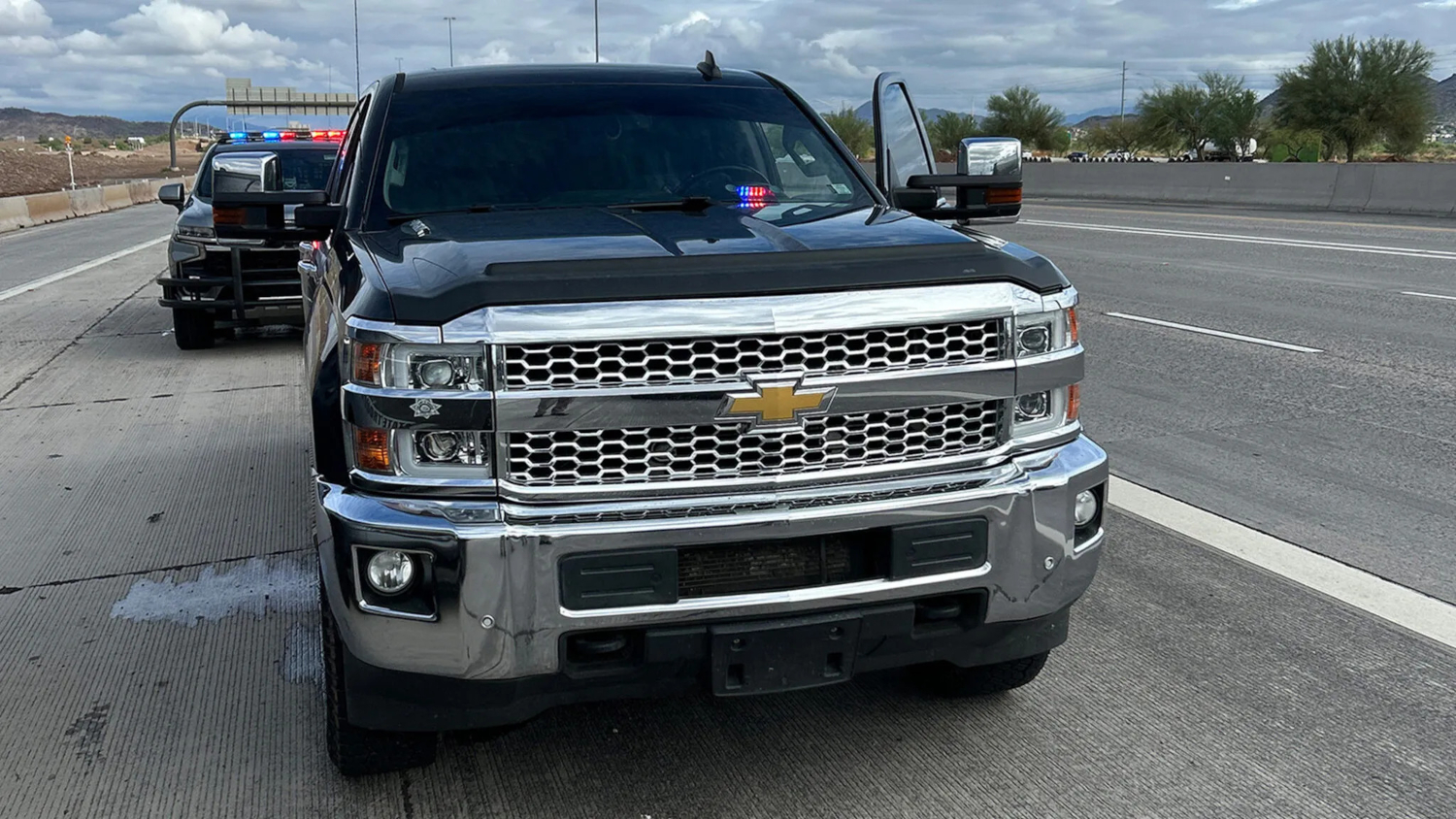
- Pickup truck drivers report significantly less glare at just 41%, compared to 66% for other vehicle types
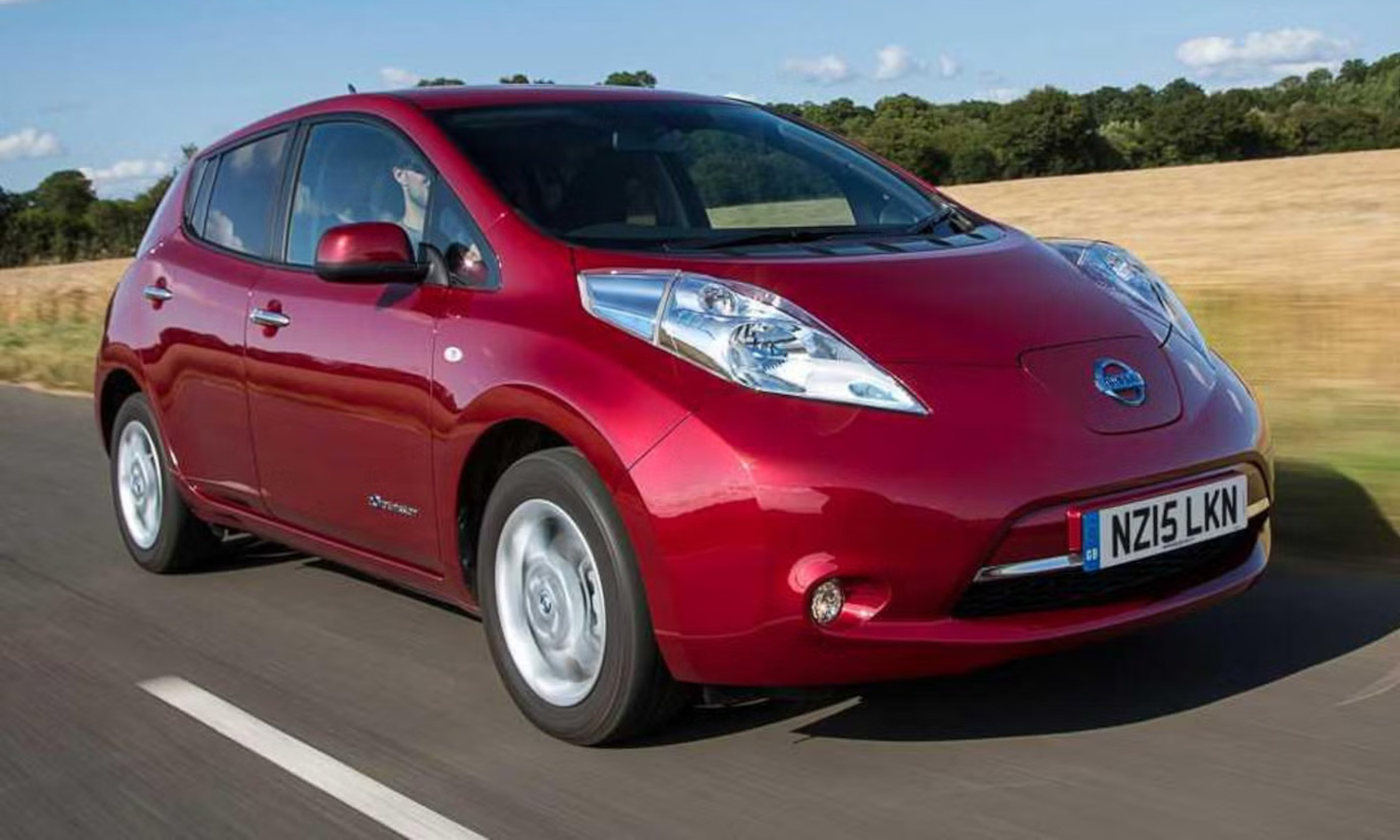
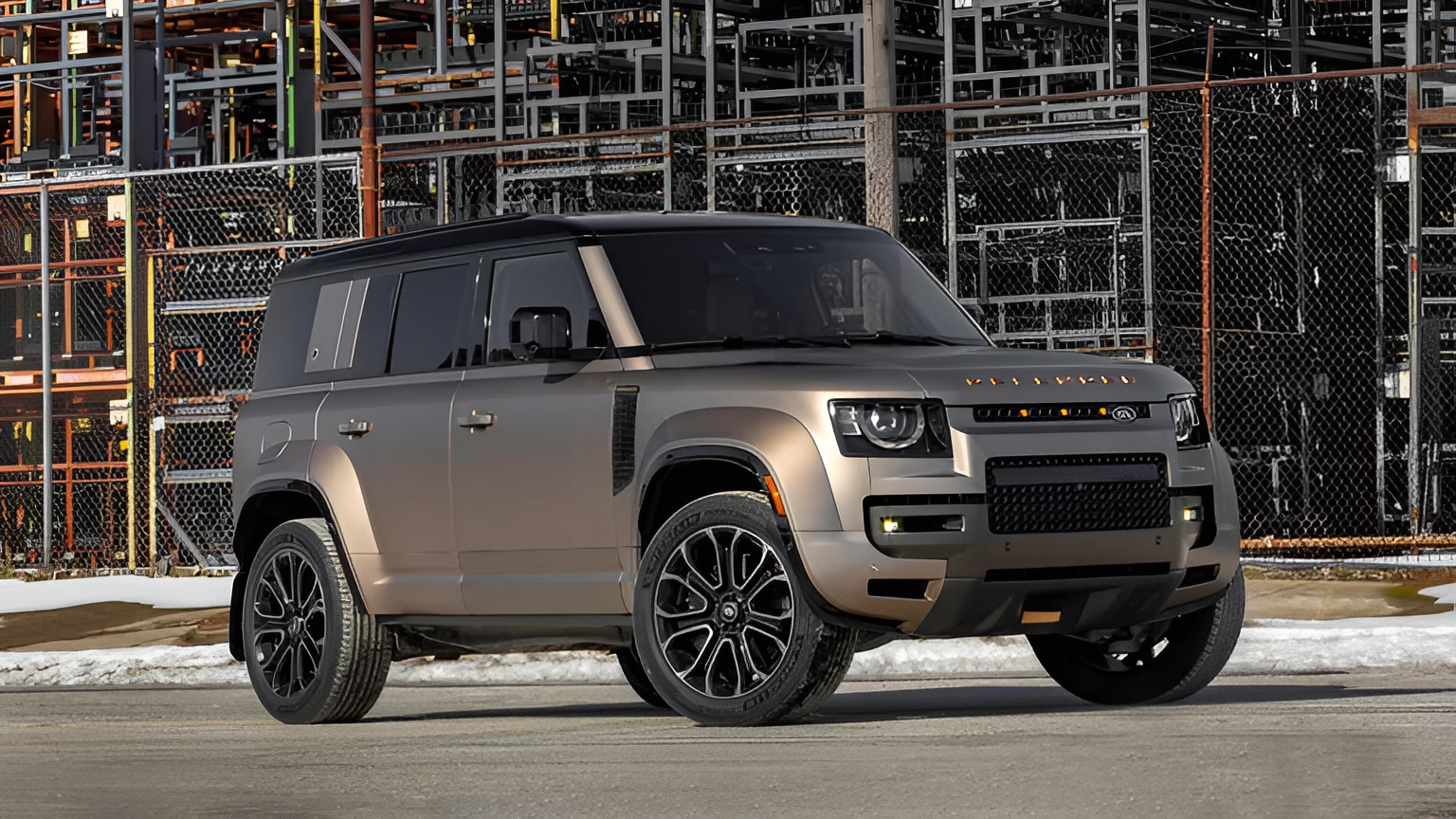
The disconnect reveals an uncomfortable truth: your sedan puts you at eye level with SUV and truck headlights, creating a built-in disadvantage that worsens as America’s vehicle fleet grows taller.
When Technology Outpaces Rules
Greg Brannon, AAA’s director of automotive engineering and research, attributes rising complaints to “new headlight technologies and taller vehicle designs.” LED headlights burn substantially brighter than legacy halogen systems, while the industry’s SUV obsession positions those lights directly at sedan driver eye level.
The real kicker? Technology exists to solve this problem, but American drivers can’t access it. Adaptive driving beam systems—standard in European markets—automatically adjust beam patterns to avoid blinding oncoming traffic while maintaining illumination. These systems remain largely unavailable in the U.S. due to rigid federal regulations written decades before LED technology existed.
Currently, aftermarket LED installations worsen the problem, with manufacturers prioritizing brightness over proper beam patterns.
Paradoxically, crash data doesn’t reflect driver frustration. The Insurance Institute for Highway Safety found glare cited in just 0.1 to 0.2 percent of nighttime crashes, suggesting the issue affects comfort more than measurable safety outcomes.
AAA recommends avoiding direct stares at oncoming headlights and maintaining clean windshields, while advocating for industry collaboration and regulatory modernization to balance safety improvements with glare reduction.