

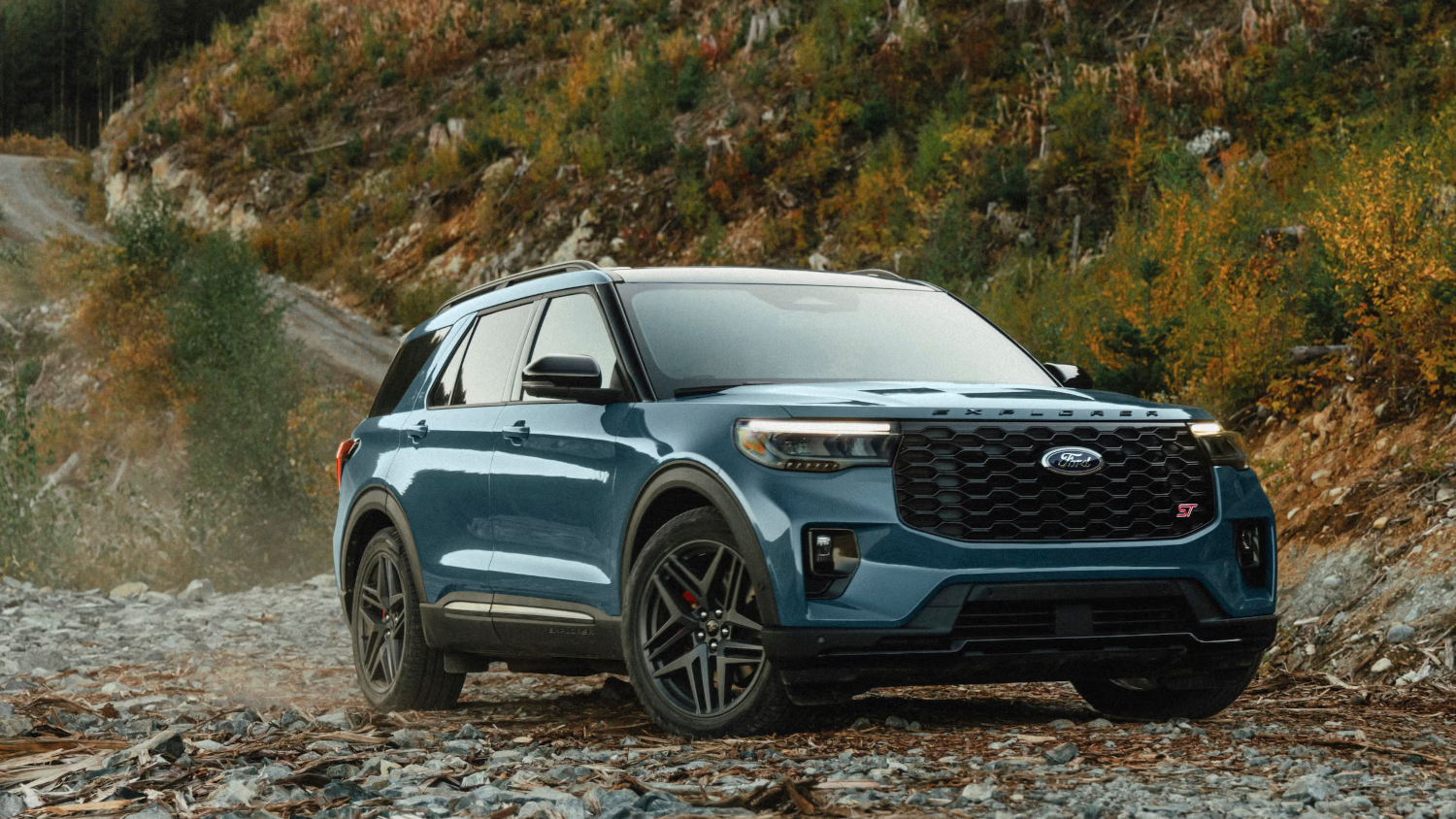
Federal regulators opened a preliminary evaluation on November 6, 2026, into seat-mounted side-airbag deployments in 2021–2026 Ford Explorer SUVs, including Police Interceptor Utility vehicles.
Airbags are designed to supplement seat belts and protect occupants — so when a safety device allegedly sends drivers and passengers to the hospital with second- and third-degree burns, federal regulators take notice. That’s exactly where things stand. NHTSA’s Office of Defects Investigation opened a preliminary evaluation on November 6, 2026, targeting an estimated 1,236,155 Ford Explorer SUVs from model years 2021 through 2026 — including Police Interceptor Utility vehicles used in law-enforcement fleets.
What the Reports Actually Say
Eight owner complaints and four early-warning reports describe serious burn injuries — with no confirmed fatalities, but enough evidence to open a federal file.
Regulators have received eight Vehicle Owner Questionnaires and four Early Warning Reporting entries categorized as “Death and Injury” reports — 12 submitted report entries in total. The reports allege a pattern: seat-mounted side airbags deploying and causing burn injuries to drivers and front passengers. Some complaints reportedly involve officers in Police Interceptor vehicles. The injuries described are not minor — burns were typically diagnosed as second- or third-degree and required medical treatment. No fatalities linked to this issue have been identified in available investigation materials; for broader context on how vehicle type relates to driver death rates, safety data can help frame the risk landscape.
Here’s what the investigation covers at a glance:
- Vehicles under review: 2021–2026 Ford Explorer SUVs, including Police Interceptor Utility variants
- Estimated population: 1,236,155 vehicles
- Reported injuries: Second- and third-degree burns, reported injuries involved front-seat occupants, with no comparable rear-seat injuries identified in cited materials
- Total report entries received: 12 (8 owner questionnaires, 4 early warning reports)
- Current status: Preliminary evaluation only — no recall has been issued
- Owner action: Check your VIN at nhtsa.gov/recalls; note that a clean result confirms no existing recall but does not resolve whether your vehicle is implicated in an ongoing preliminary evaluation; report relevant incidents directly to NHTSA
Investigation ≠ Recall — Here’s What That Means for You
Opening a federal investigation is the starting point of a process, not a finding that every vehicle in the review population is defective.
Think of NHTSA’s process like a grand jury proceeding — opening one doesn’t mean anyone has been convicted of anything. A preliminary evaluation lets regulators assess scope, frequency, and potential safety-related consequences. From there, the agency may close the investigation, request additional data, or escalate toward corrective action — though any outcome depends entirely on what the evidence shows. Owning a 2021–2026 Explorer does not mean your vehicle is confirmed defective.
What it does mean: stay alert. According to NHTSA, the agency’s investigative process is designed to determine whether a safety-related defect exists. Monitor both NHTSA and Ford’s official communications for updates specific to your vehicle. Run your VIN through nhtsa.gov/recalls. If an airbag deployment left you or a passenger with burns, reporting that experience to NHTSA can help the agency assess the scope and seriousness of the issue.
Regulators are asking the right questions. The answers aren’t in yet. Until they are, your clearest move is staying informed, not alarmed — and that starts at nhtsa.gov/recalls.