


Losing engine power on the highway isn’t a minor inconvenience. It’s a crisis. That’s exactly the scenario at the center of Defect Petition DP26008, opened by the National Highway Traffic Safety Administration on September 3, 2026. The petition covers roughly 499,603 Ford Edge SUVs — model years 2015 through 2018, equipped with the 2.0-liter EcoBoost four-cylinder engine — and alleges that coolant seeping into the combustion cylinders can cut engine power mid-drive. No recall exists, yet federal regulators are still deciding whether this warrants one.
What the Complaint Actually Says
Coolant in the cylinders, a costly repair bill, and Ford’s own service bulletin tell a troubling story.
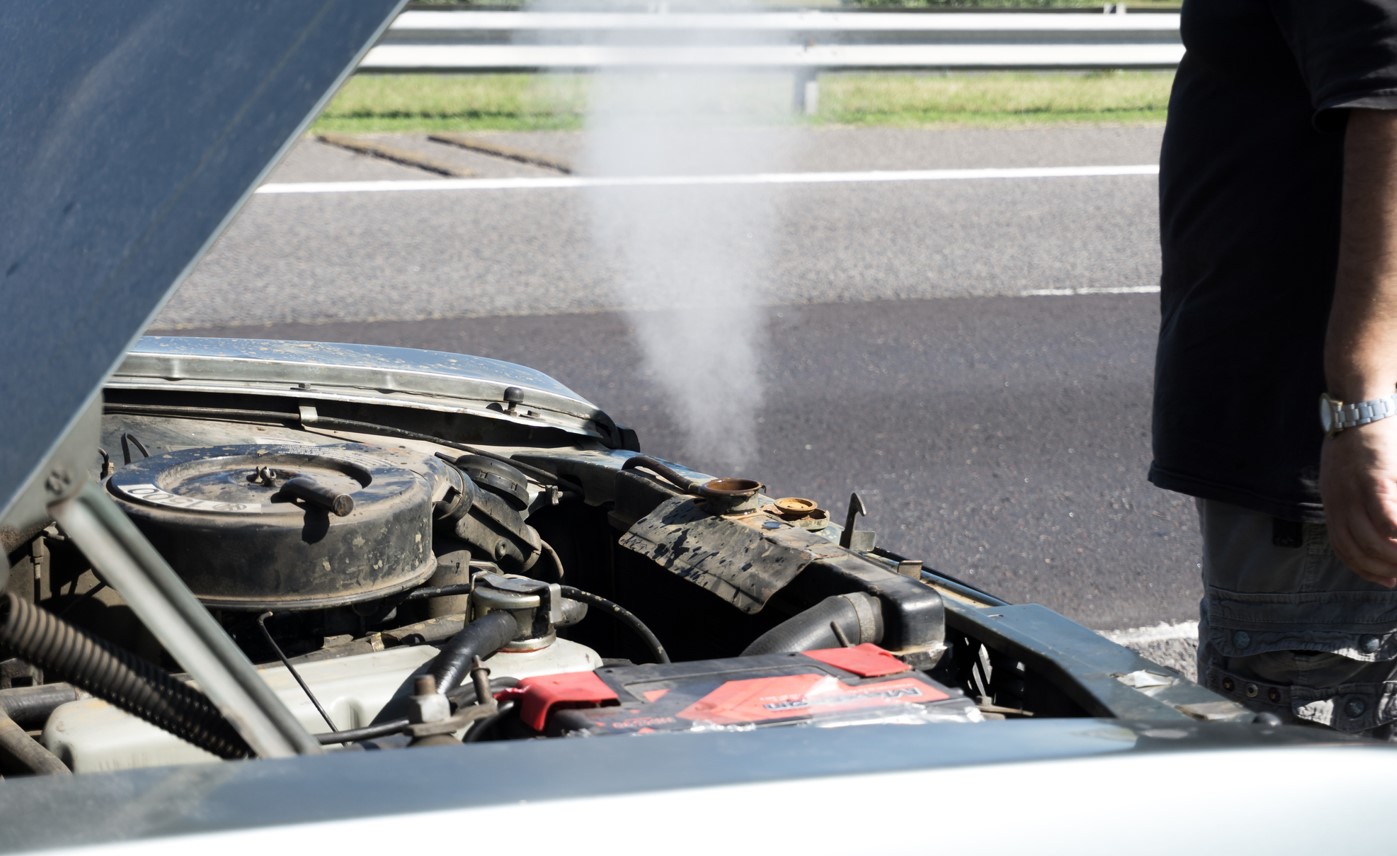
The alleged defect is straightforward and ugly: coolant infiltrates the engine’s combustion cylinders, triggering an “Engine Coolant Over Temperature” dashboard warning followed by sudden, significant power loss. Once the engine cools and restarts, the vehicle reportedly runs rough and throws misfire codes.
Sean Johnson of Cedar Hills, Utah — whose petition helped prompt federal scrutiny, according to Detroit News — described pink coolant “gushing” from the reservoir of his 2017 Edge as the engine died. Ford’s own Technical Service Bulletin 19-2346 acknowledges the condition, describing symptoms that “may be due to coolant intrusion into the cylinder” and recommending replacement of the engine long block assembly — a repair that, according to owner complaints and legal filings, can cost on the order of $10,000. Owners facing that bill may also be weighing whether to invest in reliable cars as an alternative.
Key facts at a glance:
- Covered vehicles: 2015–2018 Ford Edge with the 2.0L EcoBoost engine only — approximately 499,603 units
- DP26008 opened September 3, 2026; petition submitted August 5, 2026
- NHTSA has logged 1,563 associated incidents; zero fires, zero crashes in the petition record
- A defect petition is not a recall — no mandated repair remedy exists yet
- NHTSA guidance indicates the agency generally aims to complete defect petition reviews within roughly four months, though timelines can vary
Understanding where DP26008 sits in NHTSA’s process matters. A Defect Petition is the earliest formal stage — the agency acknowledging a complaint and beginning to evaluate it. A Preliminary Evaluation digs deeper; an Engineering Analysis deeper still. After reviewing complaint data, Ford’s technical submissions, and TSB records, NHTSA will either escalate to a formal investigation or close the petition if the evidence doesn’t support an unreasonable safety risk.
What Edge Owners Should Do Right Now
Watch for symptoms, track the petition online, and file a complaint if these issues sound familiar.
Being in the affected population doesn’t mean your engine has this problem. But if your Edge shows unexpected power loss, coolant disappearing between checks, an overheating warning, or a persistent check-engine light tied to misfires — treat it seriously. Get it diagnosed promptly by a qualified technician. Don’t wait for a recall that may never come. Cases like the one where GM Halts All Sales of affected Corvettes show how quickly a safety defect can escalate beyond a petition.
Monitor DP26008 at NHTSA’s website. If you’ve experienced these symptoms, file a complaint online at nhtsa.gov or by calling 1-888-327-4236. Those complaints are how regulators build the evidence needed to act.
The petition is a starting gate, not a finish line. If NHTSA finds an unreasonable safety risk, a recall follows and Ford provides a remedy at no cost. If not, owners are on their own — which is exactly why a documented, filed complaint matters more than most drivers realize.