

A car brakes hard. Nothing is in front of it. No truck, no cyclist, no deer — just open asphalt and a driver’s heart rate spiking. That’s what Eduardo and Celia Espinosa allege happened repeatedly in their 2020 Honda CR-V and 2021 Honda Insight, both equipped with Honda’s Collision Mitigation Braking System (CMBS), a forward-camera-and-sensor setup designed to brake automatically before a real collision. Opening statements began in California in October 2026. The question before the court isn’t whether CMBS is broken across millions of vehicles. It’s narrower — and thornier.
What This Case Is Actually About
This is a lemon-law fight, not a class action — and that distinction changes everything.
California’s Song-Beverly Consumer Warranty Act requires manufacturers to repair, replace, or repurchase vehicles that cannot be fixed after a reasonable number of attempts. The Espinosas argue Honda failed that test — not by producing a defective fleet, but by failing two specific customers after repeated dealer visits. A federal jury previously sided with Honda in a separate class action over allegedly defective CMBS in 2017–2019 CR-Vs and 2018–2020 Accords. That verdict does not resolve this case. These are different vehicles, different consumers, and a different legal theory entirely.
Three facts the jury will weigh heavily:
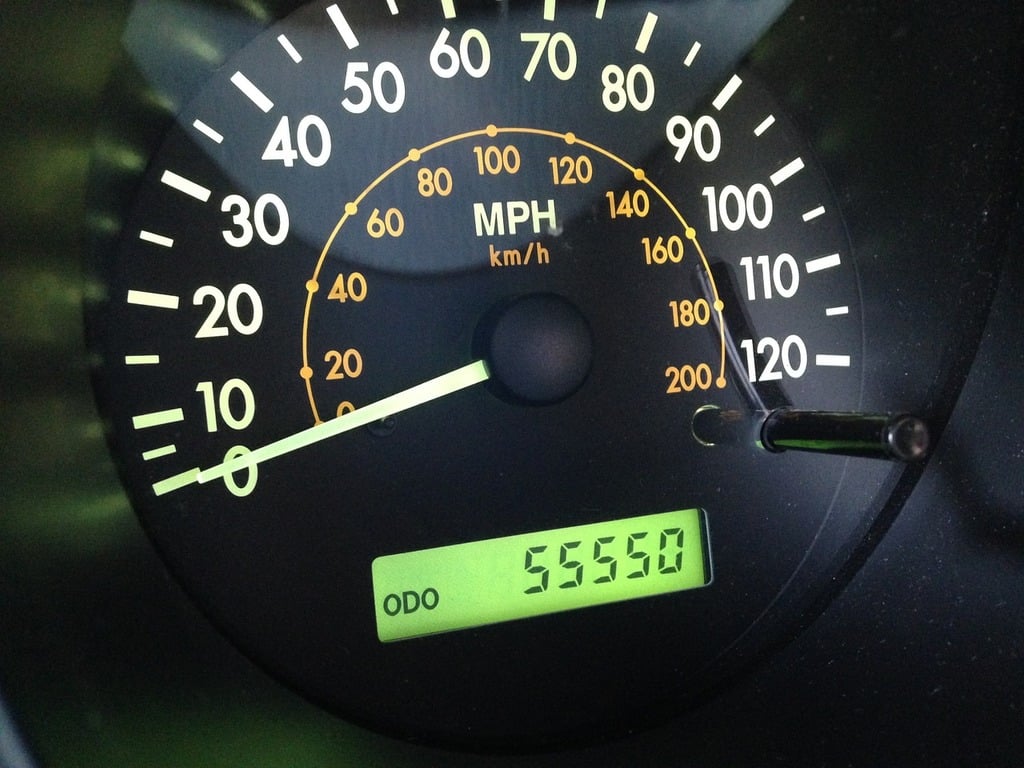
- Both vehicles reportedly logged over 100,000 miles each, and the Espinosas continued driving them after filing suit.
- Honda argues the CR-V was purchased off-lease — a detail the defense frames as a credibility problem, suggesting the couple accepted the vehicle despite awareness of the alleged issue.
- NHTSA opened a preliminary investigation in February 2022 after receiving 278 complaints, later expanding its engineering analysis to roughly 3 million vehicles across 2017–2022 CR-Vs and 2018–2022 Accords.
That expanded review documented 1,294 complaints, 47 crashes, and 93 injury incidents involving unique VINs — all described as “potentially related” to unintended braking, not confirmed defects. No recall has been ordered.
Honda‘s defense carries weight on its own terms. The company maintains the system operated properly and has previously attributed some complaints to owners’ “inadequate understanding of the CMBS and its limitations,” according to NHTSA materials summarizing Honda’s position. For Honda, that framing deflects liability. For the Espinosas, it invites the jury to ask why the company blamed drivers instead of addressing the reported problem.
What Hangs on the Verdict
A ruling for the Espinosas could reshape how California consumers fight back against intermittent electronic faults that dealers struggle to reproduce.
Sensor glitches that appear without warning and vanish on a test drive are among the hardest warranty complaints to resolve. If repeated reports to a dealer — without a confirmed repair — are enough to trigger Song-Beverly obligations, California consumers facing similar driver-assistance problems gain meaningful legal footing. The case offers no fleetwide finding either way; it asks only whether Honda met its warranty obligations to these two people.
NHTSA’s investigation continues separately. Regulatory action, including a potential recall, remains possible based on the agency’s ongoing engineering analysis, but nothing has been ordered as of the available materials.
Automated safety systems earn driver trust exactly one way: by being predictable. A car that brakes for phantoms often enough trains drivers to distrust technology designed to save their lives. That uncomfortable irony is precisely what Honda must now argue in front of a jury.