

General Motors’ bulletin 01-06-01-011Q outlines that some gasoline engines might consume up to 1 quart of oil per 2,000 miles under specific conditions. These essential checks, derived directly from factory bulletins and owner’s manuals, help protect engine longevity. Master these crucial points and the machine serves reliably, ready for any adventure.
1. Engine Air Filter and Intake Seal
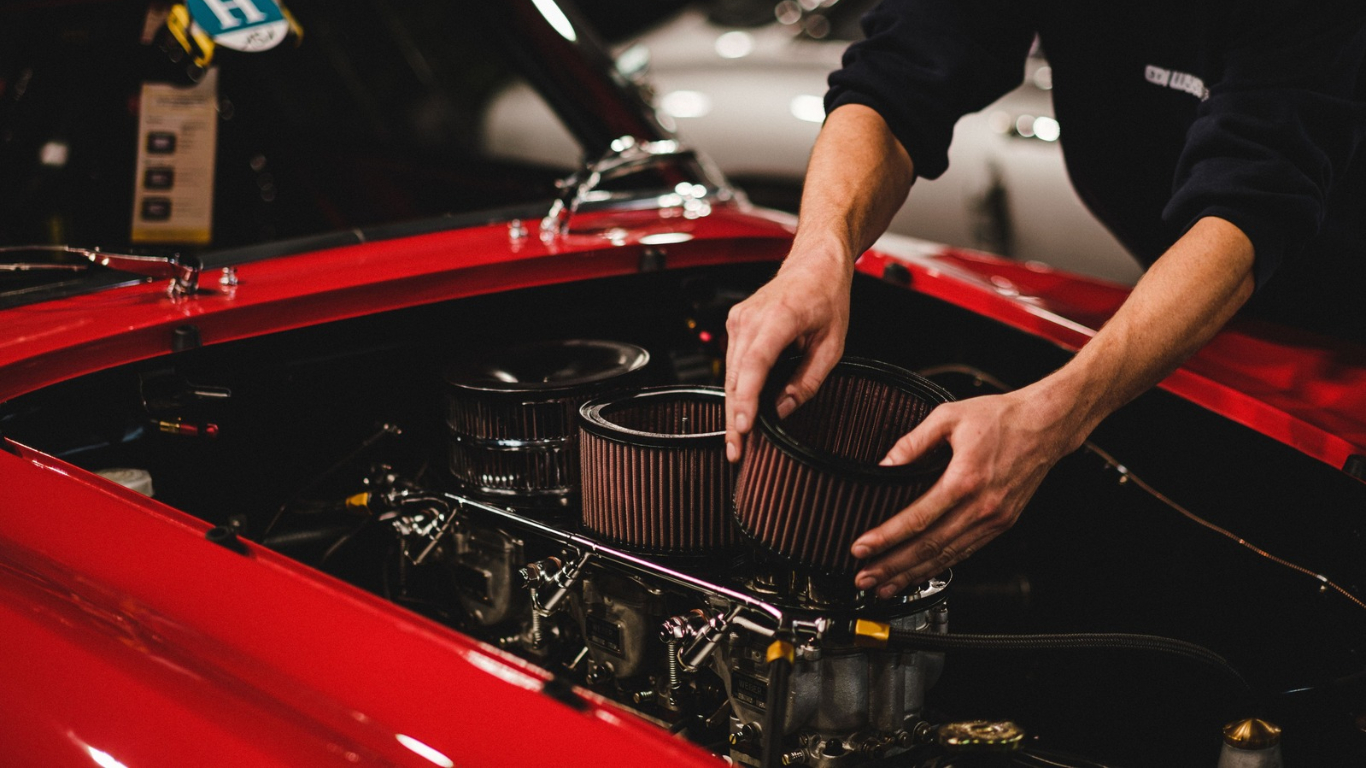
A damaged or poorly seated filter can force-feed the engine abrasive road dust and sand.
Inspect the engine’s air filter monthly, checking for torn pleats, gaps, or a poorly seated rubber seal. Such breaches allow unfiltered particles to bypass filtration entirely. Oak Ridge National Laboratory research confirms that while clogged filters do not significantly affect fuel economy, they can reduce acceleration. That frustration of stomping the throttle to merge on the interstate and getting a tired growl? The engine is gasping for clean air. A secure intake prevents it from inhaling road grit, preserving performance and extending its life.
2. Serpentine/Accessory Drive Belt
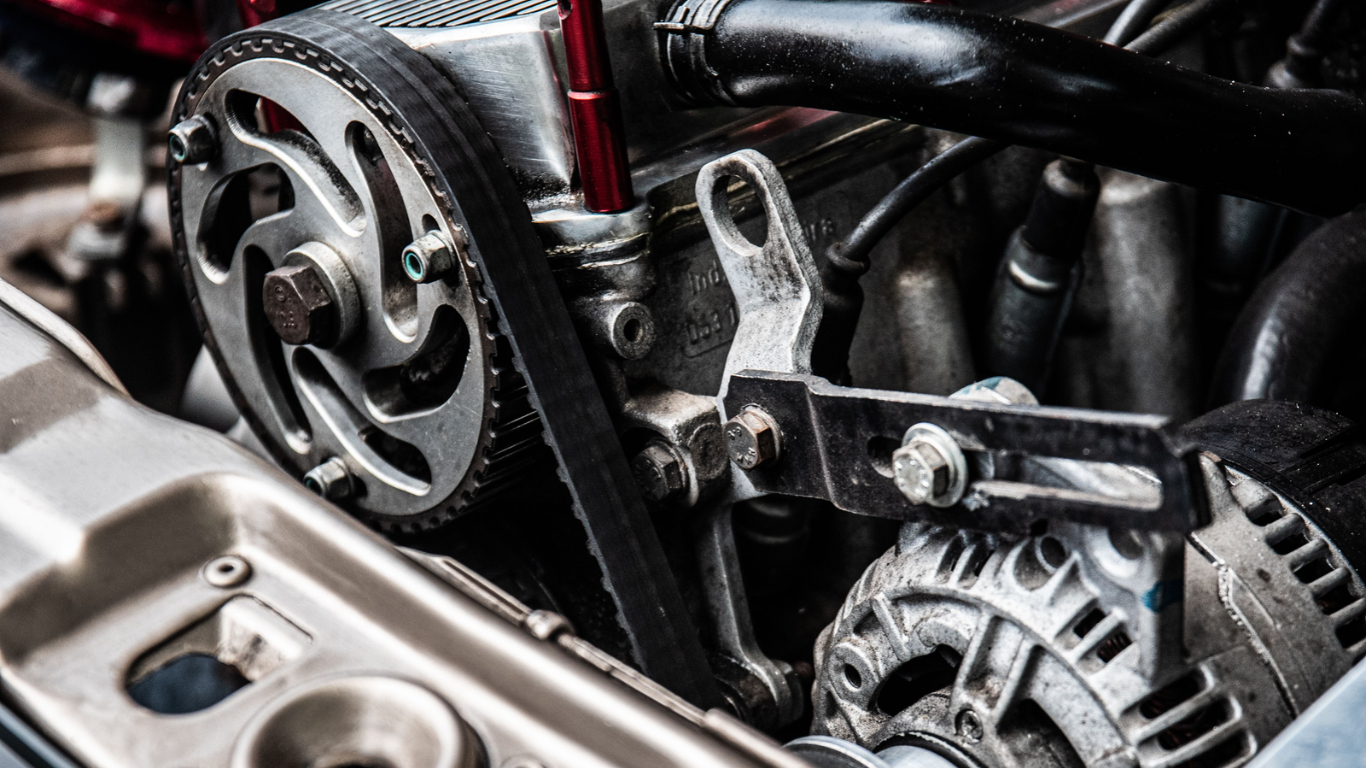
Modern EPDM belts can operate for 100,000 miles or more without showing visible cracks, yet as little as 5% loss of rib material can create significant problems.
Belt manufacturer Gates found these EPDM belts mask their true condition, making visual crack inspection alone insufficient. Inconsistent power steering or weaker engine cooling signal belt slip, much like trying to get traction on a slick track with bald tires. Gates recommends starting wear checks around 60,000 miles using a specialized belt-wear gauge. If that gauge rocks from side to side, it indicates excessive wear.
The era of spotting belt cracks with the naked eye is over; true longevity now requires precision checks. Ignoring these subtle signs is a shortcut to being stranded on a road trip, halfway to a favorite diner.
3. Coolant Hoses
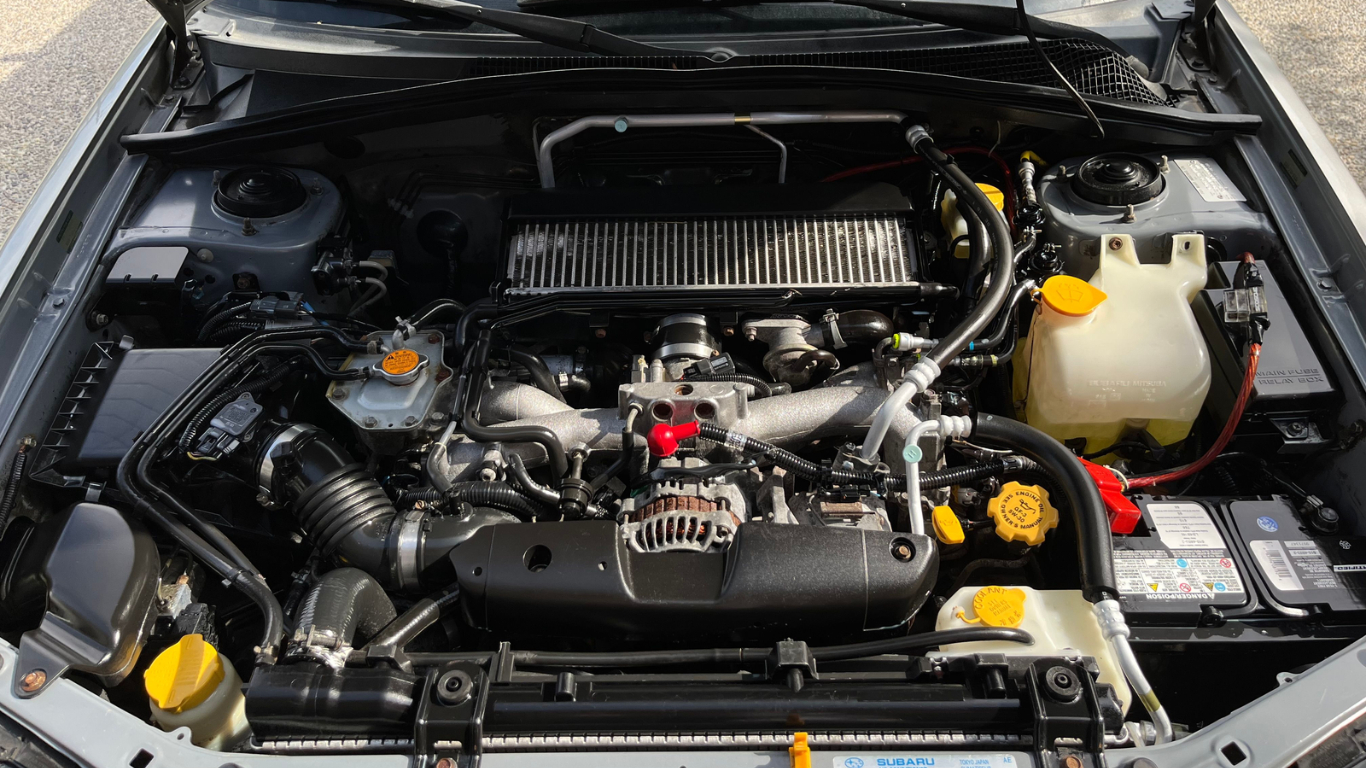
Internal deterioration can begin near hose ends, not just the center section.
Inspect these vital arteries only when the engine is cool, focusing attention near clamps and fittings. A hose feeling soft, mushy, swollen, cracked, or unusually weak demands prompt professional evaluation or replacement.
Preventative inspection ensures avoiding the ignominy of a roadside breakdown, sparing drivers from the kind of unexpected pit stop that derails a perfect road trip.
4. Engine Coolant Level
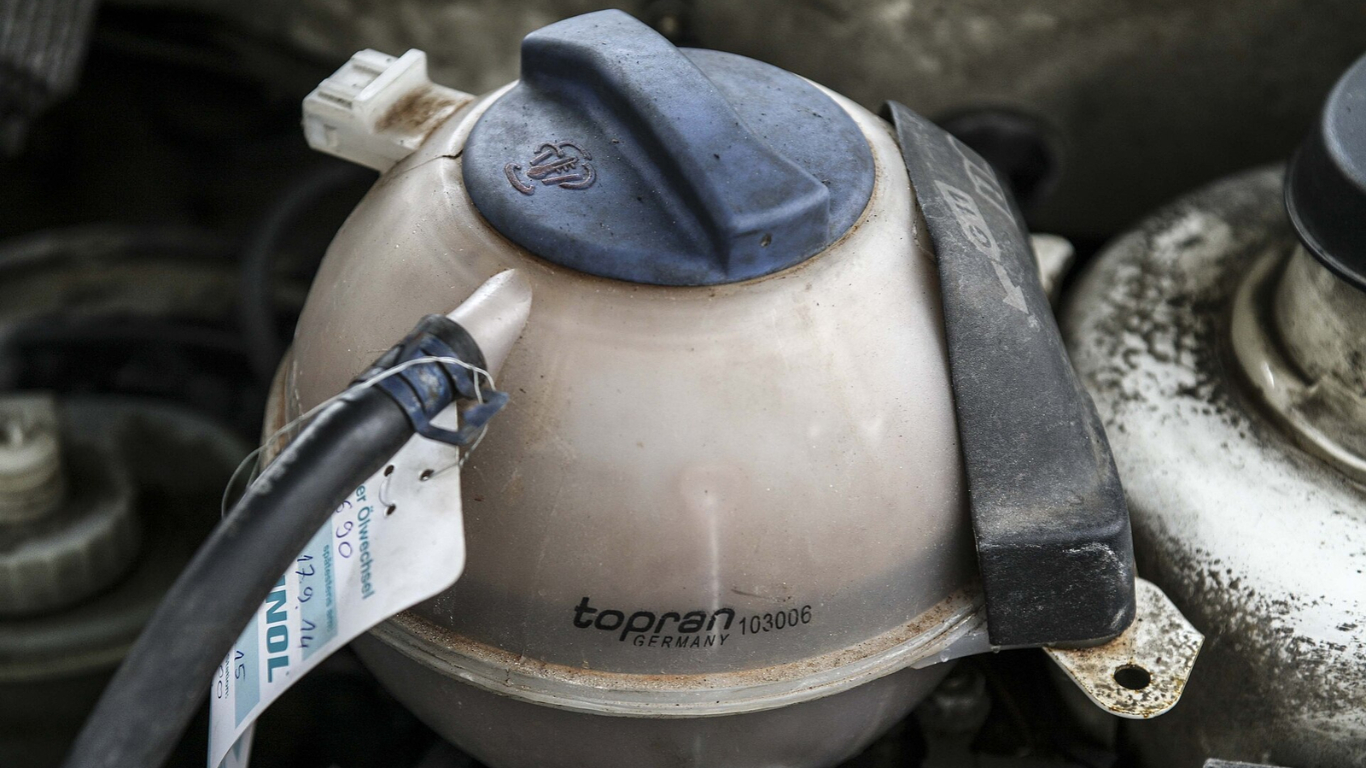
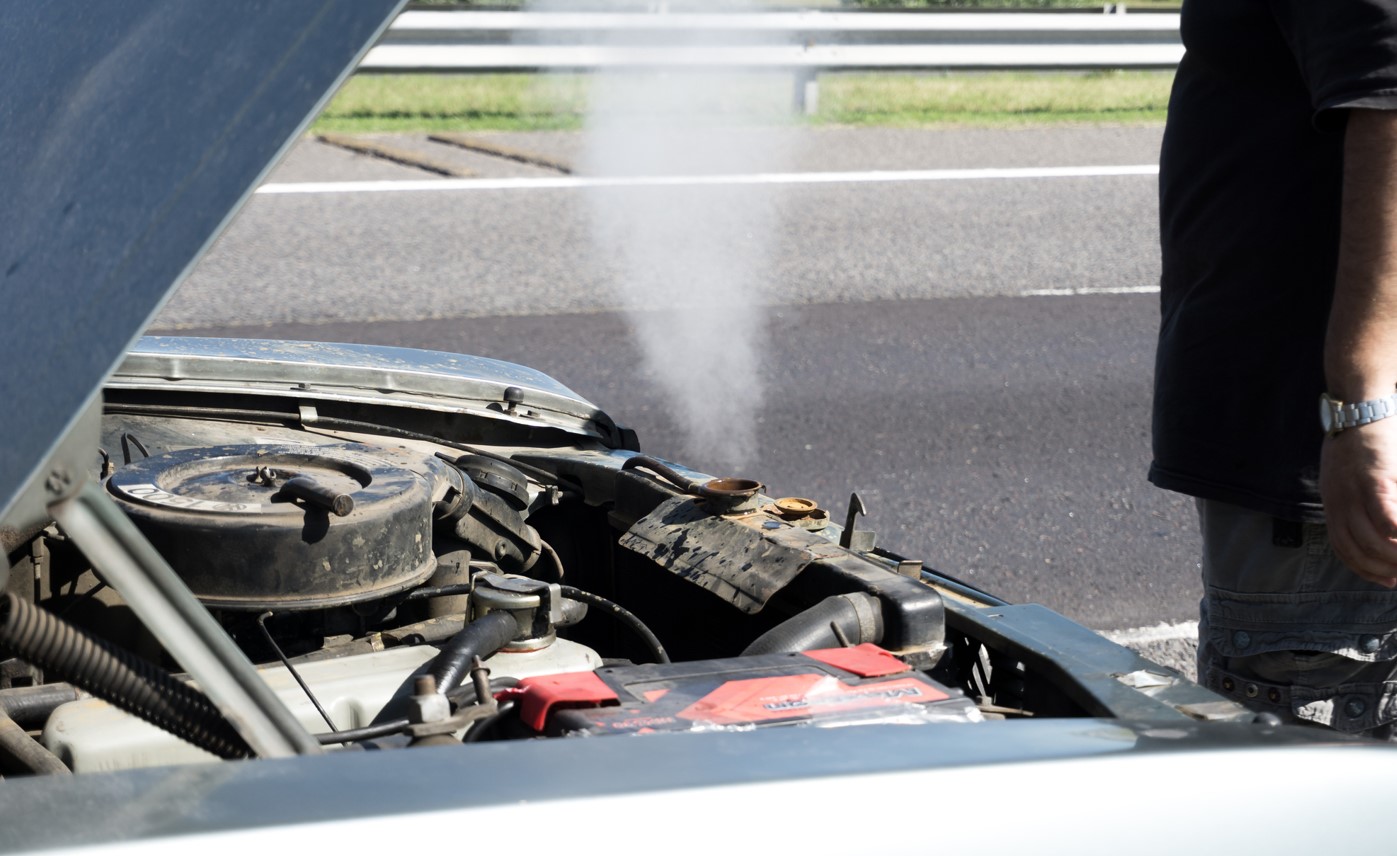
Coolant expands when hot, which is precisely why the reservoir should be checked only when the engine is cold.
The level should rest between the MIN and MAX marks. Ford advises having the cooling system checked if coolant consumption becomes excessive. Never try to crack open a hot radiator cap, as pressurized coolant can cause severe burns. Ford warns against replacing proper coolant with plain water, which invites corrosion, overheating, or freezing.
Using the manufacturer-specified coolant ensures the engine runs cool and true, keeping long hauls uninterrupted.
5. Engine-Oil Dipstick Level Between Oil Changes

General Motors’ guideline for many gasoline vehicles treats consumption up to 1 quart per 2,000 miles as an accepted rate under specified conditions, especially with aggressive driving.
An engine driven 7,500 miles between oil changes could consume nearly 4 quarts at that rate. This isn’t like stretching a tank of gas on a long highway run. At that consumption level, periodic top-ups become essential to prevent damage. Check the oil on level ground with the engine off, allowing it to settle according to the owner’s manual. Pull the dipstick, wipe it clean, reinsert it fully, and read it again.
6. Rising or Milky Engine-Oil Level
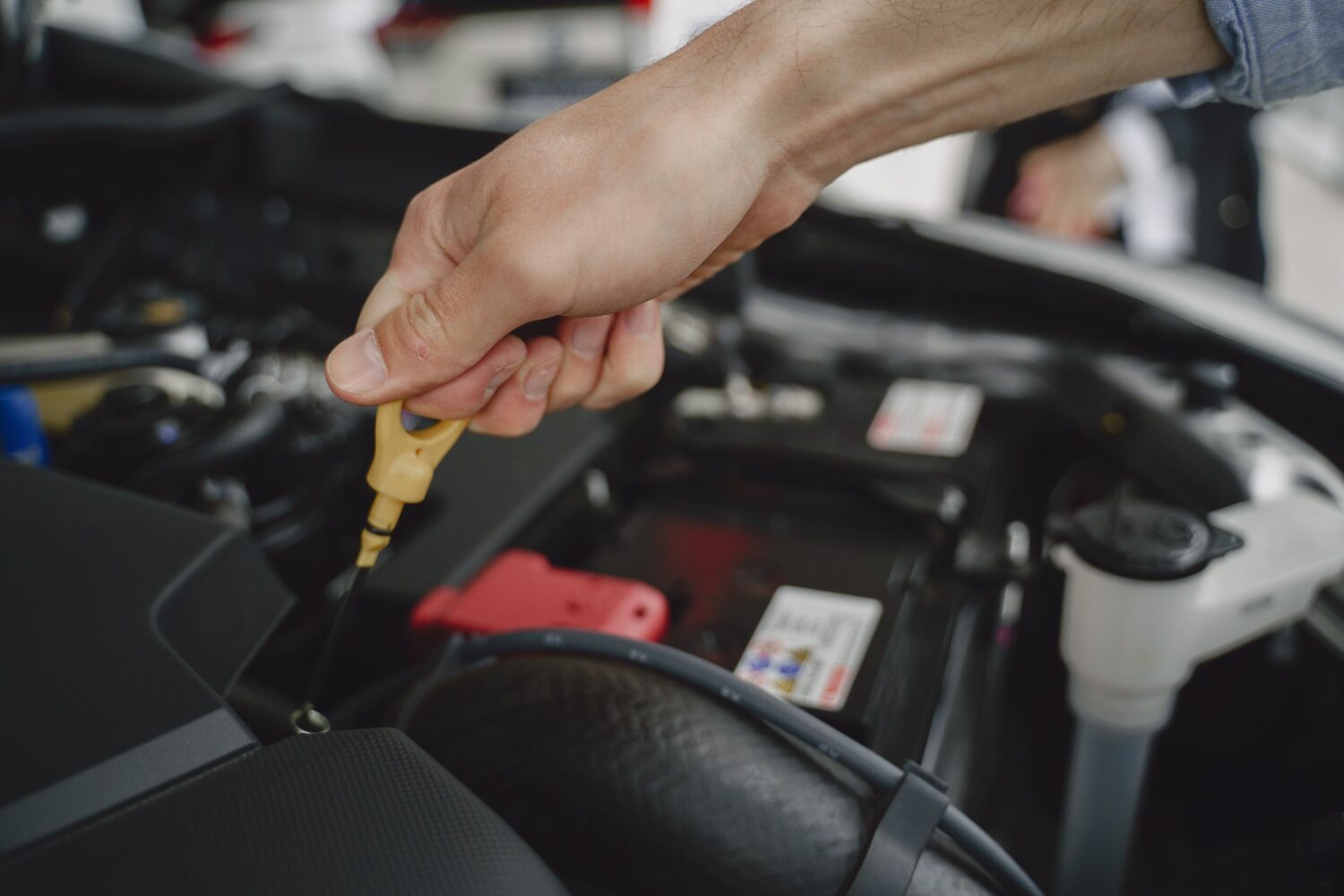
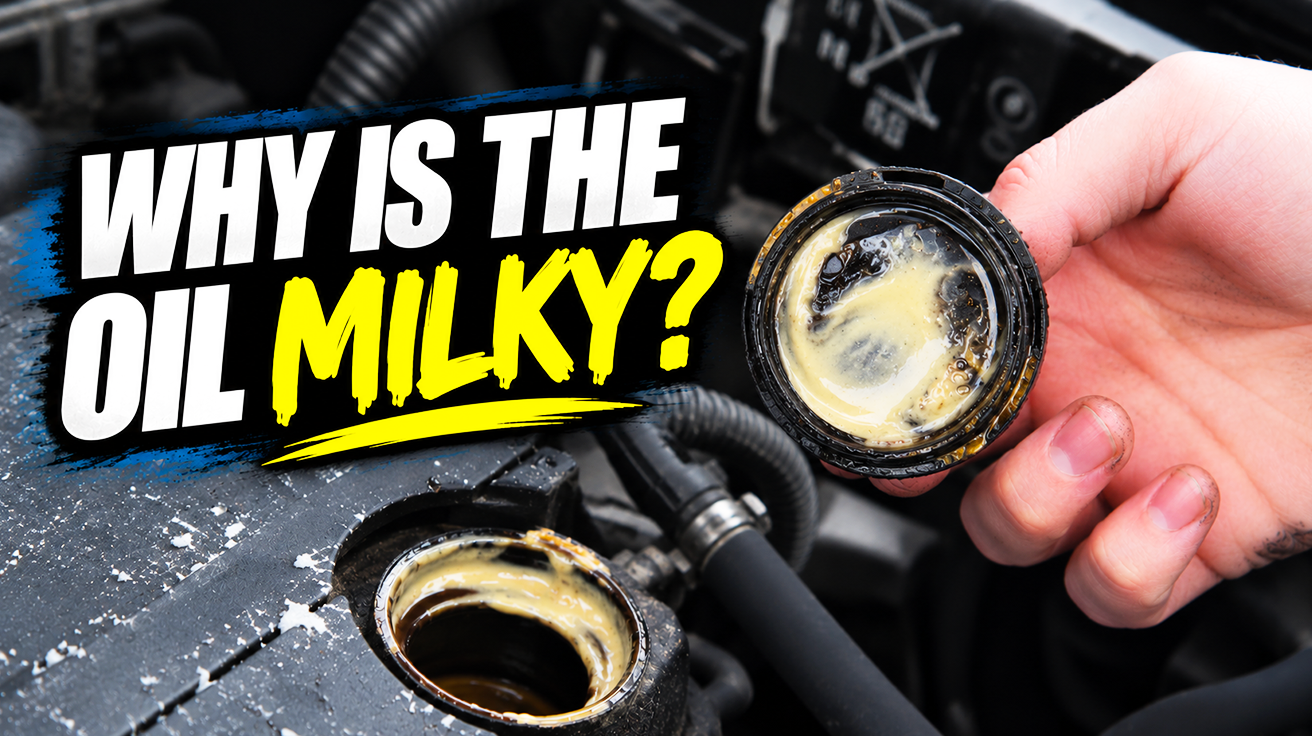
An oil level above the full mark can indicate fuel dilution or coolant contamination rather than overfilling alone.
Short trips, extended idling, and slow driving can allow fuel to dilute the oil because the engine never gets hot enough to evaporate it. When oil appears milky or discolored, it may indicate moisture buildup or coolant entering the lubrication system.
If the daily ritual is just a quick run to the store, the engine needs a proper open-road workout. Any abnormal oil appearance or level demands immediate professional diagnosis before continued driving.
7. Low Oil-Pressure Warning Light
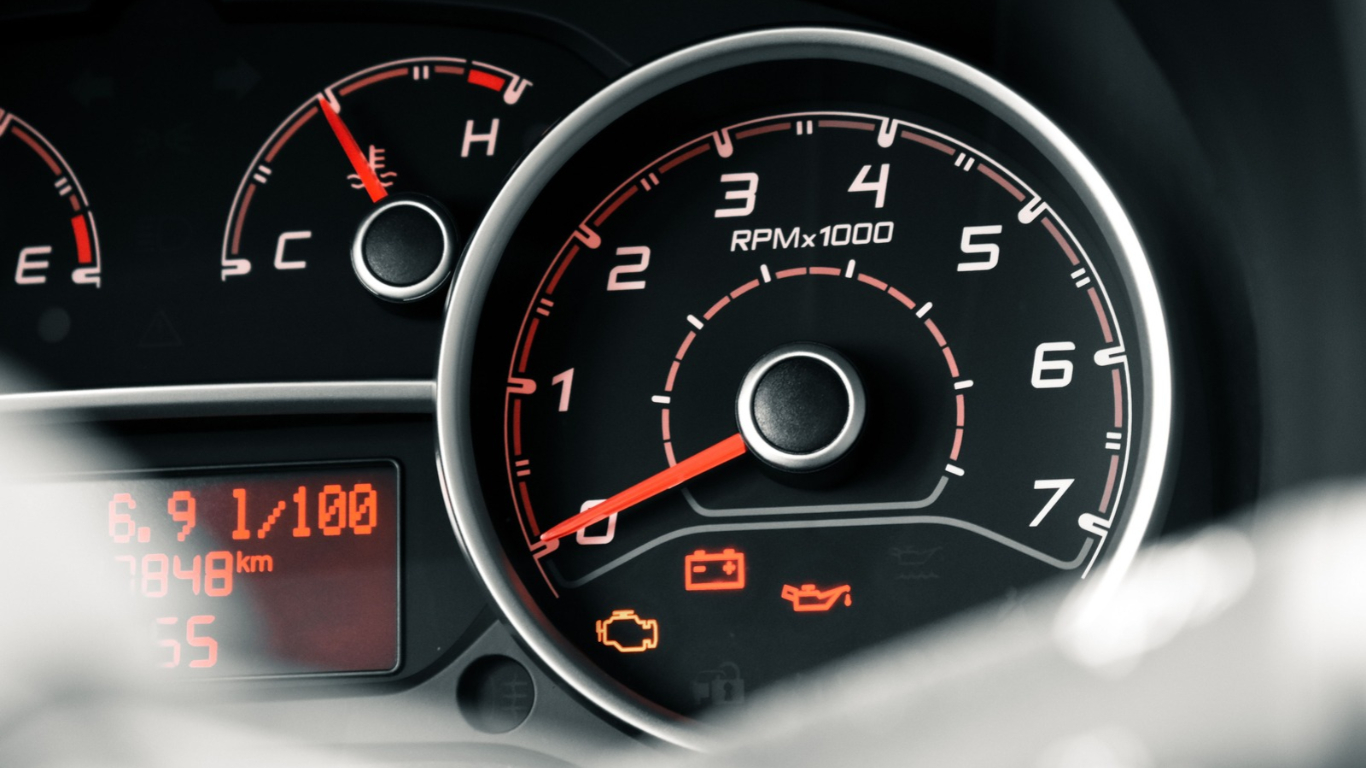
The red oil-can warning light generally indicates low oil pressure, not the amount of oil remaining in the sump.
Ford’s F-150 manual clarifies this distinction. An engine can show an acceptable dipstick reading yet still suffer dangerous pressure loss. If that light illuminates, the immediate response must be to stop safely and switch off the engine. Ford manuals instruct drivers to check the oil; if the level is correct, the vehicle should be inspected before driving.
Continuing to drive with low oil pressure can cause severe mechanical damage rapidly. This isn’t an early alert; it’s the automotive equivalent of a flatlining heart monitor.
8. Flashing Check-Engine Light

A steady malfunction indicator generally calls for prompt diagnosis, while a flashing light can indicate an active misfire capable of overheating and damaging the catalytic converter.
Ford manuals warn of catalytic-converter damage, and Honda manuals instruct drivers to stop safely, turn the engine off, and seek service if the light continues flashing. This warning demands immediate, conservative action to prevent catastrophic damage. The dashboard warning-light self-test should illuminate the check-engine light briefly when the ignition is switched on without starting the engine.
9. Positive Crankcase Ventilation (PCV) System
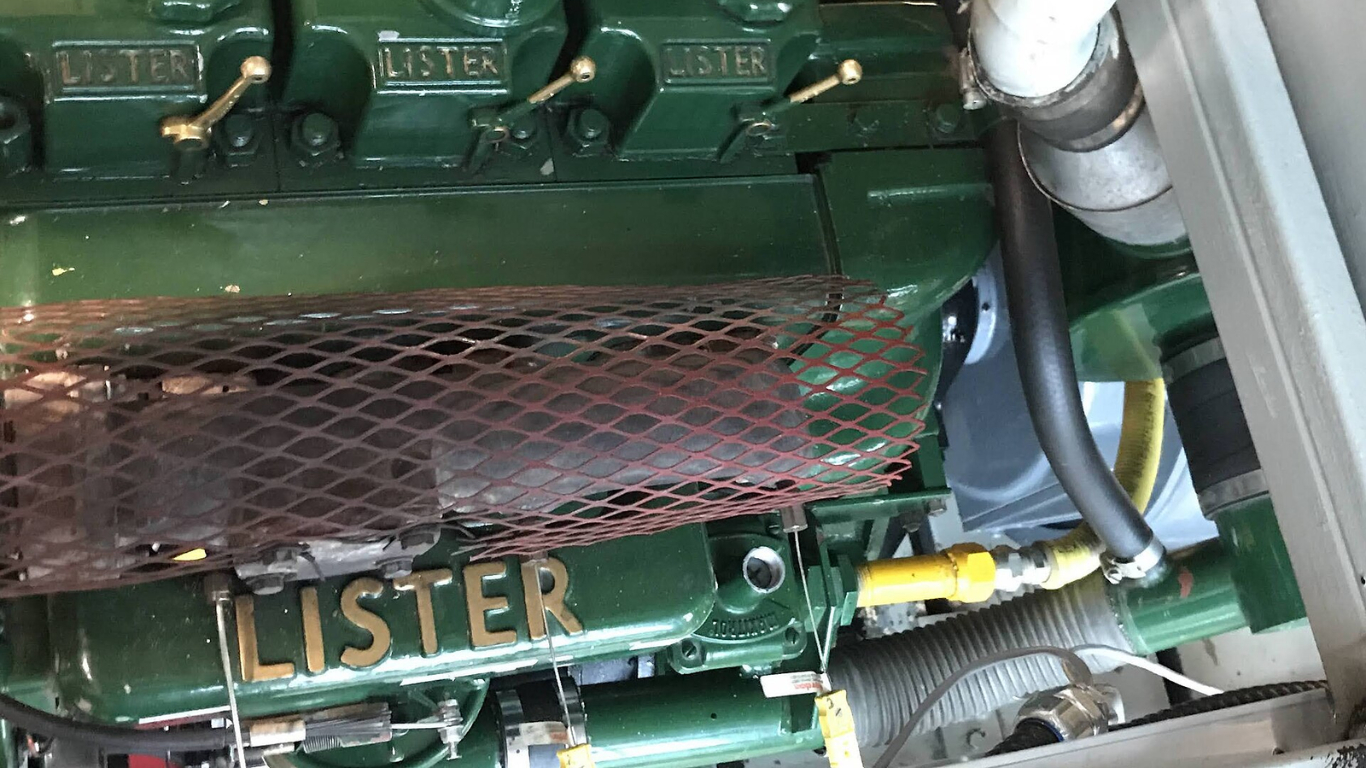
The PCV system removes combustion gases that leak past piston rings and routes them back into the intake system for combustion.
A blocked passage can raise crankcase pressure like a pressure cooker without its vent, promoting oil leaks, increasing oil consumption, and potentially damaging seals or the engine. Visible oil around the valve cover, oil in the intake tube, or a dipstick that will not remain seated can indicate excessive crankcase pressure.
Proper diagnosis generally requires pressure testing or professional inspection. Address PCV issues proactively to keep the drive honest and reliable.
10. Long Drive to Evaporate Fuel and Condensation
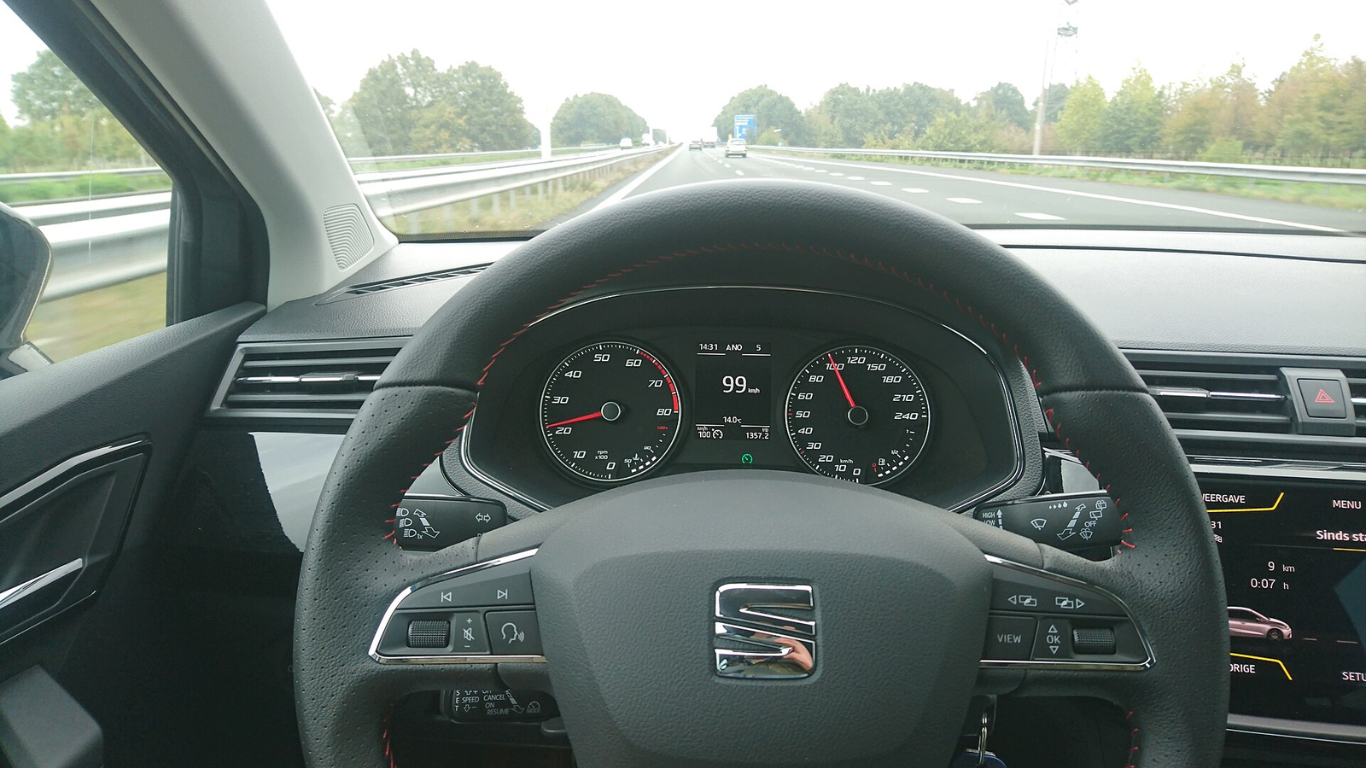
Repeated trips of only a few miles may not heat the oil sufficiently to evaporate fuel and condensation, especially in cold weather.
General Motors service information identifies short-trip operation as a contributor to oil contamination. A sustained drive that brings the engine to normal operating temperature for roughly 30 minutes can help remove accumulated moisture and fuel. Drivers should follow the severe-service schedule in their owner’s manual if short trips dominate their use.