

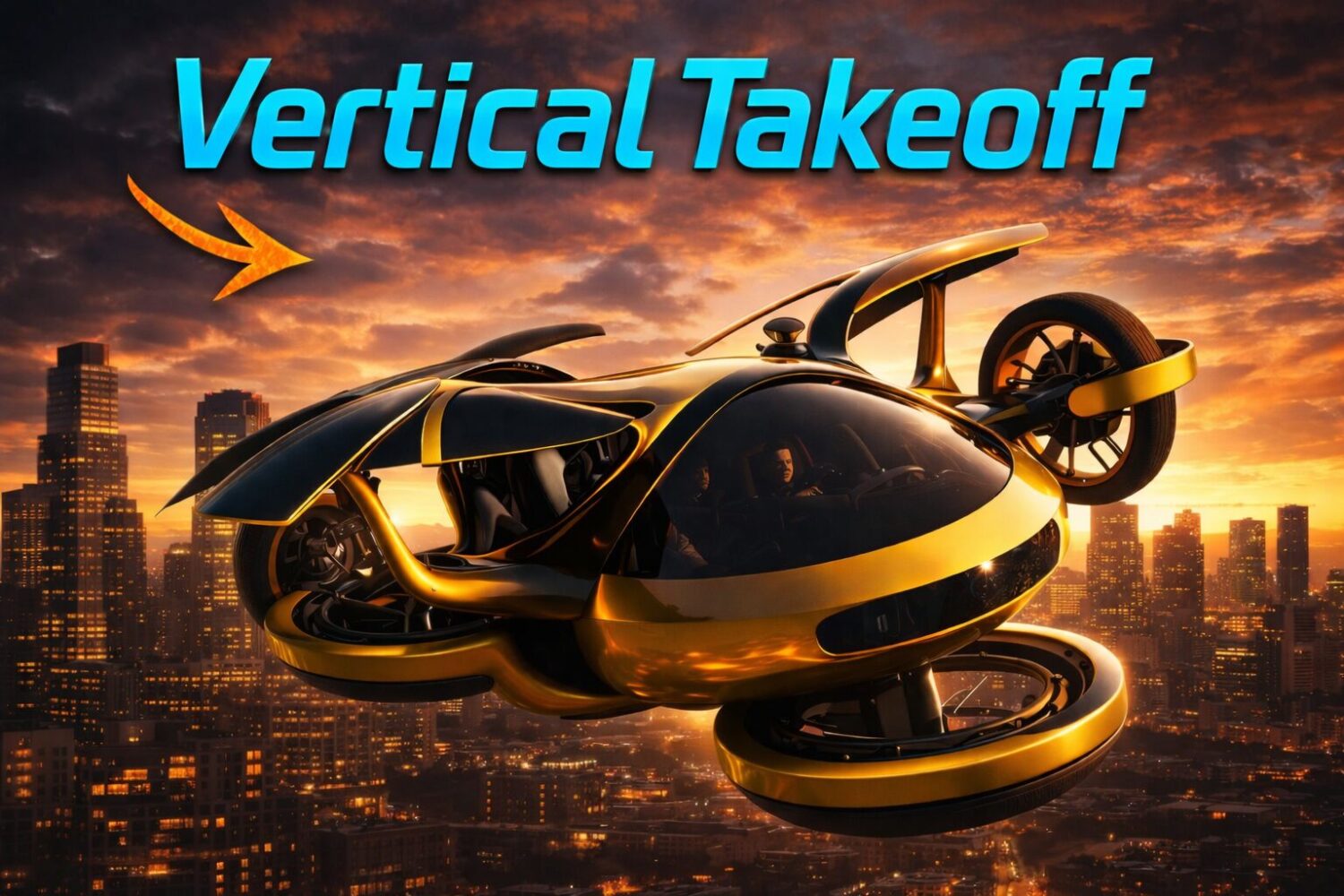
Ground traffic costs the average commuter two hours a day. That adds up to weeks of life spent staring at brake lights. Vertical takeoff aircraft bypass roads entirely, flying directly from origin to destination at speeds most cars cannot match on an open highway. The technology is no longer theoretical — several of these vehicles already hold FAA certification or have completed test flights. The question is not whether personal air travel arrives. It is how soon.
These 15 vertical takeoff aircraft represent the current state of personal flight, from production-ready multicopters to concepts that will reshape how cities move.
15. EHang 216, Xpeng X2, and AirCar: The Ready-to-Fly Multicopters
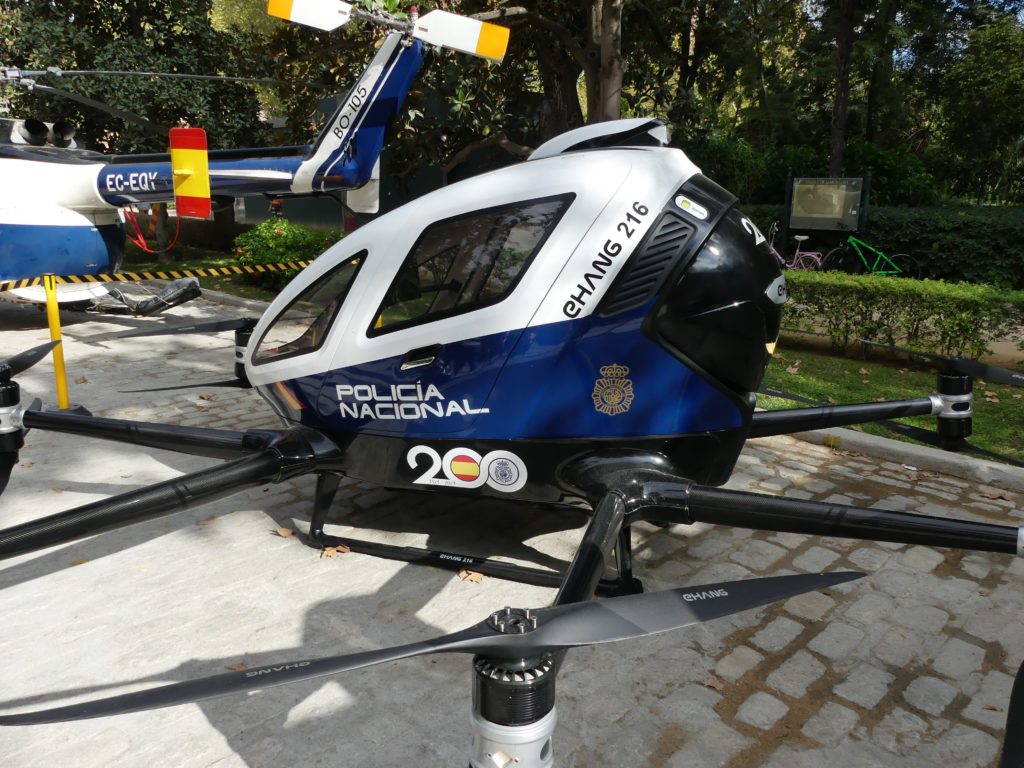
Three aircraft define the leading edge of production-ready personal flight today. The EHang 216 leads the multicopter market with autonomous flight capability, redundant safety systems, an 81 mph cruise speed, a 485-pound payload, and 25-minute flight endurance. The Xpeng X2 brings foldable arms, eight propellers, semi-autonomous flight modes, and a 35-minute range in a sleeker package. Slovakia’s AirCar runs a 140 hp BMW engine, flies at 106 mph with a 621-mile range, converts from car to aircraft in under three minutes, and requires a runway rather than a vertical pad. Each represents a different answer to the same problem. Personal flight is not approaching — for buyers with the budget, it is already here.
14. Doroni H1, Alef Model A, Leo Coupe, Bellwether Oric, Formula 2, and Bartini: Multicopters with Car-Like Designs
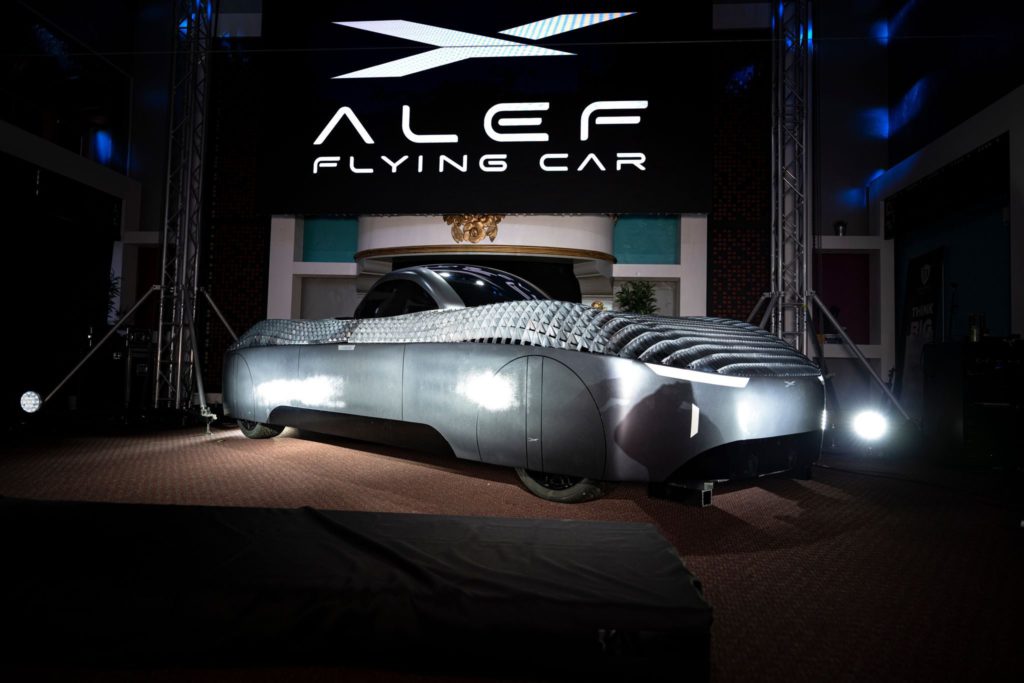
The next generation of multicopters hides rotors inside car-like bodies, trading the exposed-propeller look of early designs for something that fits a parking garage without attracting attention. American companies Doroni and Alef lead this category domestically, while England’s Bellwether Oric brings European design ambition to the same concept, and Russian projects Formula 2 and Bartini pursue parallel development from a different engineering tradition. Enclosed rotor systems improve stability, reduce noise, and lower the visual profile compared to open multicopter designs. The gap between personal aircraft and personal vehicle is narrowing fast, and this category is where it closes first.
13. Doroni H1: Specifications and Expectations
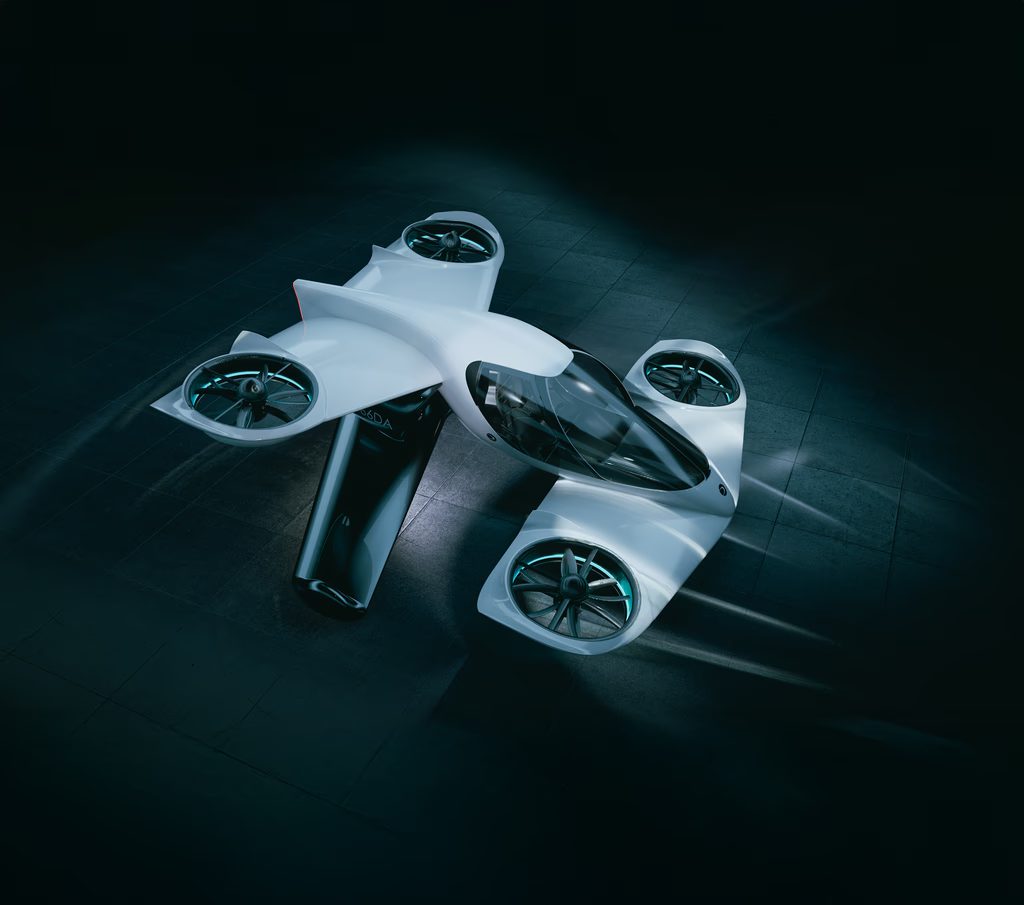
The Doroni H1 is one of the few flying cars designed specifically to fit in a standard garage — compact enough for residential storage while carrying nearly 500 pounds at 140 mph across a 60-mile range. The 2,200-pound airframe includes advanced collision avoidance systems and user-friendly controls built around the assumption that pilots will not have traditional aviation backgrounds. Pre-order pricing sits around $400,000 with a projected launch window of approximately 18 months, and Doroni is currently accepting investment for buyers who want early involvement. Garage-to-sky personal commuting is the pitch here, and the specifications make it a credible one.
12. Alef Model A: A Flying Car That Drives
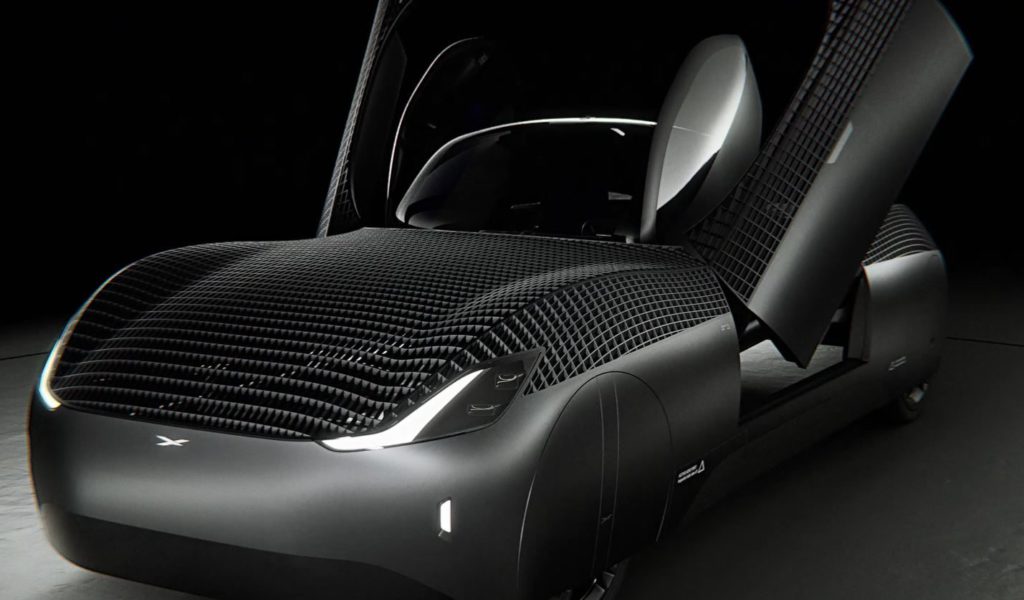
The Alef Model A already holds FAA Special Airworthiness certification, which separates it from most vehicles on this list that are still working toward regulatory approval. Hidden propellers deploy for flight while the central capsule rotates for aerial control, and the same vehicle drives on public roads at up to 25 mph with a 200-mile ground range before the 110-mile airborne range takes over. Pre-orders are open at around $300,000 with deliveries expected within two years. Street-legal operation combined with VTOL capability in a single certified vehicle is a combination no competitor currently offers. Landing and driving away without waiting for ground transportation changes the entire door-to-door travel calculation.
11. Leo Coupe and Bellwether Orx: The Supercars of Flying Cars
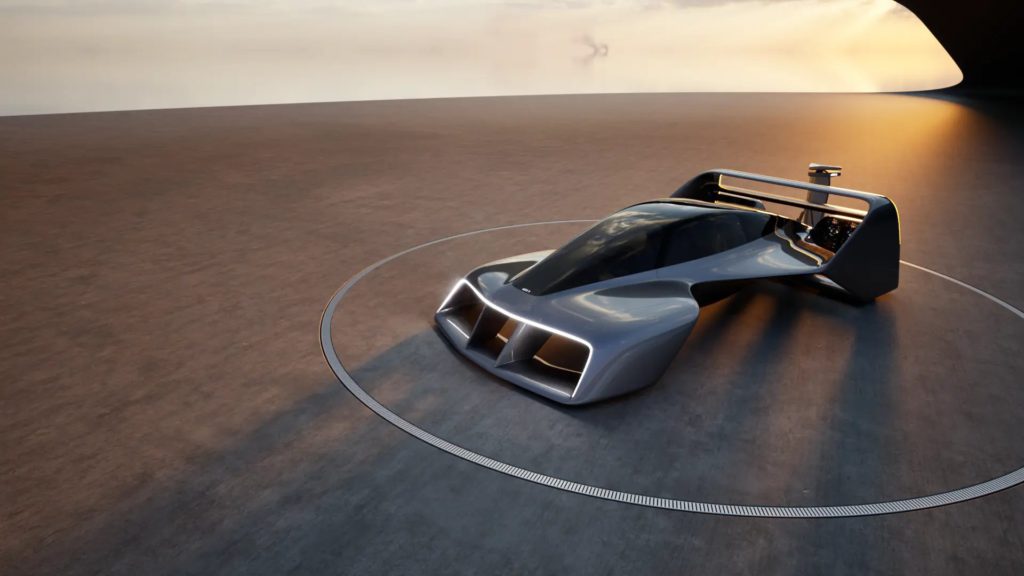
The Leo Coupe is priced at $3.3 million and performs like that number demands — 280 mph cruise speed, 440-mile range, three-seat capacity, a glass floor for panoramic views, and advanced fly-by-wire controls driven by electric ducted fan propulsion. At that speed and range, cross-state business travel becomes a day trip rather than an airline booking. The Bellwether Orx targets a different use case at a lower price point, delivering 155 mph cruise speed, 93-mile range, and tandem seating through eight ducted propellers and advanced composite construction, with a 2028 market launch focused on emergency services and VIP transport. One aircraft pushes the performance ceiling. The other builds the infrastructure that makes personal air travel a professional tool.
10. Bellwether Orx: Specifications and Market Entry
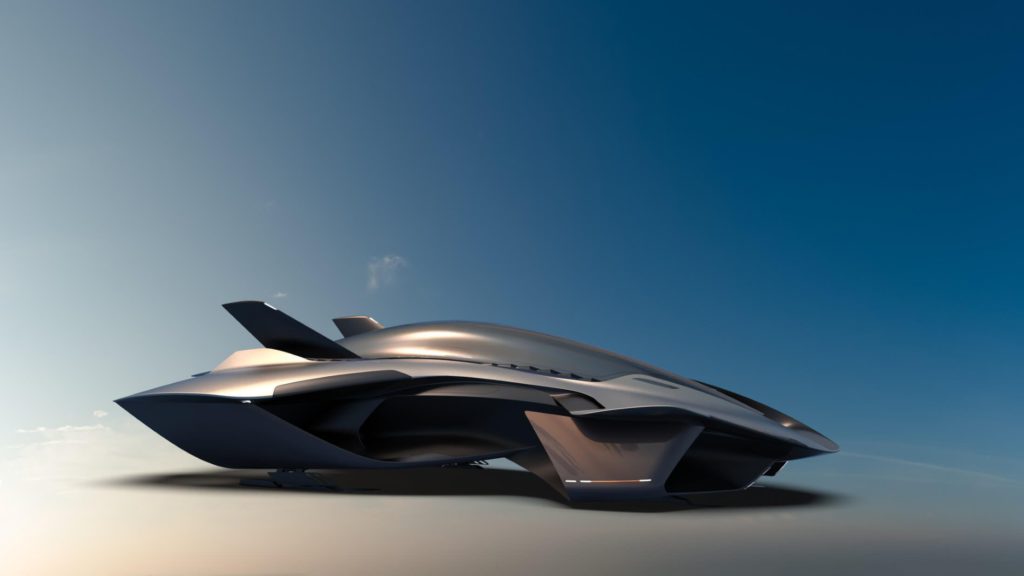
Eight ducted propellers and advanced composite materials give the Bellwether Orx a lightweight structure that achieves 155 mph cruise speed and a 93-mile range from tandem seating designed for passenger comfort rather than just pilot utility. The 2028 market launch targets emergency services and VIP transport — two use cases where speed and vertical takeoff capability justify the investment without requiring consumer adoption to scale. First responders covering remote terrain currently measure response times in hours. The Orx measures them in minutes. That gap is where the Bellwether’s commercial case is strongest, and the specifications support it without requiring optimistic assumptions about consumer infrastructure.
9. City Hawk: Hydrogen-Powered Urban Mobility
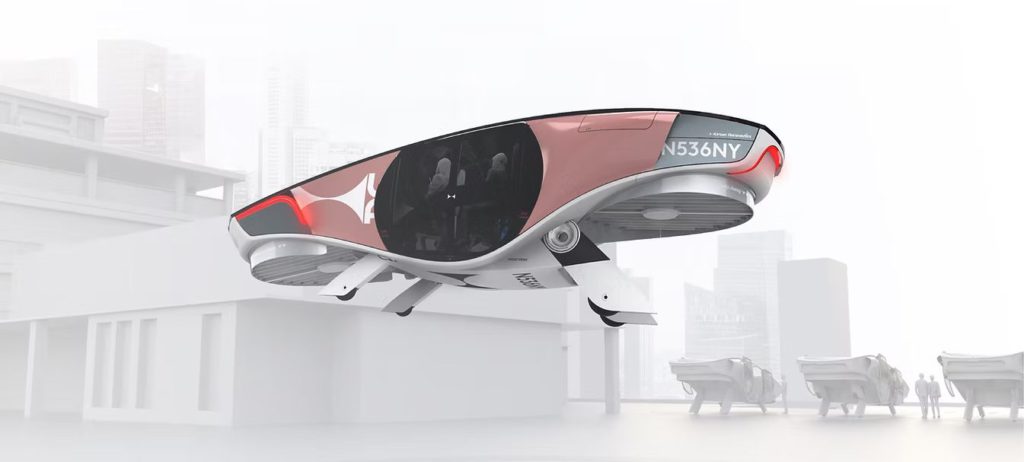
Israel’s City Hawk runs on a hydrogen fuel cell system that produces zero emissions while carrying up to six passengers — a capacity most personal aircraft in this category cannot approach — at 175 mph with a 93-mile range. Fewer external propellers than competing designs reduce noise output to levels significantly below traditional helicopters, which matters for urban deployment where rooftop operations require community acceptance. The 2027 delivery target focuses on taxi and ambulance services, where the combination of zero emissions, reduced noise, and six-passenger capacity creates a use case that battery-electric competitors cannot currently match. Medical evacuations that currently require helicopter logistics could happen faster and quieter on the same routes.
8. Air and Skyfly Axe: Winged Multicopters for Everyday Use
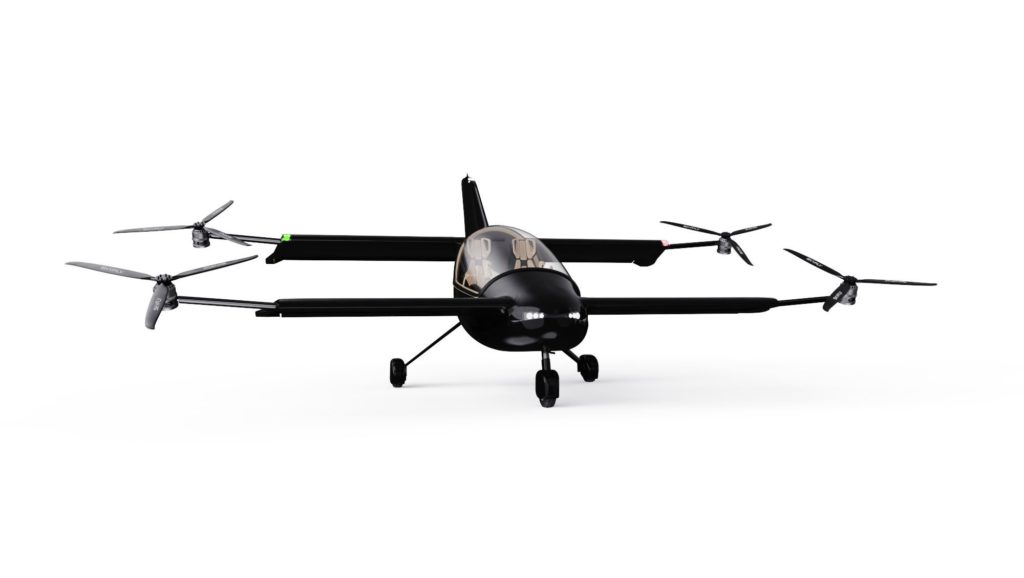
Winged multicopters solve a problem that pure multicopters cannot — using wings for horizontal flight efficiency while retaining vertical takeoff capability for locations without runways. Air and Skyfly Axe both take this hybrid approach, folding wings for compact parking while leveraging them for range and speed during cruise. Pre-orders are open now with deliveries expected in three to five years. Pilots with traditional fixed-wing or helicopter backgrounds find the transition intuitive, and the vertical takeoff capability opens departure points that conventional aircraft cannot access. The design lands between helicopter versatility and fixed-wing efficiency in a way that neither category achieves on its own.
Skyfly Axe: Pricing and Power
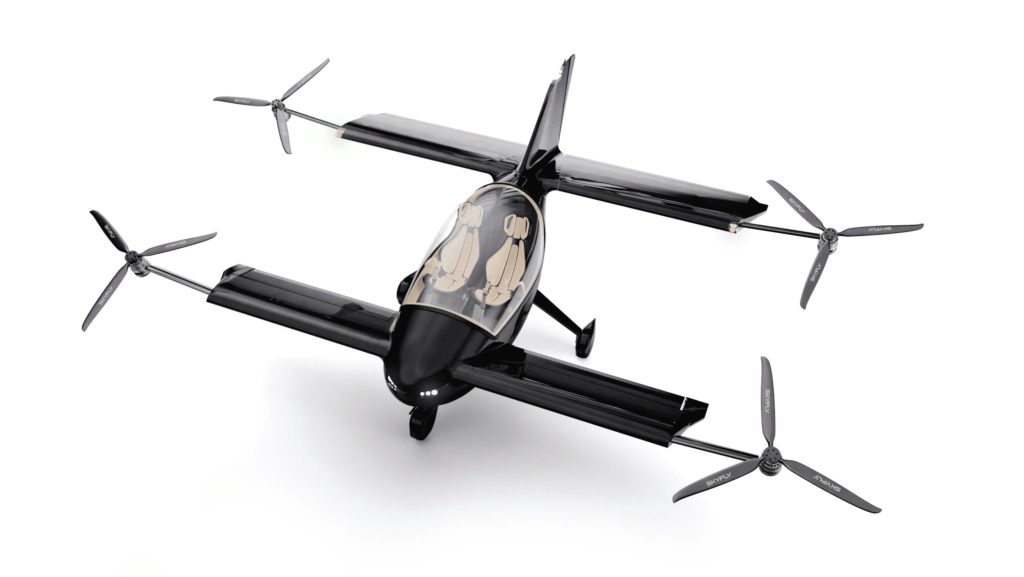
Starting around $200,000 before optional safety features like the ballistic parachute system, the Skyfly Axe delivers 200 horsepower through a hybrid-electric system with a maximum takeoff weight of 1,322 pounds and 350-pound passenger capacity. Short runway requirements make it accessible to private pilots who already have airstrip access, and the hybrid-electric powertrain provides range flexibility that pure battery designs cannot match at this size. Weekend trips to remote locations work when a simple grass field serves as the departure point. Private aircraft ownership at this price and capability level reaches buyers that traditional general aviation has never seriously addressed.
7. Air One: Power, Safety, and Design
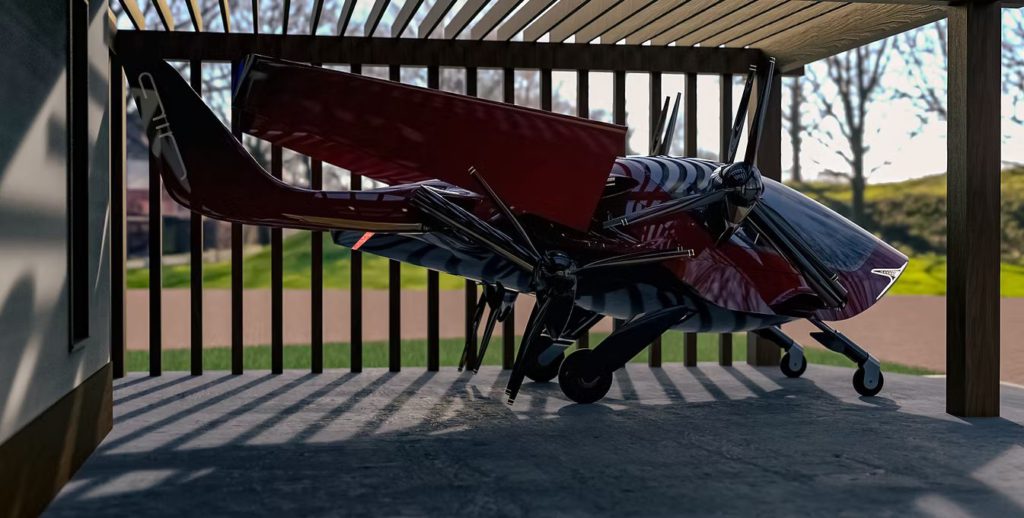
The Air One runs four independent energy backups in a two-seat frame producing 770 horsepower — a redundancy specification that addresses the safety concern most people raise first about personal aircraft. Cruise speed reaches 100 mph with a 155 mph top end and 110-mile range, carrying 550 pounds with collapsible wings for storage and a single joystick control interface designed for pilots without extensive aviation backgrounds. Battery charging completes in one hour, and the luggage allowance is genuinely useful rather than token. The quadruple energy backup is the headline specification here — it is the kind of redundancy that turns personal aircraft from a calculated risk into a practical transportation decision for cautious buyers.
6. Xpeng Flying Car: A Two-in-One Modular Concept
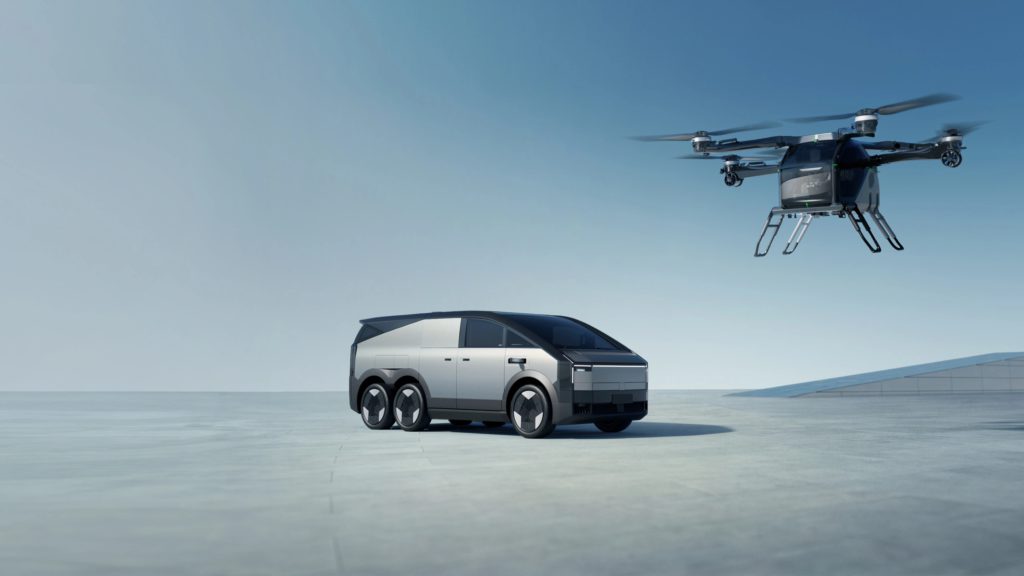
Xpeng’s modular flying car concept separates the passenger cabin from the flight module entirely, allowing the two components to operate independently and reconnect when both ground and air travel are needed in the same trip. A detachable air module with a foldable flight system enables range extension through module exchanges, which addresses the battery limitation that constrains most electric VTOL designs. The concept remains in development with significant technical challenges still ahead, but industry interest in the modular approach continues growing because it solves the storage problem that prevents urban residents from owning VTOL aircraft. If the flight module parks separately, personal air travel no longer requires hangar access or a dedicated facility.
5. ASKA A5: A Transformer for Door-to-Door Travel

The ASKA A5 matches an SUV’s footprint on the ground before converting to a VTOL aircraft in three minutes — a four-seater with 150 mph air speed, 250-mile range, and six independent motor systems for redundancy that eliminates single-point failure risk across the propulsion system. Large wings enable efficient gliding during cruise flight and provide safe emergency landing capability if power systems are compromised. Ground speed reaches 70 mph for the road segments of mixed trips. Expected pricing lands around $500,000 with 2026 deliveries planned and on-demand ride-sharing services under development. The ASKA A5 is the most complete door-to-door vehicle concept on this list — one vehicle handles every segment of the trip without transfers or rental logistics.
ASKA A5: Specifications and Ride-Sharing Plans
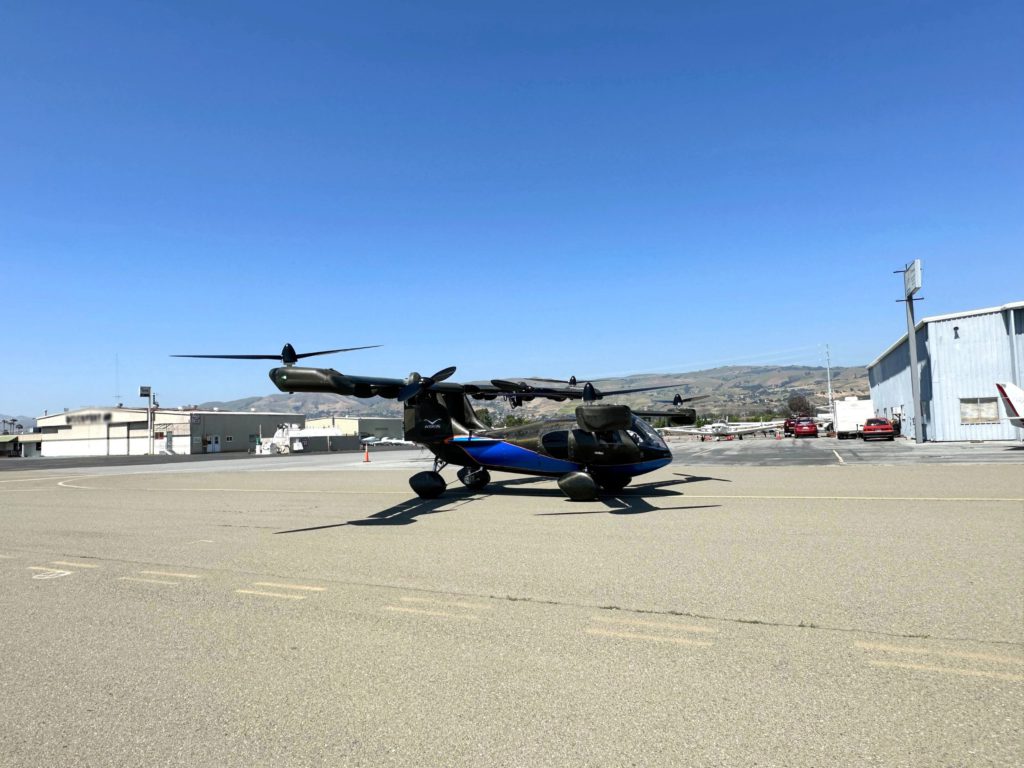
Three minutes between driving and flying modes is the ASKA A5’s operational headline — the transition is fast enough to use opportunistically rather than requiring scheduled planning around the conversion. Ground speed reaches 70 mph for road segments, airborne cruise hits 150 mph with 250-mile range, and the spacious four-seat cabin handles the full trip in dual-mode operation without switching vehicles. Deliveries are planned for 2026 at around $500,000, and an on-demand ride-sharing service under development would make the technology accessible without requiring full ownership. Road construction, traffic incidents, and flat tires stop being relevant problems when the vehicle can simply climb above them.
4. Manta and Jetoptera: Superior Rivals to Helicopters
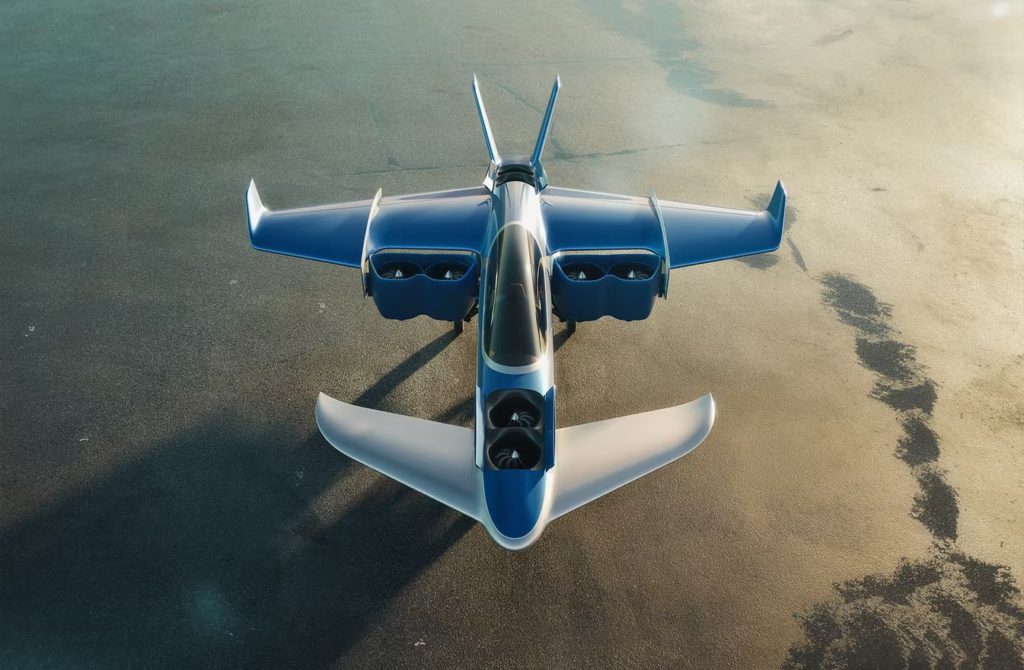
Helicopters dominate the current VTOL market on legacy and infrastructure, not on performance or operating cost — and Manta and Jetoptera are designed specifically to close that gap. Manta provides tandem seating, hybrid-electric power, and a range exceeding 600 miles that puts most helicopter missions well within reach at significantly lower operating cost. Jetoptera’s fluidic propulsion system takes a fundamentally different engineering approach, with no conventional rotors and lift capability approaching 4,400 pounds at 200 mph across nearly 500 miles. Like some of the incredible water vehicles pushing the boundaries of transportation engineering, both designs represent category-level thinking rather than incremental improvement. Search and rescue operations that currently require helicopter logistics could cover significantly more area at lower cost with either platform.
3. Jetoptera: Innovative Fluidic Propulsion
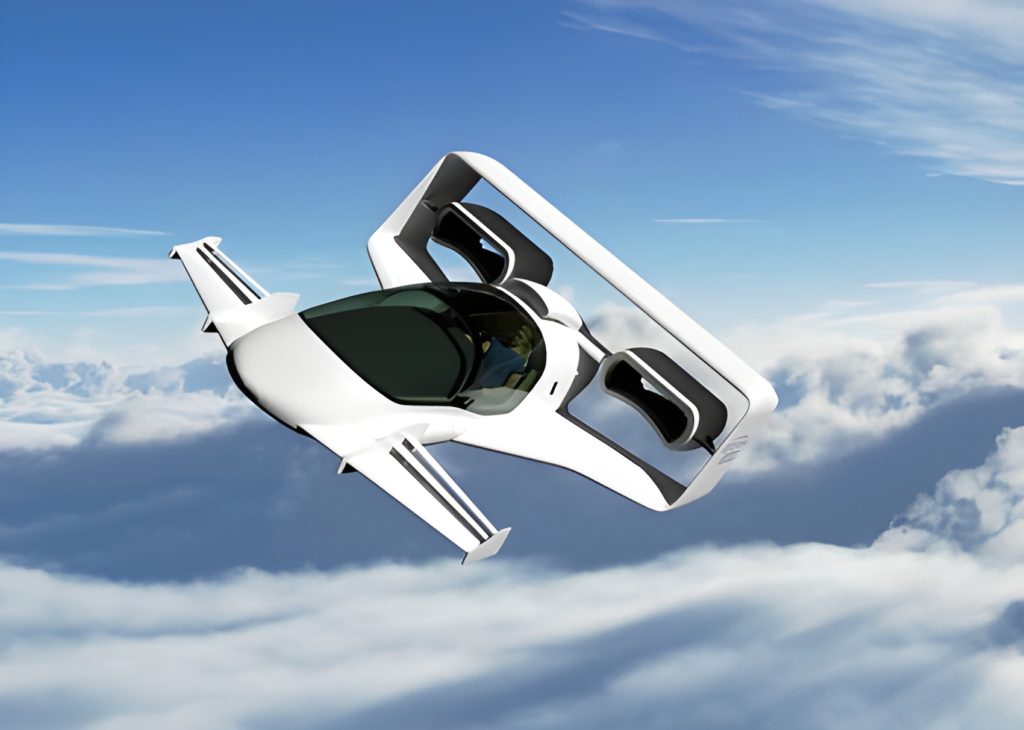
Jetoptera’s fluidic propulsion system uses fluid dynamics rather than conventional rotors to generate lift — a propulsion approach that most competitors have not seriously pursued despite its theoretical efficiency advantages. The airframe achieves approximately 4,400 pounds of lift capacity at 200 mph cruise speed with a nearly 500-mile range, and development plans include a full family of VTOL and STOL aircraft built on the same propulsion platform. Active collaboration with the US military provides both funding stability and real-world mission validation that purely commercial programs lack. Military logistics applications alone — delivering supplies without prepared landing zones — justify the development investment before civilian applications are considered. Fluidic propulsion is an early-stage technology with a performance ceiling that conventional rotor designs cannot match.
2. Cyclotech and Cyclogyro: Futuristic Air Mobility Concepts

Austrian company Cyclotech leads cyclogyro propulsion development, a design approach that uses cyclic propulsors to generate thrust in any direction instantaneously — an advantage that conventional rotors achieve only through mechanical changes that take measurable time. Minimal footprint requirements, instant thrust vector adjustments, and rapid wind gust compensation address the three operational limitations that ground most small aircraft in challenging weather conditions. Coastal communities and high-altitude regions with unpredictable wind patterns represent the strongest use case, where conventional VTOL designs struggle to maintain reliable schedules. The cyclogyro concept has been attempted throughout aviation history without reaching production — Cyclotech’s engineering effort represents the most serious modern attempt to finally get there.
1. Cruise Up: All-Electric Air Car of the Future
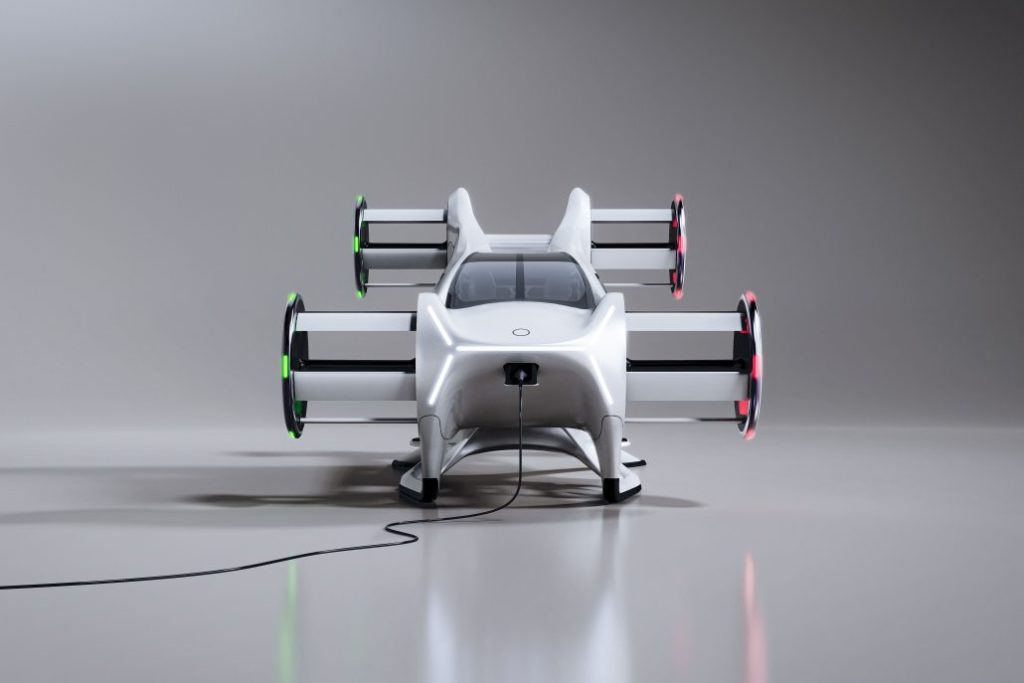
Cruise Up targets 190 mph speeds and 120-mile range from an all-electric powertrain that produces zero emissions at the point of operation — a specification that addresses urban air quality concerns that hydrogen and hybrid-electric competitors sidestep rather than solve directly. The performance targets are competitive with most aircraft on this list, and the all-electric approach simplifies the powertrain by eliminating fuel system complexity entirely. Development timelines remain early, but the zero-emission positioning gives Cruise Up a regulatory advantage in cities where emissions restrictions are already shaping infrastructure investment decisions. Personal air travel without the environmental trade-off is a meaningful market proposition as urban air mobility regulation develops around sustainability requirements. The all-electric future of personal flight, if it arrives on schedule, looks like this.