

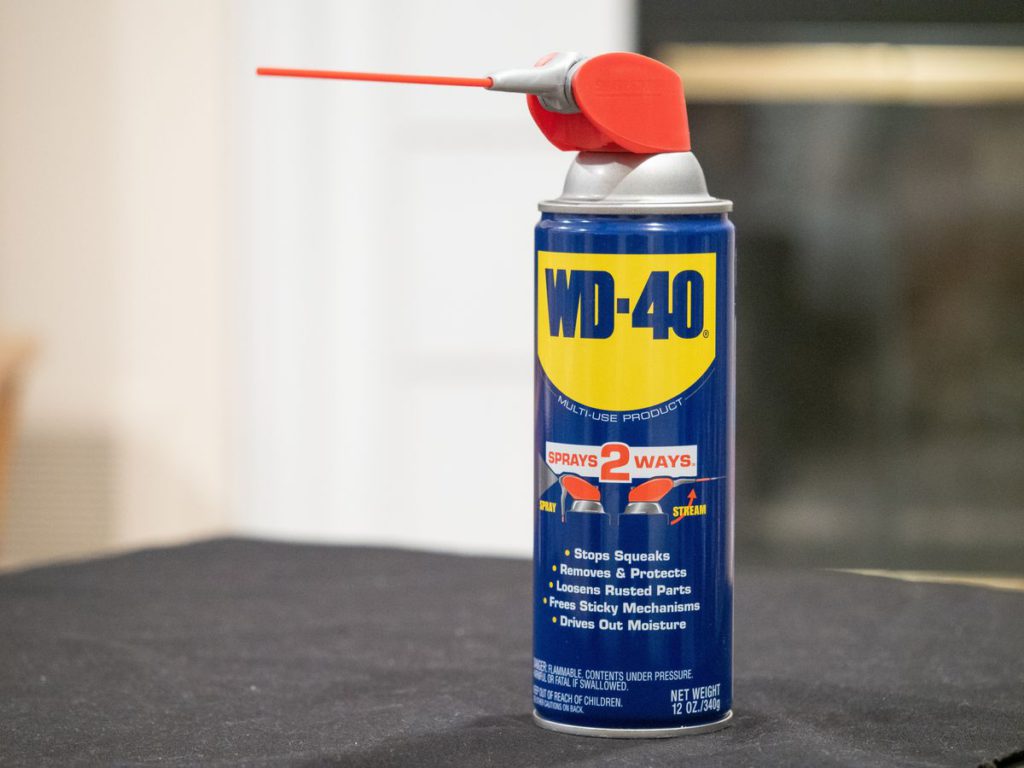
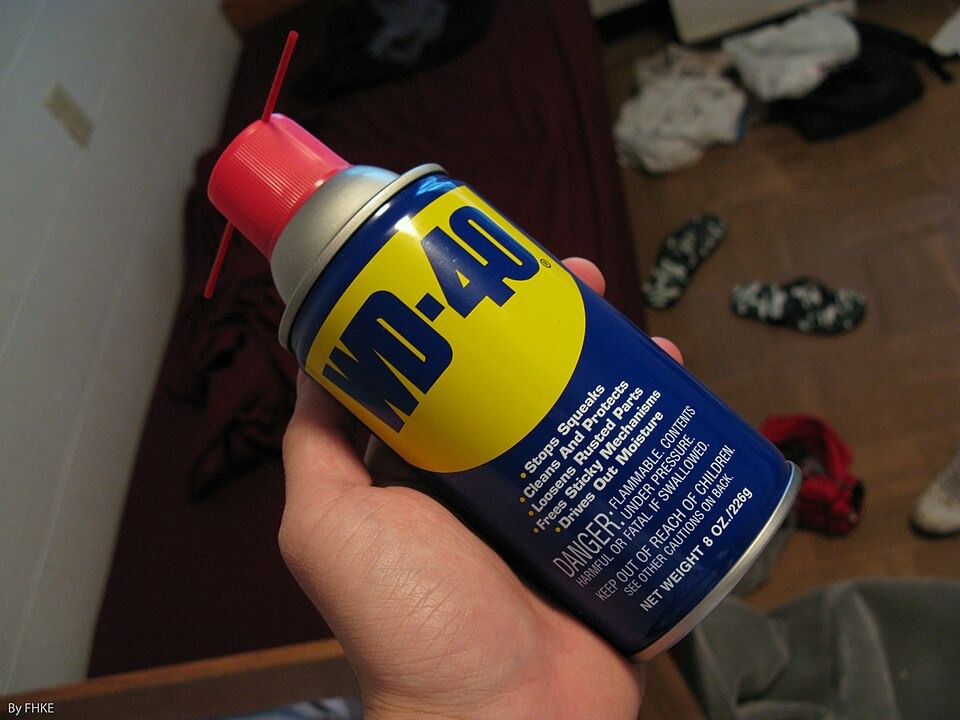
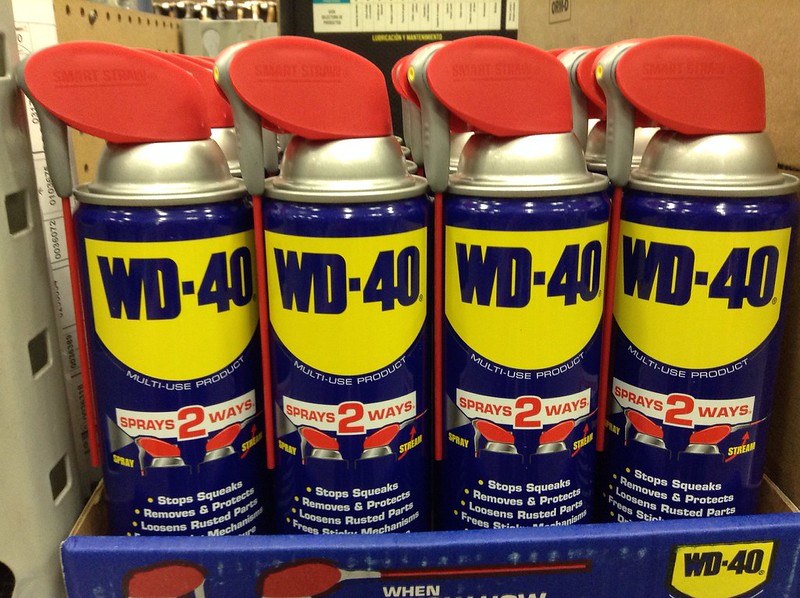
WD-40 is a penetrating oil, water displacer, and corrosion inhibitor — not a marketing category. Understanding what it actually does chemically explains why it works on the specific problems in this list and why it does not work on others. Frozen locks, seized cables, corroded electrical connections, and rusted fasteners all share a common mechanism: moisture and oxidation creating friction or resistance where metal components need to move freely. WD-40’s petroleum-based formula penetrates those interfaces, displaces water, and reduces the corrosion that causes binding. Fifteen applications that save real money compared to the shop rates involved when these problems reach the point of professional intervention. Starting with basic DIY car care pays off consistently across all of them.
15. Unstick Frozen Door Locks
One spray beats a $150 locksmith call every time.
Frozen door lock cylinders are a water intrusion problem — moisture gets into the lock mechanism and freezes around the tumblers, preventing the key from turning. WD-40 sprayed directly into the lock cylinder displaces that water and melts existing ice by lowering the freezing point of the water molecules it contacts. Locksmiths charge $75 to $150 for this service. A can of WD-40 costs a few dollars and handles the same problem in under a minute. Spraying locks preventively before temperatures drop below freezing keeps water out of the cylinder in the first place, which is a faster fix than waiting until the lock is already frozen.
14. Free Stuck Throttle Bodies
Carbon buildup meets its match with a simple spray and clean.
Carbon deposits accumulate on the throttle plate and bore walls over time, creating sticky resistance that shows up as rough idle, hesitation, and erratic engine behavior at low speeds. Shops charge $200 to $350 for throttle body cleaning service. Spraying WD-40 directly on the throttle plate and bore, then working the plate by hand to distribute the solvent, breaks down those carbon deposits for a fraction of that cost. This is a maintenance task rather than a repair — doing it regularly prevents the carbon accumulation from advancing to the point where professional cleaning or component replacement becomes necessary.
13. Clean Mass Air Flow Sensors
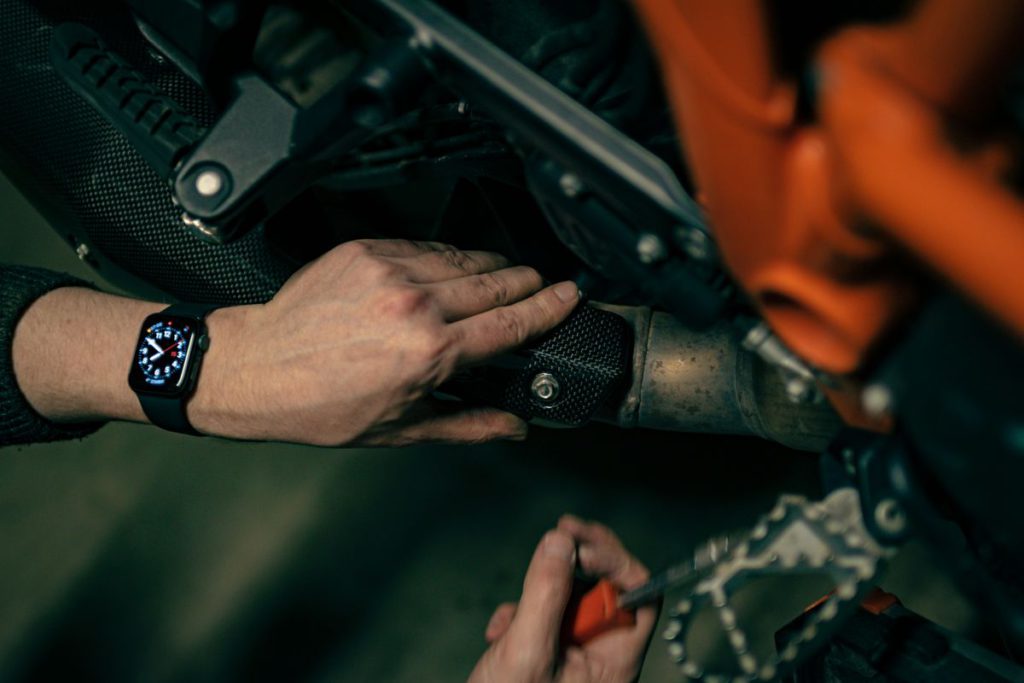
A dirty sensor costs you $200 in repairs plus degraded fuel economy.
The mass air flow sensor measures air volume entering the engine and feeds that data to the ECU for fuel calculation. Contaminated sensing wires produce inaccurate readings that cause rich or lean running conditions, reduced fuel economy, and check engine lights that trigger replacement recommendations rather than cleaning recommendations. Shops replace MAF sensors six times more frequently than they clean them — a replacement costs $150 to $200 for a problem that cleaning often resolves. The correct product here is WD-40 Specialist Electrical Contact Cleaner, not standard WD-40, because the MAF sensing wires are delicate and require a residue-free cleaner that will not coat the wires after application.
12. Revive Dead Battery Terminals
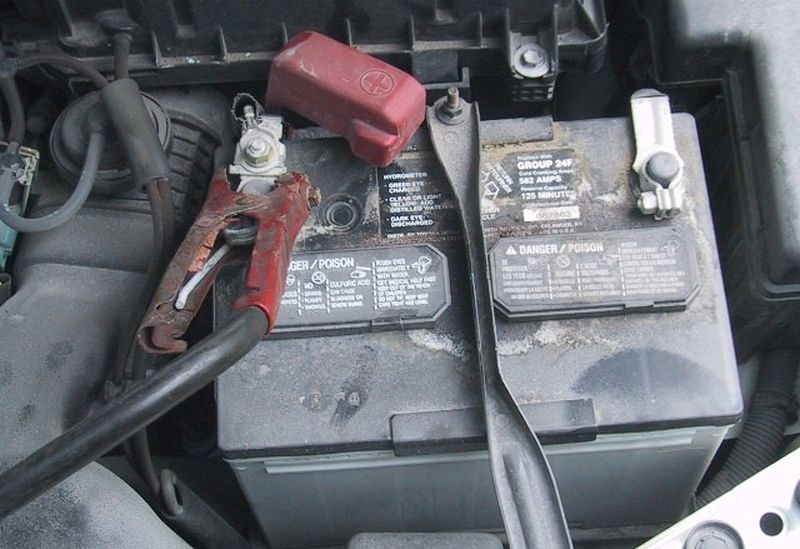
Clean connections beat expensive electrical diagnostics.
Corrosion on battery terminals creates electrical resistance that produces symptoms identical to a failing battery or charging system — slow cranking, intermittent starting, and electrical gremlins that trigger expensive diagnostic sessions. Mechanics chasing these symptoms through the electrical system may charge $400 to $900 in diagnostic time and misattributed repairs before identifying terminal corrosion as the source. Disconnecting the terminals, cleaning the corrosion with a wire brush and baking soda solution, and applying WD-40 to displace moisture from the cleaned connection addresses the actual problem. The battery terminal check takes less than ten minutes and should happen at every oil change in corrosion-prone climates.
11. Free Seized Brake Calipers
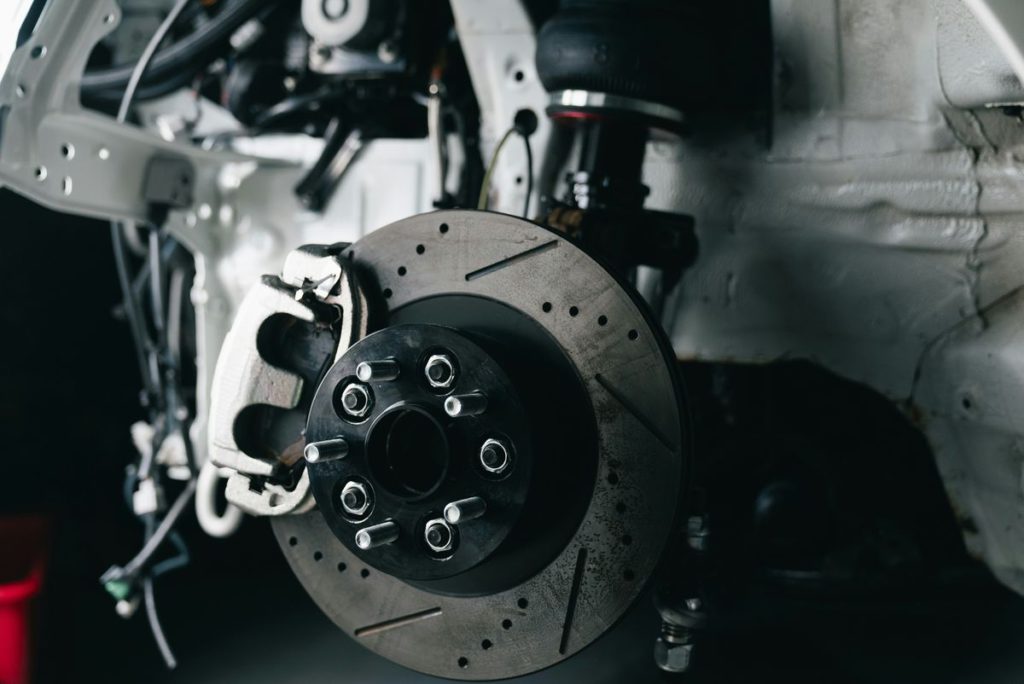
Proper lubrication prevents uneven brake wear and saves hundreds.
Caliper slide pins that cannot move freely cause the brake pad on one side to maintain contact with the rotor while the other side releases — producing uneven pad wear, pulling under braking, and premature rotor damage. Shop rates for caliper service run $30 to $500 per caliper. The preventive fix is removing the slide pins, cleaning corrosion from the pins and bores, and applying dedicated brake caliper grease. Standard WD-40 is not the correct product here — brake components require high-temperature brake grease specifically formulated for the thermal and hydraulic environment. WD-40’s role in this application is cleaning the corroded pins before proper brake grease is applied, not serving as the final lubricant.
10. Unstick Parking Brake Cables
Winter freeze doesn’t have to mean dealership bills.
Parking brake cables run through steel housings that collect moisture and rust from the inside, gradually increasing the friction that prevents the cable from moving freely within the housing. When the cable seizes completely, the brake will not release — a problem that presents as a stuck vehicle and typically triggers a cable replacement quote of $200 to $400. Spraying WD-40 directly where the cable enters the housing forces penetrating oil into the space between cable and housing, breaking down the rust that causes the friction. This is most effective as a preventive measure at the end of winter rather than a fix for a fully seized cable, though it will free cables that have partial restriction remaining.
9. Prevent Exhaust Manifold Bolt Seizure
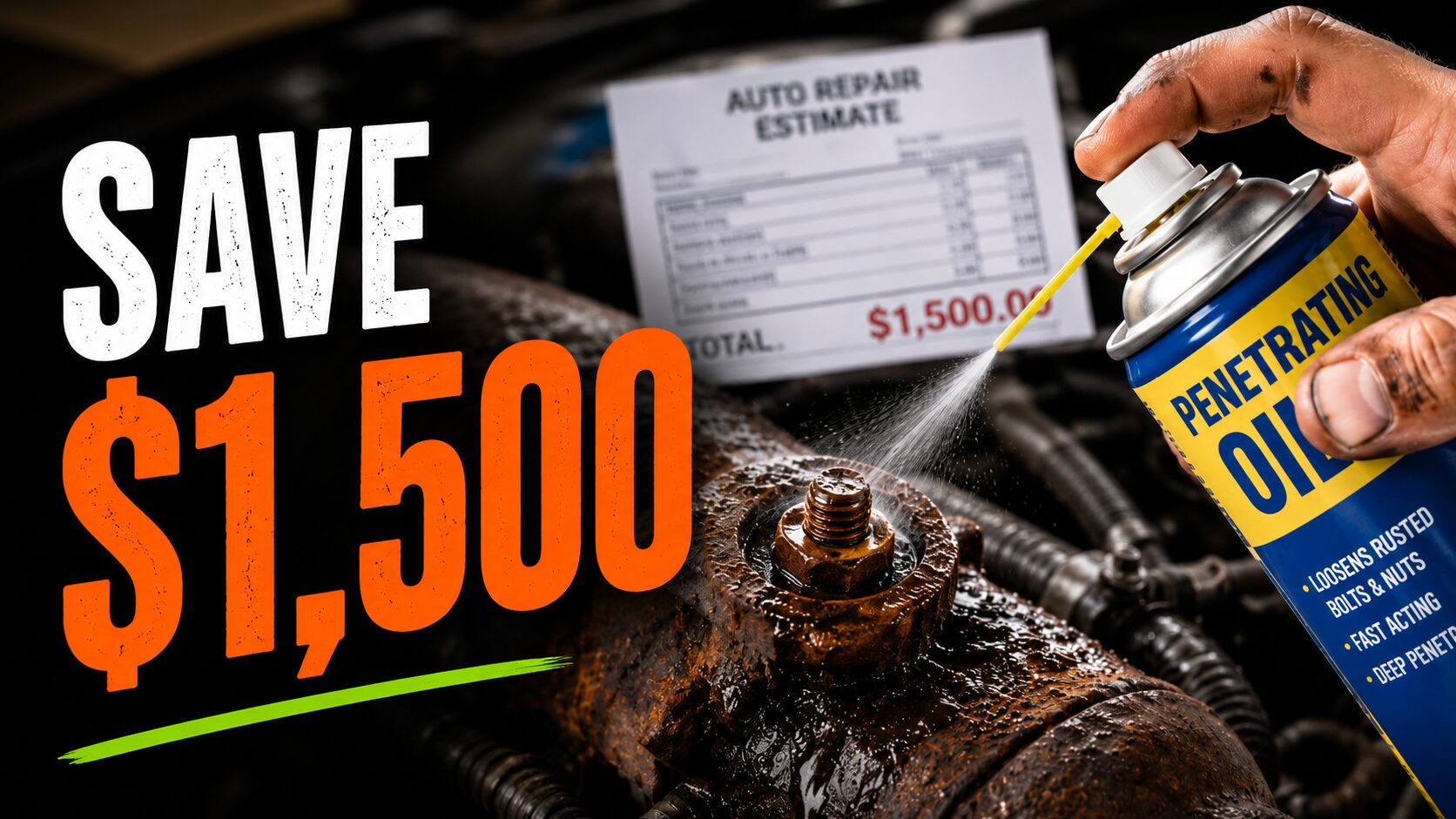
Prevention beats $1,500 machine shop bills every time.
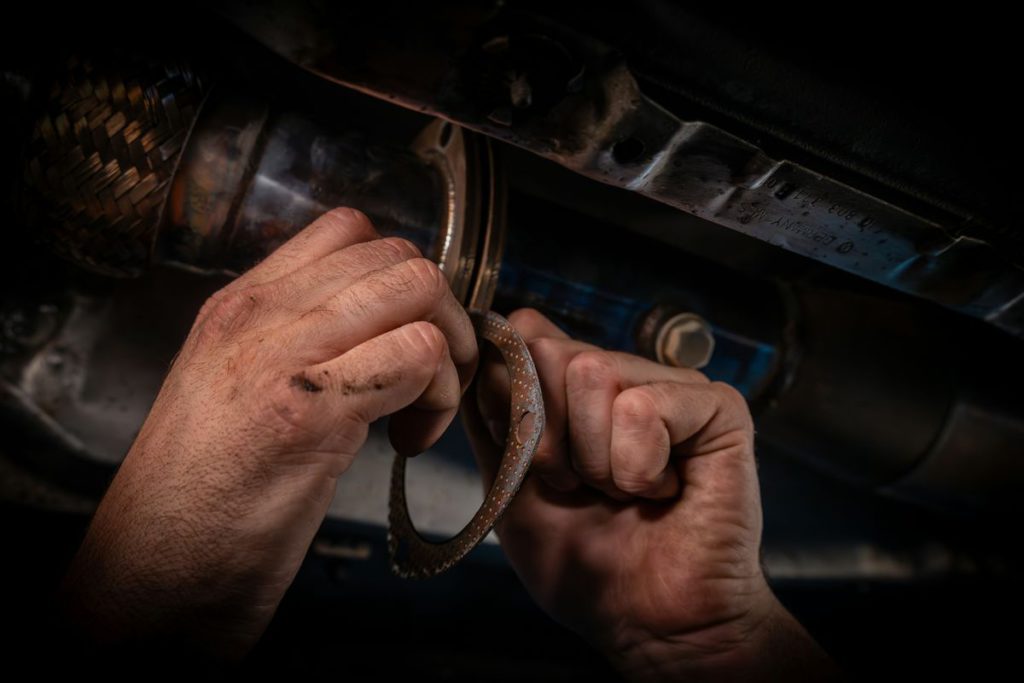
Exhaust manifold bolts operate in extreme thermal cycling conditions — expanding when the engine reaches operating temperature and contracting as it cools, repeatedly, for the vehicle’s entire service life. This cycling, combined with moisture and exhaust gases, causes the bolts to fuse with the manifold over time. When they snap during removal, the broken bolt extraction requires machine shop work that costs $800 to $1,500. WD-40 Specialist Corrosion Inhibitor applied to these bolts at every oil change interrupts the oxidation process that causes them to fuse. This is a three-minute preventive step that specifically addresses one of the most expensive repair scenarios in routine engine maintenance.
8. Stop Undercarriage Rust
Annual $15 treatments beat $2,500 rust repair bills.
Road salt and standing moisture on truck and car undercarriages cause structural corrosion that progresses from surface rust to frame penetration over years of accumulation. Repair bills for structural rust damage reach approximately $2,500 when the frame, floor pans, or suspension mounting points require attention. Annual WD-40 treatment of the undercarriage after washing costs under $15 and displaces the moisture that initiates and accelerates that corrosion process. The timing matters: applying after washing ensures the WD-40 reaches bare metal rather than coating over existing moisture and salt residue, which would trap the corrosion agents rather than excluding them.
7. Protect Ignition Cylinders
Preventive care beats $400 locksmith bills.
Ignition cylinders accumulate grime and dried lubricant over years of key insertion, gradually increasing the resistance the tumblers experience until turning the key requires noticeable force or fails entirely. Locksmiths charge $200 to $400 for cylinder replacement. Periodic WD-40 application into the cylinder every few months keeps the tumbler mechanism lubricated and flushes out accumulated debris before it builds into resistance that damages the cylinder or key. This is particularly relevant for vehicles parked outside in humid climates where moisture intrusion into the cylinder is a regular occurrence rather than an occasional event.
6. Protect Electrical Connections
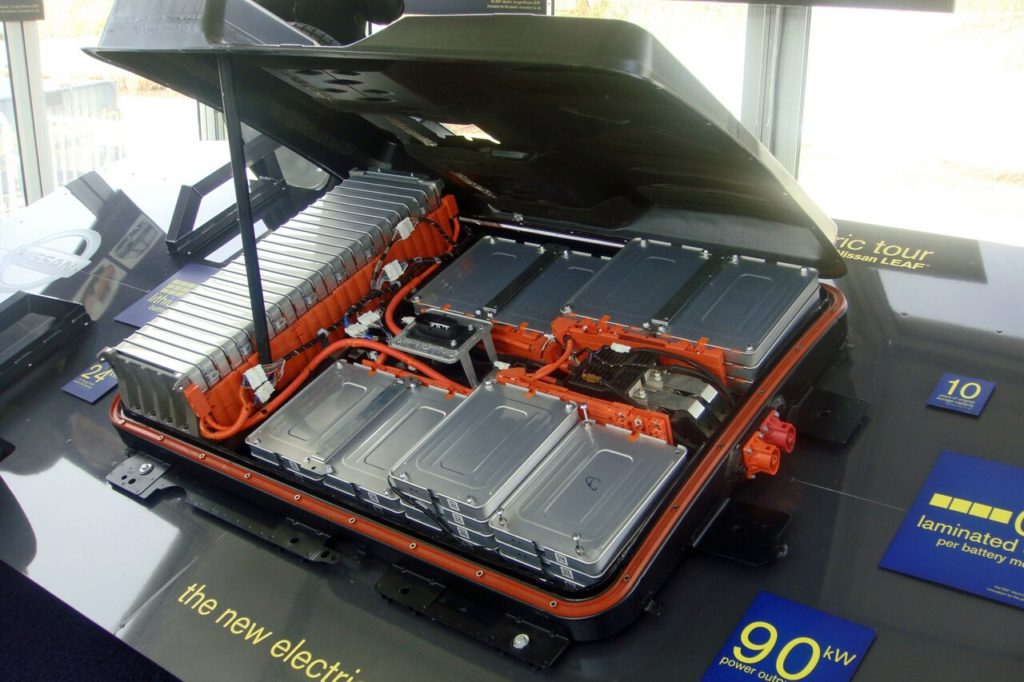
Preventive spraying beats $650 diagnostic bills.
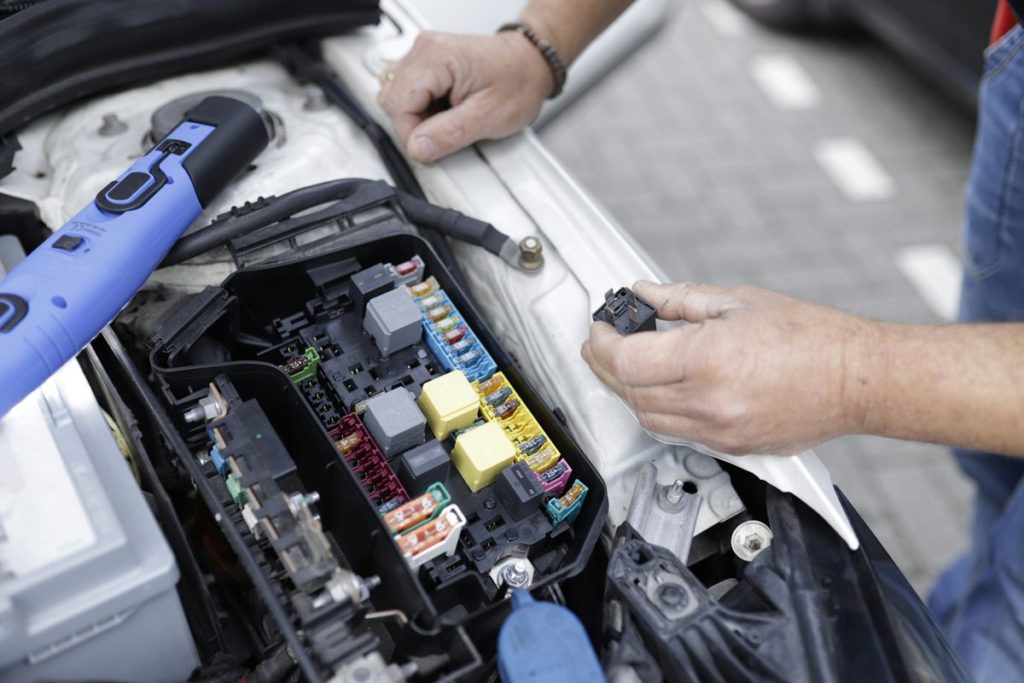
Connector corrosion is the most common cause of intermittent electrical failures in vehicles — symptoms that are difficult to reproduce during diagnostic sessions and consequently expensive to trace. Diagnostic costs run $280 to $650 for electrical problems that often trace back to corroded connector pins creating resistance rather than failed components. WD-40 Specialist Electrical Contact Cleaner applied to trailer connectors, engine harness plugs, and sensor connectors displaces moisture and removes the oxidation that creates resistance in those connections. The residue-free formula leaves no film that could itself cause contact resistance — a distinction that matters specifically for electrical applications where standard WD-40’s petroleum residue is not appropriate.
5. Free Seized Hood Latches and Hinges
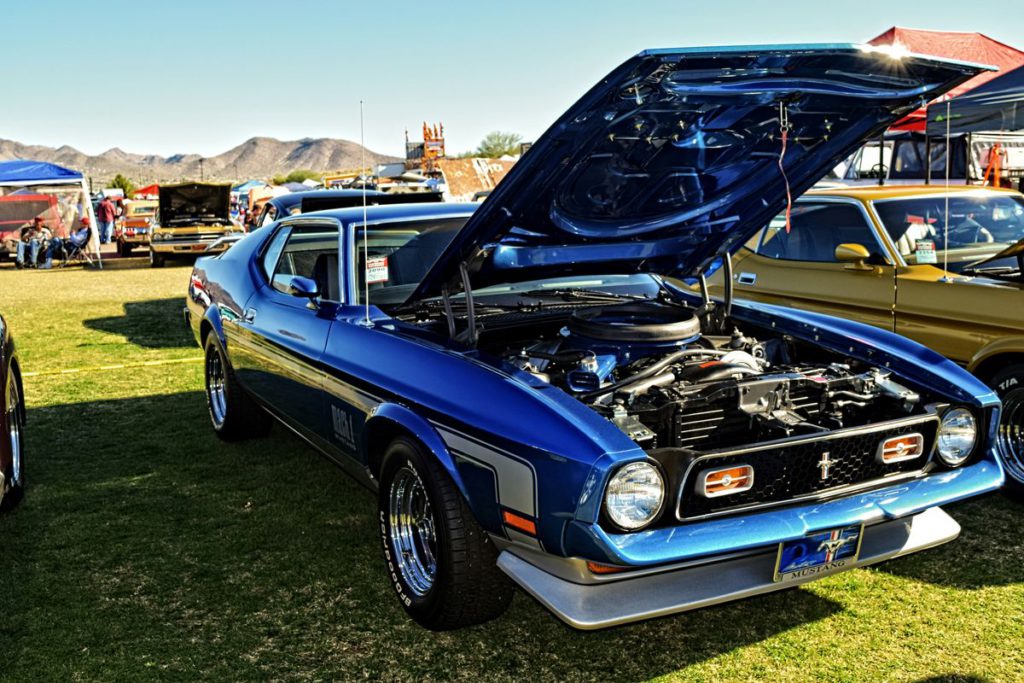
Simple lubrication beats $150 shop charges.
Hood latches and hinges use spring-loaded mechanisms with multiple small contact surfaces that corrode and bind over time, eventually producing a latch that requires force to operate or a hinge that squeaks and resists movement. Shops charge $100 to $150 for hood latch service — work that consists primarily of cleaning corroded surfaces and applying penetrating oil. WD-40 sprayed directly on the latch mechanism and hinge pivot points costs under $5 and takes approximately 60 seconds. Doing this at every oil change prevents the gradual corrosion buildup that causes binding and extends the service life of the spring mechanisms that can crack under the stress of operating against a seized latch.
4. Prevent Throttle Cable Sticking
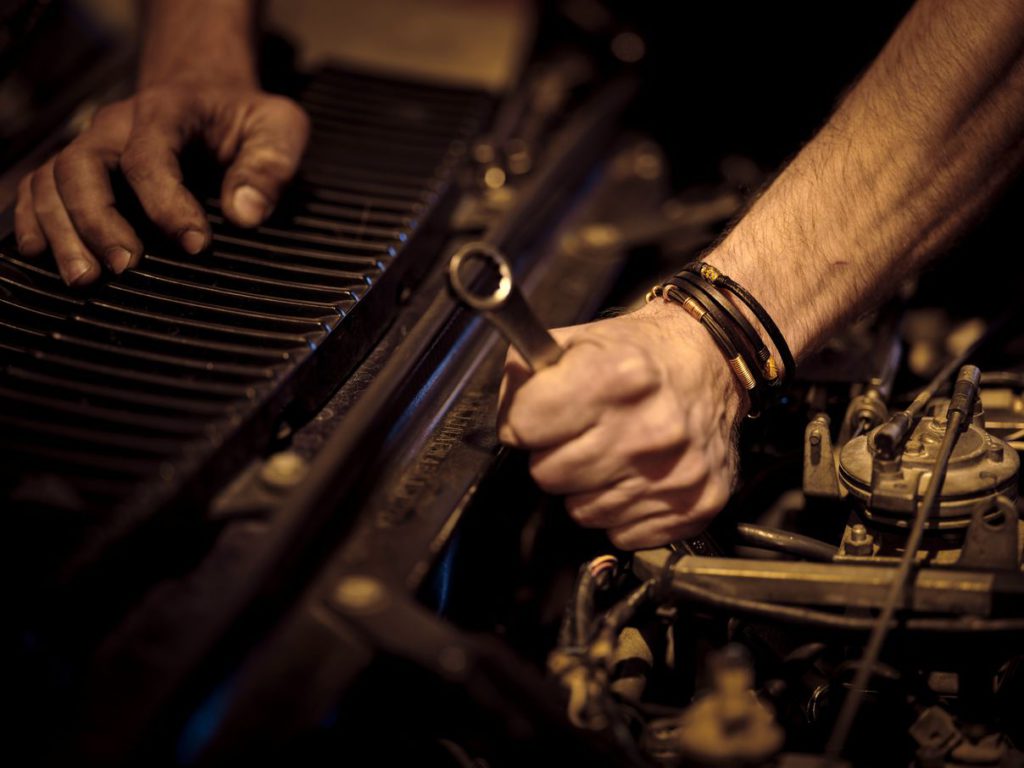
Smooth throttle response beats erratic acceleration and cable replacement bills.
Throttle cables run through protective housings, and when moisture and debris accumulate inside those housings, the cable develops resistance that shows as sticky or inconsistent throttle response — the cable fails to return to idle smoothly or requires more pedal pressure than normal to achieve the same engine response. Cable replacement costs $150 to $300. Spraying the cable housing at both entry points forces WD-40 along the cable’s full length inside the housing, displacing moisture and lubricating the cable-to-housing interface. This is most effective preventively, before the sticking becomes pronounced enough to affect driving behavior.
3. Lubricate Door Hinges and Striker Plates
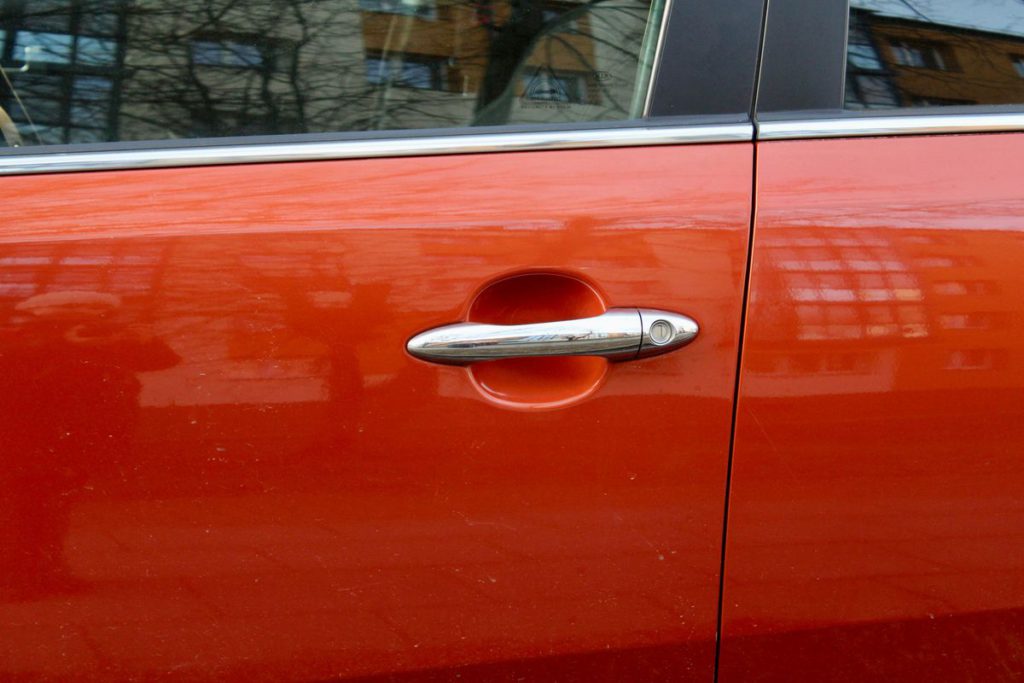
Two-minute maintenance prevents $350-per-door replacement costs.
Door hinges bear the full weight of the door through thousands of open-and-close cycles, with each cycle wearing the pivot surfaces incrementally. Dry or corroded hinge pivots accelerate that wear significantly, eventually producing sag that misaligns the door with the striker plate and creates latching problems. Hinge replacement runs $180 to $350 per door. Shops charge $200+ for the same service that WD-40 applied to the hinge pins and striker plate contact surface handles in under two minutes. Squeaking hinges signal the early stage of this problem — addressing it at the squeak rather than waiting until the door sags extends hinge life substantially and keeps the striker alignment intact.
2. Prevent Shift Linkage Seizure
Quick spray beats $250 transmission misdiagnosis.
Shift linkage joints and cables that develop resistance or binding produce symptoms — difficult gear selection, imprecise shift feel, gates that require force to enter — that are frequently misattributed to transmission problems rather than the external linkage. Mechanics who diagnose from symptoms without first inspecting the linkage mechanically may charge $150 to $250 before identifying the actual source. WD-40 applied to all linkage pivot joints and cable entry points addresses corrosion and dried lubricant buildup at those specific points before they advance to the binding stage that generates the symptoms. This is a particularly productive preventive application because the linkage is external, accessible, and cheap to maintain compared to any transmission repair the symptoms might otherwise prompt.
1. Quiet Noisy Suspension
Simple lubrication silences squeaks before expensive overhauls.
Suspension squeaks originate from rubber bushings that have dried out and lost their elasticity — bushings that are still structurally intact but no longer have sufficient lubrication to move silently against their contact surfaces. Shops quoting $800 to $1,500 for suspension work based on squeaking sounds are often quoting component replacement for bushings that need lubrication rather than replacement. WD-40 applied to accessible suspension bushings — sway bar end links, control arm bushings, and strut mount contact points — restores the lubrication that eliminates the squeak. The diagnostic value here is also significant: squeaks that persist after lubrication indicate worn bushings that genuinely require replacement, while squeaks that resolve confirm the bushings are structurally sound. This turns a potential $1,500 repair estimate into a confirmed maintenance task or a confirmed replacement need, rather than an assumption.