

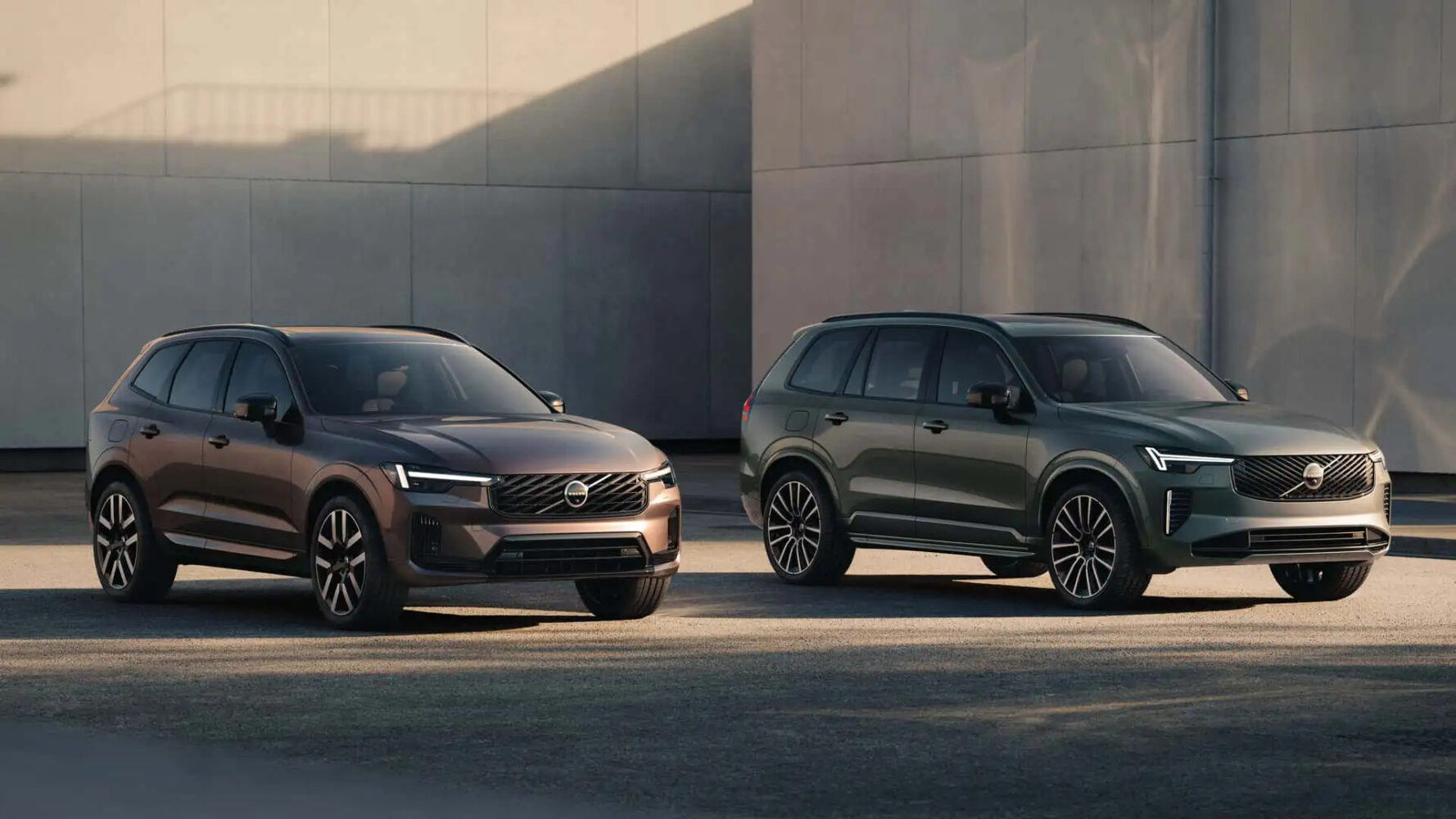
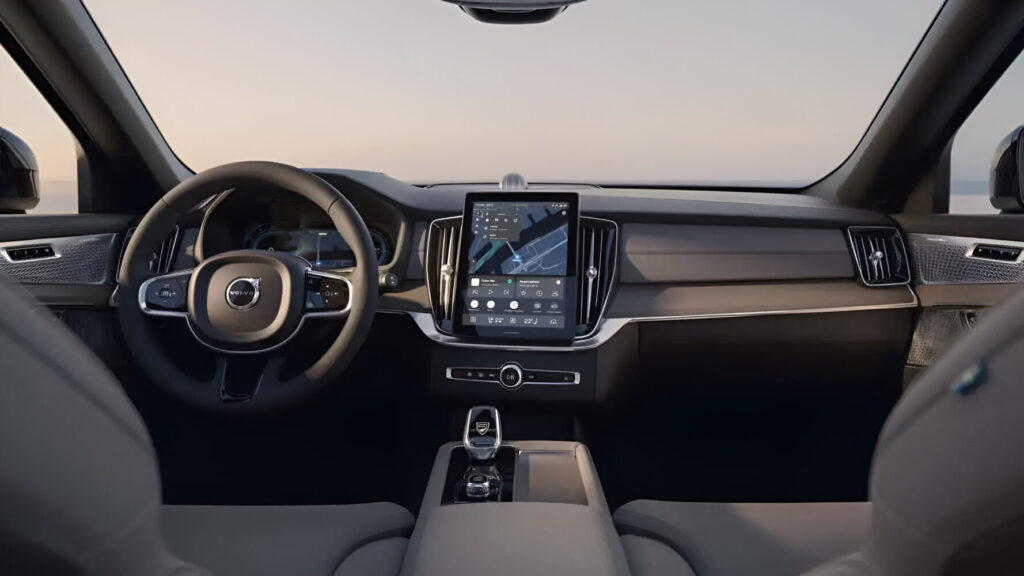
The original Nissan Leaf was a full battery-electric car. No gas engine. No backup plan. EPA-rated at 73 miles of range. The 2028 Volvo XC60 plug-in hybrid just beat it — 78 miles of electric range — and still carries a turbocharged four-cylinder under the hood and a full gas tank. That’s not a typo. Volvo has recalibrated its electrification strategy after its once-firm 2030 all-electric deadline quietly softened, and these upgraded PHEVs — now the fastest-selling cars sold in the U.S., according to Volvo — are the clearest signal yet of where the brand is actually headed.
The Numbers That Matter
Battery capacity nearly doubled, and the range figures follow accordingly.
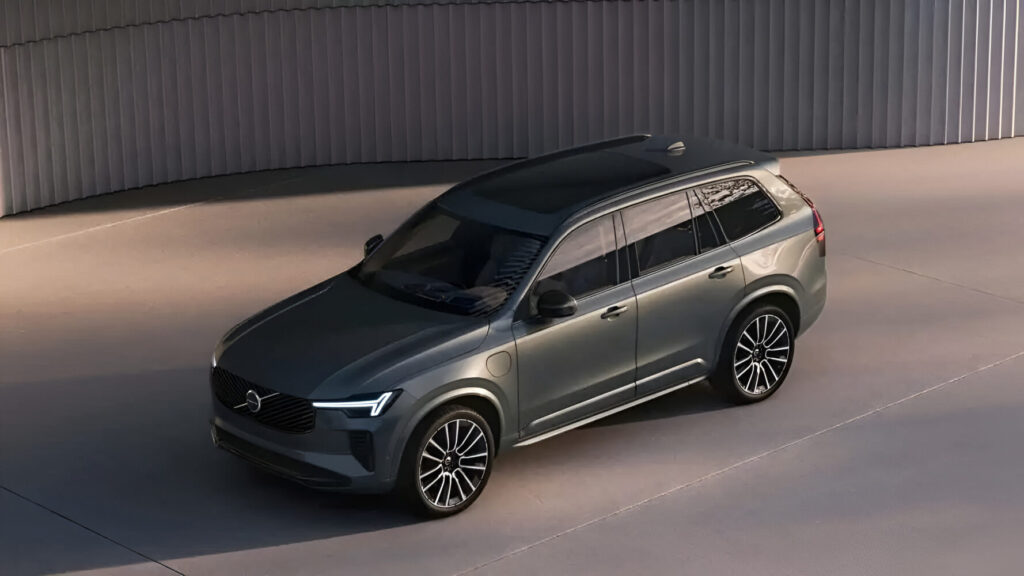
The XC60 jumps from 35 to 78 miles of electric range. The XC90 moves from 32 to 73 miles. Both gains trace back to one decision: growing the usable battery from 18.8 kWh to 37.9 kWh — essentially doubling what was there before. Both SUVs retain the 455-horsepower turbocharged four-cylinder and standard all-wheel drive. Total range on a full charge and full tank reaches:
- 590 miles for the XC60
- 560 miles for the XC90
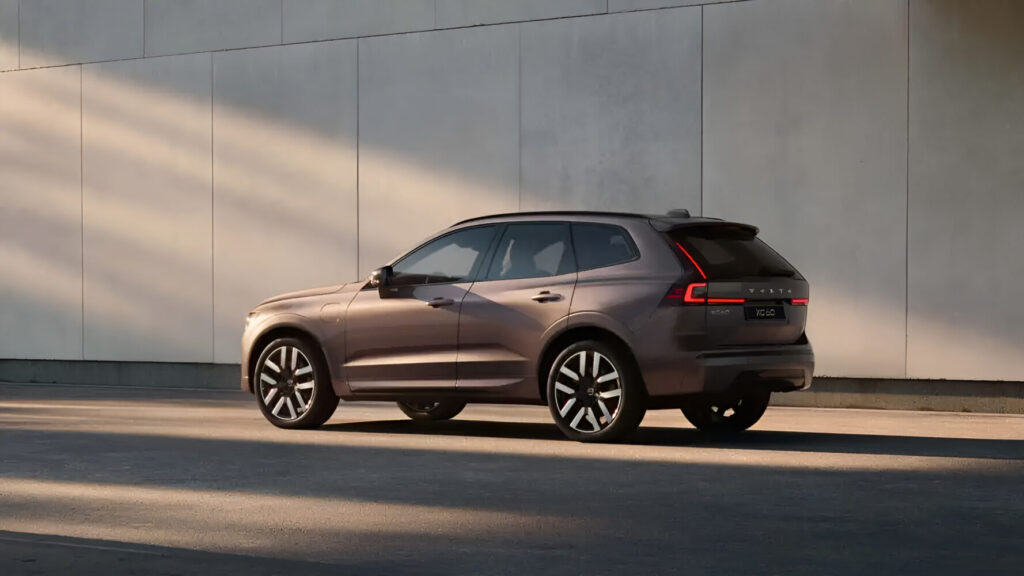
On the practical side, Level 2 charging fills the battery in under six hours, or roughly four hours on a 16-amp home charger. Volvo notes the median U.S. round-trip commute sits at 22 miles — well within either SUV’s electric window — and that most drivers cover under 30 miles daily. The XC60 also receives a mild exterior refresh for 2028.
The Real Question – Why Not Just Buy an EV?
Volvo’s honest answer is range anxiety you simply don’t have to think about.
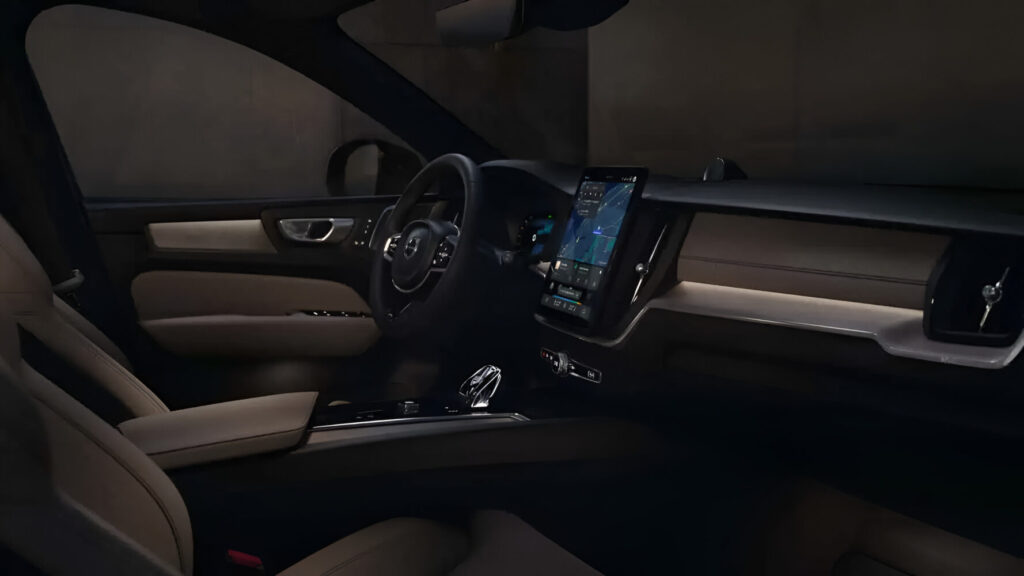
Volvo’s argument is straightforward: most U.S. buyers can handle daily driving entirely on battery, while the gas engine sits ready as a no-anxiety backstop for longer trips. It’s the same logic behind every PHEV pitch, but 78 miles of electric range finally makes it convincing.
One caveat is worth flagging. Volvo’s announcement leans heavily on AC charging times, and DC fast-charging details are notably absent. If road trips depend on rapid top-ups at highway charging stations, that gap matters more than the headline range figures suggest.
Context helps frame the broader picture. Volvo’s 2030 combustion phase-out target softened as U.S. EV adoption slowed — a shift reported by Reuters in 2024. These PHEVs aren’t a retreat from electrification. They’re a pragmatic response to charging infrastructure that still can’t support a fully electric future in every market.
For buyers averaging under 30 miles a day with a garage outlet, these SUVs run electric through the workweek and burn gas when the miles actually demand it. That’s not a compromise. That’s the whole pitch — and for the first time, Volvo has the battery to back it up. If you’re weighing your options, there are several vehicles worth waiting for that could also factor into your decision.