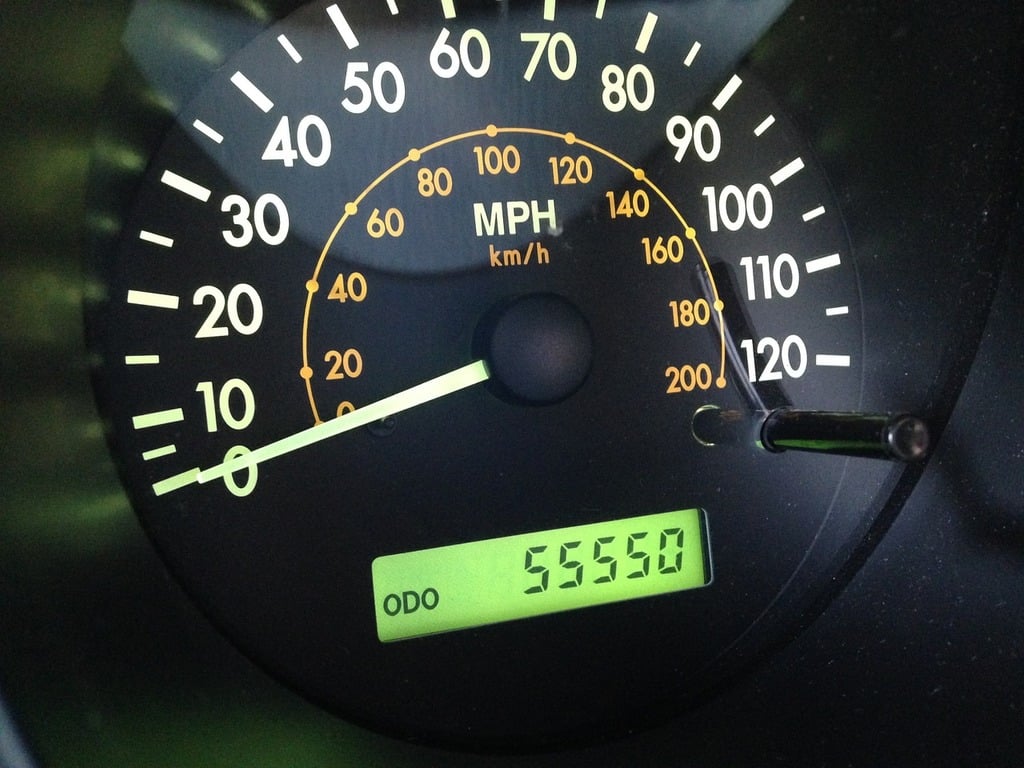


With new-car prices hovering at historic highs, longevity isn’t a nice-to-have anymore. It’s math. iSeeCars built its 2026 longevity rankings from 395 million vehicle odometer readings, running a proprietary probability model to estimate each model’s odds of clearing that quarter-million-mile mark. The results are clear, and they’re almost monotonously Japanese at the top.
The Vehicles Most Likely to Go the Distance
Toyota and Lexus didn’t just show up — they took over, claiming seven of the top ten spots on data from nearly 400 million vehicles.
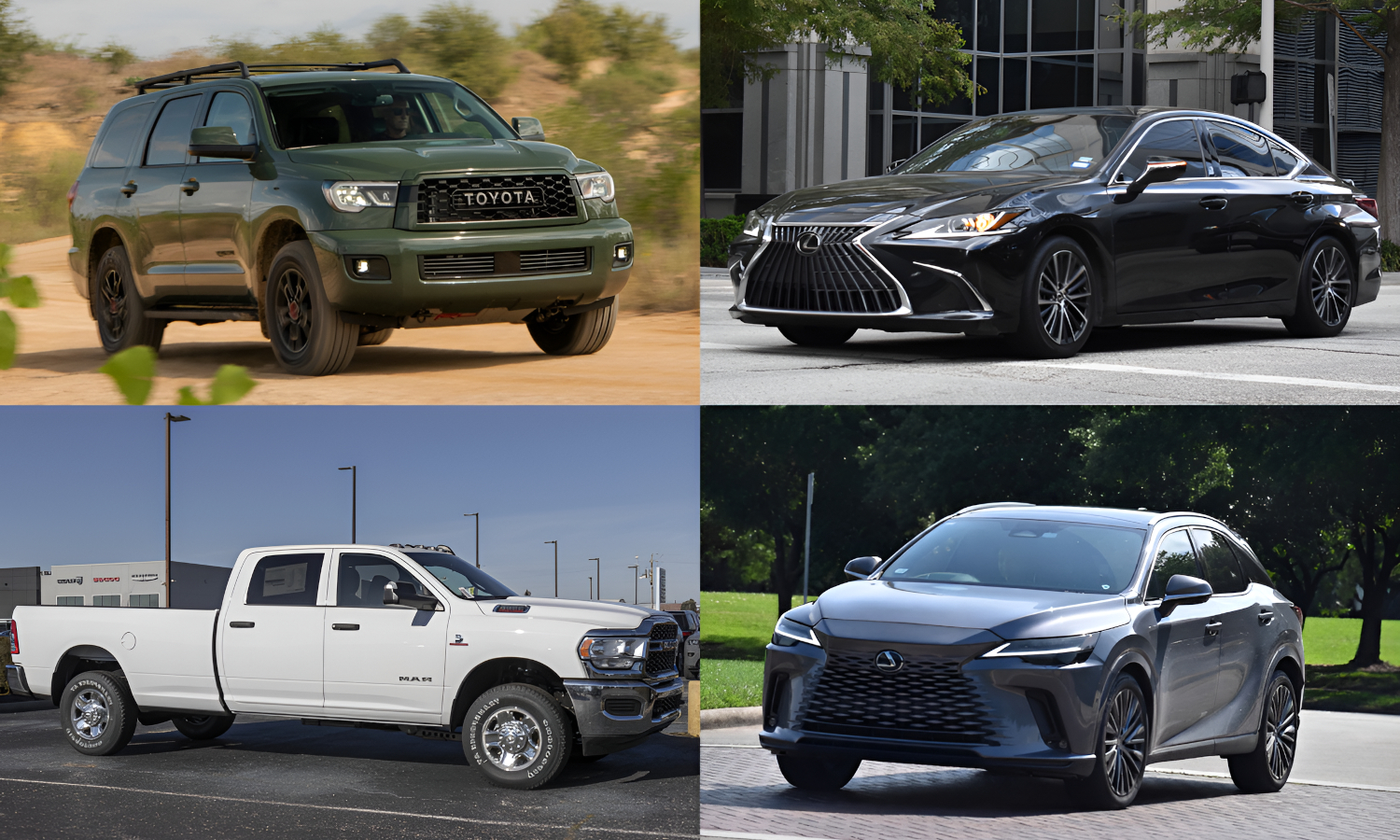
Out of 100 Toyota Sequoias on the road, roughly 42 will hit 250,000 miles. That 42.3% probability — nearly eight times the average vehicle’s odds — puts the Sequoia at the top of iSeeCars’ 2026 list. The Lexus LS follows at 38.8% (7.2× average), and the Toyota 4Runner lands third at 33.1% (6.2× average). This isn’t reputation — it’s 395 million data points talking.
Standout findings from the 2026 rankings:
- Toyota Sequoia leads at 42.3% (7.9× average); Lexus LS second at 38.8% (7.2× average); Toyota 4Runner third at 33.1% (6.2× average)
- Heavy-duty American trucks earn spots through demanding work cycles: Ram 3500 (31.9%), GMC Sierra 3500 HD (26.2%), Ford F-350 Super Duty (15.1%)
- Budget-conscious options with strong longevity odds: Honda Accord Hybrid (18.5%, 3.4× average), Honda HR-V (17.6%, 3.3× average), Honda Civic (15.0%, 2.8× average)
- The Mercedes-Benz G-Class (17.3%, 3.2× average) is the only European vehicle in the top 20 — an outlier in a list dominated by Japanese and American nameplates
The heavy-duty truck entries aren’t accidental. Ram 3500s, GMC Sierra HDs, and Ford Super Dutys are engineered — and maintained — for demanding commercial duty cycles, according to Road & Track. That working life self-selects for high-mileage survival in ways that a leased German luxury sedan simply doesn’t.
“Reaching 250,000 miles remains uncommon,” said Karl Brauer, executive analyst at iSeeCars, “but the models near the top of the rankings give owners significantly better odds of achieving that quarter-million-mile threshold.”
The G-Class cameo deserves a moment. Its body-on-frame architecture, originally derived from military applications, helps explain why it outlasts nearly every other European nameplate in the data. Most European luxury vehicles prioritize performance and features over long-term durability — and owners often replace them well before high mileage accumulates — which shapes how they appear in a dataset this large.
What the Numbers Mean for Your Next Purchase
Treat the 250,000-mile probability as one powerful input, not the only factor driving your decision.
Weigh these longevity odds alongside safety ratings, fuel economy, and purchase price — not instead of them. For used-car buyers especially, these rankings signal which models statistically retain meaningful life past 100,000 miles, provided maintenance history checks out. Buying a short-lived vehicle and replacing it every eight years is the automotive equivalent of a streaming subscription you forget to cancel: money out, nothing gained.