

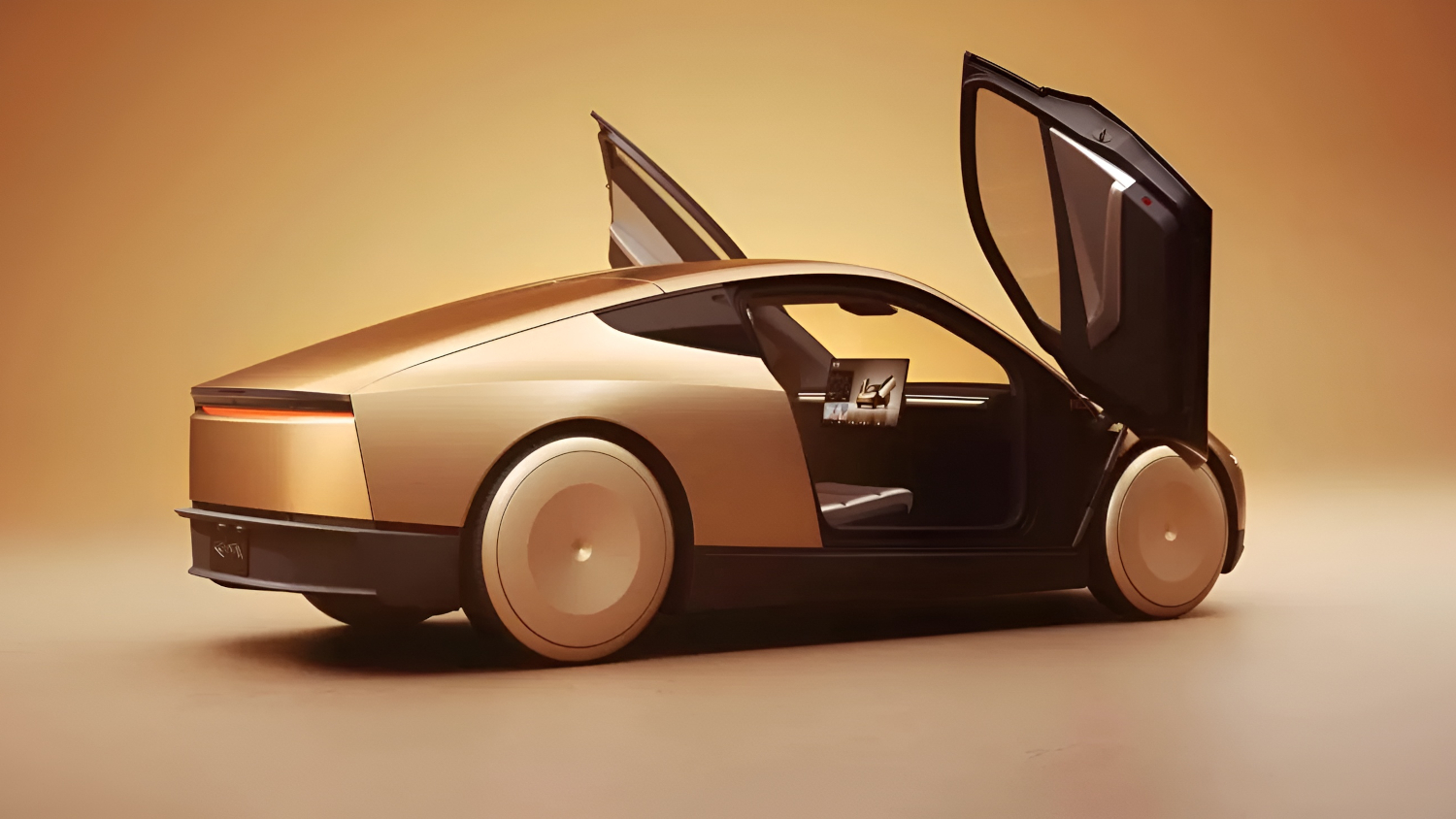
Tesla launched Cybercab commercial service in Austin. The federal government responded by demanding a sworn affidavit. That’s where things stand. NHTSA’s Special Order, dated September 10, 2026, and signed by Chief Counsel Peter Simshauser, gives Tesla until September 30 to answer — under oath — whether the Cybercab can legally be sold under existing federal safety law.
Non-compliance isn’t a slap on the wrist. Failure to respond fully or truthfully exposes the company to civil action and criminal penalties, including imprisonment of up to 15 years. Analysts tracking autonomous vehicle regulation describe this as the first serious federal test of whether a purpose-built driverless vehicle can self-certify its way into commercial operation — a framing that regulators themselves have stopped short of, but that the facts of the case make difficult to dispute.
The Rules Tesla Apparently Skipped
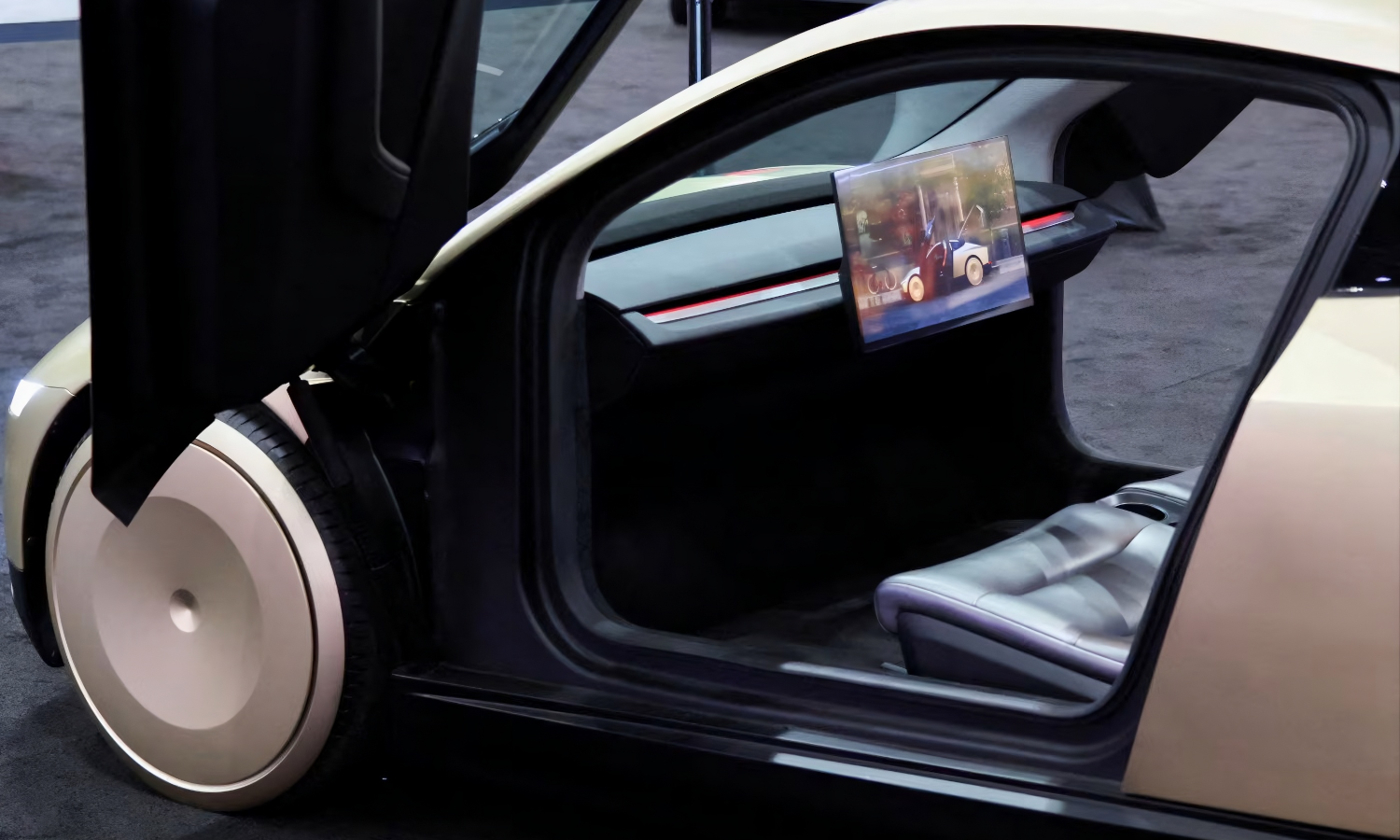
FMVSS standards assume steering wheels and brake pedals exist — Tesla’s Cybercab has neither, and the company holds no formal exemption.
NHTSA opened Audit Query AQ26002 in early September 2026, targeting the Cybercab’s omission of a steering wheel, brake pedal, accelerator, and mirrors. These aren’t optional extras — they’re structural assumptions baked into Federal Motor Vehicle Safety Standards. Consider what FMVSS No. 135 requires in plain terms: a driver must be able to stop the vehicle with a foot. A pedal-free robotaxi makes that physically impossible, and a manufacturer cannot simply declare the standard inapplicable because the pedal is gone. That appears to be Tesla’s argument. Regulators disagree.
Standards under direct scrutiny include:
- FMVSS 101, 102, 108, 111, 126, and 135
Federal Regulators — Tesla reportedly holds no Part 555 exemption for the Cybercab. NHTSA’s longstanding position is that a vehicle operated solely by an automated driving system would likely need formal FMVSS amendments or a granted exemption before it can legally be manufactured for sale.
Zoox Did the Paperwork. Tesla Didn’t.
The contrast with Zoox exposes exactly what Tesla skipped — and what’s now at stake for the entire autonomous vehicle industry.
Zoox navigated the exemption process the established way. In July 2026, NHTSA granted the company a temporary Part 555 exemption authorizing commercial deployment of up to 2,500 purpose-built robotaxis per year for two years — application, federal review, volume limits, oversight. Tesla, treating federal safety certification like a terms-of-service agreement most users skip, reportedly chose self-certification instead.
That bet is now being called. If NHTSA finds Tesla’s certification unsupported, possible outcomes include:
- Corrective action demands
- A forced pivot toward the exemption pathway
Either answer sets a precedent that every autonomous vehicle manufacturer operating in the U.S. will be watching closely.
The Clock Runs Out September 30
Whatever Tesla swears to — or refuses to — shapes the regulatory road every robotaxi maker will travel next.
This isn’t just Tesla’s problem. The outcome of this standoff tells every purpose-built driverless vehicle company exactly how much regulatory creativity the federal government will tolerate. If self-certification holds, expect imitation across the industry. If it doesn’t, expect a stampede toward Part 555 applications. Watch for Tesla Owners and Tesla’s sworn filing to NHTSA’s Office of Chief Counsel and any agency response that follows — those documents will signal which path the regulatory framework takes. The answer arrives by September 30.