

The automotive world is rife with visual misdirection, where sleek lines and aggressive stances hint at speeds their engines can only dream of. Discerning a vehicle’s true capabilities, beyond its superficial flash, is critical for any driver planning real-world adventures. This selection meticulously uncovers machines that consistently underdeliver on the road, despite their striking appearances. Understanding these hidden truths will inform your choices, ensuring cars truly enhance the journey rather than just look good in the driveway.
1. Bricklin SV-1
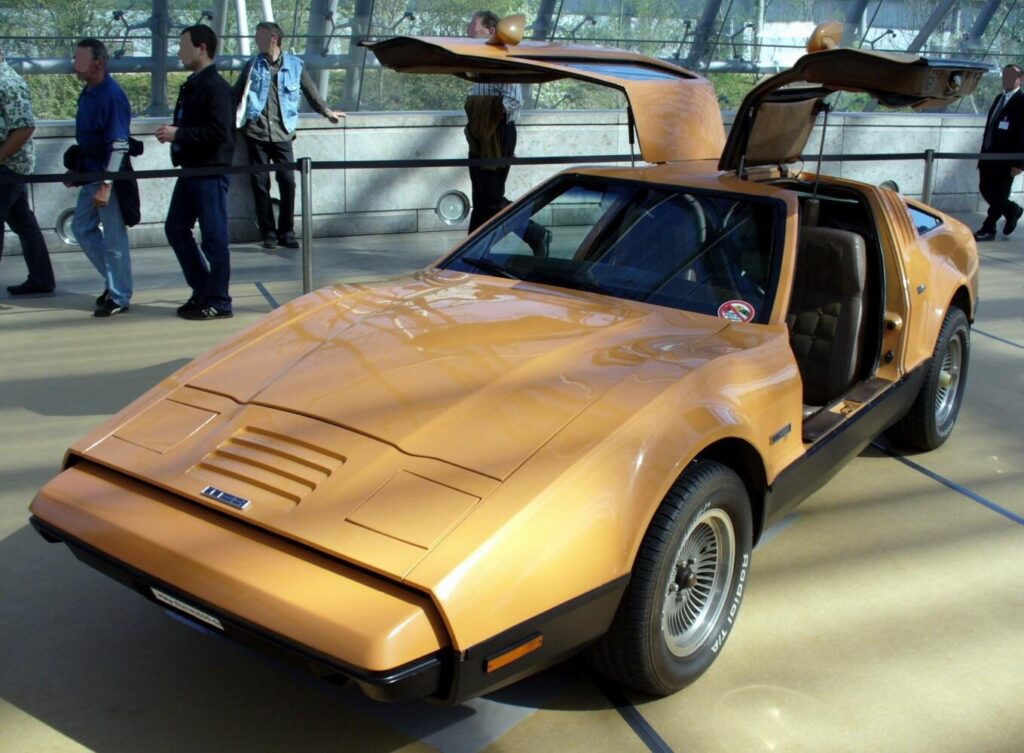
A Canadian safety car with gullwing doors that promised protection but delivered sluggish performance.
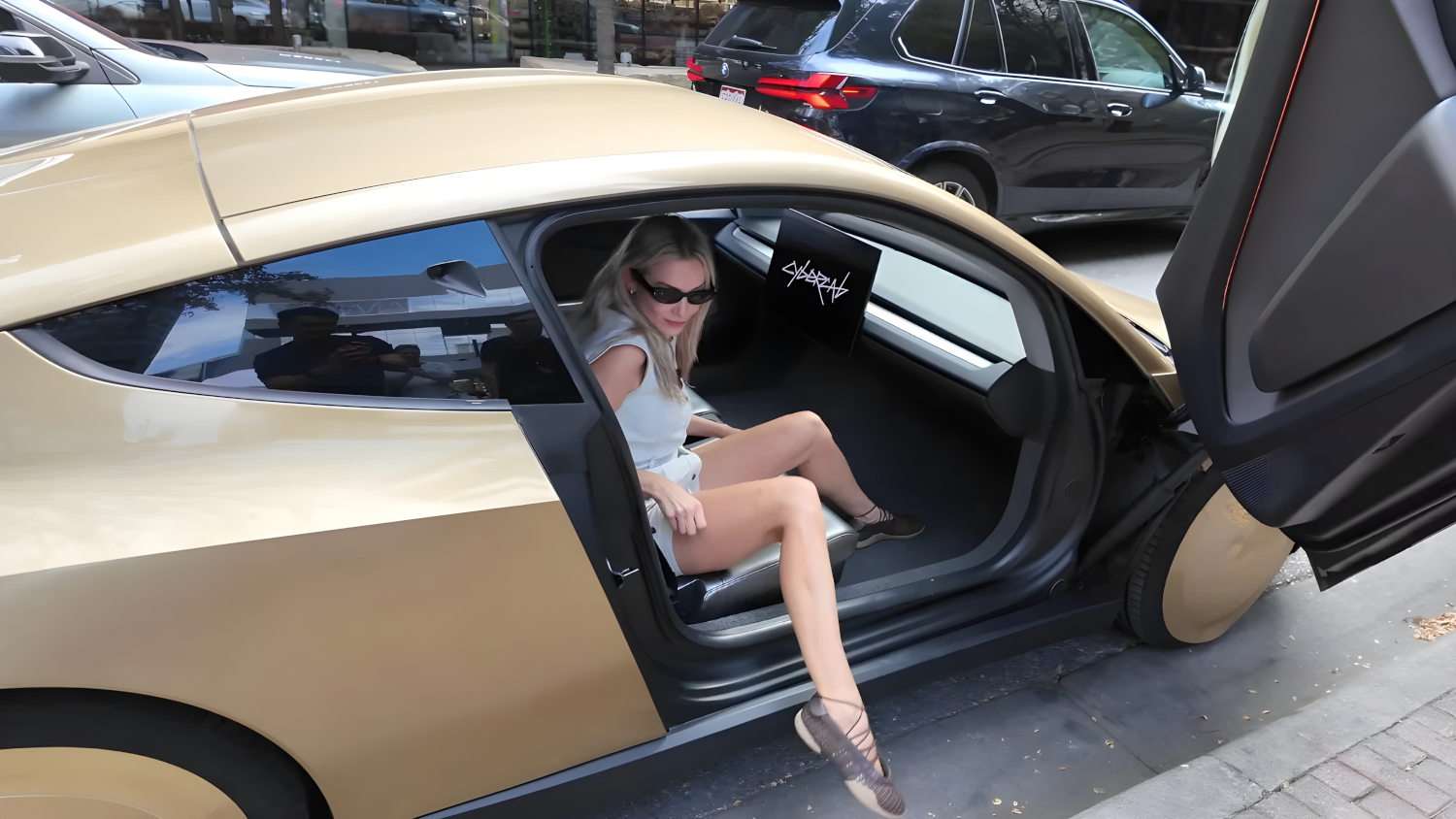
Only 2,854 units of the Bricklin SV-1 were ever produced, marking this Canadian-built sports car as a rare sight on the asphalt. Its dramatic gullwing doors and integrated roll cage promised a future where style met uncompromised protection, but the unusual acrylic over fiberglass body panels often fit together like mismatched LEGOs. The striking profile suggests a time traveler from a sci-fi flick, only its Ford 351 Windsor V8 and 3-speed automatic meant 0–60 mph happened in a leisurely 9–10 seconds. Top speed barely scraped 110–120 mph. The SV-1 wrote checks its powertrain couldn’t cash.
2. Fisker Karma
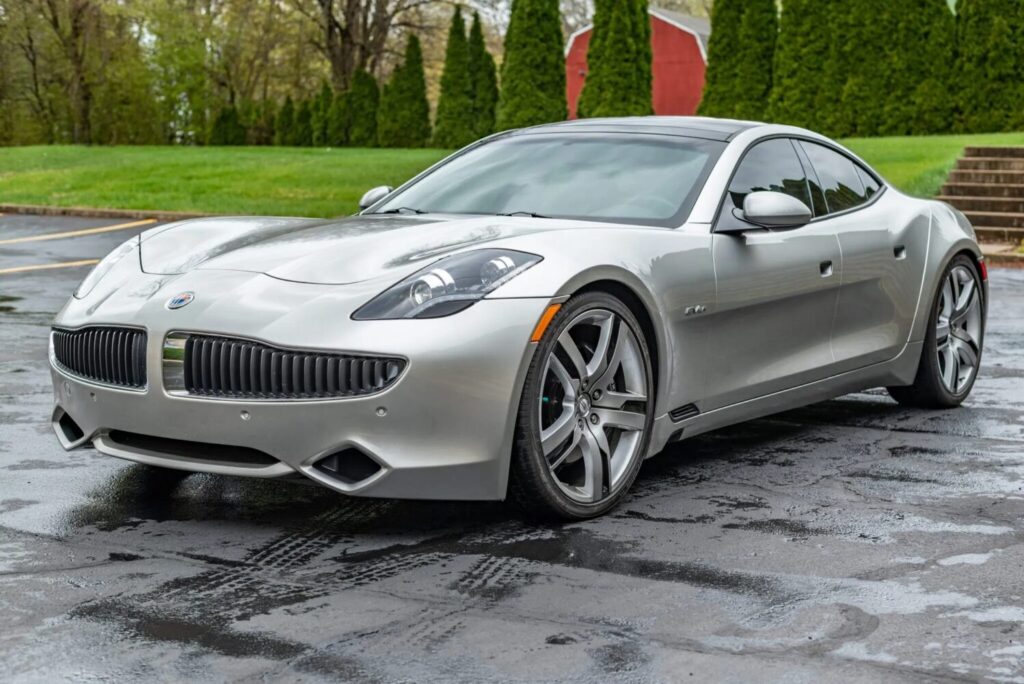
Henrik Fisker’s stunning sedan hid a heavy hybrid system beneath its sculpted sheet metal.
Designed by Henrik Fisker, the same hand behind the BMW Z8 and Aston Martin DB9, this sedan arrived suggesting a pedigree of high-performance luxury. Its striking, low-slung appearance promised an asphalt shredder, yet beneath the sculpted sheet metal lay a range-extended plug-in hybrid system. A 2.0 L turbocharged GM Ecotec four-cylinder acted solely as a generator, feeding dual rear-mounted electric motors for propulsion. While the combined output of 402 hp and 959 N·m of torque sounded formidable on paper, its substantial 5,300 lb curb weight meant reality hit differently. The Karma moved from 0 to 60 mph in 6.3–7.0 seconds, topping out around 125 mph. Supercar facade. Long-distance runner’s heart. This vision eventually returned as the Karma Revero, aiming to improve on its initial performance limitations.
3. Porsche 912
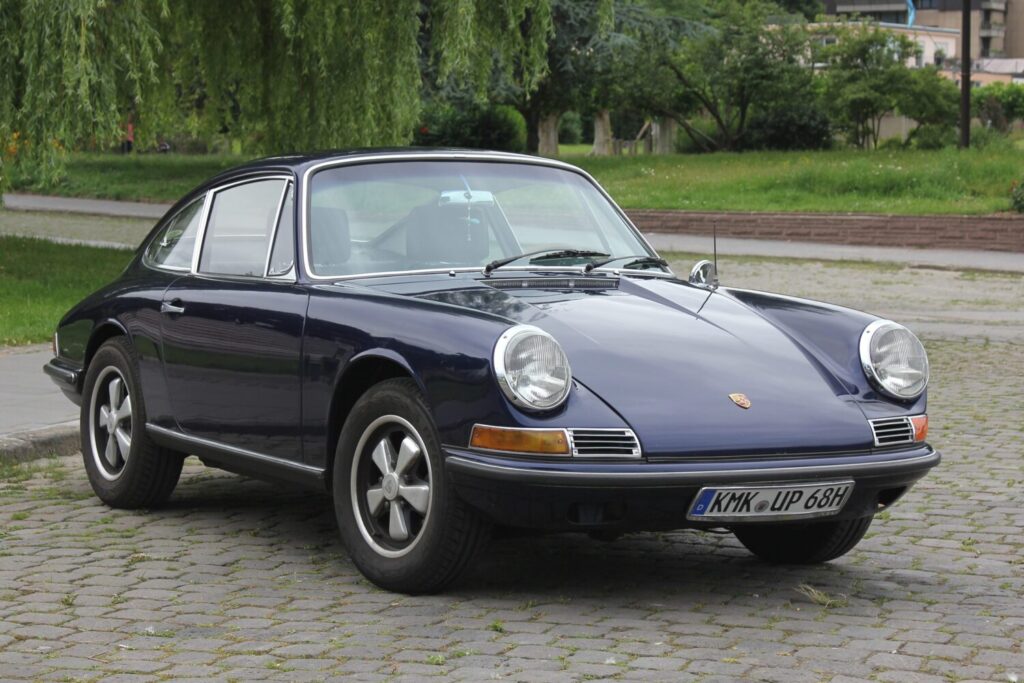
A more accessible entry point that shared the 911’s classic silhouette but not its speed.
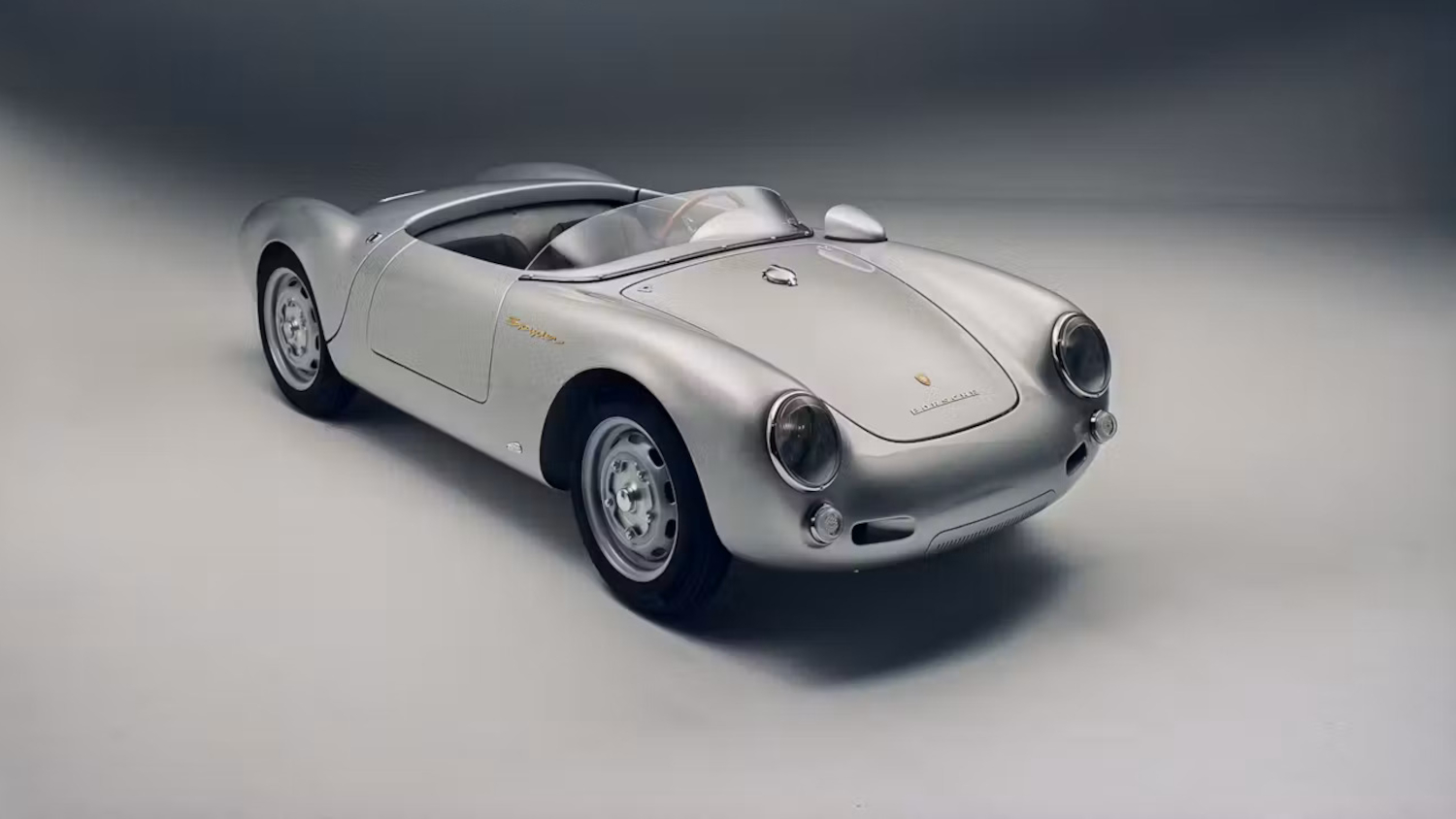
The Porsche 912, produced from 1965–1969, served as a more accessible entry point, sharing the classic 911 body shell and chassis. This visual kinship belied its core difference. Instead of the 911’s flat-six, it housed a 1.6 L air-cooled flat-four from the 356, generating just 90 hp (SAE). This powertrain delivered 0–60 mph in roughly 11–12 seconds and a top speed around 115 mph, notably slower than contemporary 911 siblings. Yet on a morning backroad cruise, the balanced chassis and surprising fuel economy shine through. The 912 outsold the 911 in certain years of its production run, proving the classic silhouette could triumph even when the stopwatch didn’t. Porsche moved about 30,000 units before discontinuing the model.
4. Toyota Celica GT (7th Generation)
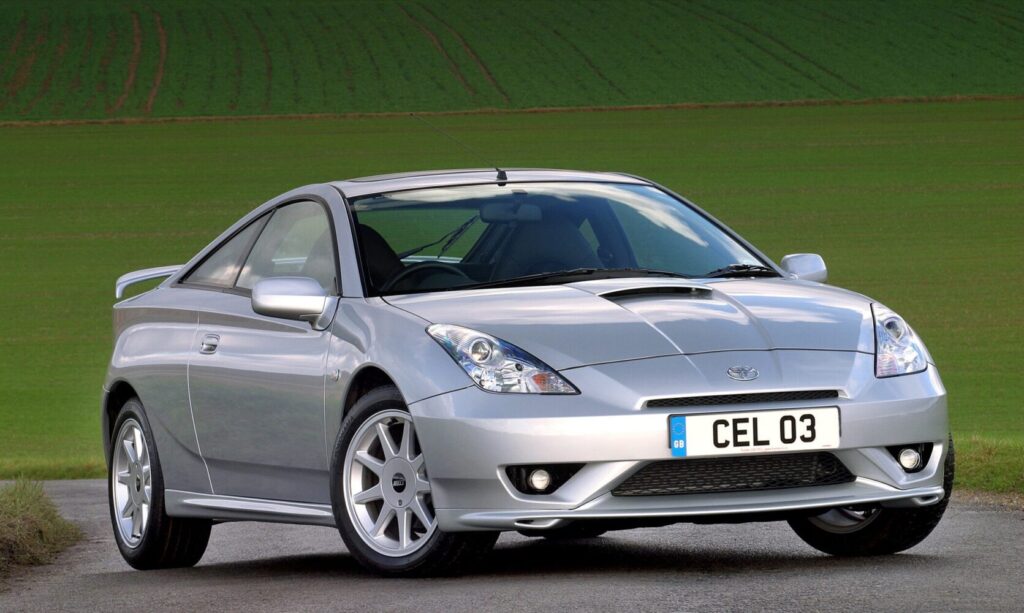
Rally-inspired styling wrapped around an economy-tuned engine built for fuel sipping, not speed.
The seventh-generation Toyota Celica GT, hitting showrooms around 1999, promised rally-inspired excitement with its aggressive, wedge-shaped styling. Its sharp lines and sporty stance looked ready to devour apexes. Beneath that sculpted body, however, the 1.8 L 1ZZ-FE four-cylinder engine was explicitly tuned for fuel economy, not raw speed, delivering around 140 hp and 125 lb·ft of torque. The acceleration feels more like a leisurely Sunday drive than a canyon carving session. Track star looks. Cross-country runner pace. Typical performance hits 0–60 mph in 8.5–9.0 seconds with a top speed of 120–125 mph. Toyota emphasized fuel economy; period coverage highlighted the GT’s 30+ mpg highway and reliability more than outright speed. For actual performance that matched the aggressive looks, the GT-S model with its high-revving 2ZZ-GE (about 180 hp) was the ticket.
5. Opel GT
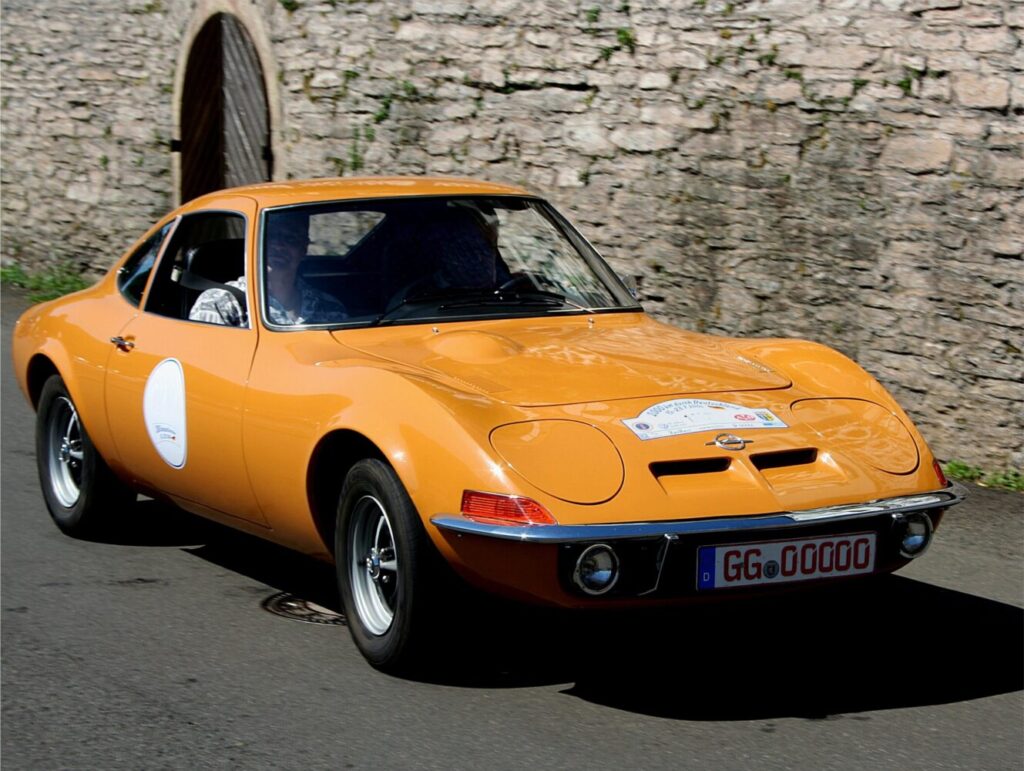
A “mini-Corvette” that shared the C3’s dramatic styling but ran on Kadett mechanicals.
Deliberately styled to mimic the C3 Chevrolet Corvette, its sleek lines suggested potent American muscle, drawing attention at any car show. The Opel GT, produced from 1968–1973, featured a fastback coupe body with unique manually-rotating flush headlights, giving a clear “mini-Corvette” look. However, while its looks promised a steakhouse menu, the GT often delivered a microwave meal. Based mechanically on the Opel Kadett B platform, it shared many humble components. Its base model’s 1.1 L OHV inline-four engine produced around 60 hp, leading to 0–60 mph times over 15 seconds. Even the more common 1.9 L CIH four-cylinder only managed about 90 hp, offering modest speed. Cool jacket hiding a T-shirt.
6. Honda S660 Mugen

Aggressive body kit and kei-class regulations make for a featherweight that prioritizes handling over horsepower.
The Honda S660, despite its aggressive Mugen body kit, retains the exact same engine as the standard kei-class roadster: a 660 cc turbocharged three-cylinder that adheres strictly to Japanese regulations. This mid-engined car, introduced in 2015, delivers just 63–64 hp (64–65 PS) to comply with Japan’s kei car power limit. Mugen’s formidable bumpers, side skirts, and large rear wing are purely for show, with no factory increase in engine output. Featherweight boxer wearing a heavyweight championship belt. Performance hits 0–60 mph in roughly 11–12 seconds with an electronically limited top speed of 140 km/h (87 mph). Its low weight, around 830–900 kg, combined with that mid-engine layout, provides agile handling on a winding backroad. The S660 Mugen’s charm lies in pure driving engagement, not straight-line drama.
7. Chevrolet Camaro “Iron Duke”
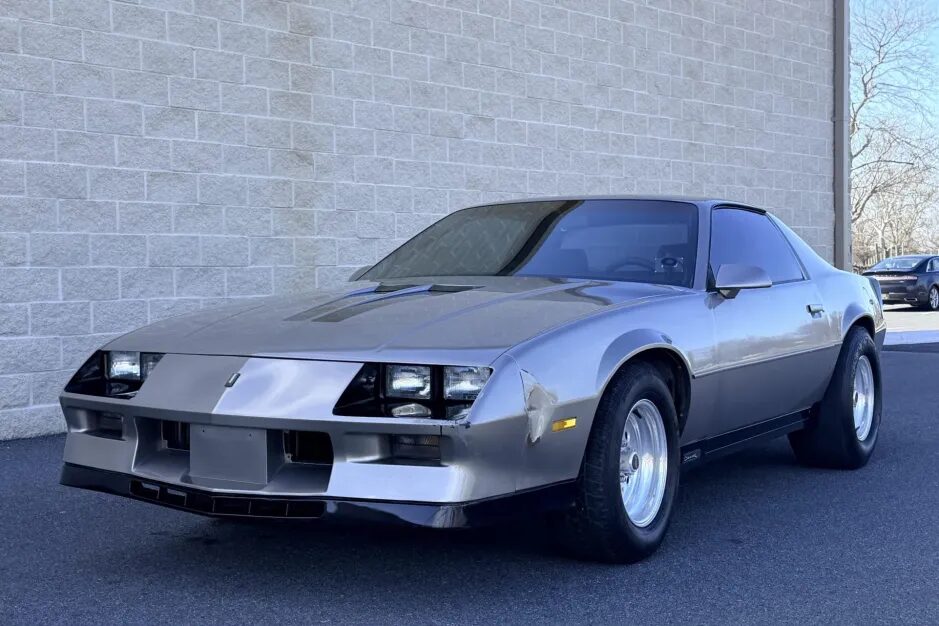
Sleek pony car styling couldn’t hide the reality of an economy four-cylinder built for fuel efficiency.
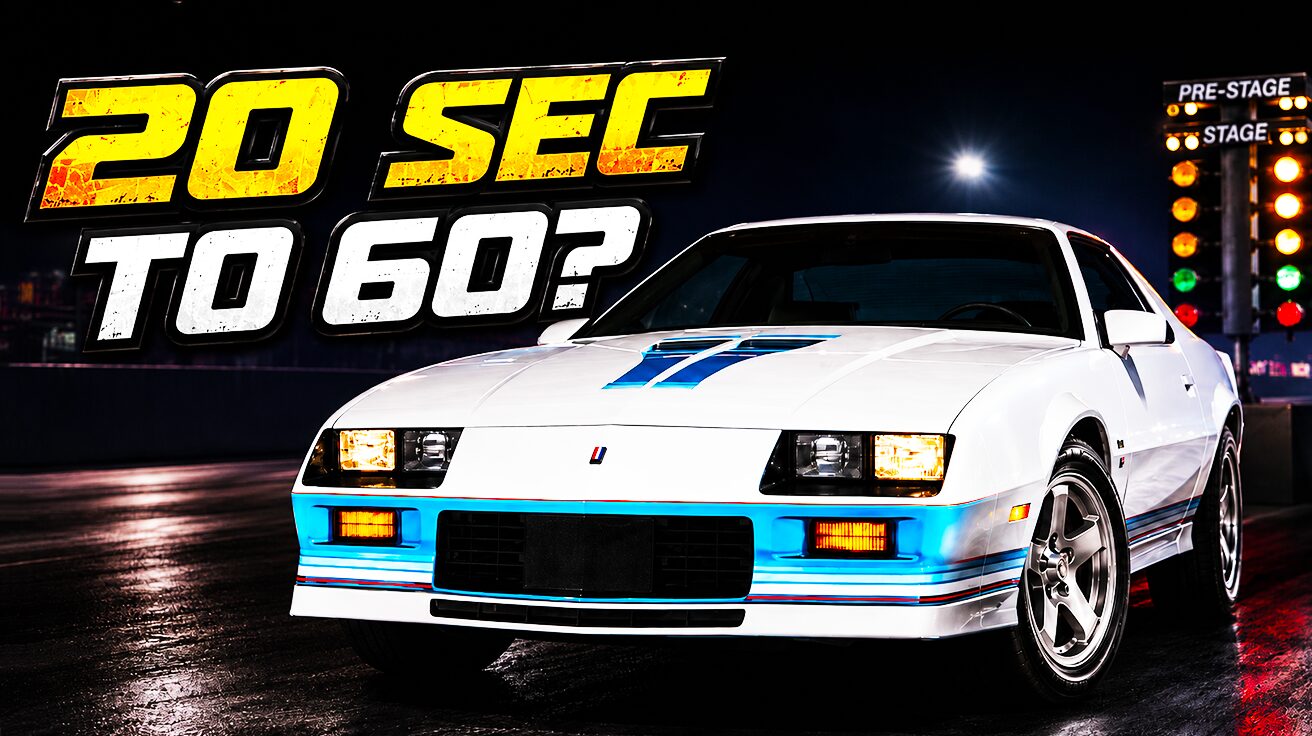
A shocking 0–60 mph time in the high-teens to about 20 seconds defined the early third-generation Chevrolet Camaro “Iron Duke.” Beneath its sleek, low-slung styling, this pony car housed a 2.5 L GM “Iron Duke” inline-four engine, producing a meager 86–90 hp and 130 lb·ft of torque. This powertrain, engineered for fuel economy and durability, typically coupled with a 3-speed automatic, transformed a visual street brawler into a hesitant parade float. Mundane family sedans pulled away at stoplights. The market’s rejection was swift; only about 15% of buyers chose this option, with most selecting V6 and V8 alternatives. GM dropped the Iron Duke after a few years in favor of more powerful engines. Nobody buys a Camaro to trail a minivan.