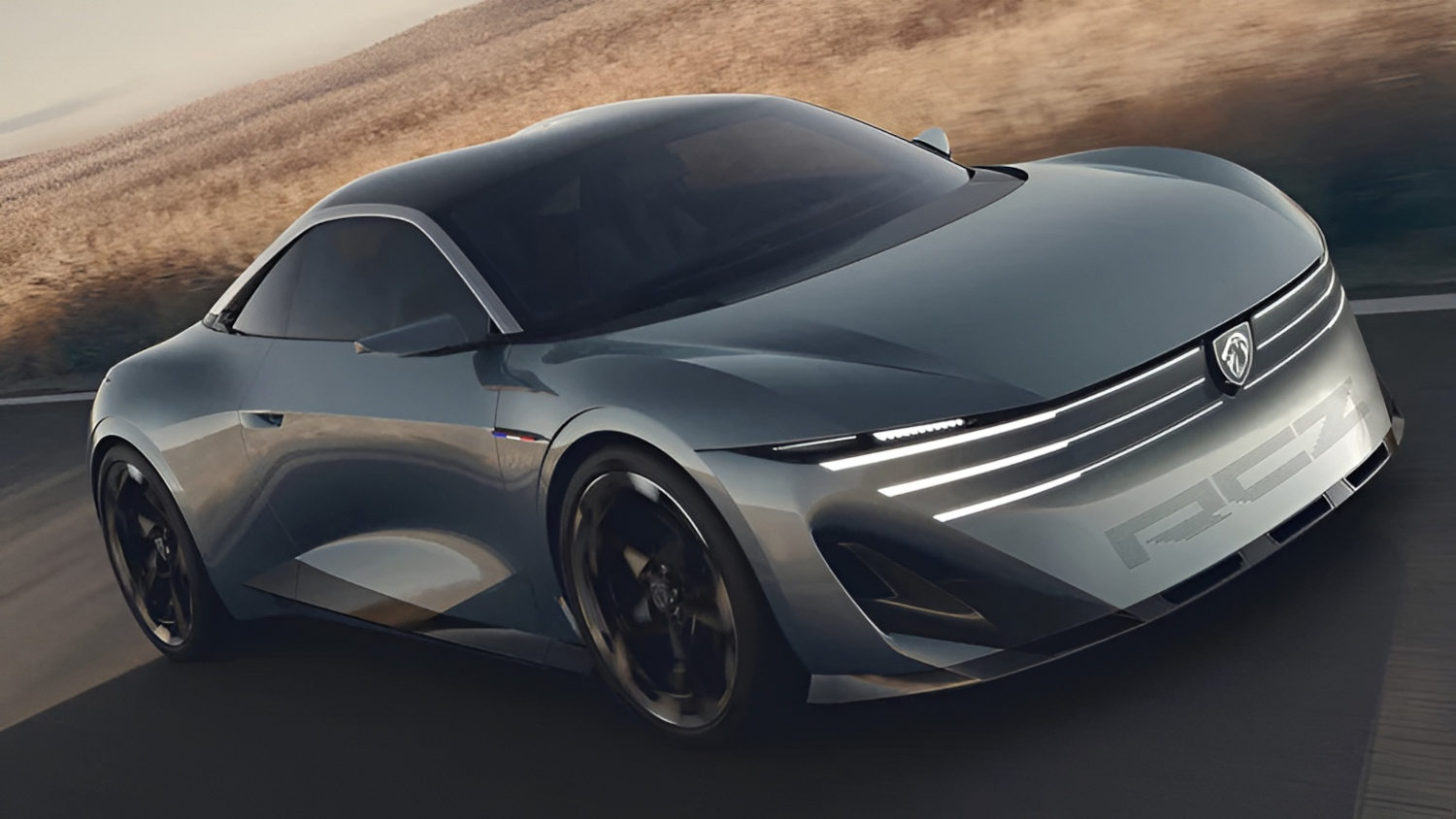


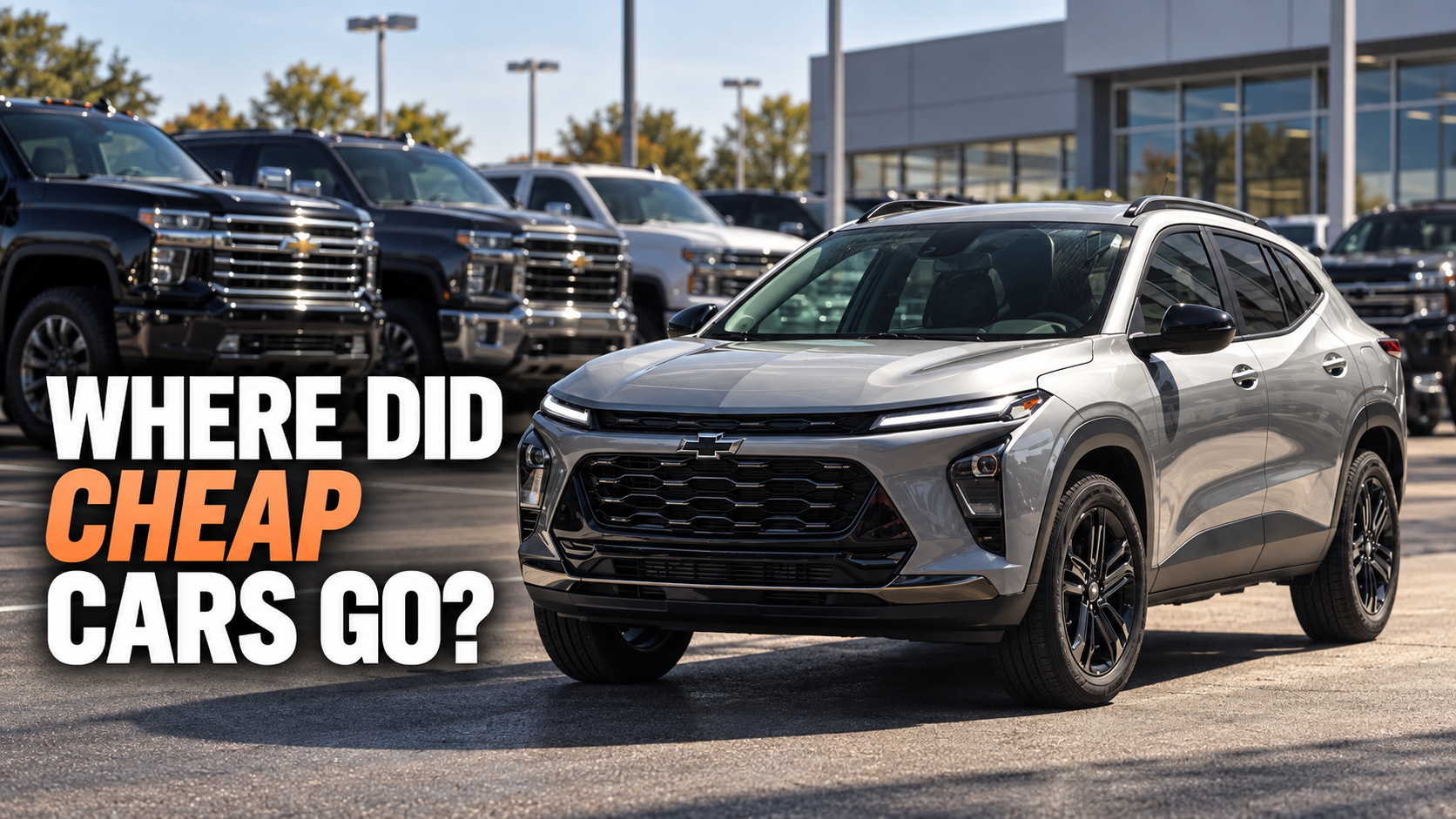
A new BYD electric crossover sells for around $14,000 in its home market. Meanwhile, your car loan now likely stretches for seven years or more, morphing a vehicle purchase into a mortgage for a rapidly depreciating asset. Manufacturers, chasing fatter margins, have largely abandoned affordable models and focus instead on trucks and SUVs. This industry shift places immense financial strain on drivers, making the open road feel less like freedom and more like a binding contract. This unsustainable model jeopardizes access to mobility and the manufacturers’ long-term stability.
1. General Motors (GM)
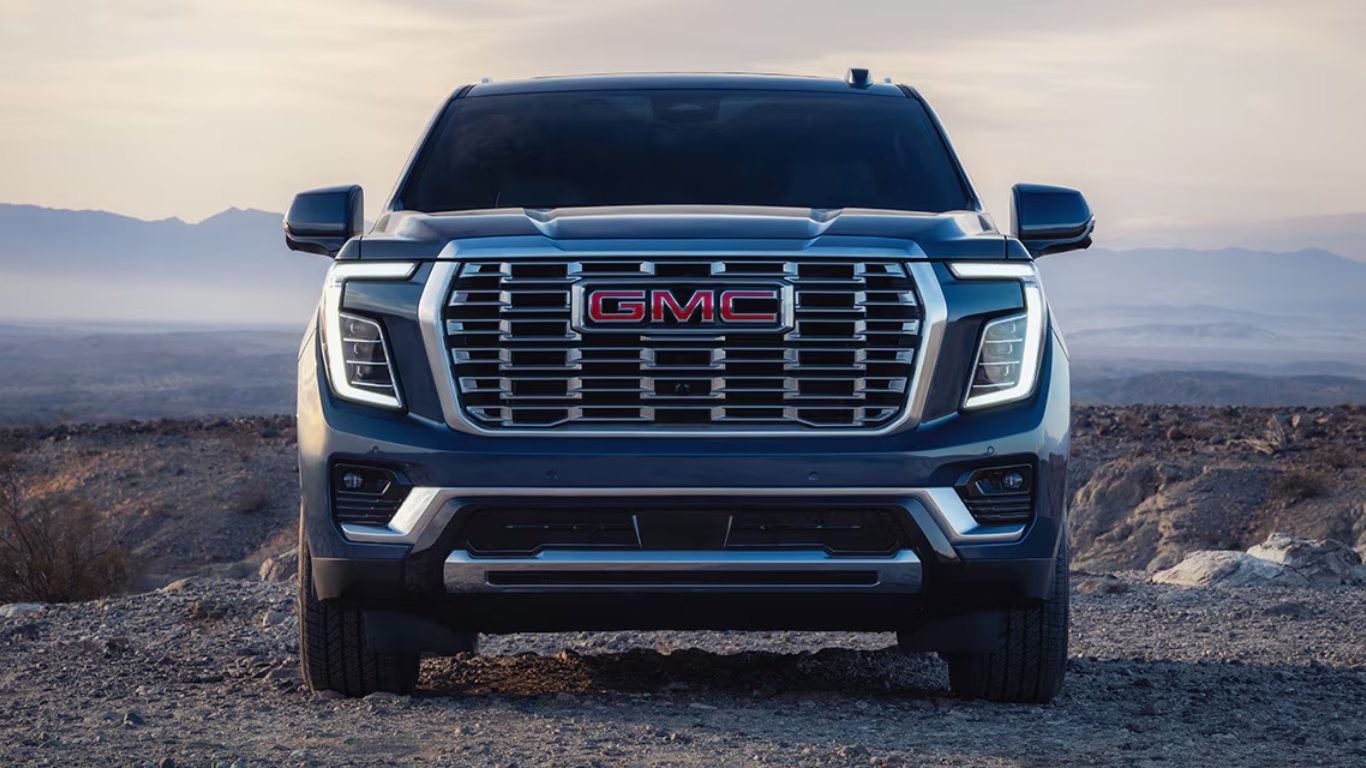
The company celebrates record profits while slashing thousands of jobs, prioritizing expensive trucks over affordable sedans.
General Motors posted $6.0 billion in net income and $14.9 billion EBIT-adjusted in 2024, yet still announced over 1,000 salaried layoffs, followed by another 1,000 global job cuts. The company remains a major U.S. market leader in full-size pickups and SUVs, prioritizing vehicles that demand higher prices. An old Impala cruises by occasionally—a ghost from a time when GM built a car for every street, not just those with a gravel driveway.
This strategy represents a sharp pivot from its historical approach, focusing on high-margin segments over broad market access. Within five years, GM drastically reduced its sedan offerings. For a veteran employee, watching this transformation feels like a favorite indie band suddenly playing only stadium pop anthems. The company’s commitment now centers on profitability within a narrower scope, trading volume for a more exclusive road map.
2. Alfred P. Sloan
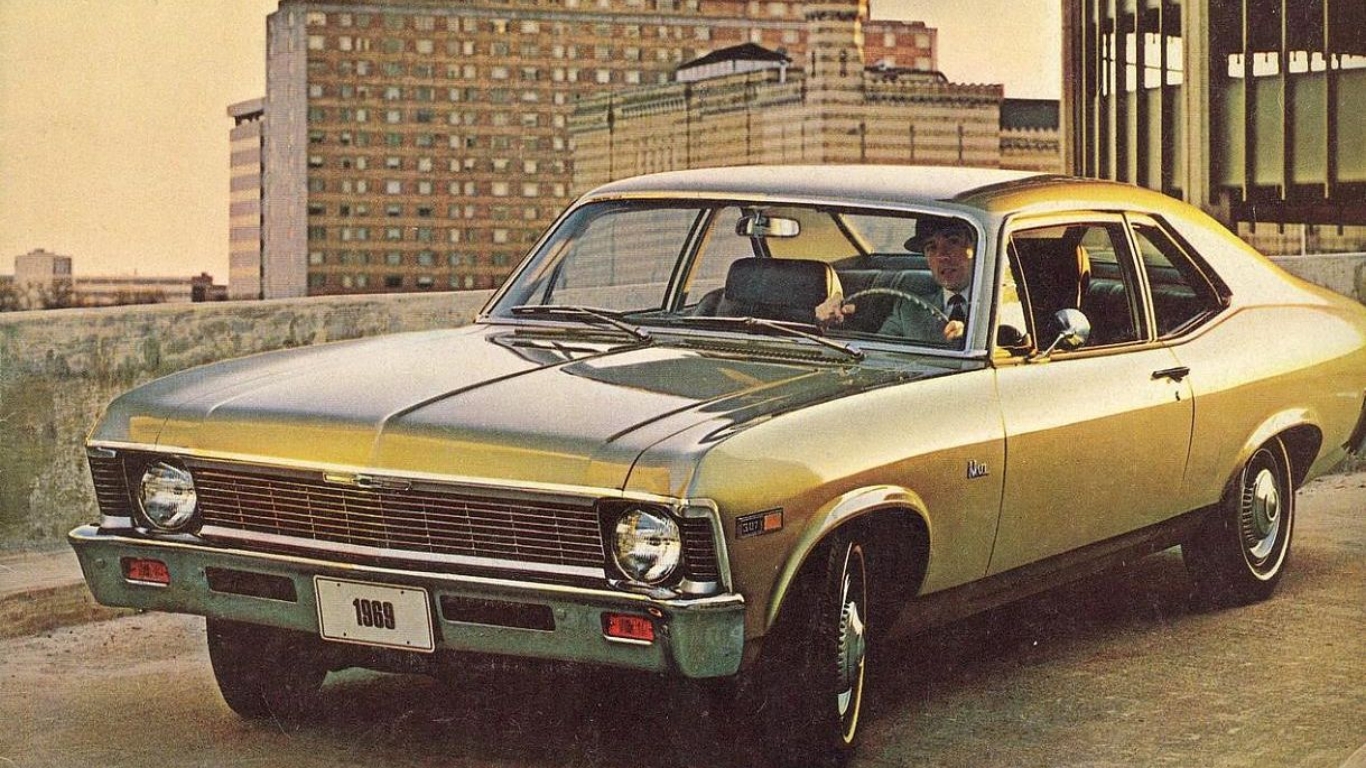
The GM executive who pioneered planned obsolescence and taught the industry to sell monthly payments instead of vehicles.
Alfred P. Sloan, who took the reins at General Motors in the 1920s, completely rewrote the playbook for how cars were sold. His core commandments were simple yet insidious: redesign vehicles annually, igniting a craving for newness every couple of years. This system prioritized financial treadmills over the open road. Post-war families, captivated by new chrome, found themselves trapped in constant upgrades.
This strategy solidified planned obsolescence as an industry standard, turning ownership into perpetual debt cycles. The constant push for newer models, often with marginal improvements, conditioned consumers to accept increasing loans. This economic sleight of hand, prioritizing monthly payments over the actual vehicle, laid direct groundwork for today’s affordability crisis. Buyers end up on a financial treadmill, always paying for parts they barely needed.
3. Henry Ford

The industrialist who proved cars could be affordable, standardized tools rather than luxury toys for the wealthy.
The Model T arrived as a singular vision, making car ownership a tangible dream for the average worker. Henry Ford’s strategy centered on standardization, low prices, and high-volume production, democratizing mobility when automobiles were luxury items. This simple machine, built to last, could often be paid for in cash—like a reliable hammer in a world seeking complicated power tools. Ford Motor Company’s approach ensured millions could experience the freedom of the open road for the first time.
This focus sharply contrasts with later industry trends, where market segmentation and annual model changes began to fragment the car market. Buyers once purchased a vehicle that was universally accessible; now they navigate a dizzying array of trim levels and financing options that can feel like buying a second mortgage. Today, troubleshooting a check engine light often means consulting YouTube or a dealership, a far cry from the Model T’s straightforward design. Ford’s initial emphasis on simple, affordable driving remains a powerful reminder of how car ownership started as a right, not a luxury.
4. Ford F-150
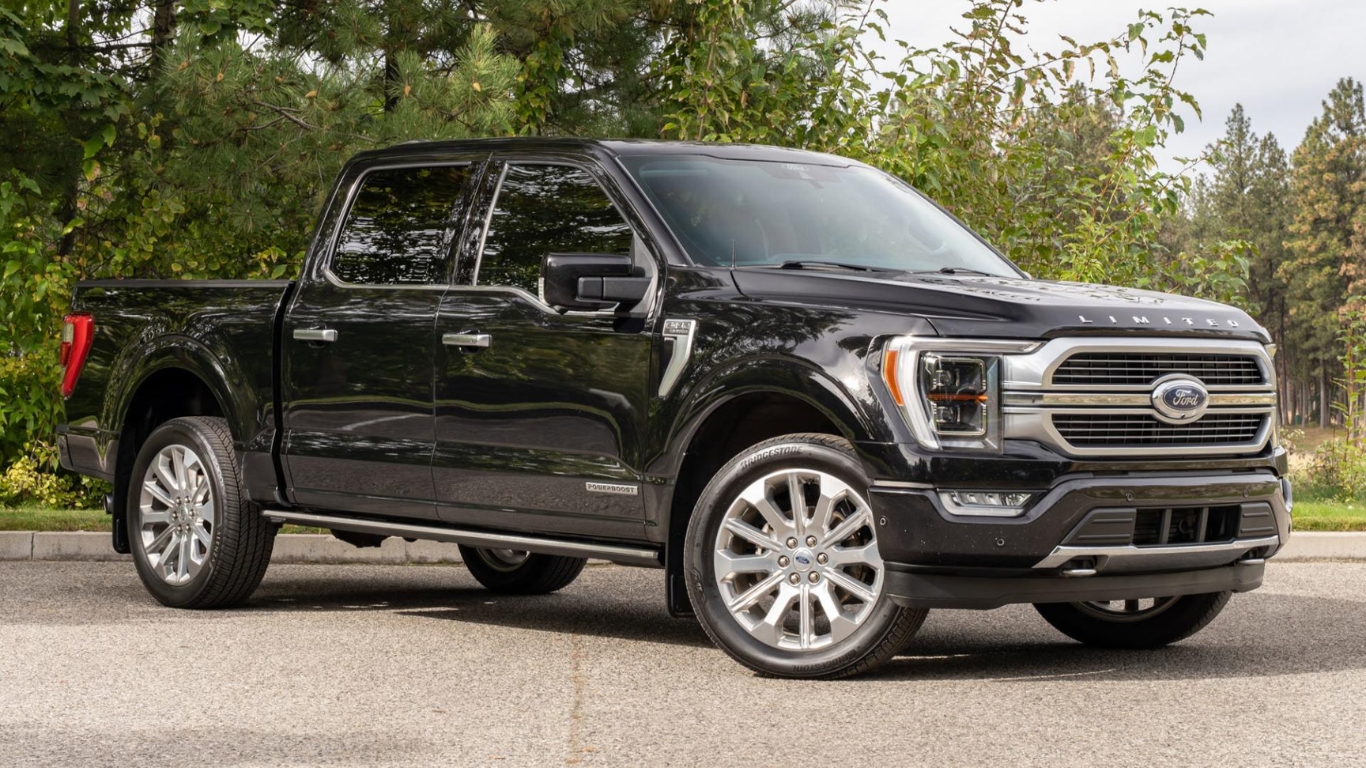
The pickup that generates most of Ford’s profits dictates the company’s entire product strategy and EV timeline.
The F-Series lineup drives a massive share of Ford’s profits, acting like the company’s financial flywheel. These workhorses typically move off dealer lots for around $45,000, generating roughly $10,000 in clear profit on each unit. This immense profitability directly fueled Ford’s August 2024 decision to delay its next electric pickup and entirely cancel a planned electric three-row SUV. Like a seasoned mechanic prioritizing immediate repairs over a full engine swap, Ford pivoted hard to hybrids, chasing surer short-term returns.
The F-150 dictates not only current balance sheets but also where Ford points its future product compass. The proven formula still wins, shaping the entire show. This dependency creates a precarious position where one product line’s success or failure can reshape an entire manufacturer’s trajectory.
5. Stellantis
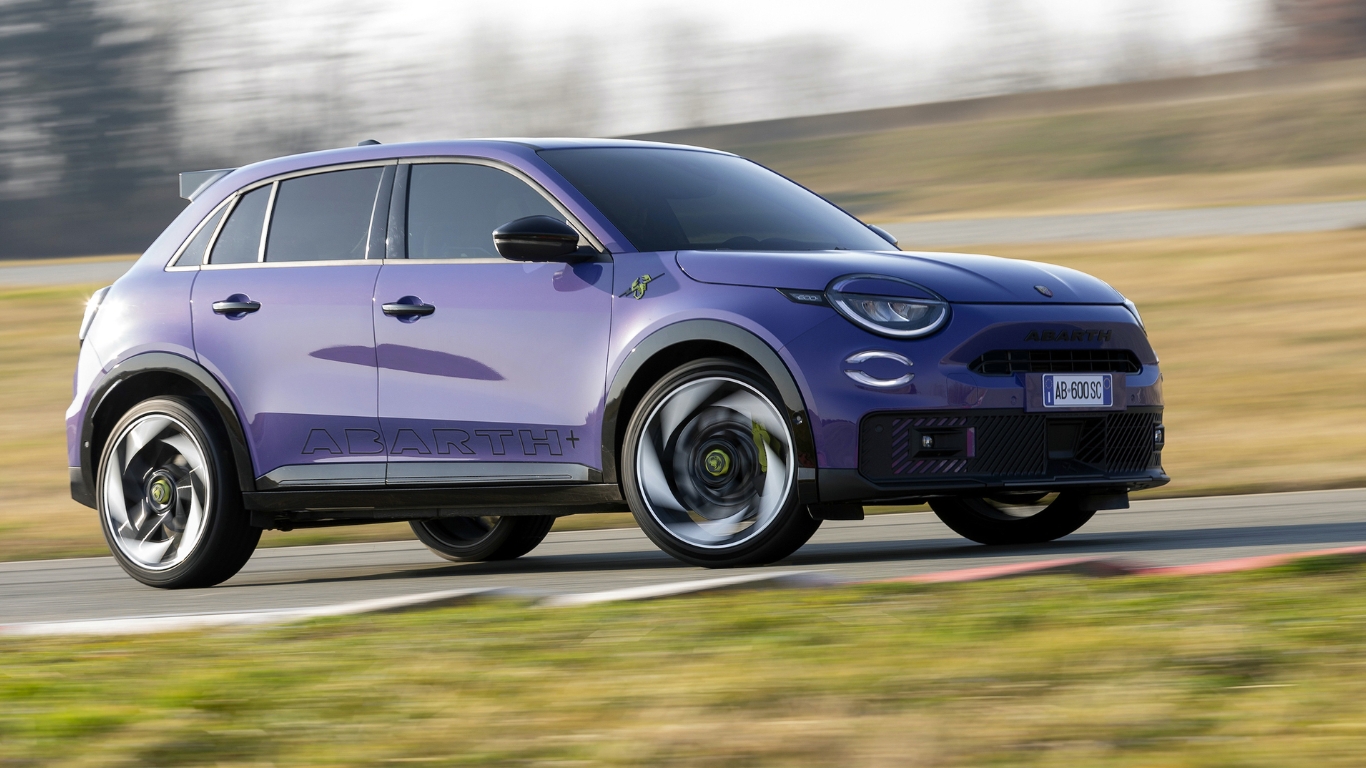
The automaker whose aggressive pricing strategy backfired spectacularly, costing it market share and its CEO.
Stellantis saw its U.S. sales plummet by 27% in 2024, dropping it from the fourth to the sixth biggest seller. Former CEO Carlos Tavares’ strategy, which pushed prices significantly higher for brands like Jeep and Ram, ultimately backfired. Dealers found themselves sitting on inventory priced like luxury yachts, not family SUVs, creating a glut of unsold vehicles that choked lots tighter than a misaligned timing belt. This approach left many buyers feeling ignored, forcing them to look elsewhere for value.
Tavares resigned on December 1, 2024, after collecting $36 million, and his replacement promised to reintroduce more accessible cars. This shift aims to win back customers who simply want a reliable ride without taking out a second mortgage. That sinking feeling when realizing overpayment for something? For Stellantis, the road ahead involves building vehicles that actually hit the open road, fueling real driving adventures instead of just collecting dust.
6. Jeep
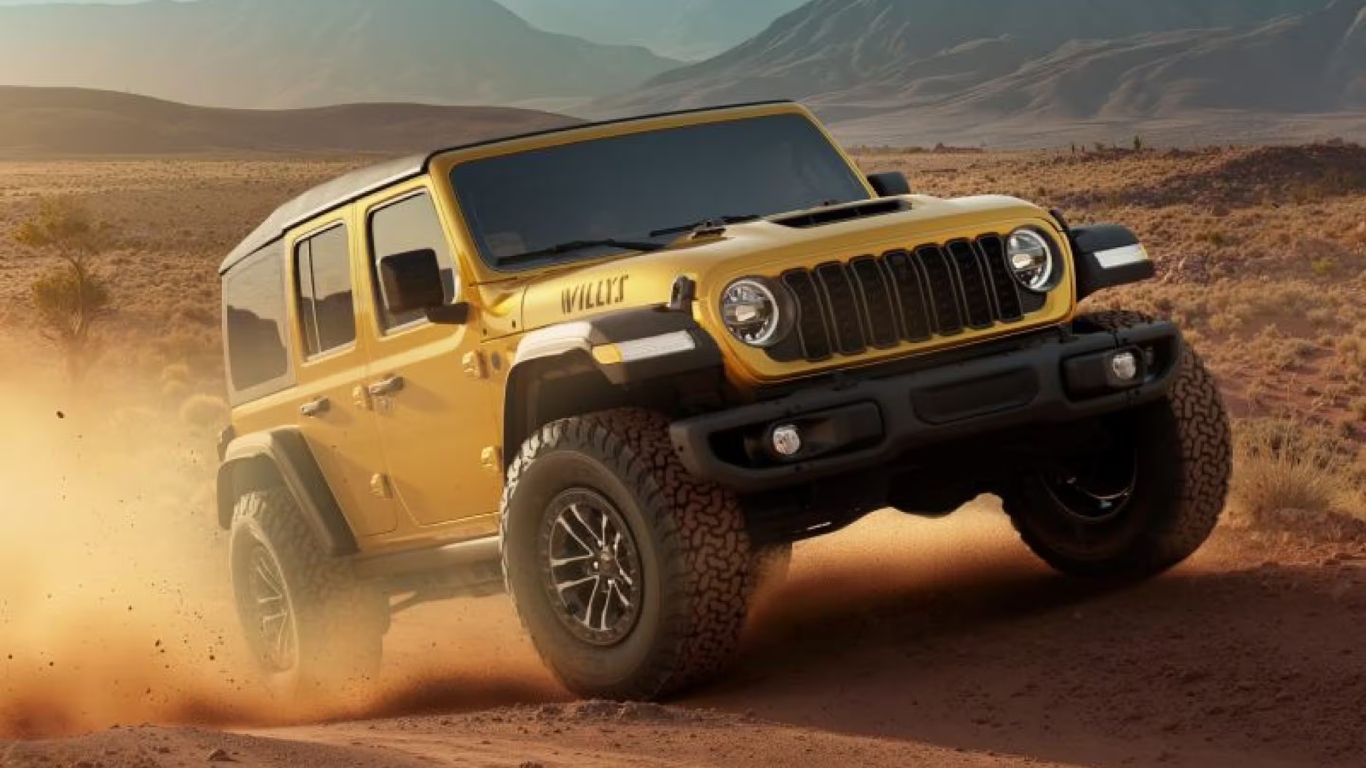
Pushing $70,000 price tags turned a dirt-covered icon into an exclusive luxury brand nobody wanted.
Paying over $70,000 for a new vehicle makes a longtime Jeep enthusiast feel like they’re being sold a private jet, not a tool for the trail. Stellantis aggressively pushed Jeep into a premium segment, envisioning higher profits from high-margin SUVs and off-road vehicles. This strategy aimed at transforming a dirt-covered icon into a luxury cruise ship, a far cry from its utilitarian roots.
The market’s reaction throughout 2024 hit showrooms like a blown tire. Dealer sentiment weakened, and sales softened considerably as the brand moved too far upmarket, leaving its core customers behind like a forgotten spare tire on a long trip. The pursuit of higher margins inadvertently alienated the very people who defined the brand, leading to plenty of unsold inventory.
7. Ram
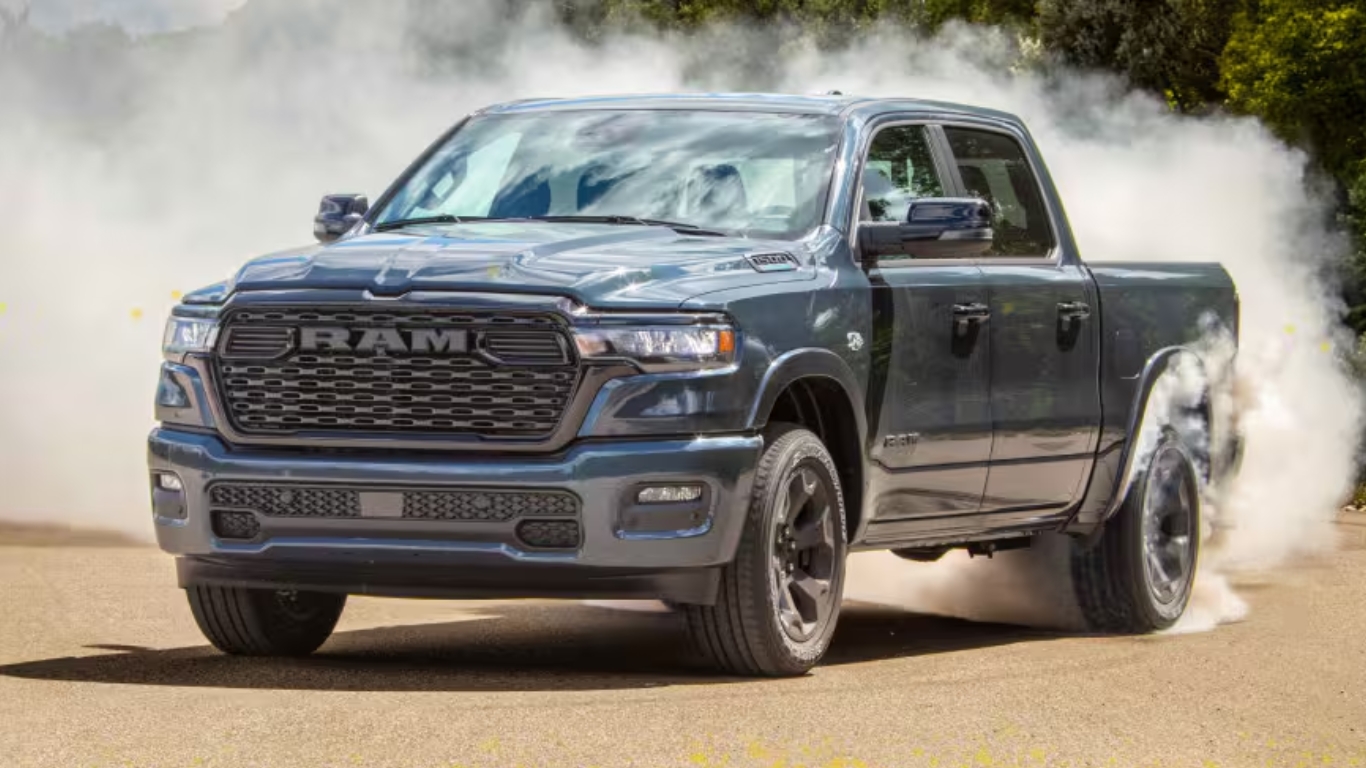
Aggressive pricing left dealerships with inventory that moved slower than a full-size rig on a single cylinder.
Ram trucks, historically a titan in the U.S. market, once drove significant sales and profit margins for Stellantis. By 2024, however, Ram’s U.S. sales figures experienced a sharp decline, sputtering like a poorly-tuned engine. This downturn reflected Stellantis’ aggressive pricing strategy, leaving dealerships with inventory that moved slower than expected, with new trucks sitting idle due to perceived high costs.
A simple fuel filter can be critical to performance; similarly, pricing out the average buyer stalled Ram’s momentum. Late 2024 saw new leadership promising a pivot back to affordability to reignite sales. Ram’s journey is a microcosm of the wider industry’s high-stakes tightrope walk, balancing profit demands with the fundamental need for consumer accessibility, ensuring the thrill of a capable truck remains within reach.
8. Dodge

The muscle car brand faces an identity crisis in an industry shifting away from its gas-guzzling strengths.
For decades, the Dodge Charger and Challenger defined American muscle, their thundering Hemi engines delivering raw power that etched itself into car culture. Now part of Stellantis, the brand navigates an industry shifting away from its traditional, gas-guzzling strengths. Many heritage brands today feel like classic cars running on dwindling reserves, their legacy strong but their fuel supply uncertain in an electrified world. This tension creates a real dilemma for performance enthusiasts.
The market raises questions about whether the future of muscle cars means swapping a supercharger for a battery pack, a true road-trip companion becoming another appliance. Stellantis’s focus on higher-margin segments, like Jeep and Ram, means profitability goals often overshadow traditional performance priorities. With Stellantis’s U.S. sales falling sharply in 2024, and dealers warning about its pricing strategy, Dodge’s long-term identity and market relevance face scrutiny. Can a brand built on brute force reclaim its distinctive appeal in an automotive landscape that increasingly favors efficiency over displacement?
9. Chrysler
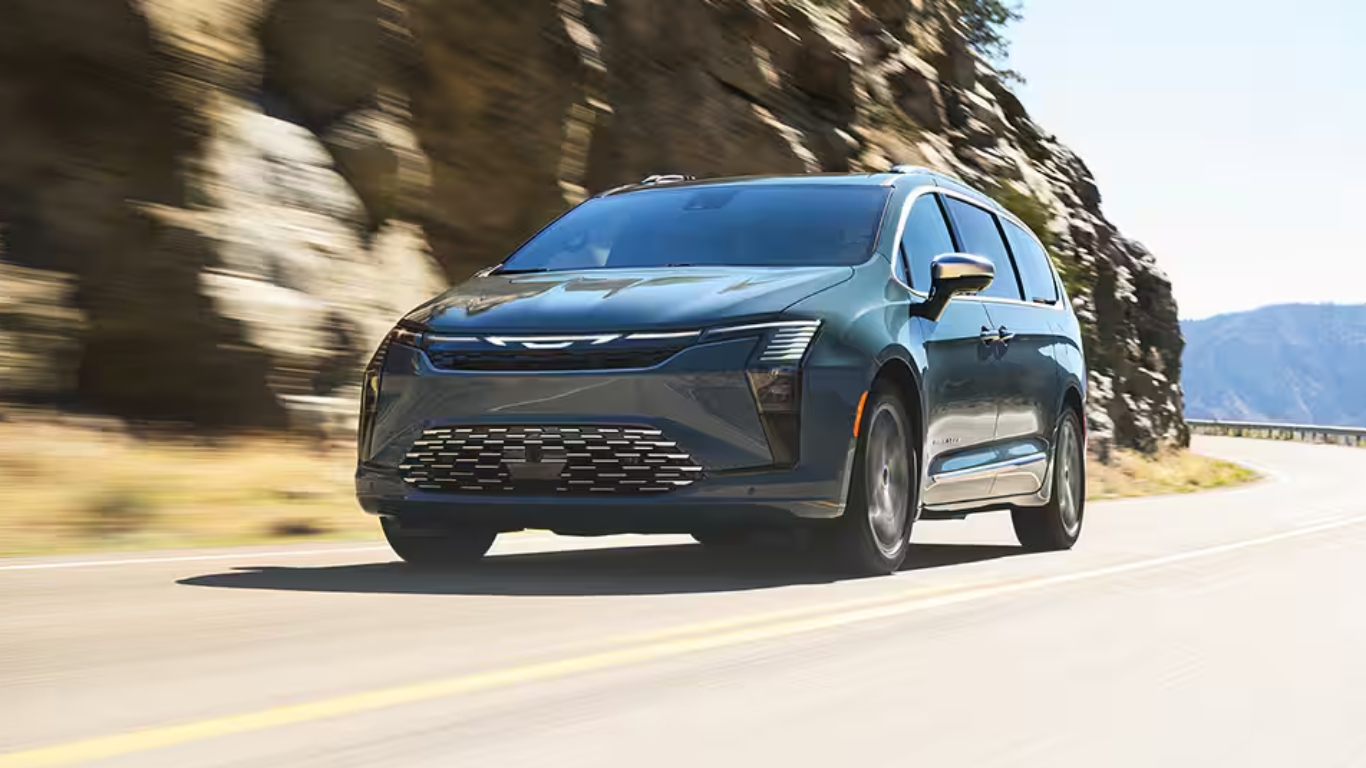
Once a powerhouse brand, now reduced to a single minivan in Stellantis’s sprawling portfolio.
With its lineup reduced primarily to the Pacifica minivan, Chrysler today stands as a shell of a brand within Stellantis. This is a stark contrast to its mid-20th-century prominence, when Forward Look cars pushed engineering boundaries. The imposing presence of a vintage Chrysler felt like a ship on the open road. That grand era of bold designs now seems a distant memory.
Stellantis, as reported in 2024, prioritizes high-margin brands like Jeep and Ram among its 14 global brands, leaving Chrysler with a vastly diminished market presence. This trend turns storied marques into mere footnotes. The brand’s fate questions legacy in a profit-driven landscape.
10. Chevy Trax
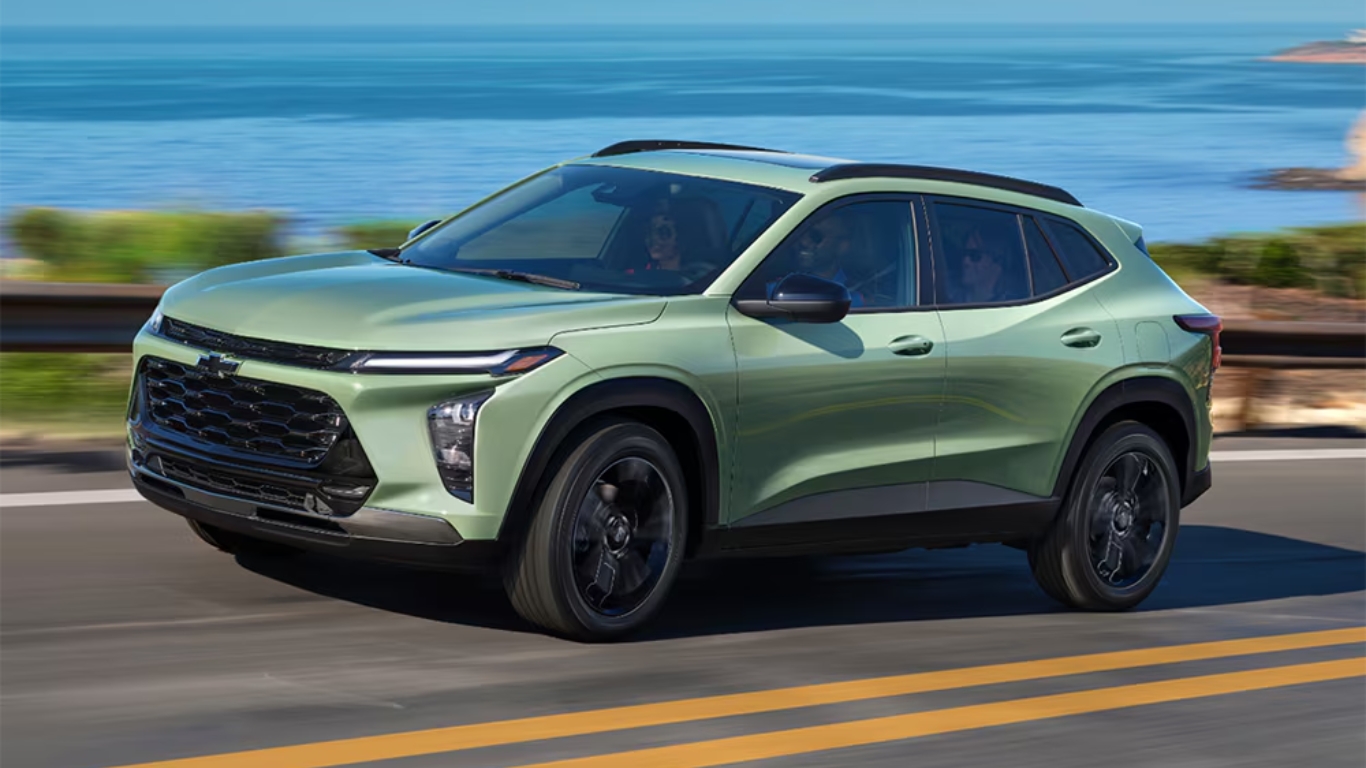
This $22,000 compact crossover became Chevrolet’s third-best-selling model, proving demand for affordable cars still exists.
Shortly after its release, the Chevy Trax rapidly became one of Chevrolet’s top-selling vehicles, a fact that surprised many industry watchers. Priced around $22,000, this compact crossover arrived like a reliable, well-oiled wrench in a market full of expensive, specialized diagnostic tools. It proved that despite the parade of $80,000 SUVs, people still crave accessible utility. Young professionals found a new car that wouldn’t drain their emergency fund.
Its immediate success directly contradicted the industry’s narrative that buyers no longer wanted affordable cars. Many automakers had already abandoned entry-level sedans, but General Motors gained a much-needed lower-priced option. This car acts like a sturdy mule in a field of show ponies, a clear signal that the market holds significant, unmet demand for accessible new vehicles. Not everyone needs a six-figure loan for a fresh set of wheels.
11. 2021 Chip Shortage
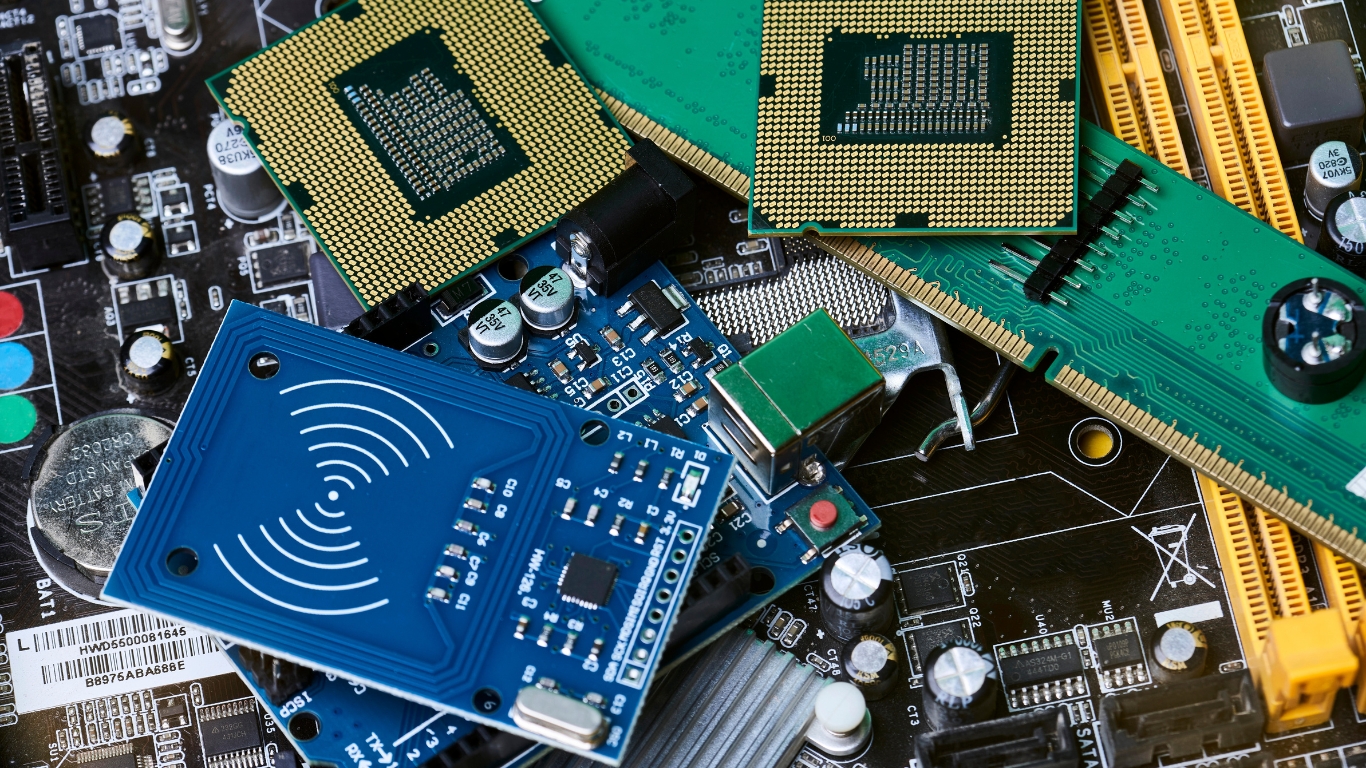
Limited supply taught automakers they could charge more with less inventory—a lesson they never forgot.
The 2021 chip shortage directly disrupted global automotive production, severely limiting the supply of new vehicles. This crisis caused an immediate surge in new-car prices, turning once-bustling dealership lots into sparse displays where every vehicle was treated like a rare collectible. Automakers quickly discovered that fewer cars on the ground translated directly into higher transaction prices and enhanced pricing power. This unexpected scarcity became a golden ticket, reshaping market dynamics in real-time.
Even after the acute shortage eased, the industry never fully returned to its pre-shortage inventory levels, accelerating a strategic shift towards lower-volume, higher-margin sales. Walking onto a lot expecting to haggle often meant begging for a chance to pay full MSRP instead, a situation as common as finding an original PlayStation 5 during its launch year. This event permanently altered manufacturer pricing and inventory practices, ensuring that, for now, the dealership lot will rarely resemble a bustling grand bazaar again.
12. BYD Electric Crossover
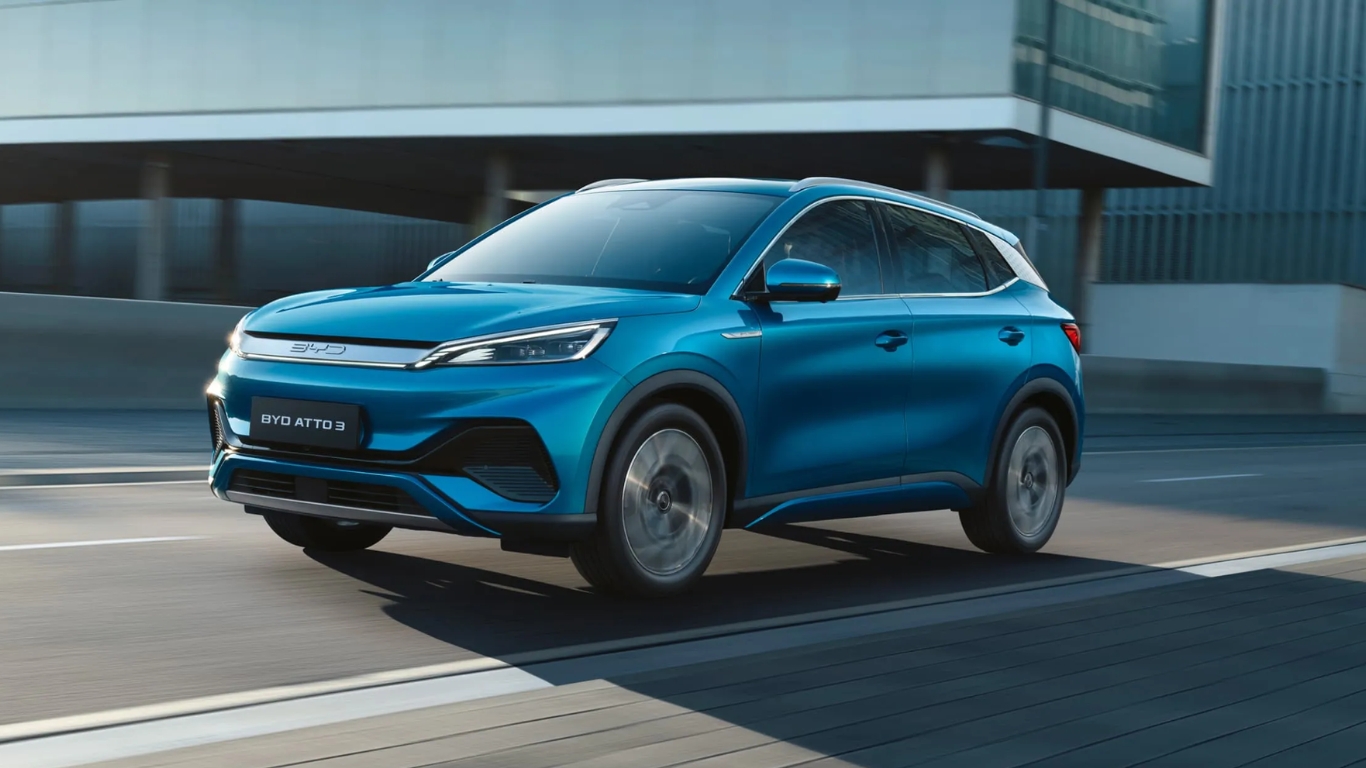
This $14,000 functional EV proves affordable electric cars exist—just not for American buyers.
A functional electric crossover from BYD sells for around $14,000 in its home market, a price point that makes most American EV discussions sound absurd. This vehicle showcases what true mass-market manufacturing achieves when focused on efficiency and accessibility. It could democratize electric driving, much like the original Volkswagen Beetle made motoring accessible to millions. This affordability, however, encounters a formidable wall at the U.S. border.
The low-cost EV faces significant hurdles for American consumers, primarily due to approximately 100% tariffs. These tariffs effectively double the vehicle’s price before it even leaves port. Software restrictions under new Commerce Department rules will also prevent such vehicles from operating on U.S. roads starting in 2027. These policies collectively shield the U.S. market from highly competitive, affordable electric options.
13. Cheapest Electric Car in the U.S.

Tariffs and software restrictions act like a high-speed limiter, preventing accessible EV options from reaching most drivers.
Globally, a BYD electric crossover costs around $14,000, yet nothing remotely close to that price exists on an American dealership lot. This disparity highlights a stark reality: in a country that practically invented consumer choice, truly affordable electric vehicles remain as elusive as a manual transmission option on a new family sedan. Tariffs and software restrictions prevent accessible EV options from reaching most drivers.
Searching for an electric vehicle priced like a reliable used Civic means discovering options pushing $40,000 or more. This isn’t about consumer preference; it’s a systemic market failure, rooted deeply in industrial strategy and policy. The absence of a truly cheap, everyday EV leaves many drivers stuck on fossil fuels, a situation as frustrating as hitting a dead end on a cross-country trip with only a paper map.
14. Honda
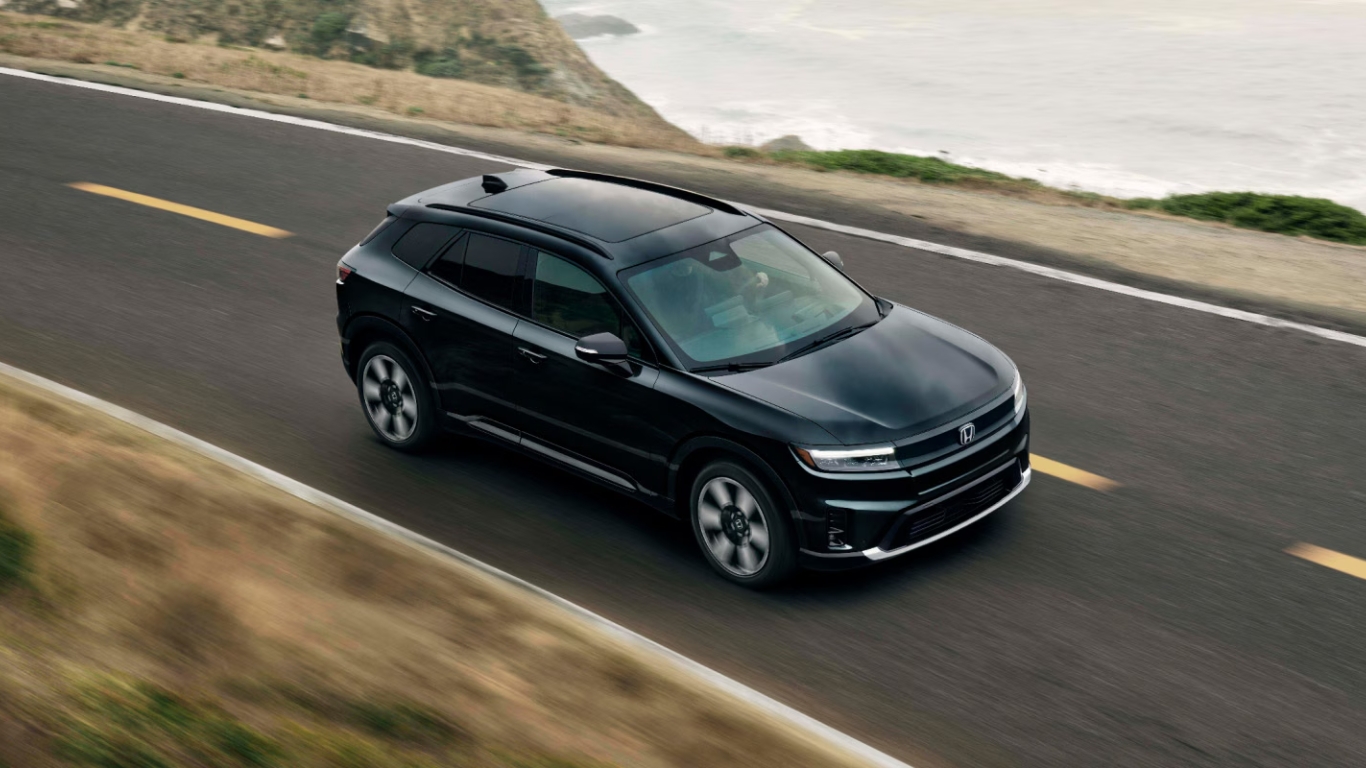
Recording its first annual loss since 1957 taught Honda that even established brands can’t survive on unaffordable EVs alone.
Honda recorded its first annual loss since 1957 after committing to high-priced electric vehicles, misjudging its traditional customer base. The effort felt like equipping a minivan for the Nürburgring—impressive in concept, but disconnected from its actual purpose. An exclusive focus on unaffordable EVs failed to generate sales or build loyalty.
The company swiftly announced a pivot back to more accessible electric vehicle options. This turnaround offers a crucial industry warning: even established brands with Honda’s legacy cannot thrive by alienating core buyers with only top-shelf EVs. A good daily driver doesn’t need to cost a fortune; the electric future demands the same. Market relevance, even for pioneers, depends on broad accessibility.
15. Volkswagen
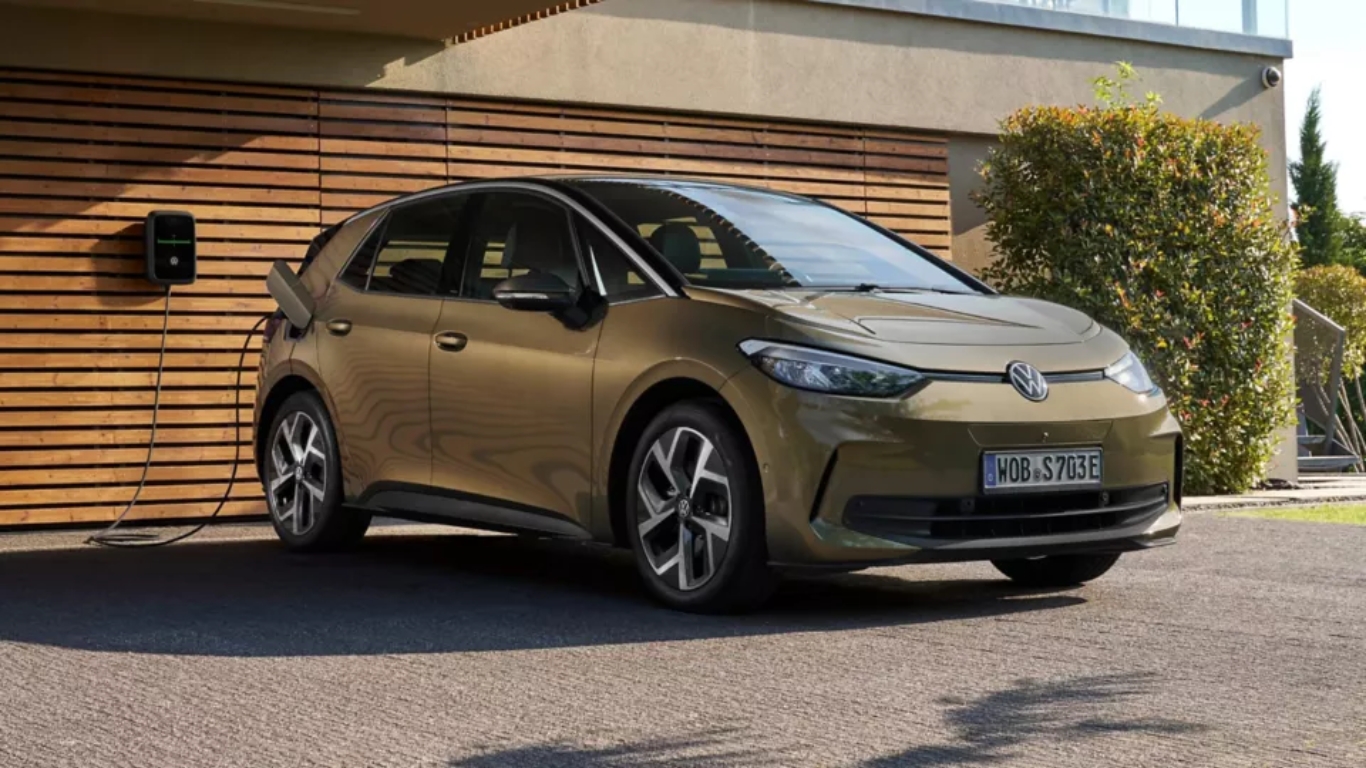
The “people’s car” brand now eliminates 100,000 jobs and closes plants, abandoning its founding mission.
Volkswagen, whose very name means “the people’s car,” now faces a jarring contradiction. The brand, long synonymous with accessible transportation, plans to close multiple plants and eliminate 100,000 jobs through 2030. That sinking feeling when a car’s check engine light illuminates? That’s the sudden, unsettling reality for those caught in Volkswagen’s corporate realignment.
These drastic moves underscore an industry-wide pivot away from the ordinary buyer, making the brand’s original ethos a historical artifact. The viability of a “people’s car” brand that no longer designs or prices for its namesake demographic deserves questioning. Its future, much like an empty gas tank on a cross-country drive, looks increasingly bleak.
16. Model T
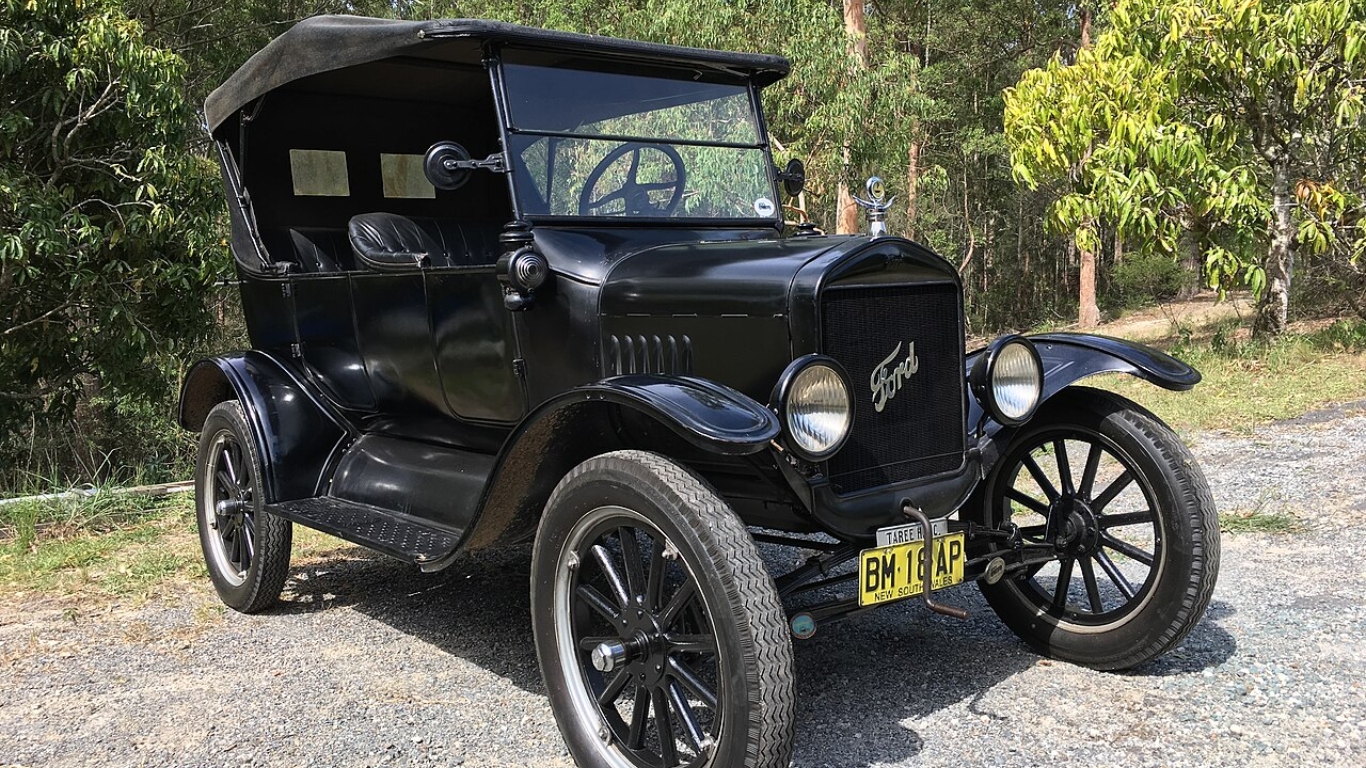
Over 15 million units proved cars could be affordable tools for freedom, not just luxuries for the wealthy.
Over 15 million Ford Model Ts rolled off the assembly line, fundamentally changing how Americans lived and traveled. This machine was the keystone in the arch of automotive freedom, locking in the possibility for millions to experience open-road adventure. Henry Ford’s vision for a simple, durable car, affordable enough for a cash payment, broke the chains of limited mobility. It acted as a mechanical steed, carrying families beyond the confines of their towns, opening up a world of possibilities previously unimaginable.
Its relentless emphasis on standardization and low production costs, a marvel of early manufacturing, made car ownership a tangible part of the American dream. Families suddenly had a ticket to see the country, no longer tied to train schedules or horse-drawn routes. The Model T remains a stark reminder that true automobile ownership once meant pure accessibility, not layers of escalating debt.