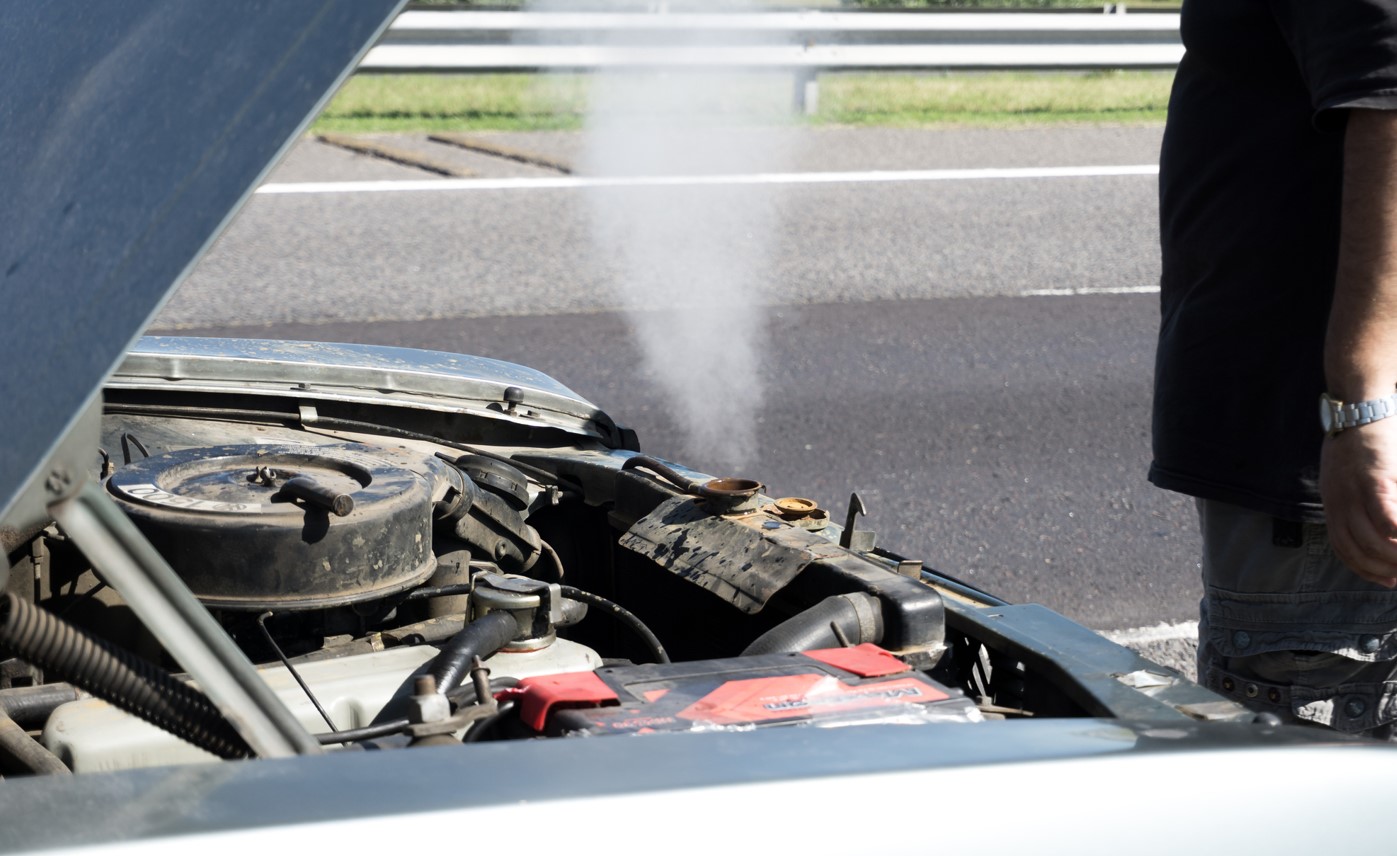


Engines grow larger with displacement creep, demanding electronic intervention to tame raw power. Modern entry-level bikes now push 451 cc where 250 cc once ruled, raising questions about what “beginner-friendly” truly means when prices climb and technology layers multiply. The perfect downshift on a twisty backroad still hits differently without digital interference. These fifteen motorcycles reveal which machines forge genuine connections to the asphalt versus those merely displaying impressive spec sheets.
1. Kawasaki Ninja 500
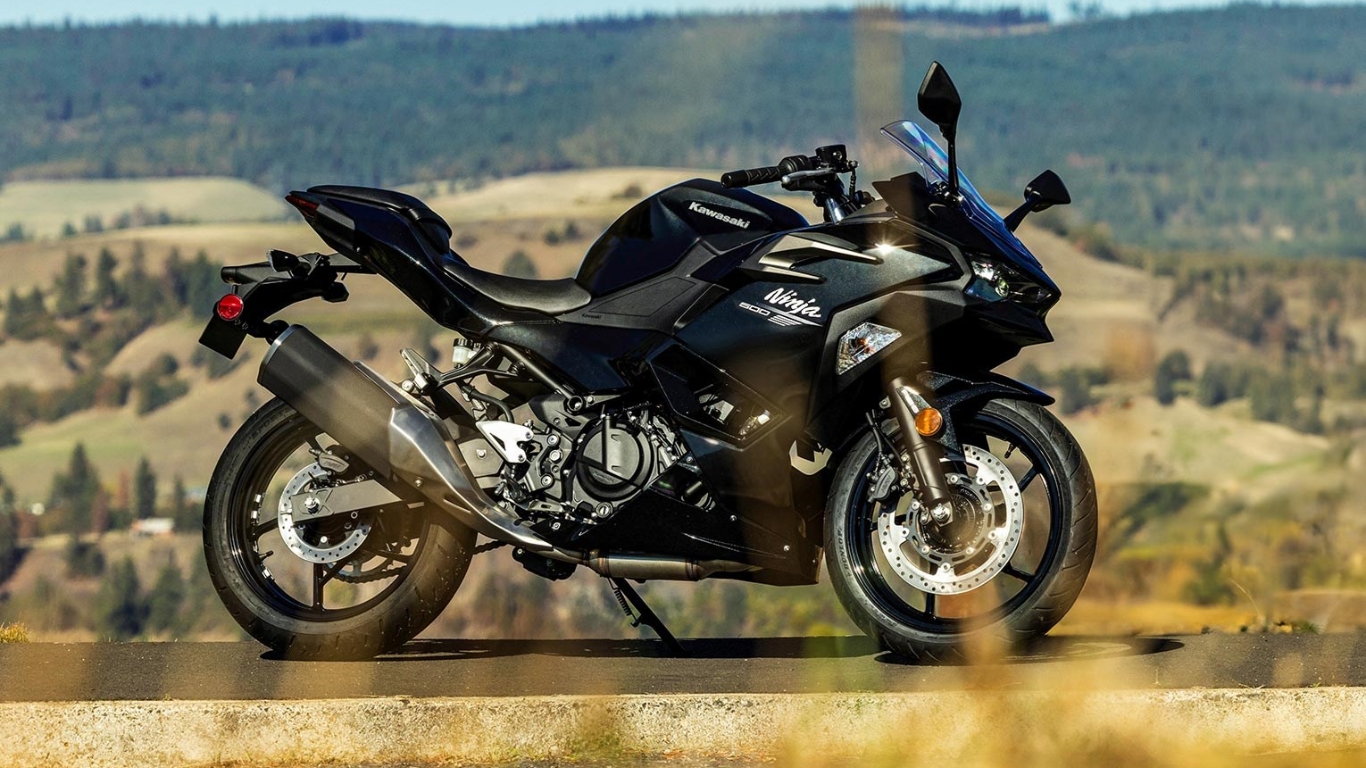
Where emissions rules push displacement up and accessibility down.
Entry-level sportbikes, once 250cc machines, now routinely push past 400cc to meet increasingly stringent emissions standards. The Kawasaki Ninja 500‘s 451 cc liquid-cooled parallel-twin engine addresses this shift, delivering 51 hp and 31.7 lb-ft of torque while remaining manageable for newer riders. The 785–790 mm (30.9-inch) seat height and 14 L (3.7 US gal) fuel capacity suit a wide range of body types. Yet the base price around $5,500 questions whether displacement creep serves beginners or simply redefines what “entry-level” means in modern motorcycling.
2. KTM 250 Duke

Precision over bloat.
While some entry-level bikes push the 500cc mark, the KTM 250 Duke offers a stark counterpoint. Its 248–249 cc single-cylinder engine delivers 22–31 hp—a sweet spot that won’t demand constant wrestling. Built on a steel trellis frame with an inverted front fork and ABS disc brakes, this machine epitomizes accessible motorcycling. Hailing from global markets, this sub-300 cc option cuts fluff, offering budget-conscious riders an unvarnished entry point for carving city streets or country roads without pretense.
3. Kawasaki KLX 230
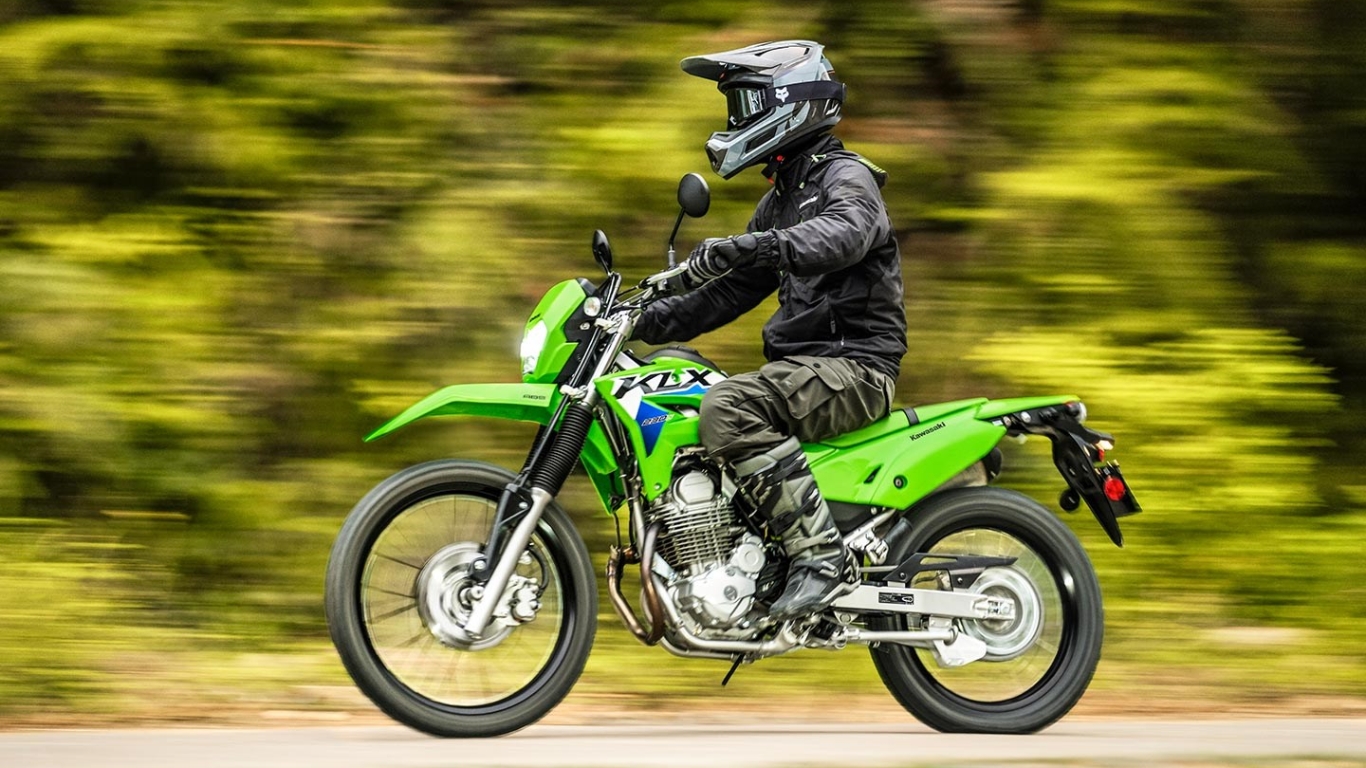
Reliable workhorse, not show pony.
A 233 cc air-cooled, 4-stroke single-cylinder engine powers the Kawasaki KLX 230, delivering modest 17–19 hp for reliable, low-maintenance performance. Its robust steel backbone frame, coupled with long-travel suspension and 21-inch front/18-inch rear wheels, provides genuine capability for tackling pavement and light off-road trails. Optional ABS offers a nod to modern safety within its deliberately simple design. An ideal entry point for dual-sport riding, the KLX 230 handles rough terrain without requiring constant maintenance or technical expertise.
4. Kawasaki Ninja 300
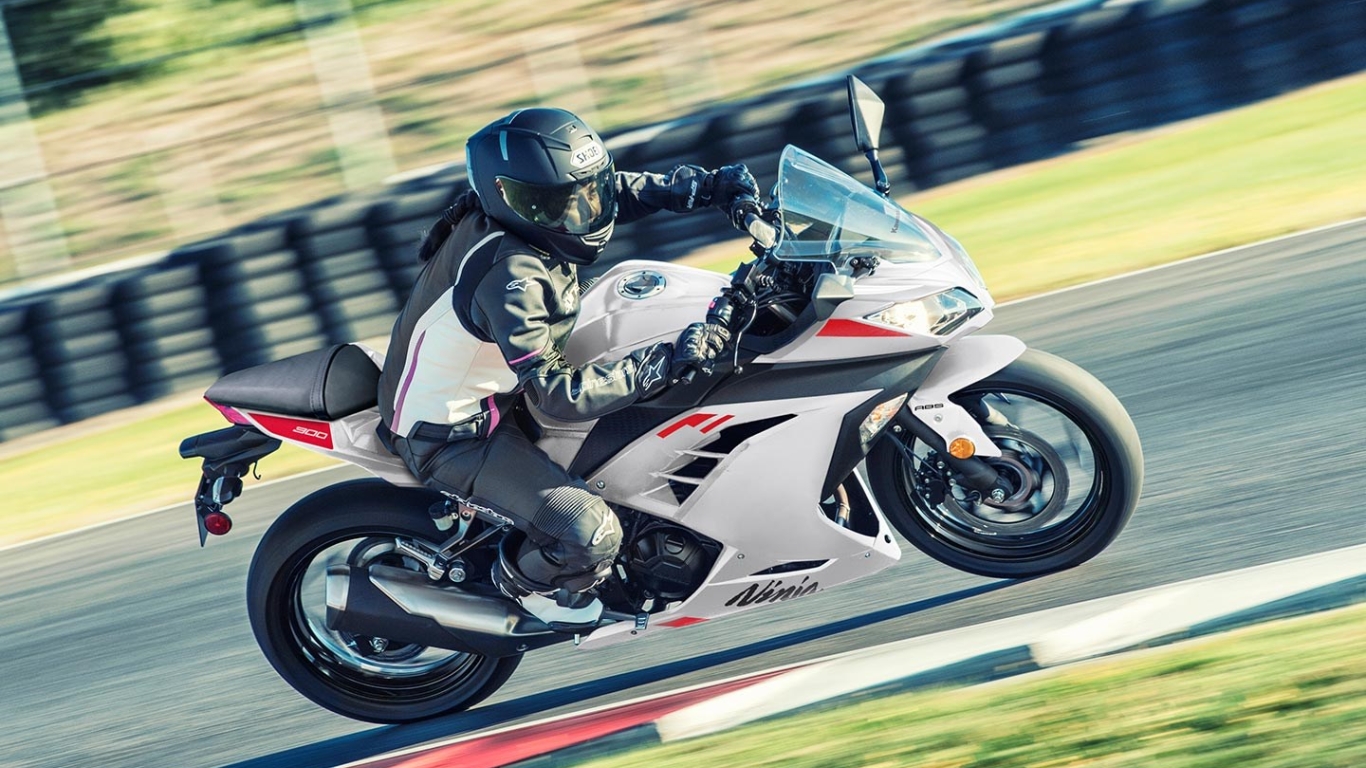
The machine that reset the bar.
The early 2010s reset expectations for entry-level sportbikes, largely thanks to the Kawasaki Ninja 300. Its 296 cc liquid-cooled parallel-twin engine, pushing out 39 hp, acted as a scalpel in a segment often populated by dull knives. This bike brought a slipper clutch and optional ABS to the masses—features once reserved for track machines—effectively replacing the older Ninja 250R. It quickly became the default for new riders, a gateway to speed. Today, the Ninja 300 might resurface as a budget hero in markets where newer models have priced out beginners, proving good engineering cycles back around.
5. CFMoto Feature-Rich Motorcycles
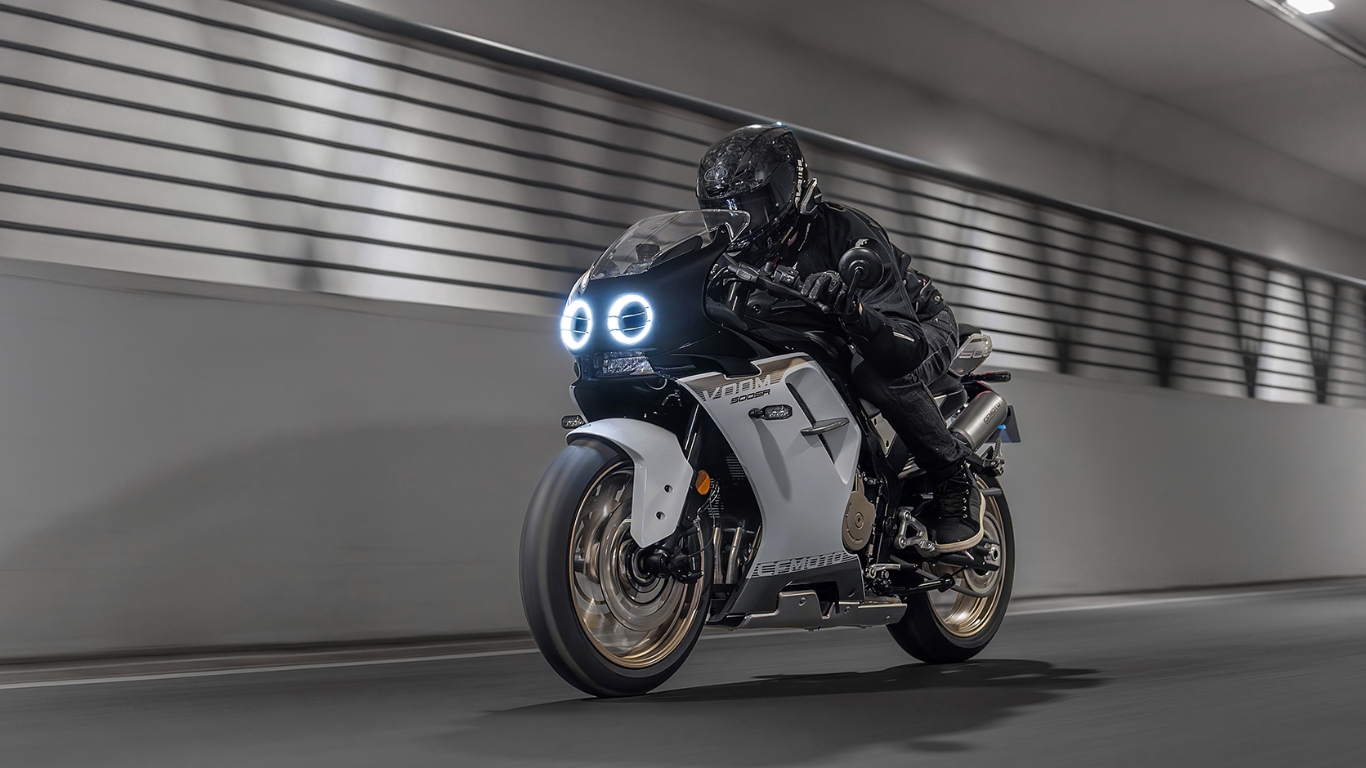
Premium feel or premium fluff?
CFMoto‘s 250–800 cc lineup provides a “premium feel for the price” by packing technology. Vibrant TFT displays, multiple ride modes, LED lighting, and even aero winglets impress with elaborate startup sequences. Many elements are window dressing; non-functional brake ducts, for instance, offer no tangible performance gain. The question becomes what truly constitutes innovation versus mere cosmetic embellishment. Strategic partnerships with manufacturers like KTM have helped CFMoto adopt modern engine and chassis technologies, but flash and function don’t always align.
6. Royal Enfield Motorcycles
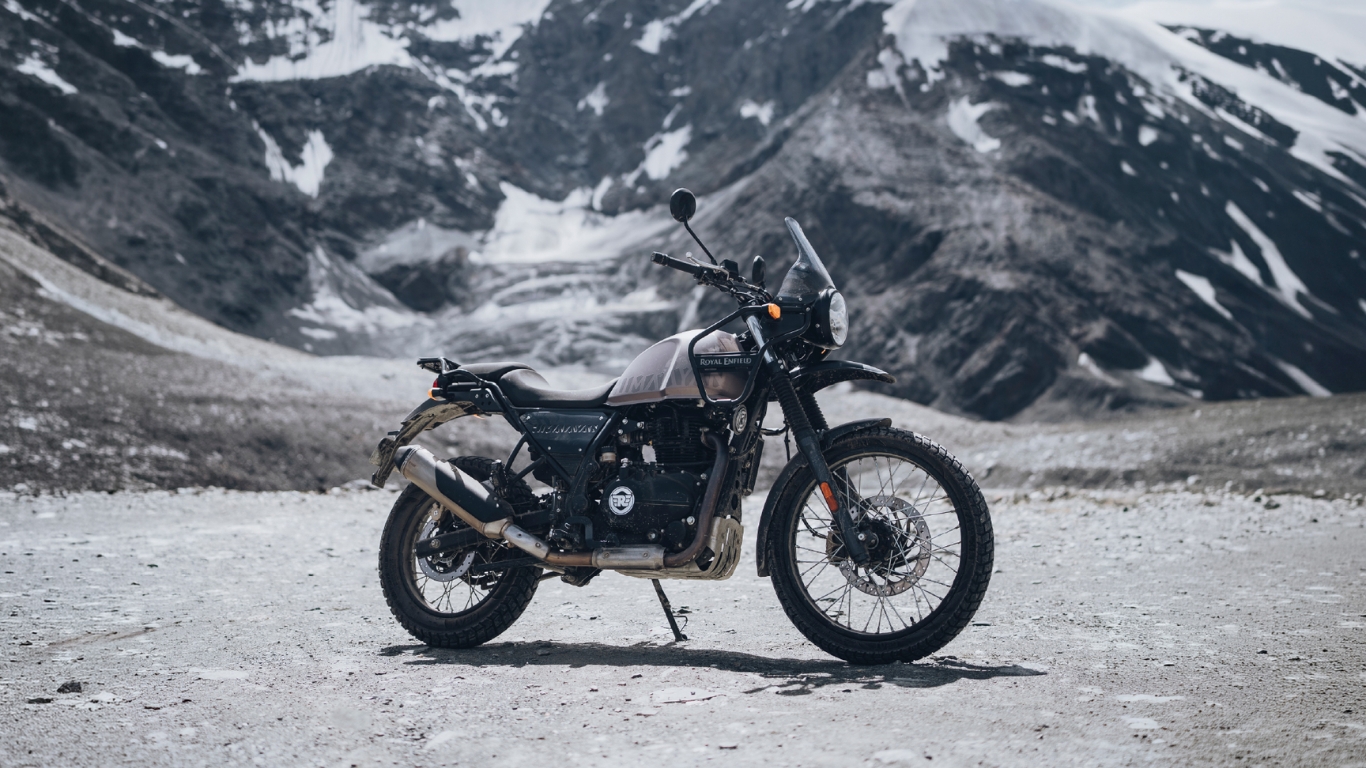
A gateway drug to two wheels.
With annual sales topping one million units in recent years, Royal Enfield has become an undeniable global force in motorcycling. Their mid-capacity 350–650 cc lineup, boasting characterful retro styling, offers accessible power and low seat heights. The modernized J-series 350 and 650 twin engines provide simple, affordable machines that attract legions of new riders worldwide, expanding motorcycling participation beyond traditional markets. This isn’t just about moving metal; it’s about opening doors for riders who might never consider a premium European marque.
7. Triumph 400 Lineup (Speed 400 & Scrambler 400 X)
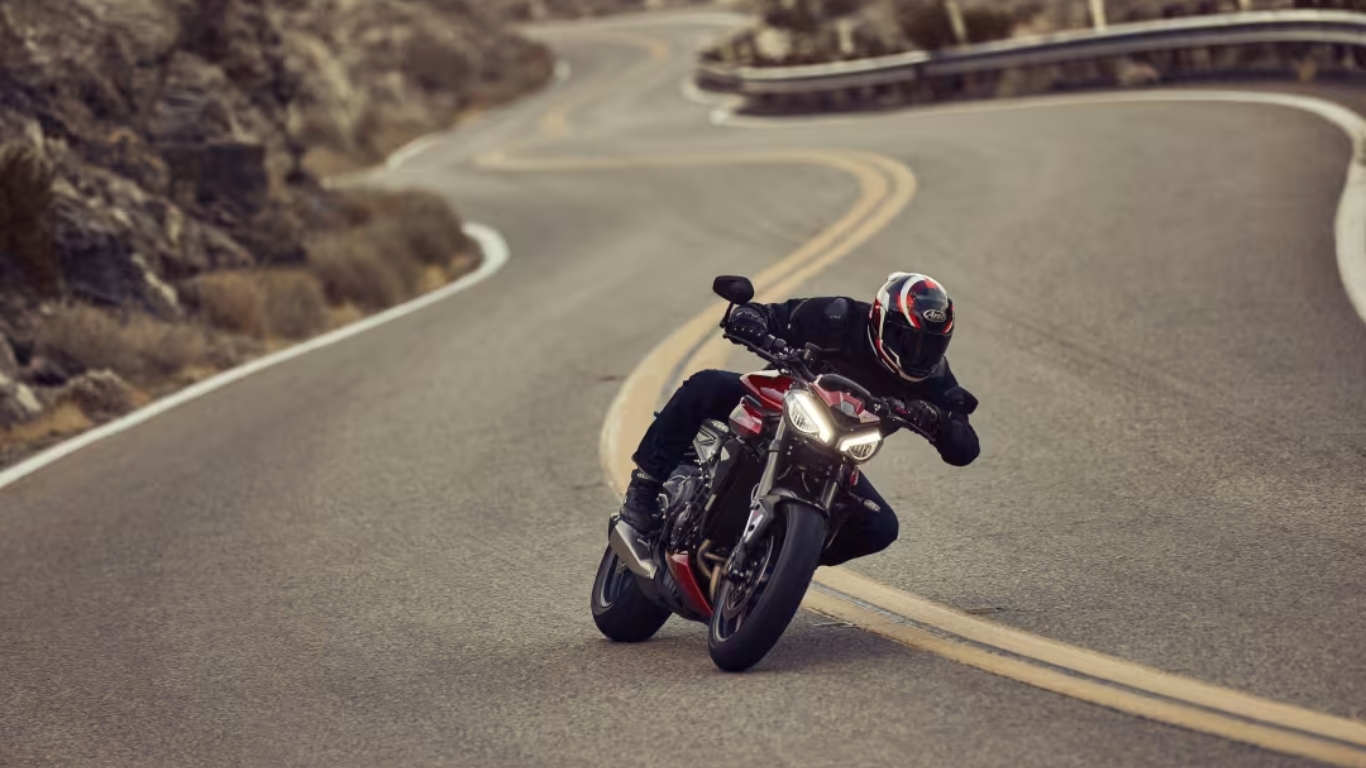
Urban scalpel meets trail-ready adventure.
Triumph’s 400 lineup offers both urban agility and trail-ready ruggedness without compromise. The Speed 400 carves urban routes with surgical precision, while the Scrambler 400 X ventures confidently onto rougher paths. Both machines share a new 398 cc liquid-cooled single-cylinder engine producing 39.5 hp—a powerband that feels more substantial than displacement suggests. Ride-by-wire throttle and switchable traction control arrive as standard, rare at this price point. The Speed 400’s 17-inch wheels deliver nimble handling for choked city blocks. The Scrambler 400 X boasts longer suspension travel and a 19-inch front wheel, ready to devour gravel fire roads. This dual approach, built with partner Bajaj in India, delivers premium entry-level options.
8. Aprilia Small-Displacement/Entry Bikes
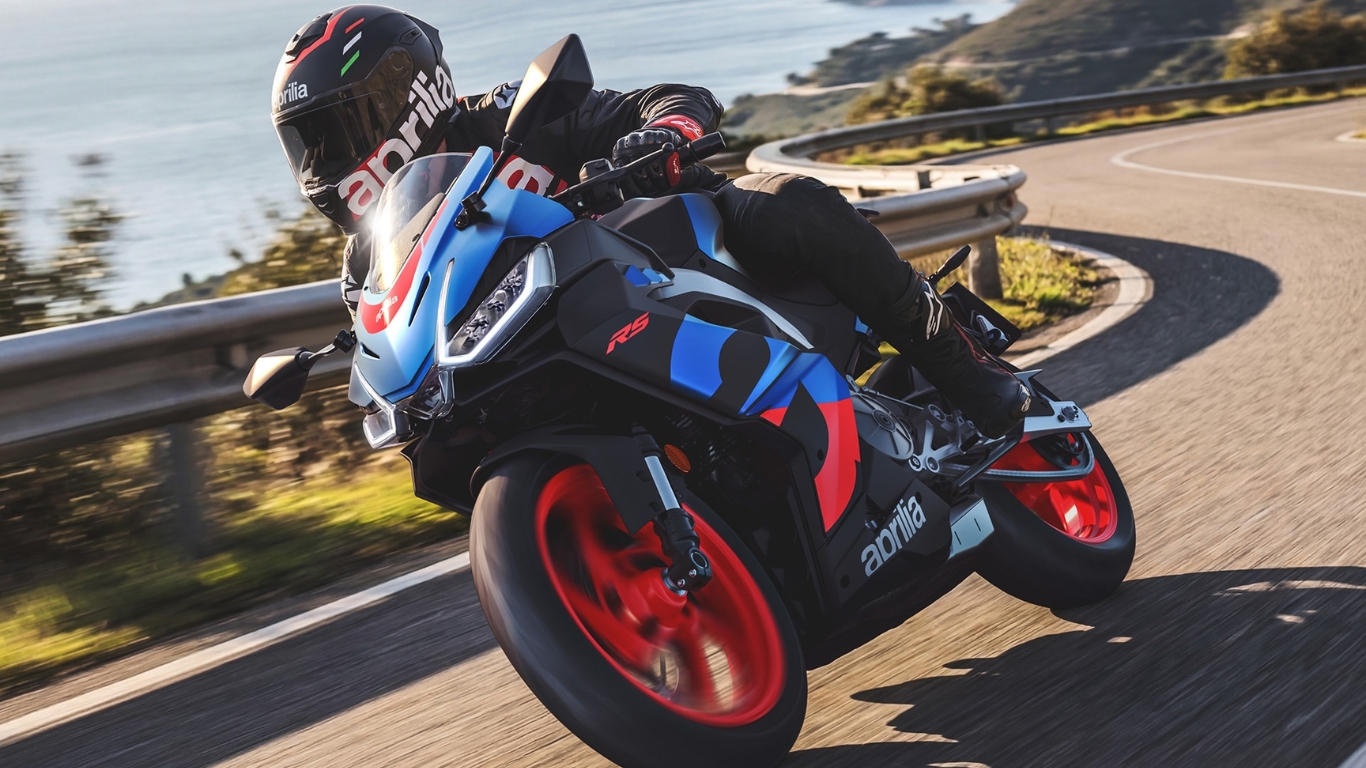
Race heritage meets accessibility.
The motorcycle market is shifting toward smaller, more accessible machines, and Aprilia is adapting. The RS 457, an A2-compliant sportbike, features a parallel-twin engine around 457 cc, an aluminum frame, and modern electronics. Aprilia brings signature sporty ergonomics and race-derived styling to lighter platforms, introducing new riders to its performance heritage. This move reflects a broader industry trend where premium manufacturers target global growth markets, pulling in riders who might eventually step up to larger machines.
9. BMW Small-Displacement/Entry Bikes (G 310 Series)
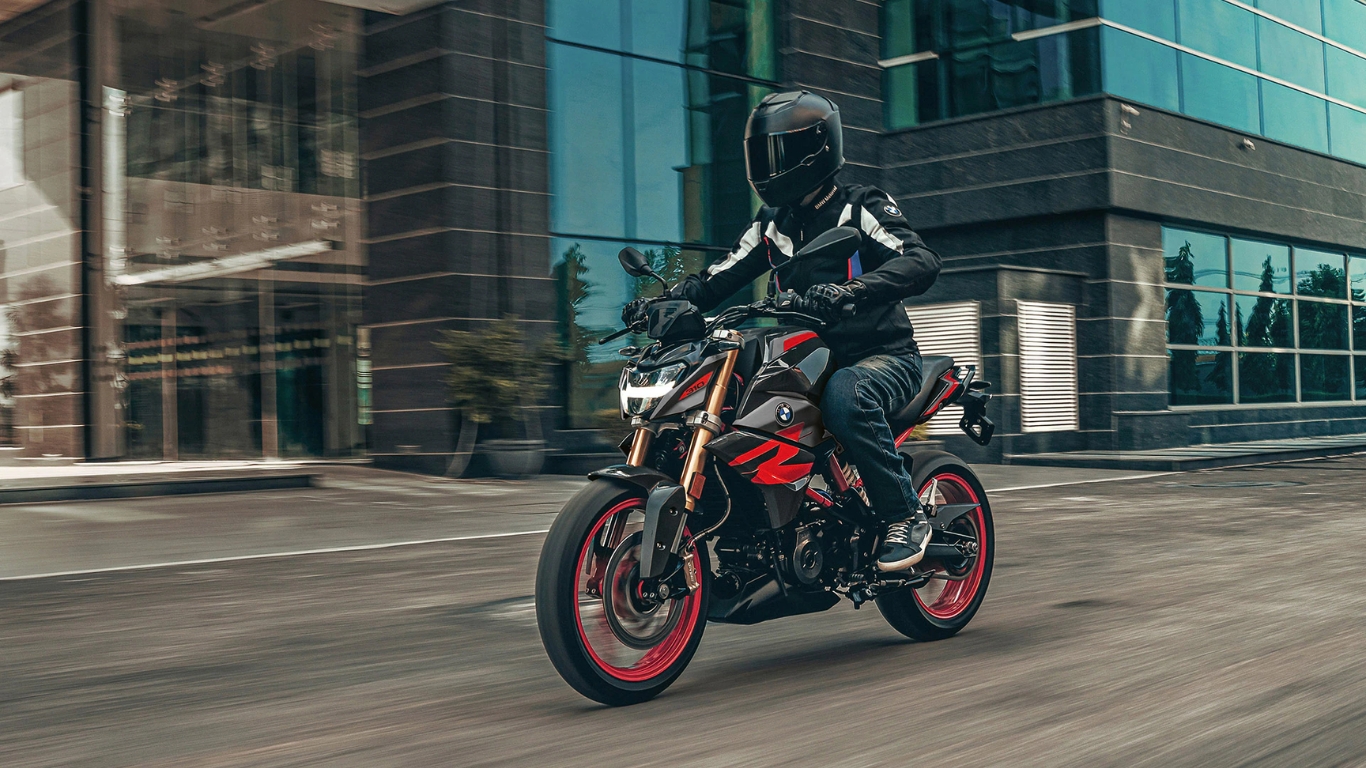
Premium badge without the mortgage.
The G 310 R and G 310 GS, built in partnership with TVS Motor Company, use a 313 cc single-cylinder, 4-stroke, liquid-cooled engine producing 34 hp. This power output suits new riders, making the marque accessible with manageable seat heights and distinctive BMW styling. BMW is planting a flag in accessible premium branding, expanding its global presence in lower-capacity categories where historically it never competed. The G 310 series proves a premium badge doesn’t require second-mortgage territory.
10. Ducati Panigale V4
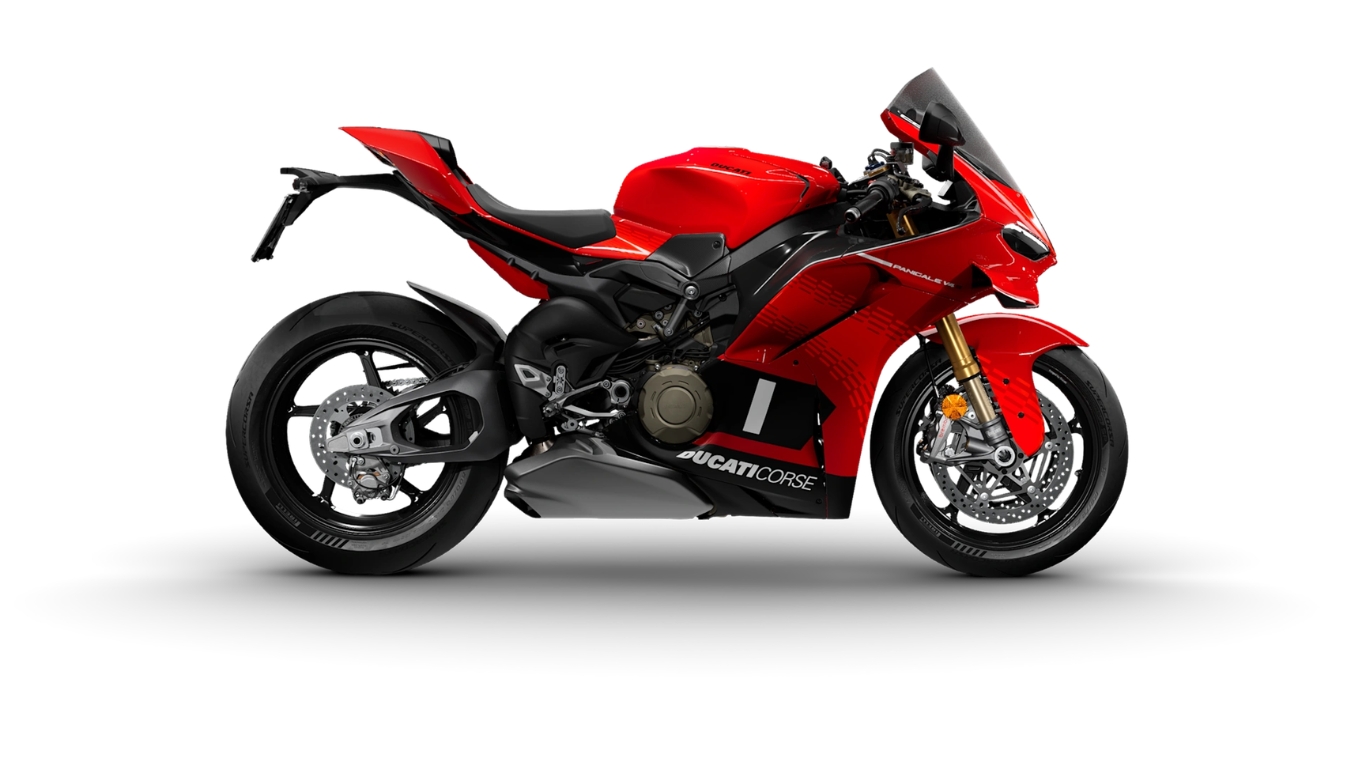
Raw power, usable only through digital wizardry.
Without its digital brain, a modern superbike’s raw power would be borderline unmanageable. The Ducati Panigale V4 channels 214 hp from its 1,103 cc Desmosedico Stradale 90° V4 engine through an intricate electronics suite. Cornering ABS, traction control, slide control, wheelie control, and launch control work together as a digital safety net. Aerodynamic winglets, derived straight from MotoGP, generate critical downforce at speed, while advanced engine-brake control keeps the rear wheel planted under heavy deceleration. These systems aren’t optional extras; they’re essential governors that transform wild potential into precision, allowing exploitation of extreme capability without becoming a high-speed projectile.
11. BMW S 1000 RR
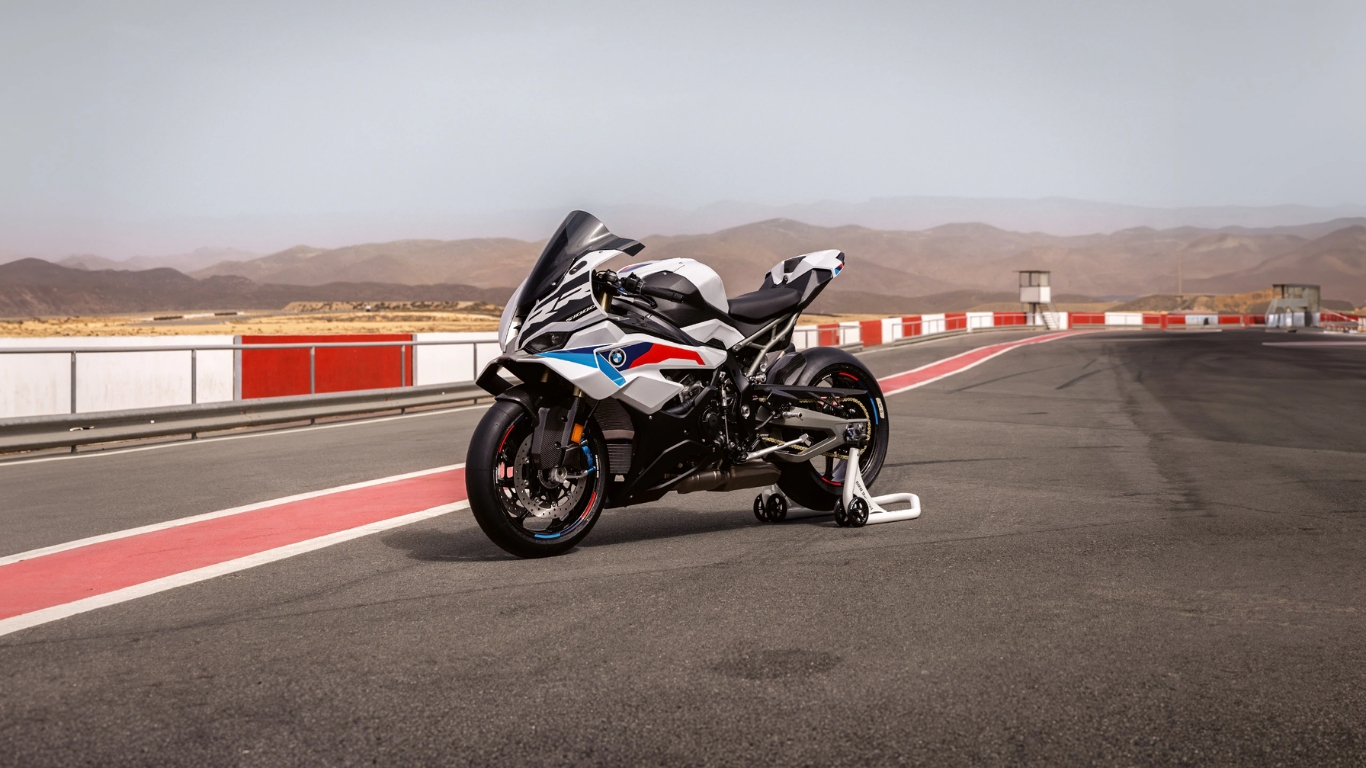
When every pony works for you.
The quest for raw speed in superbikes hit its ceiling years ago; today, true innovation lies in digital control. The BMW S 1000 RR showcases this evolution with its 999 cc inline-four engine churning out well over 200 hp. Dynamic traction control, cornering ABS, multiple riding modes, and a quickshifter translate inputs into precision rather than chaos. BMW’s ShiftCam variable valve timing and optional aerodynamic winglets further refine output, making the machine a sophisticated track weapon. The difference between a high-speed joyride ending in a slide and a controlled, aggressive corner exit—anyone who has tried to tame older machines without modern aids can appreciate that distinction.
12. BMW R 1300 GS
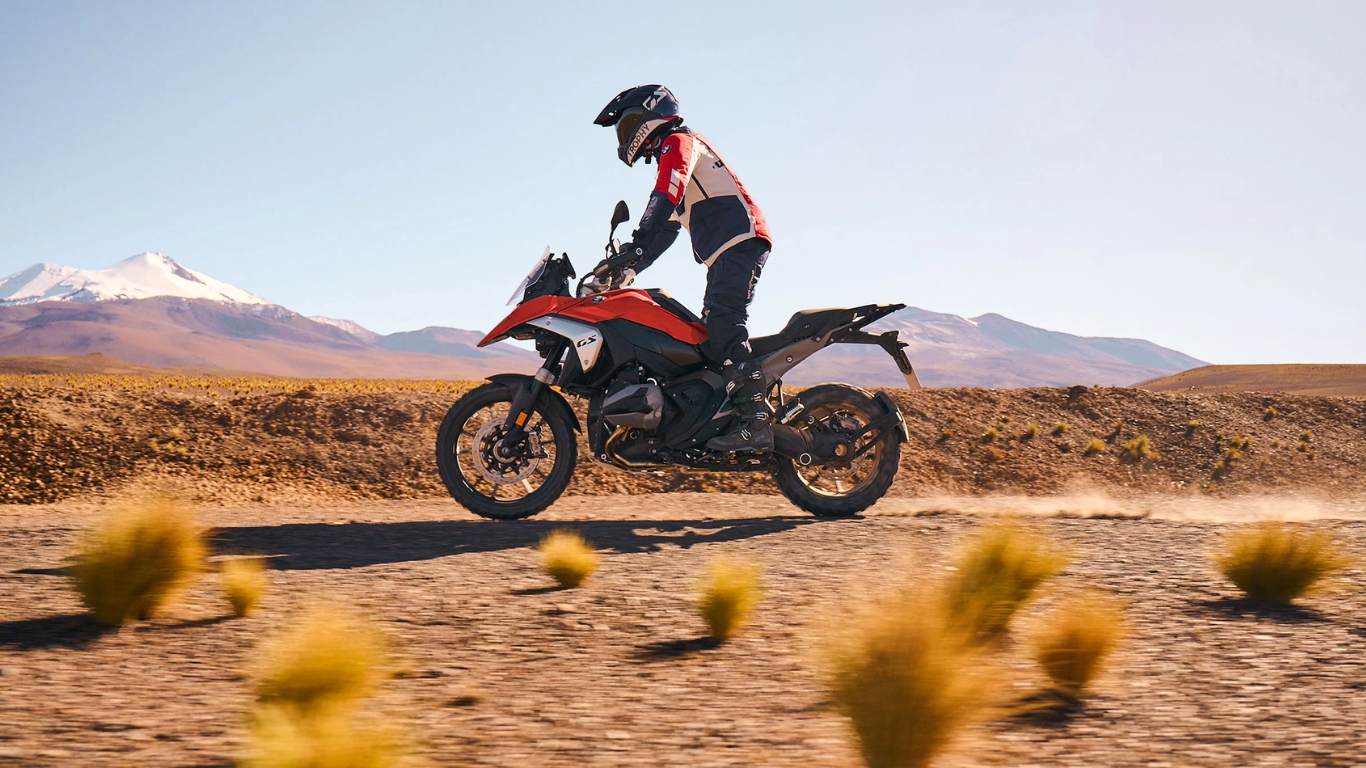
The benchmark that defines its class.
A “halo” motorcycle sets the standard for its segment. The BMW R 1300 GS, the large adventure segment’s benchmark, features a 1,300 cc liquid-cooled boxer twin engine for robust torque. Its EVO Telelever/Paralever suspension, ride modes, traction control, and cornering ABS offer precision handling. Optional radar-based rider aids refine its technology package. With aspirational pricing, this premium machine delivers comfort and prowess for long-distance travel and off-road exploration—the perfect companion for ambitious journeys.
13. KTM 1290 Super Duke R
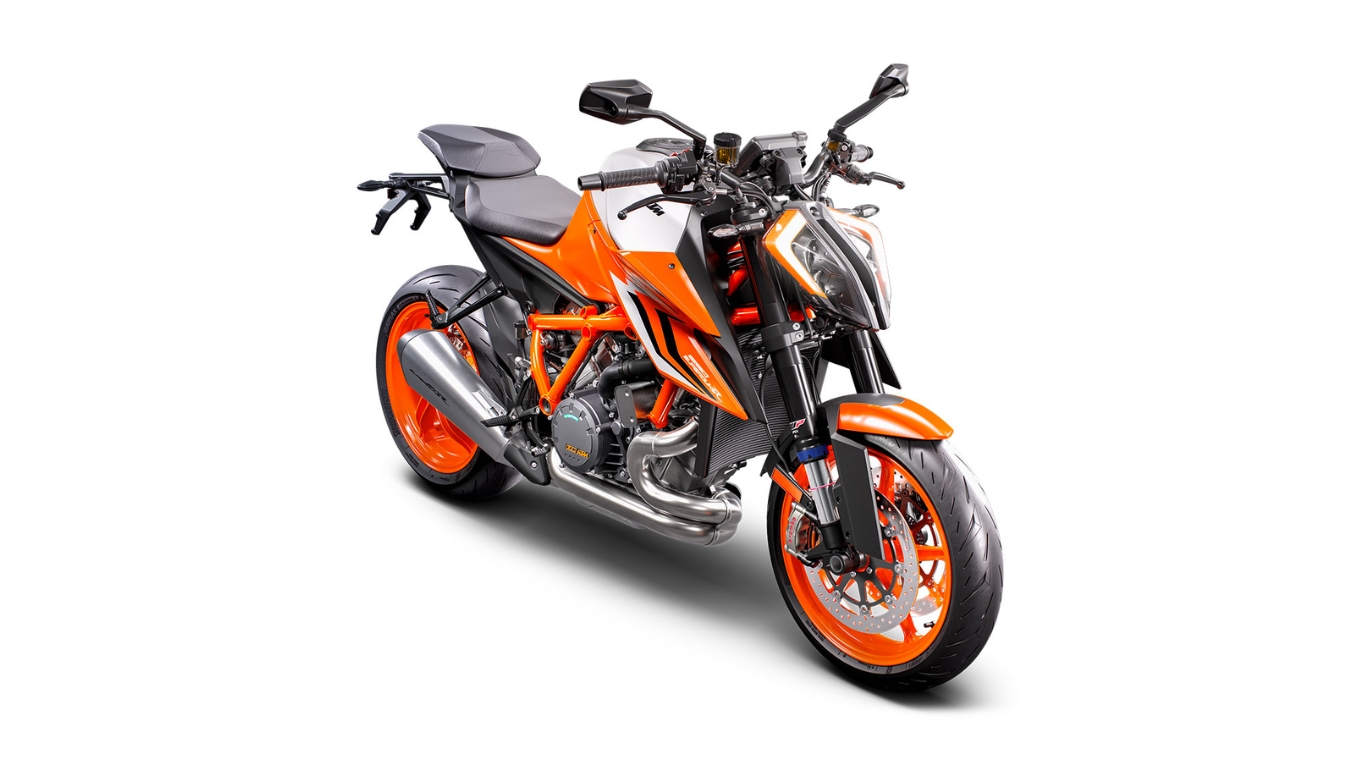
The Beast, chained by electronics.
Affectionately dubbed “The Beast,” the KTM 1290 Super Duke R lives up to its nickname. Its 1,301 cc LC8 V-twin engine unleashes 177 hp and immense torque. An advanced electronics suite—cornering ABS, lean-sensitive traction control, wheelie control—acts as a digital safety net, reining in this mechanical rodeo bull. The chromoly steel trellis frame and high-spec adjustable WP Apex suspension provide structural integrity to harness raw power for an exhilarating yet controlled ride. Without those digital governors, this much power would be borderline unmanageable on public roads.
14. Harley-Davidson Touring “Bagger” Motorcycles
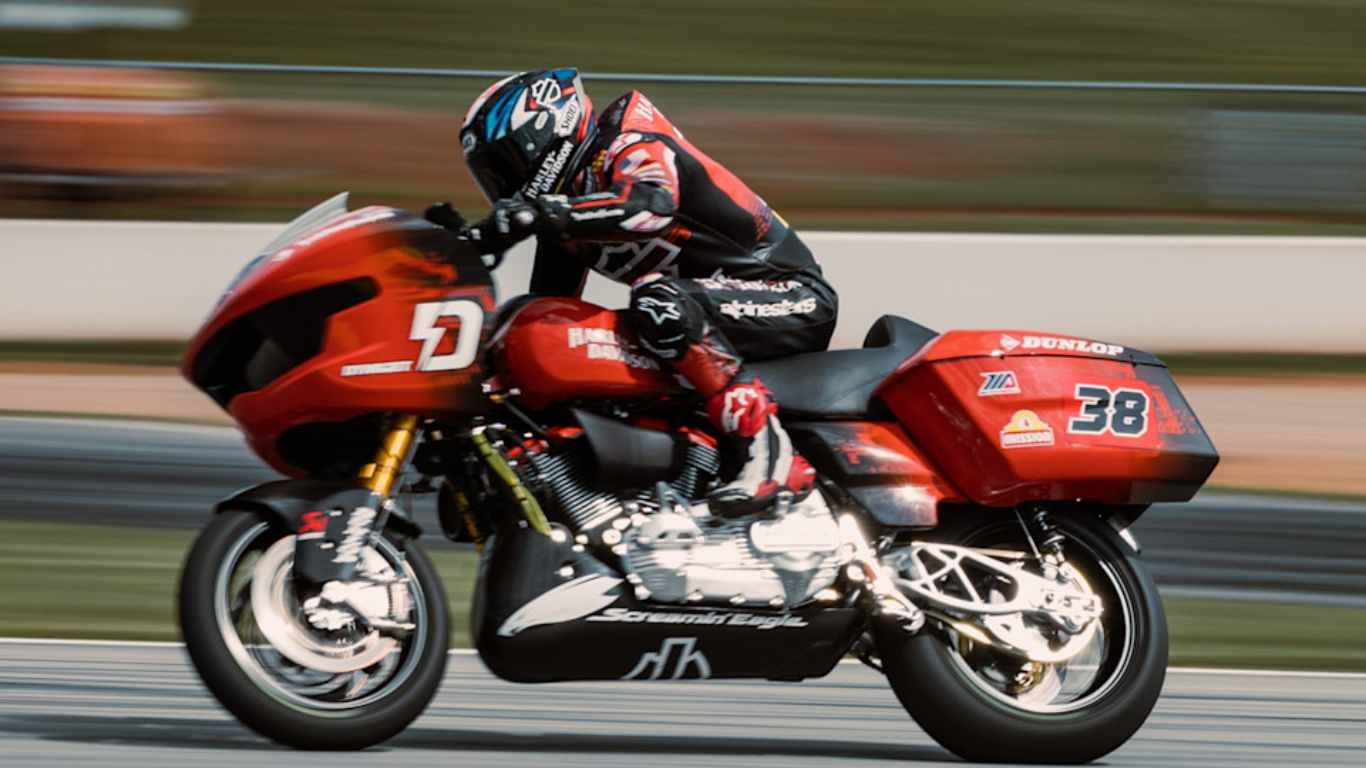
The earned reward for every mile ridden.
Many riders log tens of thousands of miles before considering a full-blown touring machine. Harley-Davidson baggers, like the Street Glide, represent that earned next chapter. Powered by Milwaukee-Eight V-twin engines from 107 to 117 cubic inches, they deliver immense low-end torque for effortless highway cruising. Hard saddlebags, large fairings, and infotainment systems transform long hauls into luxury. These bikes are land yachts built for the highway, rewarding commitment with supreme comfort—the ultimate companion for cross-country treks and the culmination of years in the saddle.