


Christmas Eve, 2024. A 2017 Range Rover sat parked in a carport attached to a Glynn County, Georgia home. No engine running. No driver. Nothing to suggest danger. Then it allegedly caught fire — and burned for over seven hours.
Samuel Brett and Joy Mitchell filed suit May 29 in U.S. District Court for the Southern District of Georgia, naming four Jaguar Land Rover and Tata Motors entities as defendants:
- Jaguar Land Rover Limited
- Jaguar Land Rover Automotive PLC
- Jaguar Land Rover North America LLC
- Tata Motors Passenger Vehicles Limited
Total damages claimed: approximately $7 million. The property was under contract to sell for nearly $6 million at the time, with personal property losses reportedly exceeding $1.28 million. These remain allegations. No court or regulator has issued a final finding.
The Module Under the Seat
The lawsuit points to a factory-sealed electronics unit that allegedly never stops drawing power — even when the car sits parked for days.
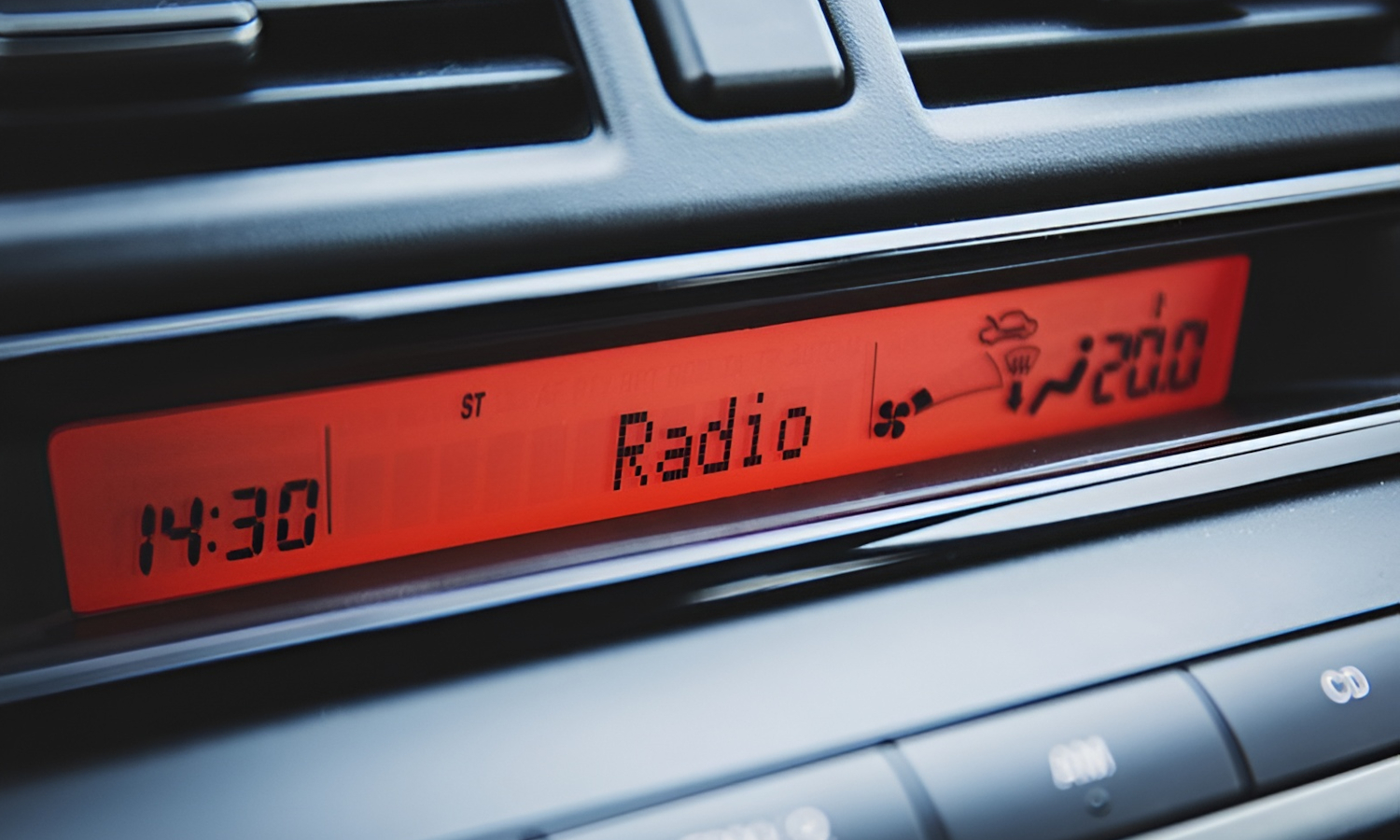
The Infotainment Master Controller — a sealed unit mounted beneath the driver’s seat — manages navigation, media streaming, and Bluetooth. It draws quiescent current continuously, running on standby like a router that never gets unplugged. According to the complaint, a malfunctioning subcomponent caused the IMC to overheat, igniting nearby materials. The plaintiffs hired an independent engineer who concluded the fire originated from that module. In the complaint’s own words, the Range Rover ignited “suddenly and without warning.” Firefighters battled the blaze for more than seven hours before the home was declared a total loss — while the family reportedly escaped with physical injuries and psychological trauma.
Land Rover’s fire-risk record extends beyond this lawsuit. NHTSA recall N785 (23V221) covers certain 2018–2021 Range Rover PHEVs and 2018–2022 Range Rover Sport PHEVs, where a failing water pump drive belt can overheat the engine, rupture a cooling elbow, and leak coolant onto turbocharger components — a fire scenario Land Rover itself acknowledged. A separate recall addressed a Range Rover with a 4.4-liter V8 where a missing turbo oil drain gasket allowed oil to contact the exhaust manifold, also flagged as a potential engine-bay fire risk. Then there’s the UK airport car park fire, where a diesel Range Rover’s alleged electrical fault destroyed more than 1,300 vehicles, with investigators pointing to a component failure in the engine bay. Different mechanisms, same pattern.
What This Means If You Own One
Always-on electronics don’t need the engine running to become a problem — and this case asks whether that risk belongs inside your home.
What was once shrugged off as a Land Rover reliability quirk has allegedly crossed a harder line. Modern vehicles carry electronics drawing power around the clock — the always-on equivalent of leaving a laptop charging on a pile of dry wood. If those components fail thermally, the consequences don’t require a moving vehicle. That detail matters most to anyone who parks in an attached garage or carport.
The Mitchell case is unresolved, and no verdict or regulatory finding has been issued. But Range Rover owners would do well to check their VIN against open NHTSA recalls now — not after the next headline.