

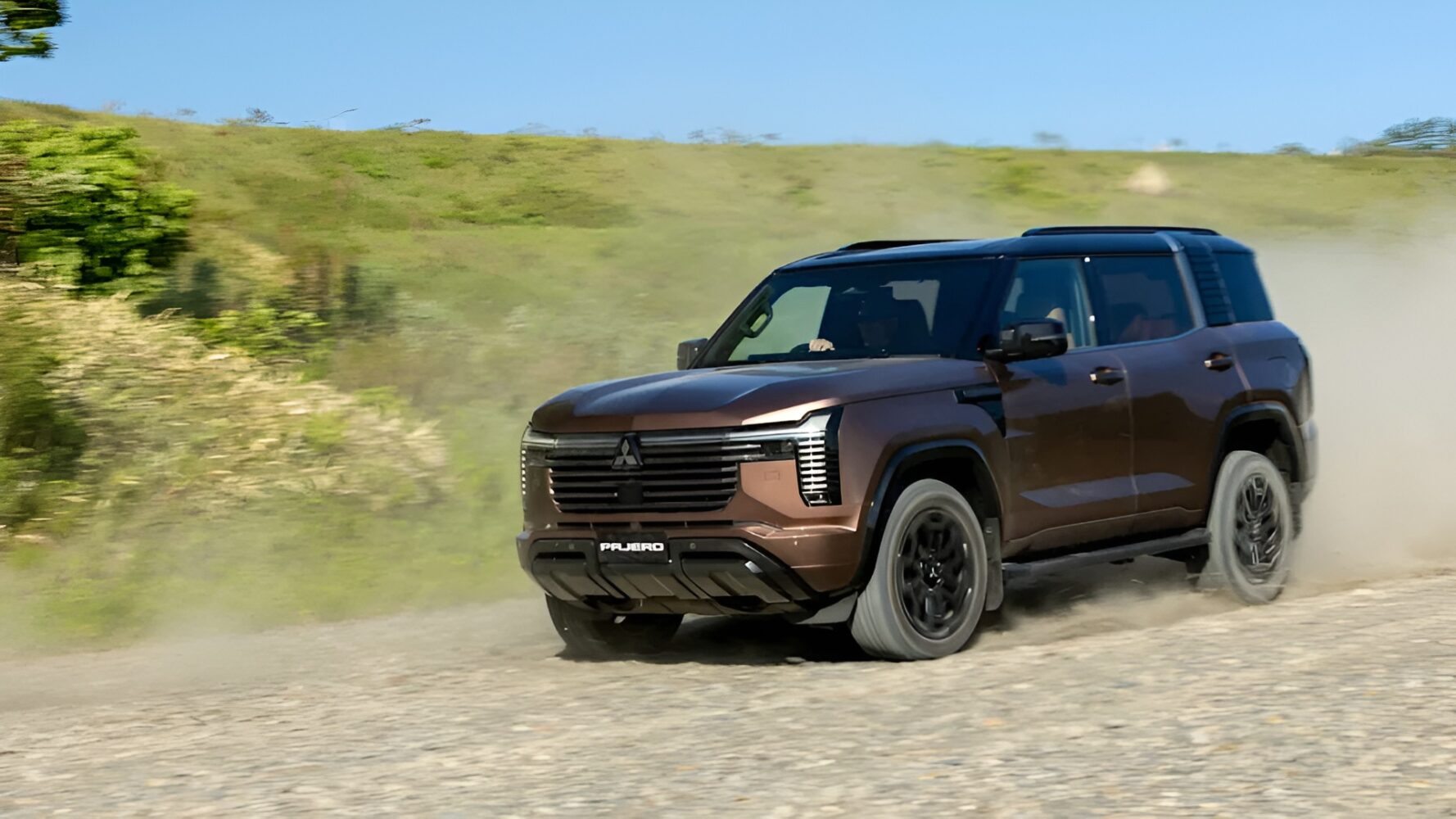
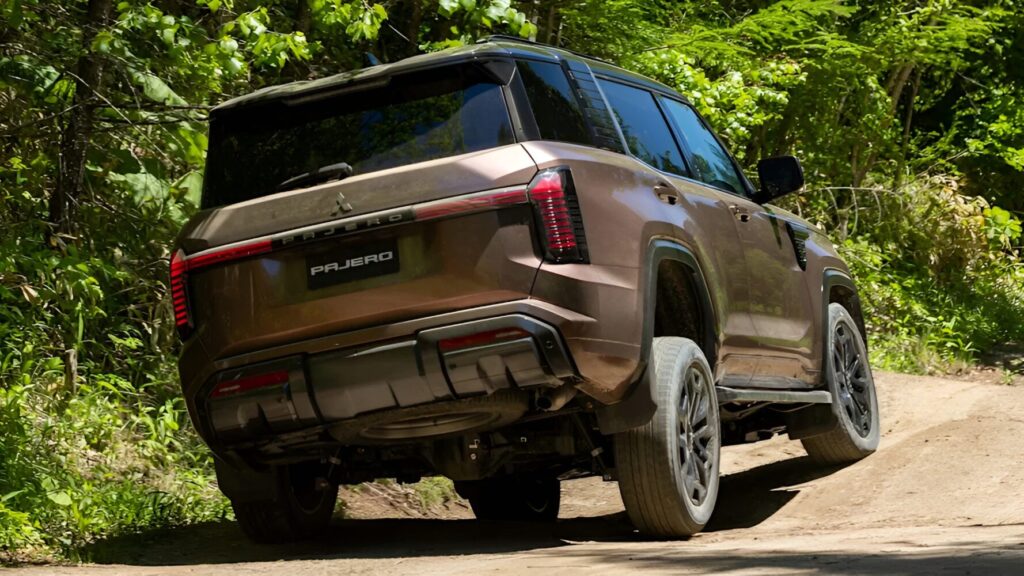
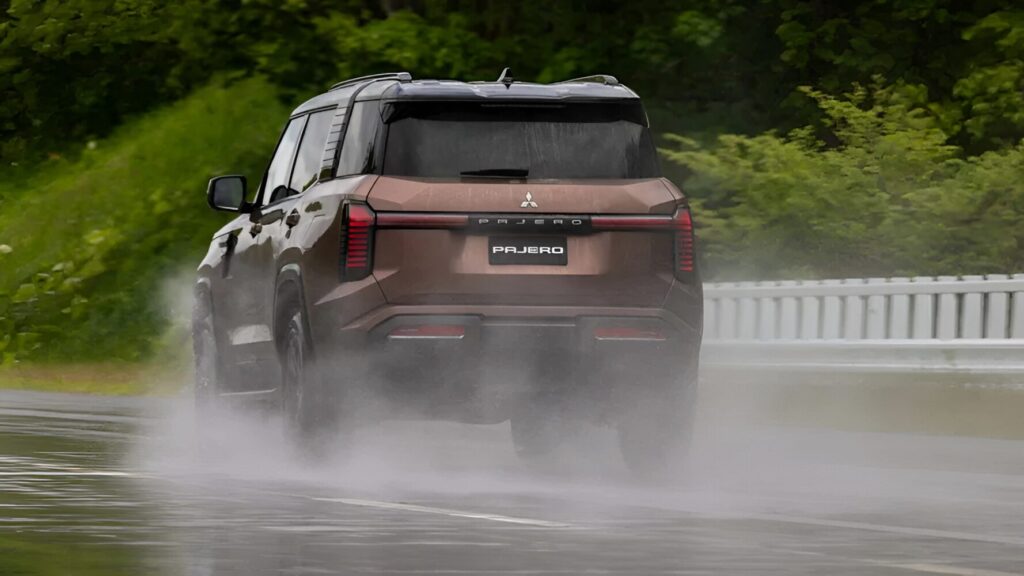
That tailgate-mounted spare was as recognizable on the old Pajero as a side-view mirror on any road vehicle — functional, unpretentious, and quietly signaling that this thing meant business. The 2027 Mitsubishi Pajero/Montero, revealed in September 2026, doesn’t have one. The spare lives under the floor now, the tailgate hinges upward from the top, and Mitsubishi has a full argument ready for why this isn’t a betrayal. It’s worth hearing out.
The Engineering Case Against the Tailgate Spare
A full-size spare on a swinging door turns out to be an engineering headache dressed up as rugged tradition.
The physics are straightforward, according to Mitsubishi’s product team: extra weight on a hinged door demands stronger hardware, and that hardware wears faster. Without an electronic assist mechanism, the door becomes a genuine chore in tight parking. Multiply that across daily supermarket runs and school drop-offs, and the romance fades quickly.
The problems don’t stop there. Key reasons Mitsubishi moved the spare:
- Heavy tailgate demands costlier, more robust hinges prone to premature sagging and misalignment
- Without power assist, the door is cumbersome for everyday use in confined spaces
- An external spare wheel complicates rear-collision safety certification — a loose mass in a crash creates a regulatory problem
- Tailgate-mounted spares block tow bars and rear-mounted gear carriers
- Under-floor placement freed packaging room for the new third-row seating
That last point matters. More interior space is a tangible win for family buyers, not a rounding error.
The Nostalgia Tax
Mitsubishi kept the spirit of the old tailgate spare — just not the spare itself.
Chief product specialist Kunitoshi Itagaki explained the thinking to carsales.com.au: “We listened to customers. Use in off road but also daily. Usability wise, we move the spare tyre under the car. Rear tailgate is easier to use and the tailgate seen as a shelter.” That upward-opening tailgate doubling as a rain cover at camp is a genuinely useful trade, not a consolation prize.
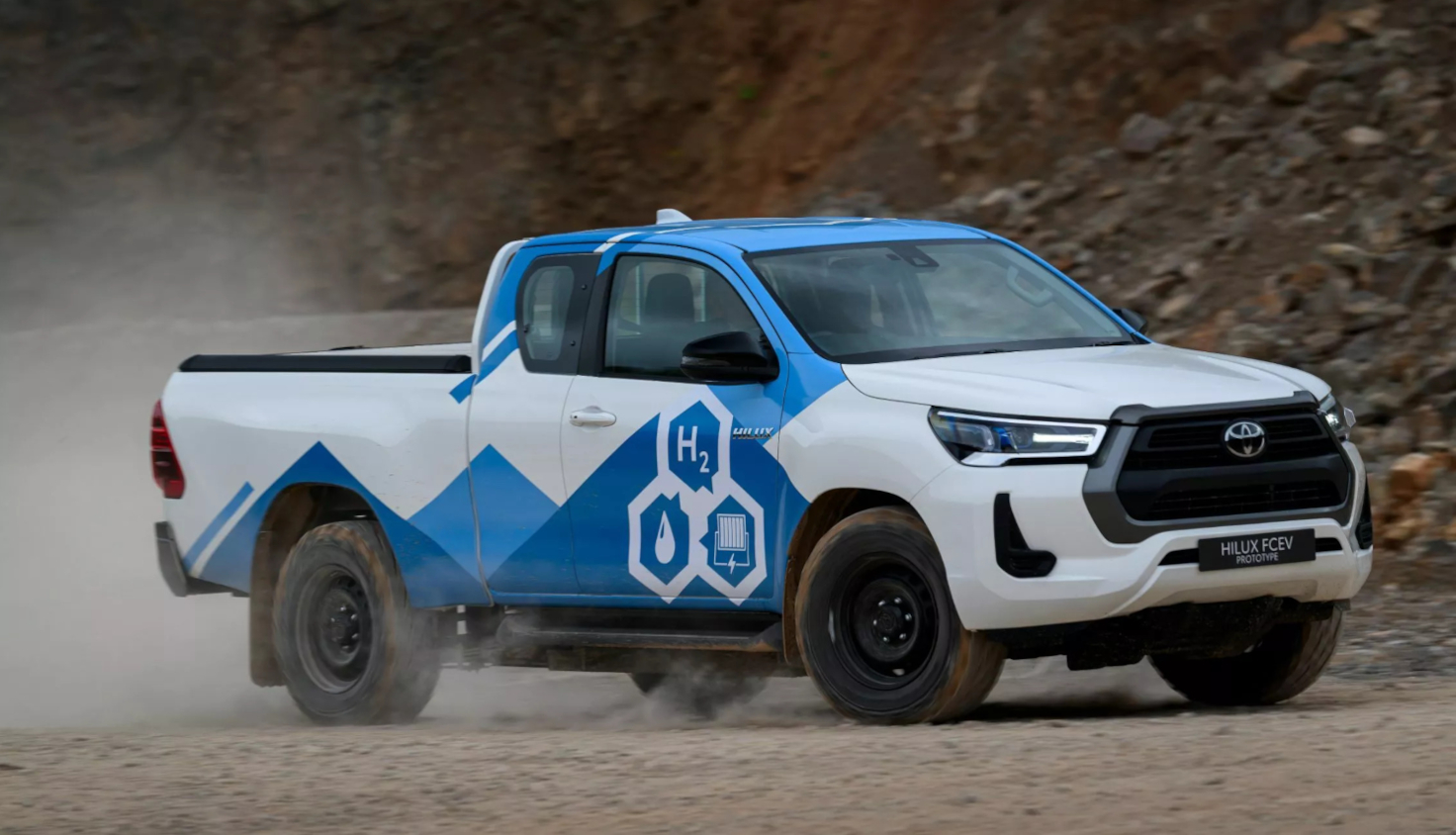
Mitsubishi isn’t alone in making this call. Toyota’s Prado moved its spare to an underbody mount as well, and the broader industry is following suit — prioritizing cleaner rear styling, better towing integration, and everyday convenience over trail-specific tradition.
The honest off-road objection remains: crawling under a vehicle on a rocky trail to retrieve a spare is worse than grabbing one off the door. Mitsubishi says most Pajero owners simply never face that scenario, using the SUV far more in urban and on-road conditions than in deep mud or difficult terrain. Designers acknowledged the heritage loss with a hexagonal tailgate motif referencing the old wheel cover — a museum plaque where the exhibit used to be. Enthusiast reaction has been predictably conflicted, with many conceding the practical case is sound even as they mourn the visual shorthand for “serious off-roader.”
External spare tires are becoming retro design theater — something baby Defenders wear for attitude, not utility. For the Pajero, Mitsubishi chose to live with the times. Whether that reads as wisdom or compromise depends entirely on where you park.