

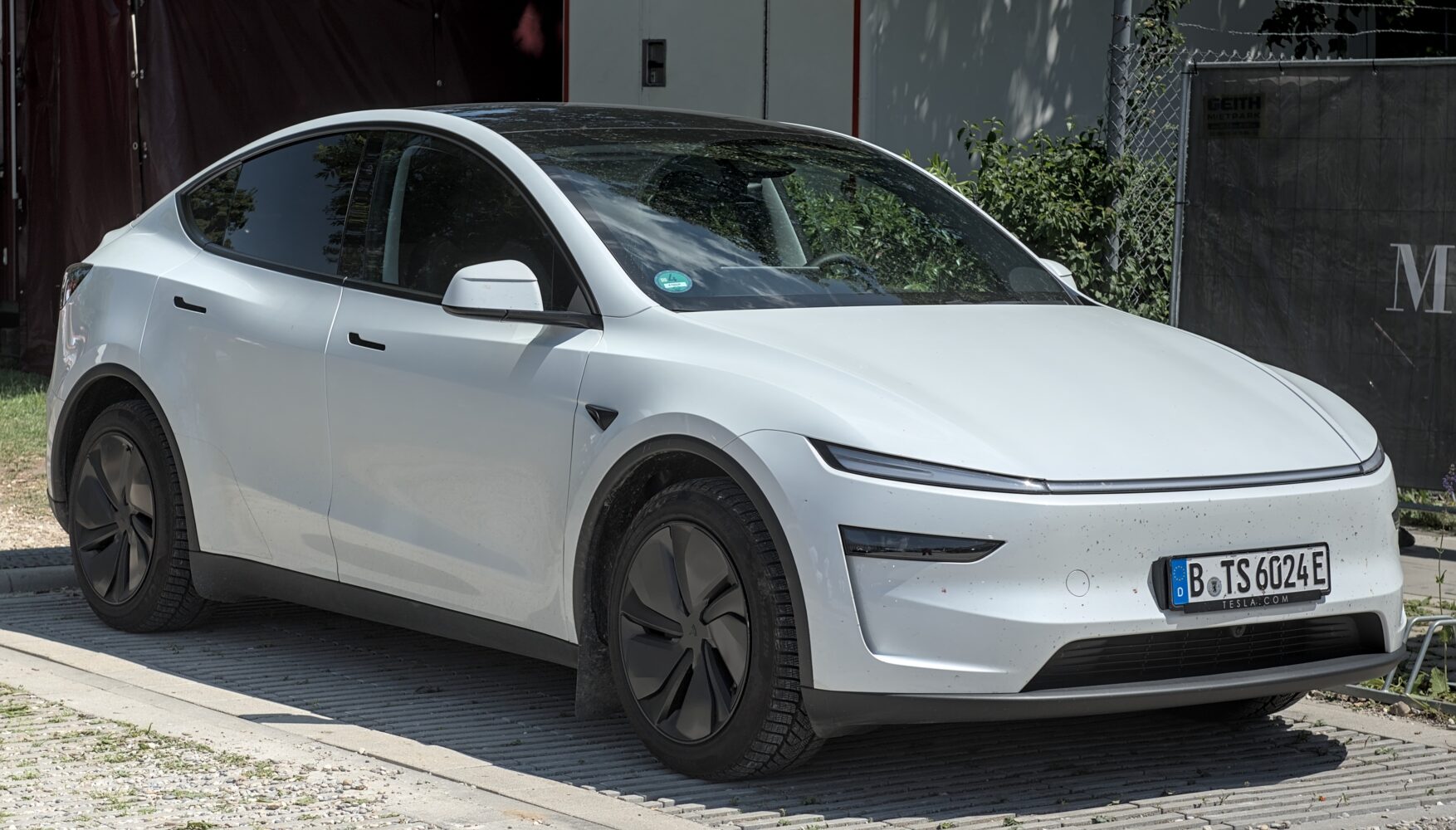
Tesla’s robotaxi fleet has reached a milestone that seemed like science fiction just months ago: completely unoccupied vehicles navigating traffic without human oversight. Weekend social media videos captured empty Model Y SUVs making autonomous turns, confirmed Sunday by Elon Musk’s matter-of-fact announcement that testing now proceeds “with no occupants.”
This marks a dramatic acceleration from Tesla’s cautious June launch, when rides required safety monitors in passenger seats. The progression tells the story of iterative confidence—or calculated risk-taking, depending on your perspective.
From Supervised to Solo
Six months of testing revealed Tesla’s methodical approach to removing human oversight entirely.
The evolution happened in stages. Tesla began with safety monitors riding shotgun alongside select influencers and customers. By September, those monitors moved to the driver’s seat while the service area expanded across greater Austin. The waitlist disappeared, though the fleet remained modest at an estimated 25-30 vehicles.
Now those safety nets have vanished entirely. Tesla’s X account hinted at broader ambitions with the cryptic “Slowly, then all at once,” while AI head Ashok Elluswamy posted “And so it begins!” The messaging suggests commercialization looms, though timelines remain characteristically vague.
Key Testing Milestones:
- Fleet recorded at least seven crashes since June, with heavily redacted NHTSA reports limiting public scrutiny
- Texas regulations allow driverless testing unlike California’s stricter oversight requirements
- Current deployment scale dramatically smaller than Musk’s July promise of nationwide coverage
- Austin expansion contrasts with Tesla’s supervised-only ride service in San Francisco
The reality check is stark. Musk’s ambitious goal shifted from covering half the U.S. population by end-2025 to doubling Austin’s fleet to roughly 60 vehicles by his November estimate. That’s Tesla’s typical pattern: revolutionary promises meeting incremental execution.
Competition looms larger than Austin’s modest robot fleet. Waymo operates hundreds of fully autonomous vehicles across multiple cities, though Musk has dismissed their approach as limited. The contrast highlights different philosophies: Waymo’s measured geographic expansion versus Tesla’s bet on scalable software solving edge cases everywhere.
Empty robotaxis represent genuine technological achievement wrapped in familiar Tesla contradictions. The company that has promised full autonomy for nearly a decade now tests limited driverless operations for Austin residents—assuming they can catch one of the few dozen vehicles actually running. Progress arrives slowly, then all at once, just not quite as promised.