


David Letterman does not collect cars to impress people. He collects them because he understands what they are — mechanical history that happens to appreciate in value while delivering something no financial instrument can. His garage spans five decades of automotive engineering, from postwar British roadsters to Italian supercars that defined the 1980s. Every car in the collection was built when getting something right meant solving a real problem with physical materials and human skill.
These are the 10 most significant vehicles in it.
10. 1968 Ferrari 330 GTS (Exterior)
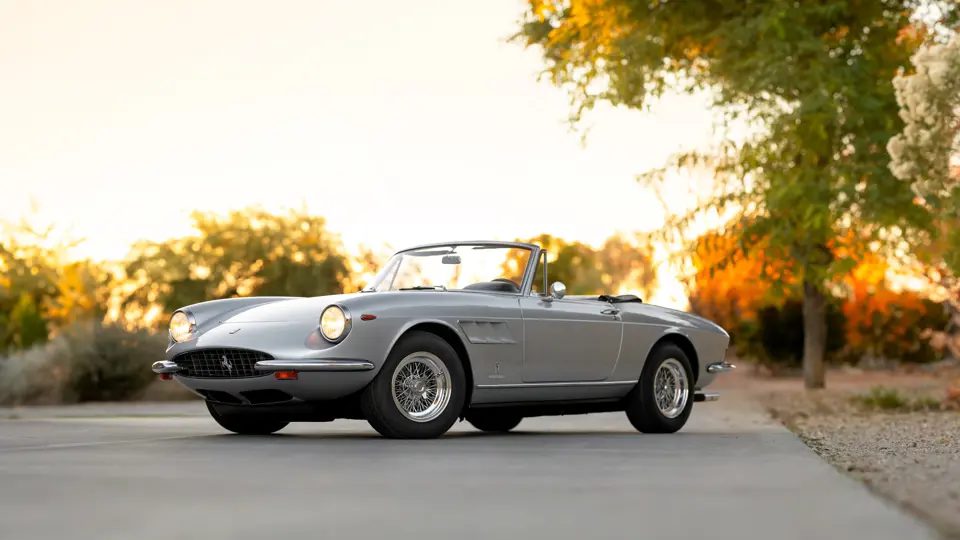
Pininfarina‘s bodywork on the 330 GTS achieved something that most open-top sports cars do not — a long hood, circular headlights, and chrome accents that work together without any single element competing for attention. The profile is balanced in a way that photographs cannot fully capture, because the proportions only read correctly from the correct angle at the correct distance. Limited to just 100 units worldwide, the 330 GTS has always been scarce enough that most Ferrari collectors never encounter one in person. Design this resolved does not date, and scarcity this genuine does not reverse.
1968 Ferrari 330 GTS (Interior)
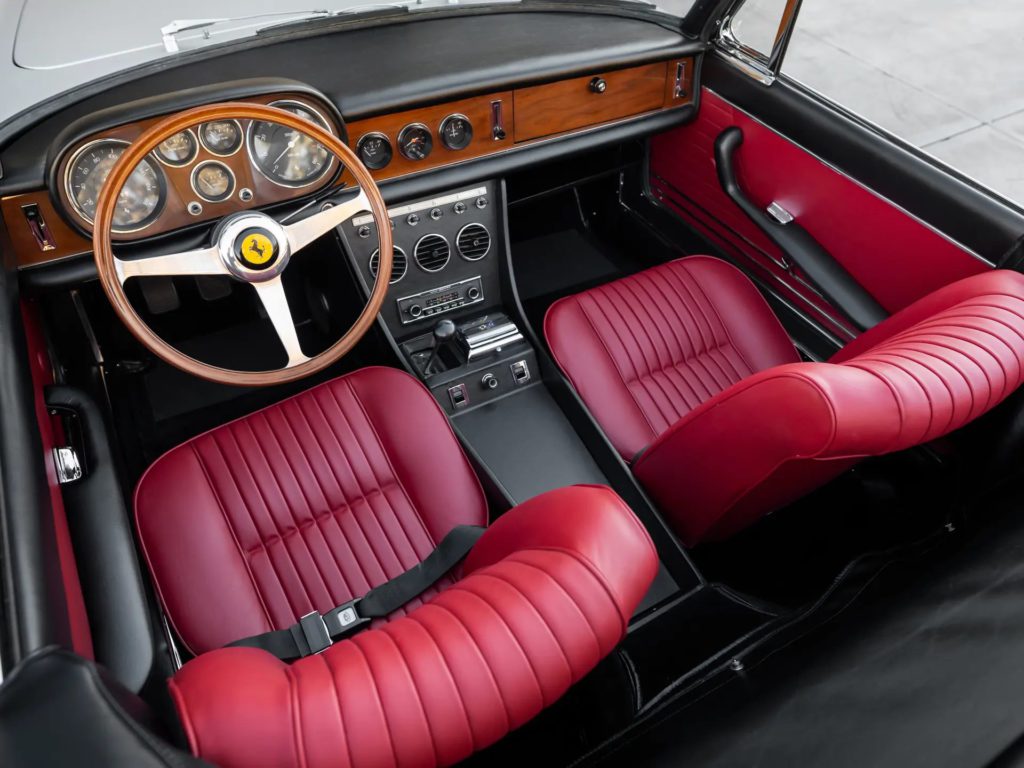
The wooden steering wheel, simple legible gauges, and manual shifter positioned exactly where a driver’s hand falls naturally define a cockpit built around the act of driving rather than around the act of demonstrating features. Controls are within reach because ergonomics in 1968 meant physical thought rather than interface design software. The 330 GTS cabin makes no attempt to entertain or assist — it presents the road and the mechanical information required to engage with it, and nothing else. One hundred examples were built, and the ones that have survived in original condition demonstrate what grand touring meant before grand touring became a marketing category.
9. 1969 Ferrari Dino 246 GTS (Exterior)
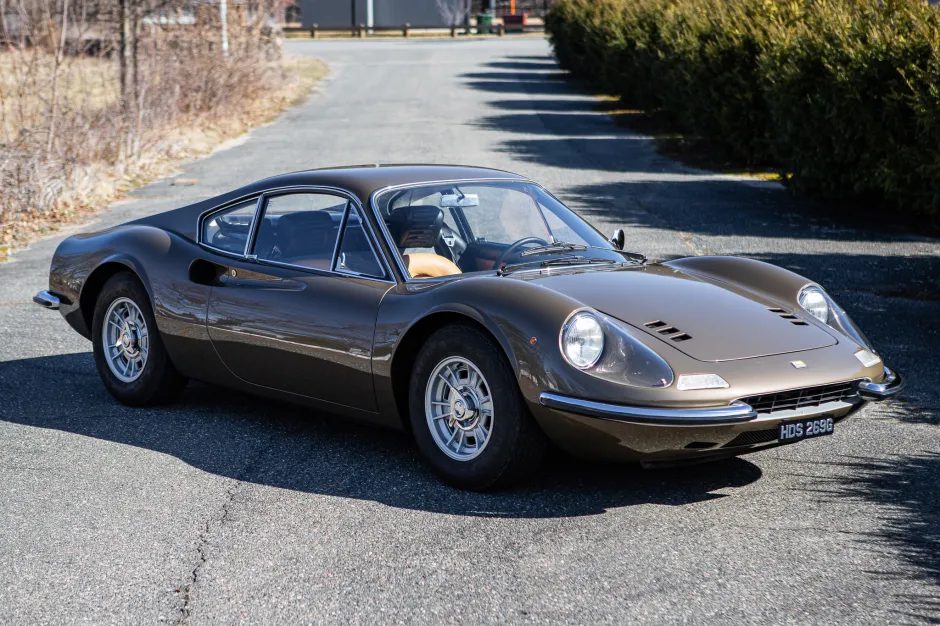
At just 43 inches tall, the Ferrari Dino 246 GTS rewrote the proportional language of sports car design through its mid-engine layout — a compact, low silhouette with minimal overhangs and Pininfarina’s signature curves flowing through the body in a way that feels continuous rather than assembled. Removable roof panels offer open-air driving without the structural compromises of a full convertible. Just 1,274 GTS models were produced, and a dealer who sold one for $30,000 in 1980 watched the same car reach seven figures decades later — a reminder that scarcity and design quality compound at rates that most asset classes cannot approach.
1969 Ferrari Dino 246 GTS (Interior)
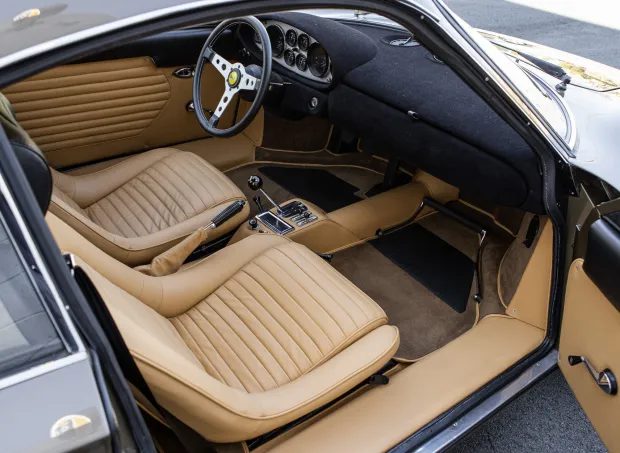
Bucket seats, round gauges, thin pillars, and a gated shifter define a cockpit where every decision prioritized driving over everything else — including the Ferrari badge, which the Dino famously did not carry. The visibility through the generous glass is exceptional for a sports car of this era, and the shifter provides the kind of mechanical engagement that modern transmission systems engineer out rather than into the experience. The Dino’s interior matches the exterior’s single-minded focus on what a driver actually needs at speed on a mountain road, and that focus is precisely what makes surviving examples increasingly difficult to acquire at any budget.
8. 1985 Ferrari 288 GTO (Exterior)
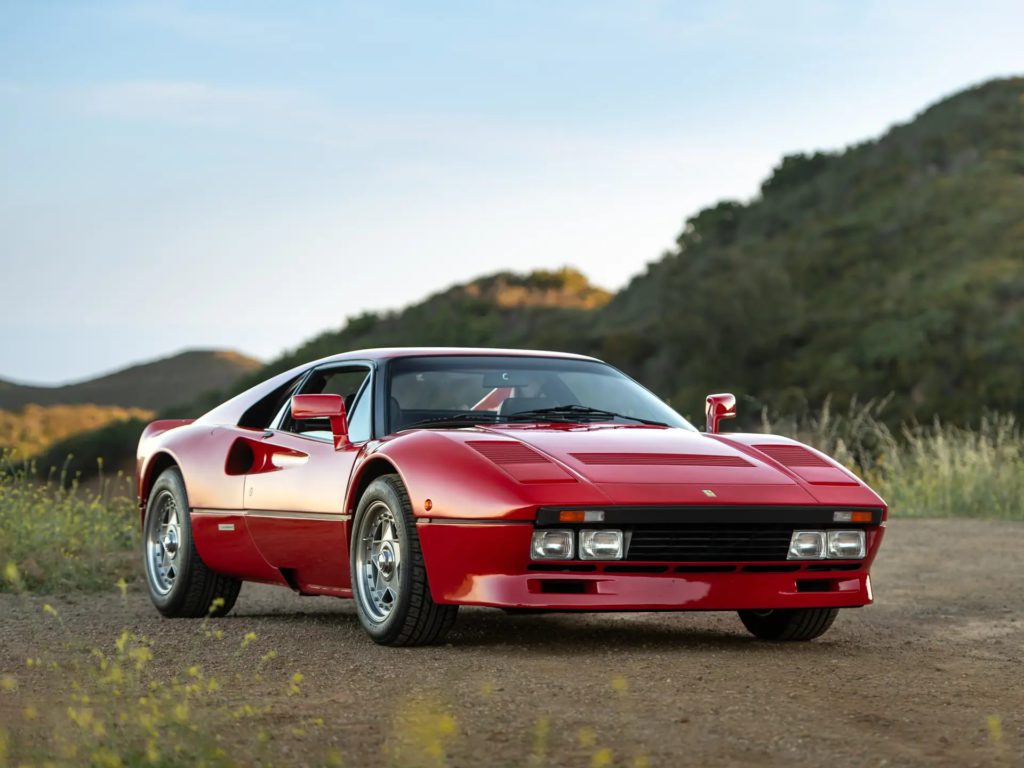
Ferrari built the 288 GTO to homologate a Group B racing program that never materialized, transforming the 308’s platform through wider fenders, a dramatically extended rear, NACA ducts, functional cooling vents, twin tailpipes, and a turbocharged powertrain that the original body was never designed to contain. Most examples left the factory in Rosso Corsa, which is the correct color for a car this unambiguous about its intentions. The widened track and aerodynamic additions are functional rather than decorative, and the difference shows at speed. Group B was eventually cancelled, leaving 272 road cars that exist because racing regulations demanded them and no race was ever run.
1985 Ferrari 288 GTO (Interior)

Black leather with red cloth inserts in the lightweight bucket seats became the signature interior specification for the 288 GTO, a combination chosen for weight reduction and grip rather than luxury signaling. The dashboard follows Ferrari’s classic layout with a large central tachometer as the primary instrument, climate controls and secondary switches kept deliberately simple, and nothing present that does not serve a function. Despite its racing derivation, the 288 GTO is more comfortable on long highway drives than pure track cars of the era — a distinction that matters when the car is too valuable to use exclusively on track days but too significant to leave parked.
7. 1950s Austin Healey 100-4 Convertible (Exterior)

The Austin Healey 100-4’s long hood and short rear deck produce a visual balance that later British sports cars chased without consistently achieving, with curved body lines flowing into the doors without the hard creases that appeared as the decade turned. Wire wheels, a simple grille feeding air to the inline-four, and two-tone paint schemes that accentuate the body’s lines rather than interrupt them define the exterior aesthetic. A folding windshield adjusts airflow without requiring any mechanism beyond the driver’s hands. Well-preserved 100-4s have appreciated considerably over the past decade as the entry-level classic market recognized what the car offered at prices that have since moved well past entry level.
1950s Austin Healey 100-4 Convertible (Interior)
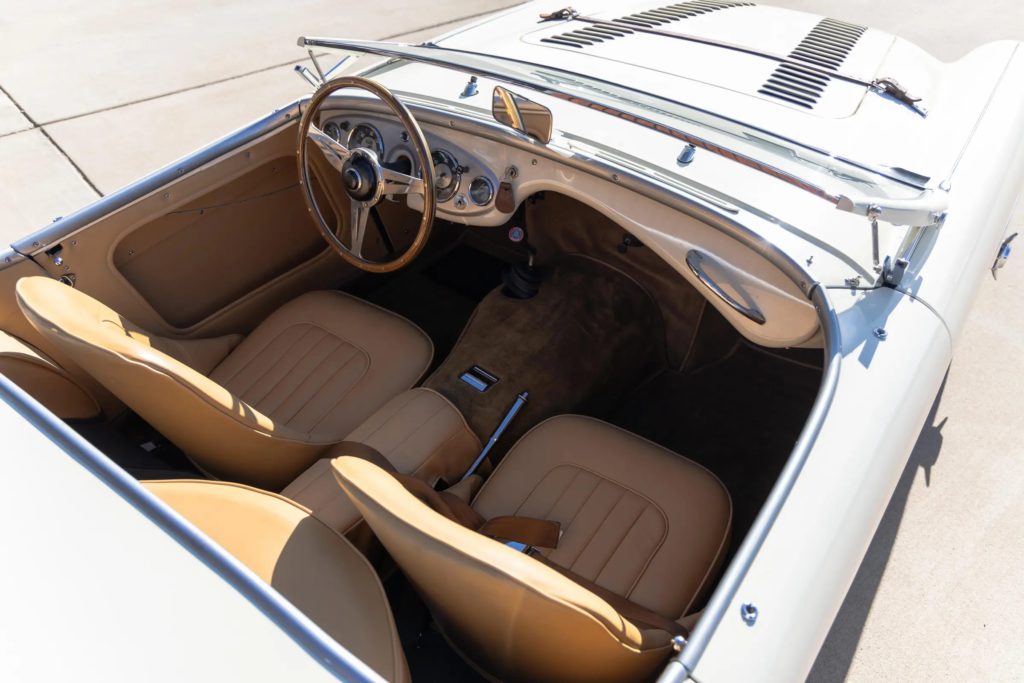
Leather seats, a large steering wheel with direct road feedback, metal and wood trim throughout, and a minimal dashboard housing only the gauges a driver requires define a cockpit where every element present is there because it serves a function and every element absent was excluded because it did not. Storage space is genuinely limited, which is a design decision rather than an oversight. The Healey’s seats are accommodating enough for 200-mile day trips without becoming a test of endurance, which is a more useful specification than the spartan reputation of British sports cars of this period typically suggests.
6. 1956 Porsche 356 1500 GS Carrera (Exterior)
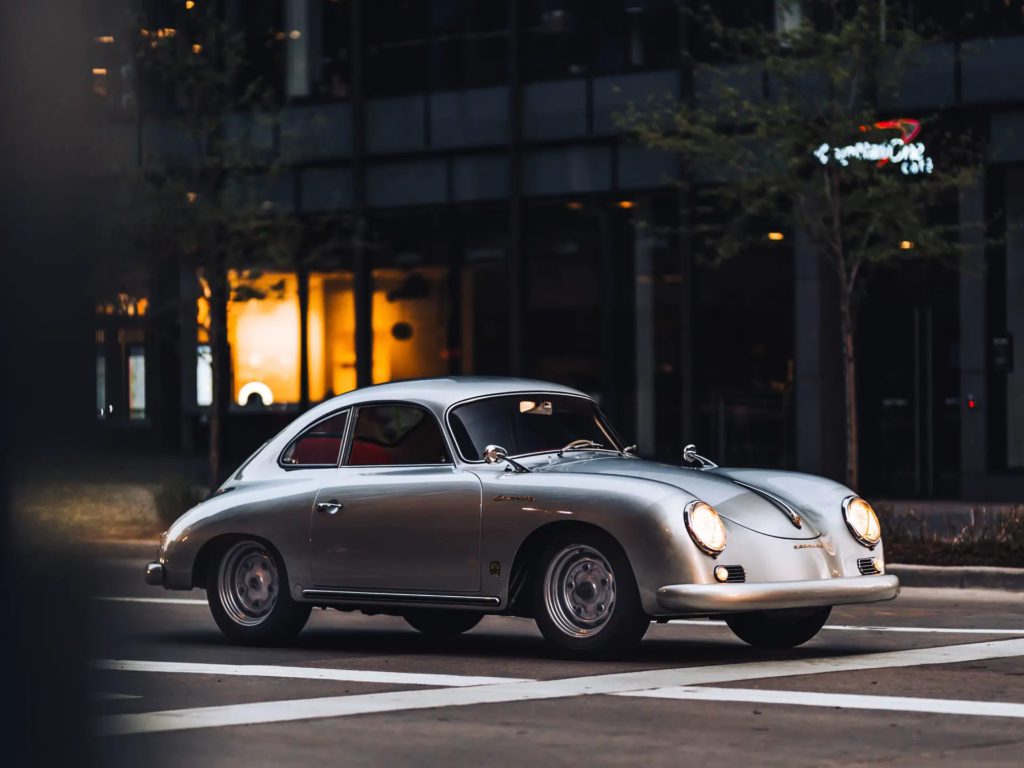
The 356 GS Carrera’s smooth aerodynamic body established the silhouette profile that Porsche has refined rather than replaced through every subsequent generation of 911 — compact dimensions, a sloping rear housing the air-cooled engine, chrome bumpers that add definition without decorative excess, and wheel arches that look narrow by modern standards while functioning exactly as the engineering required. The purposeful stance communicates sporting intent without visual aggression. The 356 Speedster’s minimalist approach to design connects directly to the tastes of other legendary car collectors who understood that restraint in design is harder to achieve than elaboration.
1956 Porsche 356 1500 GS Carrera (Interior)
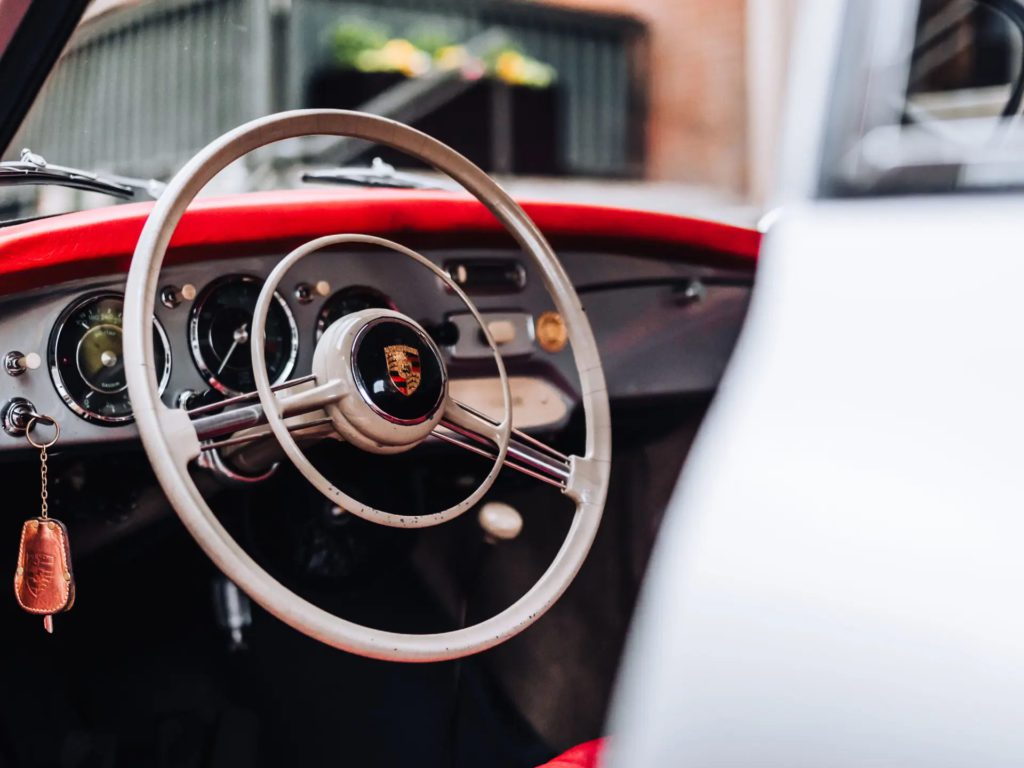
A body-colored dashboard panel brightens an otherwise businesslike cabin while creating visual continuity with the exterior — a detail that demonstrates how much thought Porsche invested in a car this small and this focused. The large central speedometer sits directly ahead of the driver, secondary gauges occupy minimal space, and the seats provide good support from simple construction that prioritizes feel over adjustability. Lightweight construction and responsive steering create immediate feedback through the large-diameter wheel, allowing placement with a precision that heavier, more isolated modern cars cannot replicate regardless of their electronic aids.
5. 1957 Porsche 356A Speedster (Exterior)
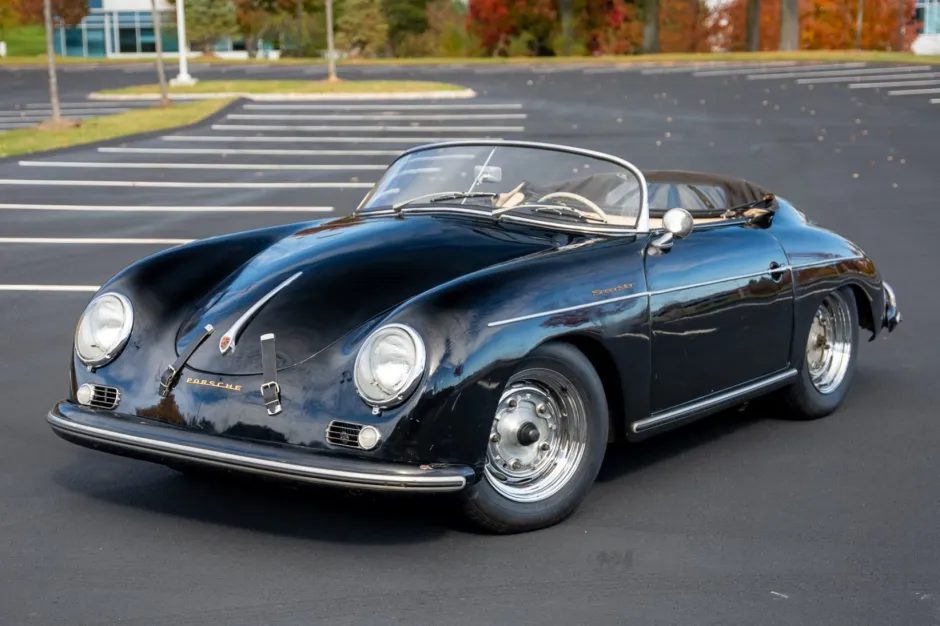
American importer Max Hoffman asked Porsche for a cheaper 356, and the company responded by cutting the windshield height, removing equipment, and stripping the car to its essential elements — producing a profile unlike any other 356 variant, with a convertible top that folds completely out of sight without power motors and bumpers with minimal chrome aligned to the performance mission rather than the showroom. The Speedster sits slightly lower than the standard 356, a stance that communicates sporting intent without requiring any visual exaggeration. Values exceeding $400,000 today confirm what deliberate simplicity achieves when the underlying engineering is sound.
1957 Porsche 356A Speedster (Interior)

Side windows remove entirely rather than rolling down, the dashboard contains only the instruments required for driving, basic seats offer support without adjustment, and weather protection with the top raised remains minimal — a cockpit that defines the lower limit of what a road car requires and nothing above it. James Dean embraced this philosophy, using his Porsche as an extension of his persona in a way that added to the model’s cultural weight without changing what the car actually is. The Speedster’s spartan interior demonstrates how deliberate removal of comfort can become more valuable over time than deliberate addition of it, which is a lesson most manufacturers have not applied.
4. 1961 Porsche Cabriolet 356B (Exterior)
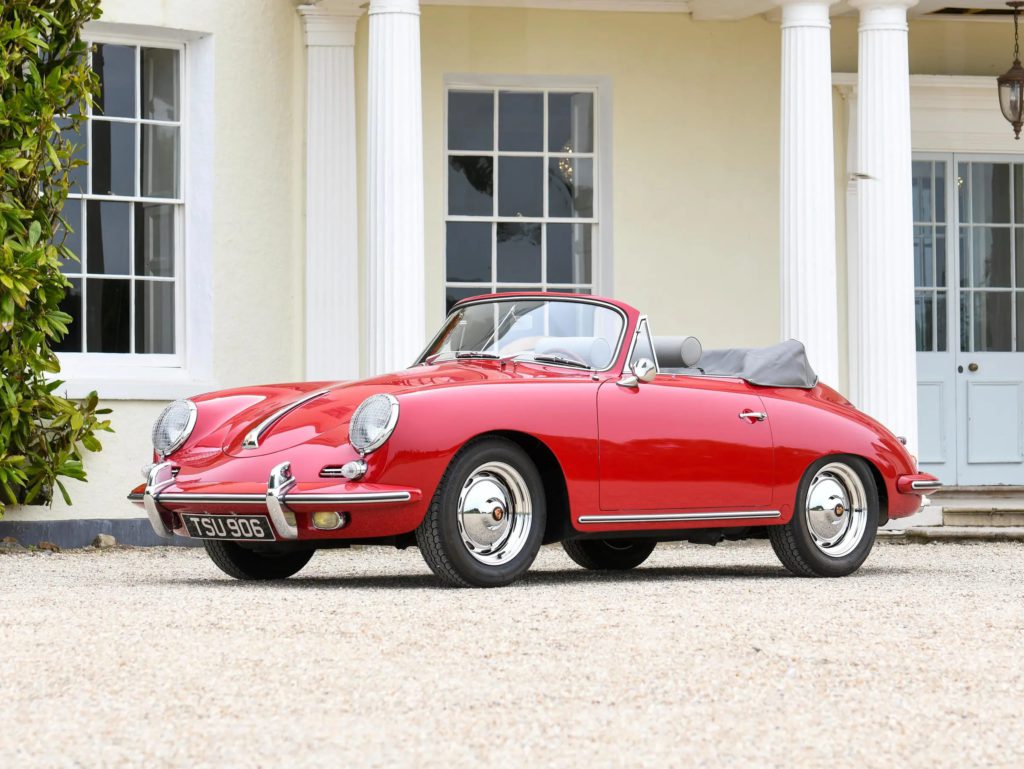
The 356B introduced higher bumpers to satisfy American safety regulations, a wider front trunk handle, a smoother convertible top mechanism than earlier models, and improved headlights that made evening drives genuinely usable rather than technically legal. Compact proportions that make the car maneuverable in tight spaces are preserved from the original 356 without compromise. These are incremental improvements rather than redesign decisions, which is what development looks like when the underlying platform is sound enough to refine rather than replace. The 356B is the 356 that works in more conditions than its predecessors without losing the quality that defined them.
1961 Porsche Cabriolet 356B (Interior)
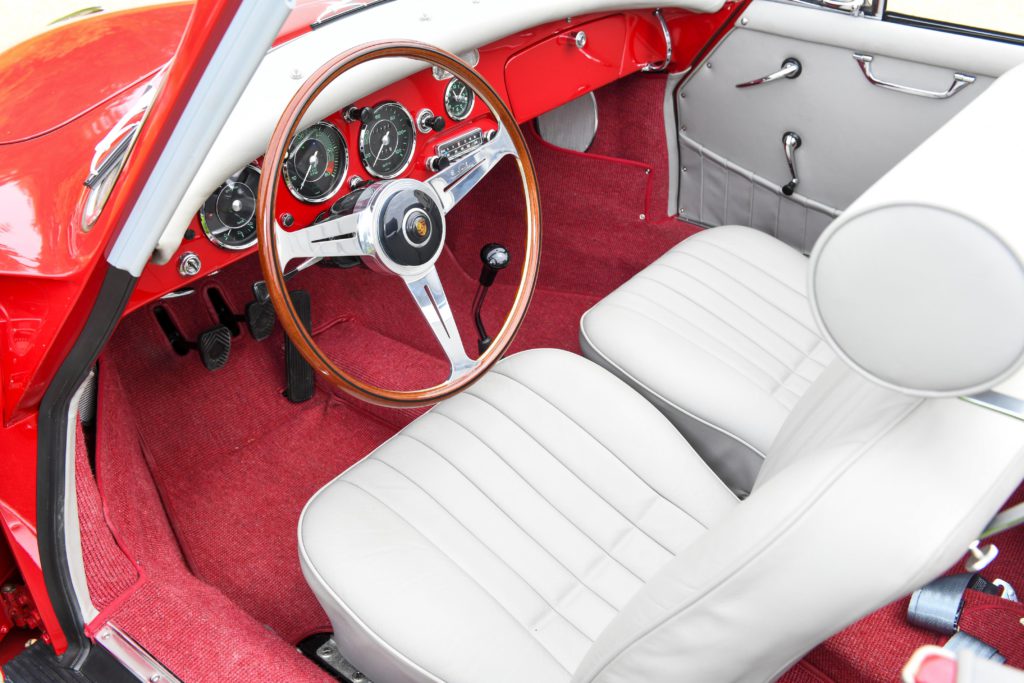
Improved seat padding, better sound insulation, more effective heating and ventilation, and revised control placement address the specific complaints that 356A owners documented without altering the fundamental cabin philosophy that made the earlier car worth owning. The black and tan color combination ages with the material quality rather than against it, which is the right choice for a car that will spend decades being used rather than stored. The 356B’s improvements transform a fair-weather sports car into something capable of year-round grand touring, and that expanded usability is precisely what makes it the most practical entry point into early Porsche ownership without meaningful sacrifice on the driving experience.
3. 1955 Jaguar XK140 (Exterior)
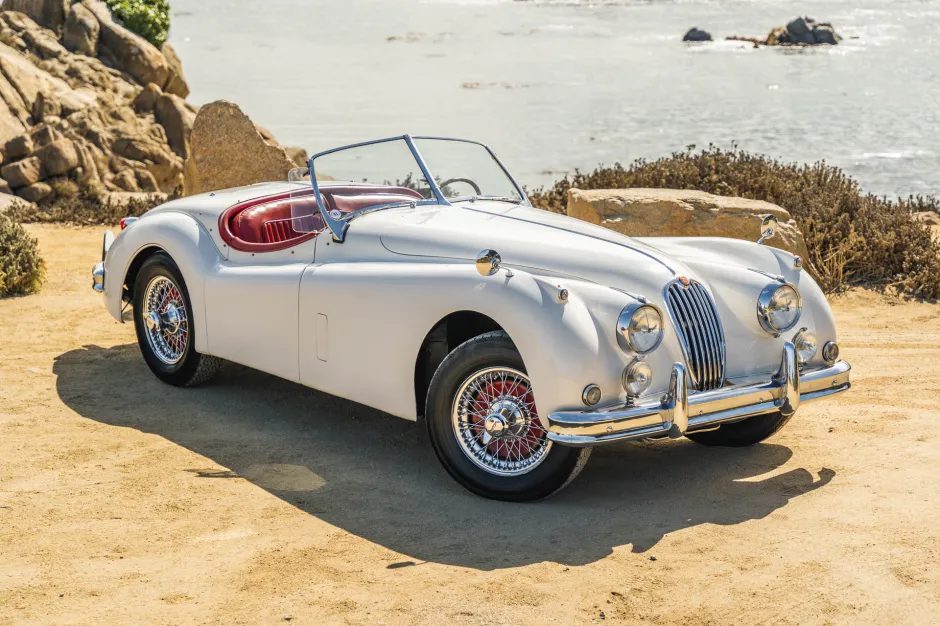
Three Le Mans victories shaped the XK140’s design priorities — a long hood housing the straight-six that defined Jaguar performance for a generation, flowing fenders incorporating headlights at their peaks, a distinctive oval grille that became a brand signature for decades, and chrome wire wheels contrasting against the body color in a way that adds visual detail without decoration for its own sake. The XK140’s slightly enlarged dimensions over the XK120 provide cockpit breathing room without compromising the sleek profile, which is the kind of improvement that only becomes apparent after living with the earlier car’s limitations. Sporting intent and genuine luxury presence occupy the same body without either quality undermining the other.
1955 Jaguar XK140 (Interior)
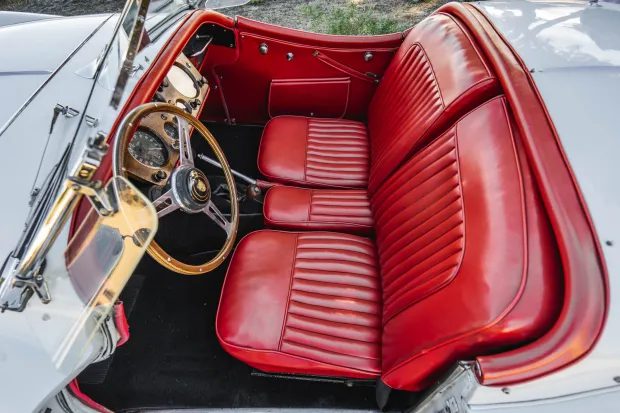
Rich wood veneers on the dashboard and door caps, leather seats with genuine comfort for long-distance touring, comprehensive instrumentation framed by a large steering wheel, and improved heating that addressed the specific complaints XK120 owners filed combine to produce a cabin that performs as a gentleman’s sports car rather than choosing between the two halves of that description. The XK140 interior makes 500 miles of Alpine roads tolerable in a way that most sports cars of the period could not claim. Jaguar built something here that competed on both sporting character and interior refinement simultaneously, which was a more difficult engineering problem than it appears.
2. 1988 Porsche 911 Carrera Coupe (Exterior)

Integrated bumpers, flared wheel arches, a whale tail spoiler, and round headlights continued through 25 years of iterative development to produce the 1988 911 — the last air-cooled Carrera before the 964 redesign changed the model’s fundamental architecture and the last iteration of the original 911 formula refined to the point where its successors have spent four decades trying to match the balance it achieved. The proportions explain why modern 911s remain recognizable descendants of a 1963 design, because the original solution to the problem of a rear-engined sports car was correct enough that changing it requires justification rather than simply preference. The 1988 model is the endpoint of that original solution.
1988 Porsche 911 Carrera Coupe (Interior)
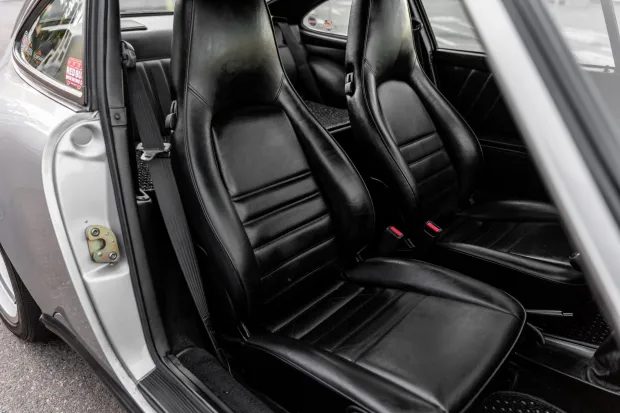
Revised dashboard layout corrected the awkward control placement that earlier 911 owners tolerated, power seats added useful adjustability, improved air conditioning made the cabin functional in summer, and every knob and switch operates with the kind of mechanical precision that communicates engineering competence rather than cost management. The five-gauge layout survived intact. The elevated seating position and thin pillars provide 360-degree visibility that lets drivers place the car precisely in city traffic and on mountain roads with equal confidence. The 1988 911’s interior is the air-cooled cabin done right — all of the character, none of the compromises that the early cars required owners to accept as conditions of ownership.
1. 1983 Ferrari 512 BBI (Exterior)
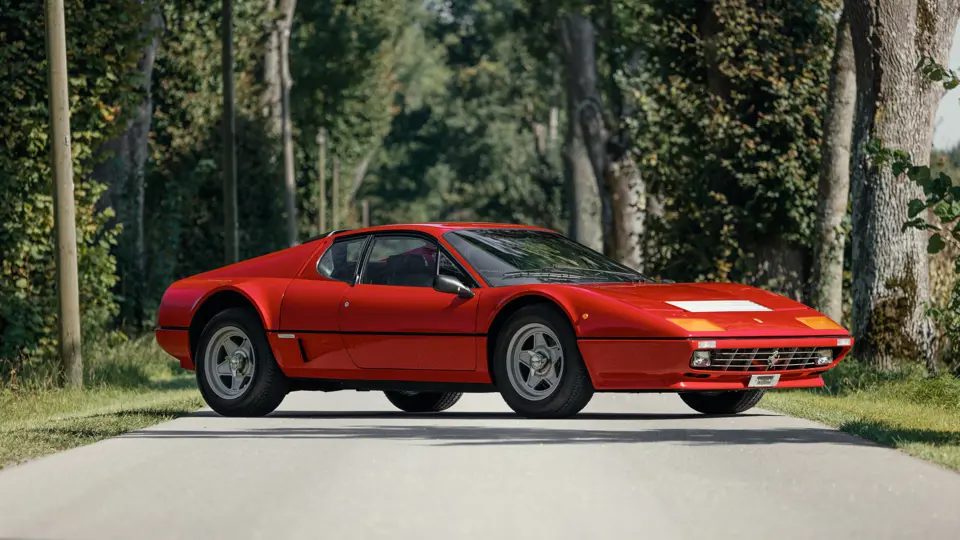
The 512 BBI’s razor-edged wedge profile, pop-up headlights, black lower body against red upper panels, NACA ducts feeding air to radiators and brakes, and wide rear tires emphasizing the mid-engine layout define a supercar aesthetic that the 1980s produced without apology and that no subsequent decade has managed to replicate without irony. The two-tone Boxer appearance is not subtle, and it was never intended to be. With 1,007 examples produced, the 512 BBI represents the final evolution of Ferrari’s classic flat-12 architecture before turbocharging and electronics restructured what Ferrari supercar development meant.
1983 Ferrari 512 BBI (Interior)

The gated manual shifter serves as both mechanical interface and visual centerpiece in a cockpit where leather covers nearly every surface in traditional Italian fashion, a three-spoke steering wheel provides an unobstructed view of the instruments, and the seating position keeps the driver low enough to feel the road rather than observe it. Nothing in the 512 BBI’s cabin exists as decoration — every element either informs or controls. The radio was an afterthought Ferrari included reluctantly, because the flat-12 behind the driver was the intended audio experience. This is the last cockpit of a Ferrari era, and Letterman owns the machine that closes it.