

Autogyros occupy a specific and underappreciated position in personal aviation. They combine a freely spinning rotor that provides lift with a conventional forward propeller for thrust — which means the rotor never stops turning even if the engine fails, allowing a controlled descent rather than an uncontrolled one. This autorotation characteristic, short ground roll requirements, and operating costs that undercut helicopters by a significant margin make them a practical choice for pilots who want genuine utility at a fraction of what rotary-wing alternatives cost. The 15 machines below cover the full range of the category, from a $35,000 kit to a three-seat enclosed cross-country platform with 621-mile range.
15. AirGyro AG 915 Spartan
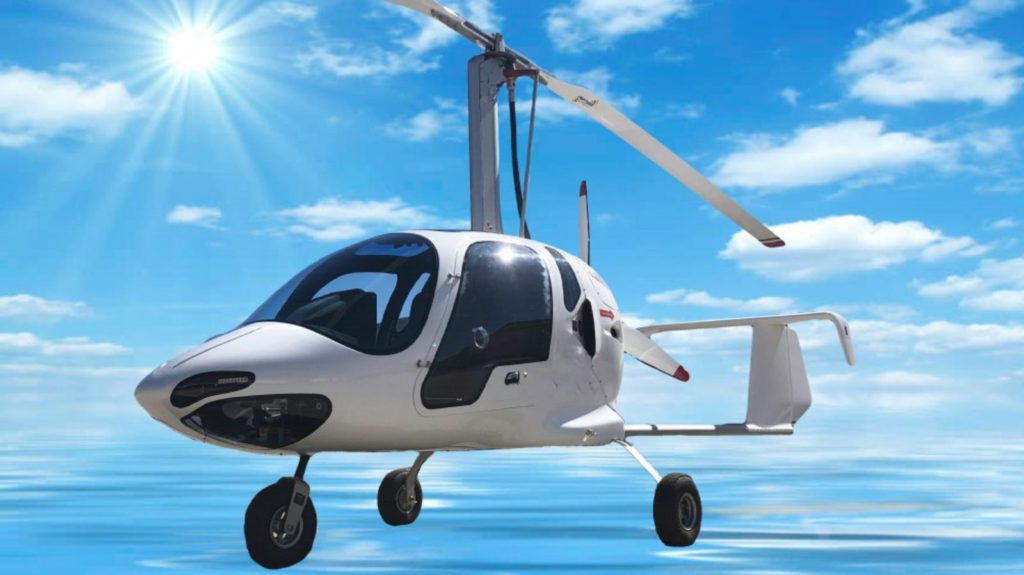
The Spartan starts around $35,000 for basic kit configurations — comparable to a well-equipped pickup truck — with fully assembled versions powered by the Rotax 915 typically running $75,000-90,000. The side-by-side cabin includes windows in the floor, roof, and doors, creating 360-degree visibility across all axes. Performance specifications compete with machines priced significantly higher, demonstrating that thoughtful engineering can produce genuine value in a category where costs typically escalate quickly.
14. Aerocopter AC20
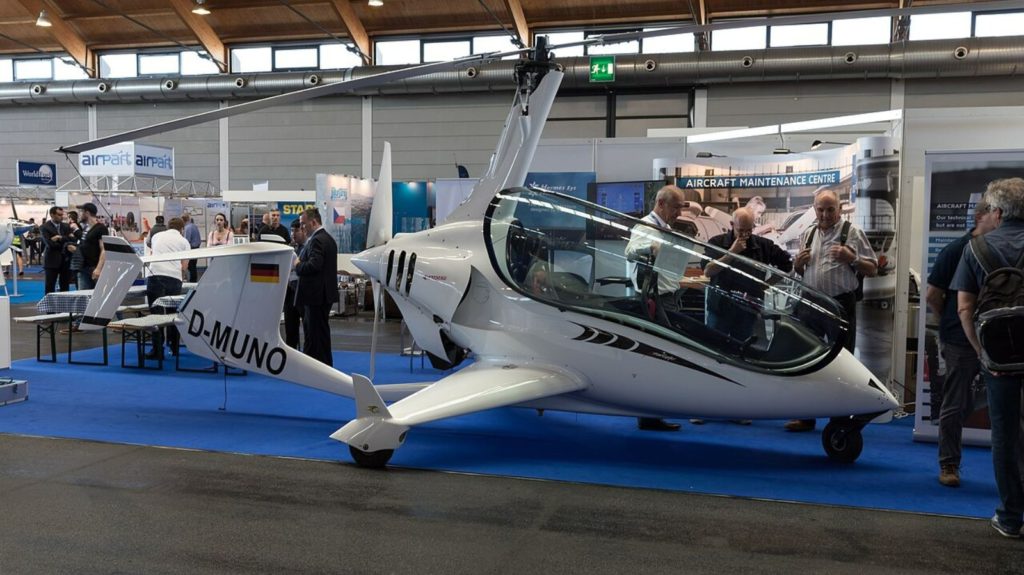
The Austrian-built AC20 uses a carbon fiber and Kevlar structure topped with a bubble canopy that provides visibility in all directions without structural interruption. Powered by a Rotax 914, it reaches 121 mph. The engineering priority is a stable, responsive platform that maintains the panoramic sightlines that make low-altitude flight worthwhile — visibility and control working together rather than trading against each other.
13. Magni M-24 Plus
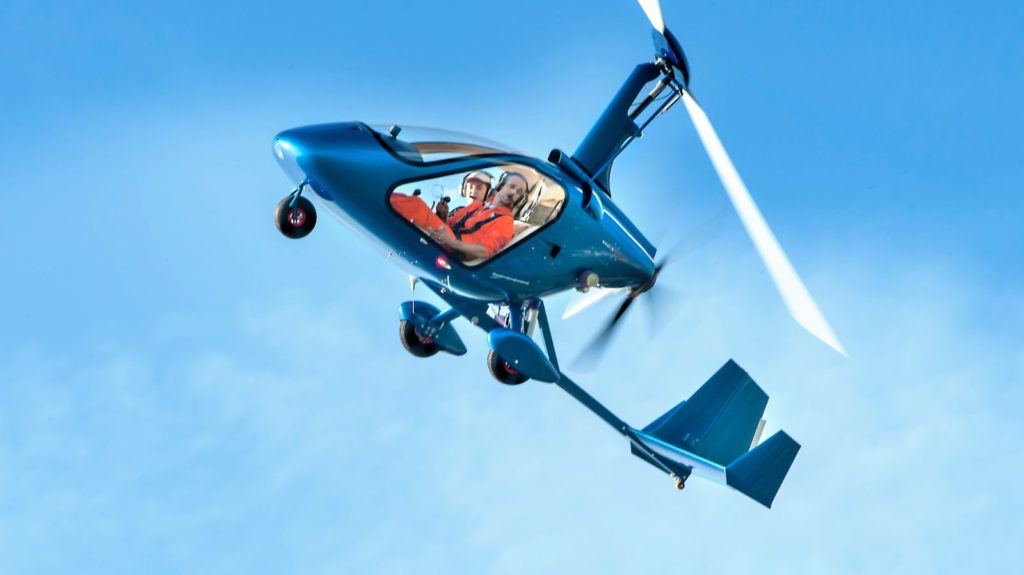
The M-24 Plus takes the M-16’s turbocharged Rotax 915 powertrain and packages it in an enclosed side-by-side cockpit, converting a tandem solo experience into a shared one. Both occupants have equal sightlines and can converse at normal volume without intercoms. High-quality materials and advanced avionics complete the package at approximately $100,000 — the premium end of the autogyro market, justified by a specification that combines performance with genuine touring capability.
12. AutoGyro MTO Sport
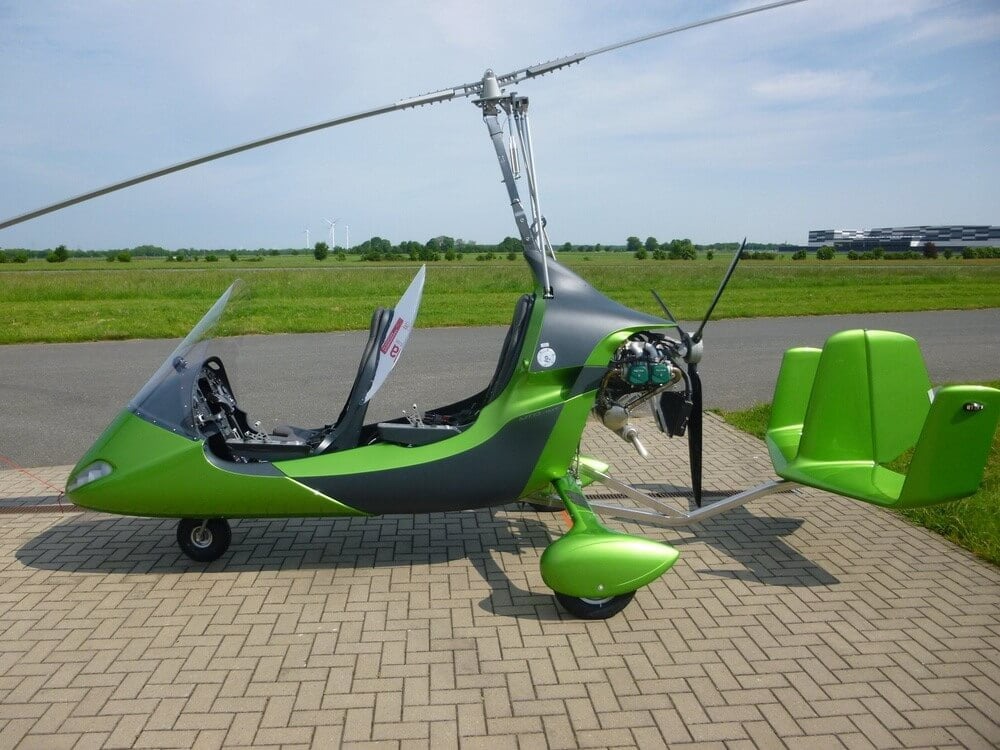
The MTO Sport is an open-cockpit machine — no enclosure, direct exposure to airflow and weather at all times. Its 115 hp Rotax 912 pushes it to 120 mph with a 330-mile range before refueling. Stainless-steel airframe construction handles rough treatment, and responsive controls keep behavior predictable in variable conditions. Starting around $90,000, operating costs average $50 per hour including fuel and maintenance. Experienced pilots describe the sensation as unfiltered — the MTO Sport does not insulate the pilot from the flight environment, which is exactly what its buyers want.
11. Trixie Aviation g42 R
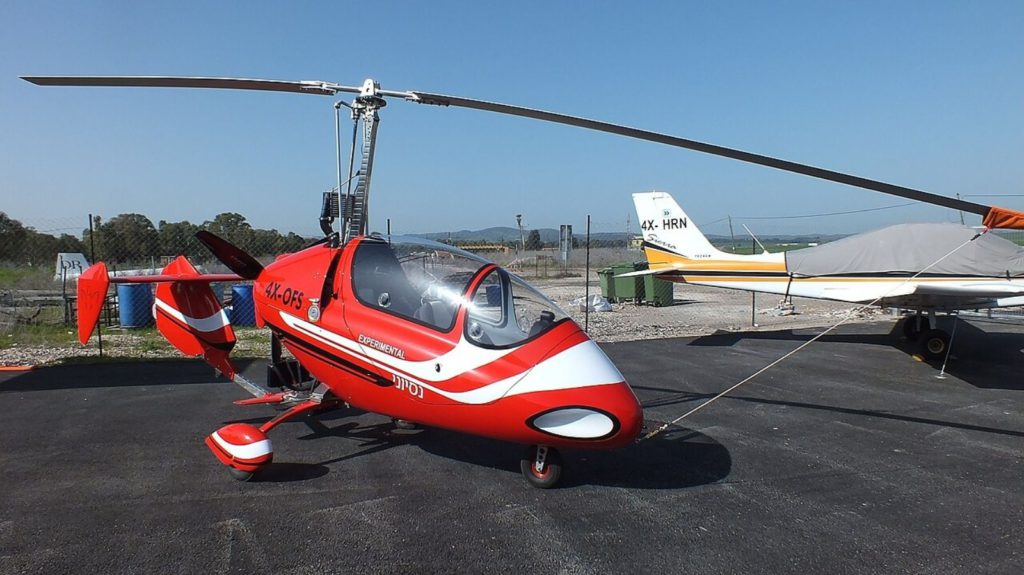
The g42 R prioritizes safety engineering through specific design choices — a Merin anti-explosion fuel tank and robust stainless-steel tube frame address failure modes that matter in aviation. Engine options include the Rotax 912S or UL Power UL260i, both producing 100 horsepower. The aluminum Avereo rotor carries a 1,500-hour overhaul interval, which reduces both scheduled maintenance cost and the operational uncertainty that shorter intervals create. The tandem enclosed cockpit keeps both occupants protected throughout the flight envelope.
10. AutoGyro Cavalon Sentinel
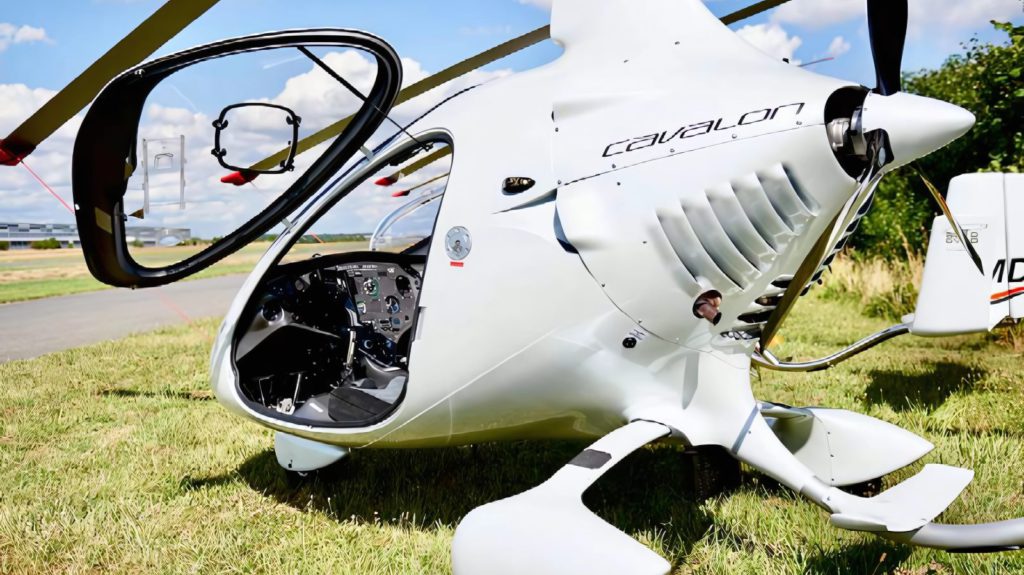
The Cavalon Sentinel adapts the civilian Cavalon platform for surveillance operations, equipped with day or infrared cameras capable of reading license plates from 500 feet. The sensor system provides 360-degree rotation, target tracking, and 30x optical zoom. Turkish Jandarma and Benin government forces have ordered fleet units for border monitoring and urban operations. Powered by Rotax 915 or 916 IS engines, it operates at under $200 per hour — a cost structure that makes sustained surveillance missions viable where helicopter operating costs would make extended operations prohibitive.
9. DTA J 914
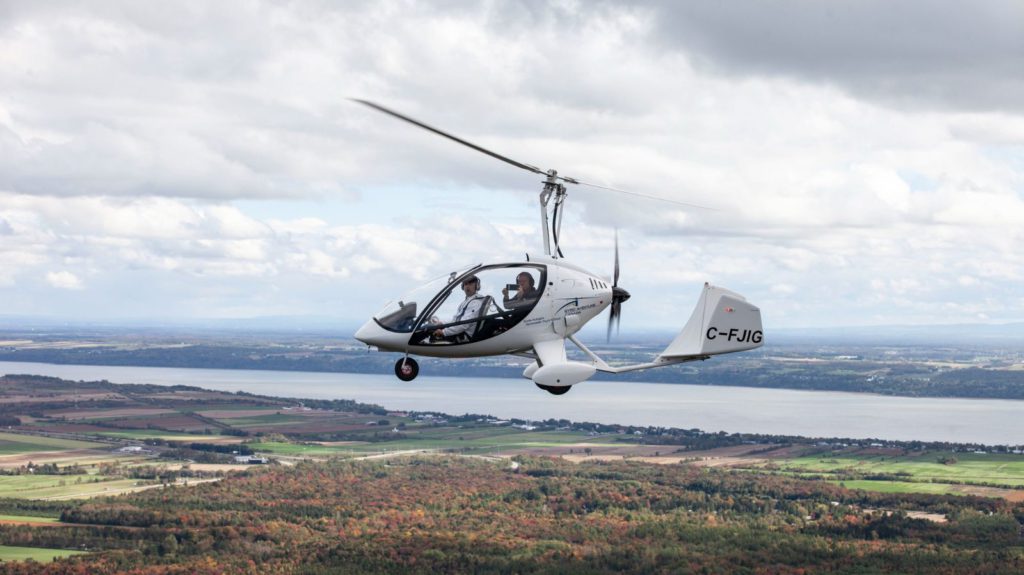
The J 914’s symmetrical teardrop cabin is aerodynamically efficient and visually distinctive — form and function aligned rather than trading against each other. Removable butterfly doors let pilots choose between enclosed comfort or open-air exposure depending on conditions and preference. The turbocharged Rotax 914 and Canadia MSUS avionics provide the substance behind the design. This is a rare aircraft that satisfies engineering requirements and aesthetic ones simultaneously without compromising either.
8. Xpeng Voyager X2 (Flight Testing Phase)
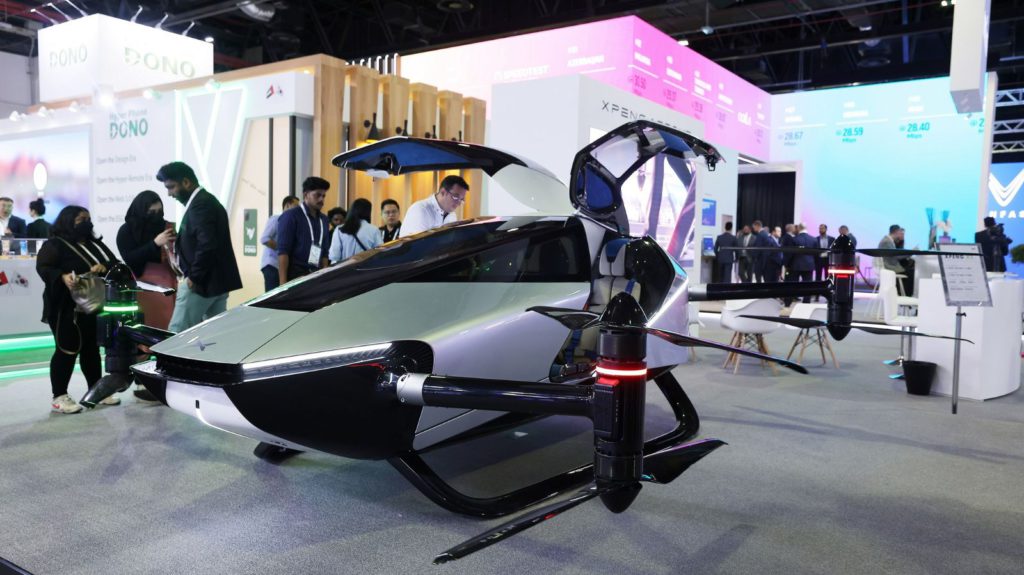
Technically an eVTOL rather than an autogyro, the X2 represents where personal aviation technology is heading — the same direction that advanced drone development is pointing. Eight electric motors produce quiet flight at 81 mph for approximately 35 minutes per charge. The X2 has completed public demonstration flights in Dubai and Guangzhou, with production targeted for 2026. Starting around $126,000, it includes comprehensive safety systems and automatic navigation. Current battery limitations restrict range and endurance significantly compared to combustion alternatives, which remains the category’s primary engineering challenge.
7. ELA Eclipse Evo
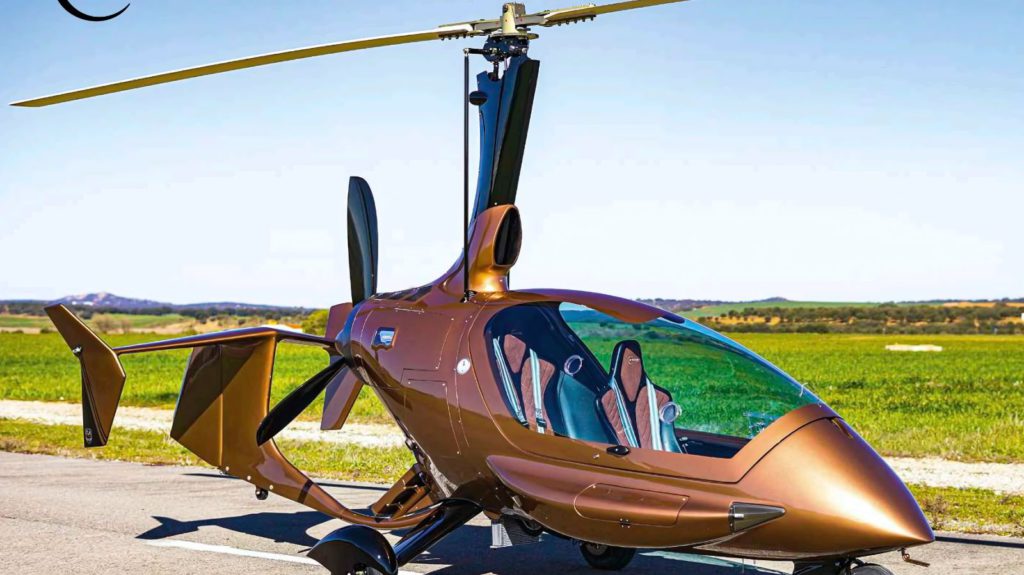
The Eclipse Evo treats cockpit comfort as a primary engineering requirement rather than a secondary consideration. Heated seats, actual luggage compartments, and the Dynon SkyView HDX display bring touring aircraft standards to an autogyro platform. The Rotax 915’s 140 horsepower produces a 124 mph top speed and 373-mile range. Pilots report measurably less post-flight fatigue compared to open-cockpit alternatives — a practical benefit that accumulates meaningfully across longer flights and multi-day trips.
6. AutoGyro MTO Classic
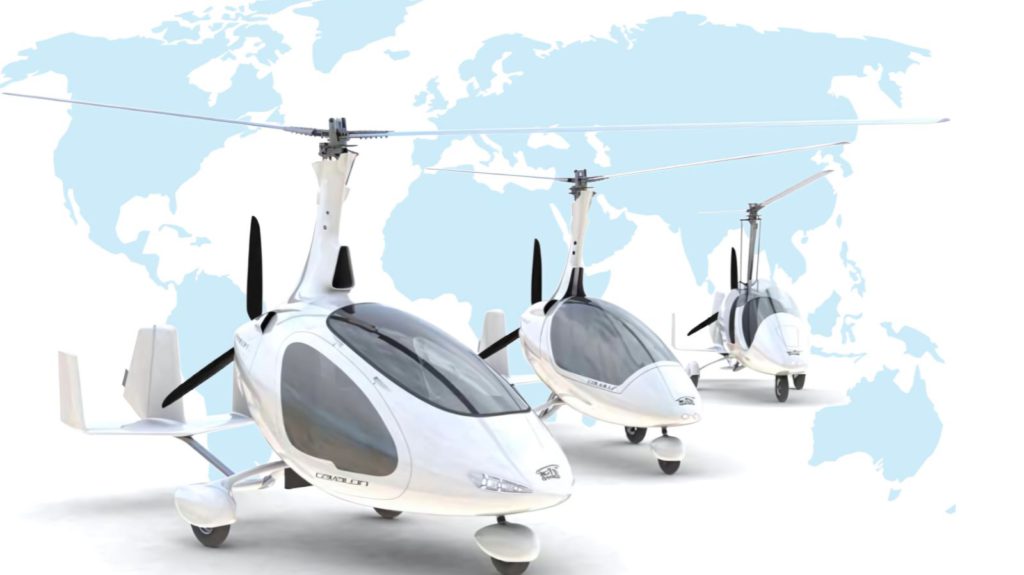
The MTO Classic uses a rugged stainless-steel airframe and straightforward maintenance procedures as its defining design philosophy. Available with Rotax 912 ULS or 914 UL engines, its 68-liter fuel tank provides three hours of flight time at speeds up to 112 mph. Every component is accessible for inspection and repair. Operating costs average $35 per hour — the lowest on this list — making it the practical choice for pilots whose priority is sustained, reliable operation over the long term rather than maximum performance figures.
5. SportCopter Vortex M912
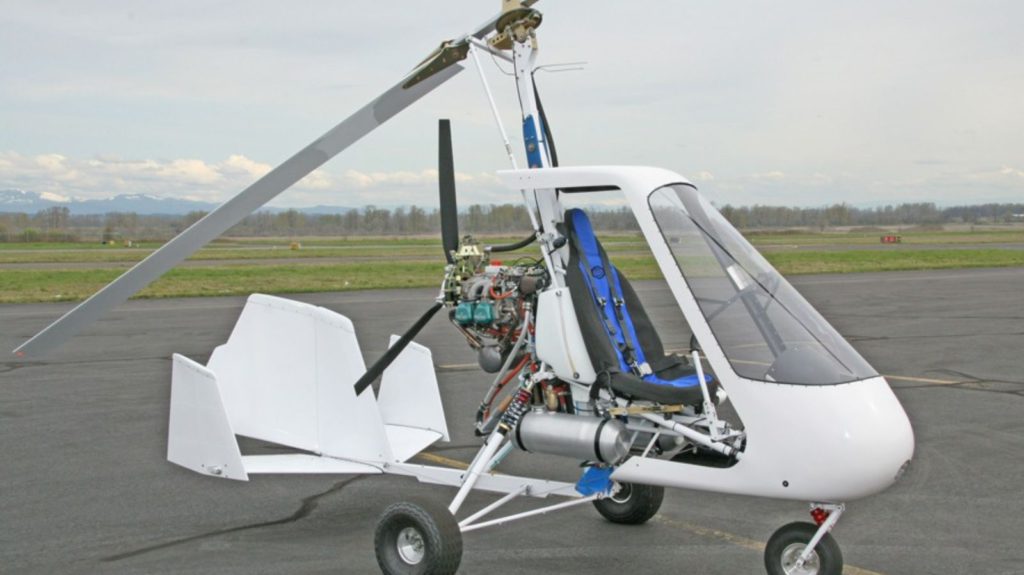
The Vortex M912 is designed for surfaces that conventional aircraft cannot use. Its shock-mounted rotor head and suspension system absorb the impact loads from dry creek beds, mountain meadows, and beach sand — terrain where most aircraft would sustain damage on landing or departure. Bush pilots document successful operations from remote locations where the choice is a gyroplane or no aircraft at all. The composite seat structure and shock-absorbing foam protect occupants when surface conditions turn a landing into something more aggressive than planned.
4. AutoGyro Calidus
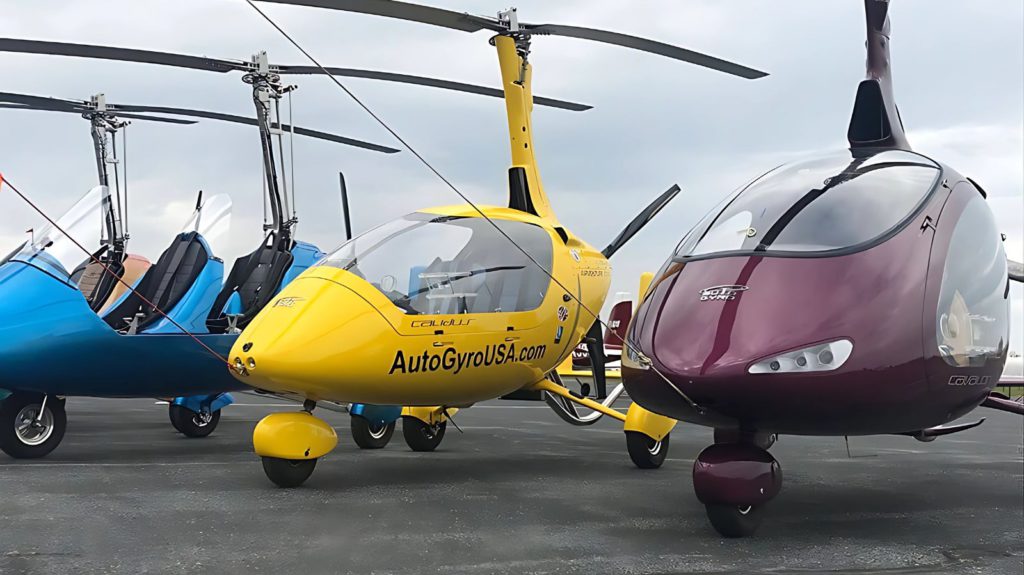
The Calidus puts proper doors on a two-seat autogyro and calls it a touring machine — which it is. The 101 hp Rotax 912 cruises at 99 mph with weather protection that makes 500-mile cross-country flights practical rather than punishing. Flight schools choose it for advanced training because it teaches correct technique without punishing minor errors — a calibration that produces better pilots than either overly forgiving or unforgivingly demanding aircraft. Students transitioning from fixed-wing typically need 15-25 hours to develop proficiency.
3. Argon GTL Triple 916
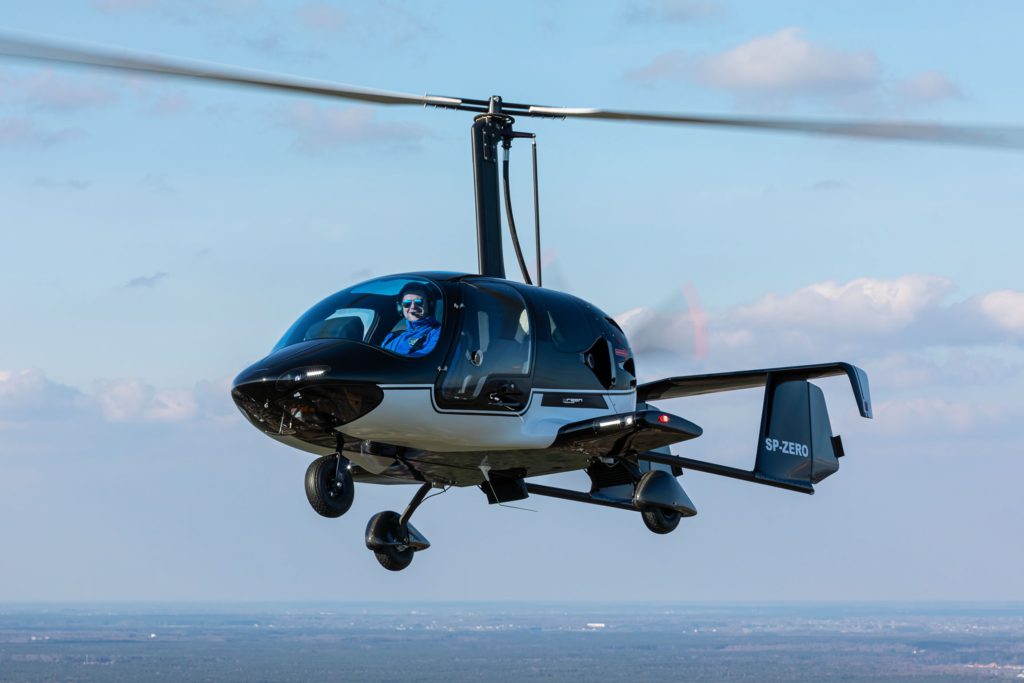
Most autogyros are single or two-seat machines. The Triple 916 carries three occupants — pilot plus two passengers — without performance compromises, using a 160 hp Rotax 916 that reaches 124 mph with a 621-mile range. Heated seats and touchscreen controls bring touring aircraft comfort standards to a platform that can actually carry a small group rather than a solo pilot. The range figure in particular expands the category’s practical utility beyond recreational day flights into genuine cross-country transportation.
2. Magni M-16 Plus
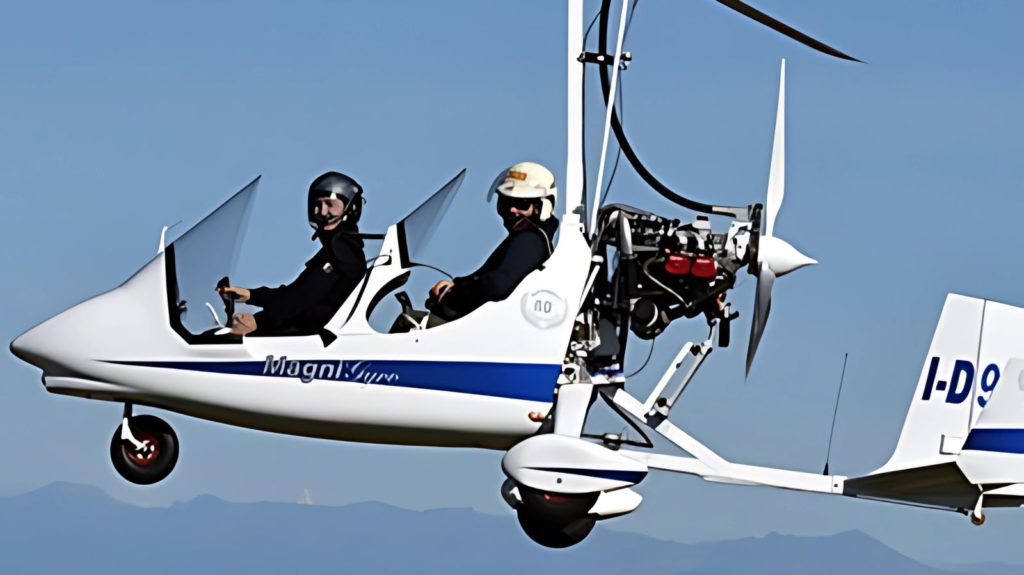
The Italian-built M-16 Plus uses a turbocharged 141 hp Rotax 915 that handles altitude without the power loss that naturally aspirated engines experience, cruising at 100 mph in tandem seating. Starting around $65,000 and topping out near $85,000 fully equipped — roughly half the cost of a basic helicopter — it delivers serious performance at a price point that keeps the category accessible. Pilots consistently rate its controls as intuitive despite advanced avionics, which means less time managing the aircraft and more time flying it.
1. Aeronex Flying Gondola (Concept Phase)
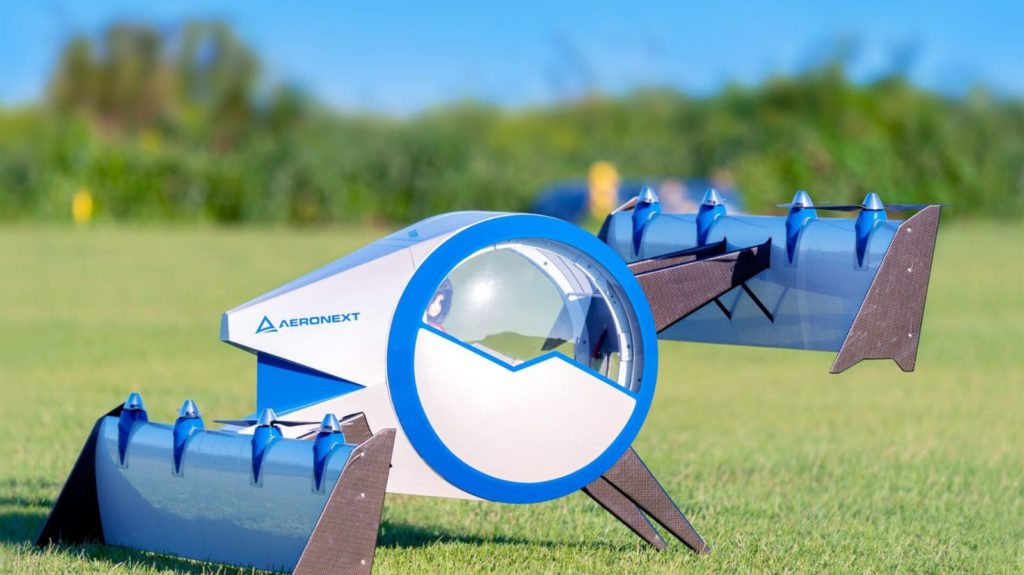
The Aeronex Flying Gondola is a concept-phase VTOL design featuring a glass-enclosed cabin with panoramic views and remote-controlled automatic navigation intended to remove the pilot license requirement from personal air travel entirely. Detailed technical specifications are not yet available, and current development status remains unclear — this is a design vision with demonstrated intent rather than a production-ready aircraft. It represents the direction the broader urban air mobility category is exploring, and earns the top position on this list specifically because it points at where the category is heading rather than where it currently is.