


Automakers bury functionality deep inside modern vehicles—capabilities that transform daily drives and weekend escapes alike. These aren’t obscure Easter eggs; they’re engineered solutions to real problems, waiting for discovery. From safety mechanisms to comfort upgrades, the features below elevate every journey without requiring a single aftermarket add-on. This guide cuts straight to the mechanical truth behind overlooked functions that separate casual drivers from those who truly know their machines.
1. Seatbelt Height Adjuster
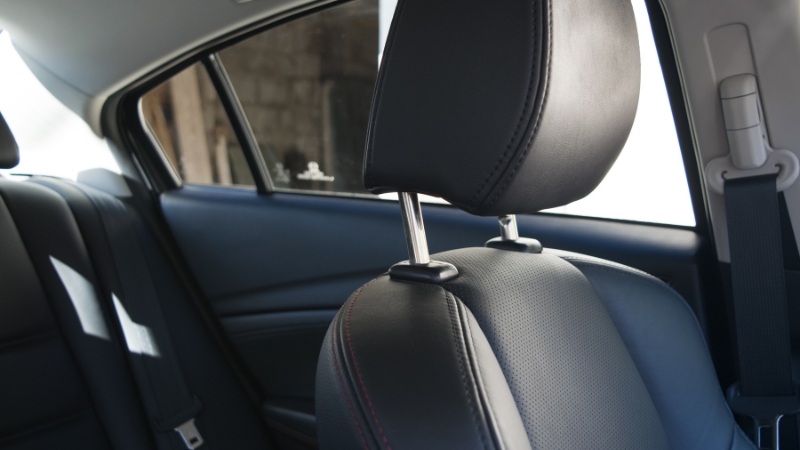
A simple B-pillar adjustment prevents shoulder strap migration and ensures crash forces distribute correctly across the chest.
NHTSA explicitly recommends adjusting seatbelt height so the shoulder belt crosses the middle of the shoulder instead of riding up against the neck. Many drivers endure constant strap irritation, dismissing it as minor discomfort rather than recognizing a serious safety compromise.
Mounted on the B-pillar, this adjuster uses a straightforward button-and-slide mechanism. Proper positioning spreads impact forces across the shoulder and chest instead of concentrating pressure on the throat. When multiple drivers share a vehicle, checking this adjustment becomes as essential as verifying tire pressures before a track day. The system locks securely once positioned, maintaining the correct geometry through every turn and stop.
2. Removable Cup Holder Divider
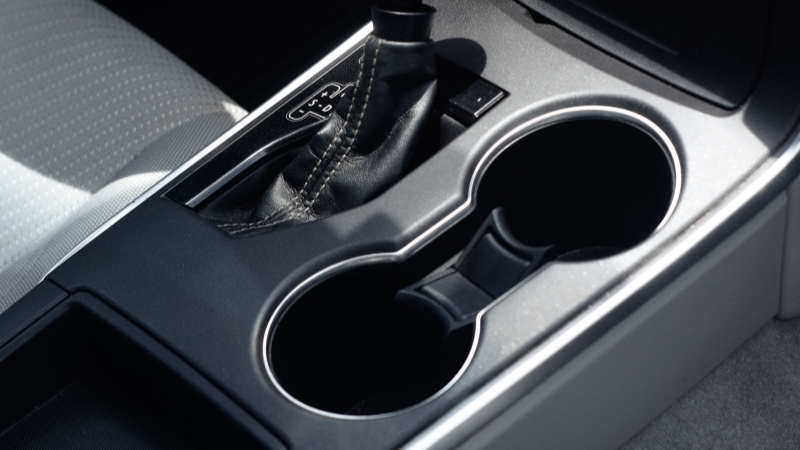
This console insert converts paired small openings into one wide bay, accommodating oversized travel mugs and bulky gear.
Wrestling a supersized coffee mug into a standard cup holder reveals the limitation immediately. The removable divider—often a simple plastic partition or console insert—transforms two narrow slots into a single wide opening. Some consoles include two dividers, creating three distinct configurations for managing phones, wallets, and beverages.
Factory-style dividers fit specific mounting points and deliver the flexibility of a pit-crew tool cart for interior organization. The design mirrors modular thinking: adapt the space to the cargo rather than forcing awkward compromises. Whether navigating morning drive-thrus or packing for a cross-country run, this subtle feature customizes cockpit utility without permanent modification.
3. Hidden Door Umbrella Holder
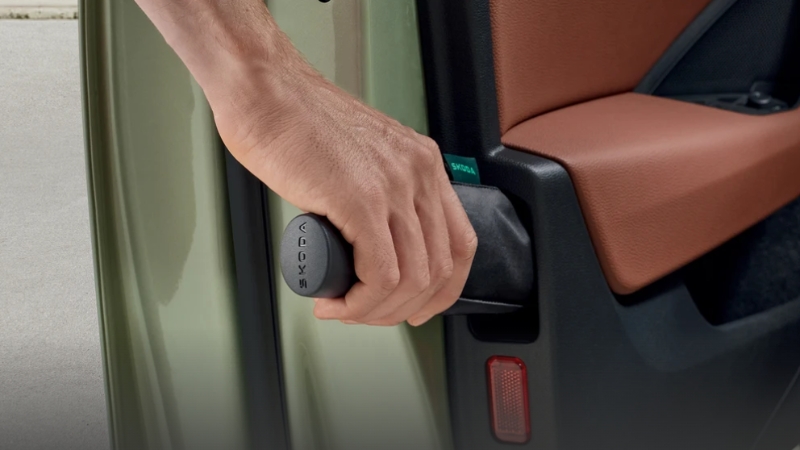
Certain European luxury models integrate drained umbrella compartments into door panels, preventing cabin soaking.
A sudden downpour mid-trip typically ends with a dripping umbrella pooling water across the passenger footwell. Specific European luxury vehicles solve this with hidden door umbrella holders featuring dedicated drainage channels that funnel moisture straight out of the car. The exact location shifts by manufacturer—sometimes in the door panel, occasionally under a seat—but the utility remains constant.
Anyone who has wrestled a large, wet umbrella into cramped back-seat quarters understands the value. Properly drained storage keeps the cabin bone dry during coffee-break pit stops, eliminating recurring cleanup headaches. This engineering choice delivers silent convenience, the kind of detail that separates well-considered design from superficial flash.
4. Windshield Washer Nozzle Adjustment

A ball-joint nozzle can be redirected with a pin in roughly thirty seconds, saving a shop visit.
Most drivers assume misaligned washer spray requires dealer service, but a tiny ball joint inside the nozzle allows gentle repositioning with a sewing needle or sturdy pin. This adjustment takes about thirty seconds and resembles fine-tuning carburetor jets—small effort, immediate payoff. Proper aim restores visibility and prevents wasted fluid spraying passing trucks instead of the windshield.
Out on a dusty highway stretch when a bird strike turns the glass opaque, knowing this quick fix keeps forward progress uninterrupted. RepairPal estimates nozzle replacement runs around fifty dollars in shop fees; DIY adjustment eliminates that cost entirely. The empowerment separates casual motorists from self-reliant road warriors.
5. Windshield Black Dots / Frit Band

The ceramic enamel border protects urethane adhesive from UV degradation while smoothing visual transitions.
The black dots marching across windshield edges aren’t decorative—they’re a ceramic enamel frit band baked directly onto the glass. This border shields the urethane adhesive from UV exposure, which would otherwise degrade the structural bond holding the windshield in place. The dot-matrix fade prevents harsh visual lines that distract during long highway stretches.
Beyond structural duty, the frit manages heat during manufacturing and reduces optical distortion at the glass perimeter. NuVision Auto Glass confirms the dual function: robust adhesion plus visual refinement. Even subtle details contribute to driving experience, much like a meticulously tuned engine delivering both power and smoothness. Those dots ensure the windshield stays bonded and the view stays clear.
6. Rain-Sensing Wiper Adjustment
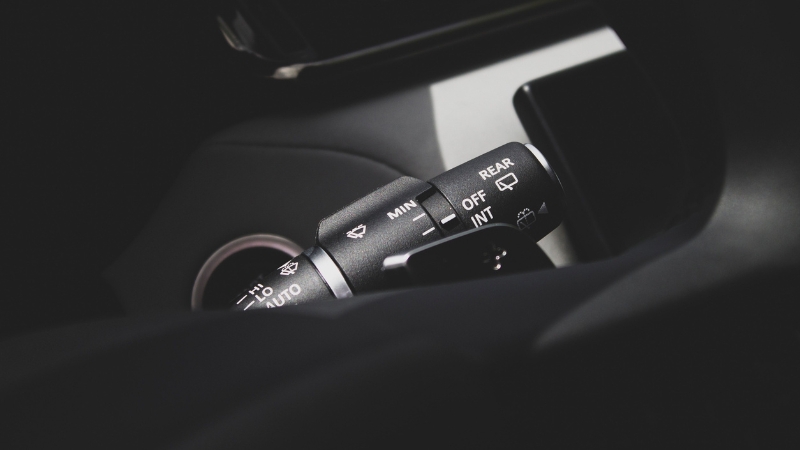
Optical sensors detect moisture automatically; adjusting sensitivity via infotainment menus or stalk controls prevents over- or under-wiping.
Fighting wipers that swipe frantically in light drizzle then lag during downpours signals a tuning issue, not a design flaw. The optical sensor detects raindrop size and frequency; adjusting its sensitivity through the infotainment menu or a dedicated stalk dial prevents those frustrating mismatches. Ford, Ram, and Volkswagen all offer sensitivity controls that let drivers customize response thresholds.
Seasonal adjustments matter. Spring showers demand different settings than winter slush, similar to retuning suspension for varying road conditions. Properly calibrated rain-sensing wipers maintain crisp sightlines without manual intervention, transforming white-knuckle commutes into focused drives. Full control over the glass ensures visibility stays sharp regardless of weather severity.
7. Defogging with AC and Fresh Air

Air conditioning dehumidifies cabin air; disabling recirculation brings in drier outside air to clear fog faster.
Many drivers instinctively blast heat and recirculate cabin air when fog blurs the windshield, yet this approach often worsens the problem. That hazy film results from cabin humidity condensing on cold glass. Engaging the air conditioning—even in freezing conditions—extracts moisture from the air with mechanical precision.
Turning off recirculation allows drier outside air to flow through the HVAC system, scrubbing humidity continuously. This method clears all windows, not just the windshield, eliminating the need to peer through a tiny cleared patch. Mastering this climate-control technique ensures visibility stays as sharp as reflexes on winding backroads.
8. Key Fob Hidden Functions
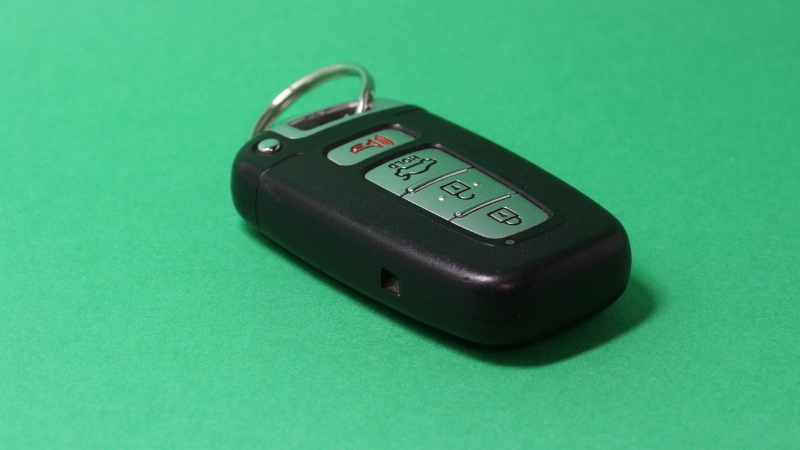
Backup mechanical keys, global window-down commands, and range-extension tricks unlock capabilities beyond basic lock/unlock.
Most drivers barely scratch the surface of key fob functionality. A physical backup key typically hides inside the fob shell, providing a lifeline when batteries die or electronics glitch. Holding the unlock button for several seconds can initiate a global open on some vehicles, dropping all windows to ventilate a sweltering cabin.
Other models allow single-press driver-door unlock or support signal-range extension by holding the fob near the head (a trick some long-haul truckers swear by). Learning these functions streamlines daily routines like discovering a secret backroad that bypasses traffic. Feature availability varies by make and model; consult the owner’s manual for specific capabilities.
9. Correct Tire Pressure Location

The tire placard on the driver’s door jamb lists recommended PSI; sidewall markings show maximum capacity, not operating pressure.
About a third of drivers incorrectly check the tire sidewall for recommended pressure instead of consulting the vehicle’s tire placard. That sidewall number—typically around 44 PSI (303 kPa)—represents the tire’s maximum inflation capacity, not the recommended operating pressure. The actual cold-tire PSI appears on a sticker inside the driver’s door jamb, usually listing values between 30 and 35 PSI (207–241 kPa).
NHTSA confirms this distinction in official brochures: sidewall pressure is a maximum rating, not a driving recommendation. Under-inflation drains fuel economy and generates excessive heat; over-inflation reduces contact patch and compromises grip. Checking the door-jamb placard takes five minutes at the gas station and ensures safer handling, extended tire life, and optimized fuel consumption. Proper inflation keeps any vehicle ready for impromptu road trips.
10. Floor Mat Safety Hooks
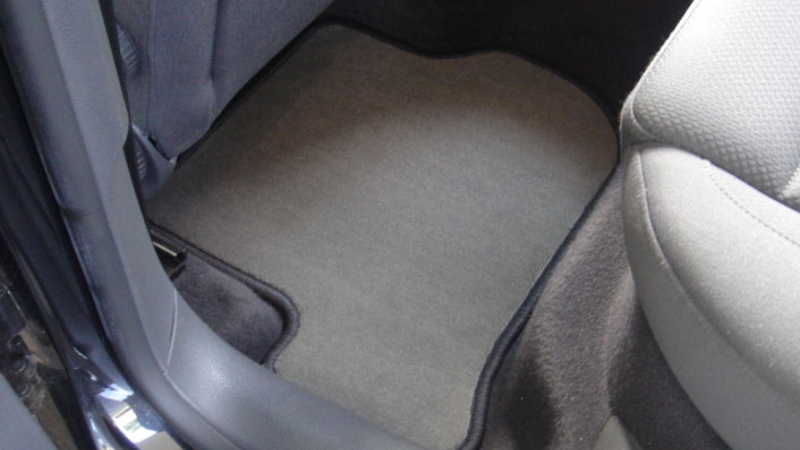
Retention clips prevent mats from sliding into pedals; unsecured mats have caused major recalls and unintended acceleration incidents.
Unsecured floor mats have triggered major safety recalls from leading automakers. NHTSA documents cite incidents where loose mats caused unintended acceleration at 70 mph on highways by bunching up and pinning the throttle or obstructing the brake pedal. Small hooks beneath factory mats act as retention devices, locking the mat securely to prevent forward creep.
These clips often go unnoticed until interior cleaning, but snapping them back into place is as vital as securing a loose battery terminal before a trip. Floor mat interference with pedal operation represents a catastrophic safety risk. Always verify mats sit properly anchored, ensuring pedals remain clear and accessible. This simple habit maintains full control over throttle and brake inputs.
11. Cabin Air Filter Scent Trick
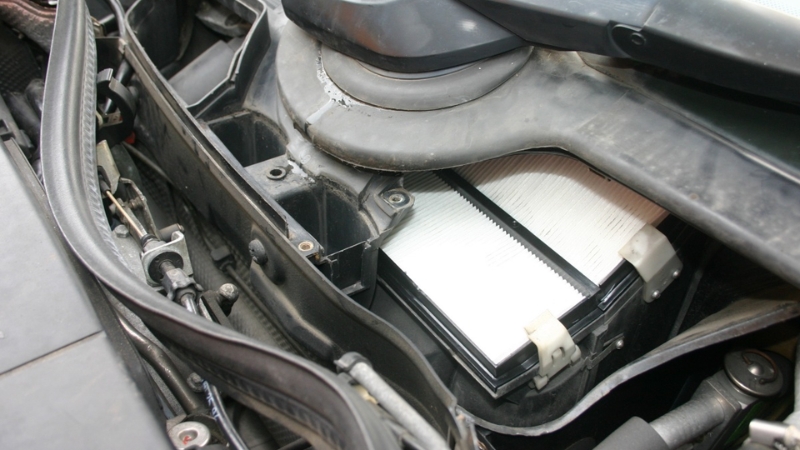
Applying a drop or two of essential oil to the cabin filter introduces subtle fragrance through the HVAC system.
Musty interior odors kill road trip moods faster than mechanical breakdowns. When the air conditioning kicks on and delivers a gym-bag stench, the culprit often sits in the cabin air filter—typically located behind the glove box. Pulling the filter takes about five minutes; before reinstalling, apply one or two drops of light essential oil (citrus or peppermint work well) directly onto the filter media.
Recirculated air picks up a faint, pleasant scent without the overpowering artificial smell of traditional air fresheners. Avoid over-application; excessive liquid can reduce filtration performance or leave residue. This unofficial hack isn’t manufacturer-approved, so proceed with caution and consult the owner’s manual if uncertain. When done correctly, the cabin smells less like chemical spill and more like actual adventure.
12. Walk-Away Auto Lock
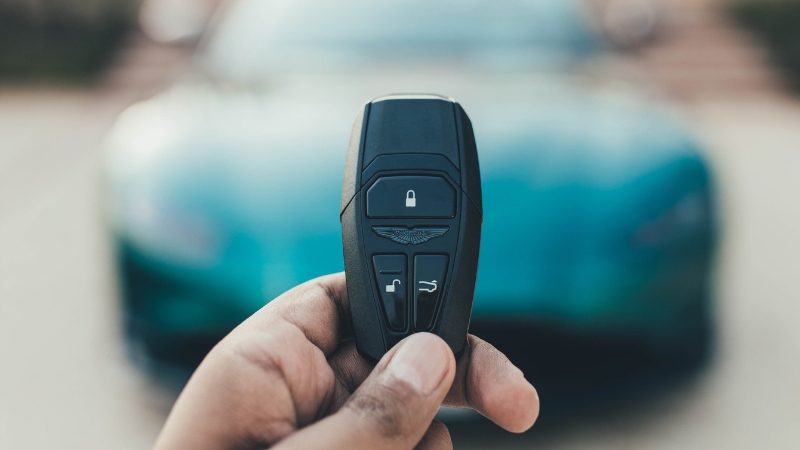
Passive systems secure the vehicle automatically when the key fob leaves sensor range; delay and sensitivity are often adjustable.
The phantom door tug—that universal “did I lock it?” anxiety—haunts drivers even with smart keys. Vehicles equipped with walk-away auto lock systems secure themselves the moment the key fob exits sensor range, functioning like a diligent pit crew. No app-checking required; the car handles security automatically.
These systems, configurable through vehicle settings menus, often allow fine-tuning: adjust fob sensitivity, set a delay of five to ten seconds before doors engage, or enable confirmation flashes and horn chirps. This automation brings quiet assurance similar to a perfectly balanced chassis inspiring confidence through curves. It frees mental bandwidth whether rushing to work or embarking on cross-country trips. Availability depends on model and trim level; consult the owner’s manual for specific options.
13. Rear Defroster Mirror Heating

Activating rear defrost typically clears the back window, side mirrors, and sometimes the wiper park area simultaneously.
Manual ice scraping on freezing mornings feels like forced labor with a dull blade. A single button press activates heating elements that clear the rear window and side mirrors simultaneously—both typically wired on the same circuit. Polestar and Chevrolet documentation confirms this dual function; some vehicles extend heat to the windshield wiper park area, preventing blades from freezing solid.
Many systems operate with automatic timers, shutting off after approximately ten minutes to conserve battery power. This thoughtful engineering saves precious minutes and eliminates struggling with frozen equipment, getting drivers on the road faster and less stressed. For anyone in harsh climates, verifying heated wiper zones before winter arrives prevents frustrating delays.
14. Manual Fuel Door Release
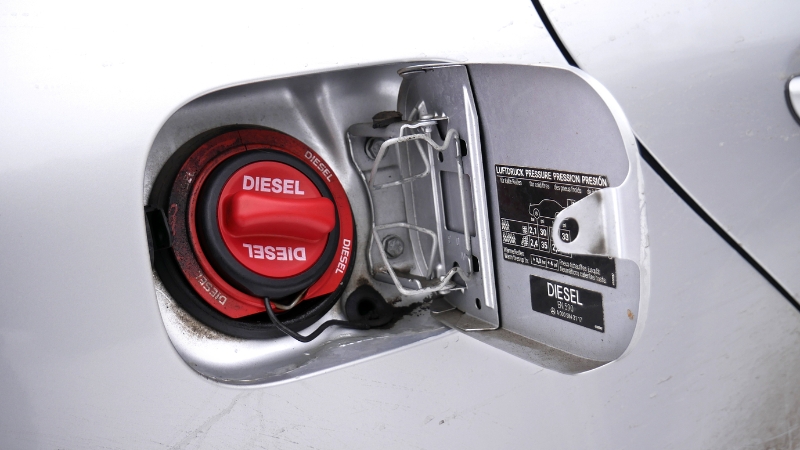
A backup lever or cable—often in the trunk or under the driver’s seat—opens electronic fuel doors when the battery dies.
A dead battery at the gas pump instantly transforms a simple errand into a roadside crisis when electronic fuel door latches lock down access. Most vehicles with electronic releases hide a manual backup: a small lever, pull cable, or release mechanism typically located in the trunk, cargo area, or under the driver’s seat.
This pure mechanical lifeline functions even when every electronic system sits offline, similar to a hand-crank starter for modern vehicles. Understanding its exact placement before needing it proves crucial—like knowing the spare tire location before getting a flat mid-trip. The owner’s manual documents the specific location; taking five minutes to locate it now prevents panic later.
15. OBD-II Diagnostic Port
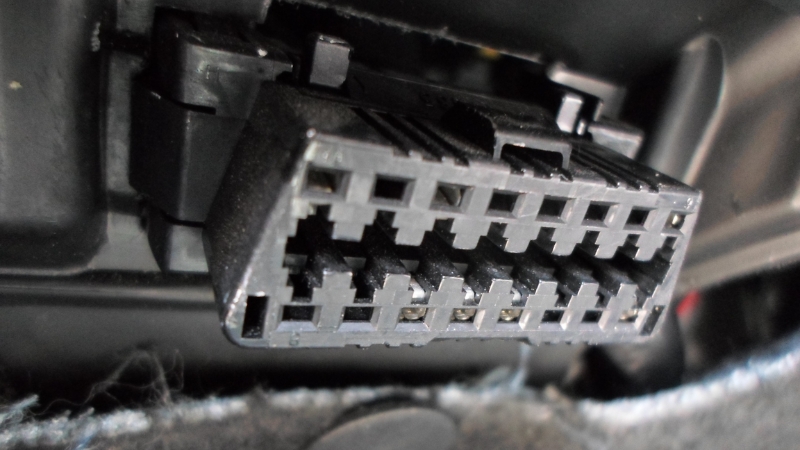
Every U.S. light-duty vehicle since 1996 includes a standardized 16-pin connector for reading trouble codes and live data.
Federal regulations mandate OBD-II ports on all U.S. light-duty vehicles built since 1996. This standardized 16-pin connector typically sits under the dashboard near the steering column, functioning as the car’s digital diagnostic interface. Basic plug-in scanners—available for as little as fifteen dollars—pull exact trouble codes straight from the vehicle’s computer. Many scanners pair with free phone apps that translate cryptic codes like P0420 into plain English.
Knowing the issue before arriving at the shop prevents unnecessary labor charges and diagnostic fees. Understanding whether a check-engine light signals a loose gas cap or a failing catalytic converter avoids potential upselling. This pre-diagnosis puts drivers firmly in control of maintenance decisions, much like bringing a prepared playlist instead of surrendering to whatever’s on shuffle.
16. Under-Seat Storage Compartment
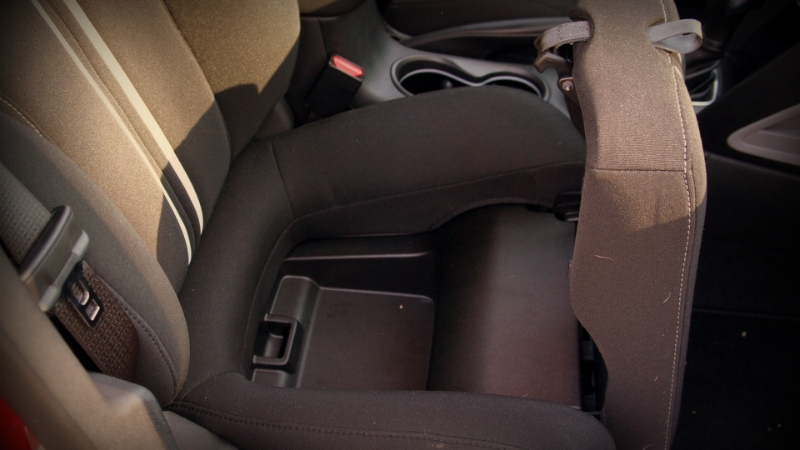
Factory-installed trays or bins beneath seat cushions provide discreet space for emergency tools, documents, and valuables.
Many SUVs, trucks, and sedans include factory under-seat storage compartments accessed by lifting the seat cushion or pulling a release tab near the seat base. These hidden bays provide secure space for emergency tools, vital documents, or small valuables without cluttering visible cabin areas. Some compartments include trays or dividers for organizing smaller items.
This integrated storage eliminates cabin chaos, functioning like a secure miniature safe bolted beneath the captain’s chair. Anyone who has fumbled for loose change at drive-thrus understands the value of quick, organized access. Check under both front seats; unlocking this practical hidden real estate transforms frantic searches into smooth operations. Model-specific availability varies; consult the owner’s manual for confirmation.
17. Throttle / Gas Pedal Relearn Reset

After battery disconnection or repairs, some ECUs require a relearn procedure to recalibrate idle and pedal position.
Following battery disconnection or certain engine repairs, electronic throttle control units can lose baseline calibration, resulting in jerky or hesitant pedal response. Some manufacturers specify throttle relearn procedures involving ignition cycling and pedal presses to restore smooth operation. Exact steps vary significantly by make and model; universal procedures don’t exist.
If rough idle or throttle hesitation persists after battery reconnection, consult the vehicle’s service manual or a qualified technician. Some vehicles require scan-tool relearns that DIY methods cannot replicate. Attempting incorrect procedures risks creating new issues. When applicable and performed correctly, proper relearn restores crisp throttle response and can improve fuel economy, delivering connected feel reminiscent of hitting every apex on favorite mountain passes.
18. Hands-Free Liftgate

A kicking motion under the rear bumper opens power liftgates when the key fob is nearby; some systems also support hands-free closing.
Juggling overloaded grocery bags, a toddler, and Amazon deliveries used to require frantic maneuvering just to pop the trunk. Hands-free liftgate systems eliminate this chaos: with the key fob nearby, a kicking motion under the rear bumper signals the sensor to spring the hatch open automatically. The system distinguishes deliberate kicks from accidental bumps, activating only when intended.
Some advanced systems allow closing the liftgate with the same kicking motion, avoiding stretches for buttons or greasy fingerprints. This feature modernizes mundane tasks, turning every grocery run or equipment load-in into a smooth maneuver similar to well-executed pit stops. Proximity sensing and motion detection handle the heavy lifting; sensitivity may be adjustable on certain models. Availability depends on model and trim level; consult the owner’s manual for specific capabilities.