

New-vehicle prices climbed to nearly $40,000 in 2025, forcing budget shoppers to scramble for alternatives that barely exist anymore. Stretching budgets thinner than timing belts on a neglected engine, families face a choice: finance payments that rival rent or hunt for used inventory that’s already been picked clean. Supply-chain snarls, rising manufacturing costs, and dealer markups converged to redefine what “affordable” actually means on the lot. Knowing which forces drove prices skyward—and which ones you can actually negotiate around—turns sticker shock into strategic leverage when it’s time to sign.
8. iSeeCars
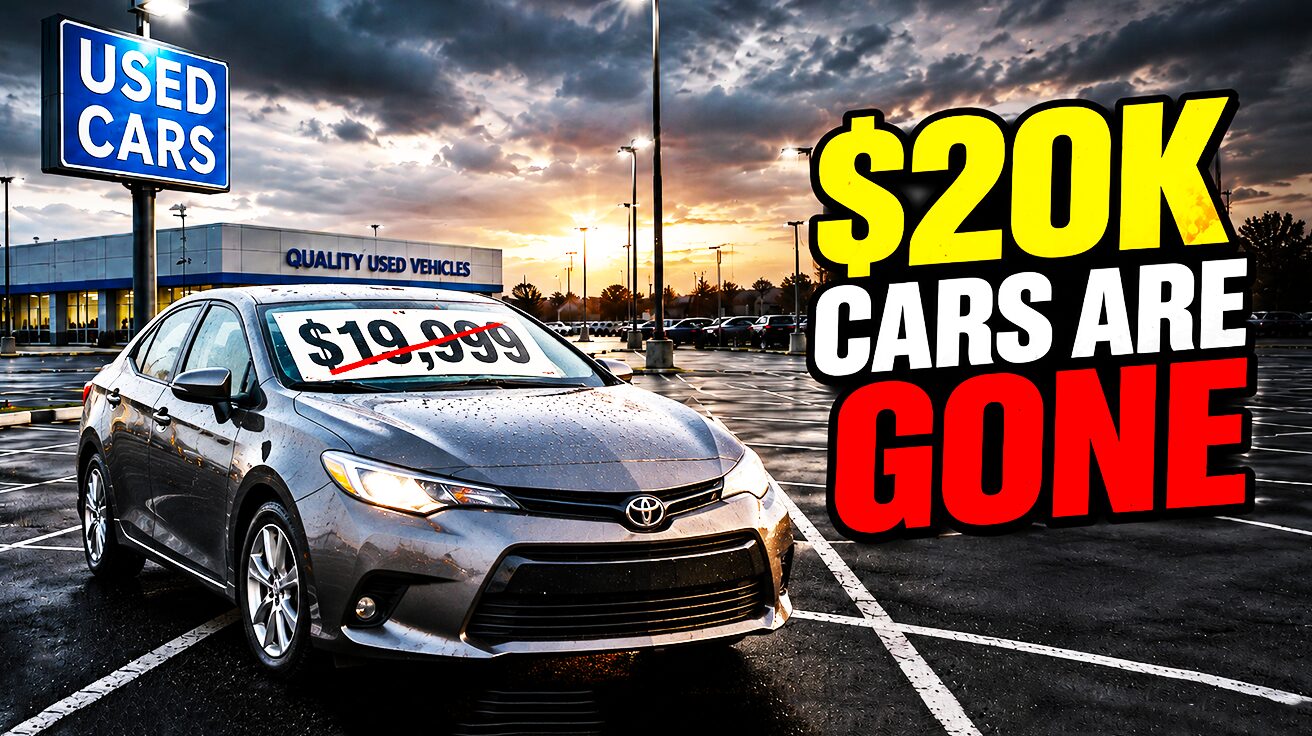
Used-car prices jumped nearly 40% since 2019, leaving sub-**$20K** inventory nearly extinct.
The data doesn’t lie: iSeeCars tracked three-year-old used cars averaging $23,159 back in 2019, then watched them rocket to $32,635 by 2025. That 41% spike transformed sensible transportation into luxury-tier spending. This automotive research platform analyzes millions of listings to strip away dealer spin and expose the cold reality budget shoppers face—depreciation curves, regional pricing gaps, and the brutal math between brochure promises and actual checkout.
Sub-$20,000 inventory has essentially vanished from dealer lots, marking the first year both new and gently used cars disappeared below that threshold. Anyone scanning classifieds for a reliable ride now confronts a market where yesterday’s sensible sedan pricing buys tomorrow’s financing headaches. iSeeCars reveals which segments held value, which ones collapsed, and where the remaining deals hide—if you know how to look.
7. Mitsubishi Mirage
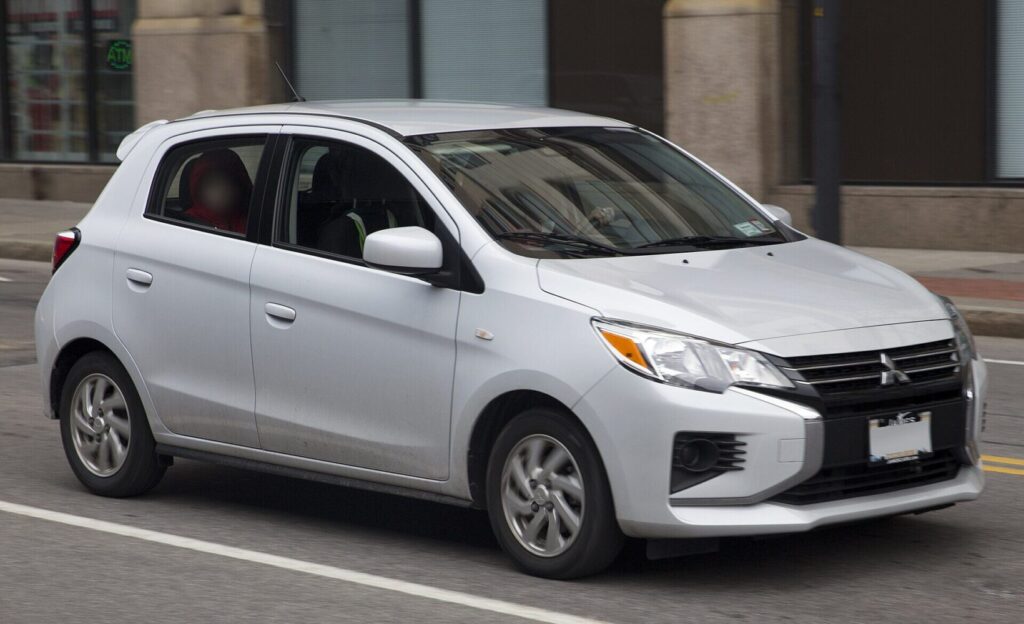
At 35 mpg combined and a rock-bottom price, the Mirage delivers wheels without the wealth requirement.
AAA reports annual vehicle ownership costs hitting $11,577 in 2025—**$964** monthly before loan payments—making the Mitsubishi Mirage look less like a penalty box and more like a financial lifeline. This subcompact hatchback consistently ranks among the most affordable gasoline-powered cars available, wringing over 35 mpg combined from its thrifty 1.2-liter three-cylinder engine.
Critics point to basic interior materials and modest acceleration, but anyone who’s chosen between rent and repairs understands the real appeal here. The Mirage won’t win drag races or turn heads at enthusiast meets, yet it will deliver you to work, the grocery store, and back home without requiring creative financing. United Way transportation data shows ride access remains a top-five need for low-income households—a gap this subcompact quietly fills for people who just need reliable wheels for short commutes. Its simplicity means fewer expensive electronic systems to malfunction, and stellar fuel efficiency translates to fewer stops when gas prices spike. Practical value doesn’t always arrive wrapped in carbon fiber and marketing hype.
6. Suzuki
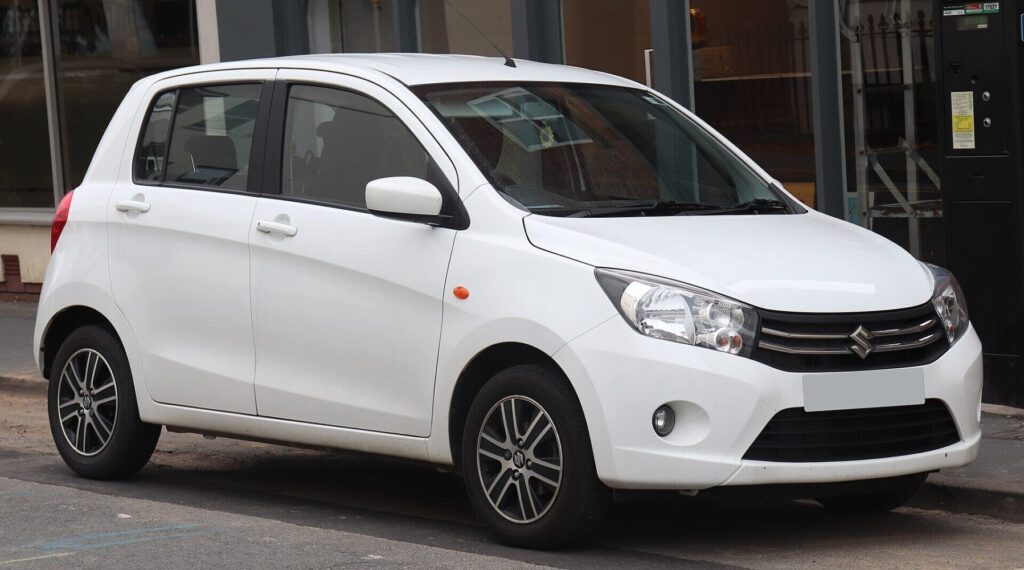
When Suzuki exited the U.S. market in 2012, it took affordable alternatives with it.
Suzuki abandoned American showrooms in 2012, leaving a hole in the budget segment that automakers never bothered filling. Models like the SX4 and Grand Vitara delivered dependable, no-frills transportation at prices that didn’t require co-signers, appealing to drivers who needed basic wheels without feature bloat they’d never use.
That same single parent juggling two jobs, who once relied on a compact hatchback that started every morning and sipped fuel like a desert camel, now faces a market where even the cheapest new cars demand payments rivaling rent. Used lots offer aging inventory with mystery maintenance histories. Suzuki’s exit wasn’t just a corporate retreat—it signaled that automakers would rather chase higher margins than serve the folks who just need four wheels and a warranty. When affordable options vanish, the people who need them most get stranded at the dealership with nothing but financing offers they can’t afford.
5. United Way of Greater Kansas City
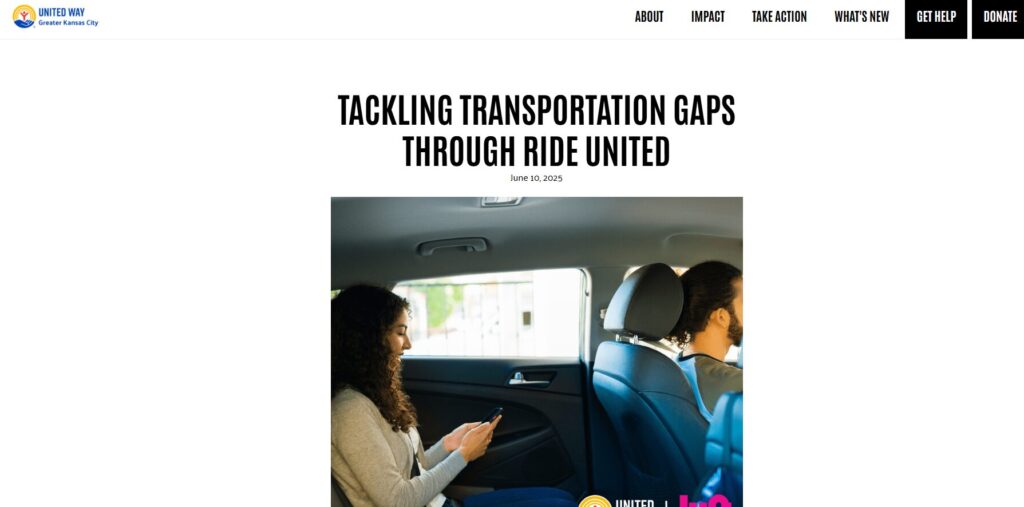
Local transit gaps sparked a Lyft-powered ride program that connects residents to jobs, groceries, and medical care.
National programs earn headlines, but local needs demand hands-on solutions addressing everyday struggles in specific communities. United Way of Greater Kansas City launched its Ride United program after transportation emerged as a top-five need reported to their 211 community resource navigators. The organization cites AAA data showing vehicle ownership costs exceeding $11,577 annually—fuel, insurance, maintenance, and repairs combined—forcing many residents to choose between keeping a car and covering other essentials.
Ride United delivers Lyft-powered trips to medical appointments, job interviews, grocery stores, and food pantries, removing the barrier that keeps people from accessing critical services. The program targets those who cannot afford vehicle upkeep or live in areas with limited public transit, ensuring a broken transmission or expired registration doesn’t derail employment or health care. Dial 211, explain the need, and a navigator arranges the ride—no app wrestling required. This localized approach transforms abstract national initiatives into tangible support, proving the best solutions often start in the community and work outward, one ride at a time.
4. Ride United (United Way Transportation Access Initiative)
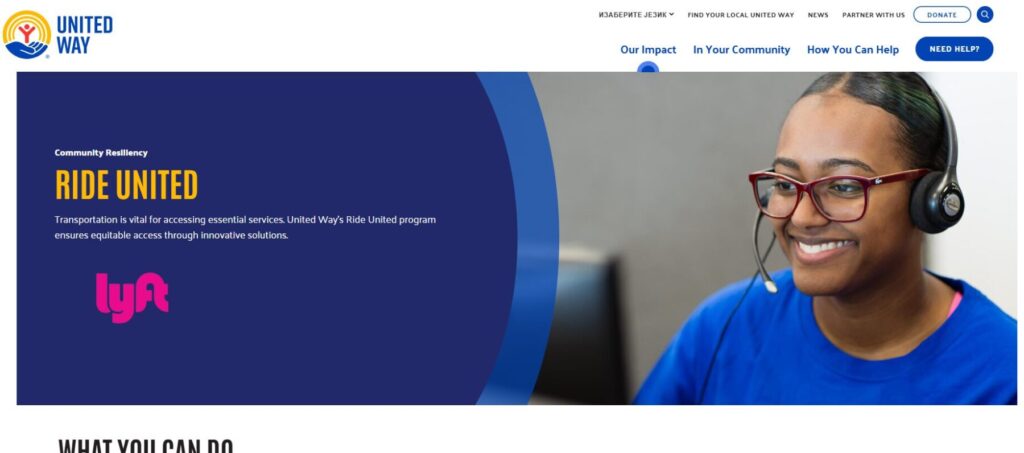
Since 2018, this program has delivered over 333,000 free rides to medical care, job sites, and food banks.
Transportation barriers create cascading failures that ripple through every part of life. Miss one doctor’s appointment because the bus doesn’t run on weekends and suddenly complications replace preventable care. Skip a job interview because the Uber costs too much and the same cycle repeats another month. Since 2018, Ride United has intercepted that spiral by partnering with Lyft and the 211 hotline to deliver free rides when they matter most.
The program has connected over 56,000 people across more than 3,200 cities to medical care, employment, grocery stores, and food banks. Over 333,000 trips nationwide have facilitated an estimated 20 million meals and 1.5 million free food deliveries that keep households fed when pantries run empty. Transportation might sound like a minor inconvenience until it becomes the difference between managing a disease and letting it manage you. Ride United doesn’t just move people from Point A to Point B—it reconnects them to the systems and services that stabilize their lives. That’s infrastructure that changes outcomes, one ride at a time.
3. 211 (United Way’s Community Resource Hotline)
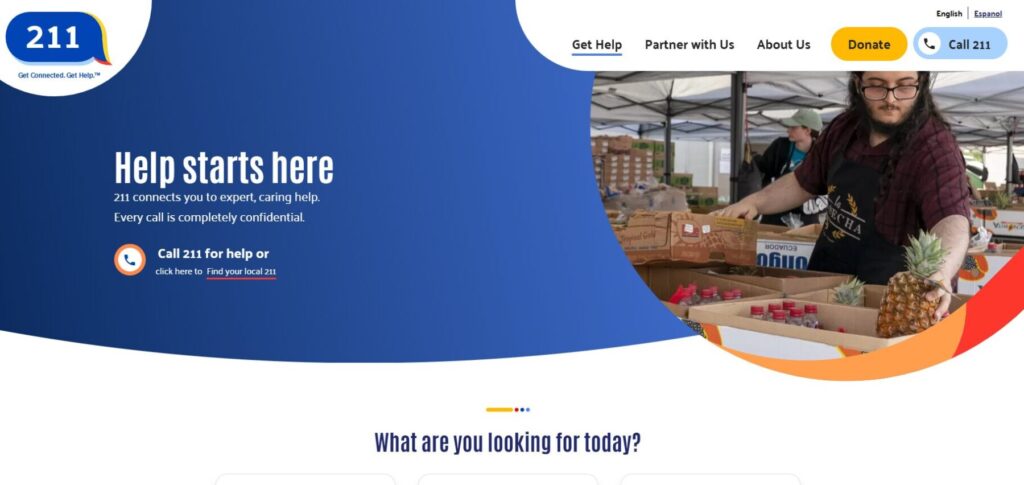
Three digits connect callers to housing, child care, disaster relief—and free rides through Ride United.
This nationwide hotline, backed by United Way and local partners, operates 24/7 in most regions, linking callers to everything from housing assistance to transportation programs like Ride United. Dial 2-1-1 from any phone, describe the situation to a certified resource specialist, and receive referrals tailored to zip code and eligibility. The system handles basic needs, child care, disaster relief, financial aid, and medical-appointment rides with equal efficiency.
Beyond phone calls, some 211 systems now offer web portals, online chat, and text messaging, extending reach to users who prefer digital channels. A single parent in Kansas City needing urgent transport to a diabetes screening but unable to afford the $964 monthly cost of vehicle ownership? Navigators arrange a free Lyft ride through Ride United within minutes—no app required. This hotline functions like GPS for community aid, cutting through bureaucratic mazes so families spend less time searching and more time solving real problems on the road to stability.
2. Bankrate

Annual vehicle costs hit $11,577 in 2025—proactive maintenance is the only defense against budget hemorrhage.
Americans shell out $11,577 annually on car ownership before counting loan or lease payments, averaging $965 monthly just to keep wheels turning. Bankrate’s analysis reveals the financial bleed most drivers overlook: roughly $1,600 yearly on gas and around $1,400 on maintenance and repairs. Insurance specialists point to tariffs driving costs higher across the board, turning every oil change and tire rotation into a budget conversation.
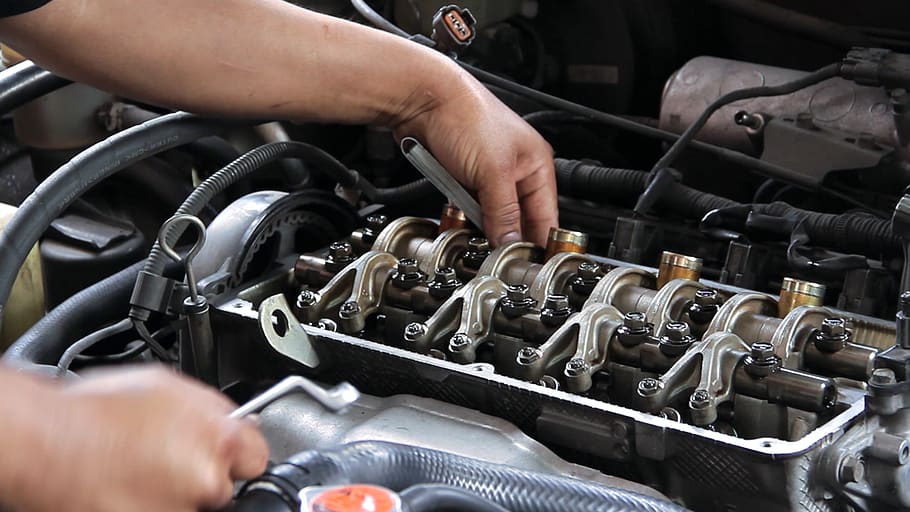
Proactive maintenance becomes the difference between manageable expenses and financial chaos. Skipping that $80 alignment today can cost $600 in blown tires next month. Regular inspections catch small problems before they morph into catastrophic failures, keeping rides road-trip-ready without surprise four-figure shop bills. The math is brutal but simple: maintain the machine, or watch budgets hemorrhage like coolant from a cracked radiator.
1. Lyft
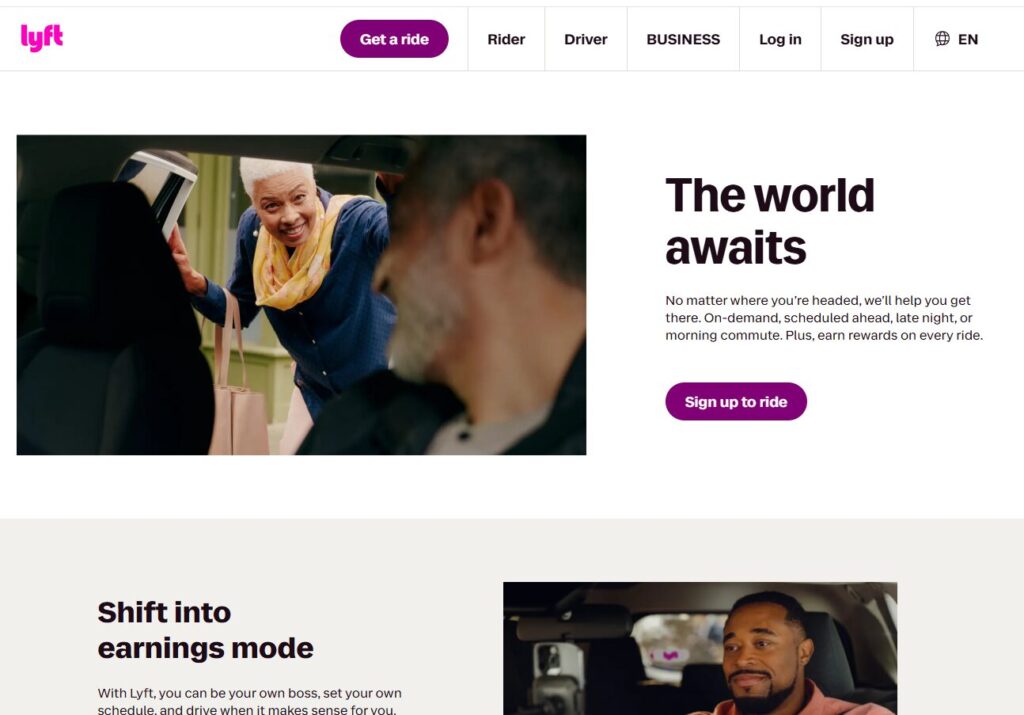
United Way partnered with Lyft to turn ride-hailing into social infrastructure across 3,200 cities.
Ride-hailing platforms evolved beyond late-night bar runs and airport sprints when United Way partnered with Lyft to tackle transportation deserts across 3,200 cities and towns. This collaboration reimagines mobility as infrastructure for social good, funding free or discounted rides while paying drivers their standard rates—no charity-rate exploitation here. The system uses Lyft Pass and concierge tools to schedule trips for people without smartphones, eliminating the digital barrier that keeps many isolated from opportunity.
Someone calling 211 for help landing a job interview can now secure a reliable ride instead of cobbling together bus transfers that eat three hours and risk a late arrival. Vehicle costs averaging $11,577 annually price out the very people who need wheels to escape poverty. Ride United flips that equation, delivering 333,000 trips to medical appointments, grocery stores, food banks, and job sites since 2018. Mobility access functions like any other utility: deny it, and people can’t work, heal, or feed their families. Lyft’s existing network becomes the delivery mechanism for a safety net that moves people toward stability rather than leaving them stranded at the curb.