

Ever wondered what that ‘Eco’ button in your car actually does? Is it just a gimmick, or can it really save you money at the pump? For many drivers, ‘Eco’ mode remains a mystery, a feature they’re not quite sure how to use or if it’s even worth bothering with. This article will demystify ‘Eco’ mode, explaining how it works, its benefits, and how to get the most out of it. We’ll cut through the marketing hype and give you the straight facts, so you can make informed decisions about your driving habits and fuel efficiency.
Key Takeaways:
- ‘Eco’ mode prioritizes fuel efficiency by adjusting engine and transmission settings.
- It can save you money on gas, but it might slightly reduce performance.
- Understanding how ‘Eco’ mode works allows you to maximize its benefits.
- Combining ‘Eco’ mode with smart driving habits yields the best results.
Understanding the Basics of ‘Eco’ Mode
‘Eco’ mode, short for ‘Economy’ mode, is a setting in many modern vehicles designed to improve fuel efficiency. It achieves this by subtly altering the way your car’s engine and transmission operate. Think of it as telling your car, “Hey, I’m not in a hurry. Let’s take it easy on the gas.”
Here’s how it typically works:
- Throttle Response: ‘Eco’ mode usually reduces the sensitivity of the accelerator pedal. This means you have to press the pedal further to achieve the same acceleration, discouraging aggressive driving.
- Transmission Shift Points: The transmission shifts to higher gears sooner and holds them longer, keeping the engine at lower RPMs (revolutions per minute). Lower RPMs generally mean less fuel consumption.
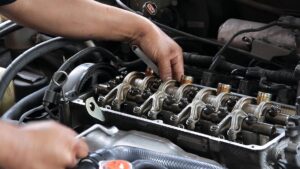
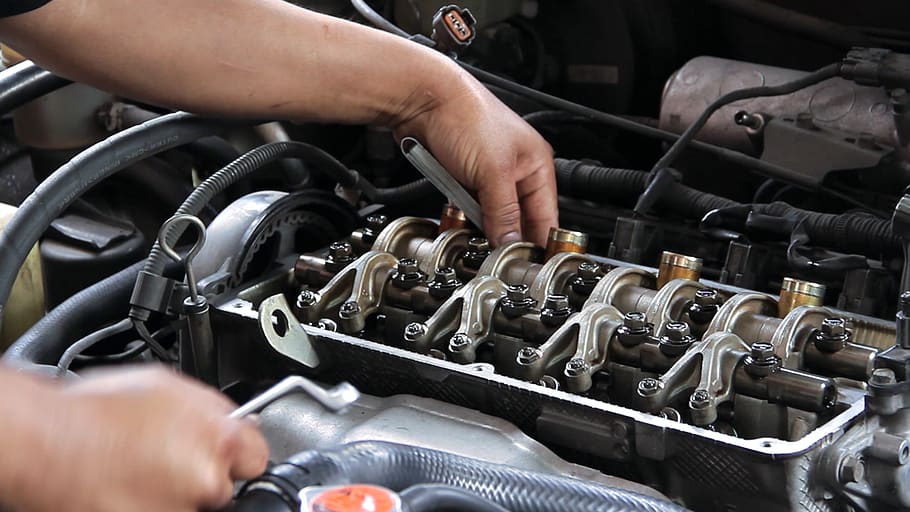
- Engine Management: Some systems may adjust engine timing, air-fuel mixture, and other parameters to optimize for fuel economy.
- Accessory Management: ‘Eco’ mode might also reduce the power consumption of accessories like air conditioning. You might notice the A/C isn’t quite as cold in ‘Eco’ mode.
Think of it like this: ‘Eco’ mode is like switching from running shoes to walking shoes. You can still get where you’re going, but you’re doing it in a way that conserves energy.
Importance and Implications
Why should you care about ‘Eco’ mode? The answer is simple: it can save you money and reduce your environmental impact.
- Fuel Savings: By optimizing engine and transmission settings, ‘Eco’ mode can significantly improve your car’s MPG (miles per gallon). The exact savings vary depending on the vehicle, driving conditions, and your driving style, but it’s not uncommon to see a 5-10% improvement.
- Reduced Emissions: Lower fuel consumption translates directly to lower emissions of greenhouse gases like carbon dioxide (CO2). Using ‘Eco’ mode is a small but meaningful way to reduce your carbon footprint.
- Extended Range: With better fuel efficiency, you can drive further on a single tank of gas. This is especially useful on long road trips.
However, there are also some potential drawbacks:
- Reduced Performance: ‘Eco’ mode can make your car feel less responsive. Acceleration might be slower, and the car might feel sluggish when merging onto the highway.
- Compromised Comfort: The reduced A/C performance in some ‘Eco’ modes can be noticeable, especially in hot weather.
Practical Applications and Strategies
Here’s how to get the most out of ‘Eco’ mode:
- Use it in appropriate situations: ‘Eco’ mode is best suited for steady-state driving, such as highway cruising or city driving with minimal stop-and-go traffic. It’s less effective in situations that require quick acceleration, like merging onto a busy highway or climbing steep hills.
- Combine it with smart driving habits: ‘Eco’ mode is not a magic bullet. To maximize fuel efficiency, you should also practice smooth acceleration, avoid hard braking, maintain a steady speed, and keep your tires properly inflated.
- Be aware of the limitations: Don’t expect ‘Eco’ mode to transform your gas-guzzler into a fuel sipper. It’s a tool that can help, but it’s not a substitute for good driving habits and a fuel-efficient vehicle.
- Experiment and find what works best for you: Every car and every driver is different. Try using ‘Eco’ mode in various situations and see how it affects your fuel economy and driving experience. You might find that it works well for your daily commute but not for weekend road trips.
Expert Insights
According to automotive engineer and fuel efficiency expert, Sarah Chen, “‘Eco’ mode is a valuable tool for drivers who want to save money and reduce their environmental impact. However, it’s important to understand how it works and to use it in conjunction with other fuel-saving techniques. Drivers should also be aware of the potential trade-offs in terms of performance and comfort.”
Chen also notes that the effectiveness of ‘Eco’ mode can vary significantly depending on the vehicle. “Some manufacturers implement ‘Eco’ mode more aggressively than others. It’s always a good idea to consult your owner’s manual to understand the specific features and limitations of your car’s ‘Eco’ mode.”
Conclusion:
‘Eco’ mode is a useful feature that can help you save money on gas and reduce your environmental impact. By understanding how it works and using it in conjunction with smart driving habits, you can maximize its benefits. While it might not be suitable for every driving situation, it’s a valuable tool to have in your arsenal.
Frequently Asked Questions:
What is ‘Eco’ mode in a car?
‘Eco’ mode is a driving setting that optimizes engine and transmission performance for improved fuel efficiency.
Why is ‘Eco’ mode important for everyone?
It saves money on fuel, reduces emissions, and extends driving range.
How can I apply the concepts of ‘Eco’ mode in my context?
Use ‘Eco’ mode during steady-state driving, combine it with smooth driving habits, and be aware of its limitations.
Where can I learn more about ‘Eco’ mode?
Consult your car’s owner’s manual, search online automotive resources, or speak with a qualified mechanic.