

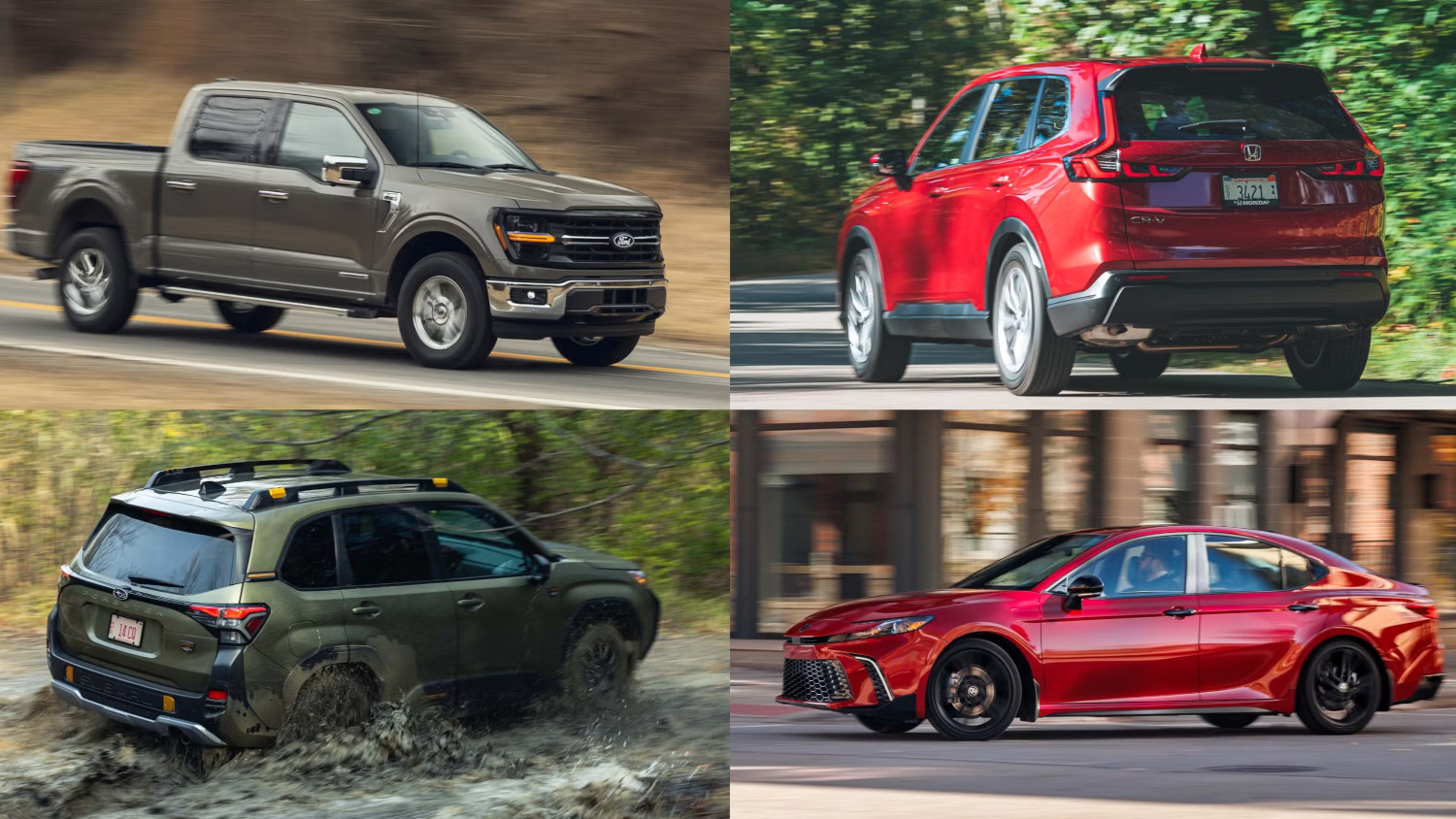
Trucks still run America’s new-vehicle market. Through the first nine months of 2026, the Ford F-Series led all models with 561,508 units sold — and still fell 9.5 percent from the same stretch in 2025. That’s the paradox sitting at the top of this ranking. Whether you’re shopping, tracking the industry, or just wondering why every third vehicle on the highway is a pickup, the numbers below the podium tell the more honest story. One caveat worth keeping in mind: Tesla does not report comparable model-level figures, so the Model Y total reflects Cox Automotive industry estimates — treat that number as directional rather than a directly reported figure.
America’s Truck Addiction Hasn’t Broken – But It’s Showing Cracks
Four of the top nine spots belong to pickups, yet even the category’s winners carry complicated scorecards.
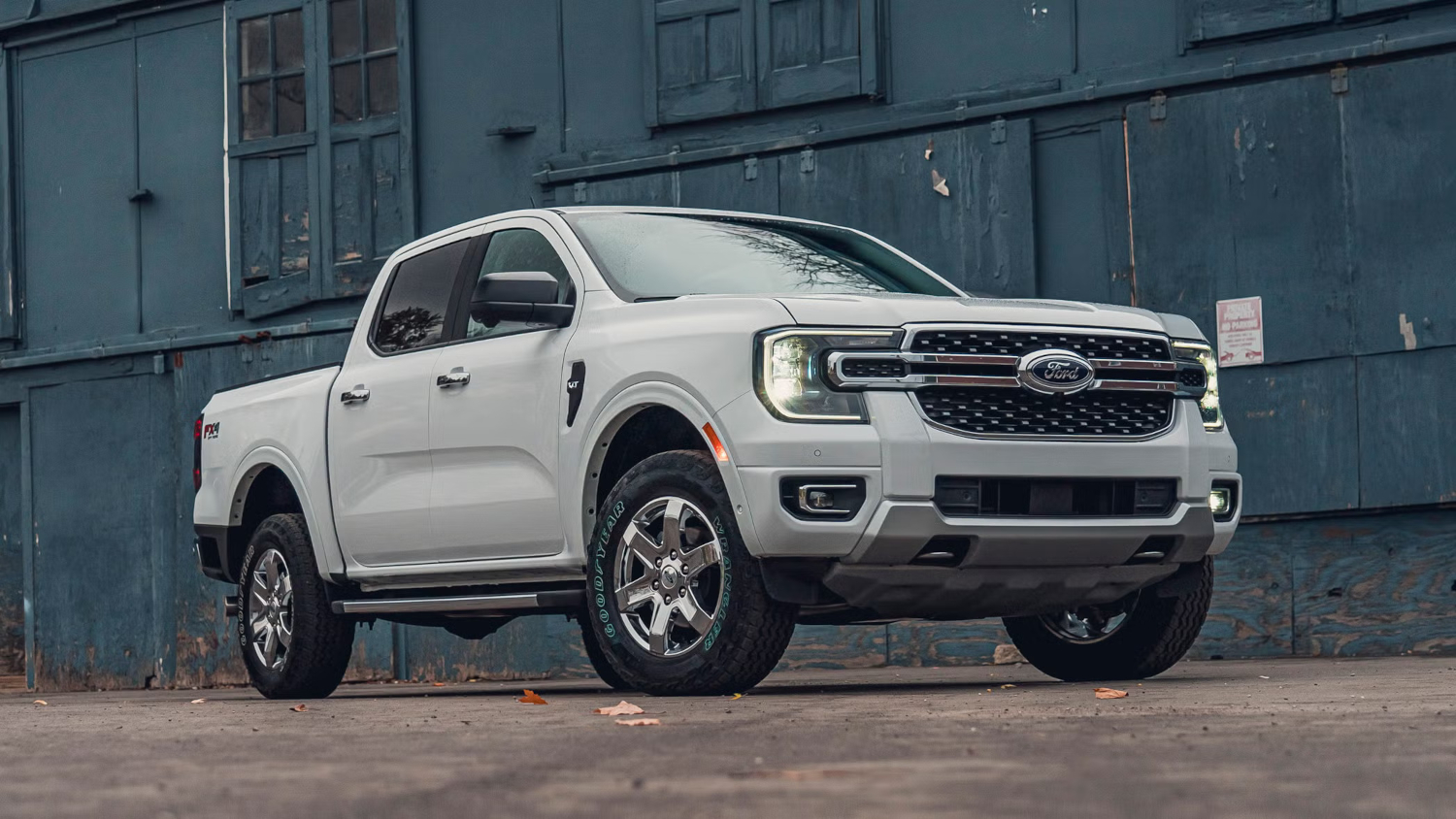
Four pickups cracked the top nine: F-Series, Chevrolet Silverado, Ram, and Toyota Tacoma. The Silverado’s story captures the segment’s split personality well — light-duty sales rose 13 percent while the HD version dropped 10 percent in Q3. Ram is the genuine outlier. Ram 1500 light-duty sales climbed 41 percent year-to-date, according to Car and Driver’s ranking data, with Q3 alone posting a 73 percent increase. Stellantis separately reported a 42 percent retail-sales gain for the Ram 1500 in Q3, suggesting the figures may reflect different counting methods. Either way, the momentum is real.
A few numbers worth pausing on before moving further down the list:
- Honda CR-V ranked third overall (336,844 units, +10%), making it the top non-pickup; its hybrid version accounted for 183,685 of those sales
- Toyota RAV4 fell 29 percent to seventh place (253,644 units), while its plug-in hybrid variant rose 92 percent to 32,228 units — same badge, completely different trajectories
- Nissan Rogue jumped 25 percent to 201,991 units, with an e-Power hybrid variant slated for the 2027 model year
- Toyota Corolla beat the Honda Civic by six units — 195,141 to 195,135 — for 11th place
- Honda Accord surged 33 percent to 145,521 units, among the strongest percentage gains in the top 25
The RAV4’s plug-in hybrid rose 92 percent while the overall nameplate fell 29 percent — the same badge producing two completely different sales stories in the same model year.
Tesla’s Model Y landed fifth at an estimated 262,491 units, down 1 percent overall and 14 percent in Q3. Because Tesla does not disclose comparable model-level sales, that figure comes from Cox Automotive estimates and should be read accordingly. The Chevrolet Equinox EV, counted separately from its gas-powered nameplate, recorded 18,154 sales — a 66 percent decline, a difficult stretch by any measure for that particular model. Sedans, meanwhile, posted quietly strong results that rarely dominate the conversation: Accord up 33 percent, Camry up 11 percent, Elantra up 11 percent. Those gains are worth noting even if the segment no longer commands the industry narrative it once did.
The Ones Moving Fastest in Both Directions
Mid-size SUVs climbed steadily across the board, while Jeep’s steep Q3 decline is the number to watch as the year closes.
Steady gains defined the mid-size SUV segment: Subaru Forester up 18 percent, Ford Explorer up 18 percent, Chevrolet Traverse up 16 percent. Consistent growth across nameplates at different price points signals broad, durable demand rather than a single model’s breakout moment. On the other end of the ledger, the Jeep Grand Cherokee fell 9 percent for the year and 30 percent in Q3 — a single-quarter drop confirmed by Stellantis’s own sales release. That cliff is worth watching closely as Q4 results arrive.
Which brings the whole ranking back to its most absurdly perfect detail: two of the most consistently reliable cars on the market — Corolla and Civic — separated 11th place by exactly six units out of nearly 200,000 sales each. Six units across nine months of competition. When Q4 closes and the final standings land, that margin will almost certainly shift. But for now, it’s the most fitting summary of just how competitive and unpredictable this market actually is.