

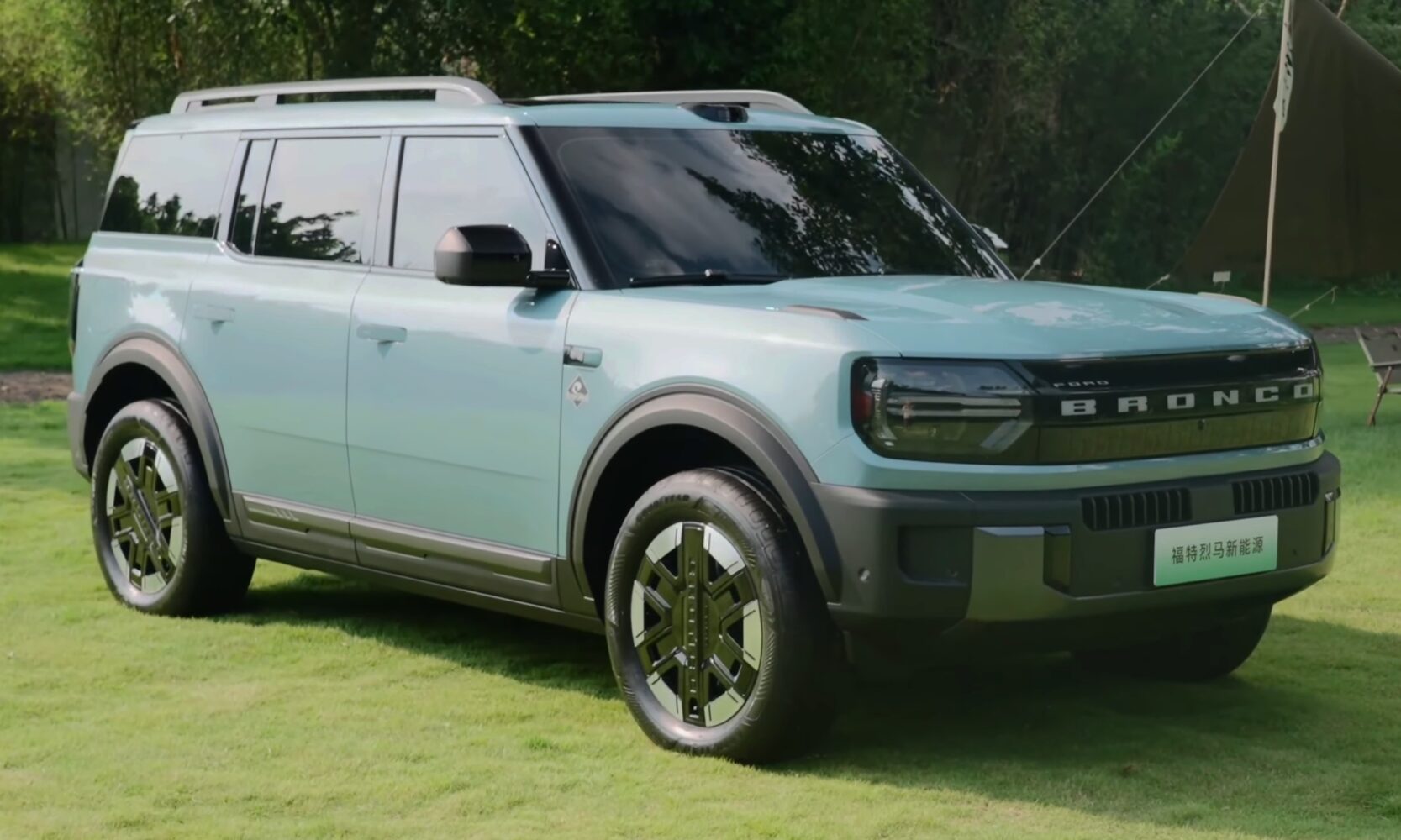
That family argument during your morning commute? Your car might have recorded it. Ford recently filed a patent application to monitor in-cabin conversations and serve targeted ads based on what you say inside your vehicle. This isn’t science fiction—it’s the logical endpoint of an automotive surveillance apparatus that’s been quietly expanding for years, turning your daily drive into a data-harvesting operation that would make Big Tech blush.
Modern vehicles collect voice recordings, location trails, and behavioral data that often exceeds what your smartphone captures, according to Mozilla’s Privacy Not Included research. Cars now log “what you do, where you go, what you say” without clear opt-out mechanisms. The problem compounds in noisy car cabins, where voice assistants frequently trigger false activations—mistaking road noise or casual conversation for wake words. These accidental recordings get stored and potentially transmitted to manufacturer servers, capturing intimate discussions you never intended to share.
Your Phone Data Belongs to Car Companies Now
A 2023 federal court ruling gives manufacturers broad rights to harvest personal information through infotainment systems.
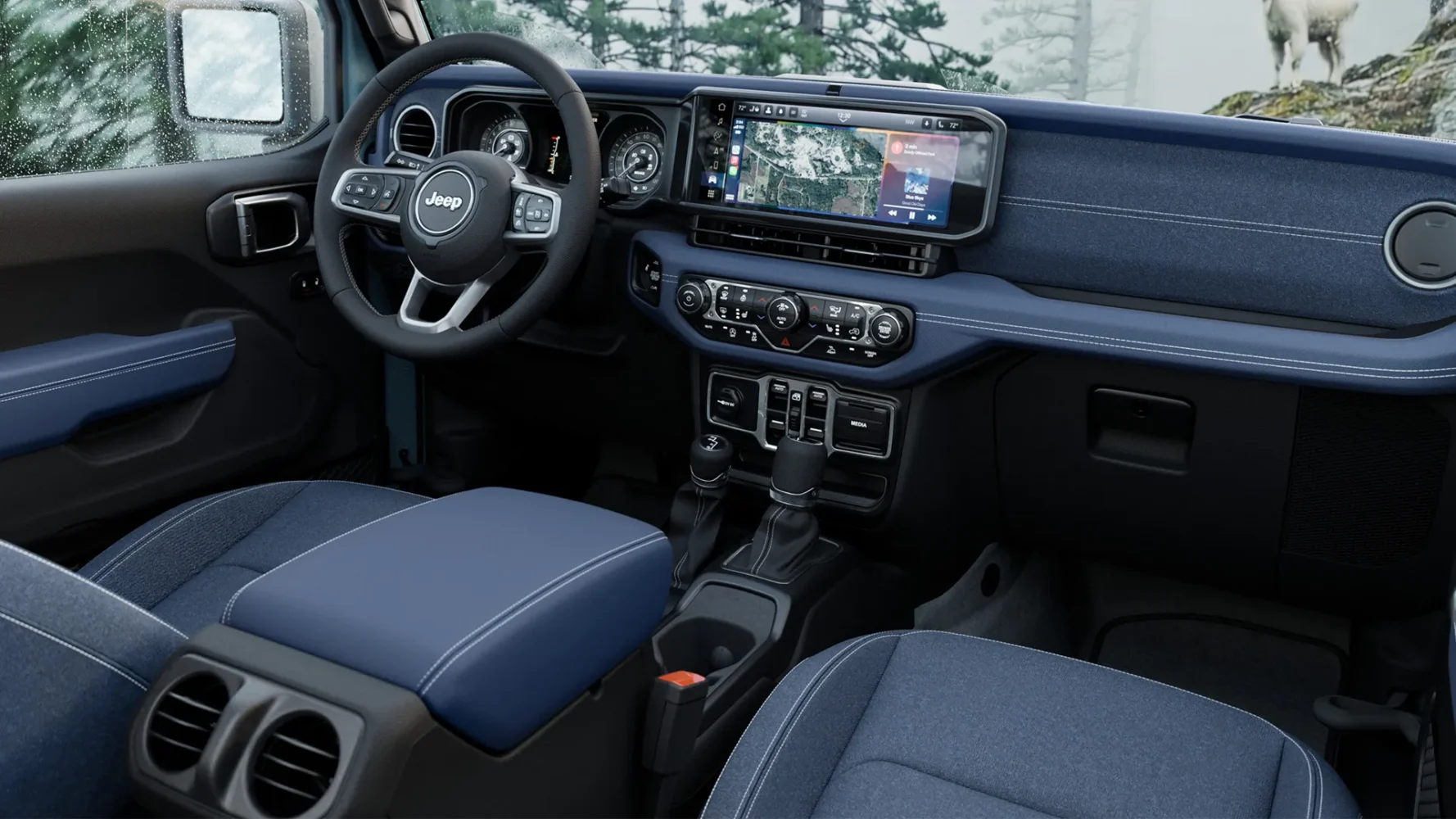
The legal landscape shifted dramatically when a U.S. federal court ruled that automotive manufacturers can use phone logs, text messages, and contact data accessed through infotainment systems, provided their terms of service allow it. Connect your phone to Android Auto or Apple CarPlay? Your business calls in a company vehicle or rental car can now be harvested and monetized by the manufacturer.
Beyond voice recordings, the privacy concerns extend to your phone data. Security researchers have discovered vulnerabilities in brands like Škoda and Volkswagen that let hackers access in-cabin microphones remotely, track GPS coordinates, and sometimes control vehicle functions—expanding the threat beyond corporate surveillance to criminal exploitation.
How to Reclaim Your Mobile Privacy
Simple software changes and one hardware modification can dramatically reduce your car’s surveillance capabilities.
You can fight back without becoming a counter-surveillance expert. Start by avoiding phone pairing entirely. You can also regularly delete stored devices and personal data from infotainment settings. Disable voice assistants and opt out of connected services in your car’s privacy menus—though this may break convenience features like remote unlock.
For maximum protection, locate your car’s cellular connection fuse in your interior fuse box and pull it. This cuts data transmission entirely, though you’ll lose emergency services and potentially void warranty protections. Check your owner’s manual for the specific fuse location, as every model differs. The trade-off between privacy and convenience has never been starker, but at least now you know the real cost of that “smart” dashboard.