

The used SUV market separates smart buyers from those stuck with five-figure repair bills. Pre-owned three-row haulers promise family road trips and weekend escapes, yet beneath the sheetmetal lurk timing chains ready to snap, transmissions primed to fail, and EGR systems engineered to self-destruct. Some “bargains” cost more to fix than they’re worth within months of purchase. This guide draws on real-world ownership data, workshop invoices, and mechanical tear-downs to spotlight twelve models that turn ownership dreams into garage nightmares. Skip these twelve, and save the adventure fund for actual adventures.
1. Mazda CX-8 (2.2 Skyactiv-D diesel)
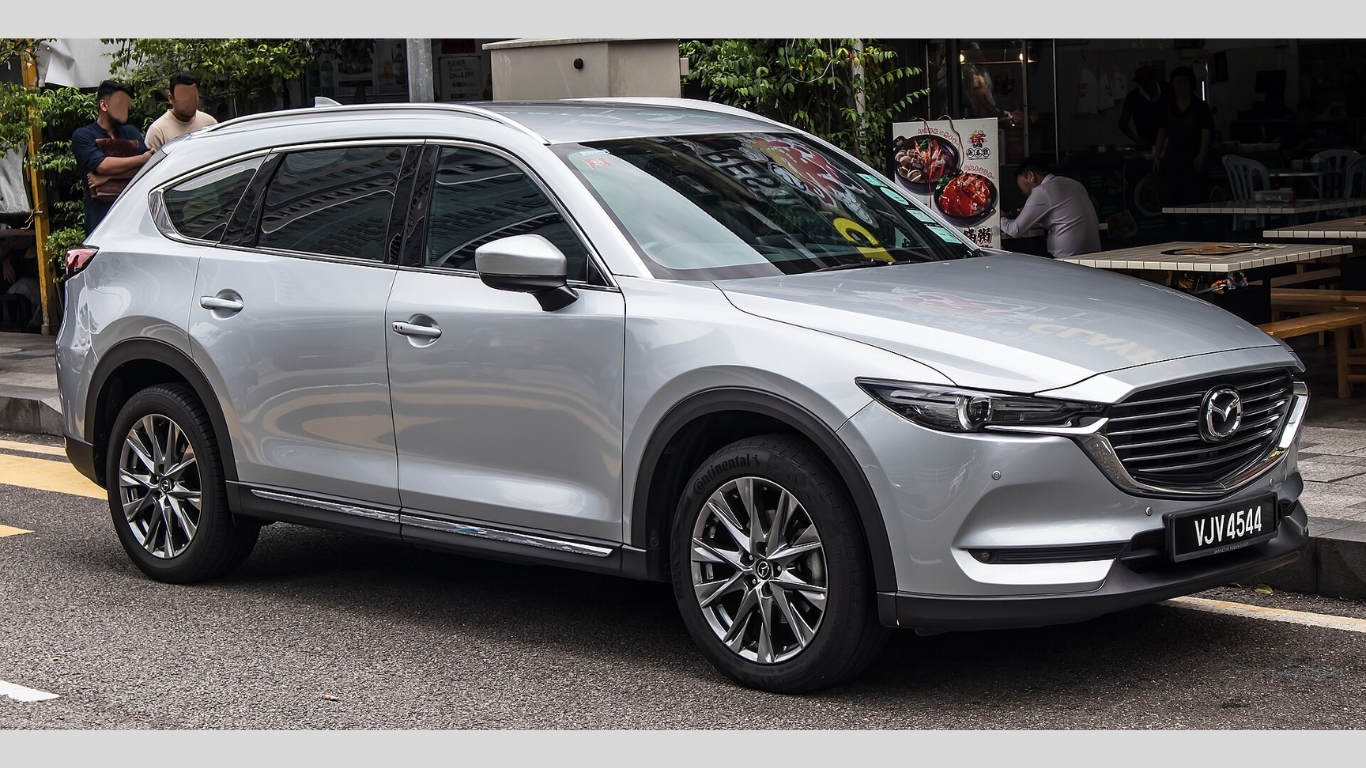
Diesel efficiency meets turbo headaches in Mazda’s three-row experiment.
The Mazda CX-8’s 2.2-litre Skyactiv-D diesel engine delivers 140 kW and 450 Nm through twin turbos and a 14.4:1 compression ratio. On paper it promises torque-rich cruising and 5.7 L/100 km sipping efficiency. Reality? Owners wrestle with failing turbos and clogged EGR valves that demand specialist diesel knowledge and deep pockets. These aren’t wear-and-tear issues resolved with an oil change; turbo replacement alone can eclipse several thousand dollars, turning a family hauler into a rolling science experiment with a perpetually glowing check engine light.
Used examples range from bargain-basement to mid-spec prices, yet repair bills often dwarf initial savings. Anyone who’s planned a long weekend only to cancel because the diesel’s throwing fault codes knows the frustration. Better alternatives exist for this money—vehicles that actually complete the trip without a tow truck cameo.
2. Mazda CX-9 (first generation V6 petrol)
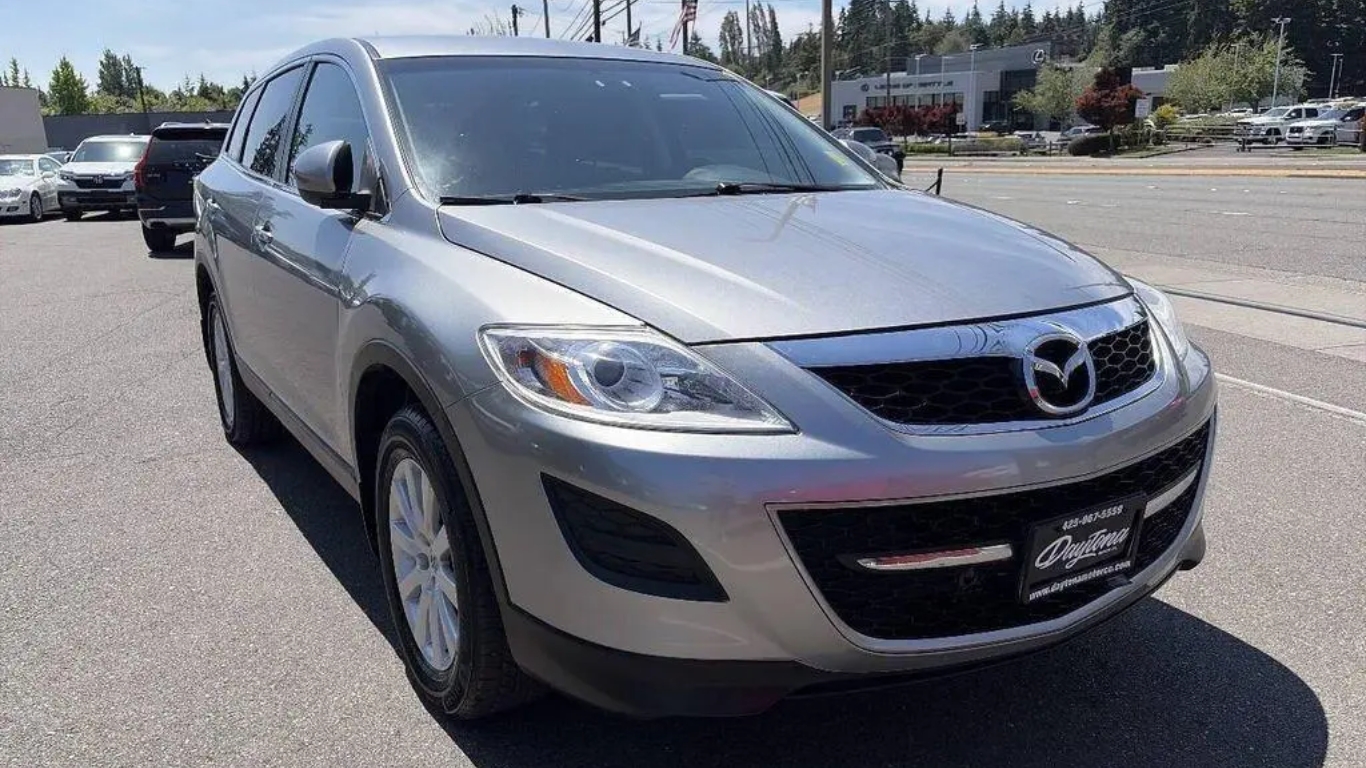
Internal water pump design turns routine maintenance into engine surgery.
The first-generation Mazda CX-9 stretches roughly 5.1 metres across three rows, powered by a transverse V6 that hides a fatal flaw: a timing-chain-driven internal water pump. When this component fails, coolant floods the engine internals, requiring a teardown approaching full rebuild scope. This isn’t a “swap the pump in an afternoon” job. Specialist workshops quote figures that make grown adults reconsider their vehicle choices entirely.
Transfer case failures compound the misery, leaving AWD models spinning wheels when traction matters most. The Toyota Kluger covers the same family-hauling brief with conservative engineering that actually survives past 150,000 km. Choose reliability over stylish sheetmetal when your kids’ soccer season depends on it.
3. Land Rover Discovery Sport (Ingenium diesel)
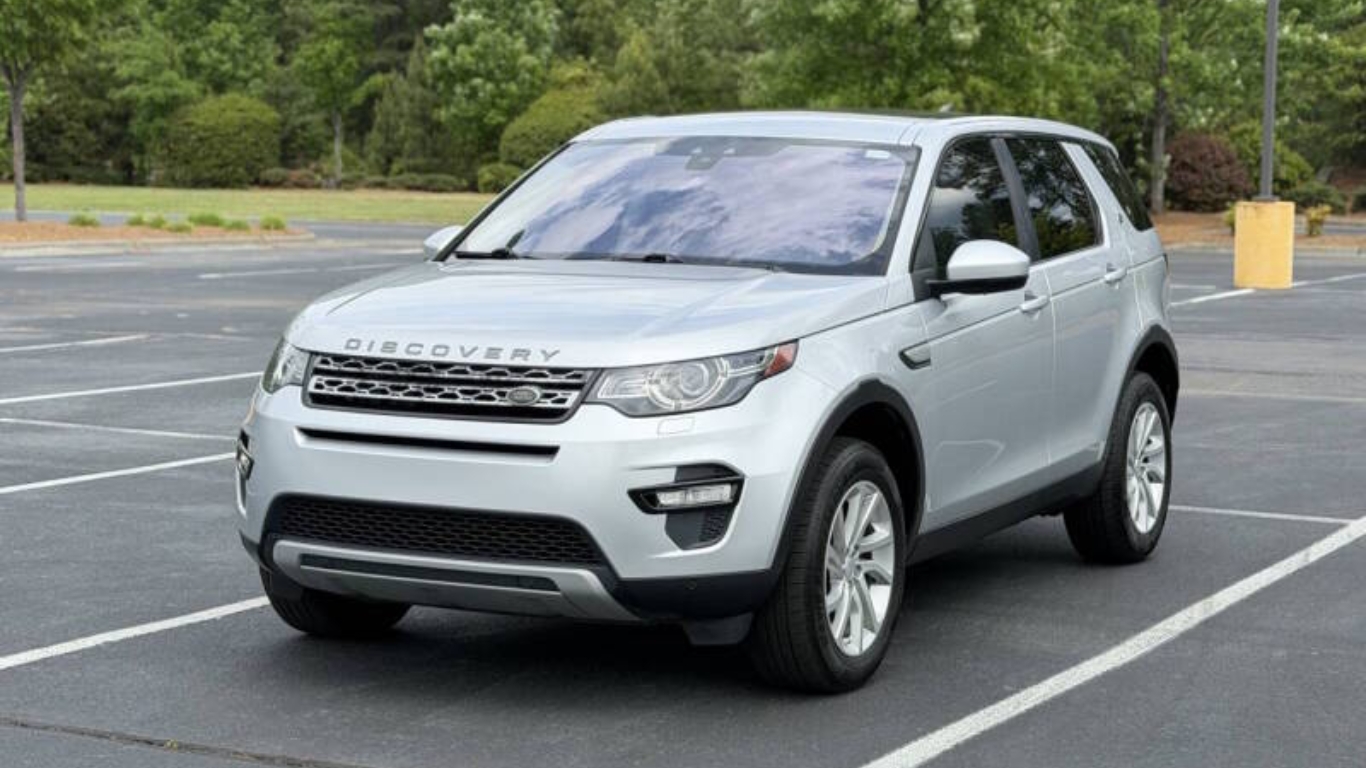
Premium badge meets bottom-tier dependability scores.
Reliability surveys consistently place the Discovery Sport near the bottom of the compact SUV class, a striking contrast to its upmarket image and capable chassis dynamics. The 2.0-litre Ingenium four-cylinder turbo diesel (producing 163–200 PS depending on tune) suffers from timing chain stretch and a labyrinthine EGR system prone to clogging, both demanding expensive specialist intervention. These engines turn ownership into a mechanical lottery where the house always wins.
Rapid depreciation reflects the market’s awareness; examples span a massive price range as sellers offload units before major failures hit. Complex electronics add diagnostic headaches that independent shops struggle to resolve without dealer-level scan tools. Premium branding promises a polished experience, yet this model delivers mostly polished invoices from the service department.
4. Volkswagen Tiguan (First Generation)
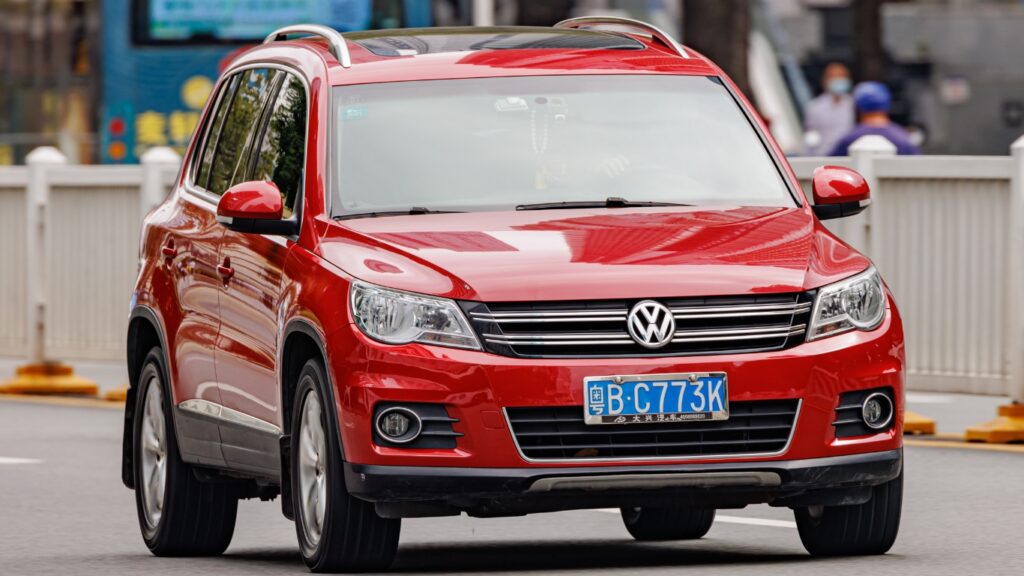
Early EA888 engines consumed oil faster than fuel.
Volkswagen’s first-generation Tiguan relied on early EA888 2.0 TSI engines plagued by catastrophic oil consumption and timing chain tensioner failures. These powerplants guzzled synthetic oil between services while chain issues triggered low-thousands repair bills, often multiple times over the vehicle’s life. Check engine lights became permanent dashboard fixtures, turning potential road trips into garage detours.
Faulty sunroof drains and seal failures compounded the misery, allowing water to infiltrate the cabin and soak critical electronics including the ECU. Moisture and high-voltage components make poor companions. At 4,427 mm length with a practical 470-litre boot, the Tiguan’s packaging worked; its execution didn’t. Used prices reflect the gamble—some examples cost less than a decent used motorcycle, yet repair potential looms over every purchase.
5. Jeep Compass (First Generation, CVT-equipped)
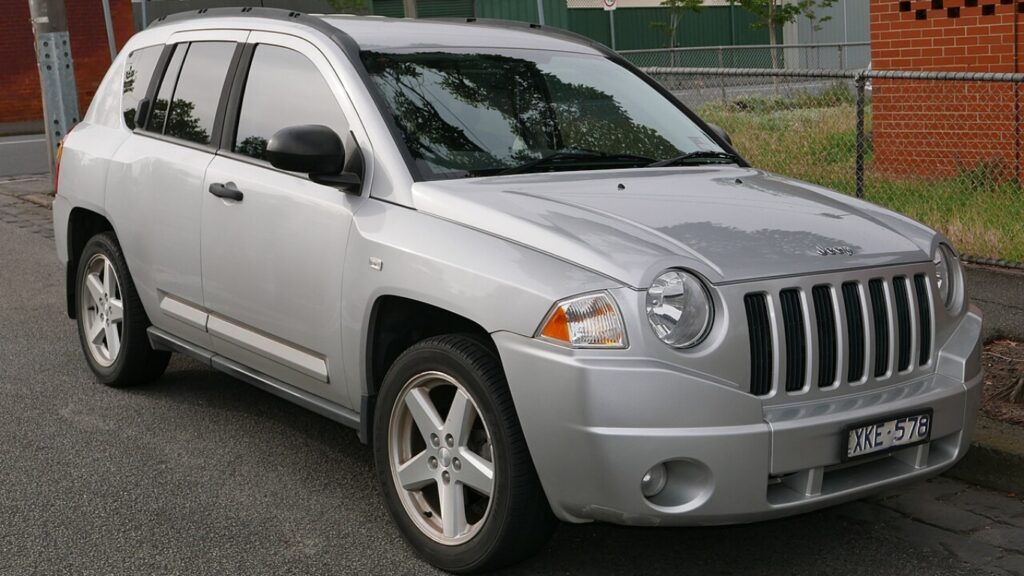
Jatco’s JF011E CVT: the transmission that ended road trips early.
First-generation Jeep Compass models equipped with the Jatco JF011E continuously variable transmission share one defining trait: inevitable, expensive failure. Overheating, belt wear, and shuddering progress to complete breakdown, often leaving owners stranded with replacement quotes exceeding several thousand dollars. Initial purchase savings evaporate faster than coolant from a cracked radiator.
Platform-sharing produced a parts-bin hodgepodge: Volkswagen diesels, Mercedes diesels, Chrysler petrols—each paired with transmissions never designed for the duty cycle. This lack of cohesive engineering shows in reliability scores that make mechanics wince. Even tempting asking prices can’t offset the near-certainty of catastrophic transmission failure within the ownership window. Some bargains aren’t bargains at all.
6. Audi Q7 (First Generation, diesel versions)
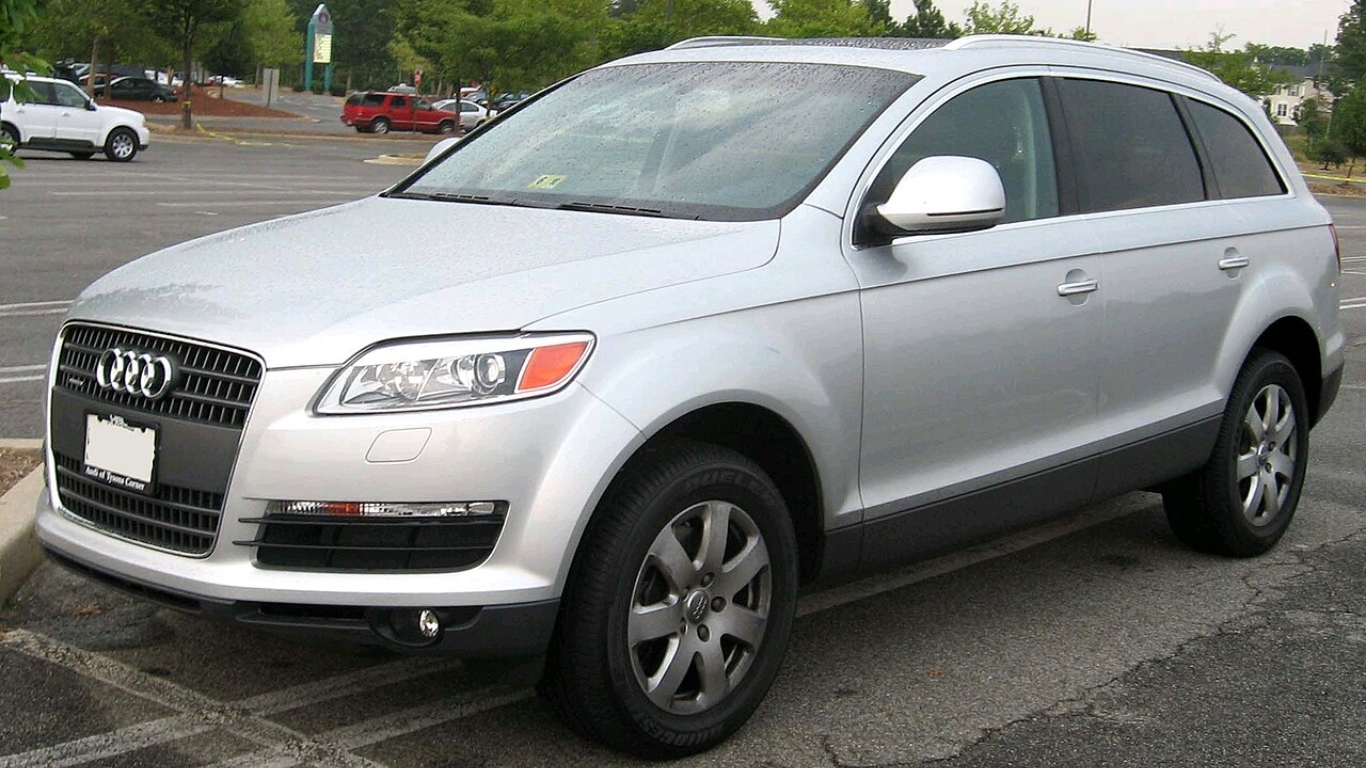
Luxury dimensions hiding labour-intensive oil cooler failures.
The first-generation Audi Q7 diesel stretches over 5 metres with genuine three-row utility and nearly 2,035 litres of cargo volume fully loaded. Its 3.0-litre diesel V6 buries critical components—EGR coolers and oil coolers—deep in the engine valley where access demands substantial disassembly. When these units fail (and leak coolant or oil), repair requires near-engine-out labour intensity. Workshop quotes regularly exceed initial purchase price on older examples.
Deteriorating engine bay plastics, fragile cooling system components, and electronics vulnerable to water intrusion turn ownership into a game of mechanical whack-a-mole. Anyone who’s budgeted for a weekend trip only to fund an oil cooler replacement instead knows the Q7 diesel’s true cost. Depreciation creates tempting price points; repair reality creates regret.
7. Holden Captiva / Chevrolet Captiva
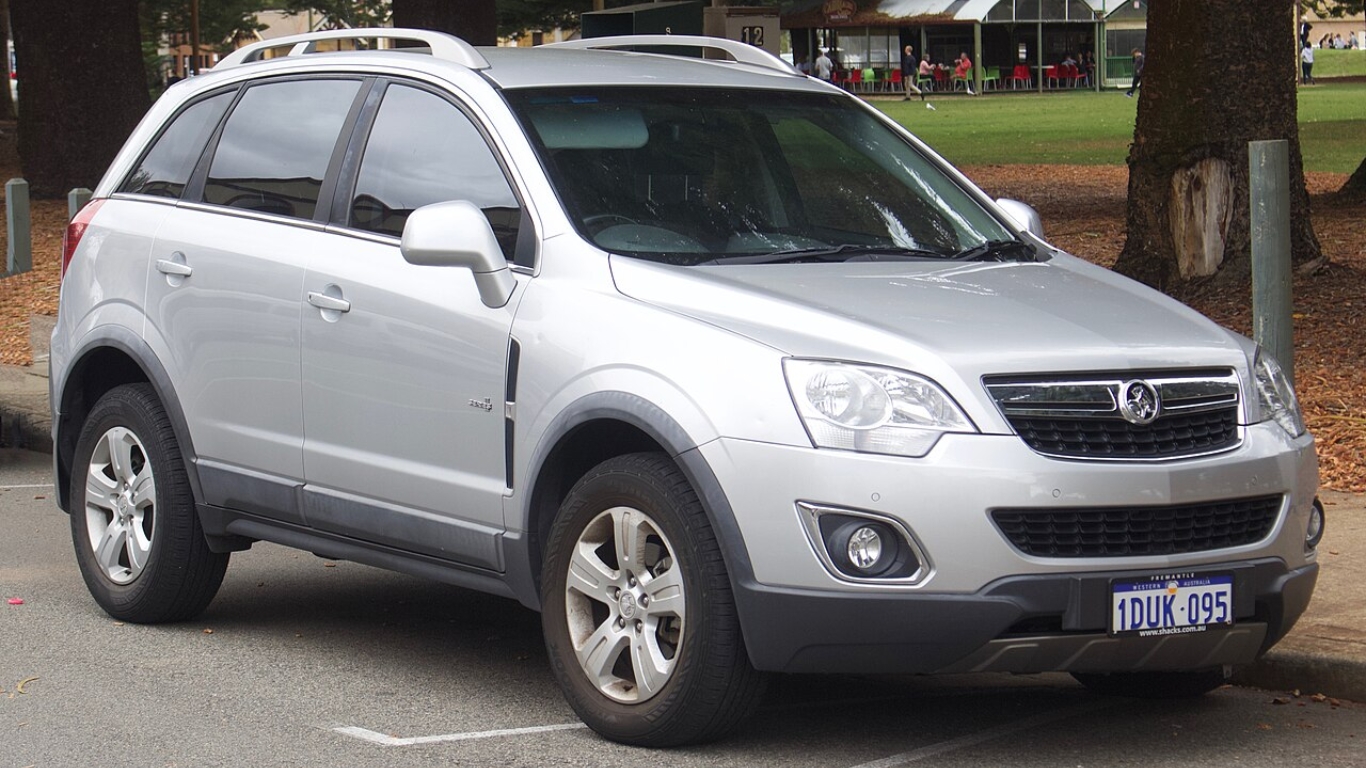
Australia’s “Craptiva” nickname wasn’t accidental.
Australian technical columns document the Holden Captiva’s litany of failures: premature timing chain wear on both V6 and four-cylinder engines, spontaneous transmission failures, and interior components that disintegrate or stop functioning entirely. Door lock actuators fail. Plastics vanish. Check engine lights become permanent fixtures. These aren’t isolated cases; they define the ownership experience.
At 4,635 mm length with seven-seat layouts and a 2,705 mm wheelbase, packaging worked. Everything else didn’t. Limited parts availability inflates repair costs while driving dynamics feel more like wrestling a shopping trolley than commanding a vehicle. Some asking prices look attractive until the first major failure hits, transforming a “budget buy” into a money pit with no bottom in sight.
8. Mercedes-Benz GLE (W166/V167 including AMG variants)
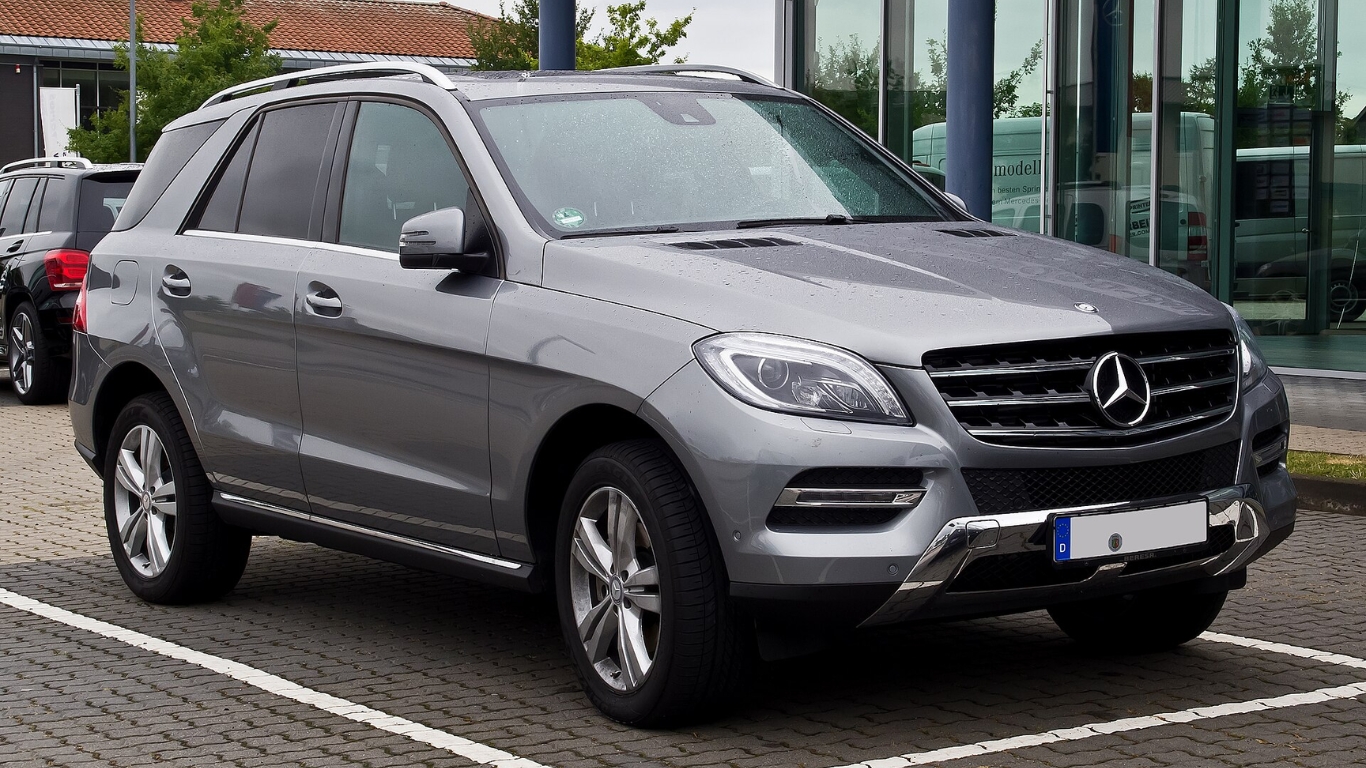
Alabama assembly meets Stuttgart-priced repairs.
Modern GLE production centres on Mercedes-Benz’s Tuscaloosa, Alabama facility, not Stuttgart, yet repair costs reflect European pricing regardless. Premium examples suffer flaking badges, catastrophic air suspension failures that leave the chassis sagging, and build quality inconsistencies that undermine the luxury promise. Severe depreciation sees top-spec models lose massive value, yet repair quotes remain stratospheric.
AMG GLE 63 S variants pack the M177 4.0-litre twin-turbo V8 delivering 450 kW and 850 Nm with 3.9-second 0–100 km/h capability. Performance comes with turbo oil-supply problems and engine mount failures that compromise both reliability and driving experience. Rapid value collapse plus expensive mechanical vulnerabilities leave second and third owners holding a depreciating asset that costs luxury money to maintain. The math rarely works.
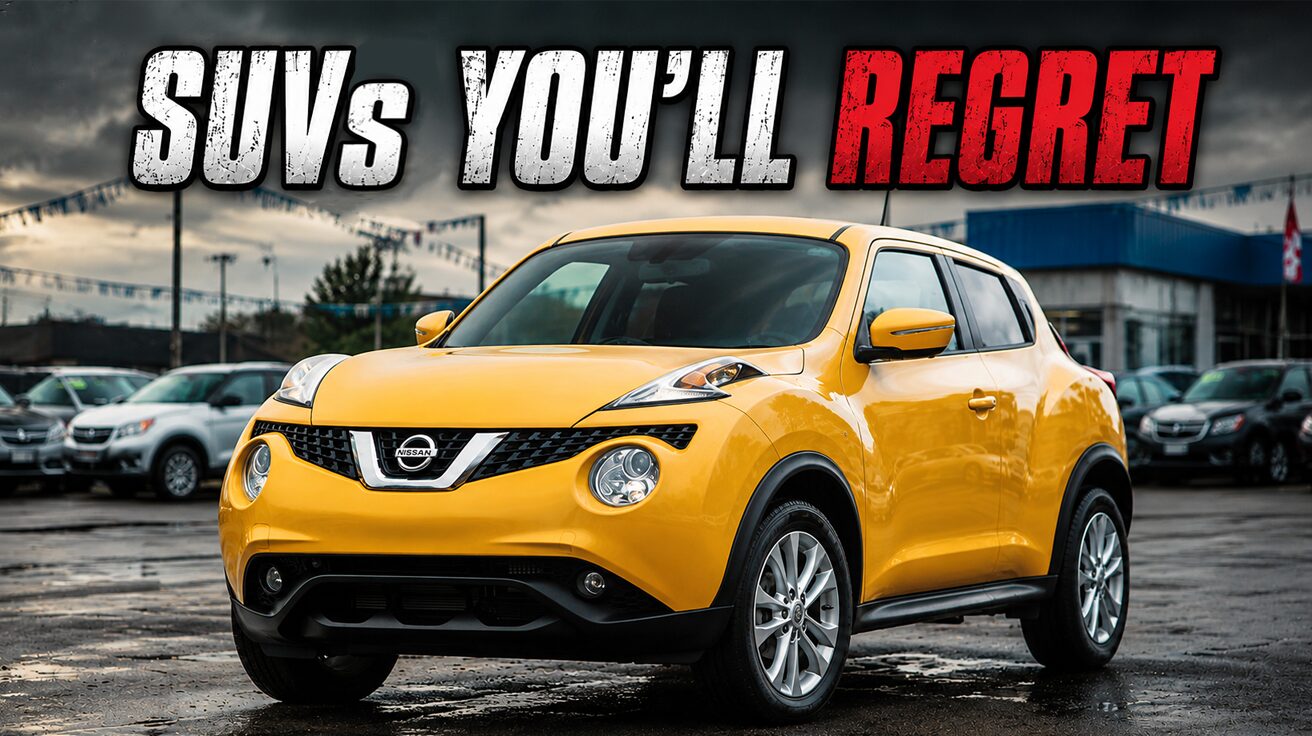
9. Nissan Juke (First Generation, CVT-equipped)
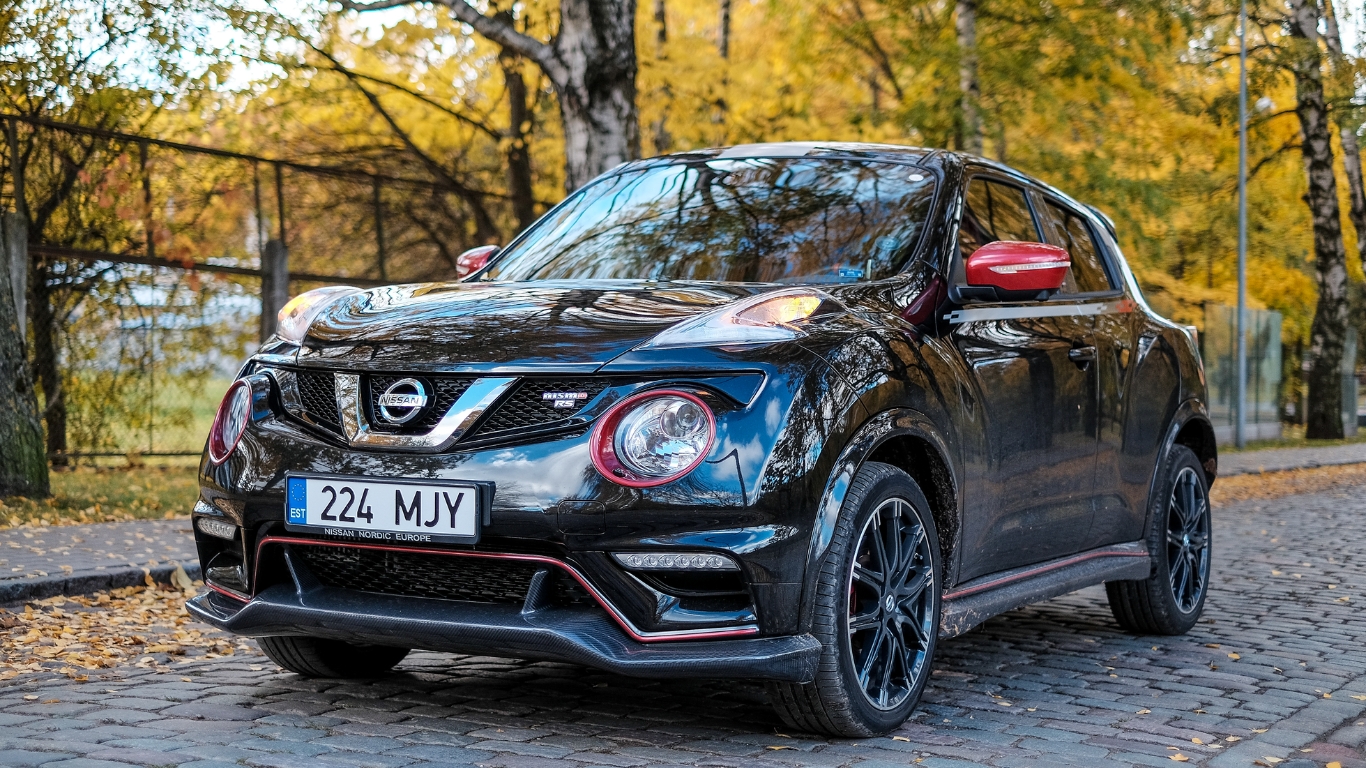
Xtronic CVT failure timeline: 60,000 to 110,000 miles.
Distinctive styling and aggressive pricing attract buyers to first-generation Jukes, yet the Xtronic CVT transmission defines the ownership arc. Slipping, shuddering, and overheating progress to complete failure typically between 60,000 and 110,000 miles. Replacement quotes approach the vehicle’s market value on older examples, making repair economically irrational. This turns a “budget crossover” into a static driveway ornament.
Detaching exterior trim and persistent interior rattles compound the misery. Anyone who’s experienced a CVT shudder under moderate throttle knows the sinking feeling that precedes a four-figure repair estimate. Low purchase prices become expensive lessons; the math only works if the transmission has already been replaced and documented.
10. Nissan Dualis / Qashqai (First Generation, CVT-equipped)
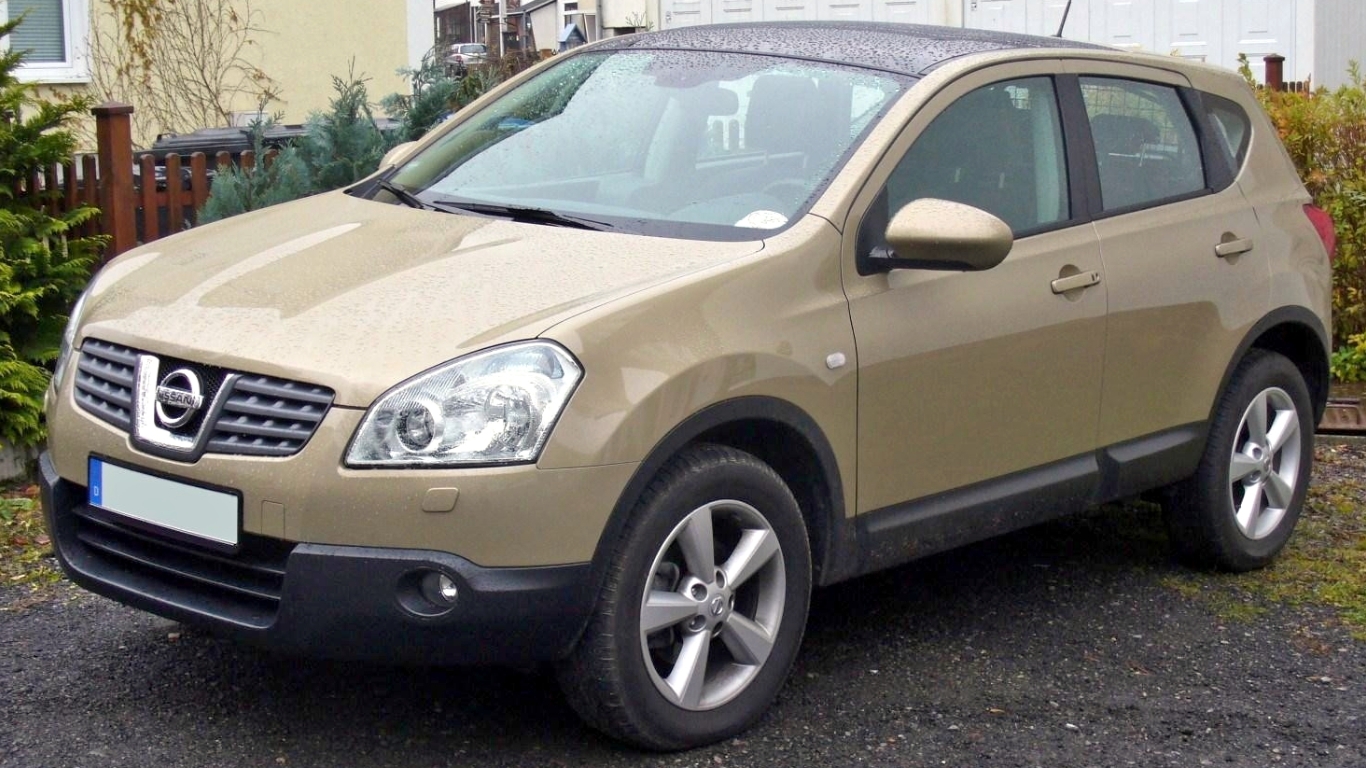
Jatco CVT issues cross model lines and international badges.
The first-generation Nissan Dualis (Qashqai internationally) shares the Juke’s Achilles heel: a fragile Jatco CVT that shudders, slips, overheats, and fails when fluid maintenance lapses. Replacement costs frequently exceed vehicle value, transforming practical crossovers into unsellable shells. Exterior trim pieces detach; rear handles pop off unexpectedly. Interior quality follows the same downward trajectory.
Tempting asking prices reflect seller desperation to offload units before catastrophic transmission failure. Anyone who’s test-driven one knows the telltale CVT whine and shudder that signals impending doom. Some purchases aren’t bargains—they’re inherited problems with a bill of sale attached.
11. Nissan X-Trail T31 (CVT-equipped automatic models)
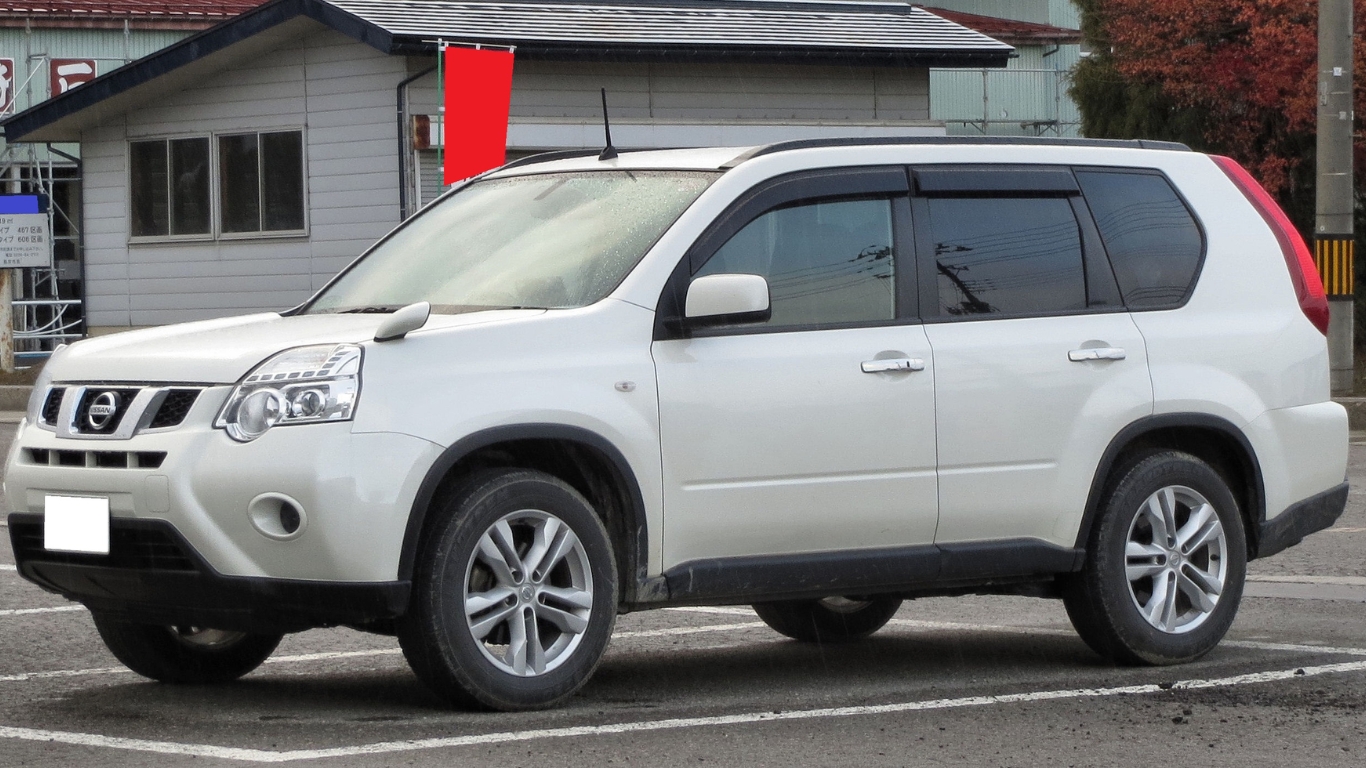
When the transmission oil cooler fails, both systems contaminate each other.
The second-generation Nissan X-Trail T31 (2007–2013) suffers the same Jatco CVT plague as its platform-mates: degraded fluid leads to overheating, shuddering, slipping, and eventual failure. Replacement quotes regularly exceed market value on older examples. An additional failure mode—the integrated transmission oil cooler inside the radiator—mixes coolant and CVT fluid when it ruptures, contaminating both systems simultaneously and demanding comprehensive repairs.
This double-threat turns routine ownership into high-stakes gambling. Anyone planning a long-haul family trip in a T31 better budget for alternative transport when (not if) the CVT expires mid-journey. Better options exist at every price point; this one’s best avoided entirely.
12. Volvo XC40 / EX40
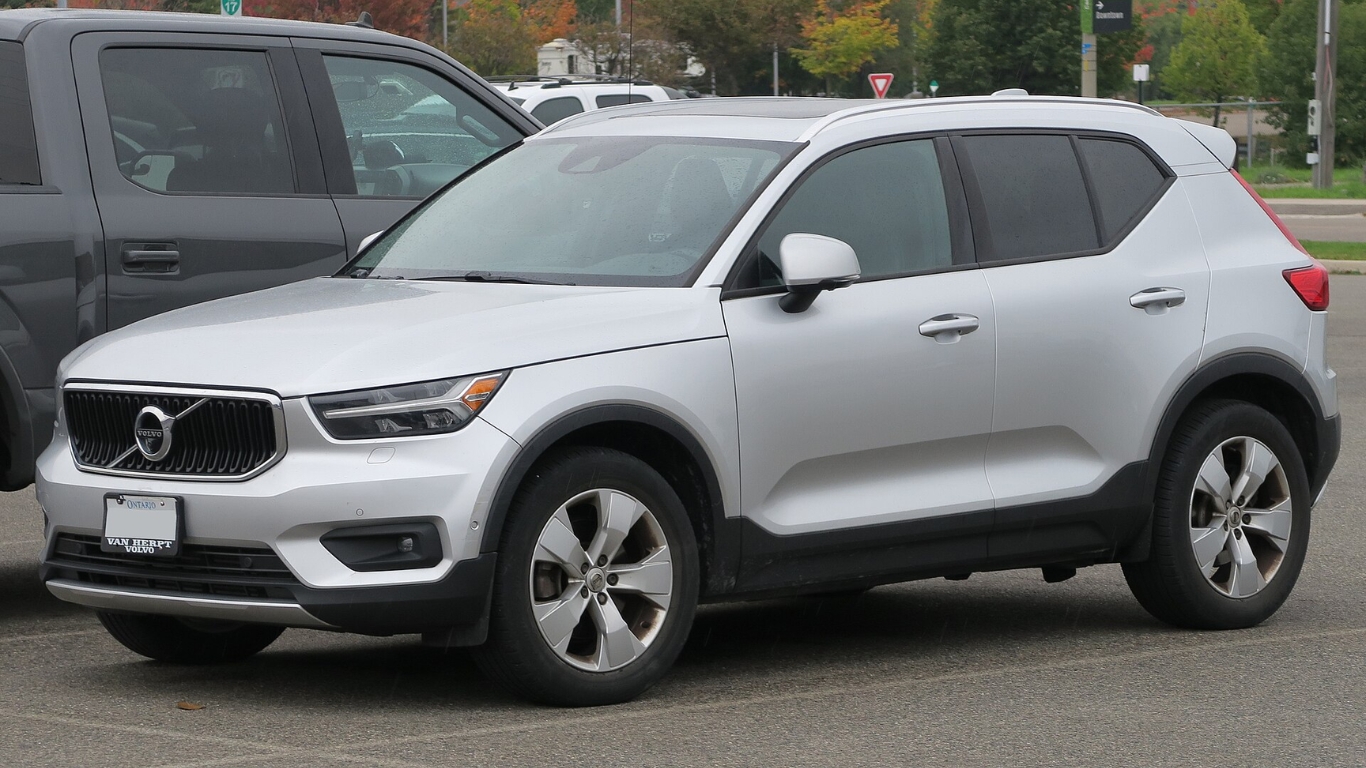
Chinese ownership meets Scandinavian pricing with software glitches.
The Volvo XC40 arrived in 2017 on Volvo’s Compact Modular Architecture promising premium quality in compact crossover form. Reality includes persistent software glitches, infotainment freezes, and camera-sensor faults across petrol, diesel, and electric variants. The EX40 electric spin-off packs up to 402 hp and a 79–82 kWh battery with dual-motor AWD, yet reliability analyses highlight multiple recalls and electronics issues that undermine the premium promise.
Severe depreciation sees examples lose massive value within years. Geely ownership (often overlooked by buyers chasing Scandinavian heritage) influences engineering and production decisions while repair costs remain premium-tier. Ride quality and trim inconsistencies expose the gap between marketing and mechanical reality. Better compact luxury crossovers exist; this one prioritizes image over substance.