

Brakes. We take them for granted, right up until the moment we desperately need them. But are you unknowingly committing brake sins that are silently draining your wallet and compromising your safety? This isn’t just about squeaky noises or a soft pedal; we’re talking about mistakes that can lead to premature wear, costly repairs, and even accidents. Are you using the right brake pads for your driving style? Are you bleeding your brakes properly? Are you even aware of the warning signs that your braking system is in distress? This guide is designed to arm you with the knowledge to avoid these expensive pitfalls and keep your braking system in top shape.
Key Takeaways:
- Brake Pad Selection Matters: Choosing the wrong brake pads for your vehicle and driving style is a recipe for disaster. Understand the differences between organic, ceramic, and metallic pads.
- Regular Maintenance is Key: Neglecting routine brake maintenance, like fluid flushes and inspections, can lead to corrosion and component failure.
- Proper Installation is Crucial: Even the best parts will fail if installed incorrectly. Know when to DIY and when to call in a professional.
- Ignoring Warning Signs is Costly: Don’t ignore squealing, grinding, or a soft brake pedal. These are early indicators of potential problems.
- Brake Fluid is Your Friend (When Fresh): Old, contaminated brake fluid is a silent killer. Learn why regular fluid flushes are essential.
Understanding the Basics of The Most Expensive Brake Mistakes People Still Make
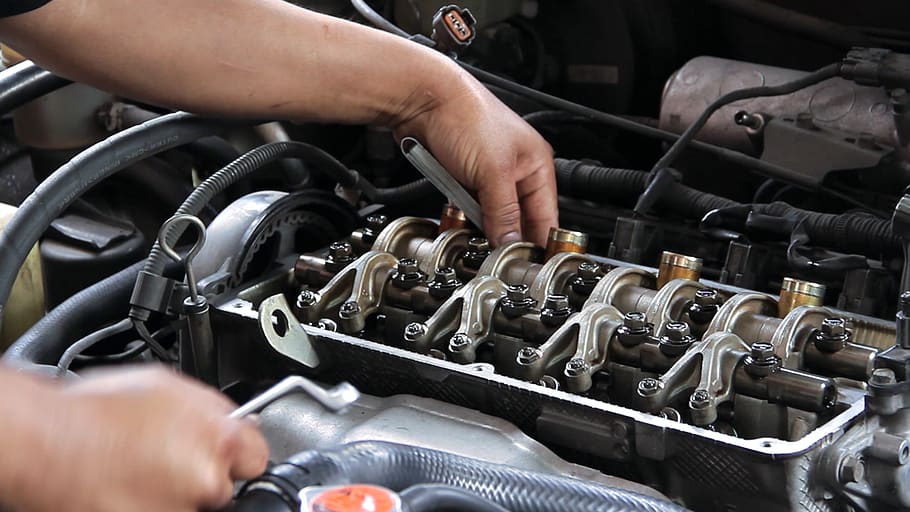
Think of your braking system as a complex orchestra. Each component – pads, rotors, calipers, lines, and fluid – must work in perfect harmony to bring your vehicle to a safe and controlled stop. The most common (and expensive) mistakes often stem from a lack of understanding of these basic components and how they interact.
- Brake Pads: These are the friction material that presses against the rotors to slow your vehicle. They come in various materials, each with its own pros and cons. Imagine choosing the wrong shoes for a marathon – you might finish, but you’ll pay the price.
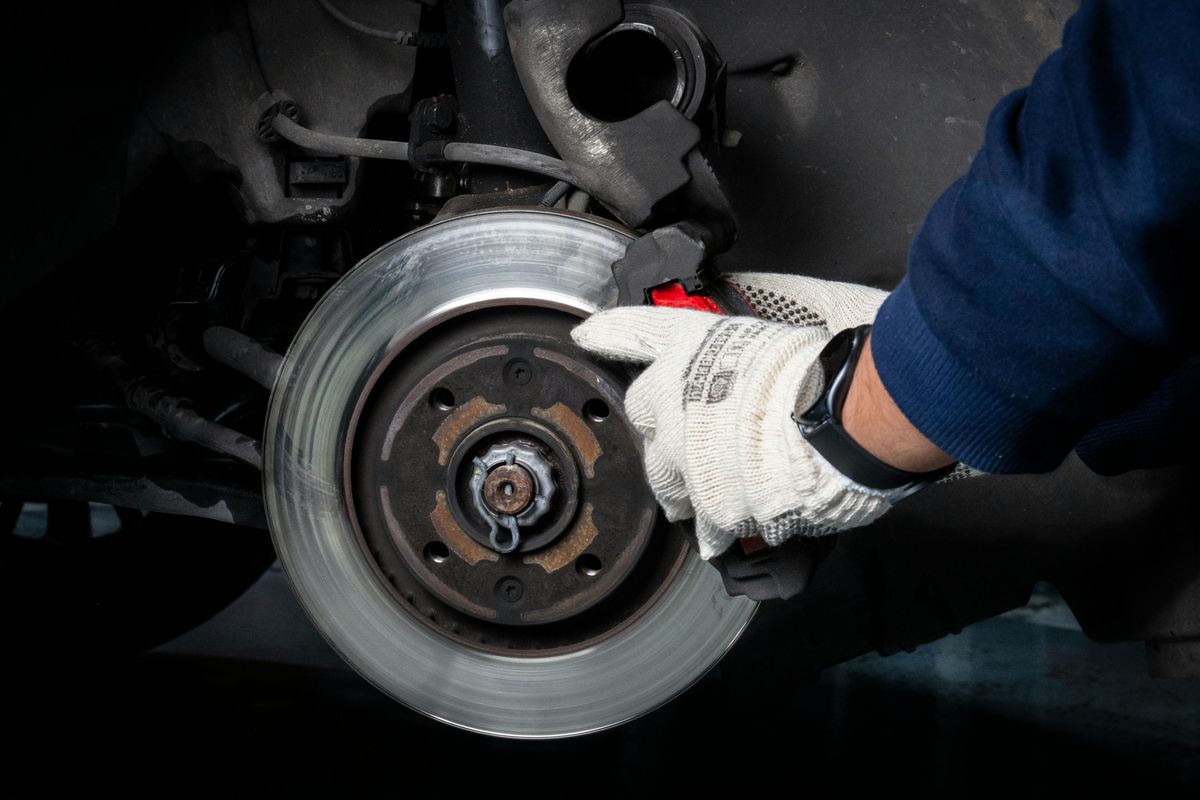
- Rotors: These are the metal discs that the brake pads clamp onto. They dissipate heat generated during braking. Warped or damaged rotors can cause vibrations and reduce braking efficiency.
- Calipers: These house the brake pads and use hydraulic pressure to force them against the rotors. A seized caliper can cause uneven wear and overheating.
- Brake Fluid: This is the lifeblood of your braking system. It transmits the pressure from your foot on the pedal to the calipers. Old, contaminated fluid can boil, leading to brake fade (a loss of braking power).
Importance and Implications
Why should you care about avoiding these brake mistakes? The answer is simple: safety and savings. A well-maintained braking system is crucial for preventing accidents. Faulty brakes can significantly increase stopping distances, especially in emergency situations. Beyond safety, neglecting your brakes can lead to a cascade of expensive repairs. A small problem, like worn brake pads, can quickly escalate into rotor damage, caliper failure, and even master cylinder issues. Think of it as preventative medicine for your car – a little maintenance now can save you a fortune (and potentially your life) later.
Practical Applications or Strategies
So, how can you avoid these costly brake mistakes? Here are some practical tips:
- Choose the Right Brake Pads: Consider your driving style and vehicle type. For daily commuting, ceramic or organic pads offer good performance and low noise. For performance driving or towing, metallic pads provide better stopping power but can be noisier and wear rotors faster.
- Inspect Your Brakes Regularly: Check your brake pads for wear at least every 6 months or 6,000 miles. Look for signs of uneven wear, cracks, or excessive thinning. Also, inspect your rotors for scoring, warping, or rust.
- Flush Your Brake Fluid: Brake fluid absorbs moisture over time, which can lead to corrosion and reduced braking performance. Flush your brake fluid every 2-3 years, or as recommended by your vehicle manufacturer.
- Don’t Ignore Warning Signs: Pay attention to any unusual noises, vibrations, or changes in brake pedal feel. Squealing, grinding, or a soft pedal are all red flags that should be investigated immediately.
- Torque Lug Nuts Properly: Over-tightening lug nuts can warp rotors. Use a torque wrench to tighten them to the manufacturer’s specifications.
Expert Insights or Case Studies
I once worked on a classic Mustang where the owner had ignored a persistent squealing noise for months. He assumed it was just