

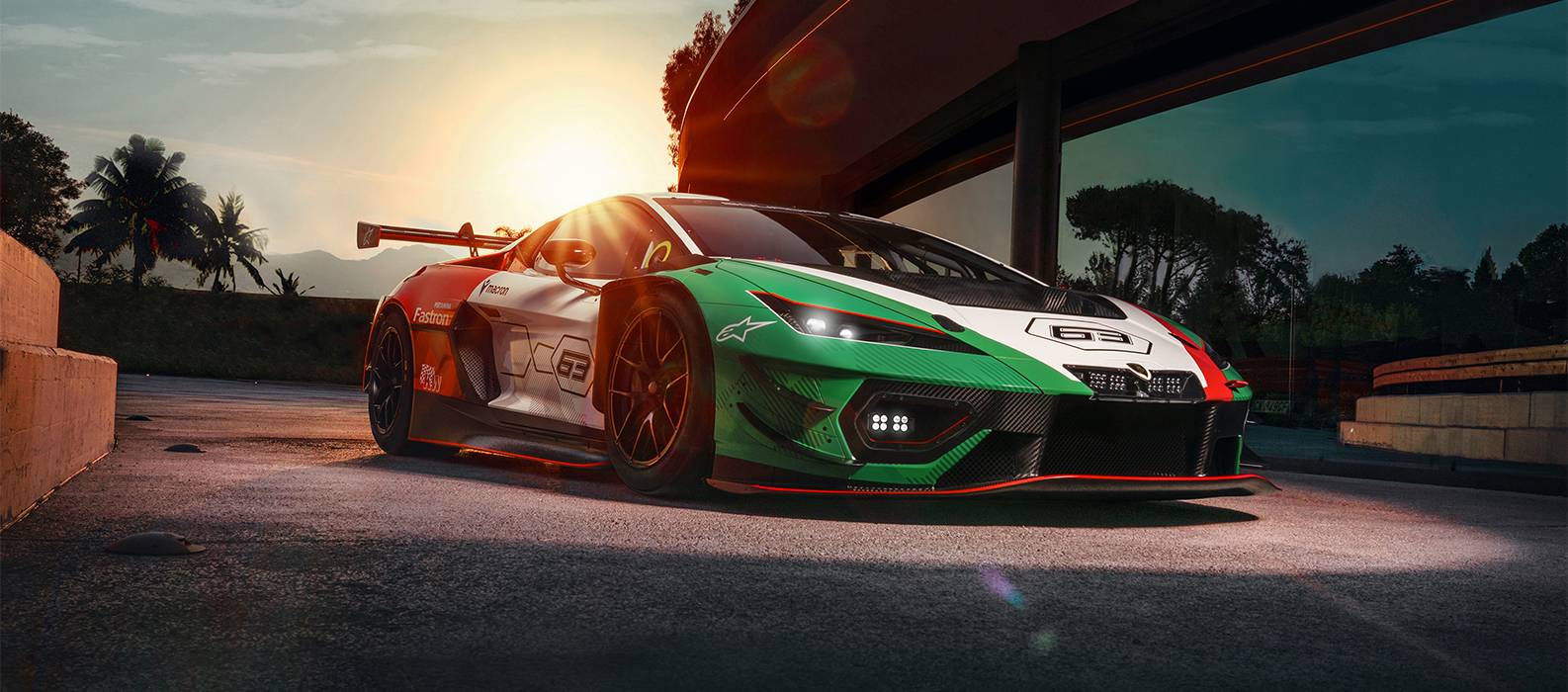
Lamborghini’s Temerario GT3 ditches hybrid complexity for pure racing focus. This isn’t marketing disguised as a race car—it’s a track weapon for teams who need results, not Instagram posts. Six features separate this machine from GT3 field noise.
Twin-Turbo V8 Replaces the Huracán’s Naturally Aspirated V10
The 4.0-liter twin-turbo V8 delivers 550 horsepower after Balance of Performance restrictions. The flat-plane crankshaft with titanium connecting rods revs harder and responds faster than its predecessor. Turbocharged torque transforms corner exit acceleration compared to the Huracán GT3’s naturally aspirated V10.
Peak power arrives earlier, giving drivers more usable performance during combat. The modular design allows complete removal for service between sessions—crucial during endurance races.
Modular Chassis Design Cuts Repair Time in Half
Subframes detach independently for rapid trackside replacement. Carbon composite panels snap off without major teardown. This isn’t convenience—it’s competitive advantage when crash damage normally ends race weekends.
The aluminum spaceframe integrates the FIA roll cage structurally. Teams swap damaged sections and return to competition while competitors head home. Like Fortnite part swapping, except these modifications matter and cost more than V-Bucks.
Six-Speed Sequential Manual Transmission Prioritizes Driver Control
The road car’s 8-speed dual-clutch gets replaced by a 6-speed sequential manual. Racing demands immediate shifts without electronic interference. This transmission delivers precise shifts when drivers demand them, not when computers decide it’s optimal.
Sequential operation means no missed shifts during high-stress situations. Pure function over form—exactly what teams need when battling BMW‘s M4 GT3, which lacks the Lamborghini’s turbocharged torque advantage.
Advanced Suspension Setup Handles Real Track Conditions
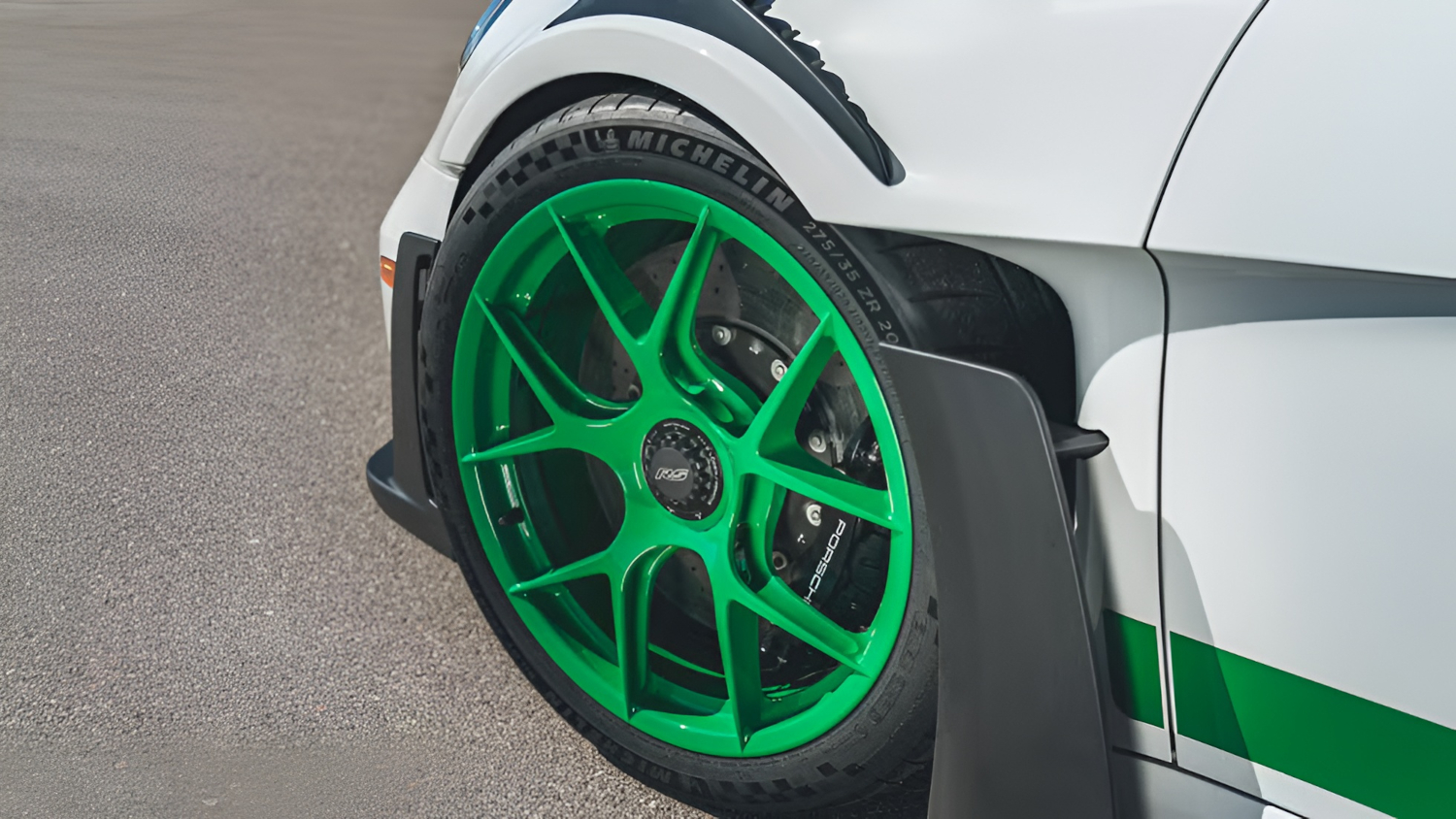
KW supplies 6-way adjustable dampers for circuit-specific tuning. Eighteen-inch Ronal AG wheels provide optimal tire contact geometry for slicks.
Setup flexibility lets teams adapt to different tracks without compromising baseline performance. Suspension geometry prioritizes mechanical grip over electronics that GT3 regulations restrict. Proper tuning beats fancy electronics every time.
Serviceability Features Reduce Downtime Costs
Engine removal requires minimal disconnection. Cooling systems feature enlarged capacity for endurance demands. Data logging integrates with professional telemetry systems teams use.
Factory driver input shaped ergonomics for three-hour stints. These aren’t theoretical improvements—they’re practical solutions for teams spending serious money on track time. Reduced service intervals mean lower operating costs.
March 2026 Sebring Debut Targets Customer Teams
Squadra Corse designed this for private racing teams, not just factory efforts. The March 2026 Sebring debut gives customer teams immediate access to proven technology. Early delivery means a competitive advantage over rivals still developing platforms.
Customer support includes parts availability and the technical assistance smaller teams need. GT3 victories require more than selling cars—they need comprehensive programs that deliver results when checkered flags drop.