

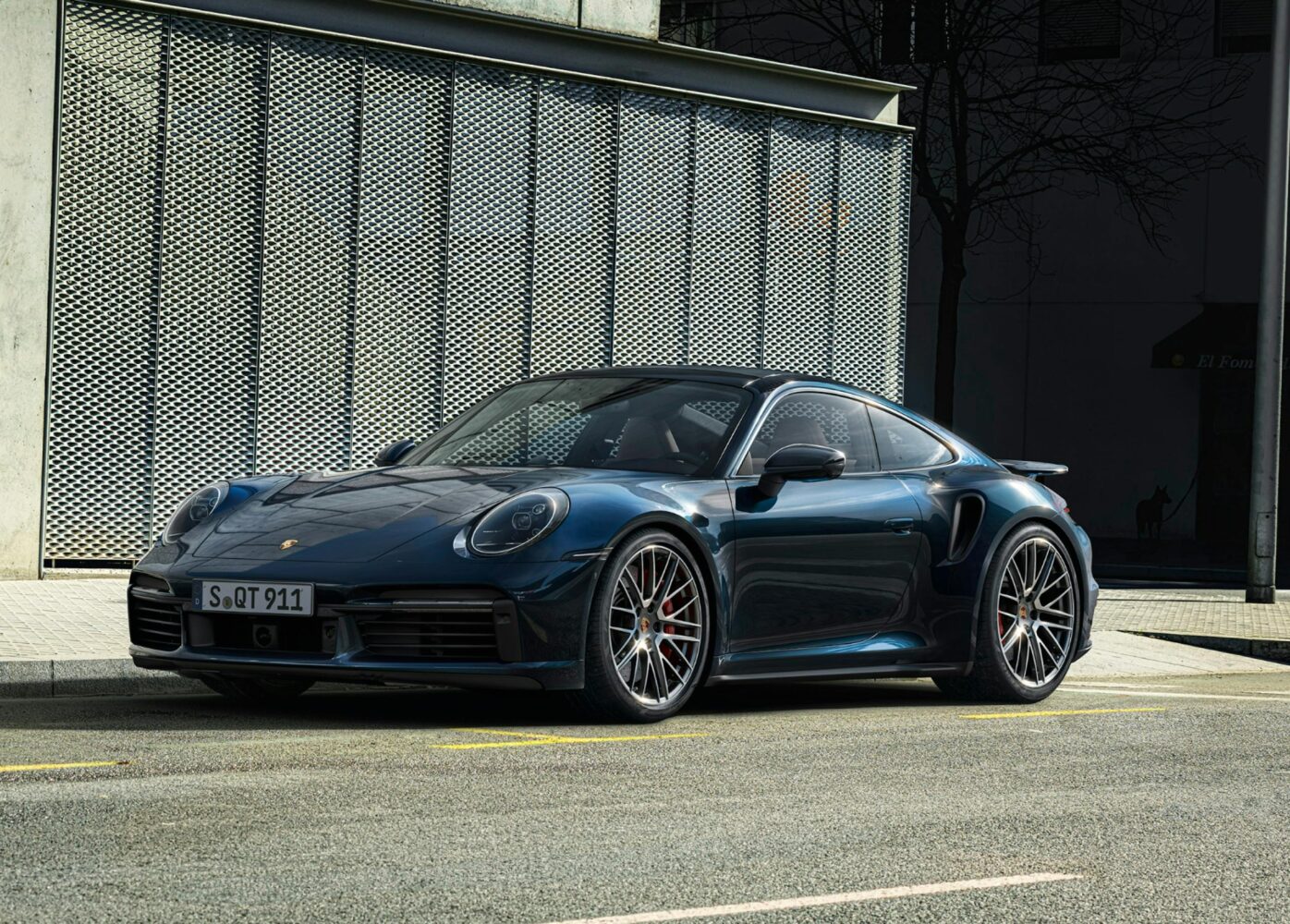
Porsche just made two major announcements that prove the combustion engine isn’t dead yet. The 2025 911 Turbo S arrives with 650 horsepower and 2.7-second sprint times, while a gas-powered Macan successor returns in 2028. This dual strategy keeps performance purists happy while acknowledging that not everyone’s ready to go electric.
When Everyone Else Goes Electric, Porsche Goes Faster
Your favorite German automaker just threw a curveball at the EV revolution. While Tesla stans argue about charging times on Reddit, Porsche confirmed what enthusiasts have been praying for: the 2025 911 Turbo S is coming soon, and yes, there’s still a gas-powered Macan in your future.
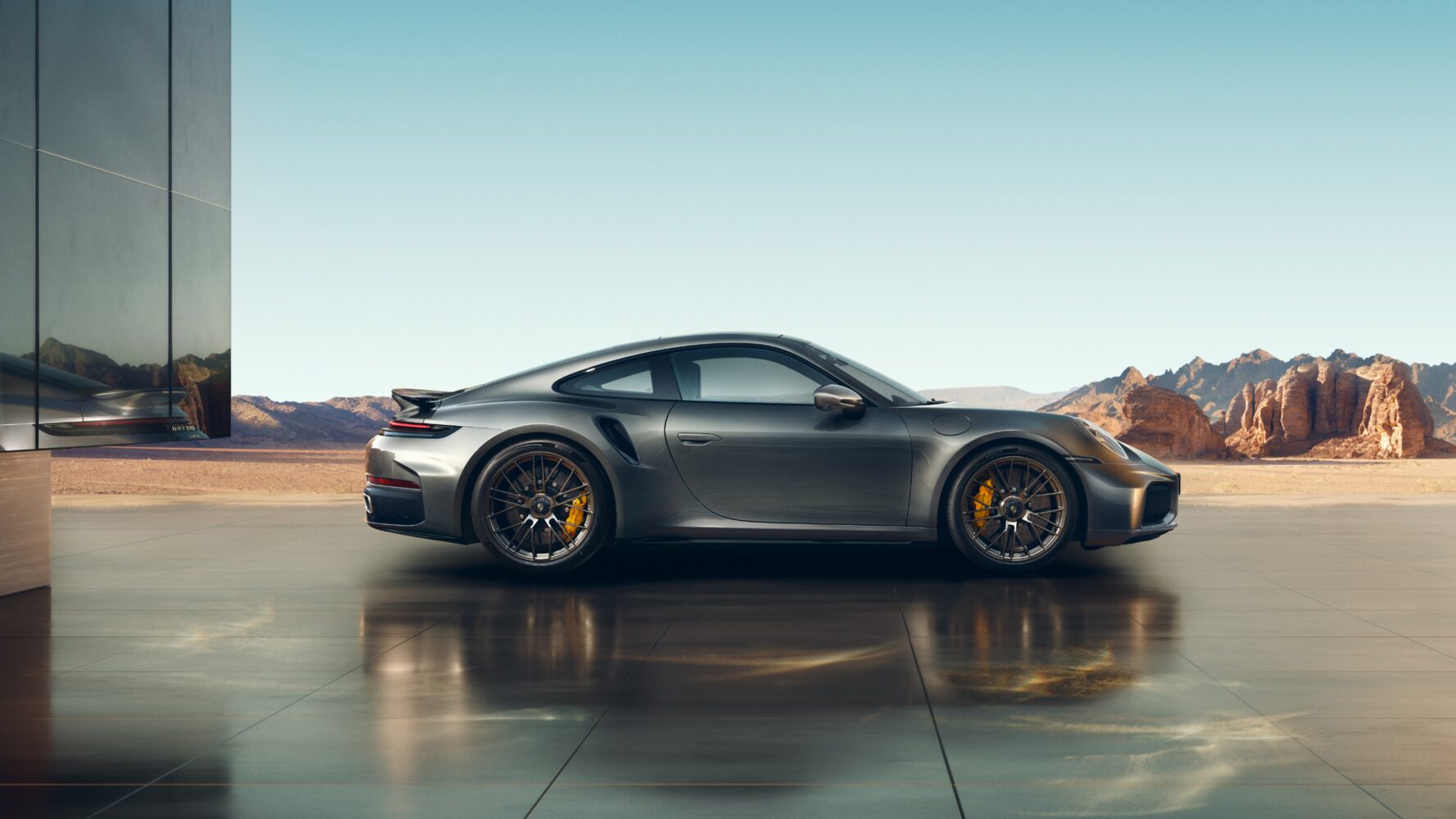
The numbers alone should make your pulse quicken. This latest Turbo S monster packs a twin-turbocharged 3.7-liter flat-six churning out 650 PS (641 hp) and 800 Nm of torque. Translation? You’ll hit 100 km/h in just 2.7 seconds—faster than it takes to skip that Spotify ad you’ve been hearing all week. Top speed reaches 330 km/h, because apparently some people have longer commutes than others.
The $230K Question: Worth Every Penny?
Starting around $230,000, the Turbo S isn’t exactly impulse-purchase territory. But consider what you’re getting: all-wheel drive, an 8-speed PDK that shifts quicker than your attention span during a work Zoom call, and enough adaptive aerodynamics to make a fighter jet jealous. The PASM suspension adjusts faster than your mood when traffic clears, while 20/21-inch forged wheels provide the foundation for this engineering symphony.
Current Macan Reality Check:
- GTS model: 434 hp, 0-60 mph in 4.3 seconds
- Electric variant: Up to 630 hp, 833 lb-ft torque
- 2028 successor: Details pending, but gasoline-powered future confirmed
Playing Both Sides of History
Here’s where Porsche gets interesting. They’re launching an electric Macan for 2025 while simultaneously promising a new gas-powered successor for 2028. It’s like watching someone order a salad and a burger at the same time—confusing until you realize they’re covering all their bases.
This dual approach reveals Porsche’s real strategy: keep the 911 as their combustion crown jewel while gradually electrifying everything else. Smart? Absolutely. The 911’s rear-engine layout makes electrification complicated, but SUVs adapt to batteries like millennials adapt to new social media platforms—reluctantly at first, then completely.
The 2028 gas Macan successor acknowledges what Porsche won’t say publicly: not everyone’s ready to plug in their daily driver. Whether it’s range anxiety, charging infrastructure gaps, or simple preference for engine sounds over artificial whooshes, demand for premium combustion SUVs isn’t disappearing overnight.
Your move, luxury car market. Porsche just proved they’re willing to bet on both horses in this race toward an uncertain automotive future.