

You know that friend who borrows money constantly but somehow always has cash for designer clothes? Tesla just became that friend on a corporate scale, stiffing suppliers for over $110 million while handing CEO Elon Musk a $29 billion stock payday. Two small American businesses have already gone under waiting for Tesla to pay up.
The timing couldn’t be more tone-deaf. While Tesla’s board approved 96 million shares for Musk—essentially rewarding him for presiding over the company’s worst quarterly performance in a decade—actual suppliers who keep the production lines running can’t get their invoices paid. These aren’t faceless corporations getting squeezed, either. We’re talking about small American manufacturers who bet their futures on Tesla contracts and lost everything when the checks stopped coming.
Meanwhile, Tesla’s China sales cratered 8.4% in July to just 67,886 units, continuing a brutal year-long slide that’s seen the company hemorrhage market share to domestic rivals like BYD. The 14% cumulative drop in China sales for the first seven months tells a bigger story than just increased competition—it reveals a brand in freefall. When your core customer base starts shopping elsewhere because your CEO’s political stunts make them uncomfortable, those sales don’t just pause, they vanish.
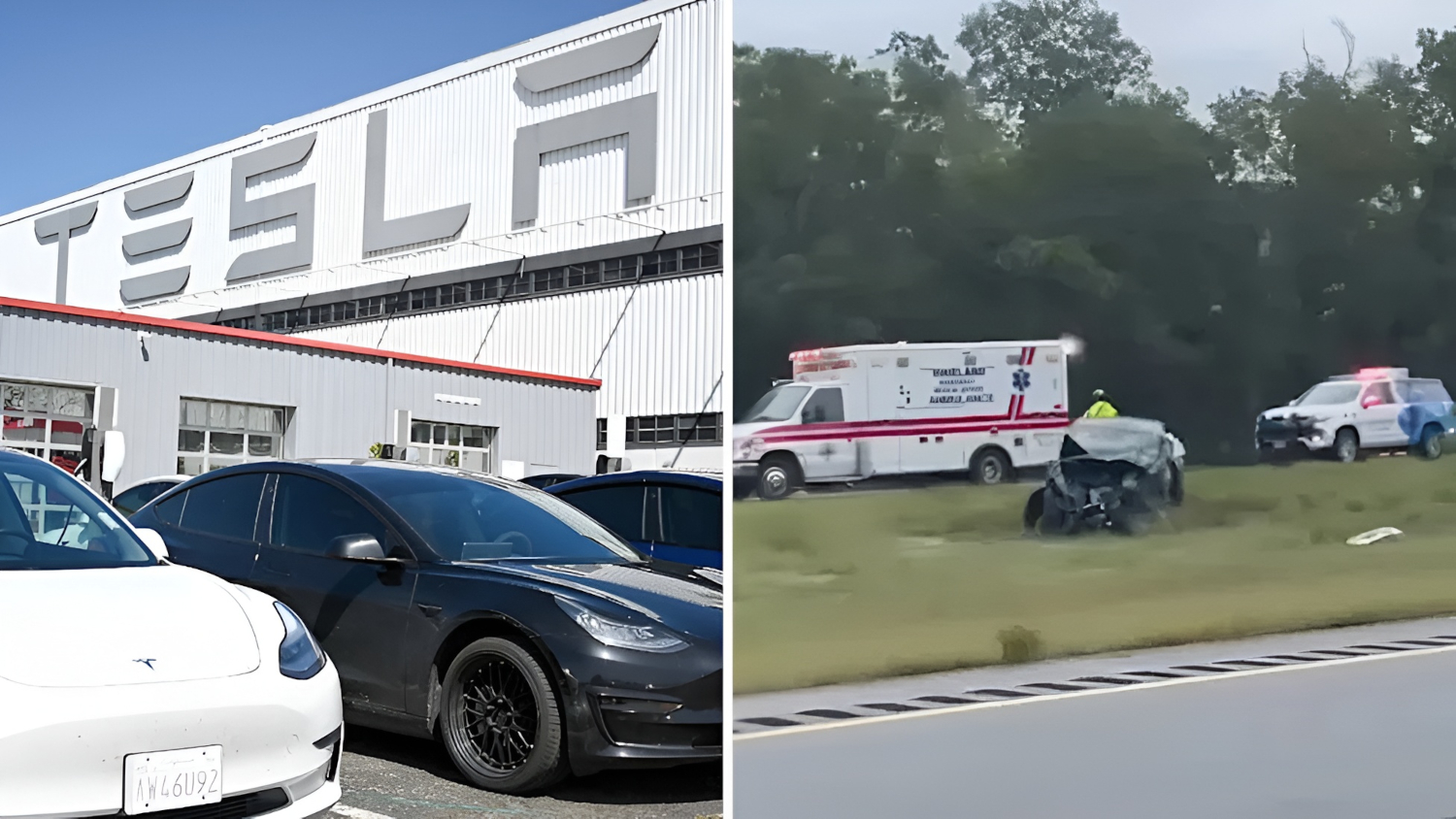
The brand loyalty collapse isn’t happening in isolation. Musk’s vocal Trump support has alienated Tesla’s historically progressive customer base, creating the kind of cultural backlash that makes people actively avoid your product. Add in a potential $243 million liability from a fatal crash case involving Tesla’s autopilot system, and you’ve got a perfect storm of reputational damage that even the most sophisticated marketing can’t fix.
Tesla built its empire on the promise of being different—cleaner, smarter, more ethical than traditional automakers. But when you’re destroying small businesses while enriching executives, and watching loyal customers flee to competitors, you’ve become exactly what you claimed to replace. The question isn’t whether Tesla can weather this crisis, but whether anyone will still care enough to buy the answer.